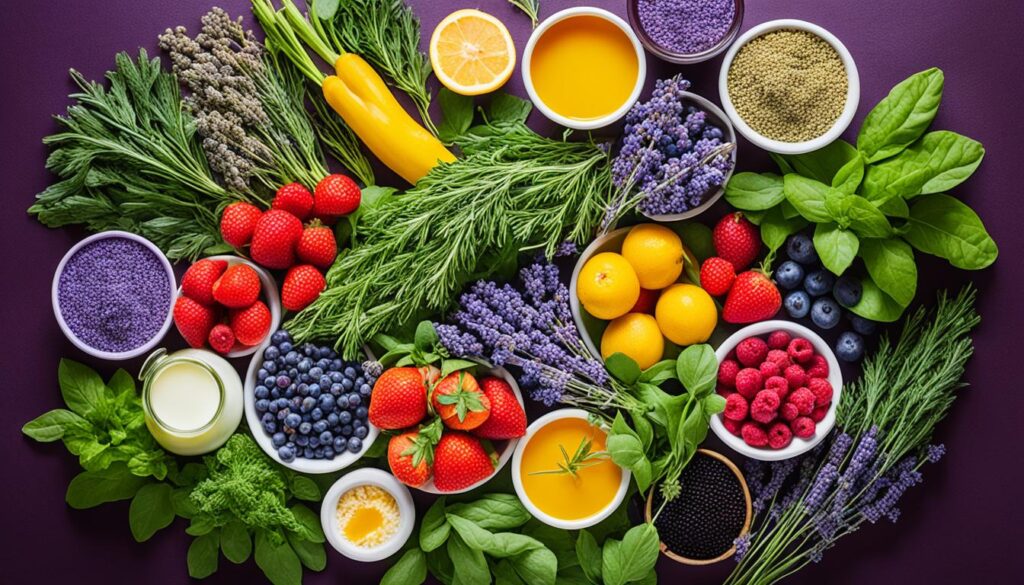
Imagine this: You and your partner have decided it’s time to start a family. You’re eagerly waiting for that positive pregnancy test, but months go by and nothing happens. Frustration and disappointment start to set in, and you begin to wonder if there’s anything you can do to improve your fertility health and increase your chances of conceiving.
Luckily, there are natural fertility enhancers that can help boost your fertility and make your pregnancy planning journey smoother. By making certain nutrition and lifestyle choices, you can optimize your chances of getting pregnant and prepare your body for the beautiful journey of parenthood.
Studies have shown that certain natural fertility enhancers, such as antioxidants found in fruits, vegetables, nuts, and grains, can improve fertility for both men and women by deactivating harmful free radicals that can damage sperm and egg cells. Factors like maintaining a healthy weight, eating a larger breakfast, and reducing the consumption of refined carbs have also been found to have positive effects on fertility and menstrual cycle regulation, especially for women with conditions like polycystic ovary syndrome (PCOS).
Herbal Supplements for Fertility
When it comes to improving fertility naturally, many individuals turn to herbal fertility supplements for potential benefits. While research on their effectiveness is ongoing, some herbal remedies have shown promise in regulating menstrual cycles and balancing hormones – two factors that can impact fertility in women. However, it’s important to note that herbal supplements are not regulated by the FDA, and safety and efficacy can vary. Here are some commonly used herbal fertility supplements:
Chaste Tree Berry
Chaste tree berry, also known as Vitex agnus-castus, has long been used to support female reproductive health. It is believed to help regulate menstrual cycles and promote hormone balance, potentially improving fertility in women.
Lady’s Mantle
Lady’s mantle, scientifically known as Alchemilla vulgaris, is another herb often used for its potential fertility benefits. It is believed to support menstrual health and may help regulate hormone levels, potentially enhancing fertility in women.
While these herbal remedies have gained popularity, it’s essential to consult with a healthcare provider before incorporating them into your fertility journey. They may interact with medications or have contraindications, so professional guidance is crucial.
Supplements for Overall Fertility Support
In addition to herbal supplements, certain nutrients have shown potential in boosting fertility levels for both men and women. Here are some examples:
| Supplement | Potential Benefits |
|---|---|
| Omega-3 Fatty Acids | Enhance mood and regulate menstrual cycles, potentially increasing fertility. |
| Vitamin C and Vitamin E | Have antioxidant effects that may boost fertility levels in both men and women. |
| Folic Acid | Essential for preventing birth defects and may increase pregnancy rates. |
| Coenzyme Q10 | Has shown promise in improving ovarian response and increasing the chances of pregnancy in women undergoing IVF. |
| L-carnitine | Associated with improved sperm motility in men. |
While these supplements may offer potential benefits, it’s important to remember that they are not a guarantee of success in getting pregnant. They should be viewed as part of a comprehensive approach to fertility, which includes lifestyle changes, medical interventions, and regular consultations with a healthcare provider.
Curious to learn more about other natural fertility enhancers? Keep reading to discover lifestyle changes that can positively impact fertility.
Conclusion
While fertility supplements, especially herbal supplements, can be a potential aid in improving fertility, it is crucial to consult with a healthcare provider before incorporating them into your routine. Keep in mind that these supplements are not regulated by the FDA, and their effectiveness may vary.
Lifestyle changes, on the other hand, offer a holistic approach to enhancing fertility. Maintaining a healthy weight, quitting smoking, limiting alcohol intake, managing stress levels, and engaging in moderate exercise can all have a positive impact on your fertility journey.
However, it is important to note that relying solely on fertility supplements or lifestyle changes may not guarantee success in achieving pregnancy. Exploring other treatment options, such as medical interventions and assisted reproductive technologies, should also be considered in consultation with a healthcare professional.
As research in the field of fertility continues to evolve, it is essential to stay informed and make choices that align with your unique circumstances. Always work closely with a qualified healthcare provider to explore the best fertility supplement options, make meaningful lifestyle changes, and consider appropriate treatment options that can ultimately support your fertility goals.
No Comments yet!