Imagine this: after months of anticipation, the moment finally arrives. You hold your beautiful baby in your arms, overwhelmed with love and joy. But amidst the bliss, you realize that your body has gone through a tremendous journey. It’s been stretched, pushed, and exhausted. Now, as you embark on your postpartum recovery, nourishing your body with the right foods becomes paramount.
Postpartum nutrition is not just about losing weight or fitting into your pre-pregnancy jeans. It’s about giving your body the nutrients it needs to heal, recover, and provide the energy necessary to care for your little one. From breastfeeding to replenishing your iron stores, the food you eat plays a significant role in your overall well-being.
So, where do you start? How can you ensure you’re eating right to nourish and rejuvenate your body? In this post-baby nutrition guide, we’ll explore the importance of postpartum nutrition, provide you with a sample meal plan, and offer tips for weight loss after childbirth.
To kick things off, let’s delve deeper into why postpartum nutrition is so vital. Understanding the link between what you eat and your recovery will empower you to make the best choices for yourself and your baby. Are you ready? Let’s get started!
Why Is Postpartum Nutrition So Important?
Postpartum nutrition plays a crucial role in speeding up recovery after childbirth. A nutrient-dense diet with complex carbs, fiber, healthy fats, and protein can help heal the body, prevent bone loss, replenish iron stores, and prevent hemorrhoids. It also supports milk production for breastfeeding mothers. Eating well-balanced meals can provide the energy needed for the demanding role of a new mom. Indulging in occasional treats is acceptable, but it’s generally recommended to continue eating healthy.
During the postpartum period, your body undergoes significant changes and requires proper nourishment to recover effectively. Here are some key reasons why postpartum nutrition is so important:
- Speed recovery: A nutrient-dense diet helps your body heal faster after childbirth. Essential nutrients, such as vitamins, minerals, and antioxidants, support tissue repair and reduce inflammation.
- Boost energy: Being a new mom can be physically and emotionally demanding. Consuming nutrient-rich foods provides the energy necessary to meet these challenges.
- Support breastfeeding: If you’re breastfeeding, your nutritional needs are even higher. Consuming a well-balanced diet ensures that you’re producing an adequate milk supply for your baby.
- Heal the body: Certain nutrients, like protein, iron, and zinc, play a crucial role in repairing and replenishing your body’s tissues and cells.
- Promote milk production: Nutrient-rich foods help stimulate milk production and maintain a steady supply of breast milk.
- Enhance overall well-being: Eating a healthy diet can improve your mood, reduce postpartum depression symptoms, and support your physical and mental well-being.
“Nutrient-dense meals help your body heal, replenish nutrients, and provide the energy you need as a new mom.”
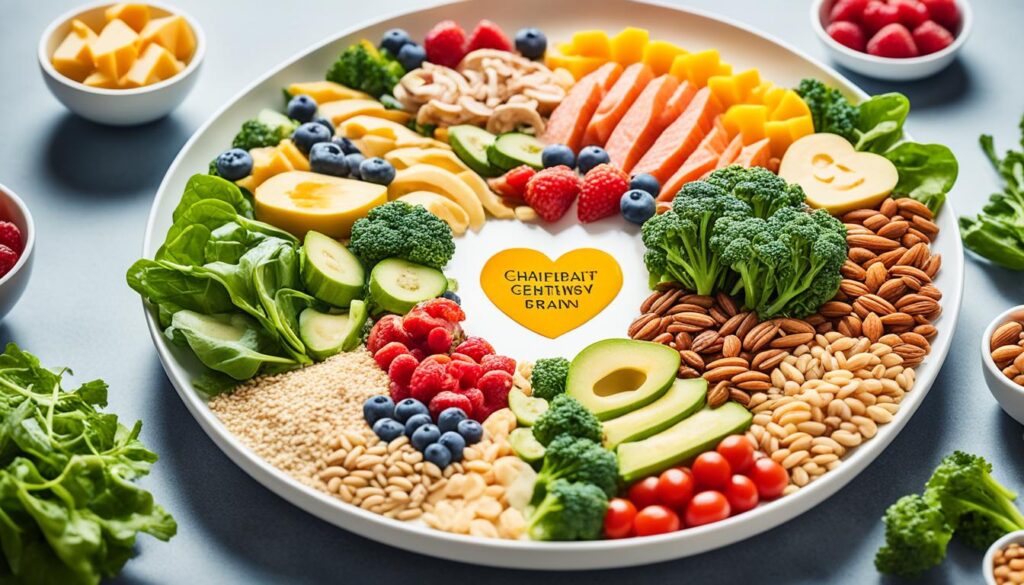
A well-planned postpartum diet should include a variety of foods from all food groups. It’s important to focus on whole, nutrient-rich foods and limit processed and sugary options. Here are some examples of foods that can be included in a postpartum meal plan:
| Meal | Food Options |
|---|---|
| Breakfast | Oatmeal with fruits and nuts |
| Lunch | Tuna salad with whole grain bread and a side of salad |
| Dinner | Chicken stir-fry with various colorful vegetables and whole grain rice |
| Snacks | Yogurt with berries, mixed nuts, and vegetable sticks with hummus |
Remember to stay hydrated by drinking plenty of water throughout the day, especially if you’re breastfeeding. If you have any specific dietary concerns or questions, it’s always best to consult with a healthcare provider or a registered dietitian who specializes in postpartum nutrition.
Postpartum Diet and Weight Loss
After childbirth, it’s natural to want to shed some of the extra weight gained during pregnancy. However, it’s important to approach postpartum weight loss with patience and prioritize your overall health. Crash diets and quick-fix solutions can be harmful and may hinder your recovery from childbirth.
A healthy postpartum diet focuses on healing your body and providing the essential nutrients it needs. Incorporate a well-balanced selection of foods into your meals, including fresh fruits, vegetables, lean proteins, healthy fats, and whole grains. These foods will nourish your body and support your weight loss goals.
Hydration is key, especially if you’re breastfeeding. Drinking plenty of fluids helps replenish your body and supports milk production. Aim for gradual, sustainable weight loss of about 1 pound per week or 4 pounds per month. This ensures that your body has the necessary energy to recover while shedding the extra pounds.
Remember, regular exercise plays an important role in postpartum weight loss as well. Engage in physical activities that you enjoy and are suitable for your postpartum recovery. Start with gentle exercises and gradually increase intensity as your body becomes stronger. A combination of cardiovascular exercises, strength training, and pelvic floor exercises can help you regain strength, improve your fitness levels, and support your weight loss journey.
No Comments yet!