
Imagine this: you’re sitting at a cozy cafe, sipping on a revitalizing cup of herbal tea. As you take a sip, your eyes are drawn to a captivating painting on the wall. It’s a vibrant depiction of a couple embracing the joy and wonder of parenthood. The painting seems to radiate happiness, and it sparks a flicker of hope within you.
You and your partner have been trying to conceive for a while now, and every month that goes by without a positive pregnancy test brings a mix of frustration and disappointment. You’ve been doing your research, seeking advice from friends and even exploring fertility clinics. That’s when you stumble upon the concept of a fertility diet.
Your curiosity piqued, you dive into the world of nutritional support for fertility. It becomes abundantly clear that healthy fats, like omega-3 fats, play a crucial role in enhancing reproductive health. You excitedly jot down notes and bookmark articles, eager to learn more about how these fats can boost your chances of conceiving.
With each bite of salmon rich in omega-3s or each sprinkle of flaxseed on your yogurt, you feel as if you’re nourishing your body, priming it for the miracle of life. The research studies you come across (First source: 1, 2, 3, 4, 5, 6, 7, 8, 9, 26, 27, 28, 29, 30, 36, 43, 44, 45; Second source: 2, 4, 16, 18, 19, 20, 24, 25, 27, 29, 30, 31, 32, 33, 35; Third source: 1, 2, 3, 4, 5, 8, 9, 10, 11, 12, 14, 17, 18, 20, 21, 22, 23, 25, 26, 27, 28, 29, 30, 31, 32, 33, 35, 36, 37, 39, 43, 44, 45) all point to the incredible role that healthy fats, especially omega-3 fats, play in regulating hormones, reducing inflammation, and supporting ovulation.
It’s a journey that begins with a cup of tea, a beautiful painting, and the realization that nourishing your body with healthy fats can be a key component of your fertility journey. You make a promise to yourself and your partner: to embrace a fertility diet rich in these essential fats, and to persevere on the path towards creating the family you’ve always dreamed of.
The Impact of Saturated and Trans Fats on Fertility
While it is important to consume healthy fats, it is equally important to limit the intake of saturated and trans fats. Excessive consumption of these fats has been linked to insulin resistance, endometriosis, and polycystic ovary syndrome (PCOS), all of which can negatively impact fertility. Trans fats, in particular, have been shown to cause ovulatory dysfunction and hormonal imbalances. To support optimal fertility, it is recommended to minimize saturated and trans fats in your diet.
The Relationship Between Saturated Fats and Fertility
Saturated fats are commonly found in animal-based products such as red meat, whole milk, and butter. Studies have suggested that a high intake of saturated fats may negatively affect fertility by increasing insulin levels and promoting inflammation in the body. This can disrupt hormone regulation and interfere with the reproductive process.
The Dangers of Trans Fats on Reproductive Health
Trans fats are artificial fats that are created through a process called hydrogenation. These fats can be found in processed and fried foods, as well as in some margarines and baked goods. Research has shown that trans fats not only raise bad cholesterol levels but also lower good cholesterol levels, leading to an increased risk of heart disease. Trans fats have also been linked to ovulatory dysfunction and hormonal imbalances, both of which can contribute to infertility.
Reducing the consumption of saturated and trans fats can be achieved by:
- Choosing lean protein sources such as fish, poultry, and legumes instead of fatty meats
- Opting for low-fat or non-fat dairy products
- Limiting the consumption of processed and fast foods
- Reading food labels and avoiding products that contain partially hydrogenated oils
By making these dietary changes, you can improve your chances of conceiving and promote overall reproductive health.
| Fat Source | Saturated Fat Content (grams per serving) | Trans Fat Content (grams per serving) |
|---|---|---|
| Butter (1 tablespoon) | 7.2 | 0.1 |
| Red Meat (3 ounces) | 6.2 | 0.2 |
| Whole Milk (1 cup) | 5.1 | 0 |
| Potato Chips (1 ounce) | 6.5 | 0.5 |
| French Fries (medium serving) | 6 | 0.5 |
The Importance of Polyunsaturated and Monounsaturated Fats for Fertility
Polyunsaturated and monounsaturated fats, also known as “good fats,” play a crucial role in supporting fertility and overall health. Research studies have consistently shown the benefits of these fats in maintaining hormone balance and promoting reproductive health.
Polyunsaturated Fats
Polyunsaturated fats, including omega-3 fatty acids, offer a range of benefits for fertility. These fats are known for their anti-inflammatory properties, which can help reduce inflammation in the reproductive system and support healthy hormone regulation (First source: 26, 27, 29, 30, 36; Third source: 5, 8, 9, 13, 14, 15, 38, 41, 42). Additionally, omega-3 fats are important for improving egg quality, which is essential for successful conception and pregnancy.
You can find polyunsaturated fats in foods such as fatty fish (salmon, mackerel, sardines), walnuts, flaxseeds, and certain oils (flaxseed oil, canola oil). Including these sources of healthy fats in your diet can positively impact your reproductive health and increase your chances of conceiving.
Monounsaturated Fats
Monounsaturated fats are another essential component of a fertility-supporting diet. These fats help maintain hormone balance and support reproductive health (Third source: 15). Foods rich in monounsaturated fats include olives, olive oil, avocados, and canola oil. By incorporating these healthy fats into your meals, you can enhance your body’s hormone regulation and contribute to optimal fertility.
When focusing on a fertility diet, it is important to prioritize the consumption of polyunsaturated and monounsaturated fats. These healthy fats support hormone balance and reproductive health, giving you the best chance of conceiving naturally.
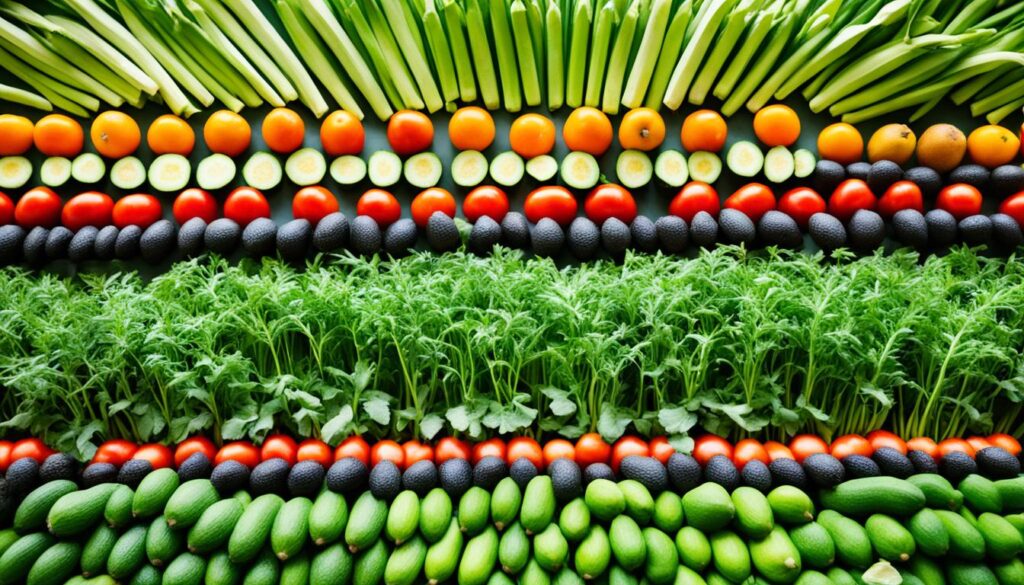
| Foods Rich in Polyunsaturated Fats | Foods Rich in Monounsaturated Fats |
|---|---|
| Fatty Fish (salmon, mackerel, sardines) | Olives |
| Walnuts | Olive Oil |
| Flaxseeds | Avocados |
| Certain Oils (flaxseed oil, canola oil) | Canola Oil |
Conclusion
Incorporating healthy fats into your fertility diet is vital for enhancing reproductive health. By limiting saturated and trans fats and emphasizing polyunsaturated and monounsaturated fats, you can optimize your chances of conceiving and support a healthy reproductive system. Omega-3 fatty acids, in particular, play a significant role in hormone balance and ovulation, making them an essential component of a fertility diet.
To ensure you’re making the best dietary choices, it’s advisable to consult with a healthcare professional or nutritionist. They can help you develop a personalized fertility diet plan tailored to your specific needs. By working with an expert, you can create a well-rounded and balanced approach to nutrition that supports your reproductive health.
Remember, a healthy fertility diet isn’t just about what you eat; it’s also about the overall lifestyle you lead. Regular exercise, stress management, and proper hydration are equally important to support optimal reproductive function. By taking a holistic approach to your well-being and making informed dietary choices, you can enhance your reproductive health and increase your chances of conception.
No Comments yet!