
Folic acid is a key nutrient that plays a crucial role in pre-pregnancy health. It is especially important for women of reproductive age who are planning to conceive. Let me tell you a story to illustrate just how vital folic acid can be for fertility health.
Meet Lisa, a young woman who had been trying to conceive for over a year without success. She and her husband were starting to feel discouraged and worried. They tried every possible method, from tracking ovulation to adopting a healthier lifestyle. However, nothing seemed to work.
Fortunately, Lisa’s doctor recommended that she incorporate folic acid into her daily routine. Lisa had heard about the importance of folic acid for pregnant women but didn’t realize its impact on fertility health.
She started taking a folic acid supplement and made sure to include foods rich in this essential nutrient in her diet. As she continued with this new regimen, Lisa and her husband were thrilled to find out that she was finally pregnant. They were overjoyed and grateful for the role that folic acid played in their journey to parenthood.
Their story is not unique. Many couples experience challenges when trying to conceive, and often, a simple solution like folic acid can make all the difference. Let’s explore further why folic acid is so crucial in pre-pregnancy health and how you can incorporate it into your own journey towards parenthood.
The Importance of Folic Acid in Preconception Care
Folic acid plays a crucial role in preconception care as it helps prevent neural tube defects in babies. Neural tube defects, such as anencephaly and spina bifida, occur very early in pregnancy, often before a woman even realizes she is pregnant. Therefore, it is recommended that women start taking folic acid supplements at least one month before pregnancy and continue throughout the first trimester.
Aside from preventing neural tube defects, folic acid also benefits other aspects of pre-pregnancy health. It supports fertility by aiding in the production of healthy eggs and sperm, and it can optimize early development by ensuring the proper formation of the baby’s organs and tissues.
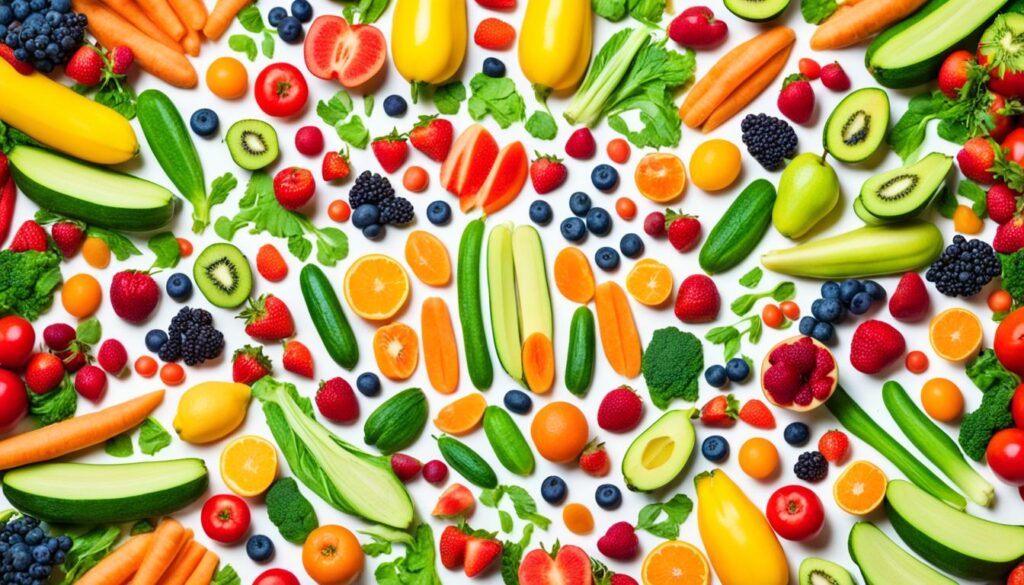
To ensure adequate folic acid intake, women can choose to take a daily vitamin supplement containing 400 micrograms (mcg) of folic acid. Most prenatal vitamins meet this requirement and are specifically formulated for women planning to become pregnant. Another option is to consume fortified foods that have folic acid added to them. Examples of fortified foods include bread, breakfast cereals, and pasta. It is also recommended to consume a varied diet rich in natural food folate, which can be found in foods like leafy green vegetables, beans, and citrus fruits.
By making folic acid a priority in their preconception care routine, women can help reduce the risk of neural tube defects and support their overall reproductive health.
| Benefits of Folic Acid in Preconception Care | How to Ensure Adequate Folic Acid Intake |
|---|---|
| – Helps prevent neural tube defects | – Take a daily vitamin supplement containing 400 mcg of folic acid |
| – Supports fertility | – Consume fortified foods such as bread, breakfast cereals, and pasta |
| – Optimizes early development | – Include natural food folate in the diet, found in leafy green vegetables, beans, and citrus fruits |
Getting Sufficient Folic Acid for Pre-Pregnancy Health
Ensuring adequate folic acid intake is vital for pre-pregnancy health. Women have various options to meet their folic acid requirements, including vitamin supplements and fortified foods.
Vitamin Supplements
One effective way to obtain the recommended daily intake of 400 mcg of folic acid is through vitamin supplements. Prenatal vitamins are specifically formulated for women planning to become pregnant and often contain the necessary amount of folic acid. Taking a prenatal vitamin daily can help women meet their folic acid needs and support their preconception health.
Fortified Foods
Fortified foods provide another convenient way to incorporate folic acid into a pre-pregnancy diet. Many food products are fortified with folic acid, ensuring the necessary intake of this essential nutrient. Common examples of fortified foods include bread, breakfast cereals, and pasta. By regularly consuming these fortified options, women can increase their folic acid intake and support their overall reproductive health.
The Importance of a Balanced Diet
In addition to vitamin supplements and fortified foods, it is crucial for women to maintain a balanced diet rich in natural food folate. Natural food folate can be found in various sources such as leafy green vegetables, beans, and citrus fruits. By incorporating these nutrient-rich foods into their diet, women can enhance their folic acid intake and further support their pre-pregnancy health.
Adequate folic acid intake is essential for pre-pregnancy health. Women can choose to take vitamin supplements or consume fortified foods to meet their folic acid needs. A balanced diet that includes natural food folate is also beneficial in optimizing preconception health.
Combining a vitamin supplement, fortified foods, and a balanced diet can help ensure women receive sufficient folic acid for their pre-pregnancy health. By making these choices, women can support their overall reproductive health and pave the way for a healthy pregnancy.
The Importance of Folic Acid in Pre-Pregnancy Health
Folic acid is a key nutrient that plays a crucial role in pre-pregnancy health. One of its main benefits is its ability to help prevent major birth defects of the baby’s brain and spine. By supporting the formation of the neural tube during early pregnancy, folic acid can significantly reduce the risk of these birth defects.
It is especially important for women of reproductive age to ensure they are getting enough folic acid through vitamin supplements or fortified foods. Whether they are planning to become pregnant or have previously had a pregnancy affected by a neural tube defect, incorporating folic acid into their preconception care routine is essential.
By optimizing their reproductive health through adequate folic acid intake, women can provide the best possible environment for the early development of their baby. Whether it’s through vitamin supplements or fortified foods, making folic acid a priority in pre-pregnancy health can make a significant difference in the prevention of birth defects and the overall well-being of both mother and child.
No Comments yet!