
Imagine this: you and your partner have decided that it’s time to start a family. Excitement fills the air as you envision the joy of holding your newborn baby in your arms. But before diving headfirst into the journey of pregnancy, it’s crucial to prioritize your pre-pregnancy health. Regular medical check-ups play a vital role in ensuring a healthy start for both you and your future baby.
What Provider to See for a Preconception Check-Up?
When it comes to preconception check-ups, you have various options for healthcare providers. You can choose to see an obstetrician (OB), a family practice doctor, a maternal-fetal medicine (MFM) specialist, a family nurse practitioner (FNP), a women’s health nurse practitioner (WHNP), or a midwife.
Obstetricians are doctors who specialize in caring for pregnant women and delivering babies. Family practice doctors can provide care for the entire family, including before, during, and after pregnancy. MFM specialists have expertise in managing high-risk pregnancies. Family nurse practitioners and women’s health nurse practitioners are nurses who can provide comprehensive care for women during pregnancy. Certified midwives can also provide care for pregnant women.
It is important to choose a provider based on your individual needs and preferences.
| Provider Type | Description |
|---|---|
| Obstetrician (OB) | Doctors who specialize in caring for pregnant women and delivering babies. |
| Family Practice Doctor | Doctors who provide care for the entire family, including before, during, and after pregnancy. |
| Maternal-Fetal Medicine (MFM) Specialist | Specialists with expertise in managing high-risk pregnancies. |
| Family Nurse Practitioner (FNP) | Nurses who can provide comprehensive care for women during pregnancy. |
| Women’s Health Nurse Practitioner (WHNP) | Nurses who can provide comprehensive care for women during pregnancy. |
| Midwife | Certified midwives who can provide care for pregnant women. |
What Happens at a Preconception Check-Up?
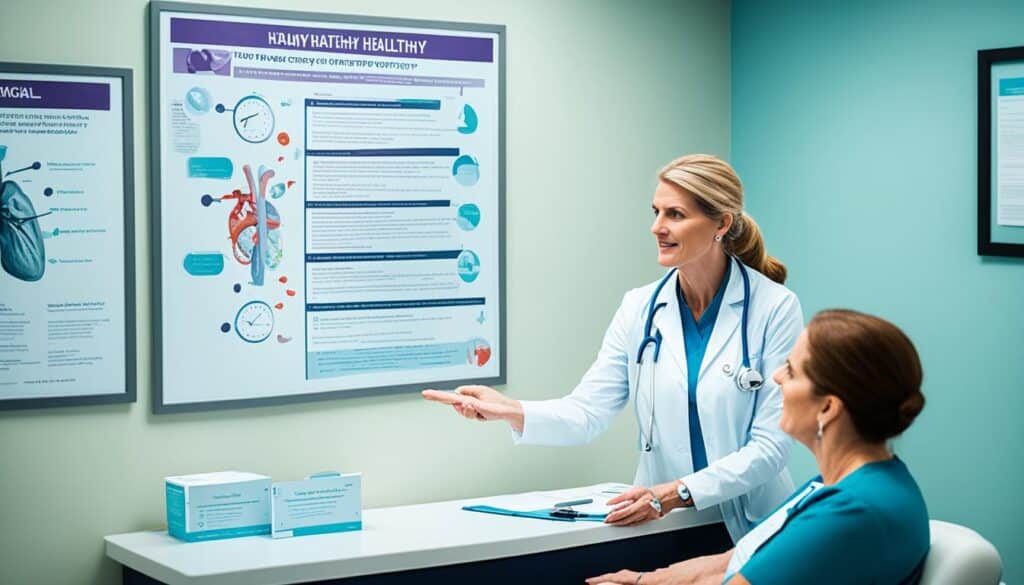
During a preconception check-up, your healthcare provider will conduct a comprehensive assessment of your overall health to ensure that your body is ready for pregnancy. This check-up involves various procedures and discussions that are essential for optimizing your chances of a healthy pregnancy.
Firstly, your healthcare provider may perform physical exams, pelvic exams, Pap tests, and blood tests to gather important information about your health status. These tests help identify any underlying conditions or risk factors that may impact your pregnancy.
During the check-up, you and your provider will engage in open and thorough communication about several crucial factors:
- Folic acid intake: Folic acid is a vital nutrient that helps prevent certain birth defects, such as neural tube defects. Your provider will guide you on the recommended intake of folic acid supplements or foods rich in folate to ensure adequate levels before conception.
- Health conditions: Discussing your existing health conditions is crucial as some conditions can affect pregnancy and require special management. Conditions such as diabetes, high blood pressure, and being overweight may require specific lifestyle modifications or additional medical interventions to ensure a healthy pregnancy.
- Infections: Certain infections can harm the developing baby. Your provider will discuss preventive measures for infections such as toxoplasmosis and sexually transmitted infections. They may recommend screenings, vaccination updates, and safe hygiene practices to minimize the risk of infection.
- Medications: It’s important to inform your provider about any medications you are taking, including prescription medications, over-the-counter drugs, and herbal supplements. They will assess the safety of these medications during pregnancy and make necessary adjustments or recommendations.
- Vaccinations: Vaccinations before pregnancy can provide crucial protection to both you and your baby. Your provider will review your vaccination history and recommend any necessary updates before conception. Recommended vaccinations may include rubella and chickenpox vaccines.
- Lifestyle factors: Your provider will discuss lifestyle habits that can impact pregnancy, such as smoking, alcohol consumption, and exposure to harmful chemicals. They will provide guidance on making healthy choices and minimizing potential risks.
Note: Insert relevant quote here, if applicable.
Additionally, your preconception check-up may involve checking your blood type and Rh factor, as well as discussing genetic counseling if certain health conditions run in your family. The goal of these discussions and assessments is to ensure that you receive personalized care and appropriate interventions to optimize your pre-pregnancy health.
Remember that open and thorough communication with your provider is crucial during the preconception check-up. Be sure to share all relevant information and ask any questions or concerns you may have. Your provider is there to support you in preparing for a healthy and successful pregnancy journey.
| Procedures | Purpose |
|---|---|
| Physical exams | To assess overall health |
| Pelvic exams | To evaluate reproductive health |
| Pap tests | To screen for cervical cancer |
| Blood tests | To check for underlying health conditions and infections |
Conclusion
Preconception check-ups are crucial for ensuring optimal pre-pregnancy health and preparing for a successful pregnancy. These check-ups provide an opportunity for healthcare providers to identify and address any existing health conditions that may affect pregnancy. By addressing these concerns before conception, you can enhance the chances of a healthier pregnancy and minimize the risk of complications.
Regular medical check-ups play a critical role in promoting preconception health by providing guidance on lifestyle changes and necessary steps to prepare for pregnancy. During these check-ups, healthcare professionals assess your overall health, discuss important factors such as folic acid intake, health conditions, infections, medications, vaccinations, and lifestyle choices. Open and thorough communication with your provider during the preconception check-up is key to ensuring a comprehensive evaluation.
By prioritizing preconception care and seeking guidance from healthcare professionals, you can take proactive steps towards a healthier future for both you and your baby. Preconception check-ups set a strong foundation for a safe and successful pregnancy journey, facilitating optimal health for the mother and the baby. Remember, your health before pregnancy significantly impacts your pregnancy and your baby’s well-being. Make preconception check-ups a priority to ensure the best possible outcome.
No Comments yet!