Finding ‘Me-Time’ After Baby: Essential Tips for New Mothers

finding me-time post-baby

As a new mother, your days are filled with an endless cycle of feeding, changing diapers, and soothing your little one to sleep. It’s a beautiful and rewarding experience, but it can also leave you feeling exhausted and in need of some much-needed ‘me-time.’

Imagine this: It’s been weeks since you’ve had a peaceful moment to yourself. You’ve forgotten what it feels like to sip a hot cup of coffee without interruptions or to simply enjoy a leisurely shower that lasts more than five minutes. Your hair is tied up in a messy bun, and your once-glowing skin is now begging for some attention.

But here’s the thing: Finding time for self-care is not only important for your own well-being, but it’s also crucial for being the best mother you can be. Taking care of yourself allows you to recharge, rejuvenate, and show up fully for your little one.

In this article, we will share essential tips and practical advice on how you can carve out precious moments of ‘me-time’ amidst the chaotic and beautiful journey of motherhood.

Whether it’s a few minutes spent enjoying a hot shower, indulging in an at-home spa treatment, or immersing yourself in a captivating book, these small acts of self-care can make a world of difference in your life.

So, grab a cup of tea, find a cozy spot, and let’s explore the wonderful world of ‘me-time’ for new mothers.

Practical Tips for Finding ‘Me-Time’

As a new mother, finding time for yourself can seem like a daunting task. However, with a little creativity and planning, you can carve out some precious ‘me-time’ to relax and recharge. Here are some practical tips to help you prioritize self-care:

  1. Take a shower: Even if it’s a short one, a shower can do wonders for your well-being. Find a few minutes during the day to cleanse and rejuvenate yourself.
  2. Utilize online shopping: Take advantage of the convenience of online shopping to treat yourself. Whether it’s a small indulgence or something you genuinely need, maintaining a sense of normalcy can boost your mood.
  3. Explore at-home beauty treatments: Look for mobile hairdressers, nail technicians, or at-home massage services that can bring the salon experience to you. Pampering yourself with beauty treatments has never been easier.
  4. Make the most of feeding time: Use this time as an opportunity to catch up on your favorite boxset, listen to music, or enjoy podcasts. It’s a great way to entertain yourself while nourishing your baby.
  5. Socialize with friends: Take your baby for a walk and make phone calls to catch up with friends. This way, you can combine quality time with your little one and maintain social connections.
  6. Relax during nap times: When your baby is sleeping, take some moments to unwind and relax. Whether it’s watching a show, reading a book, or taking a well-deserved bath, use this time to prioritize your own rest and relaxation.
  7. Listen to podcasts or audiobooks: Whether you’re on a car ride with your baby or doing chores while they’re occupied at home, listening to podcasts or audiobooks can provide intellectual stimulation and entertainment.

Remember, finding ‘me-time’ may require some adjustments and creativity, but it’s essential for your well-being as a new mother. Implement these practical tips and make self-care a priority in your daily routine. You deserve it!

Understanding the Challenges and Overcoming Barriers

As a new parent, it’s no surprise that you may find yourself faced with a lack of free time. However, it’s important to delve deeper into the reasons behind this feeling in order to effectively address this challenge. Consider these factors:

Constant Awareness of Your Baby’s Well-Being

As a loving parent, it’s natural to be constantly aware of your baby’s well-being. However, this constant awareness can be both time-consuming and mentally draining. It’s important to recognize when you can allow yourself some time for self-care without compromising your baby’s safety and security.

The Pressure to Constantly Be Busy

In today’s society, there is often a pressure to be busy all the time. However, as a new parent, it can be overwhelming to juggle all the responsibilities. It’s essential to prioritize self-care and understand that taking time for yourself is not selfish, but necessary for your overall well-being.

Mindful of Screen Time Distractions

In a world filled with screen time distractions, it’s crucial to use technology intentionally and minimize the time spent on activities that don’t contribute to your well-being. Set boundaries for yourself and create dedicated screen-free time to focus on self-care activities that truly rejuvenate you.

Seeking Help and Support

Don’t hesitate to seek help from your partner, family, friends, or trusted individuals in your community. By sharing the responsibilities of parenting, you can create more time for yourself and alleviate the pressure to do it all on your own.

Setting Realistic Expectations

It’s important to set realistic expectations for yourself and your daily tasks. Prioritize what truly needs to be done and let go of unnecessary tasks or obligations that may be consuming your limited free time. By setting realistic expectations, you can create more space for self-care.

screen time distractions

Challenges Strategies
Lack of free time Identify pockets of time throughout the day for self-care activities. Even if it’s just a few minutes, every moment counts.
Constant awareness Practice mindfulness and be present in the moment, balancing your baby’s well-being with your own.
Pressure to be busy Reframe your mindset and understand that self-care is not a luxury but a necessity for your overall well-being.
Screen time distractions Set boundaries and allocate specific times for screen usage. Use technology intentionally to enhance your free time.
Seeking help Reach out to your support network and delegate responsibilities. Remember, it’s okay to ask for help.
Realistic expectations Prioritize tasks and let go of unnecessary obligations. Set achievable goals and focus on what truly matters.

Conclusion

Taking care of yourself as a new mother is essential for your physical, mental, and emotional well-being. The journey of motherhood comes with temporary challenges that may make it difficult to find time for self-care. However, it’s important to remember that the infant phase is temporary, and as your baby grows, you will gradually have more time for yourself.

Implementing realistic self-care strategies is crucial in ensuring that you prioritize your well-being while taking care of your little one. One effective strategy is the 5-20-1 rule, which involves dedicating 5 minutes every hour to check in with yourself, indulging in a 20-minute self-care activity daily, and taking at least 1 day off per month for complete rejuvenation.

Remember, self-care is not selfish; it is an act of love for both yourself and your child. By taking care of your own needs, you will be better equipped to provide the best care for your baby. So, embrace self-care, seek support from your loved ones, and remember that you deserve the time and attention you give to others.

FAQ

How can taking a shower help me find ‘me-time’ as a new mother?

Taking a shower, even if it’s a short one, can help you feel refreshed and rejuvenated, providing a brief moment of relaxation and self-care.

How can online shopping be a form of self-care for new mothers?

Utilizing online shopping can help you treat yourself and maintain a sense of normalcy, allowing you to indulge in small luxuries without leaving the comfort of your home.

What are some options for at-home beauty treatments for new mothers?

Exploring options for mobile hairdressers, nail technicians, or at-home massage services can make it easier to indulge in beauty treatments and pamper yourself without having to leave your baby’s side.

How can I incorporate relaxation during my baby’s feeding time?

Use feeding time as an opportunity to watch your favorite boxset or listen to music or podcasts, enabling you to relax and enjoy some entertainment while bonding with your baby.

How can I socialize with friends while taking care of my baby?

Make phone calls to catch up with friends while taking your baby for a walk. This allows you to have adult conversations and maintain social connections while still tending to your baby’s needs.

When can I find time to relax and unwind as a new mother?

Take advantage of your baby’s nap times to relax and unwind, whether it’s watching a show, reading a book, or taking a bath. This ensures that you have dedicated time for self-care while your baby is peacefully sleeping.

How can I listen to podcasts or audiobooks as a new mother?

Listen to podcasts or audiobooks during car rides or while your baby is occupied at home. This allows you to engage in personal development or entertainment during your daily routines.

What are the common challenges faced by new parents when it comes to finding free time?

Lack of free time is a common challenge for new parents. Constant awareness of your baby’s wellbeing and the pressure to constantly be busy can make it difficult to prioritize self-care and find time for yourself.

How can screen time distractions affect a new mother’s self-care time?

Be mindful of screen time distractions and use technology intentionally to maximize your available time. Excessive screen time can hinder your ability to relax and focus on self-care, so it’s important to set boundaries and use technology purposefully.

How can I seek help to create more ‘me-time’ as a new mother?

Seek help from your partner, family, friends, or trusted individuals in your community to share the responsibilities of caring for your baby. This allows you to delegate tasks and create more time for yourself to prioritize self-care.

How can setting realistic expectations help new mothers find ‘me-time’?

Set realistic expectations and prioritize what truly needs to be done. Let go of unnecessary tasks and focus on what is important, ensuring that you create space and time for yourself to prioritize self-care.

Why is self-care important for new mothers?

Making yourself a priority and recognizing the importance of self-care is essential for your physical, mental, and emotional well-being as a new mother. Taking care of yourself allows you to be the best caregiver for your baby and fosters a healthy relationship with yourself.

Are the challenges of finding ‘me-time’ temporary for new mothers?

Yes, the challenges of finding ‘me-time’ as a new mother are temporary. As your baby grows and becomes more independent, you will eventually have more time for yourself. It’s important to remember that this phase is temporary and that prioritizing self-care is a long-term investment in your well-being.

What are some realistic self-care strategies for new mothers?

Implementing realistic self-care strategies, such as the 5-20-1 rule, can help you prioritize self-care and ensure that you are able to provide the best care for your baby. This involves dedicating 5 minutes to yourself, 20 minutes doing an activity you enjoy, and 1 hour of uninterrupted self-care time each day.

Eat Your Way to Fertility: Top Foods That Boost Your Chances

fertility boosting foods

Conceiving a baby is an exciting journey that many couples embark on, filled with hopes and dreams of starting a family. However, it’s no secret that it can sometimes take time and patience to achieve pregnancy. In fact, only about 30% of couples get pregnant in the first month of trying.

But what if there are small dietary changes you can make that could increase your chances of conceiving? What if there are certain foods that can support your reproductive system and boost fertility?

Take Jane and Mark, for example. They had been trying to conceive for over a year without success. Feeling frustrated and disheartened, they decided to explore the role of nutrition in fertility. They discovered that by making simple changes to their diet, they could potentially enhance their chances of getting pregnant.

After doing some research, Jane and Mark learned about the power of fertility-boosting foods. They discovered that incorporating certain nutritious foods into their diet could potentially improve their pre-pregnancy nutrition and increase their chances of conception.

Excited by this newfound knowledge, Jane and Mark started incorporating foods such as walnuts, tomatoes, citrus fruits, full-fat dairy, beans and lentils, and sardines and salmon into their meals. They also made a conscious effort to avoid foods like added sugar, heavy alcohol use, high caffeine levels, and red and processed meat, which could potentially hinder their fertility.

And guess what? After a few months of following their newfound fertility-focused diet, Jane and Mark received the news they had been longing for—they were pregnant!

This heartwarming story is just one example of how the right diet and fertility-boosting foods can make a difference when it comes to conception. In this article, we will explore the role of nutrition in boosting fertility and provide you with recommendations on the best foods to eat and foods to limit to increase your chances of starting a family.

The Role of Nutrition in Boosting Fertility

While there are no specific foods that can magically boost fertility, incorporating certain nutrients and following a healthy diet can have a positive impact on fertility. A Mediterranean-style diet, which includes whole foods like fruits, vegetables, whole grains, lean proteins, and healthy fats, is associated with higher fertility.

Nutrients such as folic acid, vitamin B12, and omega-3 fatty acids are especially beneficial for female fertility. Including fertility-boosting foods rich in these nutrients, such as folic acid-rich leafy greens, vitamin B12-packed eggs, and omega-3 fatty acid-rich salmon, can improve reproductive health.

Supplements can also play a role in fertility nutrition. Folic acid supplements are commonly recommended for women trying to conceive as they help promote healthy embryo development. However, it’s important to note that supplements should always be paired with a nutritious diet.

A balanced diet not only provides essential nutrients but also helps maintain a healthy weight, which is key for fertility. It’s important to consult with a healthcare provider or a registered dietitian to ensure that you’re meeting your nutritional needs. Together with adopting a nutritious eating pattern, making lifestyle changes like managing stress, getting regular exercise, and avoiding smoking can further support your fertility journey.

Recommendations for Boosting Male and Female Fertility

When trying to conceive, it’s important to address both male and female fertility. For optimal female fertility, incorporating nutrients like folate, vitamin B12, and omega-3 fatty acids into the diet is crucial. These nutrients can be found in foods such as dark-green leafy vegetables, low-mercury fish, eggs, and seeds, which provide the essential building blocks for reproductive health.

On the other hand, for male fertility, it is recommended to focus on a diet rich in unsaturated fatty acids, antioxidants, and balanced protein intake. Foods like low-mercury fish, nuts, and fruits and vegetables can provide the necessary nutrients to support male fertility. These foods aid in maintaining healthy sperm production and function, ultimately improving the chances of conception.

While it’s important to include fertility-boosting foods in your diet, it is equally vital to limit the consumption of certain foods that can negatively impact fertility. Simple carbohydrates, found in foods like sugary snacks and refined grains, can disrupt hormonal balance and impair fertility. Additionally, red or processed meats should be consumed in moderation due to their potential negative effects on reproductive health.

By incorporating these dietary recommendations into your lifestyle, both males and females can optimize their fertility and increase the chances of successful conception. Remember, a nutritious and balanced diet plays a key role in promoting reproductive health and fertility.

FAQ

Are there specific foods that can boost fertility?

While there are no specific foods that can magically boost fertility, incorporating certain nutrients and following a healthy diet can have a positive impact on fertility. A Mediterranean-style diet, which includes whole foods like fruits, vegetables, whole grains, lean proteins, and healthy fats, is associated with higher fertility.

What nutrients are beneficial for female fertility?

Nutrients such as folic acid, vitamin B12, and omega-3 fatty acids are especially beneficial for female fertility. Foods rich in these nutrients include dark-green leafy vegetables, low-mercury fish, eggs, and seeds.

What nutrients are beneficial for male fertility?

For male fertility, a diet rich in unsaturated fatty acids, antioxidants, and balanced protein intake is recommended. Foods like low-mercury fish, nuts, and fruits and vegetables can support male fertility. It’s also crucial to limit the consumption of simple carbohydrates and red or processed meats, as they can negatively affect fertility.

Can supplements play a role in fertility nutrition?

Yes, supplements like folic acid can also play a role in fertility nutrition, but they should be paired with a nutritious diet.

What foods should be avoided while trying to get pregnant?

It’s crucial to avoid foods like added sugar, heavy alcohol use, high caffeine levels, and red and processed meat while trying to get pregnant. These foods can have a negative impact on fertility.

Coping with the Transition to Motherhood: Insights and Encouragement

coping with motherhood

Picture this: It’s your first day as a stay-at-home mom. You feel a mix of excitement, anticipation, and a touch of anxiety. Your little bundle of joy is finally here, and you’re ready to embrace this new chapter in your life. You imagine days filled with cuddles, smiles, and precious moments together.

But as reality sets in, you realize that the transition to motherhood is not all rainbows and butterflies. The challenges that come with being a new mom can be overwhelming, leaving you feeling lost and unsure of yourself. You may find yourself wondering if you’re doing everything right, if you’re capable of handling the demands of motherhood.

It’s important to remember that you’re not alone in this journey. Many other moms have gone through the same emotions and doubts. Coping with motherhood takes time, patience, and support.

In this article, we will explore the various challenges faced by new moms and provide you with insights and encouragement to navigate this transition. From coping strategies to the significance of emotional support, we’ll delve into the topics that matter most. So, take a deep breath, mama, and let’s dive in.

The Significance of Postpartum Mood Disorders

Postpartum mood disorders, including postpartum depression, anxiety disorders, and psychosis, can have a significant impact on the mental well-being of mothers after childbirth. These disorders not only affect the mother but also the entire family unit. It is crucial to understand the significance of postpartum mood disorders and take preventive measures to ensure the well-being of mothers.

The prevalence of postpartum mood disorders varies across cultures. Cultural influences play a significant role in shaping the understanding and perception of these disorders. It is essential to recognize and address cultural factors that may contribute to the development of postpartum mood disorders.

Hormonal changes, psychological factors, and social support are all significant risk factors for postpartum mood disorders. The fluctuation in hormones after childbirth can lead to mood swings and emotional challenges. Psychological factors, such as a history of mental health issues or a difficult pregnancy, can increase the likelihood of developing these disorders. Additionally, lack of social support during the postpartum period can exacerbate the risk.

Postpartum mood disorders can have a profound negative impact on a mother’s emotional well-being and self-esteem. Mothers may experience feelings of sadness, guilt, and overwhelm, making it difficult to cope with the demands of motherhood. These disorders can interfere with bonding with the baby and affect the overall quality of maternal mental health.

To address postpartum mood disorders, timely intervention and support are essential. Healthcare professionals should be vigilant in identifying symptoms and providing appropriate intervention strategies. This may include therapy, medication, support groups, or a combination of these approaches.

Reducing the stigma surrounding postpartum mood disorders is crucial for the well-being of mothers. Stigma can prevent women from seeking help and exacerbate feelings of shame and isolation. By promoting awareness and understanding, we can create a supportive environment that encourages mothers to seek the help they need.

“The journey to maternal mental health begins with understanding and support.”

Cultural influences, preventive measures, and intervention strategies all play a vital role in maternal mental health. By addressing these factors, we can help mothers navigate the challenges of postpartum mood disorders and promote their overall well-being.

Preventive Measures for Postpartum Mood Disorders:

  • Regular prenatal and postnatal check-ups to monitor mental health
  • Supportive and non-judgmental communication with healthcare providers
  • Educating mothers and their families about the signs and symptoms of postpartum mood disorders
  • Promoting self-care practices and stress management techniques
  • Encouraging healthy lifestyle choices, including proper nutrition and regular exercise

Intervention Strategies for Postpartum Mood Disorders:

  • Individual or group therapy sessions with a mental health professional
  • Medication, if necessary, under the guidance of a healthcare provider
  • Support groups for mothers to share experiences and receive emotional support
  • Involve family members and friends in the support system
  • Encourage open and honest communication about mental health

Why Modern-Day Motherhood Feels So Frustrating

Modern-day motherhood can be filled with frustration, self-doubt, and overwhelming feelings. The demands and responsibilities of being a mother can lead to high levels of stress, anxiety, and guilt. The unrealistic expectations imposed on mothers, combined with unhealthy comparisons to others, further contribute to these negative emotions.

The all-consuming nature of motherhood often leaves little time for personal growth and self-care. As a mother, it’s important to prioritize your well-being and establish healthy boundaries. Taking care of yourself will not only benefit you but also allow you to better care for your child.

Unattainable images of motherhood portrayed on social media and in society can create unrealistic expectations. It’s crucial to remember that every mother’s journey is unique, and it’s okay to deviate from these perfectionistic ideals. Embrace your individuality and focus on what works best for you and your family.

The lack of support systems and the absence of intergenerational connections make modern-day motherhood even more challenging. Inadequate postpartum care and a lack of social support contribute to the feelings of being overwhelmed and spread too thin. Building a community of supportive individuals who understand the realities of motherhood is essential for navigating this journey.

To better understand why modern-day motherhood can be so frustrating, it’s important to consider societal and cultural factors. Over time, parenting standards have risen while support systems have decreased, creating increased pressure on mothers. This combination can leave many mothers feeling inadequate and constantly striving to meet unattainable expectations.

To overcome these challenges and find support during this time of frustration, it’s crucial to seek help and create a strong support network. Connecting with other mothers who can relate to your experiences can provide a sense of understanding and validation. Remember, you are not alone in this journey.

Remember that you are strong, capable, and doing your best. Motherhood is filled with challenges, but with support and self-compassion, you can navigate this journey with resilience and grace.

frustration

Factors contributing to frustration in modern-day motherhood
Unrealistic expectations
Unhealthy comparisons
Inadequate postpartum care
Lack of social support

Table: Factors contributing to frustration in modern-day motherhood

Conclusion

Coping with the transition to motherhood is a journey that requires understanding and support. As a new mother, it is vital to prioritize self-care and show compassion to yourself. Taking time for self-care activities, such as exercise, mindfulness, and hobbies, can help you recharge and stay mentally and emotionally healthy.

Seeking community support and connecting with other mothers can provide a sense of empowerment and valuable advice. Building a network of like-minded women who understand the challenges of motherhood can help you feel less alone and provide a space to share experiences and coping strategies.

In the face of societal expectations, it is essential to challenge traditional notions of success as a mother. Each mother’s journey is unique, and redefining your own version of success can give you a sense of empowerment and fulfillment. Remember that taking care of your own needs does not mean neglecting your child, but rather ensuring that you are mentally and physically capable of providing the best care possible.

By prioritizing self-care, seeking support from the community, and addressing the challenges of motherhood head-on, you can navigate the transition with more confidence and find fulfillment in your new role. Remember, you are not alone in this journey, and with the right coping strategies, self-care practices, and community support, you can embrace the joys of motherhood while taking care of yourself.

FAQ

What are some common challenges that new moms face when transitioning to stay-at-home motherhood?

Many women struggle with losing their identity and relationships with colleagues. It can also be challenging to adjust to the new role and cope with the lack of appreciation and financial compensation.

What are postpartum mood disorders, and how do they impact mothers?

Postpartum mood disorders, including postpartum depression, anxiety disorders, and psychosis, affect the mental well-being and self-esteem of mothers after childbirth. They can have long-term consequences for both the mother and the family unit.

What are the risk factors for developing postpartum mood disorders?

Hormonal changes, psychological factors, and the level of social support are all risk factors for developing postpartum mood disorders.

Why does modern-day motherhood feel so frustrating?

Unrealistic expectations, unhealthy comparisons, inadequate postpartum care, and lack of social support contribute to feelings of stress, anxiety, and guilt among mothers. The all-consuming nature of motherhood and societal pressures further add to the frustration.

What are some coping strategies for mothers in transition?

Taking time for self-care, seeking support from other mothers, challenging societal expectations, and redefining success as a mother can help in coping with the transition to motherhood.

Fertility Mindfulness Practices: Enhancing Your Conception Journey with Mindfulness

fertility mindfulness practices

Imagine this: It’s a beautiful morning, and you wake up feeling calm and centered. As you sip your morning tea, you take a moment to breathe deeply and connect with your body. You feel a sense of peace and trust in your fertility journey. This is the power of fertility mindfulness practices.

Embarking on a conception journey can be both exciting and challenging. It’s a time filled with hope, anticipation, and sometimes, a hint of anxiety. That’s why incorporating mindfulness techniques into your routine can make a significant difference in your overall well-being and increase your chances of conception.

Stress management plays a pivotal role in optimizing both physical and mental health for fertility. By practicing fertility meditations, you can reduce stress, anxiety, and depression, while promoting emotional health and self-awareness. These mindfulness practices can also help improve sleep quality, lower inflammation, and reduce blood pressure, all of which can positively influence your fertility.

There are several guided fertility meditations available, ranging from visualizations to breathing techniques. These practices can help activate ovulation, promote relaxation during the two-week wait, and set powerful intentions for your fertility journey. The key is to find a meditation practice that resonates with you and incorporate it consistently into your routine to maximize its benefits.

In this article, we will explore the science behind fertility meditation, how it can enhance hormone balance and reduce stress, and how you can implement these practices into your daily life. So, let’s dive into the world of fertility mindfulness practices and unlock the potential of a peaceful and fulfilling conception journey.

The Science Behind Fertility Meditation

Scientific research supports the effectiveness of fertility meditation in enhancing hormonal balance and reducing stress, both of which play vital roles in fertility. Hormone balance is crucial for reproductive health, and meditation can positively influence hormone centers in the brain, promoting balance and improving chances of conception.

By reducing stress through meditation, you can create a calmer environment for your reproductive system to function optimally. The practice of mindfulness also offers benefits beyond fertility, including stronger relationships. It enhances emotional regulation, patience, and self-kindness, creating a supportive environment for your fertility journey.

Moreover, fertility meditation fosters self-compassion, helping individuals develop a positive mindset and trust in their bodies. Navigating the ups and downs of the conception process becomes easier when you approach it with self-compassion and a belief in your body’s abilities.

The Impact of Fertility Meditation on Hormone Balance

Research has shown that fertility meditation can have a positive impact on hormonal balance, which is essential for reproductive health. Meditation influences the hypothalamus-pituitary-adrenal (HPA) axis, which regulates hormone production and stress response in the body. By practicing meditation regularly, you can promote a healthier balance in hormone levels, creating an optimal environment for conception.

Meditation as a Stress-Reduction Technique

Stress has a direct impact on fertility and reproductive health. Fertility meditation offers an effective mechanism for reducing stress and creating a sense of calm. By engaging in practices that promote relaxation and mindfulness, such as deep breathing and body scanning, you can reduce stress levels and create an environment where conception is more likely to occur.

Strengthening Relationships through Fertility Meditation

Mindfulness practices like fertility meditation can strengthen relationships by enhancing emotional regulation, empathy, and self-compassion. When individuals practice mindfulness together, they develop a deeper understanding of each other’s needs and emotions, fostering a stronger connection.

Fertility meditation also improves patience and self-kindness, which are essential qualities for navigating the challenges of the conception journey. By cultivating these qualities through meditation, couples can support each other and build a solid foundation for their fertility journey.

Integrating fertility meditation into your routine can have profound benefits for both your reproductive health and overall well-being. The next section will provide guidance on how to implement fertility meditation practices into your daily life.

Implementing Fertility Meditation into Your Routine

When starting your fertility meditation journey, it’s important to explore different practices to find the one that resonates with you. Whether you prefer movement meditation or focused attention meditation, choose a practice that aligns with your preferences and lifestyle.

Consistency is key in reaping the benefits of meditation, so make it a regular part of your routine. Dedicate time each day to fully experience the effects of fertility meditation on your mind and body. By establishing a consistent practice, you can create a sustainable habit that promotes relaxation and reduces stress throughout your conception journey.

Fortunately, there are numerous resources available to support your meditation practice. You can find guided fertility meditations on platforms like YouTube, which offer a wide range of options to suit different needs and preferences. Additionally, meditation apps such as InsightTimer and Headspace provide access to guided fertility meditations from experts in the field.

If you’re looking for a more comprehensive approach, fertility-focused programs like Circle & Bloom offer specialized meditation programs specifically designed to support individuals on their fertility journey. These programs provide a structured and holistic approach to fertility meditation, incorporating mindfulness techniques, visualization exercises, and relaxation practices.

FAQ

How can mindfulness practices enhance my fertility journey?

Mindfulness practices, such as fertility meditations, can have a profound impact on your overall well-being and increase your chances of conception. They reduce stress, anxiety, and depression, promote emotional health and self-awareness, improve sleep quality, lower inflammation, and reduce blood pressure, all of which can positively influence fertility.

How does fertility meditation affect hormonal balance?

Scientific research supports the effectiveness of fertility meditation in enhancing hormonal balance. Meditation can positively influence hormone centers in the brain, promoting balance and improving chances of conception.

Can fertility meditation reduce stress?

Yes, meditation is a powerful tool in reducing stress. By practicing fertility meditation, you can create a calmer environment for your reproductive system to function optimally.

How can mindfulness practices strengthen relationships during the fertility journey?

Mindfulness practices, including fertility meditation, can enhance emotional regulation, patience, and self-kindness, which in turn fosters stronger relationships during the fertility journey.

How do I get started with fertility meditation?

To get started with fertility meditation, you can explore different practices such as movement meditation or focused attention meditation. It’s important to choose a practice that aligns with your preferences and lifestyle. Consistency is key, so make it a regular part of your routine and allow yourself time to fully experience its effects.

Where can I find resources for fertility meditation?

There are various resources available for fertility meditation. You can find guided meditations on platforms like YouTube or meditation apps like InsightTimer and Headspace. Additionally, fertility-focused programs like Circle & Bloom offer specific meditation programs tailored for the conception journey.

What are the main benefits of fertility meditation?

The main benefits of fertility meditation include reducing stress, promoting emotional well-being, improving sleep quality, enhancing hormonal balance, fostering self-compassion, and developing a positive mindset and trust in your body.

Revitalizing Your Skin: A Postnatal Care Routine for New Moms

postnatal skin care routine

After the exhilarating experience of giving birth, you find yourself completely absorbed in caring for your newborn. The sleepless nights, diaper changes, and endless feedings consume your every moment. But in the midst of all the chaos and joy, you may have forgotten to take care of yourself, especially your skin.

Meet Sarah, a new mom who was so caught up in her new motherhood journey that she neglected her skincare. Her days were filled with baby snuggles, nursery rhymes, and constant laundry. Inevitably, her skin began to show signs of neglect – it became dry, dull, and irritated.

One day, while browsing through her social media feed during a rare moment of downtime, Sarah came across an article about postnatal skincare routines for new moms. Intrigued, she decided to prioritize self-care and give her skin the attention it deserved.

With the guidance of the article, Sarah learned that many new mothers experience postpartum skin problems such as dehydrated skin, skin darkening, and sensitivity. She discovered that these issues could be prevented and treated with a postnatal skincare routine designed specifically for moms like her.

Excited to rejuvenate her skin and regain her natural glow, Sarah embarked on her postnatal skincare journey. She followed the tips and tricks laid out in the article, incorporating safe and natural skincare products, staying hydrated, and protecting her skin from harmful sun rays.

As the days went by, Sarah started to notice a remarkable difference. Her skin became hydrated, radiant, and more resilient. She reveled in the compliments she received from her friends and family, who marveled at how she managed to look so refreshed amidst the challenges of early motherhood.

Embracing her newfound confidence, Sarah realized that taking care of herself wasn’t just about vanity; it was an essential part of being a mother. By nourishing her skin and prioritizing self-care, she discovered that she could be the best version of herself for her baby.

Are you ready to embark on your own postnatal skincare journey? In the following sections, we will delve deeper into the common postpartum skin problems and their causes, as well as provide you with valuable tips for creating an effective postnatal skincare routine. Get ready to revitalize your skin and embrace your radiant beauty as a new mom!

Common Postpartum Skin Problems and Their Causes

During the postpartum period, new mothers may experience specific skin problems. These issues can affect not only the appearance but also the overall well-being of mothers. Understanding the causes of these skin problems is essential to effectively address them and restore the skin’s health. The most common postpartum skin problems include:

Dehydrated Skin

Dehydrated skin is a prevalent issue among new mothers. During pregnancy, the body retains extra fluids, which are then naturally eliminated after childbirth. This rapid loss of fluid can lead to dehydrated skin, characterized by dryness, tightness, and a lack of moisture. Dehydrated skin can be uncomfortable and may contribute to other skin concerns such as tightness and fine lines.

Skin Darkening

Hormonal changes during and after pregnancy can cause skin darkening in various areas of the body. This condition, known as hyperpigmentation, can result in the appearance of dark patches or spots on the skin. The most common areas affected by skin darkening include the face, neck, armpits, and inner thighs. Skin darkening can significantly affect a new mother’s self-confidence and require specific treatment to fade and prevent further darkening.

Sensitive Skin

New mothers often experience increased skin sensitivity after giving birth. Hormonal fluctuations, stress, and changes in skincare routine can contribute to the development of sensitive skin. This condition may manifest through inflamed acne, redness, itching, and allergic rashes. It’s crucial for new moms to address the sensitivity of their skin to prevent further irritation and discomfort.

Understanding the causes and effects of these postpartum skin problems is the first step towards finding suitable solutions. By incorporating a targeted postnatal skincare routine, new moms can effectively alleviate these skin concerns and restore a healthier, more radiant complexion.

Tips for an Effective Postnatal Skincare Routine

To revitalize your skin after pregnancy, it’s crucial to follow a postnatal skincare routine. Here are some helpful skincare tips specifically tailored for new moms:

  1. Avoid direct sunlight: Protect your skin from harmful UVA and UVB rays by using sunscreen with a minimum SPF of 30. This will help prevent skin darkening and maintain a healthy complexion.
  2. Stay hydrated: Drink at least two liters of water per day to restore moisture balance to your skin. Proper hydration is essential for promoting healthy and radiant skin.
  3. Get enough sleep: Going to bed early allows your body to repair itself, including your skin. A good night’s sleep will contribute to a refreshed and rejuvenated complexion.
  4. Eat a balanced diet: Include plenty of fruits and vegetables in your diet to provide essential nutrients for skin recovery. A well-rounded and nutritious diet plays a significant role in maintaining healthy skin.
  5. Choose skincare products wisely: Opt for skincare products that contain safe and natural ingredients. Avoid irritants and harsh chemicals that can potentially worsen postnatal skin problems.

By incorporating these skincare tips into your postnatal care routine, you can effectively rejuvenate your skin and promote a healthy complexion. Taking care of your skin is a vital part of self-care during the postpartum period.

postnatal skincare routine

Conclusion

A postnatal skincare routine is crucial for new moms to rejuvenate their skin after pregnancy. By addressing common postpartum skin problems and following effective skincare tips, you can revitalize your skin and regain your maternal beauty. It’s important to prioritize self-care and give your skin the attention it deserves.

With a tailored postnatal skincare routine, you can feel confident and refreshed as you navigate the joys and challenges of motherhood. Remember to choose skincare products with safe, natural ingredients and avoid irritants to promote healthy skin. The key is to address the specific needs of your skin after pregnancy and promote its rejuvenation.

Take the time to care for your skin and establish a postnatal skincare routine that works for you. As a new mom, it’s essential to prioritize your well-being and give yourself the care you deserve. By following these tips and incorporating a postnatal skincare routine into your daily life, you can feel confident and beautiful as you embrace motherhood.

FAQ

Why is it important for new moms to have a postnatal skincare routine?

After giving birth, many new mothers experience postpartum skin problems such as dehydrated skin, skin darkening, and sensitivity. Prioritizing self-care and following a postnatal skincare routine can help prevent and treat these issues, rejuvenating the skin after pregnancy.

What are some common postpartum skin problems new moms may experience?

New mothers may experience dehydrated skin, skin darkening, and sensitivity during the postpartum period. These issues are typically caused by hormonal changes and the loss of fluid retained during pregnancy.

What can new moms do to revitalize their skin after pregnancy?

To revitalize the skin after pregnancy, new moms can follow these skincare tips: avoid direct sunlight and use sunscreen, stay hydrated by drinking enough water, get enough sleep, eat a balanced diet with fruits and vegetables, and choose skincare products with safe, natural ingredients.

Why is it important for new moms to prioritize self-care and give their skin attention?

Taking care of one’s skin is essential for new moms as it helps boost confidence and rejuvenate their appearance after pregnancy. Prioritizing self-care and focusing on skincare can help new moms feel refreshed and confident as they navigate motherhood.

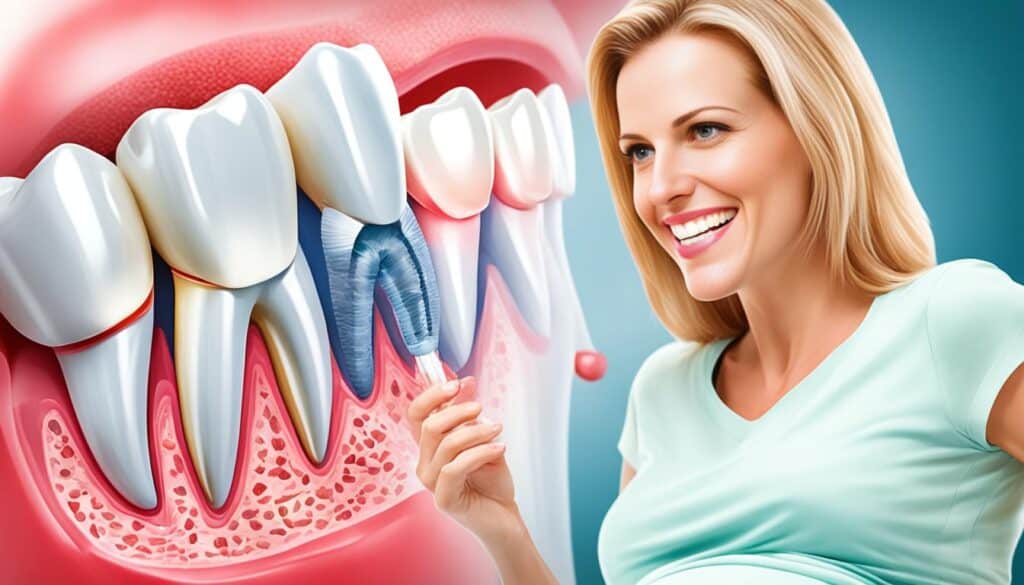
The Importance of Dental Care Before Pregnancy: How Oral Health Impacts Fertility

pre-pregnancy dental care

Imagine this: Sarah and Mark have been trying to start a family for a while now. They’ve been tracking ovulation cycles, changing diets, and even trying out fertility treatments. Yet, they find themselves facing disappointment every month. It’s a frustrating and emotionally exhausting journey.

During one of their routine doctor visits, their dentist casually mentions the importance of pre-pregnancy dental care. Sarah and Mark had never considered the impact of oral health on their fertility. Intrigued, they decide to dig deeper into this overlooked aspect.

As they research, they come across a wealth of information highlighting the connection between oral health and fertility. They discover that poor oral health can affect hormone levels and overall reproductive health, making it harder to conceive and maintain a healthy pregnancy. The couple realizes that taking care of their oral health before pregnancy might be the missing piece in their fertility puzzle.

In this article, we will explore the crucial role that pre-pregnancy dental care plays in fostering optimal oral health and enhancing fertility. From understanding how pregnancy affects oral health to the potential risks of gum disease during pregnancy, we will delve into the intricate relationship between dental hygiene and fertility. So, join us as we unravel the profound impact of oral health on the journey to parenthood.

How Does Pregnancy Affect Oral Health?

Pregnancy can have several effects on a woman’s oral health. The hormonal changes that occur during pregnancy can cause inflammation and increased susceptibility to gum infections and bleeding. The increased levels of hormones can also contribute to morning sickness, which can erode tooth enamel due to stomach acid exposure. Changes in eating habits during pregnancy, such as craving sugary snacks, can increase the risk of cavities and other dental problems. Additionally, inflamed gums during pregnancy can lead to tooth sensitivity and discomfort, making it more challenging for pregnant women to maintain regular brushing and flossing routines.

To understand how pregnancy affects oral health, it’s important to consider the role of hormones. During pregnancy, the body experiences an increase in hormone levels, particularly estrogen and progesterone. These hormones can lead to a condition called pregnancy gingivitis, which is characterized by swollen, red, and bleeding gums. This inflammation can make it difficult to maintain good oral hygiene practices, such as regular brushing and flossing.

Furthermore, the hormonal changes during pregnancy can lead to increased tooth sensitivity. This can make it uncomfortable for pregnant women to consume hot or cold foods and beverages. It’s important to note that tooth sensitivity during pregnancy may also be influenced by changes in eating habits.

Speaking of eating habits, pregnancy cravings are no secret. Many pregnant women develop a desire for sugary snacks and treats. These cravings, coupled with hormonal changes, can increase the risk of tooth decay and cavities. The bacteria in the mouth feed on sugars and produce acids that attack tooth enamel, leading to dental issues.

Maintaining good oral hygiene during pregnancy is crucial for the well-being of both the mother and the baby. Regular brushing and flossing, along with routine dental check-ups, can help prevent gum disease, cavities, and other oral health problems. It’s important to inform your dentist about your pregnancy, as they may provide additional guidance and care tailored to your specific needs.

Oral Health Tips for Pregnant Women:

  • Brush your teeth at least twice a day with a fluoride toothpaste.
  • Floss daily to remove plaque and food particles from between your teeth.
  • Use an antimicrobial mouthwash recommended by your dentist.
  • Eat a balanced diet with sufficient nutrients for both you and your baby. Limit sugary snacks and drinks.
  • Avoid tobacco use and excessive alcohol consumption.
  • Stay hydrated and drink plenty of water.
  • Inform your dentist about your pregnancy and any changes or concerns you may have regarding your oral health.

The Link Between Pregnancy and Oral Health: Expert Insights

“Pregnancy can bring about significant changes in a woman’s body, including her oral health. It’s important for expectant mothers to understand the potential impact of hormonal changes on their gums, teeth, and overall oral hygiene. By prioritizing good dental care during pregnancy, women can help minimize the risks of gum disease, tooth decay, and other oral health complications.”
– Dr. Emily Wilson, DMD

Common Oral Health Concerns During Pregnancy Effects on the Mother Effects on the Baby
Pregnancy Gingivitis Swollen, red, and bleeding gums Premature birth, low birth weight
Gum Infections Gum recession, tooth loss Potential risk of systemic infection
Tooth Decay Cavities, dental pain Inadequate nutrient absorption
Tooth Sensitivity Pain or discomfort while eating/drinking hot or cold items No direct impact on the baby

Can Gum Disease Harm My Unborn Baby?

Gum disease during pregnancy can have serious consequences for both the mother and the unborn baby. Untreated gum disease has been linked to an increased risk of pregnancy complications, including low birth weight and preterm birth. It can also increase the risk of conditions like preeclampsia and gestational diabetes. Bacteria from gum disease can enter the bloodstream and potentially harm the developing baby. Maintaining good oral health during pregnancy is essential for reducing the risk of these complications and promoting a healthy pregnancy.

gum disease

Pregnancy Complications Risks
Low Birth Weight Babies born with a weight below 5.5 pounds
Preterm Birth Babies born before 37 weeks of pregnancy
Preeclampsia High blood pressure and organ damage during pregnancy
Diabetes Elevated blood sugar levels during pregnancy

Research has shown that pregnant women with gum disease are more likely to experience complications during pregnancy. The bacteria from gum disease can trigger an inflammatory response in the body, which can potentially lead to systemic inflammation and affect the developing baby. Inflammation plays a role in various pregnancy complications, including preeclampsia, a condition characterized by high blood pressure and organ damage. Gum disease has also been associated with an increased risk of gestational diabetes, a type of diabetes that occurs only during pregnancy.

Furthermore, gum disease has been linked to low birth weight and preterm birth. Babies born with low birth weight are at a higher risk of experiencing developmental issues and complications shortly after birth. Preterm birth, on the other hand, increases the chances of breathing difficulties, infections, and other health problems for the baby. By maintaining good oral health during pregnancy, women can reduce the risk of these complications and promote a healthier outcome for both themselves and their babies.

Dental Hygiene and Fertility

Poor dental hygiene can have a significant impact on both male and female fertility. In men, inadequate oral health practices can lead to decreased sperm count and motility, impairing their ability to father a child. It can also increase the risk of bacterial infections in semen, further compromising reproductive health. Maintaining good dental hygiene habits, such as regular brushing and flossing, is crucial for preserving sperm health and optimizing fertility in men.

For women, bacterial infections in the mouth have been associated with a higher risk of infertility. The presence of harmful bacteria can disrupt the delicate balance of the reproductive system, potentially interfering with conception. It is believed that the link between dental hygiene and fertility lies in the body’s immune response. Poor oral health can trigger inflammation and an overactive immune system, creating an unfavorable environment for conception and pregnancy. To promote fertility and reproductive wellness, it is essential for women to prioritize their oral health and seek appropriate dental care.

While further research is needed to fully understand the relationship between dental hygiene and fertility, it is clear that maintaining good oral health is crucial for overall reproductive health. Practicing proper dental hygiene not only reduces the risk of bacterial infections and periodontal disease but also supports a healthy immune system. By taking care of their oral health, men and women can maximize their chances of successful conception and improve their overall reproductive well-being.

FAQ

How does pre-pregnancy dental care impact fertility?

Pre-pregnancy dental care plays a crucial role in fostering optimal oral health and enhancing fertility. The condition of a woman’s oral health can have a significant impact on her ability to conceive and have a successful pregnancy.

What are the effects of pregnancy on oral health?

The hormonal changes that occur during pregnancy can cause inflammation and increased susceptibility to gum infections and bleeding. Changes in eating habits, such as craving sugary snacks, can increase the risk of cavities and other dental problems.

Can gum disease harm my unborn baby?

Yes, gum disease during pregnancy can have serious consequences for both the mother and the unborn baby. It has been linked to an increased risk of pregnancy complications, including low birth weight and preterm birth. It can also increase the risk of conditions such as preeclampsia and gestational diabetes.

How does dental hygiene affect fertility?

Dental hygiene plays a vital role in both male and female fertility. Poor oral health in men can negatively impact sperm count and motility, while in women, bacterial infections in the mouth have been linked to a higher risk of infertility. Maintaining good oral health is important for overall reproductive health.

Navigating Mental Wellness: Strategies for Moms After Baby

post-baby mental wellness

Prioritizing mental health is crucial, especially for moms after having a baby. The post-baby period brings joy, love, and new experiences, but it can also be overwhelming and challenging. Sarah, a new mother, was excited to welcome her baby into the world, but she soon found herself feeling exhausted and emotionally drained. Despite the beautiful moments, she struggled with her mental health.

Sarah’s journey is not uncommon. Many mothers experience a range of emotions, including stress, anxiety, and even depression, during the postpartum period. This time can be physically and emotionally demanding, leaving little room to care for oneself. Sarah realized that she needed to prioritize her mental health to ensure she could be the best version of herself for her baby.

Mental health encompasses emotional, psychological, and social well-being. It affects how we think, feel, and act. Neglecting mental health can lead to difficulty bonding with the baby, strained relationships, and physical changes. It is essential for moms to take steps to maintain good mental wellness during this transformative time.

The Importance of Post-Baby Mental Wellness

When it comes to post-baby care, mental wellness is often overlooked but plays a crucial role in overall well-being. Just like physical health, mental health is vital for new mothers to navigate the challenges of motherhood and provide optimal care for their babies. Neglecting mental health can have far-reaching consequences, affecting various aspects of a mother’s life.

Neglecting mental health can lead to difficulty bonding with the baby, strained relationships, and physical changes such as weakened immune system, chronic pain, and weight fluctuations. Furthermore, mental health issues such as stress, depression, anxiety, and burnout can become prevalent if mental wellness is not prioritized.

By prioritizing mental health, new mothers can experience improved emotional well-being, enhanced bonding with their babies, and a more balanced and fulfilling postpartum experience. Taking care of mental health is not only essential for the mother’s happiness and well-being but also crucial for providing a stable and nurturing environment for the baby.

Recognizing the importance of mental wellness in the postpartum season of life is the first step towards taking proactive measures to maintain good mental health. This includes seeking support, engaging in self-care activities, and addressing any mental health concerns that may arise.

Impact of Neglected Mental Health on Post-Baby Life

Effects of Neglected Mental Health Description
Difficulty bonding with the baby New mothers may find it challenging to form a strong emotional connection with their babies, leading to feelings of detachment and potential bonding issues.
Strained relationships Mental health problems can cause strain on relationships with partners, family members, and friends, leading to potential conflicts and decreased support.
Weakened immune system Stress and persistent negative emotions can weaken the immune system, making new mothers more susceptible to illness and infections.
Chronic pain Poor mental health can increase the risk of developing or exacerbating chronic pain conditions, affecting a mother’s comfort and overall quality of life.
Changes in weight Mental health issues can contribute to unhealthy eating habits or emotional eating, leading to weight fluctuations and potential body image concerns.
Mental health issues Stress, depression, anxiety, and burnout can become prevalent if mental wellness is not prioritized, impacting a mother’s ability to enjoy motherhood and fulfill her daily responsibilities.

Addressing mental health and promoting post-baby mental wellness is crucial for the overall well-being of new mothers. By recognizing the importance of mental health and taking proactive steps to prioritize it, mothers can navigate the joys and challenges of motherhood with greater resilience, self-care, and support.

Strategies for Maintaining Mental Wellness After Baby

After the arrival of a new baby, it’s important to prioritize self-care and mental wellness to ensure a healthy and fulfilling postpartum experience. Here are some strategies that can help you maintain your mental well-being:

  1. Practice Self-Care

    Take time for yourself and engage in self-care activities that bring you joy and relaxation. Consider incorporating activities such as therapy, meditation, exercise, and hobbies into your daily routine. Self-care not only reduces stress, but also improves your mental well-being, allowing you to be more present and positive for yourself and your baby.

  2. Build a Support Network

    Surround yourself with a supportive community of family, friends, and fellow parents who can offer emotional and practical support. Building a strong support network can help alleviate feelings of isolation, provide guidance and reassurance during challenging times, and create a sense of belonging and connection.

  3. Seek Professional Help

    Don’t hesitate to reach out to professionals such as therapists or counselors who specialize in maternal mental health. They can provide valuable guidance, support, and coping strategies tailored specifically to your needs. Remember, seeking professional help is a sign of strength and self-care.

  4. Balance Work and Family Life

    Finding a healthy work-life balance is crucial for maintaining your mental wellness as a new parent. Set realistic expectations for yourself, prioritize your well-being, and communicate your needs and boundaries to your employer and loved ones. Remember, taking care of your own needs allows you to better care for your baby.

By implementing these strategies and making mental wellness a priority, you can navigate the challenges of motherhood with resilience, ensuring a positive and fulfilling postpartum journey.

support network

Conclusion

Maternal mental health is a critical aspect of postpartum wellness that should not be overlooked. Recognizing the signs and symptoms of mental health issues is essential for seeking the help and support you need. Your mental health matters and taking care of yourself is crucial for the well-being of both you and your baby.

Implementing self-care practices into your daily routine can make a significant difference in your mental well-being. Whether it’s practicing mindfulness, engaging in activities you enjoy, or prioritizing rest and relaxation, self-care allows you to replenish your energy and manage stress levels more effectively.

Building a strong support network is another vital aspect of maintaining maternal mental health. Surrounding yourself with understanding and compassionate individuals can provide emotional support and a safe space to share your thoughts and feelings. Reach out to friends, family, or new parent support groups to establish connections and nurture a sense of community.

Finally, it’s crucial to challenge the stigma surrounding maternal mental health and help-seeking. Seeking professional help when needed should be seen as a sign of strength, not weakness. Remember, you are not alone, and reaching out for assistance is an essential step towards healing and recovery.

FAQ

Why is mental wellness important after having a baby?

Mental wellness is important after having a baby because it affects your emotional, psychological, and social well-being. Neglecting mental health can lead to difficulty bonding with the baby, strained relationships, and physical changes.

What can I do to take better care of my mental health after having a baby?

There are several strategies to take better care of your mental health after having a baby. These include therapy, practicing gratitude, controlling negative thoughts, listening to yourself, speaking up, getting outside, and practicing self-care.

What are the consequences of neglecting mental health after having a baby?

Neglecting mental health after having a baby can lead to difficulty bonding with the baby, strained relationships, weakened immune system, chronic pain, changes in weight, and mental health issues such as stress, depression, anxiety, and burnout.

How can I maintain mental wellness after having a baby?

To maintain mental wellness after having a baby, you can practice self-care, build a support network, seek professional help, and balance work and family life.

What self-care activities can help reduce stress and improve mental well-being?

Self-care activities such as therapy, meditation, exercise, and hobbies can help reduce stress and improve mental well-being.

How can I build a support network after having a baby?

Building a support network after having a baby is important. You can reach out to family and friends, join parenting groups or support groups, and connect with other moms to establish a network of emotional and practical support.

When should I seek professional help for my mental health?

It is important to seek professional help for your mental health if you are experiencing persistent feelings of sadness, anxiety, or any other mental health concerns that interfere with your daily functioning and ability to care for yourself and your baby.

How can I balance work and family life to maintain mental wellness?

Balancing work and family life is essential for reducing stress and maintaining mental wellness. You can establish boundaries, delegate tasks, and prioritize self-care to create a healthy balance between work and family responsibilities.

What can I do to address stigma and shame surrounding maternal mental health?

You can address stigma and shame surrounding maternal mental health by sharing your own experiences, educating others, and advocating for more supportive and understanding environments for mothers. Breaking the silence and seeking help when needed can help challenge and dismantle stigmas.

How can I navigate the challenges of motherhood with confidence and resilience?

By prioritizing self-care, seeking help when needed, and challenging stigma, you can navigate the challenges of motherhood with confidence and resilience. It is important to remember that you are not alone and that taking care of your mental health is essential for your well-being and the well-being of your baby.

The Importance of Hydration in Postpartum Recovery: Tips for New Moms

postpartum hydration

Imagine this: It’s been a few weeks since you welcomed your beautiful baby into the world. Your days are filled with cuddles, diaper changes, and navigating the ups and downs of motherhood. Amidst the joy and exhaustion, you find yourself constantly reaching for a glass of water. It’s not just because you’re thirsty, but because you know how important hydration is for your postpartum recovery.

Postpartum hydration plays a vital role in your overall health and well-being after giving birth. Your body, which is made up of 60% water, needs an adequate intake of fluids to support the healing process and nourish your baby through breastfeeding. In fact, breast milk is more than 80% water, emphasizing the importance of staying hydrated for both you and your little one.

During pregnancy and postpartum, your fluid requirements increase due to factors like increased blood volume, higher heart rate, and greater water demands for your developing baby. The physical exertion of childbirth and the challenges of caring for a newborn can further impact your hydration levels.

So, how can you ensure you stay properly hydrated during this transformative time? In the next sections, we’ll share valuable tips for hydrating during pregnancy, postpartum, and breastfeeding. From the importance of water intake to incorporating electrolytes into your routine, we’ll guide you towards optimal hydration practices to support your recovery and well-being as a new mom.

Tips for Hydration During Pregnancy and Postpartum

To ensure optimal hydration during pregnancy and postpartum, it is recommended to drink at least 8-10 cups (64-80 ounces) of water daily. Adding an electrolyte mix, such as Needed’s Hydration Support, to at least one glass of water per day can aid in electrolyte intake.

Monitoring urine color is a good indicator of hydration status, with clear or light-colored urine indicating adequate hydration and dark-colored urine indicating dehydration.

Avoiding sugary or caffeinated beverages, including adding electrolyte mixes with added sugar, is important to prevent diuretic effects and dehydration.

Including fruits, vegetables, and soups with high water content in the diet can contribute to overall hydration.

Adjusting fluid intake based on exercise intensity, duration, and climate is necessary, with general guidelines suggesting consuming 7-10 ounces of fluids every 10-20 minutes during exercise.

Replenishing fluids after exercise with electrolyte-rich supplements or drinks is essential for hydration and tissue repair.

Breastfeeding mothers should prioritize hydration due to increased water and electrolyte requirements, replenishing fluids lost through sweat and milk production.

Staying hydrated during pregnancy and postpartum is vital for your overall well-being. Make sure to drink enough water and electrolytes, monitor your urine color, avoid sugary or caffeinated beverages, and include hydrating foods in your diet. Adjust your fluid intake based on exercise and climate, and replenish fluids after physical activity. Remember, breastfeeding mothers have increased hydration needs to support milk production. Prioritize staying hydrated to support your body’s processes and promote optimal health during this important time.

The Role of Hydration in Breastfeeding

Proper hydration is crucial for breastfeeding mothers during the postpartum period. The American College of Obstetricians and Gynecologists recommend consuming 3.8 liters of water daily while breastfeeding. While drinking more water doesn’t necessarily increase milk production, it is essential to stay hydrated to support the body’s functions, including milk production.

In addition to water, electrolytes play a vital role in maintaining balance, improving blood flow, regulating blood pressure, and influencing hormones. Including foods rich in electrolytes such as potatoes, milk, nuts, seeds, and broccoli can provide an extra boost to your hydration levels.

It’s important to avoid intense heat and increase fluid intake before and during any physical activity while breastfeeding. Monitoring caffeine intake and avoiding or moderating alcohol consumption is also necessary. To ensure the safety of your baby, allow at least 2 hours between consuming alcohol and breastfeeding or pumping.

Following a healthy eating routine and getting the right amount of calories are equally important for overall nutrition and hydration during breastfeeding. By prioritizing hydration and nutrition, you can support your body’s recovery and provide your baby with the nourishment they need.

FAQ

How much water should I drink during pregnancy and postpartum?

It is recommended to drink at least 8-10 cups (64-80 ounces) of water daily during pregnancy and postpartum.

Should I add electrolytes to my water during pregnancy and postpartum?

Adding an electrolyte mix, such as Needed’s Hydration Support, to at least one glass of water per day can aid in electrolyte intake.

How can I monitor my hydration status?

Monitoring urine color is a good indicator of hydration status, with clear or light-colored urine indicating adequate hydration and dark-colored urine indicating dehydration.

Can I drink sugary or caffeinated beverages while pregnant or breastfeeding?

It is important to avoid sugary or caffeinated beverages, including adding electrolyte mixes with added sugar, to prevent diuretic effects and dehydration.

What are some high-water content foods that can contribute to overall hydration?

Including fruits, vegetables, and soups with high water content in your diet can contribute to overall hydration.

How much fluid should I consume during exercise while pregnant or postpartum?

General guidelines suggest consuming 7-10 ounces of fluids every 10-20 minutes during exercise while pregnant or postpartum.

Should I replenish fluids after exercise while pregnant or postpartum?

Yes, it is essential to replenish fluids after exercise with electrolyte-rich supplements or drinks for hydration and tissue repair.

How much water should I drink while breastfeeding?

The American College of Obstetricians and Gynecologists recommend consuming 3.8 liters of water daily while breastfeeding.

Does drinking more water increase milk production while breastfeeding?

Drinking more water does not necessarily increase milk production, but it is important to stay hydrated to support the body’s functions, including milk production.

What are some food sources of electrolytes for breastfeeding mothers?

Foods like potatoes, milk, nuts, seeds, and broccoli can provide electrolytes for breastfeeding mothers.

Are there any precautions I should take with my fluid intake while breastfeeding?

It is necessary to avoid intense heat, monitor caffeine intake, and avoid or consume alcohol in moderation, with at least 2 hours between consuming alcohol and breastfeeding or pumping.

Is following a healthy eating routine important for hydration while breastfeeding?

Yes, following a healthy eating routine and getting the right amount of calories are important for overall nutrition and hydration while breastfeeding.

The Ultimate Pre-Conception Vitamin Guide: What to Take for Optimal Fertility

pre-conception vitamin guide

Imagine this: you and your partner have decided the time is right to start a family. Excitement fills the air as visions of a little one running around the house dance in your heads. But as months go by and the pregnancy test remains negative, doubts start to creep in. Is there something you’re missing? Could you be doing more to boost your chances of conception?

When it comes to starting a family, taking care of your pre-conception health is crucial. And one area that deserves attention is your vitamin intake. Proper nutrition and supplementation can play a significant role in supporting your fertility.

Research has shown that micronutrient deficiencies, such as low levels of folic acid, vitamin D, and vitamin B12, can be linked to infertility in females. In fact, certain vitamins and minerals have shown promise in promoting fertility and increasing pregnancy rates.

So, where do you start? Which fertility vitamins should you consider? And how do you choose the best prenatal vitamin for your needs? In this ultimate pre-conception vitamin guide, we’ll explore the answers to these questions and more.

The Role of Folic Acid, Vitamin B12, and Vitamin D in Fertility

When it comes to fertility, certain nutrients play a crucial role in supporting reproductive health. In this section, we will explore the importance of folic acid, vitamin B12, and vitamin D in promoting fertility.

Folic acid, also known as vitamin B9, is essential for preventing neural tube defects in babies. It is recommended that women who are trying to conceive or are in the early stages of pregnancy take a daily supplement of 400 to 800 micrograms of folic acid. Studies have also shown that folic acid supplementation is associated with higher pregnancy rates and a lower risk of anovulation.

Vitamin B12 and vitamin B6 are involved in the regulation of homocysteine levels in the body. High levels of homocysteine have been linked to an increased risk of miscarriage and poor embryo quality in women undergoing in vitro fertilization (IVF). Ensuring adequate levels of vitamin B12 and vitamin B6 through diet or supplementation may help to regulate homocysteine and improve fertility outcomes in these cases.

Vitamin D is not only important for bone health but also plays a role in fertility. Research suggests that vitamin D deficiency may be associated with conditions such as polycystic ovary syndrome (PCOS) and may contribute to infertility. Vitamin D supplementation has been found to improve fertility outcomes and reduce PCOS symptoms in women with low vitamin D levels.

In addition to these vitamins, certain fertility supplements can also be beneficial. Fish oil supplements containing omega-3 fatty acids have been shown to have various benefits for women with infertility or those undergoing IVF. Omega-3 fatty acids are known for their anti-inflammatory properties, which can help to support reproductive health.

Another supplement that may have a positive impact on fertility is coenzyme Q10 (CoQ10). CoQ10 is an antioxidant that helps to reduce oxidative stress in the body. Studies have suggested that CoQ10 supplementation may improve sperm quality in males by reducing oxidative damage to sperm cells.

It’s important to note that while these nutrients and supplements show promise in supporting fertility, more research is needed to fully understand their effects and optimal dosages.

Nutrient Role in Fertility
Folic Acid Prevents neural tube defects, associated with higher pregnancy rates and lower risk of anovulation
Vitamin B12 Regulates homocysteine levels, linked to miscarriage and embryo quality in IVF
Vitamin D Improves fertility, especially in women with low vitamin D levels, reduces PCOS symptoms
Fish Oil (Omega-3 Fatty Acids) Supports reproductive health, reduces inflammation
Coenzyme Q10 (CoQ10) Reduces oxidative stress, improves sperm quality

Tips for Choosing the Best Prenatal Vitamin

When it comes to prenatal health, choosing the right prenatal vitamin is crucial for meeting your nutrient needs. Before conception, it is recommended to start a prenatal vitamin regimen to ensure your body has adequate nutrient stores.

Consider your personal preferences when selecting a prenatal vitamin. Take note of any allergies or dietary restrictions you may have, as some vitamins may contain ingredients that you need to avoid. Additionally, pay attention to the daily serving sizes and compare costs to find an option that fits your budget.

Avoid gummy vitamins that might contain added sugars, as they may not provide the necessary nutrients in optimal amounts. Also, be cautious of prenatal vitamins with added herbs, as certain herbs can be contraindicated during pregnancy.

When looking for the best prenatal vitamin, make sure it includes essential nutrients such as folic acid, vitamin D, iron, DHA, and choline. These nutrients play a vital role in supporting fetal development and the overall health of both the mother and the baby.

Remember, while prenatal vitamins are important in filling nutritional gaps, they should not be your sole source of essential nutrients. Nutrient-dense foods should be the primary focus of your diet to ensure you are getting a wide range of vitamins and minerals. Always consult with a healthcare provider to determine the best prenatal vitamin for your unique needs.

FAQ

What are the key vitamins for fertility?

Some key vitamins for fertility include folic acid, vitamin B12, vitamin B6, and vitamin D. These nutrients play a role in regulating hormones, supporting embryo quality, and improving overall fertility.

How do folic acid and vitamin B12 impact fertility?

Folic acid is crucial for preventing neural tube defects in babies and has been associated with higher pregnancy rates and a lower risk of anovulation. Vitamin B12 plays a role in homocysteine regulation, which is linked to miscarriage and embryo quality in IVF.

What is the role of vitamin D in fertility?

Vitamin D supplementation may improve fertility and PCOS symptoms in women. It plays a role in regulating reproductive hormones and supporting overall reproductive health.

Can fish oil supplements help with fertility?

Fish oil supplements containing omega-3 fatty acids may have benefits for women with infertility or undergoing IVF. These supplements have shown promising effects on reproductive health and may improve fertility outcomes.

How can coenzyme Q10 affect fertility?

Coenzyme Q10 is an antioxidant that may reduce oxidative stress and improve sperm quality in males. It has been studied for its potential benefits in enhancing male fertility and reproductive health.

When should I start taking prenatal vitamins?

It is recommended to start taking prenatal vitamins before conception to establish adequate nutrient stores in the body. This helps support the developing baby’s needs and ensures optimal maternal health during pregnancy.

What should I consider when choosing a prenatal vitamin?

When choosing a prenatal vitamin, consider personal preferences such as allergies or dietary restrictions. Look for essential nutrients like folic acid, vitamin D, iron, DHA, and choline. Check the daily serving sizes and compare costs to find a suitable option.

Are gummy prenatal vitamins recommended?

It is generally advised to avoid gummy prenatal vitamins. Gummies may contain added sugars and may lack certain essential nutrients. It’s best to opt for traditional prenatal vitamins in pill or capsule form for optimal nutrient intake.

Are prenatal vitamins a replacement for a healthy diet?

No, prenatal vitamins are not a replacement for a healthy diet. Nutrient-dense foods should be the primary source of essential nutrients. Prenatal vitamins are meant to fill any nutritional gaps and ensure adequate nutrient intake during pregnancy.

Should I consult with a healthcare provider before starting prenatal vitamins?

Yes, it is important to consult with a healthcare provider before starting prenatal vitamins. They can assess your individual nutrient needs and help identify any specific nutrient deficiencies that may require additional supplementation.

Jumpstarting Your Fitness Journey: First Workouts Postpartum

first workouts postpartum

After giving birth, getting back into shape may seem like a daunting task. But with the right approach, you can kickstart your fitness journey as a new mom and feel confident in your postpartum body. Let’s explore some tips and techniques to help you start exercising after childbirth.

Meet Emily, a first-time mom who recently had her beautiful baby girl, Lily. Like many new moms, Emily was excited to get back to her pre-pregnancy fitness routine, but she wasn’t sure where to begin. After consulting with her healthcare provider, she learned that starting with gentle exercises postpartum is essential to avoid strain or injury.

Emily started her workout journey by incorporating simple bodyweight exercises in the comfort of her own home. She began with exercises that focused on strengthening her pelvic floor muscles and slowly progressed to more challenging moves as her body adapted to the workouts. With each session, she regained her strength and felt more energized.

It’s important to remember that every woman’s postpartum journey is unique, so it’s crucial to listen to your body and give yourself time to heal. The first workouts postpartum should be low-impact and gentle, focusing on building core strength and stability.

In the next section, we’ll dive into some specific exercises that you can incorporate into your postpartum fitness routine. From using your baby as resistance to incorporating stroller workouts, there are plenty of ways to get moving with your little one by your side.

Tips for Eating Healthy as a New Mom

After giving birth, one of the most important aspects of taking care of yourself and your baby is maintaining a healthy diet. Adjusting to your new schedule as a new mom can make it challenging to prioritize eating healthy, but there are ways to make it easier. Here are some tips to help you eat healthy and nourish your body:

1. Prep Meals in Advance

Prior to your due date, take some time to prepare and freeze healthy meals. This will ensure that you have nutritious options readily available in the early weeks postpartum when time is limited. Having pre-prepared meals will save you the hassle of cooking from scratch every day and prevent you from resorting to unhealthy takeout or convenience foods.

2. Stock Up on Nutritious Snacks

Keep your kitchen stocked with nutritious snacks such as fresh fruits, vegetables, nuts, and yogurt. When you’re tired or busy taking care of your baby, having these healthy options readily available will help you avoid reaching for sugary or processed snacks that can leave you feeling unsatisfied and low on energy. Opt for nutrient-dense snacks that provide essential vitamins and minerals to support your postpartum recovery.

3. Stay Hydrated

Drinking plenty of water is crucial for your overall health and well-being, especially as a new mom. Hydration is essential for breastfeeding and can also help prevent postpartum constipation. Keep a water bottle nearby and sip on water throughout the day. Avoid sugary drinks, as they can be dehydrating and provide empty calories.

4. Prioritize Nutrient-Dense Foods

Focus on incorporating nutrient-dense foods into your meals. These include lean proteins, whole grains, fruits, vegetables, and healthy fats. Aim for a balanced plate with a variety of colors to ensure you’re getting a wide range of nutrients necessary for postpartum recovery and breastfeeding.

5. Seek Support

Don’t hesitate to reach out for support from other new moms, friends, or family members. Joining a postpartum support group or connecting with other new moms online can provide a sense of community and helpful tips for eating healthy. Sharing experiences and challenges with others can make the journey of eating healthy as a new mom feel more manageable.

Eating healthy as a new mom is a crucial part of taking care of yourself and setting a foundation for your baby’s health. By following these tips, you can prioritize your nutrition and support your postpartum recovery while enjoying delicious and nourishing meals.

Benefits of Eating Healthy as a New Mom
1. Supports postpartum recovery
2. Provides essential nutrients for breastfeeding
3. Boosts energy levels
4. Enhances mood and mental well-being
5. Promotes healthy weight management
6. Sets a positive example for your child’s eating habits

Incorporating Exercise with Your Baby

As a new mom, finding time to exercise can be challenging. However, there are ways to incorporate physical activity into your daily routine while involving your baby.

Using your baby as resistance during workouts can help you strengthen and tone your muscles. For example, you can press your baby overhead to work your shoulders or squat while holding your baby to target your lower body. The key is to be creative and find ways to make exercise enjoyable for both you and your baby.

Taking walks with a stroller can be a great form of exercise that allows you to spend time outdoors and get fresh air. It’s a wonderful opportunity to bond with your baby while getting some physical activity in. Investing in a jogging stroller can provide even more opportunities for stroller workouts, enabling you to jog or run with your baby.

stroller workouts

Using Your Baby as Resistance

Your baby can be an excellent source of resistance for your workouts. Incorporate exercises that involve lifting, carrying, or holding your baby to engage your muscles.

Here are some exercises to try:

  • Baby Press: Hold your baby close to your chest and then press them overhead, engaging your shoulder muscles. Repeat for several reps.
  • Baby Squats: Hold your baby in front of you, and then lower yourself into a squat position. As you stand back up, engage your leg muscles. Repeat for several reps.
  • Baby Bridges: Lie on your back with your knees bent, and place your baby on your hips. Lift your hips off the ground, engaging your glutes and core muscles. Repeat for several reps.

Remember to always prioritize the safety and comfort of both you and your baby during these exercises. Start with lighter resistance and gradually increase as you build strength.

Stroller Workouts

Going for walks with a stroller is not only a great way to incorporate exercise into your routine but also a chance for you and your baby to enjoy the outdoors.

Here are a few ideas for stroller workouts:

  • Power Walks: Walk briskly while pushing the stroller, engaging your leg muscles and getting your heart rate up.
  • Hill Climbs: Find a hilly route and challenge yourself by pushing the stroller uphill. It can help build leg and core strength.
  • Interval Training: Alternate between periods of fast walking or jogging and slower walking. This can add intensity to your stroller workouts and increase calorie burn.

Remember to maintain good posture while pushing the stroller and engage your core muscles to support your back.

By incorporating exercise with your baby, you not only stay active but also create opportunities for bonding and setting a positive example of an active lifestyle for your child.

The Importance of Self-Care and Finding Support

Being a new mom can be overwhelming, and it’s important to prioritize self-care and seek support when needed. Taking care of yourself is crucial for your overall well-being and ability to care for your baby.

Don’t be afraid to ask for help from friends, family, or join postpartum support groups. These groups can provide a safe space for you to share your experiences, gain valuable advice, and connect with other moms who are going through similar challenges. It’s comforting to know that you’re not alone in your journey.

Taking breaks and having time for yourself is not selfish, but rather an essential part of being a great mom. It can help you recharge, prevent burnout, and maintain your mental and physical health. Self-care activities can include anything from taking a relaxing bath, going for a walk, practicing mindfulness, or simply spending some time doing something you enjoy.

Remember, you deserve support and taking care of yourself is just as important as taking care of your little one. By prioritizing self-care and seeking support, you are setting a positive example for your child and creating a foundation for a healthy and fulfilling life.

FAQ

How soon can I start exercising after giving birth?

It’s important to consult with your healthcare provider to determine when it’s safe for you to start exercising after giving birth. Generally, most women can begin light exercise, such as walking, within a few days of giving birth. However, high-intensity workouts and strenuous activities should be avoided until you have fully healed and received clearance from your healthcare provider.

What are the benefits of eating healthy as a new mom?

Eating healthy as a new mom is vital for supporting your postpartum recovery and overall well-being. It provides essential nutrients for your body to heal, replenish energy levels, and maintain a healthy milk supply if you’re breastfeeding. A nutritious diet can also promote healthy weight management, boost your immune system, and improve your mood and mental well-being.

How can I incorporate exercise into my routine while taking care of my baby?

There are several ways to incorporate exercise into your routine while taking care of your baby. You can use your baby as resistance during workouts, such as using them for weightlifting exercises or incorporating them into core workouts. Being creative with exercises that involve your baby, such as babywearing workouts or mommy-and-me yoga classes, can also be effective. Additionally, taking walks with a stroller is a convenient way to get physical activity and spend time outdoors.

How can I practice self-care as a new mom?

Practicing self-care as a new mom is essential for your overall well-being. It can involve setting aside time for yourself to engage in activities that you enjoy and help you relax. This can include taking bubble baths, reading a book, practicing meditation or deep breathing exercises, or simply having some quiet time alone. It’s important to prioritize self-care to recharge and prevent burnout.

Where can I find support as a new mom?

There are various resources available to support new moms. You can seek help and advice from trusted family and friends who have experience with motherhood. Joining local mom support groups or online communities can provide a sense of community and a platform to connect with other moms who are going through similar experiences. Additionally, many fitness programs offer specialized classes and support specifically designed for postpartum women.