The Benefits of Pilates During Pregnancy: Strengthening Your Body

pregnancy pilates benefits

Are you expecting a baby and wondering how you can stay fit and healthy throughout your pregnancy? Look no further than Pilates! This gentle yet effective exercise method is not only safe for pregnant women, but it also provides numerous benefits for both your maternal health and overall fitness.

Let me introduce you to Sarah, a soon-to-be mom who discovered the incredible advantages of practicing Pilates during her pregnancy. Sarah had always been passionate about fitness and wanted to continue exercising during this special time in her life. However, she was concerned about finding an exercise routine that would be suitable for her changing body and the well-being of her baby.

After some research, Sarah came across Pilates, which seemed to be the perfect fit. She learned that Pilates can help strengthen her stomach and gluteal muscles, which would counteract the effects of relaxin – a hormone released during pregnancy that causes ligaments to become more flexible. By focusing on these specific muscle groups, Sarah knew she would reduce the risk of pelvic pain and lower back pain.

The Positive Effects of Pilates Exercise on Childbirth Outcomes

A clinical trial study involving 110 primiparous women found that participating in a Pilates exercise program during pregnancy had positive effects on childbirth outcomes.

The intervention group, which performed Pilates exercises from 26 to 28 weeks of gestation for 8 weeks, experienced significant reductions in labor pain intensity, length of the active phase and second stage of labor, and increased maternal satisfaction with the labor process.

The Pilates exercise group had a shorter overall length of labor compared to the control group.

There were no statistically significant differences between the two groups in terms of episiotomy, type of delivery, or Apgar scores of neonates.

The study concluded that Pilates exercise during pregnancy improved the labor process and increased maternal satisfaction without causing complications for the mother and baby.

Larger studies are recommended to further explore the effectiveness and safety of Pilates exercise during labor.

The Fundamentals of Prenatal Pilates and Its Benefits During Pregnancy

Prenatal Pilates is a highly recommended exercise option for pregnant women, offering a whole-body approach to conditioning. The practice incorporates specific breathing techniques, such as posterior lateral rib cage breathing, which can help expand the rib cage and stretch tight intercostal muscles, providing relief and creating space for the growing baby.

Proper alignment is emphasized in prenatal Pilates to accommodate changes in the center of gravity and decrease pregnancy-related discomforts like back, hip, and shoulder pain. By focusing on alignment, pregnant women can maintain stability, strength, and core connection throughout their pregnancy journey.

Pilates movements promote spinal mobility, which is essential for preventing discomfort during pregnancy and postpartum. In addition, balance becomes a key component of Pilates practice during pregnancy, promoting symmetry and balance as the body adapts to a growing bump.

Modifications play a crucial role in prenatal Pilates, ensuring the safety and comfort of pregnant women. Listening to your body and letting go of ego are important principles to follow during this time. Props such as the overball, foam roller, Theraband, stability/fitness ball, and magic circle can be integrated to enhance Pilates exercises, providing additional support and strength training.

Prenatal Pilates empowers pregnant women to connect with their bodies, improve mobility, and feel confident in their physical strength and stability during this transformative journey. By embracing the fundamentals of prenatal Pilates and utilizing modifications and props where necessary, pregnant women can experience the benefits of this whole-body approach while ensuring a safe and enjoyable exercise routine.

FAQ

Is Pilates safe to do during pregnancy?

Yes, Pilates is a safe and effective exercise option for pregnant women, providing numerous benefits for both maternal health and overall fitness.

How can Pilates help with pelvic and lower back pain during pregnancy?

Pilates can help counteract the effects of relaxin, a hormone released during pregnancy that causes ligaments to become more flexible. By strengthening stomach and gluteal muscles, Pilates can reduce the risk of pelvic pain and lower back pain.

Can Pilates help reduce back pain during pregnancy?

Yes, Pilates can reduce back pain by strengthening deep abdominal muscles and improving posture, which can change as the baby grows.

Does Pilates help with pelvic floor muscles?

Yes, Pilates helps strengthen the pelvic floor muscles, which can be weakened by the weight of the baby and hormonal changes, reducing the risk of incontinence during and after pregnancy.

Is controlled breathing important in Pilates during pregnancy?

Yes, Pilates focuses on controlled breathing, which is important for both the mother and the baby, and can be beneficial during labor.

Can Pilates improve balance during pregnancy?

Yes, Pilates can improve balance as it increases core strength and helps pregnant women adapt to postural changes.

Can Pilates help with getting in and out of bed during pregnancy?

Pilates can help reduce strain when getting in and out of bed by teaching safe and comfortable positions that minimize pressure on the pelvis and lower back.

Does Pilates help with maintaining a healthy weight gain during pregnancy?

Yes, regular, gentle exercise like Pilates can help maintain a healthy weight gain during pregnancy, reducing the risk of complications such as gestational diabetes.

Can Pilates exercises help alleviate leg issues during pregnancy?

Yes, Pilates exercises for the legs can help alleviate fluid retention, leg cramps, and the development of varicose veins.

Is Pilates beneficial for relaxation during pregnancy?

Yes, engaging in Pilates during pregnancy provides an opportunity for relaxation and reflection, allowing pregnant women to take time for themselves amidst the changes happening in their bodies.

Can Pilates help with post-partum recovery?

Yes, keeping in shape through pregnancy with Pilates can contribute to a faster post-partum recovery and help regain pre-pregnancy fitness levels.

Is there scientific evidence supporting the positive effects of Pilates exercise on childbirth outcomes?

Yes, a clinical trial study involving 110 primiparous women found that participating in a Pilates exercise program during pregnancy had positive effects on childbirth outcomes.

What are the benefits of prenatal Pilates during pregnancy?

Prenatal Pilates is highly recommended as an exercise option for pregnant women, offering a whole-body approach to conditioning and providing benefits such as improved mobility and physical strength.

Is proper alignment emphasized in prenatal Pilates?

Yes, proper alignment is emphasized in prenatal Pilates to accommodate for changes in the center of gravity and decrease pregnancy-related discomforts like back, hip, and shoulder pain.

How does Pilates help maintain stability during pregnancy?

Stability is crucial during pregnancy, and Pilates helps pregnant women maintain stability, strength, and core connection.

Can Pilates promote spinal mobility during pregnancy?

Yes, Pilates movements promote spinal mobility and can prevent discomfort during pregnancy and postpartum.

Does Pilates help with balance during pregnancy?

Yes, balance is a key component of Pilates, and it becomes especially important during pregnancy to promote symmetry and balance as the body adapts to a growing bump.

Are modifications necessary in prenatal Pilates?

Yes, modifications are essential in prenatal Pilates to ensure the safety and comfort of pregnant women. Listening to your body and letting go of ego are important principles during this time.

Can props be used in prenatal Pilates?

Yes, props such as the overball, foam roller, Theraband, stability/fitness ball, and magic circle can be used to enhance Pilates exercises during pregnancy and provide support and strength training.

How does prenatal Pilates empower pregnant women?

Prenatal Pilates empowers pregnant women to connect with their bodies, improve mobility, and feel confident in their physical strength and stability during this transformative journey.

Source Links

Green Tea and Fertility: How It Helps

Green Tea Benefits for Fertility

Are you and your partner trying to conceive? As you embark on this exciting journey, it’s essential to prioritize your pre-conception health. One simple but powerful addition to your daily routine could be green tea. Known for its refreshing taste and numerous health benefits, green tea has gained attention for its potential positive effects on fertility.

Imagine this: Sarah and Mark, a young couple in their early thirties, have been trying to conceive for over a year. Despite their best efforts, they haven’t seen the positive results they were hoping for. Feeling disheartened, they decided to seek advice from a fertility specialist.

During their consultation, the specialist suggested making some dietary changes to support their fertility goals. Among these changes was the incorporation of green tea into their daily routine. Intrigued by this recommendation, Sarah and Mark decided to explore the potential benefits of green tea further.

They discovered that green tea is packed with essential nutrients, including B vitamins, folate, minerals like magnesium, and powerful antioxidants called polyphenols. These polyphenols act as protectors, shielding cells from damage, reducing inflammation, and improving blood flow throughout the body. The thought of these properties benefiting their reproductive system gave Sarah and Mark new hope.

As they continued to delve into the research, they found that some studies suggest green tea may have positive effects on fertility and ovulation. While the evidence is not definitive, it is believed that the antioxidants in green tea may help optimize reproductive health and increase the chances of conception.

However, they also came across a crucial piece of information – consuming green tea in moderation is key. Green tea contains caffeine, and excessive intake of caffeine can have adverse effects on fertility. Sarah and Mark recognized the importance of striking a balance, so they decided to enjoy green tea as part of a healthy and balanced diet.

Join Sarah and Mark on their journey to explore the potential benefits of green tea on fertility. In the following sections, we will dive deeper into the research and discuss whether green tea’s effects on fertility are fact or fiction.

Green Tea’s Effects on Fertility: Fact or Fiction?

When it comes to the relationship between green tea and fertility, research is still limited. While some studies suggest that green tea may have potential benefits for fertility and ovulation, it is important to approach these findings with caution and further investigation.

In a small study, 30 women who took green tea supplements were compared to a group of women who took a placebo. After five months, five of the women who took the green tea supplements became pregnant, while none of the women in the placebo group conceived. However, due to the small sample size and lack of additional research, this study’s conclusions are not considered conclusive.

While green tea may have a positive impact on fertility, it is essential to remember that it is not a miraculous solution. It is best enjoyed in moderation as part of a well-balanced diet, alongside other dietary changes that support pre-conception health. Green tea should not be relied upon as the sole dietary change for those experiencing fertility issues.

Dietary Changes and Fertility

When it comes to fertility, maintaining a healthy diet is crucial. While green tea can be a part of that diet, it is important to focus on overall dietary choices that promote a healthy reproductive system. Including a variety of nutrient-rich foods, such as fruits, vegetables, whole grains, lean proteins, and healthy fats, can provide the necessary vitamins, minerals, and antioxidants for optimal fertility. Consulting with healthcare professionals and fertility specialists can provide personalized guidance and support tailored to individual needs.

Benefits of Green Tea for Fertility Considerations
Contains antioxidants that protect cells from damage Green tea should be consumed in moderation due to its caffeine content
Polyphenols in green tea may reduce inflammation and improve blood flow Excessive consumption of green tea may have adverse effects on fertility

Conclusion

While green tea may have some potential benefits for fertility, it is important to note that more research is needed to establish its effectiveness. Drinking green tea in moderation can be part of a healthy diet, but it should not be relied upon as a sole solution for fertility issues.

When trying to conceive, it is always recommended to maintain a healthy and balanced diet. This includes incorporating a variety of nutrient-rich foods, such as fruits, vegetables, whole grains, and lean proteins. Consulting with healthcare professionals and fertility specialists is crucial in order to receive personalized advice and guidance tailored to your specific circumstances.

Remember, your dietary choices play a significant role in your overall well-being and reproductive health. While green tea can be enjoyed as a refreshing beverage, it should be consumed in moderation due to its caffeine content. Prioritizing a healthy lifestyle, maintaining a positive mindset, and seeking professional support will greatly contribute to your fertility journey.

FAQ

Does green tea improve fertility?

Green tea may have some potential benefits for fertility, but more research is needed to establish its effectiveness. It should be consumed in moderation, considering its caffeine content.

Can green tea help with ovulation?

Studies suggest that green tea may have positive effects on fertility and ovulation. However, it is important to consume green tea in moderation and not rely on it as a sole solution for fertility issues.

Is green tea a miracle solution for fertility problems?

While green tea may potentially boost fertility, it is not considered a miracle solution. It can be enjoyed in moderation as part of a balanced diet, but expecting miraculous results would be unrealistic.

Should I drink green tea if I’m trying to conceive?

Green tea can be part of a healthy diet, but it should not be solely relied upon for fertility benefits. It is recommended to maintain a healthy and balanced diet while trying to conceive and consult with healthcare professionals and fertility specialists for personalized advice and guidance.

Navigating Vision Changes During Pregnancy: What to Expect

pregnancy and vision changes

During pregnancy, your body undergoes numerous changes, both internal and external. From growing a tiny human to experiencing hormonal fluctuations, pregnancy is a transformative journey. But did you know that these changes can also affect your vision?

Imagine this: You’re sitting on the couch, enjoying a book, when suddenly the words become blurry. You rub your eyes, thinking it’s just fatigue, but the blurriness persists. Concerned, you schedule an appointment with your eye doctor.

Your doctor explains that during pregnancy, there are physiological and hormonal factors that can impact your vision. Physiologically, your cornea may become thicker, the curvature of your cornea can change, and even the sensitivity of your cornea can decrease. Hormonal changes, fluid retention, and increased blood volume can also affect your vision.

As you continue your pregnancy journey, you may experience other vision changes like dry eyes, double vision, sudden or gradual vision loss, or burning and watery eyes. While some of these changes may be temporary and harmless, it’s important to pay attention to any significant shifts in your vision.

If you notice double vision, loss of vision, or persistent blurry vision, it’s crucial to seek medical care. These symptoms could be indicative of serious health issues such as high blood pressure or pregnancy-related diabetes.

People who have preexisting eye conditions, high blood pressure, diabetes, or those who have undergone fertility treatments should be extra vigilant with their eye health during pregnancy. Regular check-ups and communication with your healthcare provider are essential to ensure your eyes and overall health are well taken care of.

It’s also worth noting that if you’re considering vision correction, such as LASIK surgery, it’s best to wait until after your pregnancy and breastfeeding journey. Your eye doctor will advise you on the best course of action when it comes to managing vision changes during this unique time.

While it may be tempting to get new corrective or contact lenses during pregnancy, it’s advisable to hold off. Pregnancy can lead to changes in refractive error, potentially rendering new lenses ineffective or uncomfortable.

Remember, your vision is precious, and taking care of it is important for both you and your growing baby. Stay informed, be proactive, and seek professional guidance for any eye-related concerns. Your journey through pregnancy is filled with precious milestones, and clear vision should be one of them.

Pregnancy-Specific Eye Disease

During pregnancy, certain eye diseases can occur that are specific to this period. These conditions can lead to various vision changes and require careful attention and management. Let’s explore some of the most notable pregnancy-specific eye diseases:

Preeclampsia and Eclampsia

Preeclampsia and eclampsia are conditions characterized by high blood pressure and organ damage during pregnancy. These conditions can affect the eyes and lead to symptoms such as blurred or decreased vision, photopsia, scotomata, diplopia, visual field defects, and in severe cases, cortical blindness.

Central Serous Chorioretinopathy (CSCR)

Central serous chorioretinopathy is a condition characterized by the accumulation of subretinal fluid. It is more common in pregnant women, especially in late pregnancy. Symptoms of CSCR can include metamorphopsia and reduced visual acuity.

Occlusive Vascular Disorders

Occlusive vascular disorders, such as retinal artery or vein occlusion, can occur during pregnancy and are often related to amniotic fluid emboli or a hypercoagulable state. These conditions can cause significant ocular manifestations and require prompt medical attention.

Diabetic Retinopathy

Pregnancy can exacerbate diabetic retinopathy, a condition characterized by damage to the blood vessels in the retina. Women with coexisting hypertension or preeclampsia may be at a higher risk. Regular monitoring and management of blood sugar levels and blood pressure during pregnancy are essential for individuals with diabetes.

Uveitis

Chronic noninfectious uveitis may have a lower incidence of flare-ups during pregnancy. This could be attributed to the hormonal and immunomodulatory effects of pregnancy. However, proper medical supervision is still necessary to ensure the condition is well-managed.

Toxoplasmosis

Latent ocular toxoplasmosis may reactivate during pregnancy. While the risk to the fetus is negligible, close monitoring and appropriate treatment are necessary to prevent any adverse effects on the mother’s vision.

It’s important to note that the presence of these conditions does not necessarily mean all pregnant individuals will experience them. However, if you are pregnant and notice any significant changes in your vision, it is crucial to seek medical attention promptly to receive the appropriate diagnosis and treatment.

Eye Disease Common Symptoms
Preeclampsia and Eclampsia Blurred or decreased vision, photopsia, scotomata, diplopia, visual field defects, and in severe cases, cortical blindness
Central Serous Chorioretinopathy (CSCR) Metamorphopsia, reduced visual acuity
Occlusive Vascular Disorders Ocular manifestations, such as retinal artery or vein occlusion
Diabetic Retinopathy Progression or exacerbation of retinal damage due to diabetes
Uveitis Possible lower incidence of flare-ups during pregnancy
Toxoplasmosis Reactivation of latent ocular toxoplasmosis

Conclusion

Pregnancy is a transformative time for a woman’s body, and it can also bring about changes in vision. These vision changes, influenced by physiological and hormonal factors, are important to monitor and understand for the sake of both your eye health and overall well-being.

If you notice any vision changes during pregnancy, it’s crucial to seek medical care. Symptoms such as double vision, loss of vision, or blurry vision may be indicators of serious conditions like high blood pressure or pregnancy-related diabetes.

Individuals with preexisting eye conditions, high blood pressure, diabetes, or a history of fertility treatments need to take extra precautions and closely monitor their eye health during pregnancy. While corrective or contact lenses may be a part of your regular eye care routine, it is advisable to avoid getting new lenses during pregnancy due to potential changes in your refractive error.

To ensure the best care for your vision during and after pregnancy, consult a healthcare provider. They can evaluate any problems or concerns and provide the necessary guidance and care to safeguard your eye health.

FAQ

Can pregnancy cause changes in vision?

Yes, pregnancy can cause various changes in vision due to physiological and hormonal factors.

What are some common vision changes during pregnancy?

Some common vision changes during pregnancy include dry eye, double vision, sudden or gradual vision loss, and burning or watery eyes.

Should I be concerned about vision changes during pregnancy?

It is important to be aware of and monitor any vision changes during pregnancy, as they can be indicative of underlying health issues.

When should I seek medical care for vision changes during pregnancy?

You should seek medical care if you experience double vision, loss of vision, or blurry vision, as these could be signs of serious health issues such as high blood pressure or pregnancy-related diabetes.

Should I be extra vigilant with my eye health during pregnancy if I have preexisting eye conditions, high blood pressure, or diabetes?

Yes, if you have preexisting eye conditions, high blood pressure, diabetes, or if you have undergone fertility treatments, you should take extra precautions and closely monitor your eye health during pregnancy.

Can I undergo LASIK surgery if I have vision problems during pregnancy?

LASIK surgery is not recommended for pregnant or breastfeeding individuals with vision problems.

Is it safe to get new corrective or contact lenses during pregnancy?

It is advisable to avoid getting new corrective or contact lenses during pregnancy due to potential changes in refractive error.

Can preeclampsia and eclampsia affect the eyes during pregnancy?

Yes, preeclampsia and eclampsia, conditions characterized by high blood pressure and organ damage during pregnancy, can affect the eyes and lead to symptoms such as blurred or decreased vision, photopsia, scotomata, diplopia, visual field defects, and in severe cases, cortical blindness.

Can pregnancy increase the risk of central serous chorioretinopathy?

Yes, central serous chorioretinopathy (CSCR), a condition characterized by the accumulation of subretinal fluid, is more common in pregnant women, especially in late pregnancy, and can cause metamorphopsia and reduced visual acuity.

Can pregnancy lead to occlusive vascular disorders affecting the eyes?

Yes, ocular manifestations of occlusive vascular disorders, such as retinal artery or vein occlusion, can occur during pregnancy and are often related to amniotic fluid emboli or a hypercoagulable state.

How does pregnancy affect diabetic retinopathy?

Pregnancy can exacerbate diabetic retinopathy, a condition characterized by damage to the blood vessels in the retina, especially in women with coexisting hypertension or preeclampsia.

Can pregnancy affect chronic noninfectious uveitis?

Chronic noninfectious uveitis may have a lower incidence of flare-ups during pregnancy, possibly due to hormonal and immunomodulatory effects.

Can latent ocular toxoplasmosis reactivate during pregnancy?

Yes, latent ocular toxoplasmosis may reactivate during pregnancy, but the risk to the fetus is negligible.

What should I do if I have concerns about my vision during pregnancy or after giving birth?

If you have any concerns or problems with vision during pregnancy or after giving birth, it is essential to consult a healthcare provider for proper evaluation and care.

Source Links

Boosting Fertility with Increased Cervical Mucus: Tips and Tricks

tips for increasing cervical mucus

Getting ready to start a family can be an exciting and joyous time in one’s life. The anticipation of bringing a new life into the world is filled with hope and dreams. However, for some couples, conceiving may not happen as easily as they had imagined. This is where understanding the importance of cervical mucus and learning tips and tricks for increasing its production can make all the difference.

Cervical mucus, a fluid secreted by the cervix, plays a vital role in fertility. It acts as a protective barrier, nourishing and supporting sperm as they make their way to the egg for fertilization. Additionally, cervical mucus helps filter out any abnormalities in sperm and guides them towards the egg, increasing the chances of successful conception.

Unfortunately, some individuals may experience a lower quantity or poor quality of cervical mucus, compromising their fertility. This can be due to various factors such as hormonal imbalances, certain medications, or lifestyle choices. But fear not, there are effective strategies to naturally boost cervical mucus production and improve your chances of getting pregnant.

In this article, we will explore lifestyle enhancements and dietary changes that can increase cervical mucus production. We will also provide pre-pregnancy advice and fertility tips based on expert recommendations and scientific research. Taking small steps towards optimizing your reproductive health can make a significant difference on your journey to parenthood.

Whether you’re just starting to plan your family or have been trying to conceive for some time, understanding the role of cervical mucus and learning strategies to boost its production can be empowering. By implementing the tips and tricks shared in this article, you can take proactive steps towards optimizing your fertility and increasing your chances of getting pregnant. Let’s dive in!

Lifestyle Enhancements for Increased Cervical Mucus

In addition to making dietary changes, certain lifestyle enhancements can also play a significant role in increasing cervical mucus production and improving fertility.

Vaginal Steaming

Vaginal steaming is an ancient practice that involves exposing the vagina to steam infused with healing herbs. This practice is believed to help nourish and cleanse the uterus, promote blood flow to the pelvic area, and enhance cervical mucus production. It is important to note that while vaginal steaming may provide temporary improvements in cervical mucus, its long-term effects on fertility have not been scientifically proven.

Abdominal Massage

Abdominal massage is another technique that may help increase cervical mucus production. By gently massaging the abdomen using circular motions, you can improve blood circulation to the reproductive organs and promote hormonal balance, which can contribute to healthier cervical mucus. This technique can be easily performed at home or with the guidance of a professional massage therapist.

Temporary Fixes

In addition to lifestyle changes, there are temporary fixes that can be used to enhance cervical mucus for a short period. These include using over-the-counter lubricants specifically designed to mimic the qualities of cervical mucus, such as Pre-Seed. It’s important to consult with a healthcare provider before using any products to ensure they are safe and suitable for your individual situation.

To naturally enhance cervical mucus production, a combination of these lifestyle enhancements can be incorporated into your pre-pregnancy routine. However, it is essential to remember that while these methods may provide temporary improvements, they may not address the underlying causes of low cervical mucus production. It is always recommended to consult with a healthcare professional for personalized advice and guidance.

Conclusion

Boosting cervical mucus is an integral part of enhancing fertility and increasing the chances of getting pregnant. By following the tips and tricks provided, individuals can improve cervical mucus production naturally.

It’s important to remember that everyone’s body is different, and what works for one person may not work for another. Consulting with a healthcare provider and taking proper care of oneself is always the best course of action when trying to conceive.

In conclusion, implementing lifestyle enhancements such as dietary changes, vaginal steaming, and abdominal massage can support and promote the production of cervical mucus. These techniques, along with proper self-care and medical guidance, can help couples on their journey towards parenthood. Remember, patience and persistence are key, and with the right strategies in place, increasing cervical mucus and improving fertility is within reach.

FAQ

Can dietary changes help increase cervical mucus?

Yes, certain foods and supplements can help increase cervical mucus production. Foods rich in omega-3 fatty acids, such as salmon and flaxseed, and those high in vitamin C, like citrus fruits and bell peppers, are known to promote production. Additionally, staying well-hydrated by drinking plenty of water can also help.

Are there any lifestyle enhancements that can improve cervical mucus?

Yes, there are lifestyle changes that can help boost cervical mucus production. Some individuals find that vaginal steaming, a practice in which steam is directed towards the vagina, can help increase moisture and promote mucus production. Another technique is abdominal massage, which can increase blood flow to the reproductive organs. However, it’s important to note that these methods may not work for everyone and individual results may vary.

Are there any temporary fixes for increasing cervical mucus?

Yes, some individuals may consider using over-the-counter products such as fertility-friendly lubricants. These lubricants are designed to mimic the qualities of natural cervical mucus and help sperm reach the egg more easily. However, it’s important to choose a lubricant that is specifically labeled as fertility-friendly to ensure it doesn’t negatively impact sperm motility.

Can I rely solely on these tips to increase my chances of getting pregnant?

While these tips and tricks can help promote cervical mucus production and enhance fertility, it’s important to remember that everyone’s body is different. It’s always best to consult with a healthcare provider for personalized advice and to ensure that all aspects of reproductive health are being addressed. Taking a holistic approach to pre-pregnancy care, including maintaining a healthy lifestyle, managing stress, and understanding ovulation patterns, is crucial for maximizing the chances of getting pregnant.

Source Links

Body Mindfulness Before Pregnancy: Tuning into Your Fertility

body mindfulness

Imagine this: you’re sitting in a serene room, softly lit with a hint of lavender in the air. As you settle into a comfortable cushion, you close your eyes and gently bring your attention to your breath. In this moment of body mindfulness, you become attuned to the subtle rhythms and sensations within your own body, creating a sense of harmony and connection. You are embarking on a journey, one of fertility awareness and pre-pregnancy wellness.

Welcome to the world of body mindfulness, where the practice of tuning into your body and embracing its wisdom becomes a transformative experience. Before embarking on the beautiful journey of pregnancy, it is essential to cultivate a mindful approach to your fertility. By nurturing your body and mind through body mindfulness practices, you are laying the foundation for a healthy and empowered conception.

In this article, we will explore the benefits of body mindfulness, the power of fertility awareness, and pre-pregnancy wellness tips to support you on your path to conception. Join us as we delve into the world of body mindfulness and unlock the incredible potential within you.

The Benefits of Body Mindfulness for Fertility

Engaging in body mindfulness practices, such as guided meditation, can offer numerous benefits for fertility. Studies have shown that incorporating meditation into your daily routine can help reduce anxiety, promote a more optimistic outlook on life, and balance hormones.

Meditation for Anxiety Reduction

Meditation has been found to be an effective tool for reducing anxiety, which can have a negative impact on fertility. By practicing guided meditation, you can learn to quiet your mind, reduce stress levels, and create a sense of calm and relaxation. This can help create an optimal environment for conception.

Promoting a Positive Mindset

Body mindfulness practices, such as guided meditation, can help shift your mindset from a place of fear and doubt to a place of hope and positivity. Fertility journeys can often be accompanied by feelings of frustration and disappointment. Meditation can help cultivate gratitude, resilience, and a sense of empowerment, enabling you to navigate the challenges of trying to conceive with a more positive outlook.

Hormonal Balance

Research has demonstrated that stress can disrupt hormonal balance in the body, which can negatively impact fertility. By incorporating guided meditation into your routine, you can help regulate hormone production and create a more harmonious hormonal environment for conception.

The Natural Cycle for Fertility Program is a highly recommended resource that provides guided meditation audios tailored to each day of your reproductive cycle. By utilizing techniques from this program and practicing body mindfulness in your everyday life, you can enhance your fertility journey and increase your chances of conception.

Guided Meditation Apps for Fertility Support

During your fertility journey, there are several effective guided meditation apps that can provide valuable support. These apps offer specialized programs designed specifically for fertility, helping you relax, reduce stress, and maintain a positive mindset. Let’s explore some of the noteworthy options:

Circle + Bloom

Circle + Bloom is a highly recommended app that offers a comprehensive range of guided meditation programs tailored to different aspects of the fertility process. From natural cycle fertility to IVF/IUI mind-body preparation, healthy pregnancy and delivery, PCOS fertility, and positive thinking and mindfulness, Circle + Bloom covers various stages of your fertility journey.

Headspace

Headspace, a popular meditation app, provides general meditation programs as well as a dedicated section for fertility. With Headspace, you can incorporate meditation into your daily routine and access specific content related to fertility support.

Mindful IVF

For individuals undergoing IVF cycles, Mindful IVF offers meditation and mindful techniques to prepare both the mind and body. Embracing mindfulness can alleviate stress and anxiety experienced during the IVF process, promoting a more positive and empowering mindset.

Insight Timer

Insight Timer features a wide selection of guided meditations specifically designed for fertility and pregnancy. With this app, you can choose from various meditation practices, allowing you to find the ones that resonate with you and support your fertility journey.

The guided meditation apps mentioned above are just a few examples of the many resources available to complement your fertility journey. Exploring these apps and incorporating guided meditation into your routine can help you navigate the challenges of fertility with greater ease and mindfulness.

Guided Meditation for Fertility

Conclusion

Embracing the practice of body mindfulness and incorporating guided meditation into your pre-pregnancy routine can have a profound impact on your fertility journey. By actively reducing stress, balancing hormones, and fostering a positive mindset, body mindfulness practices can not only support your overall well-being but also enhance your chances of conception.

It is essential to explore different guided meditation apps that cater to fertility and find the one that resonates with you. Consider using popular apps like Circle + Bloom, Headspace, Mindful IVF, or Insight Timer, which offer specific guided meditations related to fertility and pregnancy. By regularly engaging in these practices, you can create a peaceful space within, reducing anxiety and promoting relaxation.

Remember that taking proactive steps towards body mindfulness and pre-pregnancy wellness will set the stage for a mindful and empowered journey to conception. By nurturing your mental and physical well-being, you can optimize your fertility and create a supportive environment for your future baby. Prioritizing self-care, stress reduction, and embracing body mindfulness will not only benefit your fertility but also contribute to your overall happiness and well-being.

FAQ

How does body mindfulness help with fertility?

Body mindfulness practices, such as guided meditation, can reduce anxiety, promote a positive mindset, and balance hormones, all of which can enhance fertility.

What is the Natural Cycle for Fertility Program?

The Natural Cycle for Fertility Program is a resource that provides guided meditation audios tailored to each day of your reproductive cycle, offering support and mindfulness throughout your fertility journey.

Which guided meditation apps are recommended for fertility support?

Circle + Bloom, Headspace, Mindful IVF, and Insight Timer are all highly recommended apps that offer guided meditation programs specifically designed for fertility.

How can body mindfulness and guided meditation enhance pre-pregnancy wellness?

Body mindfulness practices can reduce stress, balance hormones, and promote a positive mindset, all of which contribute to overall well-being and increase the chances of conception.

Pre-Pregnancy Care for Men: Boosting Fertility and Preparing for Fatherhood

pre pregnancy care for men

Meet David, a 32-year-old man who has always dreamt of becoming a father. He and his wife, Emily, have been trying to conceive for the past year, but unfortunately, they haven’t had any success yet. Concerned, David decides to do some research and discovers the importance of pre-pregnancy care for men in boosting fertility and preparing for fatherhood.

David learns that his health and lifestyle choices can have a significant impact on their chances of conceiving and the future well-being of their child. Excited to take an active role in their journey towards parenthood, David understands the need to optimize his health and fertility.

As David delves deeper into the topic, he discovers valuable information about the factors that can affect male fertility and preconception health. He learns that age, lifestyle choices, and chronic health conditions can all play a role in fertility levels.

Determined to do everything he can to increase their chances of conception, David discovers strategies for enhancing his fertility. He makes necessary lifestyle changes, quits smoking, reduces alcohol consumption, and adopts a healthier diet and exercise routine. David also recognizes the importance of discussing any medications he is taking with his healthcare provider, ensuring that they are compatible with their plans for parenthood.

With each step he takes, David becomes more confident in his ability to contribute to the success of their journey towards parenthood. He believes that by prioritizing pre-pregnancy care for men, he can boost their chances of conceiving and give their future child the best possible start in life.

Join David on his quest for fatherhood as we explore the factors affecting male fertility, strategies for enhancing fertility, and the importance of pre-pregnancy care for men. Together, let’s discover how men can play an active role in boosting fertility and preparing for the exciting adventure of fatherhood.

Factors Affecting Male Fertility and Preconception Health

Optimizing male fertility and preconception health requires an understanding of the various factors that can impact reproductive outcomes. By addressing these factors, men can take proactive steps to increase their chances of conception and ensure the best possible start for their future child.

1. Age

Advanced paternal age has been linked to a higher risk of fertility problems and certain health conditions in children. As men age, the quality and quantity of sperm may decrease, making it more difficult to achieve pregnancy. It is important for men to be aware of the potential impact of age on fertility and consider starting a family earlier if possible.

2. Lifestyle Factors

Unhealthy lifestyle choices can have a negative impact on male fertility. Smoking, excessive alcohol consumption, and drug use can all impair sperm production and function. Men who are trying to conceive should strive to eliminate these habits and adopt a healthier lifestyle. By doing so, they can improve the quality of their sperm and increase their chances of pregnancy.

3. Environmental Exposures

Exposure to environmental toxins and chemicals can also affect male fertility. Prolonged or repeated exposure to substances such as heavy metals, pesticides, and industrial chemicals can disrupt the hormonal balance in the body and impair sperm production. Men should take precautions to minimize their exposure to these substances and ensure a healthier reproductive environment.

4. Chronic Health Conditions

Managing chronic health conditions is crucial for optimizing male fertility. Conditions like diabetes, hypertension, and obesity can all negatively impact reproductive function. By actively managing these conditions through medication, lifestyle changes, and regular healthcare check-ups, men can enhance their fertility and improve their chances of successful conception.

5. Medications and Treatments

Some medications and treatments can have adverse effects on male fertility. For example, certain chemotherapy drugs can temporarily or permanently reduce sperm production. Men who are planning to conceive should discuss any medications they are taking with their healthcare provider to explore alternative options or adjust treatment plans if necessary.

Understanding the factors that can affect male fertility and preconception health is key to optimizing reproductive outcomes. By making positive changes in lifestyle, managing chronic health conditions, and minimizing exposure to harmful substances, men can improve their fertility and increase their chances of successfully starting a family.

Strategies for Enhancing Male Fertility and Preparing for Fatherhood

There are several strategies that men can implement to enhance their fertility and prepare for the journey of fatherhood.

Keep the Testicles Cool

Keeping the testicles cool is crucial for sperm production. Men should avoid excessive heat, such as from hot tubs or tight underwear, as it can negatively impact fertility and sperm quality.

Quit Smoking and Reduce Alcohol and Drug Use

Smoking, excessive alcohol consumption, and drug use can all have detrimental effects on sperm quality. Quitting smoking and reducing alcohol and drug use are important steps in improving fertility and increasing the chances of a successful pregnancy.

Maintain a Healthy Weight

Achieving and maintaining a healthy weight is essential for optimizing fertility. Following a balanced diet and engaging in regular exercise can help men not only improve their overall health but also positively impact their reproductive function.

Discuss Medications with Healthcare Provider

It is important for men to discuss any medications they are taking with their healthcare provider. Some medications can have adverse effects on fertility, and exploring alternative options may be necessary to ensure the best chances of conception.

Regular Check-ups with Healthcare Professional

Regular check-ups with a healthcare professional are crucial for addressing any underlying health issues that may affect fertility. It ensures that any potential problems are identified and treated promptly, further enhancing the chances of successful conception and a healthy pregnancy.

enhancing male fertility

By implementing these strategies, men can enhance their fertility and actively prepare for the role of fatherhood. Taking proactive steps in pre-pregnancy care not only increases the chances of conception but also promotes the overall well-being and future health of their child.

Conclusion

Pre-pregnancy care for men is a crucial aspect of boosting fertility and preparing for the journey of fatherhood. By taking proactive steps to optimize their health and lifestyle, men can significantly enhance their fertility and contribute to healthier birth outcomes. Research has shown that paternal preconception health plays a vital role in preventing certain health conditions and ensuring the best possible start for their future child.

Factors such as age, lifestyle choices, and chronic health conditions can impact male fertility. However, there are strategies that men can implement to address these factors and improve their chances of conception. By keeping the testicles cool, quitting smoking, maintaining a healthy weight, and discussing medications with healthcare providers, men can boost their fertility and maximize their potential as fathers.

It is crucial for men to prioritize their preconception health and actively participate in the journey towards parenthood. By making positive changes and seeking appropriate medical guidance, men can optimize their fertility and contribute to a healthy and successful pregnancy. Pre-pregnancy care for men is an essential component in preparing for fatherhood and ensuring the best possible outcomes for both parents and their future child.

FAQ

Why is pre-pregnancy care important for men?

Pre-pregnancy care for men is crucial as it boosts fertility and prepares them for the journey of fatherhood. It has been found that the health and lifestyle of both parents, including the father, can significantly impact birth outcomes. By prioritizing their preconception health, men can contribute to healthier birth outcomes and prevent certain health conditions in children.

What factors can affect male fertility and preconception health?

Several factors can affect male fertility and preconception health. Advanced paternal age is associated with a higher risk of fertility problems and certain health conditions in children. Lifestyle factors such as smoking, excessive alcohol consumption, and drug use can also negatively impact fertility. Maintaining a healthy weight, avoiding exposure to environmental toxins, managing chronic health conditions, and certain medications and treatments can impact male fertility.

What strategies can men implement to enhance their fertility and prepare for fatherhood?

There are several strategies that men can implement to enhance their fertility and prepare for fatherhood. Keeping the testicles cool by avoiding excessive heat can be beneficial for sperm production. Quitting smoking, reducing alcohol and drug use, achieving and maintaining a healthy weight through a balanced diet and regular exercise, and discussing medications with healthcare providers are crucial for improving sperm quality and optimizing fertility.

How important is it for men to prioritize their preconception health?

It is important for men to prioritize their preconception health and actively participate in the journey towards parenthood. By taking proactive steps to optimize their health and lifestyle, men can enhance their fertility and contribute to healthier birth outcomes. Regular check-ups with healthcare professionals can ensure that any underlying health issues are addressed and appropriate steps are taken to improve fertility.

Source Links

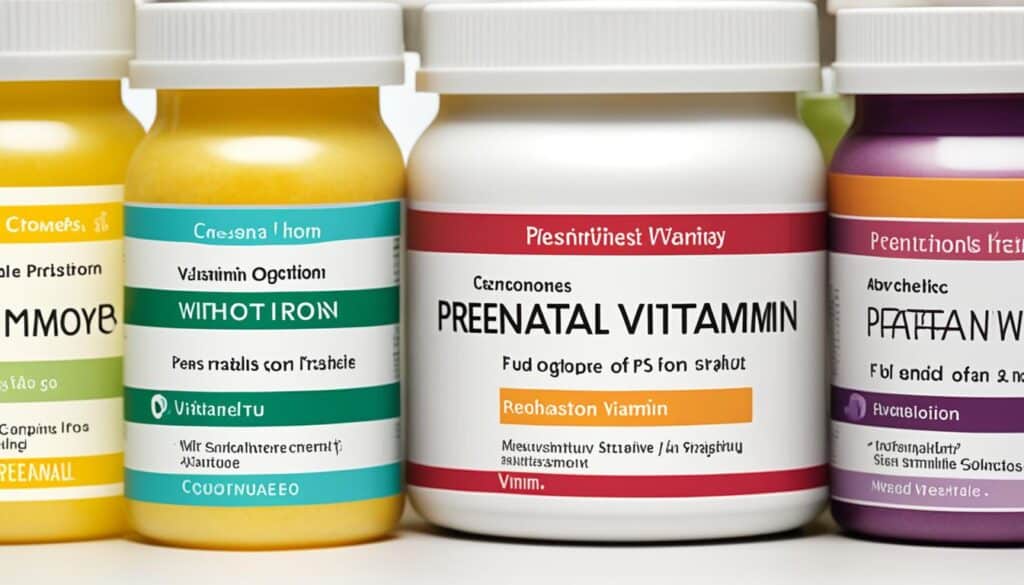
Choosing Prenatal Vitamins: Options Without Iron

prenatal vitamins without iron

During pregnancy, it’s important to prioritize your health and ensure you’re getting all the necessary nutrients for a healthy baby. While a balanced diet is key, some women may require additional support through prenatal vitamins. These supplements typically contain folic acid and iron, vital for fetal development and preventing anemia.

However, you might have concerns or challenges when it comes to taking iron-containing prenatal vitamins. That’s why we’re here to help you explore the options available without iron. Whether it’s due to discomfort or dietary considerations, there are iron-free prenatal vitamins designed to fulfill your unique needs.

In this article, we’ll guide you through the benefits of prenatal vitamins without iron and help you make an informed decision. Let’s begin by understanding why prenatal vitamins are crucial during pregnancy and how they contribute to a healthy journey for you and your baby.

Why Are Prenatal Vitamins Important?

Prenatal vitamins play a crucial role during pregnancy as they provide essential nutrients that may be lacking in a woman’s diet. These additional nutrients support the healthy development of the fetus and help prevent certain complications. Two key nutrients found in prenatal vitamins are folic acid and iron.

Folic acid is especially important as it helps prevent neural tube defects, which are serious abnormalities of the fetal brain and spinal cord. To ensure optimal protection, it is recommended to start taking extra folic acid at least 3 months before becoming pregnant.

Iron is vital for the development of the placenta and fetus. It helps the body produce blood that carries oxygen to the growing baby. Additionally, iron plays a crucial role in preventing anemia, a condition characterized by a low number of healthy red blood cells. Anemia can cause fatigue and weakness, which can negatively impact both the mother and baby.

Although iron requirements increase during pregnancy, some women may prefer prenatal vitamins without iron due to side effects like constipation. However, it is essential to ensure that alternative prenatal vitamins still provide the necessary nutrients for a healthy pregnancy.

To summarize, prenatal vitamins are essential during pregnancy to provide the necessary nutrients, such as folic acid and iron, that support the proper development of the fetus, prevent neural tube defects, and avoid anemia.

Difference Between Prenatal Vitamins with Iron and Without Iron
Benefits Prenatal Vitamins with Iron Prenatal Vitamins without Iron
Prevention of Neural Tube Defects Contains folic acid for optimal protection against neural tube defects Contains folic acid for optimal protection against neural tube defects
Supports Placenta Development Provides iron necessary for placenta development Does not provide iron necessary for placenta development
Prevention of Anemia Helps prevent anemia by supplying additional iron Does not provide additional iron to prevent anemia
Side Effects May cause constipation due to higher iron content Does not cause constipation as it lacks iron

Choosing the Right Prenatal Vitamin

When it comes to selecting a prenatal vitamin, it’s crucial to opt for one that provides essential nutrients for a healthy pregnancy. In addition to folic acid and iron, there are several other key vitamins and minerals to consider. These include:

  • Calcium: Plays a vital role in the development of your baby’s teeth and bones.
  • Vitamin D: Helps the body absorb calcium and contributes to bone health.
  • Vitamin C: Supports the immune system and aids in collagen production.
  • Vitamin A: Important for vision, immune function, and cell development.
  • B vitamins: Essential for energy production and the formation of red blood cells.
  • Zinc: Contributes to proper growth and development.
  • Iodine: Supports thyroid function and brain development.

While these nutrients are essential, it’s crucial to consult with your healthcare provider to determine the appropriate dosage for your specific needs. Your healthcare provider may recommend higher nutrient doses based on individual circumstances. For example, if you’ve had a previous pregnancy affected by a neural tube defect, you may require a separate supplement with a higher folic acid dose.

It’s important to note that while prenatal vitamins are beneficial, excessive intakes of certain vitamins, such as vitamin A, can be harmful to your baby. Always follow the recommended dosage provided by your healthcare provider and avoid taking more than necessary.

Choosing the Right Prenatal Vitamin

Conclusion

Choosing the right prenatal vitamin is crucial for a healthy pregnancy. For women who experience side effects or have specific dietary concerns, iron-free options can be a suitable choice. These prenatal vitamins without iron still provide essential nutrients, including folic acid, calcium, vitamin D, vitamin C, vitamin A, B vitamins, zinc, and iodine.

Consulting with your healthcare provider is essential in determining the best prenatal vitamin option for your individual needs. They can help assess your specific requirements and recommend the appropriate prenatal vitamin to support a healthy pregnancy.

Remember, prenatal vitamins are designed to complement a healthy diet. While they are an important addition to your routine, it is equally important to prioritize a balanced and nutritious eating plan throughout your pregnancy. By combining the benefits of prenatal vitamins and a healthy diet, you can ensure the optimal intake of essential nutrients that contribute to a successful and healthy pregnancy journey.

FAQ

Why are prenatal vitamins important during pregnancy?

Prenatal vitamins are important for filling any nutrient gaps during pregnancy. They provide additional nutrients, such as folic acid and iron, that may be lacking in a woman’s diet. These vitamins support fetal development, prevent neural tube defects, and help prevent anemia.

What are the key nutrients found in prenatal vitamins?

Two key nutrients found in prenatal vitamins are folic acid and iron. Folic acid helps prevent neural tube defects, while iron supports the development of the placenta and fetus and helps prevent anemia. Other essential nutrients include calcium, vitamin D, vitamin C, vitamin A, B vitamins, zinc, and iodine.

Are there prenatal vitamins without iron available?

Yes, there are prenatal vitamins without iron available. Some women may prefer these options due to concerns of constipation or for other dietary reasons. However, it is important to ensure that these iron-free prenatal vitamins still provide essential nutrients needed for a healthy pregnancy.

How do I choose the right prenatal vitamin?

When choosing a prenatal vitamin, look for one that contains essential nutrients for pregnancy, such as folic acid, calcium, vitamin D, vitamin C, vitamin A, B vitamins, zinc, and iodine. Your healthcare provider may recommend higher doses of certain nutrients based on your individual needs. Consult with your healthcare provider to determine the best prenatal vitamin option for you.

Can I take excessive amounts of prenatal vitamins?

It is important to avoid taking excessive amounts of prenatal vitamins, as high doses of certain vitamins, such as vitamin A, can be harmful to your baby. Always follow the recommended dosage and consult with your healthcare provider if you have any concerns or questions.

Source Links

Carpal Tunnel Syndrome in Pregnancy: Finding Relief

pregnancy carpal tunnel syndrome relief

Imagine this: You’re expecting a beautiful bundle of joy, eagerly preparing for the arrival of your little one. But as your belly grows, so does the discomfort in your hands and wrists. You start to notice a constant numbness and tingling sensation that extends from your fingers to your arms. The pain worsens as you go about your daily tasks, making even the simplest activities a challenge.

Meet Sarah, a soon-to-be mother who experienced this exact scenario. Sarah was overjoyed with her pregnancy, but she found herself struggling with a lesser-known symptom called Carpal Tunnel Syndrome (CTS). Little did she know, this condition is not uncommon during pregnancy and affects many expectant mothers.

During pregnancy, the increased blood volume and swelling can lead to compression of the median nerve, causing CTS. This compression results in symptoms like numbness, tingling, and pain in the wrist and hand. It can even lead to weakness and decreased finger dexterity in severe cases.

Your journey through pregnancy should be filled with joy, not pain. That’s why it’s crucial to find relief for pregnancy-related carpal tunnel syndrome. In this article, we’ll explore different strategies and techniques that can help alleviate your discomfort and restore your peace of mind.

Understanding Carpal Tunnel Syndrome During Pregnancy

Carpal tunnel syndrome is a condition that can occur during pregnancy due to increased blood volume and swelling. The growing uterus and hormonal changes can lead to fluid retention and swelling, which can compress the median nerve in the wrist.

This compression can cause various symptoms, including:

  • Tingling or numbness in the fingers, especially the thumb, index, and middle fingers
  • Pain or a dull ache in the hand and wrist
  • Weakness in the hand and difficulty gripping objects

If you are experiencing these symptoms, it is important to consult with your healthcare provider for a proper diagnosis. They may perform a physical examination and ask about your symptoms. In some cases, additional tests such as nerve conduction studies or ultrasound may be recommended to confirm the diagnosis.

To relieve carpal tunnel pain during pregnancy, there are several strategies that can be implemented:

  1. Forearm Lengthening Massage: Gently massaging the muscles in your forearm can help to relieve tension and promote relaxation, reducing the pressure on the median nerve.
  2. Kinesiology Tape: Applying kinesiology tape to the affected area can improve blood and lymphatic flow, reducing inflammation and swelling.
  3. Chiropractic Adjustments: Visiting a chiropractor specializing in prenatal care can help to realign the bones and joints, reducing nerve compression and alleviating symptoms.
  4. Targeted Stretching Exercises: Performing specific stretching exercises can help to improve flexibility and relieve pressure on the median nerve. Your healthcare provider or a physical therapist can recommend exercises suitable for pregnancy.
  5. Swelling Relief Techniques: Implementing techniques to reduce swelling can also help to alleviate carpal tunnel symptoms. Taking warm Epsom salt baths and staying hydrated can help to reduce fluid retention.

Remember, it is important to consult with your healthcare provider before trying any new treatments or exercises, especially during pregnancy. They can provide personalized recommendations and ensure that you are using safe and effective methods to relieve carpal tunnel pain.

Managing Carpal Tunnel Syndrome in Pregnancy

Pregnancy-related carpal tunnel syndrome is a common condition that can cause discomfort and pain in the wrists and hands. The good news is that there are several management techniques you can employ to find relief from the symptoms.

One effective approach is to wear wrist splints. These splints provide support and stability to the wrists, alleviating pain and preventing excessive bending that may worsen the condition. By keeping the wrists in a neutral position, you can reduce the pressure on the median nerve and promote healing.

Another important aspect of managing carpal tunnel syndrome during pregnancy is modifying your activities. It is crucial to avoid repetitive tasks or heavy lifting that can exacerbate the symptoms. By reducing the strain on your wrists, you can minimize discomfort and give your body a chance to heal.

In addition to splints and activity modification, performing specific exercises and stretches for the wrists can be beneficial. These exercises improve fluid movement, reduce stiffness, and strengthen the muscles surrounding the carpal tunnel. Your healthcare provider can recommend exercises that are safe and appropriate for your condition.

Finally, managing swelling is essential in alleviating the symptoms of carpal tunnel syndrome. You can try using cold packs or elevated resting positions, where you place your hands above your heart. These strategies can help reduce inflammation and swelling in the wrists, offering relief from pain and discomfort.

Remember, it is important to consult your healthcare provider before taking any pain relief medication during pregnancy. They can provide guidance on safe options to help manage your symptoms. If you experience persistent pain after childbirth, continue using wrist splints and avoid straining your wrists during breastfeeding. You can also find alternative ways to carry and pick up your baby that minimize strain on your wrists and hands. By following these management techniques, you can find relief and promote healing from pregnancy-related carpal tunnel syndrome.

FAQ

Can carpal tunnel syndrome develop during pregnancy?

Yes, carpal tunnel syndrome can develop during pregnancy due to increased blood volume and swelling which can compress the median nerve.

What are the symptoms of carpal tunnel syndrome during pregnancy?

Symptoms of carpal tunnel syndrome during pregnancy include tingling, numbness, pain, and decreased grip strength in the wrist and hand.

How can I find relief from carpal tunnel pain during pregnancy?

To find relief from carpal tunnel pain during pregnancy, you can try forearm lengthening massage, using kinesiology tape to improve blood and lymphatic flow, chiropractic adjustments, targeted stretching exercises, and implementing swelling relief techniques such as Epsom salt baths and hydration.

Are there any conservative treatments for carpal tunnel syndrome in pregnancy?

Yes, conservative treatments for carpal tunnel syndrome in pregnancy include wearing wrist splints, modifying activities that aggravate symptoms, performing exercises and stretches for the wrists, and managing swelling through strategies like using cold packs or resting with hands above the heart.

Can I take pain relief medication for carpal tunnel syndrome during pregnancy?

It is essential to consult a healthcare provider before taking any pain relief medication for carpal tunnel syndrome during pregnancy.

What should I do after giving birth to manage carpal tunnel syndrome?

After giving birth, managing carpal tunnel syndrome may involve continued use of splints, avoiding straining during breastfeeding, and finding alternative ways to carry and pick up the baby to reduce strain on the wrists and hands.

Source Links

Refreshing Your Style: Postpartum Wardrobe Essentials for New Moms

postpartum wardrobe essentials

Imagine this: You’ve just welcomed your beautiful bundle of joy into the world. Amidst the sleepless nights and endless baby snuggles, you’re beginning to settle into your new role as a mom. But as you navigate the postpartum period, you may find that your pre-pregnancy wardrobe no longer fits quite the same way. And that’s okay!

Transitioning into motherhood means embracing your evolving body and lifestyle. It’s a time to celebrate the incredible journey you’ve been on and to show yourself some much-deserved self-care. And what better way to do that than by refreshing your style and creating a postpartum wardrobe that makes you feel confident, comfortable, and oh-so chic?

In this article, we’ll explore a range of postpartum wardrobe essentials and style tips to help you curate a wardrobe that perfectly blends fashion and functionality. From versatile jackets and pants to stylish dresses and athleisure wear, we’ll cover it all. Plus, we’ll guide you through the Nordstrom Anniversary Sale, where you can snag amazing deals on fall fashion favorites.

Whether you’re a new mom or about to embark on the journey of motherhood, this article is for you. Get ready to embrace your postpartum style with confidence and discover the key essentials that will enhance your mom fashion game. Let’s dive in!

Building a Functional Yet Stylish Wardrobe

Building a postpartum wardrobe starts with doing a full audit of your closet. Donate any maternity gear or items that no longer fit to clear space for new pieces. When assessing your wardrobe by category, consider investing in staple pieces that will work well in a postpartum body.

Jackets

For jackets, opt for versatile options like a moto jacket or a classic denim jacket. These timeless pieces can be layered over various outfits to add both style and warmth.

Pants

Skinny jeans, boyfriend jeans, and distressed jeans are great options for pants. They provide comfort and flexibility, allowing you to move freely while still looking fashionable.

Shirts

Stock up on essential shirts like basic gray and denim t-shirts, button-down shirts, and striped t-shirts. These versatile tops can be easily mixed and matched with different bottoms for a variety of looks.

Dresses

Wrap dresses and jumpers are versatile and comfortable options for dresses. They flatter the postpartum body and can be dressed up or down depending on the occasion.

Athleisure

Don’t forget to include athleisure pieces like track suits, leggings, and sweats for those more casual days. Athleisure combines style and comfort, allowing you to effortlessly transition from lounging to running errands.

Shoes

When it comes to shoes, opt for comfortable options like sneakers, sandals, and booties. Choose footwear that provides support and cushioning to keep your feet happy throughout the day.

Accessories

Complete your postpartum wardrobe with accessories like scarves, shawls, stud earrings, everyday bracelets and rings, hats, and everyday bags. These accessories can elevate your outfits and add a personal touch to your overall look. Consider adding pops of animal print to add flair to your outfits.

Item Description
Jackets Versatile options like moto jackets and denim jackets
Pants Skinny jeans, boyfriend jeans, distressed jeans
Shirts Basic gray and denim t-shirts, button-down shirts, striped t-shirts
Dresses Wrap dresses, jumpers
Athleisure Track suits, leggings, sweats
Shoes Sneakers, sandals, booties
Accessories Scarves, shawls, stud earrings, everyday bracelets and rings, hats, everyday bags

Navigating the Nordstrom Anniversary Sale for Postpartum Fashion

The highly anticipated Nordstrom Anniversary Sale offers an exciting opportunity to refresh your fall wardrobe with great deals. Whether you’re adjusting to a postpartum body or simply looking for comfortable and stylish pieces, this sale has you covered.

During the Nordstrom Anniversary Sale, consider adding essential items to your postpartum wardrobe. A delicate gold chain necklace adds a touch of elegance to any outfit, while a cropped top or graphic tee adds a trendy edge. Stay warm and fashionable with a hooded coat, or cozy up with soft sweaters from Free People. A versatile wrap dress can be dressed up or down, making it a great addition to your wardrobe. For pants, consider kick crop pants or knit trousers that offer both style and comfort. And don’t forget about footwear – stylish boot options like suede booties and waterproof boots are a must-have.

Take advantage of the Nordstrom Anniversary Sale to enhance your fall wardrobe. Look for essential pieces like flannel shirts and Re/Done jeans, as well as statement-making green boots. If you’re into athleisure, you’ll find a variety of athletic pieces in deep fall hues. Don’t overlook the selection of delicate and versatile jewelry pieces available at discounted prices. Create your Nordstrom Wish List and stay informed on when the sale becomes available to shop.

FAQ

How do I start building a postpartum wardrobe?

Start by doing a full audit of your closet, donating any maternity gear or items that no longer fit. Then, assess your wardrobe by category and invest in staple pieces that will work well for your postpartum body.

What are some essential clothing items for a postpartum wardrobe?

Some essential items include versatile jackets like a moto jacket or denim jacket, pants such as skinny jeans or boyfriend jeans, basic shirts like gray and denim t-shirts, button-down shirts, and striped t-shirts. Wrap dresses and jumpers are also great options.

What types of shoes should I consider for my postpartum wardrobe?

Opt for comfortable options such as sneakers, sandals, and booties. These shoes will provide both style and comfort for your evolving lifestyle as a new mom.

Are there any accessories that can enhance my postpartum outfits?

Absolutely! Consider adding scarves, shawls, stud earrings, everyday bracelets and rings, hats, and everyday bags to complete your postpartum wardrobe. Adding pops of animal print can also add flair to your outfits.

How can I navigate the Nordstrom Anniversary Sale for postpartum fashion?

Utilize the sale to refresh your fall wardrobe with comfortable and stylish pieces. Look for deals on delicate gold chain necklaces, cropped tops or graphic tees, hooded coats, cozy sweaters, versatile wrap dresses, kick crop pants or knit trousers, and stylish boot options. Don’t forget to check out the selection of flannel shirts, high-quality denim, and statement-making boots available at discounted prices.

Source Links

Choosing the Best Natural Lubricants for Fertility

Natural Lubricants for Fertility

When you and your partner decide to start a family, the journey to conception can be both exciting and filled with anticipation. You imagine the joy of holding your little bundle of joy in your arms, the pitter-patter of tiny feet in your home, and the love that will fill every corner of your life.

But as you embark on this pre-pregnancy journey, you may encounter some challenges along the way. One common obstacle couples face is the need for lubrication during intercourse. Whether it’s due to a decrease in sexual desire, fertility drugs affecting natural lubrication, or other reasons, many couples find themselves in search of a solution.

While there are numerous lubricant options available, it’s important to choose ones that are fertility-friendly and won’t hinder your chances of conception. Regular lubricants can actually lower the chances of successful conception by inhibiting sperm movement, causing DNA damage, or even killing sperm.

So, what can you do to increase your chances of conception while still enjoying a comfortable and pleasurable experience? The answer lies in the world of natural lubricants that are specifically designed to be safe for sperm and support fertility. These natural lubricants have been carefully formulated with ingredients that won’t harm sperm and can even enhance their chances of reaching the egg.

In this article, we’ll explore some of the best natural lubricant options for fertility, including FDA-approved choices like Conceive Plus, Pre-Seed, and Yes Baby. We’ll also discuss how lubricants can impact sperm motility, the role of natural cervical discharge, and the importance of timing when it comes to maximizing your chances of conception.

So, let’s dive into the world of natural lubricants and discover how they can enhance your fertility and help you on your journey to parenthood.

The Impact of Lubricants on Sperm Motility

Lubricants play a vital role in enhancing comfort and pleasure during intimate moments. However, when it comes to trying to conceive, not all lubricants are created equal. In fact, certain lubricants can have a negative impact on sperm motility, hindering their ability to swim effectively towards the egg for fertilization.

Multiple studies have shown that both synthetic and so-called “natural” lubricants, including those labeled as fertility-friendly, can compromise sperm motility. This is mainly due to the ingredients present in these lubricants that can hinder the movement of sperm. Therefore, it’s crucial to choose lubricants that have been specifically designed to be fertility-friendly.

One such option is hydroxyethylcellulose-based lubricants. These lubricants have a consistency that closely resembles natural vaginal mucus and have been found to have minimal impact on sperm motility. Using lubricants that closely mimic the body’s own natural lubrication can help maintain optimal conditions for sperm to swim freely.

It is important to avoid lubricants with fragrances or parabens, as they may interfere with sperm motility and overall fertility. Additionally, household oils like coconut oil should not be used as lubricants, as they can also negatively affect sperm motility.

It’s worth noting that the best lubricant for conception is the natural lubrication produced by the body in the days leading up to ovulation. This cervical mucus is the ideal consistency to aid sperm motility and create an optimal environment for fertilization. However, if additional lubrication is needed for comfort, choose a fertility-friendly lubricant that won’t hinder sperm movement.

Improving natural lubrication levels can also be achieved by focusing on factors that contribute to overall reproductive health. This includes engaging in foreplay to stimulate natural lubrication, maintaining hydration, getting adequate sleep, managing stress levels, and considering recommended vitamins or supplements that can support vaginal health and lubrication.

Additional Tips to Increase Natural Lubrication:

  • Stay well-hydrated by drinking enough water throughout the day.
  • Engage in foreplay to stimulate arousal and natural lubrication.
  • Practice stress management techniques, such as yoga or meditation.
  • Ensure you are getting enough sleep to support hormonal balance.
  • Consider taking recommended vitamins or supplements like vitamin E or evening primrose oil that can promote vaginal health and lubrication.
Lubricant Type Impact on Sperm Motility
Synthetic Lubricants Significantly reduces sperm motility
“Natural” Lubricants Can compromise sperm motility
Fertility-Friendly Lubricants (hydroxyethylcellulose-based) Minimal impact on sperm motility

In conclusion, selecting the right lubricant is crucial when trying to conceive. Using lubricants that negatively affect sperm motility can significantly decrease the chances of successful fertilization. Opting for fertility-friendly lubricants that mimic natural vaginal mucus, and taking steps to enhance natural lubrication, can help create an optimal environment for sperm and increase the chances of conception.

Egg Whites and Natural Lubrication

The best lubricant for your fertility journey is the natural cervical discharge produced by your body during the fertile window. This discharge, resembling egg whites in texture and consistency, is a reliable sign of fertility and can support the movement of sperm.

Just like cervical discharge, egg whites have a similar web-like structure, making them an effective and natural lubricant option. Their consistency can provide the necessary slipperiness to facilitate sperm mobility during intercourse.

Remember, timing is key when it comes to maximizing your chances of conception. It is crucial to engage in intercourse during your fertile window, when cervical discharge and natural lubrication are at their peak. This ensures that viable sperm have the best environment for fertilization.

If you find that your natural lubrication and the use of egg whites are not sufficient, it may be necessary to consult with a fertility specialist. They can provide further evaluation and recommend personalized solutions to address any fertility concerns you may have.

egg whites

A Comparison of Natural Lubricant Options

Lubricant Description
Conceive Plus FDA approved, contains calcium and magnesium ions to support healthy sperm cells
Pre-Seed Developed by a scientist focused on sperm physiology, fertility-friendly in research studies
Yes Baby Certified organic lubricant, considers both vaginal and sperm health
Egg Whites Similar web-like structure to cervical discharge, a natural alternative
Baby oil or canola oil Affordable alternatives, but not recommended for fertility testing or treatment

Conclusion

Choosing the best natural lubricant for fertility is crucial to enhance your chances of conception. Standard lubricants can hinder sperm motility, potentially reducing the possibility of successful fertilization. However, there are fertility-friendly alternatives available that have been proven safe for sperm, such as Conceive Plus, Pre-Seed, and Yes Baby.

Aside from specialized lubricants, you can also consider natural options like relying on your body’s own lubrication or utilizing egg whites as an alternative. Understanding the timing of intercourse during your fertile window is essential for maximizing your chances of getting pregnant. For personalized advice tailored to your specific needs, it’s always best to consult with a healthcare provider.

Keep in mind that while lubricants can increase comfort during intercourse, they do not guarantee pregnancy success. It’s important to take a holistic approach to your pre-pregnancy journey and care. This includes choosing natural lubricants, but also encompassing other aspects such as maintaining overall good health, managing stress, and ensuring you’re on track with recommended vitamins or supplements. By adopting this comprehensive approach, you can enhance your fertility and support your pre-pregnancy journey.

FAQ

What are the potential risks of using common lubricants for fertility?

Common lubricants can lower the chances of successful conception by inhibiting sperm movement, causing DNA damage, and even killing sperm.

Why do some couples facing infertility need to use lubricants?

Many couples facing infertility need to use lubricants due to decreased sexual desire or fertility drugs interfering with natural lubrication.

Are there lubricant options that are safe for sperm and fertility testing?

Yes, sperm-friendly lubricants such as Conceive Plus, Pre-Seed, and Yes Baby have been deemed safe for sperm and fertility testing.

Is Conceive Plus safe to use for fertility?

Yes, Conceive Plus is FDA approved and includes calcium and magnesium ions to support healthy sperm cells.

What makes Pre-Seed a fertility-friendly lubricant?

Pre-Seed was developed by a scientist focused on sperm physiology and has been shown to be fertility-friendly in research studies.

Is Yes Baby a safe and organic lubricant for fertility?

Yes, Yes Baby is a certified organic lubricant that considers both vaginal and sperm health.

Can household oils like baby oil or canola oil be used as lubricants for fertility purposes?

Baby oil or canola oil can be alternatives if specialty fertility lubricants are not affordable, but they should not be used for fertility testing or treatment.

Should vaginal cleansers and douches be used as lubricants for fertility?

No, vaginal cleansers and douches should be avoided as they can wash away natural lubrication.

Is it important to consult a healthcare provider before trying a new lubricant while trying to conceive or undergoing fertility treatments?

Yes, it is always advisable to consult with a healthcare provider before trying a new product while trying to conceive or undergoing fertility treatments.

How do lubricants affect sperm motility?

Lubricants can reduce the motility of sperm, hindering their ability to reach the egg for fertilization.

Are there any lubricants that do not decrease sperm motility significantly?

Hydroxyethylcellulose-based lubricants are the most similar in consistency to natural vaginal mucus and do not decrease sperm motility significantly.

What should be avoided in lubricants for fertility purposes?

Lubricants with fragrances or parabens should be avoided, as well as household oils like coconut oil as lubricants.

What is the best natural lubricant for fertility?

The best lubricant is the natural cervical discharge produced by the body during the fertile window.

How can natural lubrication levels be increased?

Foreplay and maintaining hydration, good sleep, stress management, and taking recommended vitamins or supplements can help increase natural lubrication levels.

What is the significance of cervical discharge resembling egg whites for fertility?

Cervical discharge resembling egg whites in texture and consistency is a sign of fertility and can support sperm movement.

Can egg whites be used as a natural lubricant for fertility?

Yes, egg whites have a similar web-like structure to cervical discharge and can be used as a natural lubricant.

Why is proper timing of intercourse during the fertility window crucial?

Proper timing of intercourse during the fertility window is crucial for maximizing the chances of conception.

When should a fertility specialist be consulted if natural lubrication or egg whites are not sufficient?

If natural lubrication and egg whites are not sufficient, it may be necessary to consult a fertility specialist for further evaluation.

How can choosing the best natural lubricant for fertility enhance the chances of conception?

Choosing the best natural lubricant for fertility is important to enhance the chances of conception.

Do lubricants guarantee pregnancy success?

While lubricants can increase comfort during intercourse, they do not guarantee pregnancy success.

How can a holistic approach to pre-pregnancy health and care support the pre-pregnancy journey and boost fertility?

Taking a holistic approach to pre-pregnancy health and care, including selecting natural lubricants, can support the pre-pregnancy journey and boost fertility.