Breathing Easy: Ensuring Healthy Air Quality During Pregnancy

pregnancy and air quality

Imagine this: You’re expecting a baby, and you’re eagerly embarking on the beautiful journey of motherhood. You’ve made all the necessary preparations – the nursery is ready, the baby clothes are neatly folded, and the toys are waiting to be played with. But amidst the excitement, have you considered the quality of the air you and your baby are breathing?

Research has shown that air pollution can have serious consequences for both pregnant women and their unborn babies. The environment we live in plays a significant role in our overall health, and this is especially true during pregnancy. Exposure to air pollution during this critical time can lead to a range of adverse outcomes, including premature birth, low birth weight, gestational diabetes, and even an increased risk of autism and asthma in babies.

That’s why it’s crucial to pay attention to the air you breathe and take steps to ensure a healthy environment for yourself and your baby. In this article, we will explore the link between pregnancy and air quality, understand the risks associated with air pollution during pregnancy, and provide practical tips to protect yourself and your baby from the harmful effects of poor air quality.

The Link Between Air Pollution and Pregnancy Risks

Multiple studies have established a strong connection between air pollution and various pregnancy complications, posing significant health risks for both the mother and the baby.

Exposure to pollutants like nitrogen oxide and sulfur dioxide has been linked to an increased risk of preterm labor. Preterm labor can have severe consequences, including low birth weight, underdeveloped lungs, and even the death of the baby during or shortly after birth.

Poor air quality has also been found to be correlated with stillbirth, especially during the third trimester of pregnancy. This alarming association highlights the critical importance of addressing air pollution to safeguard the well-being of both the mother and the baby.

Furthermore, exposure to air pollution during pregnancy can result in low birth weight, which is associated with an elevated risk of developmental delays and various health issues in the baby. It is crucial to understand that the harmful effects of air pollution can have long-lasting implications for the child’s health and development.

Pregnant women exposed to high levels of airborne particulate matter, particularly during the third trimester, have been found to have a higher risk of giving birth to an autistic child. This connection between air pollution and autism underscores the need for comprehensive measures to reduce exposure to pollutants and protect the health of both the mother and the baby.

Poor air quality during pregnancy also poses health risks for the mother. It has been associated with an increased likelihood of developing pregnancy-related complications such as preeclampsia and high blood pressure. These conditions not only endanger the mother’s health but can also have detrimental effects on the baby.

In light of these findings, it is clear that addressing air pollution is essential to mitigate the risks and promote healthy pregnancies. By understanding the link between air pollution and pregnancy complications, we can take proactive steps to minimize exposure and protect the well-being of both mothers and babies.

Protecting Yourself and Your Baby From Air Pollution

While it may be challenging to control outdoor air pollution, there are measures you can take to maintain excellent indoor air quality and reduce exposure to air pollution.

One effective step is to check the air quality index and stay indoors during periods of low air quality to minimize exposure. Additionally, quitting smoking and banning smoking in your home is crucial, as secondhand smoke can be harmful to both you and your baby’s health.

Being mindful of the products you use in your household is also essential to prevent introducing contaminants into the air. Opt for safer alternatives to reduce chemical exposure. Furthermore, using vent hoods when cooking, regularly checking for mold, and installing carbon monoxide detectors will help improve indoor air quality.

An air purifier with a HEPA 13 filter can be a valuable investment, as it effectively filters harmful substances and provides cleaner air for you and your baby. Additionally, to further reduce the risk, avoid unnecessary exposure to polluted areas and seek out green spaces with low levels of air pollution.

By taking these precautions and prioritizing indoor air quality, you can help ensure a healthier environment for yourself and your baby during pregnancy.

FAQ

What are the risks of air pollution during pregnancy?

Exposure to air pollution during pregnancy can lead to various complications, including premature birth, low birth weight, elevated blood pressure, gestational diabetes, and an increased risk of autism and asthma in babies.

How does air pollution affect pregnancy?

Air pollution during pregnancy has been linked to an increased risk of preterm labor, stillbirth, low birth weight, and developmental delays in babies. It can also contribute to pregnancy-related complications in the mother, such as preeclampsia and high blood pressure.

What can I do to reduce exposure to air pollution during pregnancy?

To minimize your exposure to air pollution, check the air quality index and stay indoors during periods of poor air quality. Quit smoking and avoid secondhand smoke. Use safer household products, cook with vent hoods, check for mold regularly, and install carbon monoxide detectors. Consider investing in an air purifier with a HEPA 13 filter. Also, try to avoid polluted areas and spend time in green spaces with low levels of air pollution.

How does air pollution contribute to preterm labor?

Exposure to pollutants like nitrogen oxide and sulfur dioxide has been found to increase the risk of preterm labor. Preterm labor can result in low birth weight, underdeveloped lungs, and even the death of the baby during or shortly after birth.

Does air pollution during pregnancy increase the risk of stillbirth?

Yes, poor air quality, particularly during the third trimester, has been associated with a higher risk of stillbirth.

Can air pollution affect the development of the baby’s brain?

Yes, pregnant women exposed to high levels of airborne particulate matter, especially during the third trimester, have been found to have a higher risk of having an autistic child. Air pollution can impact the development of the baby’s brain and increase the risk of developmental delays and health issues.
Source Links

Cleaning Safely: Choosing Pregnancy-Safe Products for Your Home

safe cleaning products during pregnancy

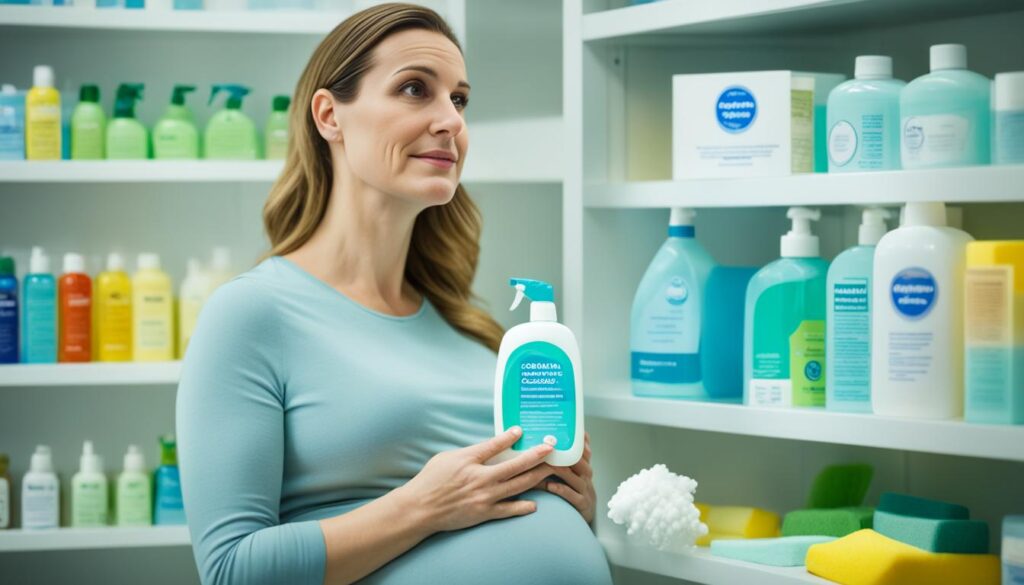
As a mom-to-be, you want to create a safe and healthy environment for both you and your little one. That means taking extra precautions when it comes to choosing the cleaning products you use in your home during pregnancy. While it may seem like a small detail, the products you use to clean your countertops or freshen up your floors can have a big impact on your health and the development of your baby.

Imagine Sarah, a soon-to-be mom who was excitedly preparing her nursery for the arrival of her bundle of joy. She diligently cleaned every corner, ensuring that everything was immaculate. But little did she know that some of the cleaning products she was using contained harmful chemicals that could potentially harm her baby’s health. Concerned, Sarah started researching safe cleaning products during pregnancy and was astonished to discover the potential risks associated with certain chemicals.

Like Sarah, many expectant mothers are unaware of the potential dangers lurking in their cleaning cabinet. That’s why it’s crucial to educate yourself about pregnancy-safe cleaning products and make informed choices for a healthier home environment. By opting for products that are specifically formulated to be safe during pregnancy, you can rest easy knowing that you’re minimizing any risks to yourself and your baby.

In the following sections, we will explore the importance of using pregnancy-safe cleaning products, the ingredients you should avoid, and essential tips for safe cleaning during pregnancy. With this knowledge, you can confidently maintain a clean and healthy home without compromising the well-being of your growing family. Let’s dive in!

Ingredients to Avoid During Pregnancy

When choosing cleaning products during pregnancy, it’s important to be aware of certain ingredients that may be harmful to you and your baby. These ingredients are commonly found in cleaning products and should be avoided to ensure pregnancy safety:

Ingredient Harmful Effects
1. Bleach Bleach contains chlorine, which can cause respiratory issues and skin irritation.
2. Ammonia Ammonia can irritate the lungs and cause respiratory problems.
3. Formaldehyde Formaldehyde is a known carcinogen and can cause allergic reactions.
4. Phthalates Phthalates have been linked to hormone disruption and developmental issues.
5. Triclosan Triclosan is an antibacterial ingredient that may disrupt hormone function.

By avoiding these harmful ingredients, you can prioritize the safety and well-being of both you and your baby during pregnancy.

Choose Natural Alternatives

If you’re concerned about the safety of store-bought cleaning products, you can opt for natural alternatives. Vinegar and baking soda are excellent options for cleaning various surfaces in your home. They are affordable, effective, and safe to use during pregnancy. Additionally, you can find pregnancy-safe cleaning products in the market that are specifically formulated to avoid harmful ingredients.

Next, in Section 3, we will explore some important tips for safe cleaning practices during pregnancy to ensure optimal safety for you and your baby.

Tips for Safe Cleaning During Pregnancy

During pregnancy, it’s essential to take extra precautions to ensure your safety and the well-being of your baby when it comes to cleaning your home. Follow these tips for safe cleaning practices:

1. Opt for natural alternatives: Consider using homemade cleaning solutions made with natural ingredients like vinegar, lemon juice, and baking soda. These are effective, pregnancy-safe alternatives to commercial cleaning products that may contain harmful chemicals.

2. Ventilate the area: When cleaning, ensure proper ventilation by opening windows or using fans. This helps to minimize exposure to any fumes or odors from cleaning products that might be present.

3. Wear protective gear: Protect yourself by wearing gloves, long-sleeved clothing, and a mask to shield against any potential irritants or chemicals in cleaning agents. This can help prevent skin irritation and inhalation of harmful substances.

4. Take breaks and pace yourself: Avoid overexertion while cleaning. Take regular breaks, especially if you’re experiencing fatigue or discomfort. Listen to your body and adjust your cleaning routine accordingly.

5. Delegate tasks: Don’t hesitate to ask for help or delegate cleaning tasks to others, such as your partner, family members, or hired professionals. This can alleviate stress and reduce the amount of physical exertion you need to perform.

Remember, your health and the health of your baby are the top priorities during pregnancy. By following these safe cleaning practices, you can maintain a clean and healthy home while minimizing any potential risks.

FAQ

Are store-bought home cleaning products safe to use during pregnancy?

Most store-bought home cleaning products are generally safe to use during pregnancy. However, it’s important to be aware of certain chemicals, such as parabens and phthalates, which have been linked to potential health issues for moms and babies.

Are there any harmful ingredients in cleaning products that I should avoid during pregnancy?

Yes, there are certain ingredients commonly found in cleaning products that you should avoid during pregnancy. These include chemicals like ammonia, bleach, and aerosol propellants.

What are some pregnancy-safe cleaning products I can use?

Some top recommendations for pregnancy-safe cleaning products include natural options like vinegar, baking soda, and hydrogen peroxide. You can also look for cleaning products that are specifically labeled as pregnancy-safe or eco-friendly.

Is there any ongoing research about the potential link between toxic cleaning chemicals and childhood developmental disorders?

Yes, there is ongoing research looking into the potential link between toxic cleaning chemicals and childhood developmental disorders. While more research is needed, it’s always a good idea to take precautions and choose safer cleaning options during pregnancy.

Are homemade cleaning products a safe alternative during pregnancy?

Yes, homemade cleaning products can be a safe alternative during pregnancy. Using natural ingredients like vinegar and baking soda, you can create effective cleaning solutions that are free from harmful chemicals. However, it’s important to follow proper mixing and usage instructions to ensure safety.

What are some general tips for safe cleaning during pregnancy?

When it comes to safe cleaning during pregnancy, there are a few precautions and practices to keep in mind. These include wearing gloves to protect your skin, ensuring proper ventilation in the cleaning area, and avoiding heavy lifting or straining.

Source Links

Preparing for Breastfeeding: A Guide for Soon-to-Be Moms

breastfeeding preparation during pregnancy

Preparing for the arrival of your little one involves making countless decisions: from choosing the perfect crib to selecting the most adorable onesies. But one aspect that often gets overlooked is preparing for breastfeeding. While it’s a natural process, it can come with its fair share of challenges. That’s why it’s important to start your breastfeeding preparation during pregnancy, ensuring a smoother lactation journey for both you and your baby.

Imagine this: you’re lying in a hospital bed, cradling your precious bundle of joy in your arms for the first time. Your heart is overflowing with love, but amidst the overwhelming joy, a wave of uncertainty washes over you. Will you be able to breastfeed successfully? Will your baby latch on properly? How will you navigate the world of breastfeeding?

Thankfully, with a little preparation, you can set yourself up for breastfeeding success. By following some simple steps, you can ease into the beautiful experience of nursing your baby.

First things first, purchasing a breast pump can be a game-changer. Not only does it allow you to store breast milk for future feedings, but it can help establish and maintain your milk supply. Plus, did you know that many health insurance plans cover a breast pump? Take the time to research the models covered by your insurance, ensuring you choose one that suits your needs.

Additionally, finding a certified lactation counselor is essential. These professionals undergo extensive training to provide support and guidance during your breastfeeding journey. Check if your chosen counselor is in-network with your insurance to maximize coverage.

Remember, your ob-gyn is a valuable resource when it comes to breastfeeding. Discuss any concerns or health conditions that may impact your ability to breastfeed with your healthcare provider. They can provide personalized advice and recommend any necessary steps to ensure a successful breastfeeding experience.

Lastly, consider preparing your home for the early days of breastfeeding. Stock your freezer with nutritious meals that can be easily reheated, ensuring you have time to rest and bond with your baby. And don’t hesitate to seek help with household tasks to free up more time for breastfeeding and self-care.

It’s important to note that not every mother can breastfeed, and that’s okay. If breastfeeding isn’t an option for you, formula feeding can provide your baby with the necessary nutrition. The most important thing is that your baby is happy, healthy, and loved.

In the following sections, we will explore the benefits of breastfeeding for both mom and baby, as well as provide you with tips for successful breastfeeding. Let’s dive in and embark on this beautiful and rewarding journey together.

The Benefits of Breastfeeding for Mom and Baby

Breastfeeding provides a multitude of benefits for both babies and mothers. Let’s explore the lifelong advantages it offers.

Benefits for Babies

Breast milk is nature’s perfect food for infants, providing essential nutrients and antibodies that protect against infections. Here are some of the lifelong benefits of breastfeeding for babies:

  • Lower risk of infections and diseases
  • Stronger immune system
  • Promotes proper growth and development

Benefits for Mothers

Mothers also reap significant benefits from breastfeeding. Here are some of the advantages breastfeeding can provide:

  • Lower risk of certain cancers, such as breast and ovarian cancer
  • Increased bone density, reducing the risk of osteoporosis
  • Lower cholesterol levels
  • Improved cardiovascular health
  • Lower risk of developing Type 2 diabetes
  • Helps with postpartum weight loss

It’s important to note that having a lactation consultant by your side can greatly enhance your breastfeeding experience. These professionals provide invaluable support and guidance, helping you overcome challenges and ensuring successful breastfeeding.

Benefits for Babies Benefits for Mothers
Lower risk of infections and diseases Lower risk of certain cancers
Stronger immune system Increased bone density
Promotes proper growth and development Lower cholesterol levels
Improved cardiovascular health
Lower risk of developing Type 2 diabetes
Helps with postpartum weight loss

Tips for Successful Breastfeeding

To ensure a successful breastfeeding journey, it’s important to follow these helpful tips:

1. Start breastfeeding within the first hour or two after delivery. This promotes bonding and increases your chances of successful breastfeeding.

2. In the early days, focus on increasing milk production and helping your baby get accustomed to feeding. This can be done through frequent feeding sessions and ensuring proper latching.

3. Newborns have small stomachs and need to be fed frequently, at least every 3 hours. Pay attention to your baby’s hunger cues and offer the breast whenever they show signs of hunger.

4. The duration of each feeding may vary, but remember that for the first six months, your baby should have only breast milk. This ensures they receive the necessary nutrition and antibodies for optimal growth and development.

5. Monitor your baby’s diaper output to ensure they are getting enough milk. Typically, they should have 6-8 wet diapers and up to 6 stools per day.

6. While there are no specific dietary restrictions for breastfeeding moms, it’s important to consult a lactation specialist for guidance on medications. They can provide personalized advice based on your needs.

7. While pumping and using a bottle is acceptable, direct breastfeeding and skin-to-skin contact are preferred. These activities foster bonding and help establish a strong breastfeeding relationship.

8. Know your rights as a breastfeeding mom in the workplace. Familiarize yourself with the laws that protect your right to pump or breastfeed during working hours. Additionally, seek support from lactation consultants and breastfeeding support groups to enhance your breastfeeding experience.

FAQ

What can I do to prepare for breastfeeding during pregnancy?

It’s important to prepare for breastfeeding during pregnancy. Get a breast pump and research the models covered by your health insurance. Choose a lactation counselor and check if they are in-network with your insurance. Discuss any breastfeeding challenges or health conditions with your ob-gyn. Plan for skin-to-skin contact with your baby right after delivery to initiate breastfeeding. Free up time for breastfeeding by stocking your freezer with meals and getting help with household tasks.

Is breastfeeding the only option for feeding my baby?

Not everyone is able to breastfeed, and that’s okay. Formula feeding can provide the necessary nutrition for your baby. However, breastfeeding offers lifelong benefits for babies, such as a lower risk for infections and diseases and a stronger immune system.

What are the benefits of breastfeeding for mothers?

Breastfeeding offers numerous benefits for mothers as well. It can lower the risk of certain cancers, increase bone density, lower cholesterol, and improve cardiovascular health. Breastfeeding can also lower the risk of developing Type 2 diabetes and help with postpartum weight loss.

How can a lactation consultant help with breastfeeding?

Having a lactation consultant can be invaluable in providing support and guidance during the breastfeeding journey. They can help with any breastfeeding challenges, provide tips for increasing milk production, and address any concerns or questions you may have.

When should I start breastfeeding after delivery?

It’s best to start breastfeeding in the first hour or two after delivery to increase the chances of success. This early initiation helps establish a strong breastfeeding relationship between you and your baby.

How often should I feed my newborn baby?

Newborns have small stomachs and need to be fed frequently, at least every 3 hours. It’s important to feed your baby on demand and pay attention to hunger cues.

How can I tell if my baby is getting enough milk?

One way to ensure your baby is getting enough milk is to monitor their diaper output. A healthy baby should have at least 6-8 wet diapers and up to 6 stools per day. If you have any concerns, consult a lactation specialist.

Are there any dietary restrictions for breastfeeding moms?

There are no specific dietary restrictions for breastfeeding moms, but it’s always a good idea to consult a lactation specialist for guidance on medications and to ensure you are getting a balanced diet.

Is it okay to pump and use a bottle for feeding?

Pumping and using a bottle is acceptable, but direct breastfeeding and skin-to-skin contact are preferred. These practices help strengthen the bonding experience between you and your baby.

What support is available for breastfeeding moms in the workplace?

As a breastfeeding mom, you have rights in the workplace. It’s important to know your rights and advocate for them. Seek support from lactation consultants and breastfeeding support groups for guidance on how to navigate the workplace while breastfeeding.

Source Links

Easing Pregnancy Heartburn: Effective Relief Strategies

pregnancy heartburn relief

Pregnancy is a beautiful journey filled with excitement and anticipation. However, it also comes with its fair share of challenges and discomforts. One of the most common discomforts experienced by pregnant women is heartburn. It can put a damper on those joyful moments and make you feel uncomfortable and restless.

Imagine this – you’re sitting down for a relaxing dinner with your loved ones, enjoying a delicious meal. Suddenly, a burning sensation creeps up your chest, leaving you reaching for the antacids. Sound familiar? Don’t worry, you’re not alone. Pregnancy heartburn affects nearly half of expectant mothers. But the good news is that there are effective strategies to help relieve this discomfort and ensure a more pleasant journey to motherhood.

When it comes to overcoming pregnancy heartburn, it’s essential to equip yourself with the right knowledge and remedies. In this article, we will explore various methods and techniques to ease pregnancy heartburn and provide you with valuable advice and health tips. From lifestyle changes to safe medications, we’ll cover it all, giving you the tools you need to find relief.

Causes and Prevention of Pregnancy Heartburn

Pregnancy heartburn can be attributed to various causes, primarily stemming from the hormonal changes that occur during pregnancy. Increased levels of progesterone and relaxin can relax the muscles in the gastrointestinal tract, leading to slow digestion and heartburn. However, these hormonal changes are not the sole contributors to pregnancy heartburn.

There are several factors that can trigger heartburn in pregnant women. These include:

  • Consuming trigger foods: Spicy and fatty foods can aggravate the symptoms of heartburn. It is advisable to avoid these foods or minimize their consumption.
  • Eating large meals: Consuming large meals puts more pressure on the stomach, increasing the likelihood of acid reflux and heartburn. Opting for smaller, frequent meals can help prevent heartburn.
  • Eating close to bedtime: Lying down after a meal can allow stomach acids to flow back into the esophagus, causing heartburn. It is recommended to allow at least two to three hours for digestion before lying down.
  • Smoking: Smoking weakens the lower esophageal sphincter, a muscle that helps prevent acid reflux. Quitting smoking during pregnancy is essential for overall health and to reduce heartburn symptoms.
  • Wearing tight clothing: Tight clothing around the waist can put pressure on the stomach, forcing acid upwards into the esophagus. Opting for loose-fitting clothing can provide relief from heartburn.

While complete prevention of pregnancy heartburn may be challenging, there are lifestyle changes that can help alleviate symptoms and promote relief:

  • Avoiding trigger foods: Making dietary choices that avoid spicy, fatty, and acidic foods can reduce the likelihood of heartburn.
  • Eating smaller, frequent meals: Consuming smaller portions throughout the day instead of large meals can aid in digestion and prevent heartburn.
  • Avoiding eating close to bedtime: Allowing a sufficient gap between meals and bedtime can prevent acid reflux during sleep.
  • Wearing loose-fitting clothing: Choosing comfortable, loose-fitting clothing can alleviate pressure on the stomach and reduce the risk of heartburn.
  • Sitting upright while eating: Maintaining an upright posture while eating promotes proper digestion and reduces the chance of acid reflux.
  • Practicing stress-reducing techniques: Stress can exacerbate heartburn symptoms. Engaging in stress-reducing activities such as yoga, meditation, or deep breathing exercises can help prevent heartburn.

By implementing these lifestyle changes, pregnant women can effectively manage and prevent heartburn symptoms throughout their pregnancy journey.

Causes of Pregnancy Heartburn Prevention Strategies
Hormonal changes (increased levels of progesterone and relaxin) Avoid trigger foods: spicy, fatty foods
Consume smaller, frequent meals
Avoid eating close to bedtime
Wear loose-fitting clothing
Sit upright while eating
Practice stress-reducing techniques
Eating trigger foods (spicy, fatty foods) Avoid trigger foods: spicy, fatty foods
Consuming large meals Consume smaller, frequent meals
Eating close to bedtime Avoid eating close to bedtime
Smoking Quit smoking
Wearing tight clothing Wear loose-fitting clothing

Medications and Medical Advice for Pregnancy Heartburn Relief

When it comes to managing pregnancy heartburn, there are various over-the-counter medications that can provide relief. Antacids, such as Tums, Maalox, and Mylanta, can be effective in neutralizing stomach acid and alleviating heartburn symptoms. These medications work by balancing the pH levels in the stomach, reducing the burning sensation. medications for pregnancy heartburn

Another option for heartburn relief during pregnancy is alginates. Alginates work by creating a protective barrier in the stomach, preventing stomach acid from refluxing into the esophagus. This can help alleviate heartburn caused by acid reflux.

However, it is important to note that before taking any medications, it is essential to consult your healthcare provider. They can provide personalized advice and guidance on the appropriate medications and dosages based on your individual needs and medical history.

While medications can provide temporary relief, it is also crucial to explore other lifestyle changes alongside medical advice. For example, avoiding trigger foods, eating smaller meals more frequently, and sitting upright while eating can help manage heartburn during pregnancy. These lifestyle modifications, combined with the guidance of your healthcare provider, can greatly contribute to a more comfortable pregnancy journey.

Conclusion

Pregnancy heartburn is a common discomfort experienced by many expectant mothers. While it may be challenging to completely prevent heartburn during pregnancy, there are effective strategies for relief. By implementing lifestyle changes such as avoiding trigger foods, eating smaller meals more frequently, sitting upright while eating, and wearing loose-fitting clothing, you can alleviate your symptoms and find relief from pregnancy heartburn.

In addition to these lifestyle changes, medications such as antacids and alginates can provide temporary relief from heartburn. However, it is important to consult a healthcare provider before taking any medications during pregnancy to ensure their safety and suitability for your individual needs.

Overall, by incorporating these effective strategies for heartburn relief during pregnancy, you can experience a more comfortable journey to motherhood. Remember to prioritize your well-being and consult with your healthcare provider for personalized advice and guidance throughout your pregnancy.

FAQ

What causes pregnancy heartburn?

Pregnancy heartburn is primarily caused by hormonal changes, including increased levels of progesterone and relaxin, which relax the muscles in the gastrointestinal tract. Other factors that can contribute to heartburn during pregnancy include eating trigger foods such as spicy and fatty foods, consuming large meals, eating close to bedtime, smoking, and wearing tight clothing around the waist.

How can I prevent pregnancy heartburn?

To prevent pregnancy heartburn, it is recommended to avoid trigger foods, eat smaller meals more frequently, avoid eating close to bedtime, wear loose-fitting clothing, sit upright while eating, and practice stress-reducing techniques.

Are there any medications for pregnancy heartburn relief?

Yes, there are several over-the-counter medications that can be used to relieve heartburn during pregnancy. Antacids, such as Tums, Maalox, and Mylanta, can neutralize stomach acid and provide temporary relief. Alginates can relieve heartburn caused by acid reflux by creating a barrier in the stomach to prevent acid from refluxing into the esophagus. It is important to consult a healthcare provider before taking any medications, especially if other lifestyle changes have not provided sufficient relief.

When should I seek medical advice for pregnancy heartburn?

If heartburn symptoms persist or worsen, it could be a sign of gastroesophageal reflux disease (GERD), and medical advice should be sought.

Source Links

Beauty in Pregnancy: Choosing Safe Products for Expectant Mothers

safe pregnancy beauty products

During pregnancy, your body experiences a myriad of changes, including fluctuations in hormone levels that can affect your skin. As you navigate this beautiful journey, it’s important to be mindful of the products you use on your skin to ensure the safety and well-being of both you and your growing baby.

Imagine this: You’re a soon-to-be mother, feeling the joy and anticipation of welcoming your little one into the world. As you prepare your nursery and wrap yourself in the excitement of motherhood, you notice changes in your skin. Your once radiant complexion seems a bit dull, and pesky breakouts have made an unwelcome appearance.

With the desire to address your skincare concerns, you head to the store, but as you peruse the beauty aisle, you’re inundated with countless options claiming to be the miracle solution to all your skincare woes. However, in this delicate phase of life, not all products are safe or suitable for expectant mothers.

That’s where the importance of choosing safe pregnancy beauty products comes into play. Your baby’s well-being is your utmost priority, and it’s crucial to make informed choices when it comes to your skincare routine during pregnancy.

In the upcoming sections, we’ll delve into the ingredients you should avoid, highlight pregnancy-safe alternatives, and guide you in maintaining a healthy and safe skincare routine throughout your pregnancy.

Common Ingredients to Avoid During Pregnancy

During pregnancy, it’s important to be mindful of the skincare ingredients you use, as some may pose risks to both you and your developing baby. Knowing which ingredients to avoid can help you make informed decisions about the products you choose to use.

Here are some common skincare ingredients that should be avoided during pregnancy:

Ingredient Potential Risks
Retinoids (such as vitamin A) Reproductive and developmental toxicity
Salicylic acid Possible complications for the fetus
Hydroquinone Potential risks to the fetus
Benzoyl peroxide Possible developmental issues
Synthetic fragrances or phthalates Disruption of hormone levels, harm to fetal development

It’s essential to read product labels carefully and avoid products that contain these harmful ingredients. If you have any doubts or concerns, consult with your healthcare provider for advice and guidance.

Pregnancy-Safe Skincare Products and Alternatives

When it comes to skincare during pregnancy, it’s essential to prioritize the safety of both you and your developing baby. Luckily, there are plenty of pregnancy-safe skincare products available on the market that can address your skin concerns without any harmful effects. Look for products labeled “safe for sensitive skin,” “fragrance-free,” or specifically “pregnancy safe.” These formulations are free from ingredients that may pose risks during pregnancy, providing you with peace of mind.

Natural and organic skincare options can also be a safe choice for pregnant women, as long as they are free from harmful ingredients. Many natural brands offer gentle and nourishing products made with botanical extracts and plant-based ingredients that can provide the care your skin needs without any potential harm. Always read the product labels carefully, and if in doubt, consult with your healthcare provider for their recommendation.

Here are some examples of safe skincare products for pregnant women:

  • Cleansers: Look for gentle, non-stripping cleansers that can effectively remove dirt and impurities without compromising your skin’s natural barrier.
  • Serums: Hydrating serums enriched with ingredients like hyaluronic acid can help maintain moisture levels and improve overall skin tone and texture.
  • Moisturizers: Opt for moisturizers that are lightweight, non-greasy, and offer long-lasting hydration to keep your skin supple and nourished.
  • Sunscreens: Protect your skin from harmful UV rays with mineral sunscreens that contain ingredients like zinc oxide or titanium dioxide, which are considered safe during pregnancy.

Remember, maintaining a healthy skincare routine is essential during pregnancy. By opting for pregnancy-safe products and alternatives, you can continue to care for your skin without any worries. The key is to choose gentle, nourishing formulations that address your specific needs.

pregnancy-safe skincare products

Conclusion

To maintain a safe skincare routine during pregnancy, it’s essential to prioritize the well-being of both you and your developing baby. By using pregnancy-safe skincare products and making some adjustments to your skincare routine, you can ensure your skin stays healthy and nourished throughout this special time.

Firstly, opt for gentle cleansers that are free from harmful ingredients. Look for cleansers specifically labeled as “pregnancy safe” or “suitable for sensitive skin.” These formulas will cleanse your skin without causing any harm or irritation.

Next, invest in moisturizers with SPF protection to safeguard your skin from the sun’s harmful rays. Sunscreen is crucial during pregnancy to prevent dark spots and protect against UV damage. Make sure the moisturizer is specifically formulated for pregnancy to avoid any potential risks.

Lastly, it’s advisable to avoid exfoliants or acne treatments that contain harsh chemicals. Instead, focus on maintaining hydration and a healthy diet to support your skin’s natural health. Drinking plenty of water and consuming a well-balanced diet rich in fruits, vegetables, and antioxidants can contribute to a radiant complexion.

Remember, it’s crucial to consult with your healthcare provider or dermatologist about the safety of specific skincare products and ingredients during pregnancy. They can provide personalized guidance based on your unique needs and help you navigate the world of safe skincare for expectant mothers.

By following these pregnancy-safe guidelines and seeking advice from professionals, you can maintain a healthy skincare routine throughout your pregnancy, allowing you to glow from the inside out.

FAQ

What skincare ingredients should I avoid during pregnancy?

During pregnancy, it’s important to avoid skincare ingredients such as retinoids, salicylic acid, hydroquinone, and benzoyl peroxide, as they may pose risks to the developing fetus. Synthetic fragrances or phthalates should also be avoided.

Are there any specific skincare products that are safe for pregnant women?

Yes, there are pregnancy-safe skincare products available on the market. Look for products labeled “safe for sensitive skin,” “fragrance-free,” or “pregnancy safe.” Natural and organic skincare options can also be safe for pregnant women as long as they do not contain any harmful ingredients.

How should I adjust my skincare routine during pregnancy?

It’s important to opt for gentle cleansers and moisturizers with SPF protection. Avoid exfoliants or acne treatments and prioritize hydration and a healthy diet to support your skin’s natural health.

How can I ensure the safety of my skincare routine during pregnancy?

To ensure the safety of your skincare routine during pregnancy, it’s crucial to read product labels carefully and consult with your healthcare provider about the safety of specific ingredients. By following pregnancy-safe guidelines and consulting with your healthcare provider, you can maintain a healthy skincare routine throughout your pregnancy.

Source Links

Selecting the Perfect Pediatrician for Your Newborn

choosing a pediatrician

Choosing a pediatrician is an important decision, especially when it comes to the well-being of your precious newborn. As you embark on this journey of parenthood, you want to ensure that your child receives the best possible care from a trusted healthcare provider.

Imagine this: You are eagerly anticipating the arrival of your first baby. The nursery is decorated, the tiny clothes are neatly folded, and you’ve stocked up on diapers and formula. But amidst all the excitement, you realize that you haven’t found a pediatrician yet. With a sense of urgency, you start researching, seeking recommendations from family and friends, and flipping through pages of online reviews.

One evening, as you browse through a parenting forum, you stumble upon a heartfelt story. A fellow parent shares their experience with finding the perfect pediatrician for their newborn. They talk about the importance of starting the search early and seeking recommendations from trusted sources. The parent recounts how they scheduled meetings with multiple pediatricians, asking questions about their approach to care and getting a feel for their personality and bedside manner.

As you read the story, you feel a sense of reassurance. The parent’s experience resonates with you, and you realize the significance of finding a pediatrician who not only possesses the necessary qualifications but also connects with you and your baby on a personal level. This story serves as a reminder that choosing a pediatrician is a crucial part of your pregnancy planning, and it’s never too early to start.

In the following sections, we will delve into the factors to consider when selecting a pediatrician, including the convenience of their location and office hours, their acceptance of insurance, and their credentials. We will also discuss the importance of establishing a trusting relationship between the pediatrician and your child, as well as considering the overall practice environment and available services.

So, let’s begin our journey to find the perfect pediatrician who will provide exemplary care for your newborn and support you as you navigate the exciting world of parenthood.

Factors to Consider When Choosing a Pediatrician

When it comes to selecting a pediatrician for your child, there are several essential factors to consider. These factors will help ensure that you find a healthcare provider who meets your child’s needs and supports their well-being.

  1. Location and Office Hours:
  2. The convenience of the pediatrician’s office location and their office hours is crucial. You will be visiting the pediatrician frequently, especially during the first year of your child’s life. Choose a pediatrician whose office is easily accessible from your home or workplace. It’s also beneficial to have a pediatrician who offers extended hours or weekend availability, making it easier for you to schedule appointments around your busy life.

  3. After-Hours Care:
  4. Find out what after-hours care options are available, particularly for infants who may require immediate medical attention. It’s important to choose a pediatrician who has a system in place for urgent care situations when their office is closed. Knowing that your pediatrician is reachable in emergency situations can provide peace of mind and ensure your child receives timely care.

  5. Recommendations:
  6. Ask family, friends, and other parents about their experiences with pediatricians. Their recommendations can provide valuable insights into the quality of care, the pediatrician’s communication style, and overall satisfaction. Consider their recommendations while keeping your child’s specific needs in mind.

  7. Acceptance of Health Insurance:
  8. Before finalizing your choice, ensure that the pediatrician accepts your health insurance. Check with your insurance provider or the pediatrician’s office to confirm that they are in-network. This will help you avoid any unexpected out-of-pocket expenses and streamline the billing process.

  9. Available Services:
  10. Look into the range of services offered by the pediatrician’s practice. Do they provide comprehensive well-baby checkups and immunizations? Inquire about additional services such as behavioral health coaching or telehealth visits, which can enhance your child’s overall healthcare experience.

  11. Observing the Pediatrician:
  12. During your search for a pediatrician, pay attention to the interaction between the pediatrician and your child. Observe how the pediatrician communicates and engages with your child. A pediatrician who can build a comfortable and trusting relationship with your child is invaluable, as it promotes positive healthcare experiences and fosters a sense of trust.

Tips for Choosing a Pediatrician

When it comes to selecting a pediatrician for your child, there are a few key considerations to keep in mind. To simplify the process, it’s a good idea to start your search while you’re still pregnant. This will give you sufficient time to meet with potential pediatricians and establish a relationship with them before your little one arrives.

Location and availability are crucial factors to consider. Look for a pediatrician whose office is conveniently located and offers evening or weekend appointments. This will help accommodate your busy schedule and ensure you can easily access care when needed. Gathering recommendations from friends and family members can also provide valuable insights into the overall atmosphere and quality of care provided by different pediatric practices.

Additionally, it’s important to inquire about the pediatrician’s involvement in the hospital where you plan to deliver. Knowing that your pediatrician has a strong connection with the hospital can instill confidence and facilitate better coordination of care. If your child requires specialized care, such as for complex medical conditions, ask the pediatrician if they work closely with an integrated care team. This collaborative approach can enhance the quality and continuity of care for your child.

During your meetings with potential pediatricians, pay attention to their interpersonal skills. Assess their friendliness, patience, and compassion, as these qualities can greatly impact your child’s comfort and overall experience. Effective communication and responsiveness to your questions are also essential factors to consider. Ultimately, trust your instincts and choose a pediatrician with whom you feel comfortable and confident in entrusting your child’s healthcare needs.

FAQ

When should I start looking for a pediatrician for my newborn?

It is recommended to start looking for a pediatrician before your baby is born.

How can I find a trusted pediatrician for my newborn?

Ask for recommendations from family and friends to find a trusted healthcare provider.

What factors should I consider when choosing a pediatrician?

Consider the convenience of the location and office hours, whether the pediatrician accepts your insurance, and the credentials of the pediatrician.

How can I assess a pediatrician’s approach to care?

Schedule a meeting with your top candidates to ask questions and get a sense of their approach to care.

Should I consider the overall practice environment and staff professionalism?

Yes, it’s important to consider the overall practice environment, services offered, and staff professionalism.

Is it beneficial to choose a pediatrician associated with a larger medical system?

Yes, selecting a pediatrician associated with a larger medical system can provide easier access to specialists if needed.

What should I consider in terms of convenience when choosing a pediatrician?

Consider the location and office hours of the pediatrician, as well as their availability for after-hours care.

How can I gather recommendations for pediatricians?

Ask family and friends about their experiences with pediatricians to gather recommendations.

What should I inquire about regarding the practice’s services?

Inquire about the practice’s services, such as behavioral health coaching or telehealth visits.

How can I assess the interaction between the pediatrician and my child?

Pay attention to the interaction between the pediatrician and your child during your search.

When should I start the search for a pediatrician?

Start your search while you are still pregnant to have ample time to meet with potential pediatricians.

What should I consider when meeting with potential pediatricians?

Assess their friendliness, patience, compassion, communication, and responsiveness to questions.

Is it important to choose a pediatrician with whom I feel comfortable?

Yes, trust your instincts and choose a pediatrician with whom you feel comfortable.

What should I inquire about if my child has complex conditions?

Ask the pediatrician if they work closely with an integrated care team if your child has complex conditions.

Should I familiarize myself with the office policies regarding insurance and fees?

Yes, familiarize yourself with the office policies regarding insurance and fees to ensure a smooth experience.

Source Links

Crafting Your Birth Plan: A Guide for Expectant Parents

preparing a birth plan

Preparing for the birth of your baby is an exciting time in your life. As you embark on this journey, there are many things to consider and plan for, including creating a birth plan. This document will serve as your guide, outlining your wishes and preferences for your labor and delivery experience.

Imagine this: You and your partner, Sarah, have been eagerly anticipating the arrival of your first child. You’ve spent months researching baby names, decorating the nursery, and attending prenatal classes. As your due date draws near, you can’t help but feel a mix of excitement and nervousness.

One evening, as you and Sarah sit together, you realize that it’s time to start thinking about your birth plan. You’ve heard about the importance of having a birth plan from friends and family, and you understand that it can help ensure that your wishes are communicated effectively to your healthcare team.

With a deep breath, you begin to discuss your expectations and desires for the upcoming birth. Sarah shares her desire for a calm and peaceful environment, while you express your wish to be as involved in the birthing process as possible. As you talk, you start to realize that creating a birth plan not only allows you to communicate your desires but also provides a sense of control and empowerment over your birthing experience.

Together, you start researching different aspects to consider for your birth plan. You learn about the various pain management options available, such as breathing techniques and medication, and discuss which ones align with your preferences. You also explore the different birthing positions and the benefits they offer during labor. As you delve deeper into your research, you discover the importance of postpartum care and the benefits of immediate skin-to-skin contact with your baby.

As you and Sarah continue to work on your birth plan, you realize that having a documented plan will not only help you communicate your desires to your healthcare provider but also serve as a reminder to stay focused on what is important to you during labor and delivery. It will serve as your guide, ensuring that your expectations are met to the best of everyone’s abilities.

By creating a birth plan, you and Sarah feel prepared and confident, knowing that you have taken the time to consider your options and communicate your wishes. You understand that while a birth plan is not a binding contract, it provides a framework for your healthcare team to understand your desires and preferences, ultimately working towards a positive birthing experience for both you and your baby.

What to Include in Your Birth Plan

When creating your birth plan, there are several key elements to consider. Firstly, think about your birth environment and where you would prefer to give birth, whether that’s in a hospital, birthing center, or at home. Consider the atmosphere you desire, such as whether you want music playing or a quiet room with dimmed lights.

Also, think about your labor preferences, including whether you want to be able to move around freely, use specific birthing positions, or have support people present. Pain management is another important aspect to address, as you may want to explore options such as epidural, breathing techniques, or massage.

Your delivery preferences might include who you want to cut the umbilical cord or whether you want immediate skin-to-skin contact with your baby. Additionally, consider postpartum care, such as your desire to breastfeed, have a lactation consultant present, or keep the placenta. It’s also important to think about unexpected events and what you would want in those situations, such as a C-section or complications during labor.

Remember to keep your birth plan flexible, as the circumstances may require adjustments for the safety of you and your baby.

Example Birth Plan Checklist

Birth Environment Labor Preferences Pain Management Delivery Preferences Postpartum Care Unexpected Events
  • Hospital
  • Birthing center
  • Home birth
  • Freedom of movement
  • Specific birthing positions
  • Support people present
  • Epidural
  • Breathing techniques
  • Massage
  • Umbilical cord cutting
  • Skin-to-skin contact
  • Breastfeeding
  • Lactation consultant
  • Keeping the placenta
  • C-section
  • Complications during labor

The Benefits of Having a Birth Plan

Creating a birth plan can provide several benefits for expectant parents. Firstly, it serves as a tool for communication between you and your healthcare team, ensuring that your preferences and expectations are understood. It allows you to discuss your desires and concerns with your healthcare provider, promoting a shared understanding and collaborative decision-making process.

Secondly, crafting a birth plan encourages you to prepare and understand various aspects of labor and delivery, helping you make informed choices based on your unique circumstances and preferences. By researching different options for pain management, birthing positions, and postpartum care, you can feel more confident in your decisions.

Having a birth plan also gives you a sense of control over your birthing experience. It enables you to outline your preferences and make informed decisions about your care. This can help reduce anxiety and promote a positive mindset, allowing you to focus on the joyous journey of bringing your baby into the world.

But most importantly, a birth plan allows for a personalized and individualized approach to labor and delivery. It ensures that your preferences and wishes are considered and respected. While it is important to remain flexible, a birth plan serves as a roadmap to guide you and your healthcare team in achieving the birth experience you desire.

FAQ

What is a birth plan?

A birth plan is a written document that outlines your wishes and goals for before, during, and after childbirth.

Why is it important to start thinking about a birth plan early in pregnancy?

Starting early allows ample time for research, discussion with your healthcare provider, and any necessary adjustments as your pregnancy progresses.

What elements should I consider when creating my birth plan?

You should consider your birth environment, labor preferences, pain management options, delivery preferences, postpartum care, and plans for unexpected events.

Why is communication with my healthcare team important?

Communication ensures that your preferences and expectations are understood and allows for a shared understanding and collaborative decision-making process.

What are the benefits of having a birth plan?

Benefits include better communication, informed decision-making, a sense of control, personalization of the birthing experience, and flexibility in adapting to unforeseen circumstances.

Source Links

Combating Pregnancy Fatigue: Energizing Tips for Expectant Mothers

dealing with pregnancy fatigue

Imagine this: It’s the middle of the afternoon, and you’re halfway through your pregnancy journey. As you sit down on the couch, exhaustion washes over you, making every movement feel like a Herculean task. Your eyelids droop, and you can’t fight the overwhelming urge to take a nap. Dealing with pregnancy fatigue can be a real challenge, but rest assured, you’re not alone. Many expectant mothers experience this common and draining symptom.

Pregnancy fatigue can be caused by a combination of factors such as hormonal changes, increased stress on the body, and disrupted sleep. The good news is that there are practical strategies you can implement to combat this fatigue and regain your energy.

Understanding Pregnancy Fatigue and Its Causes

Pregnancy fatigue often starts in the first trimester and can persist throughout the entire pregnancy. During this time, hormonal changes, particularly the rise of progesterone, play a significant role in making expectant mothers feel tired. The increased blood volume and the extra work of the heart to supply the developing placenta and fetal circulation can also contribute to fatigue. Iron deficiency, which is common in pregnancy, can further exacerbate feelings of exhaustion. Additionally, the physical strain of carrying extra weight, particularly in the third trimester, can contribute to overall tiredness. It is important for expectant mothers to understand these causes of pregnancy fatigue in order to effectively address and manage their energy levels.

Tips for Combating Pregnancy Fatigue

There are various strategies that expectant mothers can employ to combat pregnancy fatigue. Taking short naps during the day can help make up for lost sleep at night. restful sleep suggestions Seeking help from family members or hiring a housekeeper can alleviate additional stress and allow for daily rest periods.

Changing sleep positions, such as sleeping on the left side, can improve comfort and relieve pressure on blood vessels. Regular exercise, such as walking or swimming, can actually help boost energy levels and promote better sleep. Engaging in relaxation techniques, such as deep breathing, warm baths, or massages, can induce a sense of calm and aid in winding down before bed.

Staying hydrated and eating regular meals and snacks are also important for maintaining stable blood sugar levels and preventing energy dips. By implementing these tips, expectant mothers can help manage pregnancy fatigue and improve their overall well-being.

Conclusion: Managing Pregnancy Fatigue for a Healthy Journey

Pregnancy fatigue is a common and sometimes challenging symptom experienced by expectant mothers. However, with the right strategies and lifestyle adjustments, it is possible to combat fatigue and maintain a healthy journey throughout pregnancy. By prioritizing restful sleep, seeking help from others, engaging in regular exercise, and practicing relaxation techniques, expectant mothers can effectively manage their energy levels.

It is also important to stay hydrated, eat nutritious meals and snacks, and avoid foods high in sugar. Taking care of your physical and mental well-being is crucial during this time. By implementing these simple yet effective measures, you can experience a more energized and fulfilling pregnancy experience.

Remember, managing pregnancy fatigue is essential not only for your own well-being but also for the overall health and development of your baby. By adopting these strategies and making self-care a priority, you can navigate your pregnancy journey with increased vitality and enjoy this miraculous time in your life.

FAQ

What causes pregnancy fatigue?

Pregnancy fatigue can be caused by hormonal changes, increased stress on the body, disrupted sleep, iron deficiency, and the physical strain of carrying extra weight.

When does pregnancy fatigue typically start and how long does it last?

Pregnancy fatigue often starts in the first trimester and can persist throughout the entire pregnancy.

How can I combat pregnancy fatigue?

There are several strategies you can employ to combat pregnancy fatigue. These include taking short naps, seeking help from others, changing sleep positions, exercising, practicing relaxation techniques, staying hydrated, eating regular meals and snacks, and avoiding foods high in sugar.

Can exercise help improve energy levels during pregnancy?

Yes, regular exercise, such as walking or swimming, can actually help boost energy levels and promote better sleep.

What are some relaxation techniques that can help with pregnancy fatigue?

Engaging in relaxation techniques such as deep breathing, warm baths, or massages can induce a sense of calm and aid in winding down before bed.

Why is it important to stay hydrated and eat regular meals during pregnancy?

Staying hydrated and eating regular meals and snacks are important for maintaining stable blood sugar levels and preventing energy dips.

Source Links

Sunshine and Safety: Managing Sun Exposure During Pregnancy

pregnancy and sun exposure

Imagine this: It’s a beautiful summer day, and you’re enjoying the warm sunshine while taking a relaxing stroll in the park. As you feel the sun’s rays gently kissing your skin, you can’t help but smile and soak in its warmth. But if you’re pregnant, that blissful moment may come with a touch of concern.

Pregnancy is a time of joy and excitement, but it’s also a period when you need to be extra cautious about your health and well-being. Sun exposure, while pleasurable, can pose potential risks to both you and your baby. It’s essential to understand how to manage sun exposure and prioritize your pregnancy safety.

Overheating and sensitive skin during pregnancy can lead to burning, hives, heat rash, and dark splotchy skin. Moreover, excessive sun exposure can decrease folic acid levels, increasing the risk of birth defects. So, what steps can you take to protect yourself and your little one from the sun’s harmful effects?

In this article, we will explore the relationship between pregnancy and sun exposure and provide you with practical tips to safeguard your well-being. From the importance of wearing sunscreen and protective clothing to the best times to avoid the sun, we’ve got you covered. So, let’s dive in and discover how you can enjoy the sunshine while prioritizing your pregnancy safety.

The Effects of Sun Exposure on Birth Outcomes

Research has shown a nonlinear relationship between prenatal sunshine exposure and birth outcomes, specifically low birth weight (LBW) and being small for gestational age (SGA).

Prenatal exposure to increasing sunshine, particularly during the second trimester, has been associated with a reduction in the incidence of LBW and SGA. This may be due to the positive effects of sunshine on obtaining vitamin D or relieving maternal stress.

Other environmental factors, such as humidity, air pollution, extreme temperatures, and exposure to certain substances, can also affect birth outcomes.

Evidence on the effects of sunshine exposure on birth outcomes is limited and inconclusive, and the effect may vary by race.

Essential Tips for Sunbathing While Pregnant

When it comes to sunbathing while pregnant, it’s essential to prioritize sun safety and take necessary precautions to protect both yourself and your baby. Here are some valuable tips to ensure a safe and enjoyable sunbathing experience:

1. Choose the Right Sunscreen

During pregnancy, your skin becomes more sensitive and prone to burning. To shield your skin from harmful UV rays, select a broad-spectrum sunscreen that blocks both UVA and UVB rays. Apply it generously to all exposed areas, paying extra attention to your face, neck, and any other parts of your body directly exposed to the sun.

2. Wear Protective Clothing

In addition to sunscreen, wearing protective clothing is crucial for sunbathing while pregnant. Opt for loose-fitting, lightweight, and breathable garments that cover as much skin as possible. Don’t forget to put on a wide floppy hat, use an umbrella for shade, and seek shade whenever possible to minimize direct sun exposure.

3. Stay Hydrated

Staying hydrated is paramount for both you and your baby’s well-being. Dehydration can pose risks to your baby’s development and your overall health. Drink plenty of water throughout the day and monitor the color of your urine. If your urine is pale yellow, it indicates proper hydration. Darker urine may suggest dehydration, and it’s essential to increase your fluid intake.

4. Avoid Excessive Heat

Pregnant women should be cautious of excessive heat to prevent overheating, which can be harmful. Here are some helpful tips to stay cool while enjoying the sun:

  • Spend time in water, whether it’s swimming in a pool, taking a refreshing dip in the ocean, or simply relaxing in a cool bath.
  • Look for shade under trees, umbrellas, or around buildings, especially during the peak hours of 10 am to 2 pm when the sun’s rays are the strongest.
  • Enjoy cold treats like watermelon, popsicles, or a refreshing smoothie to help cool your body from the inside.
  • Use fans or water sprays to create a refreshing breeze and lower your body temperature.

Sunbathing while pregnant can be a delightful way to relax and soak up some vitamin D. By following these essential tips, you can enjoy the sun safely and ensure a healthy experience for both you and your baby.

Conclusion

When it comes to sun exposure during pregnancy, striking a balance between enjoying the outdoors and keeping yourself and your baby safe is crucial. By following proper sun safety measures, you can minimize the risks associated with sun exposure.

Protective measures such as wearing sunscreen, protective clothing, and staying hydrated can go a long way in safeguarding your skin and overall health. Remember to choose a broad-spectrum sunscreen that blocks both UVA and UVB rays and reapply it regularly, especially if you’re spending extended periods outdoors.

If you’re looking for alternatives to sunbathing, self-tanning lotions and spray tanning salons can provide a safer way to achieve a sun-kissed glow. These options can help you maintain your desired appearance without the potential risks of sun damage.

Furthermore, it’s essential to continue taking care of your skin after pregnancy. Moisturize regularly and consider using stretch mark-specific products to support the postpartum healing process. By prioritizing postpartum skin care, you can nourish your skin and promote overall well-being.

FAQ

Should pregnant women avoid sun exposure?

Yes, pregnant women should avoid sun exposure, especially during the first trimester. Overheating and sensitive skin during pregnancy can lead to burning, hives, heat rash, and dark splotchy skin. Sun exposure can also decrease folic acid levels, increasing the risk of birth defects.

What measures should pregnant women take to protect against sun exposure?

To protect against sun exposure, pregnant women should wear sunscreen, a hat, long sleeves, and sunglasses. Broad-spectrum mineral-based sunscreen with SPF 30 is recommended. Hydration is also important, and sun exposure should be avoided between 10 am and 3 pm.

Are tanning solutions safe during pregnancy?

Pregnant women should use caution when using tanning solutions. Lotions are generally considered safer than spray-on tans. However, it is best to consult with a healthcare provider before using any tanning products during pregnancy.

Can prenatal sunshine exposure affect birth outcomes?

Research has shown a nonlinear relationship between prenatal sunshine exposure and birth outcomes, specifically low birth weight (LBW) and being small for gestational age (SGA). Prenatal exposure to increasing sunshine, particularly during the second trimester, has been associated with a reduction in the incidence of LBW and SGA. However, evidence on the effects of sunshine exposure on birth outcomes is limited and inconclusive, and the effect may vary by race.

What other environmental factors can affect birth outcomes?

In addition to sun exposure, other factors such as humidity, air pollution, extreme temperatures, and exposure to certain substances can also affect birth outcomes. It is important to consider and manage these factors for a healthy pregnancy.

Why is sunscreen crucial during pregnancy?

Sunscreen is crucial during pregnancy as the skin is more sensitive and prone to burning. Look for a broad-spectrum sunscreen that blocks both UVA and UVB rays. In addition to sunscreen, pregnant women should wear protective clothing and avoid sunbathing during the peak hours of 10 am to 2 pm. Wide floppy hats, umbrellas, and seeking shade can help protect against excessive sun exposure.

How can pregnant women stay hydrated and avoid excessive heat?

Staying hydrated is important to prevent dehydration, which can pose a risk to both the baby’s development and the mother’s health. Pregnant women should drink plenty of water and monitor the color of urine to ensure proper hydration. Pregnant women should also be mindful of excessive heat and take precautions to avoid getting too hot. Spending time in water, finding shade, eating cold treats, and using fans or water sprays can help cool the body.

What alternatives are there to sunbathing during pregnancy?

There are safer alternatives to sunbathing, such as using self-tanning lotions or visiting spray tanning salons. These options can provide a tan without the risks associated with sun exposure. It is important to choose products that are safe for use during pregnancy and to follow the instructions provided.

How should pregnant women take care of their skin during and after pregnancy?

Pregnant women should continue practicing good skin care during the postpartum period, including moisturization and using stretch mark-specific products. Taking care of oneself during and after pregnancy is essential for overall well-being.

Source Links

The Critical Role of DHA During Pregnancy for Brain Development

importance of dha during pregnancy

Imagine this – you’re expecting a baby, and with every passing day, you’re filled with anticipation and excitement. As you prepare for this new chapter in your life, you want to ensure that you provide the best possible care for your little one’s development. That’s where DHA comes in.

DHA, short for docosahexaenoic acid, is an omega-3 fatty acid that plays a critical role in the development of your baby’s brain during pregnancy. It is an essential nutrient for neuronal membrane structure and function, making it vital for optimal brain health.

Research has shown that DHA supplementation during pregnancy has significant benefits, both for you and your baby. Not only does it contribute to the proper development of the fetal brain, but it also supports cognitive function and neurodevelopment.

Furthermore, DHA helps maintain a healthy nitroso-redox balance, reduces inflammation, and enhances angiogenic signaling in microvascular endothelial cells. These benefits extend beyond brain development, supporting overall pregnancy nutrition and the well-being of both mother and child.

However, inadequate DHA levels during pregnancy can have negative consequences. Studies have linked DHA deficiency to metabolic and epigenetic phenotypes in the developing fetus. That’s why ensuring you have sufficient DHA in your diet is crucial for the optimal brain development of your little one.

In the following sections, we will delve deeper into the relationship between DHA intake and pregnancy complications, as well as the impact of DHA on offspring neurodevelopment. By the end of this article, you’ll have a clearer understanding of why DHA is essential for both you and your baby’s well-being.

The Relationship Between DHA Intake and Pregnancy Complications

Exploring the impact of DHA intake during pregnancy on various pregnancy complications has been the focus of numerous studies. While some research suggests that DHA supplementation may have protective effects against certain complications, such as preterm birth and gestational diabetes mellitus, the evidence remains limited and controversial for other complications, including preeclampsia, intrauterine growth restriction, and postpartum depression.

In women with preeclampsia, studies have shown significantly lower levels of maternal plasma DHA and decreased cord blood DHA levels in affected patients. These lower DHA levels may be attributed to increased oxidative stress and placental dysfunction in these cases.

Although the exact mechanisms underlying the relationship between DHA intake and pregnancy complications are still not fully understood, further studies are necessary to gain a comprehensive understanding of the impact of DHA intake on the prediction, prevention, and treatment of these complications.

Maternal plasma DHA levels have been found to be significantly lower in women with preeclampsia, and cord blood DHA levels have also been shown to be decreased in PE patients. Increased oxidative stress and placental dysfunction may contribute to the lower DHA levels in these cases.

To anticipate and address these complications effectively, more research is needed to determine optimal DHA intake levels and supplementation strategies during pregnancy. Understanding the relationship between DHA intake and pregnancy complications can provide valuable insights for healthcare professionals and expectant mothers in ensuring healthy outcomes for both mother and baby.

Evidence for DHA’s Protective Effects

While the evidence regarding DHA’s protective effects against pregnancy complications is still emerging, several studies suggest promising results. Here are some key findings:

  • DHA supplementation may help reduce the risk of preterm birth, a significant concern in maternal and infant health.
  • Some evidence suggests potential benefits of DHA intake in preventing gestational diabetes mellitus, a condition associated with adverse outcomes for both mother and baby.

While the evidence is limited, these findings highlight the potential benefits of DHA intake during pregnancy in reducing the risk of specific complications. However, more research is needed to confirm these associations and establish clear recommendations for DHA supplementation during pregnancy.

The Role of DHA in Offspring Neurodevelopment

DHA supplementation during pregnancy is known to play a crucial role in the neurodevelopment of offspring, leading to improved long-term outcomes. Studies have found that maintaining adequate DHA levels during pregnancy is associated with enhanced cognitive function and a reduced risk of neurodevelopmental disorders like attention deficit and hyperactivity disorder (ADHD).

However, the effects of prenatal DHA supplementation on child behavior are still subject to debate. Some studies suggest positive impacts on behavioral functioning, while others report no significant benefits or even adverse effects. It is important to consider factors such as timing, dosage, and individual differences that may contribute to these discrepancies.

Further research is needed to determine the optimal timing and dosage of DHA supplementation to maximize the neurodevelopmental benefits in offspring. By better understanding the nuances surrounding DHA supplementation, we can unlock its full potential in promoting healthy cognitive and behavioral development in children.

FAQ

What is the role of DHA during pregnancy?

DHA, or docosahexaenoic acid, plays a crucial role in the development of the fetal brain during pregnancy. It is an omega-3 fatty acid that is essential for neuronal membrane structure and function.

What are the benefits of DHA supplementation during pregnancy?

Research has shown that DHA supplementation during pregnancy can have significant benefits for both the mother and the baby. It can improve cognitive function, reduce inflammation, and enhance angiogenic signaling in microvascular endothelial cells.

Can DHA intake during pregnancy prevent pregnancy complications?

While some studies suggest that DHA supplementation may have a protective effect against certain complications such as preterm birth and gestational diabetes mellitus, further research is needed to fully understand the impact of DHA intake on the prediction, prevention, and treatment of pregnancy complications.

How does DHA intake during pregnancy affect child neurodevelopment?

Adequate DHA levels during pregnancy have been linked to enhanced cognitive function and reduced risk of neurodevelopmental disorders such as attention deficit and hyperactivity disorder. However, there are contradictory findings in the literature regarding the effects of prenatal DHA supplementation on child behavior.

Source Links