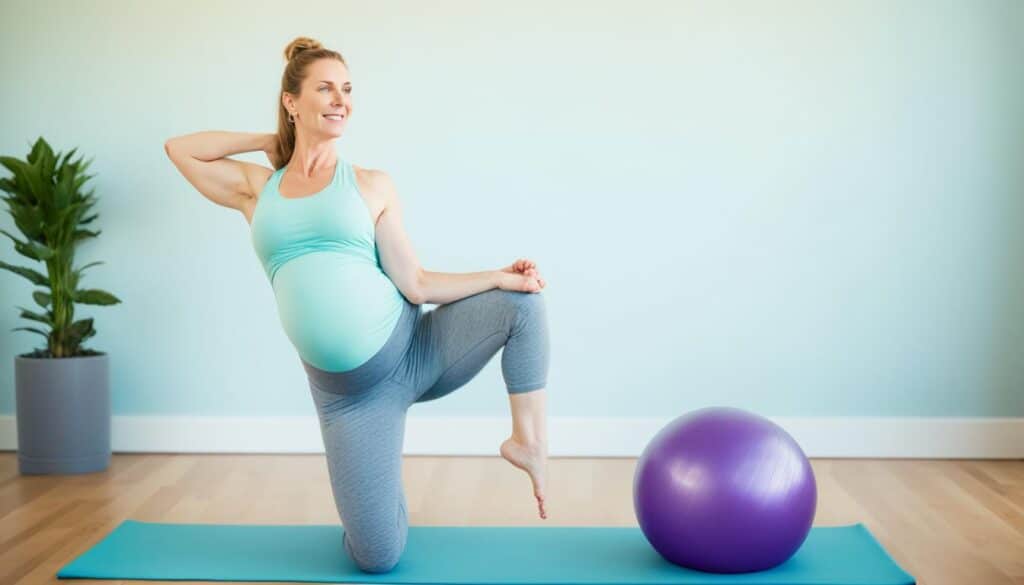
Key Tips for Successful Conception: Preparing Body and Mind

conception tips

Are you and your partner ready to start a family? Pre-pregnancy planning is an essential step in the journey towards parenthood. Whether you’re just beginning to think about having a baby or actively trying to conceive, it’s crucial to prepare your body and mind for this exciting chapter of your life. In this article, we’ll share expert fertility advice and conception tips to help increase your chances of success.

Let’s start by exploring some key steps you can take to get your body in optimal shape for conception. First, if you’re currently using any form of birth control, it’s important to stop and allow your body to naturally regulate its reproductive cycle. This can increase your chances of becoming pregnant right away.

Next, consider incorporating a multivitamin or prenatal vitamin into your daily routine. These supplements can bridge any nutritional gaps and ensure that your body has the necessary vitamins and minerals for a healthy pregnancy. Additionally, adding a folic acid or folate supplement is crucial, as it helps prevent neural tube defects in the developing baby.

Eating a healthy diet is also essential when preparing for pregnancy. Focus on whole foods and incorporate organic fruits and vegetables to limit exposure to toxins. Regular exercise is another key component, as it promotes overall health and prepares your body for the physical demands of pregnancy. Remember to start with lighter activities, like walking, and gradually increase intensity.

Before embarking on your conception journey, it’s a good idea to schedule a yearly physical with your doctor. This allows you to address any underlying health concerns and get personalized advice for pregnancy planning. Additionally, check your vaccinations to ensure that you are up to date on any immunizations that may have lapsed.

By following these pre-pregnancy planning tips and taking proactive steps to prepare your body and mind, you can increase your chances of successful conception. In the next section, we’ll delve into the importance of tracking your menstrual cycle and optimizing your fertility.

Tracking Your Cycle and Optimizing Fertility

Understanding your menstrual cycle and identifying your fertile window are essential steps in optimizing your fertility. By tracking your cycle and implementing fertility boosting techniques, you can increase your chances of successful conception. Here are some key strategies:

1. Track your cycle

Start by recording the start and end dates of your menstrual cycle each month. Take note of any irregularities or changes in length. Utilize tracking apps or calendars to effectively monitor your cycle and identify patterns.

2. Limit toxin exposure

Reduce your exposure to harmful substances such as synthetic fragrances, BPA, and chemical-based home and personal care products. Opt for making your own household cleaners and choose organic foods to minimize your intake of toxins.

3. Practice stress relief

Establish stress-relief techniques that work for you, such as taking walks, practicing deep breathing exercises, or engaging in activities that bring you joy. Managing stress is crucial for your emotional well-being during the conception process.

4. Try yoga

Incorporate yoga into your routine to help reduce anxiety and regulate emotions related to conception. Yoga also helps prepare your body for pregnancy by strengthening and stretching your muscles. Find a yoga class or follow along with online tutorials.

5. Visit the dentist

Make it a priority to have your teeth checked and maintain good oral hygiene. Hormonal changes during pregnancy can affect your gums and teeth, so preventing issues beforehand is essential. Regular dental visits contribute to your overall health and well-being.

6. Quit tobacco, alcohol, and drugs

Avoid smoking, consuming alcohol, and using drugs as they can harm the baby and increase the risk of complications during pregnancy. If you need support or treatment to quit, seek help from healthcare professionals or support groups in your area.

7. Have regular, unprotected sex

Increasing your chances of conception involves having regular unprotected sex throughout your cycle. Be aware of your fertile window, which typically occurs in the middle of your cycle, and focus on intercourse during this time.

By incorporating these strategies into your routine, you can optimize your fertility and increase the likelihood of successful conception. Remember, every person’s journey is unique, and it’s essential to consult with healthcare professionals for personalized advice and guidance.

Preparing for Pregnancy: Health and Lifestyle Factors

When planning to conceive, it’s essential to take proactive steps to optimize your health and create a supportive environment for pregnancy. Preconception counseling with your healthcare provider can provide valuable guidance tailored to your individual needs. During these consultations, your overall health will be assessed, potential concerns addressed, and preconception health care strategies discussed.

One crucial aspect of pre-pregnancy planning is maintaining a healthy weight. Whether you’re overweight or underweight, both extremes can increase the risk of complications during pregnancy. Working with your doctor, you can develop a plan to achieve and maintain a healthy weight that promotes optimal fertility and a smooth pregnancy journey.

Gathering your family’s medical history is another vital step to consider. Understanding any genetic conditions that may run in your family or your partner’s family can help identify potential risks and guide further testing or genetic counseling, if necessary. This information enables healthcare professionals to provide personalized care and ensure a safe and healthy pregnancy for both you and your baby.

Furthermore, it’s important to discuss any medications or supplements you are currently taking with your doctor. Some medications may not be safe during pregnancy and may need to be adjusted or discontinued. Reviewing your prescription medications and determining the best course of action will help ensure the well-being of both you and your future baby.

To minimize risks to the developing fetus, it’s crucial to avoid toxic substances. This includes minimizing exposure to harmful chemicals, environmental contaminants, synthetic substances, and certain metals. By adopting a cautious approach and avoiding such toxins, you can help protect your fertility and reduce potential harm to your baby.

Lastly, focusing on your mental well-being is key. Take time to prioritize your mental health and seek support if needed. Discussions with your healthcare provider about any feelings of stress, anxiety, or depression that may arise during the conception process can lead to guidance on effective coping strategies and support services.

Ensuring that you are up to date on all recommended vaccinations is equally important. Vaccinations, such as those for rubella and the flu, help protect both you and your baby from preventable diseases. Consulting with your healthcare provider will help determine your vaccination status and ensure your immunizations are current.

In addition to these health considerations, making necessary lifestyle adjustments is vital for creating a healthy and supportive environment for conception and pregnancy. This includes avoiding alcohol, quitting smoking, and maintaining a well-balanced nutrition plan. By making these positive changes, you’ll be taking proactive steps towards optimizing your health and increasing your chances of a successful pregnancy.

FAQ

How long should I stop birth control before trying to conceive?

It varies for each woman, but it’s generally recommended to stop birth control a few months before trying to conceive to allow your body to regulate its natural hormone levels and menstrual cycle.

What vitamins should I take when planning for pregnancy?

Taking a prenatal vitamin or a multivitamin that contains folic acid is essential. Folic acid helps prevent neural tube defects in the baby. It’s also important to ensure you’re getting enough iron, calcium, and other important nutrients for a healthy pregnancy.

How can I track my menstrual cycle to determine my fertile window?

You can use a calendar or a tracking app to record the start and end dates of your menstrual cycle each month. By observing the pattern of your cycles, you can estimate when you’re most likely to ovulate, which is the best time for conception.

Is it important to maintain a healthy weight before getting pregnant?

Yes, maintaining a healthy weight is crucial for fertility and a healthy pregnancy. Being overweight or underweight can affect hormone levels and menstrual regularity, making it more difficult to conceive. Talk to your healthcare provider about achieving a healthy weight before trying to conceive.

Should I inform my doctor of any medications I’m taking before trying to conceive?

Yes, it is important to discuss any medications or supplements you’re taking with your healthcare provider. Some medications may not be safe during pregnancy and may need to be adjusted or discontinued before attempting to conceive.

Are there any lifestyle changes I should make to increase my chances of conceiving?

Yes, lifestyle changes can greatly enhance your fertility. It’s important to quit smoking, limit alcohol consumption, and avoid exposure to harmful chemicals and toxins. Eating a healthy diet, exercising regularly, and managing stress are also crucial for optimizing fertility.

Alcohol and Caffeine’s Impact on Pre-Pregnancy Fertility: What to Know

alcohol and caffeine's impact

Imagine this: Sarah and James have been trying to conceive for over a year without success. As they search for answers, they stumble upon research linking alcohol and caffeine consumption to pre-pregnancy fertility. Curious and hopeful, they delve deeper into understanding the impact of these substances on their journey to parenthood.

They come across a study published in Acta Obstetricia et Gynecologica Scandinavica, which sheds light on the relationship between alcohol and caffeine consumption and its effect on fertility. The study reveals that regular alcohol consumption can reduce the chances of getting pregnant and having a live birth after fertility treatments. Sarah and James feel a twinge of concern, wondering if their occasional drinks have been hindering their attempts to conceive.

Further reading uncovers the potential mechanisms behind alcohol’s impact on fertility. It is believed that alcohol can cause hormonal imbalances, disrupt the health of the uterus, and impair sperm quality. Sarah and James begin to understand that their alcohol consumption might be affecting their chances of becoming parents.

On the other hand, the couple discovers that caffeine consumption may not have a significant impact on fertility outcomes. This finding brings a sense of relief to Sarah, who relies on her daily cup of coffee for a much-needed energy boost. They learn that the meta-analysis, which analyzed data from multiple studies involving IVF and ICSI treatments, found no significant association between caffeine intake and the ability to get pregnant or successfully give birth.

Armed with this newfound knowledge, Sarah and James decide to make some changes to their pre-pregnancy lifestyle. They opt to limit their alcohol consumption, understanding the potential risks it poses to their fertility. Sarah switches to decaffeinated coffee and enjoys her daily cup without worries, knowing that moderate caffeine intake might not heavily influence their chances of conceiving.

As they move forward on their conception journey, Sarah and James consult with their healthcare provider for personalized pre-pregnancy advice regarding alcohol and caffeine consumption. They’re hopeful that these adjustments, paired with other fertility-enhancing measures, will bring them closer to their dream of starting a family.

Alcohol’s Impact on Pre-Pregnancy Fertility

Various studies have explored the impact of alcohol consumption on pre-pregnancy fertility. According to a meta-analysis published in Acta Obstetricia et Gynecologica Scandinavica, regular alcohol consumption can decrease the chances of getting pregnant and having a live birth after fertility treatments. It is believed that alcohol can cause hormonal imbalances, alter the health of the uterus, and impair sperm quality.

The analysis included data from studies involving in vitro fertilization (IVF) and intracytoplasmic sperm injection (ICSI) treatments. The findings revealed that women who consumed alcohol had a decreased chance of achieving pregnancy. Additionally, the male partner’s alcohol consumption was associated with an increased risk of miscarriage for their partners.

The exact mechanisms through which alcohol affects fertility are still being investigated, but it is crucial for individuals trying to conceive to consider limiting or abstaining from alcohol consumption. By doing so, they can optimize their chances of successful conception and a healthy pregnancy.

Fertility Outcomes Alcohol Consumption
Chance of achieving pregnancy Decreased
Live birth rate Decreased
Miscarriage risk Increased

Caffeine’s Impact on Pre-Pregnancy Fertility

The impact of caffeine consumption on pre-pregnancy fertility has been a topic of scientific interest. A meta-analysis published in Acta Obstetricia et Gynecologica Scandinavica found that caffeine consumption did not have a significant impact on the success of fertility treatments.

This analysis included data from studies involving IVF and ICSI treatments, and it revealed that caffeine intake did not affect a woman’s ability to get pregnant or successfully give birth. While previous studies have produced inconclusive results regarding the impact of caffeine consumption on miscarriage rates, this meta-analysis suggests that caffeine, especially in low doses, may not be a major factor affecting fertility outcomes.

However, it is still recommended to limit caffeine consumption to one to two cups a day during pre-pregnancy. Further research is needed to fully understand the relationship between caffeine and fertility outcomes.

Caffeine Consumption Recommendations During Pre-Pregnancy:

  • Limit caffeine intake to one to two cups per day
  • Avoid excessive consumption of caffeine from other sources, such as energy drinks or certain medications
  • Monitor personal caffeine tolerance and make adjustments accordingly
  • Consider opting for decaffeinated alternatives when possible

While the impact of caffeine on pre-pregnancy fertility may not be significant, it is essential to maintain a healthy lifestyle and make informed choices to optimize fertility.

caffeine impact on pre-pregnancy fertility

Caffeine consumption Impact on fertility outcomes
Low doses (one to two cups per day) No significant impact on fertility outcomes
High doses (excessive consumption) Effects on fertility outcomes still not fully understood
Decaffeinated alternatives No impact on fertility outcomes

Conclusion

The impact of alcohol and caffeine consumption on pre-pregnancy fertility has been extensively studied. According to a meta-analysis published in Acta Obstetricia et Gynecologica Scandinavica, regular alcohol consumption can significantly decrease the chances of getting pregnant and achieving a live birth after fertility treatments. This is believed to be due to the ability of alcohol to cause hormonal imbalances, alter uterine health, and impair sperm quality.

In contrast, moderate caffeine consumption, especially in low doses, does not appear to have a significant impact on fertility outcomes. The same meta-analysis found that caffeine intake did not affect a woman’s ability to conceive or successfully deliver a baby. However, it is still recommended to limit caffeine intake to one to two cups per day during pre-pregnancy to optimize fertility.

While the exact mechanisms behind the effects of alcohol and caffeine on fertility are still being explored, it is advisable for individuals trying to conceive to limit alcohol consumption and moderate caffeine intake. To receive personalized pre-pregnancy advice in relation to alcohol and caffeine consumption, it is important for individuals to consult with their healthcare provider. Following these recommendations can help maximize the chances of achieving a healthy and successful pregnancy.

FAQ

How does alcohol consumption affect pre-pregnancy fertility?

Regular alcohol consumption can decrease the chances of getting pregnant and having a live birth after fertility treatments. Alcohol can cause hormonal imbalances, alter the health of the uterus, and impair sperm quality.

What is the impact of caffeine consumption on pre-pregnancy fertility?

Caffeine consumption, especially in low doses, does not seem to have a significant impact on fertility outcomes. Studies have found that it does not affect a woman’s ability to get pregnant or successfully give birth.

How much alcohol should be consumed during pre-pregnancy?

It is recommended to limit or abstain from alcohol consumption during pre-pregnancy to optimize fertility.

How much caffeine is safe to consume during pre-pregnancy?

It is recommended to limit caffeine consumption to one to two cups a day during pre-pregnancy.

Should I consult with a healthcare provider regarding alcohol and caffeine consumption during pre-pregnancy?

Yes, it is important for individuals trying to conceive to consult with their healthcare provider for personalized pre-pregnancy advice regarding alcohol and caffeine consumption.

Source Links

Effective Strategies to Cope with Postpartum Anxiety for New Mothers

coping with postpartum anxiety

Being a new mother is a joyous and transformative experience. However, it can also come with its fair share of challenges, particularly when it comes to mental health. Postpartum anxiety, a condition that affects many new mothers, can be overwhelming and daunting to deal with.

Imagine this: You are a new mother who is constantly worried about your baby’s well-being. Every little cough or whimper sends your heart racing with fear. You find yourself unable to relax, constantly on edge, and unable to enjoy the precious moments of motherhood. The sleepless nights and hormonal changes take a toll on your mental well-being, leaving you feeling anxious and overwhelmed.

But there is hope. By implementing effective strategies to cope with postpartum anxiety, you can regain control of your mental health and fully embrace the joys of motherhood. From making small changes to your daily routine to seeking professional help, there are steps you can take to alleviate the symptoms and find inner peace.

In this article, we will explore various coping strategies for postpartum anxiety, including changes to daily activities, counseling, and medication. We will also delve into the power of cognitive behavioral therapy (CBT) in identifying and changing negative thoughts and behaviors. Additionally, we’ll discuss non-medicated treatments such as joining support groups, reaching out for help from family and friends, and practicing self-care.

Remember, you are not alone in this journey. Many other new mothers have experienced postpartum anxiety and have successfully navigated their way through it. By gaining knowledge and implementing effective strategies, you can overcome postpartum anxiety and build a solid foundation of mental well-being.

Understanding Postpartum Anxiety and its Impact on New Mothers

Postpartum anxiety is a common experience that affects approximately 10% of mothers. It manifests differently in each individual, but understanding the symptoms and seeking help is crucial for new mothers.

Symptoms of Postpartum Anxiety

Postpartum anxiety is characterized by a range of symptoms that can significantly impact a mother’s well-being. Some common symptoms include:

  • Excessive worry or dread
  • Racing thoughts
  • Changes in sleep or appetite
  • Restlessness
  • Physical symptoms like dizziness or nausea

These symptoms can be distressing and interfere with daily life, making it important to seek professional help for accurate diagnosis and treatment.

Seeking Help and Support

When experiencing postpartum anxiety, it is essential for new mothers to reach out for support. Seeking help from a mental health professional can provide guidance and personalized treatment options. In addition, the support of friends, family, and support groups can offer understanding and reassurance.

Coping Strategies and Self-Care

Engaging in self-care activities is crucial for managing postpartum anxiety. By prioritizing your well-being, you can better cope with the challenges that come with motherhood. Consider the following strategies:

  1. Exercise regularly: Physical activity can help reduce anxiety and improve mood.
  2. Nourish your body: Eating a well-balanced diet provides essential nutrients and promotes overall mental well-being.
  3. Reduce stress: Practice stress-reduction techniques such as deep breathing, meditation, or mindfulness exercises.

By incorporating these self-care practices into your daily routine, you can support your mental health and better manage postpartum anxiety.

Knowing You’re Not Alone

It’s important to remember that postpartum anxiety is a common experience shared by many new mothers. Knowing that others have gone through similar struggles can provide comfort and reassurance. Connecting with support groups or online communities can help you find encouragement from individuals who understand and empathize with your journey.

Impact on New Mothers Percentage
Emotional Distress 80%
Difficulty Bonding with Baby 60%
Impaired Sleep 70%
Interference with Daily Activities 75%

Tips for Preventing and Managing Postpartum Anxiety and Depression

Postnatal anxiety and postnatal depression are common mental health concerns that many new mothers may experience after giving birth. It is essential to take proactive steps to prevent and manage these conditions to ensure the well-being of both the mother and the baby. Here are some helpful tips:

1. Seek support: Joining support groups and reaching out to friends and family can provide a valuable support system. Connecting with others who have gone through similar experiences can help combat feelings of isolation and provide a space for sharing concerns and seeking advice.

2. Practice self-care: Taking care of your well-being is crucial during this time. Make time for regular exercise, prioritize a well-balanced diet, and remember to stay hydrated. Engaging in activities that bring you joy and relaxation, such as reading, listening to music, or practicing mindfulness, can also contribute to overall mental well-being.

3. Reduce stress: Finding healthy ways to manage and reduce stress is vital in preventing and managing postpartum anxiety and depression. Deep breathing exercises, meditation, and using mindfulness apps can help calm the mind and alleviate symptoms. It is also important to establish boundaries, delegate tasks, and ask for help when needed.

4. Seek professional help: If you are experiencing postnatal anxiety or postnatal depression, it is essential to reach out to healthcare professionals who specialize in mental health. They can provide guidance, offer evidence-based treatments, and create a personalized plan to support your mental well-being. Remember, seeking help is a sign of strength, and it is important not to feel ashamed or embarrassed about needing support.

By following these tips and taking care of yourself, you can navigate the journey of motherhood with more ease and resilience. Remember, postpartum anxiety and depression are treatable conditions, and with the right preventive measures, support, and self-care, you can overcome these challenges and embrace the joy of being a new mother.

FAQ

What is postpartum anxiety?

Postpartum anxiety is excessive worry, fear, or dread experienced by new mothers in the months following childbirth. It can manifest as racing thoughts, changes in sleep or appetite, restlessness, and physical symptoms like dizziness or nausea.

How common is postpartum anxiety?

Postpartum anxiety affects approximately 10% of mothers and can manifest differently in each individual.

What are the symptoms of postpartum anxiety?

Symptoms of postpartum anxiety include excessive worry or dread, racing thoughts, changes in sleep or appetite, restlessness, and physical symptoms like dizziness or nausea.

How long does postpartum anxiety last?

Postpartum anxiety can last for varying durations, and seeking prompt treatment is essential. It’s important to note that postpartum anxiety can come back at any time, even after the postpartum period.

How is postpartum anxiety treated?

Treatment options for postpartum anxiety include changes to daily activities, counseling, and medication. Non-medicated treatments include joining support groups, asking for help from family and friends, and practicing self-care. In some cases, selective serotonin reuptake inhibitors (SSRIs) may be prescribed. The decision to take anti-anxiety medication while breastfeeding should be discussed with a healthcare provider.

What is postnatal anxiety?

Postnatal anxiety is characterized by excessive and uncontrollable anxiety in the months after giving birth.

What is postnatal depression?

Postnatal depression is a severe form of clinical depression related to pregnancy and childbirth that affects 10 to 15 in every 100 women.

What steps can I take to prevent and manage postpartum anxiety and depression?

To prevent and manage postpartum anxiety and depression, it’s important to seek help from healthcare professionals and not feel ashamed or embarrassed about experiencing these conditions. Engaging in self-care activities, such as exercise, nourishing the body, and reducing stress, can aid in coping. Likewise, joining support groups and seeking assistance from friends and family can combat isolation and offer additional support.

How can self-care help in managing postpartum anxiety and depression?

Making time for exercise, prioritizing a well-balanced diet, and staying hydrated can contribute to overall mental well-being. Additionally, reducing stress through techniques like deep breathing and using mindfulness apps can alleviate symptoms of postpartum anxiety and depression.

Is it possible to enjoy the journey of motherhood while dealing with postpartum anxiety and depression?

Yes, with the right preventive measures, support, and self-care, new mothers can still enjoy the journey of motherhood and overcome postpartum anxiety and depression.

Hydrate and Protect: Choosing Safe Moisturizers During Pregnancy

Safe moisturizers for pregnancy

Pregnancy is a time of joy and anticipation, but it also brings about changes in your body, including your skin. As you embark on this beautiful journey, it’s important to modify your skincare routine to ensure the safety of your baby. One crucial aspect of pregnancy skincare is choosing safe moisturizers that provide hydration and protect your skin barrier.

When it comes to skincare during pregnancy, certain ingredients should be avoided. These include retinol, salicylic acid, hydroquinone, and oxybenzone. While these ingredients may be commonly found in many skincare products, they can potentially harm your baby’s development. It’s best to steer clear of them and opt for pregnancy-safe alternatives.

So, what should you look for when choosing moisturizers for pregnancy? Ingredients such as niacinamide, hyaluronic acid, and glycerin are perfect choices. Niacinamide helps to improve skin texture and tone, hyaluronic acid provides deep hydration, and glycerin acts as a humectant, drawing moisture to the skin. These ingredients not only hydrate your skin but also help maintain its elasticity and smoothness.

In addition to moisturizers, it’s essential to switch to a mineral sunscreen to protect your skin from harmful UV rays. Mineral sunscreens are safe for pregnancy and provide effective sun protection without any risky ingredients. Furthermore, opting for fragrance-free products can help minimize any potential irritations or sensitivities during this sensitive period.

Choosing safe moisturizers and other skincare products during pregnancy is an essential step in maintaining healthy and radiant skin. By prioritizing hydration and protection, you can enjoy a safe and effective pregnancy skincare routine. Stay tuned for our upcoming sections where we will dive deeper into the best pregnancy-safe skincare products and the ingredients to avoid during pregnancy.

The Best Pregnancy-Safe Skin Care Products in 2024

To help you navigate the world of pregnancy-safe skincare, dermatologists have recommended various products. Some top recommendations include:

  1. Biossance Squalane + 10% Vitamin C Dark Spot Serum
  2. Tatcha The Silk Serum
  3. La Roche-Posay Anthelios Ultra-Light Mineral Sunscreen
  4. Neutrogena Hydro Boost Hyaluronic Acid Water Gel

These products address common pregnancy skin concerns, provide hydration, and offer sun protection. Other safe options include CeraVe Hyaluronic Acid Serum, Neutrogena Hydro Boost + Niacinamide Serum, and Skinbetter Science Even Tone Correction Serum. It’s important to read labels, avoid risky ingredients, and switch to gentle formulas during pregnancy.

Testimonials from Satisfied Mothers

“During my pregnancy, I relied on Biossance Squalane + 10% Vitamin C Dark Spot Serum to combat hyperpigmentation. It truly made a difference in evening out my skin tone while being safe for my baby.”

– Sarah, expecting mother

“The Neutrogena Hydro Boost Hyaluronic Acid Water Gel kept my skin hydrated throughout my pregnancy. It’s lightweight, non-greasy, and worked wonders for my dry skin.”

– Emily, new mom

Comparison of Pregnancy-Safe Skin Care Products in 2024

Product Key Benefits
Biossance Squalane + 10% Vitamin C Dark Spot Serum Targets dark spots, brightens skin, and promotes an even complexion
Tatcha The Silk Serum Improves skin texture, provides hydration, and reduces the appearance of fine lines
La Roche-Posay Anthelios Ultra-Light Mineral Sunscreen Offers broad-spectrum sun protection without harmful chemicals
Neutrogena Hydro Boost Hyaluronic Acid Water Gel Intensely hydrates, replenishes moisture, and leaves skin feeling smooth

Safe Ingredients and Avoided Ingredients During Pregnancy

During pregnancy, it’s important to prioritize the safety of your skincare products. Being aware of which ingredients are safe and which should be avoided can help you make informed choices for your pregnancy skincare routine. Here are some key ingredients to keep in mind:

Safe Ingredients:

  • Benzoyl Peroxide
  • Azelaic Acid
  • Glycolic Acid
  • Niacinamide
  • Vitamin C
  • Hyaluronic Acid
  • Kojic Acid
  • Peptides
  • Mineral Sunscreen

Avoided Ingredients:

  • Retinoid
  • Hydroquinone
  • Arbutin
  • Chemical Sunscreen

When choosing face washes, it’s recommended to opt for those with salicylic acid concentrations less than 2%. Checking product labels for pregnancy-safe ingredients is crucial to ensure the well-being of both you and your baby.

pregnancy skincare

Remember, every pregnancy is unique, and it’s always a good idea to consult with your dermatologist or healthcare provider for personalized recommendations based on your specific needs and concerns.

Conclusion

Modifying your skincare routine during pregnancy is essential to ensure the safety and well-being of both you and your baby. By avoiding risky ingredients and opting for pregnancy-safe alternatives, you can maintain a healthy and radiant complexion throughout this special time.

Hydration is key, and choosing moisturizers with ingredients like niacinamide, hyaluronic acid, and glycerin can help keep your skin nourished and supple. These ingredients are known for their hydrating properties and can effectively address common skin concerns experienced during pregnancy.

In addition to moisturizers, it’s crucial to switch to mineral sunscreen and opt for fragrance-free products. Mineral sunscreens provide broad-spectrum protection without the inclusion of harmful chemicals, making them safer for both you and your baby. Fragrance-free products can help minimize the risk of skin irritation or allergies, further ensuring the well-being of your skin.

Remember, it’s always a good idea to consult with your dermatologist or healthcare provider for personalized skincare recommendations during pregnancy. They can guide you in choosing the most suitable products and provide expert advice tailored to your individual needs. By following a safe and effective pregnancy skincare routine, you can embrace this transformative journey with confidence and nurture your skin with the care and attention it deserves.

FAQ

How should I modify my skincare routine during pregnancy?

During pregnancy, it’s important to modify your skincare routine to ensure the safety of both you and your baby. Avoid risky ingredients such as retinol, salicylic acid, hydroquinone, and oxybenzone. Instead, opt for pregnancy-safe alternatives that provide hydration and protect the skin barrier. Switch to moisturizers with ingredients like niacinamide, hyaluronic acid, and glycerin. Be sure to choose mineral sunscreen and fragrance-free products.

Can you recommend some pregnancy-safe skincare products?

Yes, dermatologists recommend several safe skincare products for pregnant women. Some top recommendations include Biossance Squalane + 10% Vitamin C Dark Spot Serum, Tatcha The Silk Serum, La Roche-Posay Anthelios Ultra-Light Mineral Sunscreen, and Neutrogena Hydro Boost Hyaluronic Acid Water Gel. These products address common pregnancy skin concerns, provide hydration, and offer sun protection. Other safe options include CeraVe Hyaluronic Acid Serum, Neutrogena Hydro Boost + Niacinamide Serum, and Skinbetter Science Even Tone Correction Serum. Remember to read labels and choose gentle formulas.

What ingredients should I look for in pregnancy-safe skincare products?

Safe ingredients for pregnancy skincare include benzoyl peroxide, azelaic acid, glycolic acid, niacinamide, vitamin C, hyaluronic acid, kojic acid, peptides, and mineral sunscreen. These ingredients are considered safe for both you and your baby. However, it’s important to avoid using retinoid, hydroquinone, arbutin, and chemical sunscreen during pregnancy. When choosing face washes, opt for those with salicylic acid concentrations less than 2%. Always check labels and choose products with pregnancy-safe ingredients.

How can I maintain a safe pregnancy skincare routine?

To maintain a safe pregnancy skincare routine, it’s important to avoid risky ingredients and opt for pregnancy-safe alternatives. Choose moisturizers with ingredients like niacinamide, hyaluronic acid, and glycerin to keep your skin hydrated. Switch to mineral sunscreen and fragrance-free products to protect your skin barrier. Remember to consult with your dermatologist or healthcare provider for personalized recommendations.

Source Links

Essential Oils in Pregnancy: A Guide for Safe and Beneficial Use

Safe use of essential oils

During pregnancy, many women may seek the benefits of essential oils for alleviating common pregnancy symptoms and promoting relaxation. However, it is important to prioritize safety and consult with a healthcare professional before using essential oils. The FDA does not regulate the quality or purity of essential oils, so it is crucial to research the quality of a brand’s products before use. Patch testing should always be done prior to trying a new essential oil.

While there is evidence to suggest that some essential oils may have therapeutic benefits during pregnancy, it is essential to follow guidelines and avoid ingesting essential oils. Aromatherapy is generally considered a safer option, and if topical use is desired, essential oils should be diluted with a carrier oil. It is also important to adhere to recommended dosages and avoid exceeding them.

Certain essential oils, such as lavender, rose, and chamomile, have been found to be safe for use during pregnancy and may provide benefits such as reducing stress, improving sleep, and soothing muscle aches. On the other hand, there is a list of essential oils that should be avoided during pregnancy due to limited research and potential toxicity risks.

Overall, pregnant individuals should always consult with their healthcare provider or a qualified aromatherapist before using essential oils.

Benefits of Essential Oils During Pregnancy

When it comes to alleviating pregnancy ailments and promoting relaxation, essential oils can be a valuable tool. Used properly, certain essential oils can provide therapeutic benefits for pregnant individuals. Here are some of the benefits you can experience:

  1. Minimizing nausea and upset stomach: Essential oils such as ginger or peppermint can help reduce morning sickness symptoms.
  2. Soothing achy muscles: Pregnancy can bring discomfort and muscle tension. Essential oils like lavender and chamomile can help relax and soothe sore muscles.
  3. Reducing irritation and swelling associated with hemorrhoids: Cypress or witch hazel essential oils have anti-inflammatory properties, which can aid in relieving discomfort caused by hemorrhoids.
  4. Improving sleep: Essential oils like lavender and chamomile have calming properties that promote better sleep and reduce insomnia.
  5. Improving skin elasticity: As your body changes during pregnancy, essential oils like frankincense and rosehip can help improve skin elasticity, reducing the likelihood of stretch marks.
  6. Reducing the appearance of stretch marks: Essential oils such as helichrysum and neroli can help fade stretch marks and promote healthier-looking skin.
  7. Helping reduce anxiety during labor: Essential oils like lavender and bergamot can be used during labor to promote relaxation and reduce anxiety.

It’s important to note that individual reactions to essential oils may vary, so it’s vital to follow recommended guidelines and consult with a healthcare professional before incorporating essential oils into your pregnancy routine.

Safety Guidelines for Using Essential Oils During Pregnancy

When using essential oils during pregnancy, it is essential to prioritize safety and follow these guidelines for a positive experience. To start, it is advised to avoid ingesting essential oils as they can pose potential risks to both you and your baby. Instead, opt for the safer option of aromatherapy, using a diffuser to enjoy the benefits of essential oils.

If you prefer topical use, ensure you dilute essential oils with a carrier oil to avoid skin irritation. Common carrier oils include jojoba, coconut, sweet almond, and apricot oil. Remember to always consult with a healthcare professional before applying essential oils topically, as they can have varying effects on different individuals.

It is crucial to follow recommended dosage guidelines and avoid exceeding them. This will help maintain a safe and beneficial level of essential oil use during pregnancy. It is also important to be aware of the list of essential oils that should be avoided, as research on their effects during pregnancy is limited and there may be potential toxicity risks associated with them.

Overall, prioritizing your safety and consulting with a healthcare professional are paramount when using essential oils during pregnancy. By adhering to these safety guidelines, you can enjoy the benefits of aromatherapy while ensuring the well-being of both you and your baby.

FAQ

Are essential oils safe to use during pregnancy?

While some essential oils may have therapeutic benefits during pregnancy, it is crucial to prioritize safety and consult with a healthcare professional before use. Essential oils are not regulated by the FDA, so it is important to research the quality of a brand’s products before use.

Should I do a patch test before using a new essential oil during pregnancy?

Yes, it is always recommended to do a patch test before trying a new essential oil. This helps determine if you have any adverse reactions or skin sensitivities to the oil. Apply a small amount of the diluted essential oil to a small area of skin and wait 24 hours to see if any redness, itching, or irritation occurs.

Is it safe to ingest essential oils during pregnancy?

It is not recommended to ingest essential oils during pregnancy, as they can pose toxicity risks for both the pregnant individual and the baby. Aromatherapy, using a diffuser, is generally considered a safer option.

Should essential oils be diluted with a carrier oil for topical use during pregnancy?

Yes, if you plan to use essential oils topically during pregnancy, it is important to dilute them with a carrier oil to avoid skin irritation. Some commonly used carrier oils include jojoba, coconut, sweet almond, and apricot oil.

Are there any essential oils that are safe to use during pregnancy?

Yes, certain essential oils have been found to be safe for use during pregnancy. These include lavender, rose, and chamomile, which may provide benefits such as reducing stress, improving sleep, and soothing muscle aches. However, it is crucial to consult with a healthcare professional or qualified aromatherapist before using essential oils during pregnancy.

What are the potential benefits of using essential oils during pregnancy?

When used properly, certain essential oils may provide therapeutic benefits during pregnancy. These include minimizing nausea and upset stomach, soothing achy muscles, reducing irritation and swelling associated with hemorrhoids, improving sleep, improving skin elasticity, reducing the appearance of stretch marks, and helping reduce anxiety during labor.

Can essential oils be used to alleviate pregnancy symptoms?

Yes, essential oils such as lavender, rose, peppermint, and chamomile have shown promise in alleviating pregnancy symptoms. However, individual reactions to essential oils may vary, and it is essential to follow recommended guidelines and consult with a healthcare professional before use.

Source Links

Staying Active and Safe: Exercise Guide for the Second Trimester

Safe exercises during second trimester

Welcome to the second trimester of your pregnancy! This is an exciting time as you continue to nurture and care for both yourself and your growing baby. A crucial aspect of this journey is staying active and maintaining a healthy fitness routine.

Exercising during pregnancy offers numerous benefits for your physical, mental, and emotional well-being. It helps you maintain a healthy weight, improve sleep quality, reduce pregnancy pains, and prepare your body for childbirth. However, safety is paramount, especially during the second trimester.

While many activities are generally considered safe, it is essential to take precautions to avoid falls and overexertion. Activities such as biking, skiing, scuba diving, and engaging in high elevation sports should be avoided as they carry potential risks. It’s crucial to listen to your body and be aware of warning signs that indicate the need to stop exercising, including feelings of queasiness, overheating, dehydration, or experiencing vaginal discharge, bleeding, or abdominal/pelvic pain.

So, what types of exercises are recommended during the second trimester? Walking, yoga, swimming, and low-impact exercises are all excellent options. Incorporating 30 minutes of brisk walking three to five times a week into your routine is a healthy schedule to aim for. Yoga, practiced three to five times a week for 30 minutes, can help improve flexibility, promote relaxation, and enhance overall well-being.

Swimming and water aerobics are particularly beneficial during pregnancy as they provide a gentle yet effective low-impact workout. The buoyancy of the water reduces pressure on your joints and offers support for your growing belly, reducing the risk of falling and minimizing strain on your body.

Remember, if running was part of your exercise routine during the first trimester, you can continue with caution, taking care to avoid falls and joint/back pain. However, it’s crucial to consult with your healthcare provider throughout your pregnancy journey and follow their guidance.

By staying active during your second trimester and engaging in safe exercises, you are taking an important step towards maintaining your overall well-being and preparing your body for a smoother labor and quicker postpartum recovery. So lace up your sneakers, unroll your yoga mat, and dive into the wonderful world of pregnancy fitness!

Yoga and Prenatal Pilates

Gentle, strengthening yoga is highly recommended during pregnancy, especially during the second trimester. It helps stretch muscles, reduce pregnancy pains, and decrease blood pressure. However, certain positions should be avoided to prevent falls or abdominal twisting. Inverted poses, poses on the back, and backbends should be avoided. Bikram or hot yoga should also be avoided due to the risk of overheating.

Prenatal yoga classes or instructional videos can provide guidance on safe yoga poses for pregnancy. Prenatal Pilates is another great option for strengthening exercises during the second trimester. It focuses on core stability, upper back, and upper arms. Modified exercises like all fours core activation, side plank lifts, clams, glute side lifts, and bridge can be included in a prenatal Pilates routine.

It is important to avoid high-impact exercises, contact sports, and exercises where balance can be compromised. Consultation with a healthcare provider is essential before starting any exercise routine during pregnancy.

Safe Yoga Poses for Pregnancy

Yoga Pose Description
Child’s Pose A relaxing pose that stretches the lower back and hips.
Cat-Cow Pose A gentle flow between arching and rounding the back to relieve backaches.
Modified Triangle Pose A standing pose that stretches the sides of the body while avoiding abdominal twisting.
Modified Warrior II Pose A standing pose that strengthens the legs and stretches the chest.
Seated Forward Bend A seated pose that stretches the hamstrings and lower back.

Remember to listen to your body and modify poses as needed. It is essential to avoid any discomfort or pain and seek professional guidance when necessary.

Swimming and Walking

Swimming and walking are excellent low-impact exercises for staying active during the second trimester. Water exercises in the form of swimming and water aerobics are safe and soothing for pregnant women. The water provides support and reduces the risk of falling, while also allowing for strength and aerobic training. Swim exercises that strengthen core muscles without twisting the abdomen are recommended.

If already accustomed to swimming, it is safe to continue with the routine. If new to swimming, seeking guidance from a swim coach or trainer can help develop a safe routine.

Walking is a primal and heart-healthy exercise that can be done during pregnancy. It helps in building upper body strength and flexibility when the arms are engaged. Starting with 30 minutes of walking a day, three to five times a week is a healthy schedule. For those new to exercise, starting with 10 minutes a day and gradually increasing the time can be beneficial.

It is important to stay well-hydrated during exercise and listen to the body’s cues to avoid overexertion.

swimming during pregnancy

The Benefits of Swimming

Swimming during pregnancy offers numerous benefits. It is a low-impact exercise that puts minimal strain on the joints, making it ideal for pregnant women. The water provides a buoyant environment that reduces pressure on the body, allowing for a comfortable workout. Swimming also helps to increase circulation, strengthen muscles, and improve cardiovascular fitness. Additionally, it can alleviate common pregnancy discomforts such as swelling and back pain.

Swimming is a whole-body exercise that engages multiple muscle groups, including the arms, legs, and core. It helps to build strength and endurance without putting excessive stress on the body. Swimming also promotes relaxation and reduces stress, making it an excellent way to unwind and de-stress during pregnancy.

Walking for Fitness

Walking is a simple and accessible exercise that can be easily incorporated into a daily routine. It is a low-impact activity that provides cardiovascular benefits, helps to maintain a healthy weight, and improves overall fitness. Walking also strengthens the muscles in the lower body, including the legs, hips, and glutes.

During pregnancy, walking is a safe and effective exercise option. It is gentle on the joints and does not require any special equipment or training. Walking outdoors allows pregnant women to enjoy fresh air and connect with nature, which can have additional mental and emotional benefits.

Remember to wear supportive footwear, maintain proper posture, and listen to your body while walking. If you experience any discomfort or pain, it is important to slow down or stop and consult with your healthcare provider.

Conclusion

Engaging in safe exercises during pregnancy, particularly in the second trimester, is vital for the well-being of both you and your baby. Regular exercise not only helps maintain a healthy weight but also improves your sleep quality, reduces pregnancy-related discomfort, and prepares your body for childbirth.

When it comes to choosing exercise routines during the second trimester, opt for activities that are low-impact and safe. Walking, yoga, swimming, and prenatal Pilates are excellent options. However, it’s crucial to avoid high-impact exercises, contact sports, and activities that may pose a risk of falling or overexertion.

Throughout your pregnancy, make sure to consult with your healthcare provider and listen to your body’s limits. Start with a low level of exertion and gradually increase the duration and intensity of your workouts. Remember that safety should always be a top priority. If you experience any discomfort or concerning symptoms, don’t hesitate to discuss them with your healthcare provider.

By staying active during pregnancy, you can enjoy a healthier pregnancy, experience an easier labor, and promote a quicker recovery postpartum. Safely incorporating exercise into your second trimester routine will not only benefit you physically but also contribute to your overall well-being and happiness as you prepare to welcome your little one into the world.

FAQ

What exercises are safe during the second trimester?

Walking, yoga, swimming, and low-impact exercises are considered safe during the second trimester of pregnancy.

How often should I walk during the second trimester?

It is recommended to aim for 30 minutes of walking, three to five times a week during the second trimester.

Can I continue doing yoga during the second trimester?

Yes, gentle and strengthening yoga can be practiced during the second trimester. However, positions that involve inversion, lying on the back, or backbends should be avoided.

Is prenatal Pilates safe during the second trimester?

Prenatal Pilates can be a great option for strengthening exercises during the second trimester. Modified exercises like all fours core activation, side plank lifts, clams, glute side lifts, and bridge can be included in a prenatal Pilates routine.

Can I swim during the second trimester?

Yes, swimming is an excellent low-impact exercise for staying active during the second trimester. Water exercises like swimming and water aerobics are safe and soothing for pregnant women.

How often should I swim during the second trimester?

You can aim to do swimming or water aerobics three to five times a week for 30 minutes each session during the second trimester.

Is walking a good exercise during the second trimester?

Yes, walking is a safe and heart-healthy exercise during the second trimester. Starting with 30 minutes of walking a day, three to five times a week is a healthy schedule.

What exercises should I avoid during the second trimester?

It is important to avoid high-impact exercises, contact sports, and exercises that carry the risk of falling or overexertion during the second trimester of pregnancy.

Should I consult with my healthcare provider before starting an exercise routine during the second trimester?

Yes, it is important to consult with your healthcare provider before starting any exercise routine during the second trimester of pregnancy to ensure it is safe for you and your baby.

What signs should I watch out for when exercising during the second trimester?

It is important to stop exercising and seek medical advice if you experience queasiness, excessive heat, dehydration, vaginal discharge, bleeding, or abdominal/pelvic pain during exercise.

Source Links

The Importance of Maintaining Healthy Iron Levels Before Conception

iron levels

Imagine a couple excitedly preparing to start a family. They have dreams of a healthy pregnancy, a growing baby bump, and precious moments with their little one. But what they may not realize is that the foundation for a successful pregnancy starts even before conception.

Meet Sarah and David. They’ve been married for a few years and have decided that now is the right time to try for a baby. They’re both healthy, active individuals who follow a balanced diet. However, as they delve into their research on pre-pregnancy health, they stumble upon an important factor they hadn’t considered before – iron levels.

Iron plays a crucial role in our bodies, especially for women who are planning to conceive. It is a vital component of hemoglobin, the protein responsible for delivering oxygen to our cells. Sarah and David learn that maintaining healthy iron levels before conception is essential for fertility health and optimal pregnancy outcomes.

During pregnancy, a woman’s iron needs increase significantly as her body requires more iron to support the growing baby’s development. Without adequate iron stores, Sarah and David discover that iron deficiency can lead to anemia, a condition that negatively impacts pregnancy. They learn that anemia during pregnancy has been associated with risks such as low birth weight and preterm birth.

To ensure they are on the right track, Sarah and David explore ways to maintain healthy iron levels before conception. They discover that consuming iron-rich foods is key to supporting pre-pregnancy health. Lean red meats, liver, seafood, beans, and dark-green leafy vegetables are among the many food sources rich in iron. They also learn that pairing these iron-rich foods with fruits and vegetables high in vitamin C can enhance iron absorption.

Sarah and David realize that by incorporating iron-rich foods into their diet and following a healthy lifestyle, they can optimize their iron levels before conception. They understand that this simple step is essential for the overall health of both Sarah and their future baby.

Join Sarah and David as they embark on their journey to pre-pregnancy health and discover the impact of maintaining healthy iron levels. By prioritizing their iron levels now, they are setting the stage for a healthy and thriving pregnancy in the future.

The Impact of Iron Deficiency on Pregnancy Health

Iron deficiency is a common condition among pregnant women in industrialized countries. It can result in anemia, which is characterized by a low hemoglobin concentration. Anemia during pregnancy has been linked to various adverse pregnancy outcomes, including low birth weight, preterm birth, and perinatal mortality.

Iron plays a crucial role in the development of the fetus’s brain, and adequate iron stores are built up in the last trimester of pregnancy to support the baby’s iron needs during the first few months of life. Therefore, maintaining healthy iron levels before conception is essential to ensure optimal pregnancy outcomes and support the growth and development of the baby.

Anemia during pregnancy can lead to complications that negatively impact both the mother and the baby. Low birth weight is associated with an increased risk of infant mortality, developmental delays, and chronic health conditions later in life. Preterm birth, which often goes hand in hand with low birth weight, can also result in long-term health problems for the baby.

By addressing iron deficiency before conception, women can enhance their chances of experiencing a healthy pregnancy with positive outcomes. Adequate iron levels are crucial for supporting the mother’s overall health during pregnancy, reducing the risk of complications, and ensuring the baby receives the necessary iron for optimal growth and development.

To further understand the impact of iron deficiency on pregnancy health, it is essential to examine the risks associated with anemia during pregnancy. Table 1 presents the potential consequences of iron deficiency during pregnancy:

Risks of Iron Deficiency During Pregnancy
Low birth weight
Preterm birth
Perinatal mortality

It is evident that maintaining healthy iron levels is crucial for ensuring optimal pregnancy outcomes. By addressing iron deficiency before conception and throughout pregnancy, women can take proactive steps to support their own health and the health of their baby.

Food Sources of Iron for Pre-conception Health

Choosing foods that are rich in iron is crucial for maintaining healthy iron levels before conception. Incorporating these iron-rich foods into your pre-pregnancy nutrition plan can provide the necessary nutrients for a healthy diet.

Here are some excellent sources of iron:

  • Lean red meats
  • Liver
  • Poultry
  • Seafood, such as sardines, anchovies, clams, and tuna
  • Beans
  • Peas
  • Lentils
  • Enriched and whole-grain breads and cereals
  • Dark-green leafy vegetables
  • Dried fruits

Include a variety of these iron-rich foods in your daily meals to ensure your body receives an adequate supply of iron. Additionally, consuming fruits and vegetables rich in vitamin C alongside iron-rich foods can enhance the absorption of iron by the body.

It is important to follow a well-balanced, nutritious diet that includes these iron-rich foods to support pre-pregnancy health and ensure optimal iron levels for a healthy pregnancy.

iron-rich foods

Iron-Rich Foods Iron Content (mg)
Lean red meats (beef, veal, lamb) 2.7-3.0
Liver (beef, chicken, pork) 4.0-9.0
Poultry (turkey, chicken) 0.9-2.2
Seafood (sardines, anchovies, clams, tuna) 0.8-2.5
Beans (kidney beans, chickpeas, black beans) 1.2-2.9
Peas (green peas, split peas) 1.2-1.8
Lentils 1.3-3.3
Enriched and whole-grain breads and cereals 0.6-3.8
Dark-green leafy vegetables (spinach, kale, Swiss chard) 0.5-3.6
Dried fruits (apricots, raisins, prunes) 0.4-3.0

Conclusion

Maintaining healthy iron levels before conception is vital for supporting pre-pregnancy health and setting the stage for a healthy pregnancy. Iron is a crucial nutrient that is responsible for the production of hemoglobin, which transports oxygen to the cells of the body. Iron deficiency during pregnancy can lead to anemia and has been linked to poor pregnancy outcomes.

By incorporating iron-rich foods into the diet and following a healthy lifestyle, women can ensure they have optimal iron levels before conception. Lean red meats, seafood, beans, dark-green leafy vegetables, and dried fruits are all excellent sources of iron. It is also important to consume vitamin C-rich fruits and vegetables alongside iron-rich foods to enhance iron absorption.

By prioritizing pre-pregnancy health and maintaining healthy iron levels, women can maximize their chances of having a healthy pregnancy and achieving optimal pregnancy outcomes for both themselves and their babies. Investing in pre-conception health is a proactive step towards ensuring a successful and thriving pregnancy journey.

FAQ

Why is it important to maintain healthy iron levels before conception?

Maintaining healthy iron levels before conception is crucial for supporting fertility health and preparing the body for a healthy pregnancy. Iron is essential for the production of hemoglobin and plays a vital role in the transport of oxygen to the cells of the body. Adequate iron levels before conception can contribute to optimal pregnancy outcomes and the health of both mother and baby.

What are the risks of iron deficiency during pregnancy?

Iron deficiency during pregnancy can lead to anemia, which is defined as a low hemoglobin concentration. Anemia during pregnancy has been linked to increased risks of low birth weight, preterm birth, and perinatal mortality. It is important to maintain healthy iron levels during pregnancy to support the baby’s growth and development.

What are some food sources of iron for pre-conception health?

Good sources of iron include lean red meats, liver, poultry, seafood (such as sardines, anchovies, clams, and tuna), beans, peas, lentils, enriched and whole-grain breads and cereals, dark-green leafy vegetables, and dried fruits. Consuming fruits and vegetables rich in vitamin C alongside iron-rich foods can enhance iron absorption.

Crafting a Pre-Pregnancy Fitness Plan: A Guide for Prospective Parents

pre-pregnancy fitness plan

Preparing for parenthood is an exciting journey filled with anticipation and joy. As you and your partner embark on this life-changing adventure, it is important to prioritize your health and well-being. A key aspect of this preparation is creating a pre-pregnancy fitness plan tailored to your individual needs and goals.

Regular exercise is not only beneficial for overall health, but it also plays a crucial role in preparing your body for pregnancy. It helps to tone your muscles, improve cardiovascular health, reduce stress, promote better sleep, and maintain a healthy weight. These factors are essential for a successful pregnancy and can reduce the risk of complications.

However, finding the right fitness routine can sometimes be overwhelming. That’s why we’re here to guide you through the process, from choosing the right exercises to understanding the importance of nutrition and mental well-being.

But before we dive into the details, let’s hear a heartfelt story from a couple who embarked on their own pre-pregnancy fitness journey. Meet Sarah and Michael, a couple who had always dreamt of starting a family together. They knew that preparing their bodies for pregnancy was important, but they also wanted to ensure they were in the best physical and emotional shape possible to welcome their future child. This led them on a path of discovery, as they explored various exercises and nutrition plans, seeking guidance from healthcare professionals along the way. With determination and support, Sarah and Michael successfully crafted a pre-pregnancy fitness plan that not only prepared their bodies for the journey ahead but also strengthened their bond as a couple.

Now, let’s take a closer look at the recommended pre-pregnancy workouts and the exercises that can help strengthen your body for labor. We’ll also delve into the importance of nutrition and mental well-being during this crucial time. By the end of this guide, you’ll be armed with the knowledge and tools to craft your own pre-pregnancy fitness plan, setting the foundation for a healthy and fulfilling pregnancy experience.

Recommended Pre-Pregnancy Workouts

, we will explore a variety of exercises that are not only safe but also recommended for pre-pregnancy fitness routines. These workouts are designed to help prepare the body for conception and set the stage for a healthy pregnancy.

Cardiovascular Exercises:

  • Running: An excellent cardiovascular exercise that can be continued throughout pregnancy with the doctor’s approval and necessary precautions.
  • Walking: A low-impact exercise that provides cardiovascular benefits and can be continued throughout pregnancy.

Strength Training:

  • Weightlifting: Helps build muscle tone and bone strength, supporting the body during pregnancy.
  • Resistance Exercises: Build strength and endurance, essential for conception and pregnancy.

Flexibility and Balance:

  • Pilates: A low-impact exercise that focuses on core strength, flexibility, and body awareness.
  • Barre: Combines elements of ballet, Pilates, and yoga to improve muscle tone, flexibility, and balance.
  • Yoga: Enhances strength, balance, and endurance while promoting relaxation and reducing stress.

Low-Impact Options:

  • Swimming: Provides cardiovascular benefits while relieving common early pregnancy symptoms with its low-impact nature.
  • Indoor Cycling: Safe for those who have been spinning for at least six months, prioritizing hydration and breaks.

Remember to listen to your body, rest when needed, and consult with a doctor or healthcare professional before starting any new fitness routine. Committing to regular exercise and incorporating these recommended workouts into your pre-pregnancy fitness plan can help prepare your body for conception and ensure a healthy pregnancy journey.

Preparing for Labor: Exercises to Strengthen the Body

Labor and childbirth require the engagement of various muscle groups throughout the body. Strengthening these muscles can help prepare for labor and make the process smoother. Here are some exercises that can be incorporated into a pre-pregnancy fitness routine to strengthen the body for labor:

1. Walking: Walking is a recommended exercise during pregnancy as it is a cardiovascular activity that improves stamina. It helps in preparing the body for the physical demands of labor.

2. Butterfly stretch: The butterfly stretch strengthens and stretches muscles in the back, thighs, and pelvis. It improves posture and flexibility, which are important during labor.

3. Pelvic floor exercises (Kegels): Pelvic floor exercises help support the pelvic organs and prevent issues like urinary incontinence. Strengthening the pelvic floor muscles can aid in the pushing stage of labor.

4. Pelvic tilts: Pelvic tilts strengthen the abdominal muscles and may alleviate backaches during pregnancy and labor. These exercises help improve overall core strength.

5. Squatting: Squatting is a helpful labor position that opens the pelvic outlet, allowing more room for the baby to descend. Practicing squats can strengthen the necessary muscles for this position.

6. Wall slides: Wall slides can strengthen the muscles needed for labor by simulating the motion of squatting against a wall. This exercise targets the legs, buttocks, and core.

Remember to consult with a healthcare professional before starting any exercise routine, especially during pregnancy. They can provide personalized guidance and advice based on your individual needs and health condition.

strengthening the body for labor

Preparing for a Healthy Pregnancy

Preparing the body and mind for a healthy pregnancy is essential for prospective parents. One key aspect of preparation is focusing on nutrition for pre-pregnancy. A well-balanced diet that includes a variety of nutrients is crucial in supporting overall health and preparing the body for pregnancy. It is recommended to consume foods rich in folic acid, iron, calcium, and other essential nutrients. In some cases, prenatal supplements may be advised to ensure adequate nutritional intake.

Mental and emotional well-being also play a significant role in a healthy pregnancy. Managing stress levels is essential, as excessive stress can have negative effects on fertility and overall health. Practicing stress management techniques, seeking emotional support, and engaging in positive mental health practices can help prospective parents navigate the challenges and joys of pregnancy.

In addition to nutrition and emotional well-being, regular pre-natal check-ups are crucial for monitoring the baby’s development and the mother’s health. These check-ups typically include necessary screenings and provide guidance on maintaining a healthy pregnancy. Choosing the right pregnancy clinic is an important decision. Factors to consider include the clinic’s reputation, expertise of the medical team, and personal preferences. Seeking professional guidance from a medical clinic that aligns with one’s values and preferences can help prioritize health and ensure a fulfilling pregnancy experience.

FAQ

How does regular exercise benefit those trying to conceive?

Regular exercise helps prepare the body for pregnancy by toning muscles, improving cardiovascular health, reducing stress, promoting better sleep, maintaining a healthy weight, and reducing the risk of complications.

How much exercise should I aim for in a week?

Experts recommend aiming for a moderate exercise routine of 150 minutes or more per week, which can include activities like aerobic exercise, strength training, yoga, and everyday activities such as gardening or housework.

What exercises are safe for pre-pregnancy workouts?

Safe and beneficial exercises for pre-pregnancy workouts include running, walking, strength training, pilates, barre, yoga, swimming, and indoor cycling (if already experienced).

How do certain exercises help prepare for labor?

Exercises such as walking, the butterfly stretch, pelvic floor exercises (like Kegels), pelvic tilts, squatting, and wall slides can help strengthen and prepare the necessary muscles for labor and childbirth.

How can nutrition help in pre-pregnancy preparation?

A well-balanced diet rich in essential nutrients supports overall health and prepares the body for pregnancy. Supplements like folic acid are also recommended to ensure adequate nutritional intake.

What can I do to support my mental and emotional well-being during pregnancy?

Stress management techniques, emotional support, and positive mental health practices are important for navigating the challenges and joys of pregnancy.

How important are pre-natal check-ups?

Pre-natal check-ups are crucial for monitoring the baby’s development and the mother’s health, providing necessary screenings and guidance.

How do I choose the right pregnancy clinic?

Factors to consider when choosing a pregnancy clinic include reputation, expertise of the medical team, and personal preferences.

Why is seeking professional guidance important during pregnancy?

Seeking professional guidance from a medical clinic can help prioritize health and ensure a fulfilling and healthy pregnancy experience.

Source Links

Strengthen and Recover: Exploring the Benefits of Postnatal Pilates

benefits of postnatal pilates

Welcome to motherhood, a journey that brings immeasurable joy and a few challenges along the way. As a new mother, you have just experienced the miraculous process of giving birth and are now embracing the beautiful bond with your little one. Amidst this joy, it is important to prioritize your own well-being and recovery.

Postpartum exercise plays a crucial role in helping you regain strength, restore your body, and promote overall recovery. One form of exercise that has gained immense popularity among new mothers is postnatal Pilates. Not only does it offer physical benefits, but it also provides a nurturing space for you to connect with other women going through similar experiences.

Imagine this: you find yourself in a serene studio, surrounded by other new mothers. The soft sound of calming music fills the air as you take a moment to breathe deeply, leaving the demands of everyday life outside the door. Together, you embark on a journey of self-discovery and empowerment.

Through focused and mindful movements, postnatal Pilates strengthens your core muscles, including your pelvic floor, transverse abdominis, and multifidus. These exercises provide stability, alleviate lower back discomfort, and improve posture, which can be affected by the physical demands of motherhood.

As you continue your postnatal Pilates practice, you will notice improved pelvic floor health, increased flexibility, and enhanced range of motion. By nurturing the mind-body connection, you will rediscover a sense of calm and serenity amidst the whirlwind of new motherhood.

But the benefits of postnatal Pilates go beyond physical well-being. This gentle yet invigorating exercise also serves as a pathway to emotional support and community. You will meet other new mothers who understand the challenges and triumphs of this transformative journey, creating a network of shared experiences and unwavering support.

So, are you ready to embark on this empowering journey of postnatal Pilates? Join us as we delve into the numerous benefits it offers for your recovery and well-being. Together, we will strengthen your body, nourish your spirit, and celebrate the incredible strength of motherhood.

Prenatal Benefits of Postnatal Pilates

Prenatal Pilates can offer numerous benefits for expectant mothers, supporting both their physical and mental well-being. By incorporating prenatal Pilates into their fitness routine, expectant mothers can experience a range of advantages that promote a healthy pregnancy and prepare their bodies for labor and delivery. Here are some key prenatal benefits of practicing Pilates during pregnancy:

  • Strengthening Core Muscles: Prenatal Pilates focuses on strengthening the core muscles, including the pelvic floor, transverse abdominis, and multifidus. By developing core strength, pregnant women can enhance stability, alleviate lower back discomfort, and maintain proper posture throughout their pregnancy. This is particularly beneficial as the body undergoes changes to support the growing baby.
  • Promoting Pelvic Floor Health: Prenatal Pilates emphasizes awareness and engagement of the pelvic floor muscles. By actively engaging these muscles, expectant mothers can improve pelvic floor health, reduce the risk of issues like incontinence, and increase overall pelvic stability and support during pregnancy.
  • Enhancing Flexibility: Gentle stretching and controlled movements in prenatal Pilates help expectant mothers maintain flexibility and joint mobility. This can alleviate muscle tension, promote better range of motion, and improve overall comfort during pregnancy.
  • Fostering Mind-Body Connection: Prenatal Pilates encourages mindfulness and the development of a strong mind-body connection. Through focused breathing techniques and mindful movement, pregnant women can cultivate a sense of relaxation, reduce stress levels, and enhance their overall well-being. These techniques also promote increased oxygen supply to both the mother and the baby, supporting their health and vitality.

Incorporating prenatal Pilates into a pregnancy fitness routine can provide expectant mothers with a safe and effective exercise method that benefits their core strength, pelvic floor health, flexibility, and mental well-being. These prenatal benefits can set the foundation for a healthy pregnancy and prepare the body for the postnatal journey ahead.

Through regular practice, expectant mothers can enjoy the physical and mental advantages of prenatal Pilates, enhancing their overall pregnancy experience and preparing their bodies for the challenges and joys of motherhood.

Postnatal Benefits of Postnatal Pilates

Postnatal Pilates offers a range of benefits for new mothers during their postpartum recovery journey. It focuses on restoring core strength and stability that may have been compromised during pregnancy. By engaging and strengthening the core muscles, including the pelvic floor, transverse abdominis, and multifidus, new mothers can regain a strong core and address issues such as diastasis recti.

Rehabilitation of the pelvic floor muscles is another key aspect of postnatal Pilates. Pregnancy and childbirth can weaken these muscles, leading to problems like urinary incontinence. Through targeted exercises, postnatal Pilates helps new mothers rehabilitate and strengthen their pelvic floor, improving bladder control and preventing further complications.

The demands of motherhood can often result in tension and discomfort in the neck, shoulders, and back. Postnatal Pilates, with its focus on posture alignment and gentle stretching movements, can alleviate these issues. By realigning the body and relieving tension, new mothers can experience improved overall well-being and reduced stress.

Moreover, participating in postnatal Pilates classes provides a supportive and inclusive community for new mothers. Connecting with other women who are going through similar experiences can offer a sense of belonging and support. It creates an environment where motherhood is shared, concerns are heard, and friendships are formed, contributing to the overall well-being of new mothers.

Ultimately, postnatal Pilates offers numerous postnatal benefits, including core strength restoration, pelvic floor rehabilitation, posture alignment, stress relief, and a well-connected and supportive community. By engaging in this mindful form of exercise, new mothers can focus on their recovery, experience physical and mental well-being, and enjoy the support of a community of like-minded individuals.

Conclusion

Postnatal Pilates is an incredible resource for new mothers seeking to rebuild their strength and recover after childbirth. It is specifically designed to address core strength, pelvic floor health, flexibility, and posture alignment, while also providing a much-needed sense of stress relief and community. By participating in postnatal Pilates, you can regain core strength, rehabilitate your pelvic floor muscles, realign your body, release tension, and promote mental well-being. This practice supports you throughout your transformative journey of motherhood, helping you stay active, strong, and connected to your body. Postnatal Pilates is an effective and safe way to enhance your recovery and overall well-being after giving birth.

FAQ

What is postnatal Pilates?

Postnatal Pilates is a mindful and purposeful form of exercise that focuses on strengthening the core muscles, including the pelvic floor, transverse abdominis, and multifidus, to provide stability, alleviate lower back discomfort, and improve posture.

What are the benefits of postnatal Pilates?

Postnatal Pilates offers a range of benefits for new mothers, including restoring core strength, rehabilitating the pelvic floor muscles, realigning posture, and providing stress relief. It also promotes better pelvic floor health, flexibility, range of motion, and the mind-body connection.

How does postnatal Pilates aid in postpartum recovery?

Postnatal Pilates helps new mothers regain core strength, address issues like diastasis recti, rehabilitate the pelvic floor muscles, realign the body, relieve tension, and promote mental well-being. It supports women through their postpartum journey, helping them stay active, strong, and connected to their bodies.

Is postnatal Pilates a safe exercise for new mothers?

Yes, postnatal Pilates is generally safe for new mothers. However, it’s essential to consult with a healthcare professional or certified Pilates instructor before starting any exercise program, especially after childbirth. They can assess your individual needs, provide modifications, and ensure you are ready to engage in postnatal Pilates safely.

Can I practice prenatal Pilates during pregnancy?

Yes, prenatal Pilates can benefit expectant mothers. It helps strengthen the core muscles, including the pelvic floor, transverse abdominis, and multifidus, which provides stability, alleviates lower back discomfort, and helps maintain proper posture. Prenatal Pilates also promotes flexibility, joint mobility, relaxation, and a stronger mind-body connection.

How does prenatal Pilates contribute to better pelvic floor health?

Prenatal Pilates emphasizes awareness and engagement of the pelvic floor muscles, which contributes to better pelvic floor health. By strengthening these muscles, expectant mothers reduce the risk of issues like incontinence and support the overall wellness of their pelvic region.

Source Links

The Vital Role of Hemoglobin in Pregnancy: Ensuring Maternal and Fetal Health

Importance of hemoglobin in pregnancy

Maternal anemia during pregnancy is a significant global health issue, affecting around 32 million women and posing risks to both maternal and neonatal wellbeing. Anemia during pregnancy has been associated with increased rates of maternal and neonatal mortality, preterm birth, and small for gestational age infants, as well as long-term consequences for child health and development. The prevention and management of anemia in pregnancy are crucial for achieving the Sustainable Development Goals and the WHO’s global targets of reducing maternal anemia by 50 percent by 2025. Research gaps exist in understanding the impact of maternal hemoglobin (Hb) levels at different stages of pregnancy on outcomes, as well as the long-term effects on child development. This article explores the importance of hemoglobin in pregnancy and its role in ensuring the health and well-being of both mother and baby.

Impact of Maternal Hemoglobin Levels on Birth Outcomes

Research has shown that maternal hemoglobin (Hb) levels during pregnancy have a significant impact on birth outcomes. Maintaining optimal Hb levels is crucial to ensure favorable outcomes for both mother and baby. Low maternal Hb levels have been associated with an increased risk of low birth weight, preterm birth, and small for gestational age infants (9, 10, 11).

A systematic review and meta-analysis revealed that moderate to severe maternal anemia is linked to a higher risk of small-for-gestational-age outcomes (6). Additionally, maternal anemia has been found to be associated with adverse pregnancy outcomes, including stillbirth, preeclampsia, and perinatal mortality (17, 30, 37).

To visualize the impact of maternal Hb levels on birth outcomes, refer to the table below:

Outcome Associated Risk
Low birth weight Increased risk
Preterm birth Increased risk
Small for gestational age infants Increased risk
Stillbirth Increased risk
Preeclampsia Increased risk
Perinatal mortality Increased risk

These findings emphasize the critical importance of maintaining optimal hemoglobin levels during pregnancy. By addressing and managing maternal anemia, healthcare providers can significantly reduce the risks of adverse birth outcomes and promote the overall health and well-being of both mother and baby.

Long-Term Effects of Maternal Hemoglobin on Child Health and Development

Maternal hemoglobin levels during pregnancy have a significant impact on the long-term health and development of children. Research suggests that children born to mothers with lower hemoglobin levels during pregnancy may experience impaired cognitive and motor development in early childhood (9, 15).

A prospective cohort study found that prenatal hemoglobin levels were associated with early cognitive and motor functions in one-year-old children (9). This highlights the importance of maintaining adequate hemoglobin levels during pregnancy to promote optimal child development.

Furthermore, maternal anemia during pregnancy has been linked to an increased risk of poor neurodevelopmental outcomes in children, including attention deficit hyperactivity disorder (ADHD) and intellectual disability (10, 19). These findings emphasize the critical role of maternal hemoglobin in ensuring optimal cognitive functioning and overall child health.

Child Health and Development Maternal Hemoglobin
Impaired cognitive and motor development Lower hemoglobin levels
Poor neurodevelopmental outcomes (ADHD, intellectual disability) Maternal anemia during pregnancy

Conclusion

The role of hemoglobin in pregnancy is crucial for the overall health and well-being of both the mother and the baby. Maintaining optimal hemoglobin levels during pregnancy is essential to ensure favorable birth outcomes and long-term child health and development.

By prioritizing strategies to prevent and manage anemia in pregnancy, such as adequate nutritional intake and iron supplementation, healthcare providers can help reduce the risk of low birth weight, preterm birth, and small for gestational age infants. Regular monitoring of hemoglobin levels is also important to ensure timely intervention and support.

Research has shown that lower maternal hemoglobin levels during pregnancy are associated with cognitive and motor impairments in children. Therefore, it is imperative to focus on maintaining adequate hemoglobin levels to promote optimal cognitive and motor development in early childhood and reduce the risk of long-term neurodevelopmental disorders.

Overall, the significance of hemoglobin in pregnancy cannot be underestimated. By addressing anemia in pregnancy and promoting optimal hemoglobin levels, we can contribute to the improved maternal health, fetal health, birth outcomes, and long-term child development, laying a foundation for a healthier future.

FAQ

What is the role of hemoglobin in pregnancy?

Hemoglobin plays a crucial role in ensuring the health and well-being of both mother and baby during pregnancy. It helps transport oxygen to the tissues, providing essential nutrients and oxygen to support fetal growth and development.

Why is maintaining optimal hemoglobin levels important during pregnancy?

Maintaining optimal hemoglobin levels during pregnancy is essential for favorable birth outcomes, including reduced risk of low birth weight, preterm birth, and small for gestational age infants.

How does maternal hemoglobin levels affect birth outcomes?

Research shows that low maternal hemoglobin levels are associated with an increased risk of low birth weight, preterm birth, and small for gestational age infants. Adequate hemoglobin levels during pregnancy are crucial for ensuring the health and well-being of both mother and baby.

Can maternal hemoglobin levels have long-term effects on child health and development?

Yes, evidence suggests that children born to mothers with lower hemoglobin levels during pregnancy may experience impaired cognitive and motor development in early childhood. Maintaining adequate hemoglobin levels during pregnancy is important for optimal child health and development.

How can healthcare providers help maintain optimal hemoglobin levels during pregnancy?

Healthcare providers can help by implementing comprehensive strategies to prevent and manage anemia in pregnancy. This can include providing adequate nutritional guidance, recommending iron supplementation, and ensuring regular monitoring of hemoglobin levels.

What are the risks of maternal anemia during pregnancy?

Maternal anemia during pregnancy has been associated with increased rates of maternal and neonatal mortality, preterm birth, and small for gestational age infants. It can also have long-term consequences for child health and development.

Source Links