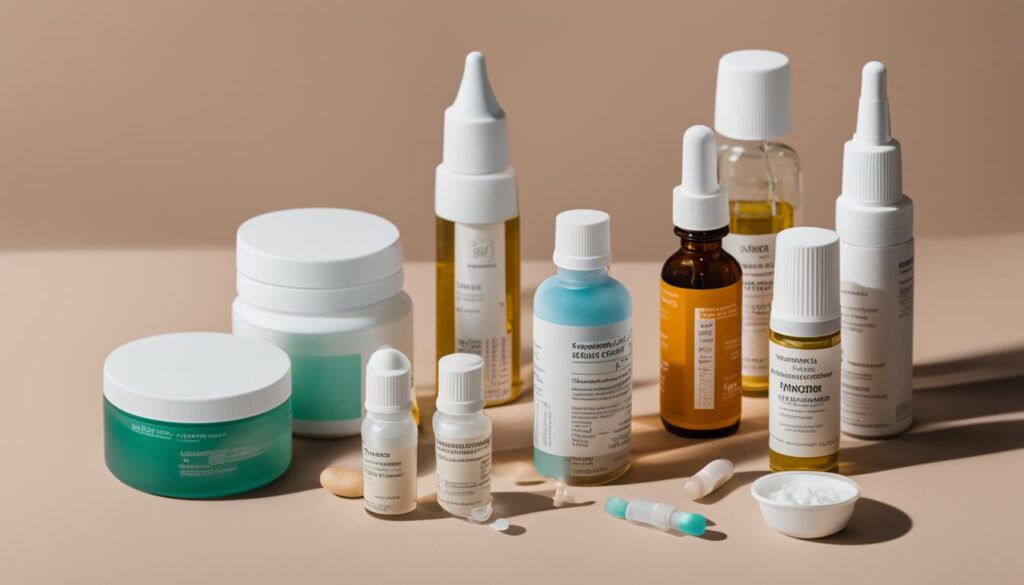
Vital Vitamins for Men Preparing for Pregnancy

Pre Pregnancy Vitamins for Men

Picture this: you and your partner have just made the decision to start a family. Excitement fills the air as you both eagerly anticipate the joy of bringing a new life into the world. You begin researching and preparing, learning about the importance of a healthy lifestyle and the role it plays in fertility.

As you dive deeper into your research, you come across the concept of pre-pregnancy vitamins for men. Intrigued, you wonder: Can taking these vitamins really make a difference in our journey to parenthood? Are there specific nutrients that can support male fertility?

The answer is yes. Just as women are encouraged to take prenatal vitamins, men can also benefit from certain supplements to optimize their fertility. Pre-pregnancy vitamins for men, also known as male prenatal vitamins or fertility supplements, are designed to provide essential nutrients for men’s reproductive health.

But which vitamins are the most important? How do they support fertility in men? In this article, we will explore the vital vitamins that men should consider when preparing for pregnancy. From the role of zinc in sperm production to the antioxidant benefits of vitamin C, we will provide you with the necessary information to optimize your chances of conception and support your partner’s journey towards a healthy pregnancy.

It’s time to take control of your fertility and embark on this exciting chapter of your life. Let’s dive in and discover the key vitamins that can make a difference.

The Importance of Zinc for Male Fertility

Zinc is a crucial nutrient for male fertility, playing a vital role in various aspects of sperm health and function. Sufficient levels of zinc are necessary for the production of healthy sperm, as well as for maintaining optimal sperm morphology, sperm count, and overall sperm function.

Studies have consistently shown that low zinc levels in semen are commonly found in men with fertility issues. This highlights the importance of ensuring an adequate intake of zinc to support male reproductive health.

Research on the effect of zinc supplementation in men with infertility has yielded mixed results. While some studies suggest that supplementing with zinc can improve sperm motility and overall sperm quality, other studies have shown no significant benefit.

It’s important to note that the human body cannot store zinc, so it’s crucial to meet the recommended daily allowance of 11 milligrams through a combination of dietary sources and supplementation if necessary. By including zinc-rich foods in your diet, such as oysters, beef, crab, fortified breakfast cereals, pumpkin seeds, pork, turkey, shrimp, and lentils, you can support your zinc intake and potentially enhance your fertility.

While zinc has shown promise in improving various aspects of male fertility, it’s important to consult with a healthcare professional before making any significant dietary or supplementation changes, as individual needs and circumstances may vary.

Zinc-Rich Foods for Male Fertility Zinc Content per 100g
Oysters 78.6mg
Beef 7.0mg
Crab 5.6mg
Fortified Breakfast Cereals 3.8-15.8mg
Pumpkin Seeds 10.3mg
Pork 4.6mg
Turkey 3.1mg
Shrimp 2.8mg
Lentils 2.5mg

The Role of Vitamin C in Male Fertility

Vitamin C is a powerful antioxidant that plays a crucial role in male fertility. Studies suggest that oxidative stress, caused by an imbalance between free radicals and antioxidants, contributes to male subfertility. Oxidative stress can damage sperm DNA, impair sperm motility, and lead to poor semen quality.

Research on the impact of vitamin C supplementation on sperm quality is mixed. While some studies show promising results, others do not demonstrate significant improvements. However, vitamin C’s antioxidant properties may help reduce oxidative stress and support semen quality in men.

The recommended daily intake of vitamin C for men is 90 milligrams. Including vitamin C-rich foods in your diet can be beneficial for male fertility. Some examples of vitamin C-rich foods include red peppers, citrus fruits and juices, kiwifruit, broccoli, strawberries, Brussels sprouts, and cantaloupe.

https://www.youtube.com/watch?v=NQffB6RcXjs

Incorporating vitamin C into your diet and considering supplementation, under the guidance of a healthcare professional, may contribute to maintaining optimal semen quality and supporting male fertility.

Conclusion

In conclusion, male prenatal vitamins and fertility supplements can play a crucial role in supporting healthy conception and improving male fertility. Key nutrients such as zinc, vitamin C, selenium, and vitamin E are important for sperm production and quality. Incorporating these vitamins and minerals into your daily diet, along with adopting healthy lifestyle choices, can optimize your chances of conceiving a child and contribute to your overall men’s health.

However, before adding any supplements to your routine, it is always recommended to consult with a healthcare professional. They can provide personalized advice, ensure safety, and help you avoid potential interactions with medications. Your healthcare provider can also offer guidance on the appropriate dosage and duration for taking male prenatal vitamins and fertility supplements.

By prioritizing fertility-supporting nutrients and making conscious choices to lead a healthy lifestyle, you can actively support your partner’s journey towards a healthy pregnancy. Remember, every person’s fertility journey is unique, so it’s important to seek individualized guidance and support. Together, you and your partner can navigate the path to parenthood with confidence and optimize your chances of a successful and healthy conception.

FAQ

Are there any vitamins or supplements that can help improve male fertility?

Yes, certain vitamins and minerals have been shown to support male fertility. These include zinc, vitamin C, selenium, and vitamin E.

What role does zinc play in male fertility?

Zinc is essential for sperm production, morphology, sperm count, and proper sperm functioning. Low levels of zinc in semen are often found in men with infertility.

How can I ensure I’m getting enough zinc in my diet?

You can incorporate zinc-rich foods into your diet, such as oysters, beef, crab, fortified breakfast cereals, pumpkin seeds, pork, turkey, shrimp, and lentils. If necessary, you can also consider zinc supplementation after consulting with a healthcare professional.

What is the role of vitamin C in male fertility?

Vitamin C is a powerful antioxidant that can help reduce damage from oxidative stress on sperm and support semen quality. It may also improve antioxidant status.

Where can I find vitamin C in my diet?

You can find vitamin C in foods like red peppers, citrus fruits and juices, kiwifruit, broccoli, strawberries, Brussels sprouts, and cantaloupe.

Can taking pre-pregnancy vitamins for men improve fertility?

Yes, taking pre-pregnancy vitamins that contain essential nutrients like zinc, vitamin C, selenium, and vitamin E can have a positive impact on male fertility and support healthy conception.

Should I consult with a healthcare professional before taking supplements?

Yes, it’s always a good idea to consult with a healthcare professional before adding any supplements to your routine. They can provide personalized advice based on your specific health needs and help ensure safety.

The Ideal Pre-Pregnancy Diet for Future Dads

Pre Pregnancy Diet for Men

Before embarking on the exciting journey of starting a family, it’s essential for both partners to prioritize their health and well-being. While the focus is often on the mother’s diet during pregnancy, it’s equally important for future fathers to pay attention to their nutrition and overall lifestyle.

Let’s meet Aaron, a 32-year-old man who has been happily married to his wife Amelia for the past five years. Aaron and Amelia are ready to take the next step in their relationship and have decided to try for a baby. Aaron wants to ensure that he’s doing everything he can to optimize his fertility and support the health of their future child.

As Aaron begins to research the topic, he discovers that the quality and quantity of sperm can be influenced by a man’s diet. He learns that certain nutrients, such as omega-3 fatty acids, folate, zinc, and selenium, play a crucial role in healthy sperm production.

Excited to take control of his fertility, Aaron starts incorporating more fruits, vegetables, seafood, whole grains, legumes, and low-fat dairy into his meals. He also decides to reduce his intake of red and processed meats, refined grains, sweets, and sweetened beverages.

Aaron discovers that research suggests men with a higher intake of these fertility-boosting nutrients tend to have a higher number of normal sperm. This newfound knowledge motivates him to make positive changes to his diet.

As Aaron continues his journey towards optimizing his fertility, he also learns about the potential impact his diet could have on the future health of his child. Research in mice has shown that the father’s diet before conception can influence the development of the embryo and even affect the child’s health later in life.

Intrigued by these findings, Aaron becomes even more committed to maintaining a healthy diet. He understands that his choices now could have a lasting impact on the well-being of his future child.

In the upcoming sections, we will dive deeper into the importance of nutrition for male fertility, provide tips for a healthy pre-pregnancy diet for men, and ultimately emphasize the significance of making dietary changes for the well-being of both fathers and their children.

The Importance of Nutrition for Male Fertility

The father’s diet plays an important role in male fertility. Studies have shown that certain nutrients are crucial for healthy sperm production. These include omega-3 fatty acids, folate, zinc, selenium, and antioxidants. Fruits, vegetables, seafood, whole grains, legumes, and low-fat dairy are all rich sources of these nutrients.

On the other hand, a diet high in red and processed meats, refined grains, sweets, and sweetened beverages can negatively impact sperm health. Male factor infertility accounts for 40-50% of infertility cases, highlighting the importance of optimizing sperm health through dietary changes.

In addition to improving fertility, the father’s diet before conception may also influence the development of the embryo and the future health of the child. Research in mice has shown that paternal nutrient-poor diets can lead to offspring with increased body fat, metabolic problems, and altered gut bacteria. These effects are believed to be mediated through epigenetic changes, which refer to how our genes are expressed.

While research on the epigenetic effects of the father’s diet is still in its early stages, studies have shown that a low protein diet, low folate diet, high fat diet, and alcohol consumption in fathers can have long-lasting impacts on the health and development of offspring.

Overall, a balanced diet rich in key nutrients is essential for maintaining optimal fertility and promoting the future health of children.

Nutrient Food Sources
Omega-3 Fatty Acids Fatty fish (salmon, tuna), flaxseeds, chia seeds, walnuts
Folate Dark leafy greens, legumes, fortified cereals
Zinc Oysters, lean meats, poultry, pumpkin seeds
Selenium Brazil nuts, seafood, eggs, enriched breads
Antioxidants Colorful fruits and vegetables (berries, oranges, tomatoes)

Tips for a Healthy Pre-Pregnancy Diet for Men

Are you ready to optimize your fertility and prepare for fatherhood? Follow these essential tips for a healthy pre-pregnancy diet:

  1. Include nutrient-rich foods: Incorporate a variety of fruits, vegetables, whole grains, lean proteins, and low-fat dairy products into your daily meals. These foods provide essential vitamins, minerals, and antioxidants to support overall health and sperm production.
  2. Focus on fertility-friendly nutrients: Make sure your diet includes key nutrients for male fertility such as omega-3 fatty acids, folate, zinc, selenium, and antioxidants. These can be found in foods like fish, nuts, seeds, leafy greens, citrus fruits, and lean meats.
  3. Limit processed and unhealthy foods: Minimize your intake of processed meats, refined grains, sugary snacks and beverages, and high-fat foods. These can negatively impact sperm health and fertility.
  4. Stay hydrated: Drink plenty of water throughout the day to ensure optimal hydration, which is essential for overall health and fertility.
  5. Achieve and maintain a healthy weight: Obesity and being underweight can both affect fertility. Maintain a healthy weight through a balanced diet and regular exercise.

“A healthy diet is key to optimizing your fertility and preparing for fatherhood. By making smart food choices and ensuring you get the necessary nutrients, you can support healthy sperm production and increase your chances of conception.”

Remember, a healthy pre-pregnancy diet isn’t just beneficial for your fertility but also plays a role in the future health of your children. Research has shown that a father’s diet before conception can influence the development of the embryo and the long-term health of the child.

Food Group Recommended Servings
Fruits and Vegetables 5 or more servings per day
Whole Grains 3-4 servings per day
Lean Proteins 2-3 servings per day
Low-Fat Dairy 2-3 servings per day
Nuts and Seeds A handful as a snack or in meals
Fish and Seafood 2-3 servings per week

By following these diet tips, you can optimize your fertility, support healthy sperm production, and contribute to the future health of your children.

pre-pregnancy diet tips for men

Conclusion

In conclusion, maintaining a healthy pre-pregnancy diet is crucial for future dads looking to optimize fertility and support the long-term health of their children. Research has highlighted the importance of specific nutrients, including omega-3 fatty acids, folate, zinc, and selenium, for healthy sperm production. Incorporating a variety of fruits, vegetables, seafood, whole grains, legumes, and low-fat dairy into your diet can help support optimal sperm health.

On the other hand, it’s essential to limit the consumption of red and processed meats, refined grains, sweets, and sweetened beverages, as these can have a negative impact on fertility. Additionally, the father’s diet before conception may influence the development of the embryo and the future health of the child through epigenetic changes. While more research is needed in this area, studies in mice have shown that nutrient-poor diets in fathers can lead to offspring with metabolic problems and altered gut bacteria.

To maximize your chances of conception and promote the health of your future children, focus on maintaining a balanced diet and making key dietary changes. Aim to incorporate a wide range of nutrient-rich foods, such as fruits, vegetables, seafood, whole grains, legumes, and low-fat dairy, into your meals. Remember to achieve and maintain a healthy weight through a balanced diet and regular exercise. By following these dietary recommendations, you can take proactive steps to optimize fertility and support the long-term health of your children.

FAQ

How does diet affect male fertility?

Research has shown that the quality and quantity of sperm produced by men can be affected by their diet. Certain nutrients, such as omega-3 fatty acids, folate, zinc, and selenium, are important for healthy sperm production. Consuming a diet rich in fruits, vegetables, seafood, whole grains, legumes, and low-fat dairy can support optimal sperm health, while a diet high in red and processed meats, refined grains, sweets, and sweetened beverages can negatively impact fertility.

What percentage of infertility cases are attributed to male factor?

Male factor infertility contributes to an estimated 40-50% of infertility cases. This highlights the importance of optimizing sperm health through dietary changes and maintaining a healthy pre-pregnancy diet.

Can the father’s diet before conception affect the development of the embryo and the health of the child?

Yes, research in mice has shown that paternal nutrient-poor diets can lead to offspring with increased body fat, metabolic problems, and altered gut bacteria. These effects are believed to be mediated through epigenetic changes, which refer to how our genes are expressed. While research on the epigenetic effects of the father’s diet is still in its early stages, studies have shown that a low protein diet, low folate diet, high fat diet, and alcohol consumption in fathers can have long-lasting impacts on the health and development of offspring.

What should men include in their pre-pregnancy diet to optimize fertility?

To optimize fertility, men can focus on consuming a varied, balanced diet that includes key nutrients for healthy sperm. This can include increasing the intake of fruits, vegetables, seafood, whole grains, legumes, and low-fat dairy, which are all rich sources of important nutrients. It is also important to limit the intake of red and processed meats, refined grains, sweets, and sweetened beverages, as these can negatively impact sperm health.

Is achieving and maintaining a healthy weight important for male fertility?

Yes, achieving and maintaining a healthy weight through a balanced diet and regular exercise is important for male fertility. Obesity and being underweight can both have negative effects on sperm quality and fertility. It is important to strive for a healthy weight range to optimize fertility.

Navigating a Vegan Diet During Pregnancy: A Comprehensive Guide

pregnancy and vegan diet

When you’re pregnant and following a vegan diet, it’s only natural to have questions and concerns about your nutritional needs and the well-being of your baby. The good news is that with proper planning and guidance, a well-balanced vegan diet can provide all the necessary nutrients for a healthy pregnancy. Let’s dive into the world of pregnancy nutrition and explore how you can maintain a vegan lifestyle while ensuring a nourishing experience for both you and your little one.

Meet Sarah, a passionate vegan who has always been conscious about her food choices and believes in the power of plant-based eating. When she found out she was expecting, Sarah was determined to continue her vegan lifestyle throughout her pregnancy. However, she also wanted to make sure she was providing her baby with the best possible start in life.

With a little research and support from her healthcare provider, Sarah discovered that a vegan diet can indeed provide all the essential nutrients needed for a healthy pregnancy. She learned that the key lies in proper planning and understanding specific nutritional requirements.

During her pregnancy, Sarah focused on incorporating a variety of plant-based sources of protein, such as soy products, quinoa, and legumes. She ensured she was consuming enough iron-rich plant-based foods like lentils and seeds while pairing them with vitamin C-rich foods to enhance iron absorption.

Sarah also paid attention to important nutrients like vitamin B12, calcium, and omega-3 fatty acids. She incorporated fortified plant-based products and took vegan prenatal vitamins to ensure she was meeting her nutritional needs.

As Sarah continued her vegan pregnancy journey, she joined online communities of like-minded individuals and found solace and support in sharing her experiences. She surrounded herself with resources such as vegan pregnancy books, eco-friendly baby gear, and vegan prenatal care products that aligned with her principles and values.

Throughout her pregnancy, Sarah remained mindful of her dietary needs and worked closely with her healthcare provider to monitor her nutrient levels. By staying informed, seeking guidance, and making conscious choices, Sarah successfully navigated her vegan diet during pregnancy, ultimately giving birth to a healthy, thriving vegan baby.

In the upcoming sections, we will delve deeper into the nutritional guidelines for a vegan pregnancy and explore the resources available to support you on your own vegan pregnancy journey. Let’s empower ourselves with knowledge and embrace the beauty of a well-balanced vegan diet during this special time in our lives.

Nutritional Guidelines for a Vegan Pregnancy

A vegan pregnancy requires careful consideration of nutritional needs. The focus should be on consuming a variety of plant-based protein sources, such as soy products, seitan, quinoa, and legumes. Iron can be obtained from plant-based sources like beans, lentils, tofu, and seeds, and it is recommended to combine these with vitamin C-rich foods to enhance absorption. Iodine, an essential nutrient for brain development, can be found in certain plants, fortified foods, and seaweed. Vegan prenatal vitamins are crucial to ensure adequate intake of key nutrients, including folate, iron, calcium, vitamin D, vitamin B12, and zinc. Omega-3 fatty acids, important for fetal brain development, can be obtained from plant-based sources like flaxseeds, chia seeds, and walnuts, or from vegan omega-3 supplements derived from algae.

Here’s a breakdown of key nutritional guidelines for a vegan pregnancy:

  1. Plant-based sources of protein: Incorporate a variety of plant-based protein sources into your meals, such as tofu, tempeh, edamame, quinoa, lentils, chickpeas, and nuts.
  2. Iron-rich plant-based foods: Ensure an adequate intake of iron by consuming foods like beans, lentils, tofu, spinach, quinoa, fortified cereals, and seeds.
  3. Sources of iodine: Include iodine-rich foods in your diet, such as iodized salt, seaweed, nori, and iodine-fortified products like bread and dairy alternatives.
  4. Vegan prenatal vitamins: Supplement your diet with vegan prenatal vitamins to meet your increased nutrient needs during pregnancy. Look for vitamins that contain folate, iron, calcium, vitamin D, vitamin B12, and zinc.
  5. Vegan omega-3 fatty acids: Obtain essential omega-3 fatty acids from plant-based sources like flaxseeds, chia seeds, hemp seeds, and walnuts. Alternatively, consider taking vegan omega-3 supplements derived from algae.

Remember to consult with a healthcare professional or registered dietitian to ensure your nutritional needs are met throughout your vegan pregnancy journey. Making informed choices and incorporating a variety of plant-based foods will help support a healthy and well-balanced vegan diet during pregnancy.

Conclusion

Navigating a vegan diet during pregnancy requires knowledge and resources. Fortunately, there are numerous vegan pregnancy resources available to provide guidance and support. From books written by experts in the field to online communities dedicated to vegan pregnancy and parenting, there is a wealth of information at your fingertips.

It is crucial to consult with healthcare professionals who are knowledgeable about vegan nutrition. They can offer personalized advice and ensure that you and your baby are receiving the optimal nutrients for a healthy pregnancy. Taking the time to find a healthcare provider who understands and supports your vegan lifestyle is essential for your peace of mind.

In addition to proper nutrition, incorporating vegan prenatal care products into your routine can help you maintain a chemical-free and cruelty-free skincare regimen. From belly butter made with natural ingredients to natural deodorant, there are options available that align with your values.

Conscious parenting is another important aspect of a vegan pregnancy journey. Consider eco-friendly baby gear, like cloth diapers and sustainably sourced clothing, which not only benefits the environment but also aligns with the principles of a vegan lifestyle. Remember, every small step you take towards conscious parenting contributes to a better world for your baby.

Embrace imperfection and be mindful of your individual dietary needs. With careful planning, appropriate supplementation, and the support of healthcare professionals, a well-balanced vegan diet can provide all the necessary nutrients for a healthy pregnancy and the optimal development of your vegan baby. Remember, you are not alone on this journey—reach out to the vegan pregnancy community and connect with like-minded individuals who can offer support and share their experiences.

FAQ

Is a vegan diet safe during pregnancy?

Yes, a well-balanced vegan diet can be safe during pregnancy. However, careful planning and consultation with healthcare professionals are necessary to ensure adequate intake of essential nutrients.

What nutrients should I pay attention to in a vegan pregnancy diet?

It is important to ensure sufficient intake of protein, vitamin B12, calcium, iron, iodine, zinc, vitamin D, potassium, selenium, and certain fatty acids.

How can I get enough protein on a vegan pregnancy diet?

You can obtain protein from plant-based sources such as soy products, seitan, quinoa, and legumes.

What are some iron-rich plant-based foods for a vegan pregnancy diet?

Good sources of iron include beans, lentils, tofu, and seeds. It is recommended to combine these with vitamin C-rich foods for better absorption.

Where can I get iodine on a vegan pregnancy diet?

Iodine can be found in certain plants, fortified foods, seaweed, and vegan prenatal supplements.

Do I need to take vegan prenatal vitamins during pregnancy?

Yes, vegan prenatal vitamins are essential to ensure adequate intake of key nutrients like folate, iron, calcium, vitamin D, vitamin B12, and zinc.

How can I get omega-3 fatty acids on a vegan pregnancy diet?

Plant-based sources of omega-3 fatty acids include flaxseeds, chia seeds, and walnuts. Alternatively, you can choose vegan omega-3 supplements derived from algae.

Are there any resources available for vegan pregnancy support?

Yes, there are multiple vegan pregnancy books that provide guidance and support. Additionally, online communities like the Vegan Pregnancy & Parenting group on Facebook can offer valuable support and connection with like-minded individuals.

Are there vegan options for prenatal care products and baby gear?

Yes, there are vegan options for prenatal care products like belly butter and natural deodorant. Conscious parenting options like cloth diapers and eco-friendly baby gear align with the principles of a vegan lifestyle.

What should I keep in mind for a healthy vegan pregnancy?

It is important to plan your diet carefully, consult with healthcare professionals, and embrace imperfection. Being mindful of individual dietary needs and ensuring optimal support from healthcare professionals can contribute to a healthy vegan pregnancy.

Source Links

Managing Seasonal Allergies During Pregnancy: Safe Practices

pregnancy and seasonal allergies

Picture this: you’re in the midst of a beautiful spring day, surrounded by blooming flowers and vibrant greenery. The sun’s warm rays kiss your skin as you take a deep breath of fresh air. But instead of feeling invigorated, you find yourself sneezing uncontrollably, your eyes watering, and your nose itching. Ah, the joys of seasonal allergies.

Seasonal allergies can be a nuisance for anyone, but when you’re pregnant, they can become even more challenging to manage. Pregnancy is a time of hormonal changes and increased sensitivity, which can intensify allergy symptoms. The last thing you want is to be battling sneezing fits and a stuffy nose while trying to enjoy this special time in your life.

Understanding how seasonal allergies and pregnancy interact is crucial for effectively managing symptoms and ensuring the health and well-being of both you and your baby. This article will provide you with essential information on safe practices for managing seasonal allergies during pregnancy, from at-home treatments to safe medication options.

At-Home Treatments for Seasonal Allergies During Pregnancy

There are several safe and effective at-home treatments for managing seasonal allergies during pregnancy. One option is creating a saline nasal spray by combining warm water with salt and using a spray or squeeze bottle to irrigate and soothe irritated nasal passages. Neti pots can also be used for nasal irrigation.

  • Creating a saline nasal spray with warm water and salt
  • Using a spray or squeeze bottle for irrigation
  • Using neti pots for nasal irrigation

Monitoring pollen counts and avoiding excessive outdoor exposure during high pollen times can help reduce symptoms. Additionally, showering and changing clothing after being outdoors can remove pollen from the body.

Be sure to wear a protective filter mask during outdoor activities to prevent allergen exposure. Moreover, using over-the-counter nasal strips at night can keep your nasal passages open and provide relief.

By incorporating these at-home treatments into your allergy management routine, you can alleviate symptoms and maintain your comfort during pregnancy. However, if symptoms persist or worsen, it’s important to consult with your healthcare provider for further guidance.

Medications for Seasonal Allergies During Pregnancy

When experiencing seasonal allergies during pregnancy, it’s important to have a safe and effective plan for managing symptoms. In some cases, over-the-counter medications can be a suitable option for pregnant women. While not all medications are safe for use during pregnancy, there are specific allergy medications that have been found to be safe based on available data.

medications for seasonal allergies during pregnancy

Here are some allergy medications that have been deemed safe for use during pregnancy:

  • Cetirizine (Zyrtec)
  • Chlorpheniramine (ChlorTrimeton)
  • Diphenhydramine (Benadryl)
  • Loratadine (Claritin)

However, it is crucial to consult with a healthcare provider before starting any medication during pregnancy. Every pregnancy is unique, and a doctor can offer personalized advice based on individual circumstances. They will consider factors such as the stage of pregnancy, potential risks, and any other medications or conditions. Consulting with a healthcare provider ensures that the chosen medication aligns with the specific needs and safety requirements during pregnancy.

It’s important to note that some oral decongestants may not be recommended during pregnancy. Nasal spray decongestants like oxymetazoline may be a safer alternative, but caution should be exercised when using them for more than three days to avoid worsening symptoms or rebound congestion.

If you are currently undergoing allergy shots as a desensitization treatment, it is generally safe to continue them during pregnancy if they were initiated before conception. However, it is recommended to postpone starting allergy shots until after giving birth to minimize potential risks.

Remember, managing seasonal allergies during pregnancy requires careful consideration and guidance from a healthcare provider. By working together, you can find a suitable medication plan that effectively manages your symptoms while prioritizing the safety of you and your baby.

Conclusion

Managing seasonal allergies during pregnancy is essential for your health and the well-being of your baby. By following safe practices and taking appropriate measures, you can effectively alleviate symptoms and maintain your comfort throughout pregnancy.

At-home treatments like saline nasal sprays can provide relief by soothing irritated nasal passages. Monitoring pollen counts and avoiding excessive outdoor exposure during high pollen times can also help reduce allergy symptoms. Additionally, showering and changing clothing after being outdoors can remove pollen from your body, further minimizing discomfort.

When necessary, under the guidance of a healthcare provider, you can safely use over-the-counter medications such as cetirizine, chlorpheniramine, diphenhydramine, and loratadine. However, it is essential to consult with your doctor before starting any medication during pregnancy to ensure its safety for you and your baby.

By following these safe practices and seeking medical guidance, you can effectively manage your seasonal allergies during pregnancy. Prioritizing your health and well-being is key, and with the right approach, you can minimize symptoms and enjoy a comfortable pregnancy journey.

FAQ

Can seasonal allergies worsen during pregnancy?

Yes, seasonal allergies can worsen during pregnancy, causing symptoms such as coughing, sneezing, itching, and a runny nose.

What are some at-home treatments for managing seasonal allergies during pregnancy?

Some at-home treatments for managing seasonal allergies during pregnancy include saline nasal sprays, monitoring pollen counts, avoiding outdoor activities during high pollen times, and changing clothing after being outdoors.

Can pregnant women take over-the-counter allergy medications for seasonal allergies?

Most pregnant women can safely take certain over-the-counter allergy medications such as cetirizine, chlorpheniramine, diphenhydramine, and loratadine. However, it is important to consult with a doctor before taking any medication during pregnancy.

Can allergy shots be continued during pregnancy?

Allergy shots, a desensitization treatment, can usually be continued during pregnancy if already in progress. However, it is best to postpone starting allergy shots until after giving birth.

What are some safe practices for managing seasonal allergies during pregnancy?

Some safe practices for managing seasonal allergies during pregnancy include using at-home treatments, consulting with a healthcare provider before taking any medications, and taking caution to avoid worsening symptoms.

Source Links

Spotting the Warning Signs of Postpartum Depression

postpartum depression signs

You’ve just welcomed your precious bundle of joy into the world. The days are filled with the smell of baby powder and the sound of sweet coos. Friends and family have gathered to celebrate this beautiful new chapter of your life. But amidst the joy and excitement, there may be something else lurking beneath the surface.

Meet Samantha, a loving mother who recently gave birth to her first child. Like many new moms, Samantha experienced a whirlwind of emotions in the days following childbirth. Yet, as the days turned into weeks, she couldn’t shake the feeling of sadness and overwhelming exhaustion. She couldn’t understand why she was feeling this way when everyone around her seemed so blissfully happy.

Little did Samantha know that she was experiencing the warning signs of postpartum depression. It took her some time to realize that what she was feeling was more than just the “baby blues.” The constant mood swings, persistent sadness, and difficulty bonding with her baby were indicators that something was amiss.

If Samantha had been aware of the warning signs, she could have sought help sooner, allowing her to recover and enjoy this precious time with her newborn. That’s why it’s crucial to raise awareness about postpartum depression and help mothers like Samantha recognize the signs.

In this article, we’ll explore the warning signs of postpartum depression, discuss the difference between baby blues and postpartum depression, examine the risk factors and complications, and emphasize the importance of early identification and support. By increasing awareness and understanding, we can ensure that no mother feels alone in her struggle and that help is always within reach.

Join us as we shed light on this important topic and empower mothers to seek the help they need. Together, we can make a difference in the lives of countless women and their families.

Understanding Baby Blues vs. Postpartum Depression

Many new moms experience the baby blues, a temporary condition characterized by mood swings, sadness, and anxiety, which typically last for up to two weeks after childbirth. While the baby blues can be emotionally challenging, they are considered a normal part of adjusting to motherhood. The fluctuating hormones, changes in sleep patterns, and the overwhelming responsibility of caring for a newborn can all contribute to these feelings.

However, postpartum depression is a more severe and long-lasting form of depression that can interfere with a mother’s ability to care for her baby and handle daily tasks. Unlike the baby blues, which generally subside on their own, postpartum depression requires intervention and treatment to help the mother recover and bond with her baby.

The key difference between baby blues and postpartum depression lies in the intensity and duration of the symptoms. While baby blues are generally milder and resolve within a few weeks, postpartum depression symptoms are more persistent and can extend for months if left untreated.

Here are some key indicators that can help differentiate between the two conditions:

  1. Intensity of sadness and mood swings
  2. Duration of symptoms
  3. Overwhelming tiredness and fatigue
  4. Anxiety and feelings of worthlessness or guilt
  5. Difficulty bonding with the baby

Understanding Baby Blues vs. Postpartum Depression

Baby Blues Postpartum Depression
Intensity of symptoms Moderate Severe
Duration of symptoms Up to 2 weeks Prolonged, lasting months
Tiredness and fatigue Normal fatigue Overwhelming tiredness
Anxiety and guilt Mild anxiety Intense anxiety and feelings of worthlessness or guilt
Bonding with the baby May be challenging at times Difficulty bonding

Risk Factors and Complications of Postpartum Depression

Postpartum depression is influenced by various risk factors that can increase a woman’s likelihood of developing this condition. Understanding these risk factors is crucial for early identification and intervention. Additionally, if left untreated, postpartum depression can lead to several complications that affect both the mother and the child.

Risk Factors

  • A history of depression or mental illness: Women with a previous history of depression or other mental illnesses are at a higher risk of developing postpartum depression.
  • Previous experience of postpartum depression: Those who have experienced postpartum depression in previous pregnancies are more likely to experience it again with subsequent pregnancies.
  • Family history of mood disorders: Having a family history of mood disorders, such as depression or bipolar disorder, increases the risk of postpartum depression.
  • Stressful events during pregnancy or postpartum period: Difficult events or life stressors, such as a traumatic birth experience, financial difficulties, or relationship problems, can contribute to the development of postpartum depression.
  • Weak support system: Lack of support from family, friends, or a partner can intensify the risk of postpartum depression.
  • Financial problems: Financial strain can be a significant stressor during the postpartum period, increasing the risk of developing depression.

Complications

If postpartum depression goes untreated, it can lead to various complications:

  1. Difficulties with mother-child bonding: Postpartum depression may make it challenging for mothers to bond with their infants, impacting the emotional connection between mother and child.
  2. Negative effects on partner relationships: The strain of postpartum depression can place additional stress on relationships, leading to conflicts and potentially damaging the relationship with the partner.
  3. Increased risk of future episodes of depression: Women who experience postpartum depression have a higher risk of developing depression in later stages of life or with future pregnancies.
  4. Emotional and behavioral problems in the child: The emotional well-being and development of the child can be adversely affected by the presence of postpartum depression in the mother.

Understanding the risk factors and complications of postpartum depression emphasizes the importance of early identification and intervention. Seeking help and support is crucial in ensuring the well-being of both the mother and the child.

complications of postpartum depression

Conclusion

Postpartum depression is a serious condition that affects many new mothers. Early identification and intervention are key to providing better support and facilitating recovery. By being aware of the common signs and symptoms of postpartum depression, mothers can take action and seek help promptly.

Recognizing the warning signs of postpartum depression is essential for both the well-being of the mother and the bonding with her baby. Treatment and support are available to manage the symptoms and provide the necessary tools for recovery. It is crucial to reduce the stigma associated with postpartum depression and ensure that mothers have access to the resources they need.

Raising awareness about postpartum depression is essential to support mothers in their journey towards recovery and help them thrive after childbirth. By providing education and understanding, we can create a supportive environment where mothers feel comfortable seeking help and getting the support they need to navigate postpartum depression successfully.

FAQ

What are the warning signs of postpartum depression?

The warning signs of postpartum depression include mood swings, anxiety, sadness, irritability, difficulty bonding with the baby, loss of appetite or overeating, insomnia or excessive sleep, feelings of worthlessness or guilt, and thoughts of self-harm or suicide.

What is the difference between baby blues and postpartum depression?

Baby blues is a temporary condition characterized by mood swings, sadness, and anxiety that typically lasts for up to two weeks after childbirth. Postpartum depression, on the other hand, is a more severe and long-lasting form of depression that requires intervention and treatment.

What are the risk factors for postpartum depression?

Risk factors for postpartum depression include a history of depression or mental illness, previous experience of postpartum depression, family history of mood disorders, stressful events during pregnancy or postpartum period, financial problems, weak support system, and difficulties in the marital or partner relationship.

What are the complications of postpartum depression?

Complications of postpartum depression can include difficulties with mother-child bonding, negative effects on partner relationships, increased risk of future episodes of depression, and emotional and behavioral problems in the child.

Steps to Prepare for a Healthy Pregnancy: Starting Right

preparing for healthy pregnancy

Preparing your body for pregnancy is an important step in ensuring the health and well-being of both you and your baby. By following pre-pregnancy health guidelines, you can increase the chances of having a healthy pregnancy and a healthy baby.

Let me tell you a story about Emma. Emma and her husband, James, had been trying to conceive for several months without success. Frustrated and anxious, they decided to seek guidance from their healthcare provider, Dr. Anderson.

During their appointment, Dr. Anderson discussed preconception health care with Emma and James.

“Emma, it’s essential to start preparing your body for pregnancy even before you conceive,” Dr. Anderson emphasized. “Taking the necessary steps now will significantly impact the health of your baby.”

Dr. Anderson explained the importance of making a plan, seeing a healthcare provider, and adopting healthy habits. Emma and James listened attentively, absorbing the information and realizing the significance of their preconception health.

As Emma and James left the doctor’s office that day, they were armed with knowledge and a renewed sense of optimism. They were determined to make the necessary changes and give their future baby the best possible start in life.

Are you ready to start preparing for a healthy pregnancy? Let’s dive into the essential steps you need to take to ensure a healthy pregnancy and a healthy baby.

Preconception Counseling and Health Checkup

Preconception counseling plays a vital role in planning a healthy pregnancy. By consulting with your healthcare provider or midwife, you can evaluate your health and address any new risks that need to be considered. During this process, a preconception health checkup is conducted, which involves reviewing your personal and family medical history to identify any chronic health conditions that may impact your pregnancy. By identifying and understanding these conditions, you can take necessary precautions to ensure a smooth and healthy pregnancy journey.

If either you or your partner carries genetic disorders, genetic screening may be recommended. This screening helps determine the potential risk of passing genetic disorders to your baby and allows you to plan accordingly for any additional medical support or interventions that may be needed.

Ensuring that your vaccines are up to date is another crucial aspect of preconception care. Reviewing your vaccine status with your healthcare provider is essential to protect both you and your baby from vaccine-preventable diseases during pregnancy.

Reporting any potential exposures to viruses, such as Zika or COVID-19, to your healthcare provider is crucial. By doing so, the risks to both the mother and baby can be assessed, and appropriate measures can be taken to mitigate any potential complications.

To promote a safe and supportive environment for both the mother and baby, intimate partner violence screening is recommended during preconception counseling. This screening helps identify any signs of intimate partner violence and allows for necessary interventions or referrals to support services.

A comprehensive pre-pregnancy checkup may include various assessments such as blood tests, pelvic exams, pap smears, and physical exams to assess your overall health and identify any potential issues that need to be addressed before pregnancy. These assessments provide valuable insights that help ensure a healthy and successful pregnancy journey.

Preconception Counseling and Health Checkup Summary:

Key Points Actions
Evaluate health and address new risks Consult with healthcare provider or midwife
Review personal and family medical history Identify chronic health conditions
Consider genetic screening Determine risk of passing genetic disorders
Review vaccine status Ensure up-to-date immunization
Report potential virus exposures Assess risks to mother and baby
Screen for intimate partner violence Ensure a safe environment
Undergo a pre-pregnancy checkup Assess overall health and identify potential issues

Lifestyle Factors and Preparing Your Body for Pregnancy

Taking 400 micrograms of folic acid daily at least one month before and during early pregnancy is crucial for preventing birth defects of the baby’s brain and spine.

Avoiding alcohol is essential for both fertility and during pregnancy to prevent hormone imbalance, menstrual irregularities, and birth defects.

Following a healthy diet that includes plenty of fruits, vegetables, whole grains, lean proteins, and low-fat dairy is vital for nourishing the developing fetus.

Eliminating exposure to toxic substances like lead, pesticides, and radiation is important to protect the developing fetus.

Regular exercise and maintaining a healthy weight before and during pregnancy significantly reduce the risk of complications such as high blood pressure, diabetes, and low birth weight.

Quitting smoking is crucial as it decreases the risk of premature birth, low birth weight, and sudden infant death syndrome (SIDS).

Reducing the risk of infection involves avoiding undercooked meat, raw eggs, contact with animal feces, and close contact with sick individuals.

Taking prenatal vitamins or a daily vitamin supplement containing 400 micrograms of folic acid helps ensure adequate nutrition for a healthy pregnancy.

FAQ

What steps should I take to prepare for a healthy pregnancy?

To prepare for a healthy pregnancy, it is important to make a plan, see your doctor, take folic acid, avoid alcohol, smoking, and certain drugs, avoid toxic substances and environmental contaminants, maintain a healthy weight, learn your family history, and take care of your mental health.

Why is preconception counseling and a health checkup important?

Preconception counseling and a health checkup with your healthcare provider or midwife are crucial for evaluating your health, addressing any new risks, reviewing personal and family medical history, and taking necessary precautions to ensure a healthy pregnancy.

What should I do to prepare my body for pregnancy?

To prepare your body for pregnancy, it is recommended to take 400 micrograms of folic acid daily, avoid alcohol, follow a healthy diet, eliminate exposure to harmful substances, engage in regular exercise, maintain a healthy weight, quit smoking, reduce the risk of infection, and take prenatal vitamins or daily vitamin with folic acid.

Unlocking the Role of Vitamin E in Fertility Enhancement

role of vitamin E in fertility

Imagine this scenario: You and your partner have been trying to conceive for months, eagerly awaiting the news of a positive pregnancy test. Yet, month after month, you find yourselves disappointed and wonder if there’s something more you could be doing to enhance your fertility.

Well, the answer may lie in the power of vitamin E. This potent antioxidant has been found to play a significant role in fertility health, offering essential support for both men and women on their journey towards parenthood.

Research has shown that vitamin E is crucial for optimal sperm health and activity in men, contributing to improved semen quality and increased chances of conception. For women, vitamin E has been associated with enhanced sexual desire and overall reproductive well-being.

Oxidative stress, caused by an imbalance between harmful free radicals and antioxidants in the body, can have a detrimental effect on fertility. Vitamin E’s antioxidant properties help combat this oxidative stress, protecting reproductive cells and promoting a healthier environment for conception.

So, if you’re looking for a natural way to enhance your fertility and improve your chances of conception, incorporating vitamin E into your daily routine may be the key. Whether it’s through a balanced diet or utilizing vitamin E supplements, giving your body the antioxidant support it needs can make a significant difference in your fertility journey.

In the following sections, we’ll delve deeper into the impact of nutrition on fertility, the influence of weight and lifestyle factors, and how you can optimize your reproductive health. By understanding the role of vitamin E and other key nutrients, you’ll be equipped with the knowledge to take proactive steps towards realizing your dream of starting a family.

The Impact of Nutrition on Fertility

Nutrition plays a crucial role in fertility, with certain nutrients having a direct impact on reproductive health. Adequate intake of vitamins, minerals, and antioxidants is essential for maintaining fertility health and optimizing chances of conception.

One key group of nutrients that support fertility are vitamins. Vitamin A is important for the development of healthy eggs and uterine lining, while vitamin E acts as a powerful antioxidant, protecting reproductive cells from damage. Vitamin D is known to promote hormonal balance and support overall reproductive function.

Antioxidants, such as CoQ10, selenium, and zinc, are also vital for fertility. They protect eggs and sperm from oxidative stress, a process that can lead to infertility and pregnancy complications. Additionally, omega-3 fatty acids have been shown to improve sperm quality and mobility.

A well-rounded diet that includes these nutrients can significantly enhance fertility outcomes. Consuming foods rich in vitamin A, such as carrots, sweet potatoes, and leafy greens, can support reproductive health. Including sources of vitamin E like almonds, sunflower seeds, and spinach can provide antioxidant support. Fatty fish, such as salmon and sardines, are excellent sources of omega-3 fatty acids. Additionally, incorporating foods like brazil nuts, oysters, and lean meats can ensure adequate intake of selenium and zinc.

Key Nutrients for Fertility

Here are some key nutrients and their roles in fertility:

Nutrient Role in Fertility Food Sources
Vitamin A Supports development of healthy eggs and uterine lining Carrots, sweet potatoes, spinach
Vitamin E Acts as an antioxidant, protects reproductive cells Almonds, sunflower seeds, spinach
Vitamin D Promotes hormonal balance and reproductive function Fatty fish, fortified dairy products, sunlight exposure
CoQ10 Protects eggs and sperm from oxidative stress Organ meats, sardines, peanuts
Selenium Ensures normal sperm production and motility Brazil nuts, seafood, eggs
Zinc Supports hormone regulation and healthy sperm production Oysters, lean meats, legumes
Omega-3 Fatty Acids Improves sperm quality and mobility Fatty fish, walnuts, chia seeds

By prioritizing nutrition and incorporating these fertility-boosting nutrients into your diet, you can enhance your fertility health and increase your chances of conception.

The Influence of Weight and Lifestyle Factors on Fertility

When it comes to fertility, maintaining a healthy weight and adopting a balanced lifestyle are crucial factors. Both obesity and being underweight can disrupt hormone levels and ovulation, leading to challenges in fertility. Let’s explore how weight and lifestyle choices impact reproductive health and what steps you can take to optimize your fertility potential.

The Impact of Weight on Fertility

Weight plays a significant role in fertility. Being either overweight or underweight can have adverse effects on reproductive health.

Obesity: Excess weight can disrupt hormone production and ovulation in women, leading to irregular menstrual cycles, reduced chances of conception, and increased risk of pregnancy complications. Research indicates that weight loss in overweight and obese women can improve fertility outcomes by restoring hormonal balance and promoting regular ovulation.

Underweight: On the other hand, being underweight can also negatively affect fertility. Women who are underweight may experience irregular or absent menstrual cycles, which can make it more challenging to conceive. It is essential to speak with a healthcare provider who specializes in fertility to address any concerns related to weight and its impact on reproductive health.

Lifestyle Factors and Fertility

Aside from weight, various lifestyle factors can influence fertility. Making positive changes in these areas can enhance your chances of conception:

  • Smoking: Smoking has been linked to decreased fertility in both men and women. It can impair sperm quality, reduce egg reserve, and increase the risk of pregnancy complications. Quitting smoking is one of the most impactful steps you can take to improve reproductive health.
  • Alcohol and Coffee Consumption: Excessive alcohol and coffee intake have been associated with fertility challenges. It is advisable to limit alcohol consumption and moderate your coffee intake to support optimal reproductive health.
  • Exercise: Regular physical activity is beneficial for overall health and fertility. Engaging in moderate exercise can help regulate hormone levels, improve circulation, and support reproductive function. However, excessive high-intensity workouts may have adverse effects, so it’s important to find a balance and consult a healthcare professional if needed.

Taking Charge of Your Fertility

To optimize your reproductive health, consider the following steps:

  1. Consult with a healthcare provider who specializes in fertility to evaluate your weight, lifestyle factors, and overall reproductive health.
  2. Follow a well-balanced diet that includes a variety of nutrients, such as fruits, vegetables, whole grains, lean proteins, and healthy fats. Consider incorporating fertility-boosting foods rich in vitamins and antioxidants.
  3. Stay hydrated and limit the intake of sugary beverages.
  4. Get regular exercise, aiming for at least 150 minutes of moderate-intensity activity per week. Consult with a healthcare professional for personalized exercise recommendations.
  5. Avoid smoking, excessive alcohol consumption, and high caffeine intake.
  6. Manage stress levels through relaxation techniques, mindfulness, or seeking professional support.

By maintaining a healthy weight, prioritizing a balanced lifestyle, and seeking appropriate medical guidance, you can increase your chances of conceiving and improve your overall reproductive well-being. Remember, every individual’s fertility journey is unique, and it is important to approach it with patience, self-care, and knowledgeable support.

weight and fertility

Conclusion

In conclusion, the role of vitamin E in fertility enhancement is significant. Studies have shown that this powerful antioxidant plays a crucial part in supporting sperm health and improving semen quality. Vitamin E also contributes to overall reproductive well-being by reducing oxidative stress in the body, which can have a detrimental effect on fertility.

Nutrition is another crucial factor in fertility health. Various vitamins and antioxidants, including vitamin A, vitamin D, and vitamin E, promote the production of sex hormones, support sperm synthesis, and aid in ovulation. Other essential nutrients like CoQ10, selenium, zinc, and omega-3 fatty acids act as antioxidants, protecting eggs and sperm from oxidative damage.

Maintaining a healthy weight and adopting a healthy lifestyle are also key in optimizing fertility outcomes. Both obesity and being underweight can disrupt hormone levels and ovulation, leading to fertility challenges. By following a balanced diet, engaging in regular exercise, and avoiding harmful habits such as smoking, excessive alcohol consumption, and excessive caffeine intake, couples can increase their chances of conceiving and achieving a healthy pregnancy.

To enhance fertility, individuals and couples can consider incorporating vitamin E and other essential nutrients into their diet, while also prioritizing a healthy weight and lifestyle. By taking these proactive steps and ensuring proper antioxidant support, they can significantly improve their chances of fertility success and achieve their dream of starting or expanding their family.

FAQ

How does vitamin E impact fertility?

Vitamin E plays a significant role in fertility by supporting sperm health, improving semen quality, and contributing to overall reproductive well-being.

Which vitamins are important for fertility?

Vitamins such as vitamin A, vitamin E, and vitamin D promote the production of sex hormones, support sperm synthesis, and aid in ovulation. These vitamins are essential for maintaining optimal fertility.

What role do antioxidants play in fertility?

Antioxidants, such as CoQ10, selenium, zinc, and omega-3 fatty acids, protect eggs and sperm from oxidative damage. Including these antioxidants in your diet can enhance your fertility and improve reproductive health.

How does weight affect fertility?

Maintaining a healthy weight is crucial for optimal fertility. Both obesity and being underweight can disrupt hormone levels and ovulation, leading to fertility challenges.

Can lifestyle factors impact fertility?

Yes, lifestyle factors such as smoking, excessive alcohol consumption, and coffee consumption can hinder fertility. Adopting a healthy lifestyle that includes regular exercise, a balanced diet, and avoiding harmful habits can positively impact fertility and reproductive health.

Source Links

Fertility Yoga: Combining Wellness and Conception in Your Pre-Pregnancy Routine

fertility yoga for conception

Meet Sarah, a young woman who had been trying to conceive for over a year without success. Struggling with the emotional toll of infertility, Sarah began exploring alternative methods to support her journey towards motherhood. That’s when she discovered fertility yoga, a practice that combines wellness and conception in a powerful way.

Fertility yoga, as Sarah learned, incorporates a variety of yoga poses, breathing exercises, visualization, and meditative work to improve fertility. It aims to reduce biological stressors that can impact reproductive health, such as excess weight, hormonal imbalance, and anxiety.

Excited by the potential of fertility yoga, Sarah decided to incorporate it into her pre-pregnancy routine. She found that regular practice not only helped regulate her bodyweight but also improved her physical health by increasing blood flow to her reproductive organs.

As Sarah continued her fertility yoga journey, she began to experience a profound reduction in stress levels. The peace and tranquility she found on the yoga mat translated into hormonal balance, as stress-reducing practices helped regulate her cortisol, insulin, estrogen, and progesterone levels.

Impressed by the positive changes she was experiencing, Sarah decided to explore fertility yoga classes in her area. She found local gyms and yoga studios offering specialized fertility yoga sessions, providing her with the guidance of licensed yoga teachers who understood the unique needs of women trying to conceive.

Alternatively, for those who preferred to practice from the comfort of their own homes, online platforms like YouTube offered a wealth of accessible fertility yoga classes. Sarah was thrilled to have options that suited her lifestyle and goals.

Are you ready to embark on your own fertility yoga journey? Join us in the next section as we explore the incredible benefits of fertility yoga for conception and reproductive health.

The Benefits of Fertility Yoga for Conception

Fertility yoga offers a plethora of benefits when it comes to conception. By incorporating specific poses, breathing exercises, and meditation techniques, this practice focuses on enhancing your reproductive health, physical well-being, stress reduction, hormonal balance, and artificial reproduction rates.

One of the key advantages of fertility yoga is its ability to increase blood flow to the reproductive organs. Improved circulation to the uterus and ovaries promotes optimal reproductive health, creating a favorable environment for conception.

Furthermore, fertility yoga plays a significant role in regulating bodyweight, which is crucial for fertility. Obesity can lead to hormonal imbalances and decreased fertility, making weight management an essential aspect of pre-pregnancy wellness.

Stress reduction is another area where fertility yoga excels. High levels of stress can negatively impact conception rates, and fertility yoga offers a calming and mindful approach to alleviate stress and promote relaxation. By reducing stress levels, fertility yoga helps balance hormones, including cortisol, insulin, estrogen, and progesterone, all of which play a crucial role in fertility.

Multiple studies have demonstrated that fertility yoga can improve conception rates, especially when combined with assisted reproductive techniques such as in vitro fertilization (IVF) and artificial reproductive technology (ART). The holistic approach of fertility yoga addresses both the physical and emotional aspects of conception, providing a comprehensive foundation for successful reproductive outcomes. Additionally, the benefits of fertility yoga extend throughout pregnancy, supporting expectant mothers on their journey.

To summarize, fertility yoga offers a multitude of benefits for couples seeking to enhance their chances of conception. By promoting reproductive health, regulating bodyweight, reducing stress, and balancing hormones, fertility yoga serves as a valuable tool in optimizing artificial reproduction rates and increasing the likelihood of successful conception.

How to Practice Fertility Yoga and Find Classes

Fertility yoga offers a variety of poses that can be incorporated into your practice to enhance your chances of conception. Some common fertility yoga poses include Child’s pose, Warrior II, Bridge pose, and Legs Up the Wall. These poses help improve blood flow to the reproductive organs, reduce stress, and balance hormones.

However, it’s essential to practice fertility yoga safely, especially during ovarian stimulation or fertility treatments. It’s recommended to avoid certain poses like twists and inversions during these times. Consulting with a licensed yoga teacher or your OBGYN can provide guidance on safe practices tailored to your specific needs.

If you’re interested in joining fertility yoga classes, you have several options. You can find local gyms and yoga studios that offer dedicated fertility yoga classes. Additionally, consulting with your OBGYN can help you find recommendations for classes in your area. Online platforms like YouTube also provide a wealth of fertility yoga classes that you can practice at home.

To ensure you establish a safe and effective routine, starting your fertility yoga journey under the guidance of a licensed yoga teacher is highly recommended. They can help you modify poses as needed and provide personalized instruction based on your unique circumstances. Their expertise will support you in optimizing your fertility and overall well-being.

FAQ

What is fertility yoga?

Fertility yoga refers to any type of yoga practice that incorporates poses, breathing exercises, visualization, and meditative work to improve fertility. It is designed to reduce biological stressors and promote reproductive health.

What are the benefits of fertility yoga for conception?

Fertility yoga has several benefits for conception. It increases blood flow to the reproductive organs, regulates bodyweight, reduces stress, balances hormones, and improves artificial reproduction rates.

How can I practice fertility yoga and find classes?

Fertility yoga can be practiced through various poses such as Child’s pose, Warrior II, Bridge pose, and Legs Up the Wall. To find fertility yoga classes, you can check local gyms, yoga studios, or online platforms like YouTube. It is advisable to start practicing under the guidance of a licensed yoga teacher to ensure safety.

Source Links

Zika Virus and Pregnancy: What You Need to Know

pregnancy and zika virus

As an expecting parent, the health and well-being of your baby are always your top priority. There are countless moments of joy and excitement that come with anticipating the arrival of a new little one. But amidst the bliss, there are also concerns and uncertainties, especially when it comes to protecting your baby’s health.

Imagine this: You and your partner are eagerly planning a tropical vacation to celebrate your babymoon before the arrival of your bundle of joy. The thought of relaxing on pristine beaches and exploring exotic locations fills you with delight. However, as you start researching your destination, you stumble upon some alarming information about the Zika virus and its potential impact on pregnancy.

With a growing sense of unease, you dig deeper and discover that the Zika virus is primarily spread through mosquito bites and can cause severe birth defects. It sends shivers down your spine, and you realize that your dream vacation may pose a serious risk to your baby’s health.

Before panic sets in, take a deep breath. It’s important to stay informed and take the necessary precautions to protect yourself and your baby from Zika infection. In this article, we will provide you with essential information and expert advice on Zika virus and pregnancy. We’ll explore the risks associated with Zika, practical tips to prevent infection, and steps to ensure a healthy and safe pregnancy.

Remember, knowledge is power, and by understanding the risks and taking proactive measures, you can enjoy your pregnancy journey with peace of mind. Let’s dive in and learn everything you need to know about Zika virus and pregnancy.

Zika Virus and Pregnancy: Birth Defects and Risks

Zika virus can be transmitted from a pregnant person to their fetus, posing significant risks to the developing baby. Infection during pregnancy has been linked to severe birth defects, including brain and eye abnormalities, limited joint motion, seizures, muscle tone restrictions, swallowing difficulties, and potential developmental delays.

Primarily spread through mosquito bites, the Zika virus can also be transmitted through sexual contact with an infected person. It is essential for pregnant individuals to take precautions and avoid traveling to areas with Zika outbreaks. Before considering travel to regions at risk of Zika transmission, it is crucial to have a detailed discussion with healthcare providers to fully understand the risks involved.

It is worth noting that the timing of the Zika infection during pregnancy does not appear to impact the likelihood of birth defects. Even asymptomatic Zika infections can lead to severe congenital abnormalities in babies. This highlights the importance of proactive measures to prevent Zika infection and diligent monitoring of the health and development of the fetus.

Zika Transmission

The Zika virus primarily spreads through mosquito bites, specifically from infected Aedes species mosquitoes. These mosquitoes are commonly found in tropical and subtropical regions. It is also possible to contract Zika through sexual contact with an infected individual, including vaginal, anal, and oral sex.

Pregnant individuals should remain cautious of potential exposure to the virus and take steps to minimize risk. This includes avoiding travel to areas with ongoing Zika outbreaks and discussing the associated risks with healthcare providers. Implementing preventive measures and following appropriate prenatal care guidance is crucial for the overall well-being of both the pregnant individual and their baby.

Congenital Birth Defects Linked to Zika Virus

The Zika virus has been associated with various congenital birth defects that can significantly impact the health and development of babies. These include:

Birth Defects Description
Brain Abnormalities Severe damage to the developing brain, leading to cognitive and neurological impairments
Eye Abnormalities Structural deformities or functional issues affecting vision and eye development
Limited Joint Motion Restriction in joint mobility and range of motion, leading to physical limitations
Seizures Recurrent abnormal electrical activity in the brain, resulting in seizures
Muscle Tone Restrictions Loss of muscle tone or heightened muscle tension, affecting motor skills and movement
Swallowing Difficulties Impaired ability to swallow, leading to feeding difficulties and potential complications
Developmental Delays Delays in achieving milestones and reaching age-appropriate developmental markers

It is important to note that there is currently no known vaccine or specific treatment for Zika virus infection. Therefore, prevention remains the best approach to safeguarding the health and well-being of pregnant individuals and their babies.

Protecting Yourself and Preventing Zika Infection

To protect yourself from Zika virus infection during pregnancy, it is important to take several precautions. One of the key measures is to use insect repellents that are registered with the Environmental Protection Agency. These repellents are specifically designed to provide effective protection against mosquitoes carrying the Zika virus.

In addition, make sure to cover your skin as much as possible to prevent mosquito bites. Wearing long-sleeved shirts, long pants, and closed-toe shoes can greatly reduce your risk of being bitten. It is also advisable to use condoms during sexual activity as Zika can be transmitted through sexual contact with an infected person.

When choosing accommodations, opt for places with air conditioning or screened windows and doors. This will help keep mosquitoes out of your living space and provide a safer environment for you and your baby. Additionally, be proactive in removing any standing water in your surroundings to eliminate potential mosquito breeding sites.

Other protective measures include following workplace safety rules if you work in a healthcare setting, avoiding donating blood or umbilical cord blood if infected with Zika, and being cautious about getting pregnant with donated sperm. If you need to travel to areas with Zika outbreaks, it is important to consult with your healthcare provider and take additional preventive measures to minimize the risk of mosquito bites.

Remember, there is currently no vaccine available for the Zika virus. Therefore, prevention through mosquito control and safe sexual practices is crucial in avoiding infection and ensuring a healthy pregnancy.

FAQ

What precautions should pregnant individuals take to protect themselves from Zika virus infection?

Pregnant individuals should take several precautions, including using insect repellents registered with the Environmental Protection Agency, covering the skin to prevent mosquito bites, using condoms during sexual activity, staying in accommodations with air conditioning or screened windows and doors, and removing standing water to prevent mosquito breeding.

Can Zika virus be transmitted from a pregnant person to their fetus?

Yes, Zika virus can be passed from a pregnant person to their fetus. Infection during pregnancy can lead to severe birth defects, including brain and eye abnormalities, limited joint motion, seizures, muscle tone restrictions, swallowing difficulties, and possible developmental delays.

How does Zika virus primarily spread?

Zika virus primarily spreads through mosquito bites, but it can also be transmitted through sexual contact with an infected person.

Are there any known treatments or vaccines for Zika virus?

Currently, there is no known treatment or vaccine for Zika virus.

Should pregnant individuals avoid traveling to areas with Zika outbreaks?

Yes, pregnant individuals should avoid traveling to areas with Zika outbreaks. It is important to discuss the risks with their healthcare providers before traveling to areas with a risk of Zika.

Does the timing of Zika infection during pregnancy affect the likelihood of birth defects?

No, the timing of infection during pregnancy does not seem to affect the likelihood of birth defects. Even asymptomatic Zika infections can lead to birth defects.

What are some ways to prevent mosquito bites and mosquito breeding?

To prevent mosquito bites and mosquito breeding, pregnant individuals should use insect repellents registered with the Environmental Protection Agency, cover the skin, stay in accommodations with air conditioning or screened windows and doors, and remove standing water.

Is it safe for pregnant individuals to donate blood or umbilical cord blood if infected with Zika?

It is recommended for pregnant individuals infected with Zika to avoid donating blood or umbilical cord blood.

Should pregnant individuals be cautious about getting pregnant with donated sperm?

Yes, pregnant individuals should be cautious about getting pregnant with donated sperm and should discuss the potential risks with their healthcare providers.

What is the best way for pregnant individuals to avoid Zika infection?

The best way for pregnant individuals to avoid Zika infection is to prevent mosquito bites through mosquito control measures and practice safe sexual practices.

Source Links

Exploring the Benefits of Acupuncture for Fertility

Fertility Acupuncture Benefits

You and your partner have been trying to conceive for months, eagerly anticipating the positive sign on a pregnancy test. It’s an exciting and emotional journey, but as time goes by without success, you start to wonder if there are any alternative treatments that could help. That’s when you stumble upon the concept of acupuncture for fertility.

A friend, who struggled with infertility herself, tells you about her experience with acupuncture and how it changed her life. Skeptical yet hopeful, you decide to give it a try, knowing that a holistic approach to your fertility could be just what you need.

You’ve heard about the potential benefits of acupuncture but want to understand more. How exactly can acupuncture improve your chances of getting pregnant? Is it really a viable option alongside medical infertility treatments? And most importantly, how does it contribute to your overall pregnancy wellness?

In this article, we will dive deep into the world of fertility acupuncture and explore the numerous ways it can positively impact your reproductive health. From regulating hormones and improving blood flow to reducing stress and anxiety, acupuncture offers a holistic approach to fertility that complements traditional medicine.

How Acupuncture Improves Fertility

Acupuncture offers several mechanisms through which it enhances fertility. By targeting specific acupuncture points, this ancient practice stimulates a variety of physiological responses that can positively impact reproductive health.

Regulation of Reproductive Hormones

One of the key ways acupuncture improves fertility is by regulating reproductive hormones, including the essential follicle-stimulating hormone (FSH). Research has shown that acupuncture can influence the secretion of reproductive hormones, leading to an improved response to ovarian stimulation medication and natural stimulation by the brain. This regulation of hormones helps promote healthy ovarian follicle growth and egg maturation, optimizing the chances of successful conception.

Enhanced Blood Flow to the Reproductive Organs

Acupuncture also plays a crucial role in improving blood flow to the uterus and ovaries. By inserting fine needles into specific acupuncture points, it helps relax the walls of blood vessels, allowing for increased circulation to these vital reproductive organs. This improved blood flow can enhance the development of ovarian follicles and improve the quality of eggs, increasing the chances of successful fertilization and implantation.

Increased Embryo Implantation Rates

Studies have shown that acupuncture can increase embryo implantation rates by improving blood supply to the uterus and regulating immune function. By optimizing the uterine environment and reducing inflammation, acupuncture creates a more welcoming environment for the implanted embryo. This increased implantation rate improves the chances of a successful pregnancy.

Stress Reduction

Managing stress is critical for fertility, and acupuncture can be a valuable tool in stress reduction. Sessions provide a soothing and relaxing experience, triggering the release of endorphins, the body’s natural “feel-good” hormones. This can help alleviate anxiety and stress, which can interfere with hormonal balance and reproductive function. By reducing stress levels, acupuncture supports a healthier and more conducive environment for conception.

Overall, acupuncture offers a multi-faceted approach to improving fertility. Through its impact on reproductive hormones, blood flow, embryo implantation, and stress reduction, it provides a comprehensive and holistic support system for couples on their journey to parenthood.

The Best Time and Frequency for Acupuncture Treatment

Acupuncture can be a valuable addition to your fertility journey at any stage. However, starting as early as possible can maximize the benefits. Incorporating acupuncture into a preconception plan at least three months before attempting to conceive allows for optimal results.

During this timeframe, acupuncture can help optimize your overall health, balance hormones, and reduce stress levels, all of which are crucial for fertility. By addressing these factors early on, you can improve your chances of conception and increase the effectiveness of other fertility treatments.

The frequency of acupuncture treatments may vary depending on individual needs and treatment protocols. Studies have shown that even as few as two additional acupuncture sessions, alongside pre- and post-embryo transfer sessions, can enhance pregnancy rates. However, more frequent treatments may be beneficial, especially for individuals who are already undergoing regular acupuncture sessions.

It’s important to consult with an experienced acupuncturist who specializes in fertility treatment to determine the best timing and frequency of sessions based on your unique needs. They will work with you to create a personalized treatment plan that aligns with your fertility goals.

timing of acupuncture for fertility

Timing Frequency of Acupuncture Treatment
Preconception stage At least three months before attempting to conceive
During IVF cycles Pre- and post-embryo transfer sessions, and additional sessions as recommended by your acupuncturist
Regular acupuncture Varies depending on individual needs and treatment protocols

Conclusion

Acupuncture offers a holistic approach to fertility, addressing both the physical and emotional aspects of reproductive health. This ancient practice has been proven to enhance fertility by regulating reproductive hormones, improving blood flow to the reproductive organs, and reducing stress and anxiety levels.

One of the significant benefits of acupuncture is its ability to improve the success rates of assisted reproductive treatments, such as in vitro fertilization (IVF), by enhancing embryo implantation rates. By incorporating acupuncture into your fertility journey, you can potentially increase your chances of achieving a successful pregnancy.

It is important to understand that fertility acupuncture is not a quick fix. To obtain optimal results, a commitment to regular acupuncture sessions is required. Your acupuncturist will work with you to determine the best timing and frequency of treatments based on your individual needs and treatment plans.

When it comes to your fertility, consulting with an experienced acupuncturist specializing in fertility is crucial. They can provide personalized treatment and support, ensuring you receive the best possible care and guidance on your path to parenthood. Acupuncture is a safe and effective non-pharmacological option for improving fertility and overall well-being, offering hope and support on your journey to starting a family.

FAQ

What is acupuncture?

Acupuncture is a complementary and alternative medicine treatment that involves stimulating specific acupuncture points on the body with thin needles to regulate hormone and neurotransmitter flow.

How does acupuncture improve fertility?

Acupuncture improves fertility by regulating reproductive hormones, increasing blood flow to the reproductive organs, improving embryo implantation rates, and reducing stress and anxiety levels.

Can acupuncture increase the success rates of assisted reproductive treatments?

Yes, acupuncture has been found to increase the success rates of assisted reproductive treatments, such as in vitro fertilization (IVF), by improving embryo implantation rates.

When is the best time to start acupuncture for fertility?

It is recommended to incorporate acupuncture into a preconception plan at least three months before attempting to conceive for cumulative benefits.

How often should I receive acupuncture treatment for fertility?

The frequency of acupuncture treatment varies depending on individual needs and treatment protocols. Consulting with an experienced acupuncturist is essential to determine the best timing and frequency of sessions based on individual needs.