Prioritizing Self-Care After Baby: Essential Tips for Mothers

post-baby self-care

Imagine this: It’s been months since you gave birth to your beautiful baby. The sleepless nights, endless diaper changes, and constant demands have become your new normal. While you adore your little one with all your heart, you can’t help but feel overwhelmed and exhausted. Sound familiar?

This is a common scenario for many new mothers. The transition into motherhood can be both joyous and challenging, as the focus often shifts from self-care to caring for the baby. But here’s the thing – taking care of yourself is just as important as caring for your little bundle of joy.

In fact, post-baby self-care is vital for your overall wellness and mental health. May is World Maternal Mental Health Month, and it serves as a reminder to prioritize yourself and embrace self-care practices that can improve your well-being.

Whether it’s managing stress, preventing burnout, or addressing mental health concerns, self-care is not selfish – it’s necessary. And by prioritizing self-care, you’re not only benefiting yourself but also creating a positive and nurturing environment for your baby.

In the following sections, we’ll explore the importance of self-care for mothers’ mental health, share practical self-care tips specifically tailored for new mothers, and discuss the significance of caring for yourself as a mother. So, let’s dive in and discover how your well-being plays a crucial role in your journey through motherhood.

The Importance of Self-Care for Mothers’ Mental Health

Self-care is essential for maintaining good mental health for mothers. Prioritizing self-care is not selfish but necessary for overall well-being. One in five mothers experience mental health conditions during pregnancy or the first year after childbirth, and maternal mental health has a significant impact on the child’s health, development, and well-being.

“Self-care is not a luxury, it’s a requirement for optimal functioning and well-being.”

Postpartum depression affects many mothers but is treatable. The symptoms of postpartum depression can include sadness, irritability, difficulty bonding with the baby, changes in sleep or appetite, excessive fear or worry, intrusive thoughts, and panic attacks. It’s important to recognize the symptoms and seek help when needed.

Maintaining good mental health through self-care is crucial for mothers to thrive and provide the best care for their children.

Practical Self-Care Tips for New Mothers

Motherhood is a beautiful journey, but it can also be overwhelming and exhausting. Taking care of yourself is crucial during this post-baby phase. By prioritizing self-care, you not only rejuvenate your body and mind but also become a better caregiver for your little one. Here are some self-care tips for new mothers:

1. Take Regular Breaks

It’s important to schedule regular breaks throughout the day to recharge and rest. Use this time to relax, indulge in activities you enjoy, or simply take a moment to breathe. Remember, you deserve these moments of relaxation to maintain your well-being.

2. Practice Mindfulness

Mindfulness exercises such as meditation, deep breathing, or yoga can help reduce stress and improve your mental well-being. Dedicate a few minutes each day to connect with your inner self and let go of any worries or anxieties.

3. Connect with Others

Staying connected with friends and family who understand and support you is essential. Seek emotional support, share your experiences, and lean on your loved ones for guidance. Building a network of support can go a long way in maintaining your mental health.

4. Establish a Bedtime Routine

Adequate sleep is vital for your overall well-being and functional capacity. Establishing a bedtime routine can help signal your body that it’s time to unwind and prepare for a restful night’s sleep. Create a calm and soothing environment to promote better sleep quality.

5. Engage in Physical Activity

Engaging in physical activity not only benefits your physical health but also boosts your mood and mental well-being. Find activities that you enjoy, whether it’s going for a walk, dancing, or practicing gentle exercises. Take time to move your body and release those feel-good endorphins.

6. Seek Help when Needed

Never hesitate to reach out for help if you’re struggling with your mental health. Talk to a healthcare professional, therapist, or support groups specializing in postpartum mental health. Remember, you’re not alone, and seeking support is a sign of strength.

“Remember, self-care isn’t selfish; it’s necessary. Taking care of yourself allows you to show up fully for your baby and be the best version of yourself.”

By incorporating these self-care tips into your routine, you can better prioritize your own well-being as a new mother. Remember, World Maternal Mental Health Month serves as a reminder to prioritize self-care and support mothers in their journey.

self-care tips for new mothers

Tips Description
Take Regular Breaks Schedule short breaks throughout the day to recharge and rest.
Practice Mindfulness Engage in meditation, deep breathing, or yoga to reduce stress.
Connect with Others Stay connected with friends and family for emotional support.
Establish a Bedtime Routine Create a calming routine to promote better sleep quality.
Engage in Physical Activity Find enjoyable activities to boost your mood and physical health.
Seek Help when Needed Reach out to healthcare professionals or support groups for guidance.

Conclusion

Self-care is crucial for mothers to maintain their mental health and overall well-being. It is not a selfish act but a necessary step towards being a better parent. By taking care of yourself, you are benefiting both yourself and your family. World Maternal Mental Health Month serves as a reminder to address the struggles of motherhood and eliminate the stigma surrounding mental health.

Prioritizing self-care, seeking help when needed, and fostering a supportive environment are essential in promoting maternal mental health. Remember that self-care looks different for everyone, and even the smallest changes can have a significant impact. By making self-care a priority, you can reduce stress, prevent burnout, and cultivate a greater sense of well-being.

Post-baby self-care is an important aspect of motherhood that should not be neglected. Take the time to prioritize your own needs and ensure that you are in a good mental and emotional state to care for your child. By prioritizing maternal mental health through self-care practices, you are setting a positive example for your child and creating a healthier environment for your entire family.

FAQ

Why is self-care important for mothers’ mental health?

Self-care is crucial for maintaining good mental health for mothers. Prioritizing self-care helps reduce stress, prevent burnout, and improve overall well-being. It benefits not only the mother but also her family.

How common are mental health conditions among mothers during pregnancy and after childbirth?

One in five mothers experience mental health conditions during pregnancy or the first year after childbirth. Postpartum depression affects approximately 10-15% of women.

What are some self-care ideas for new mothers?

Self-care ideas for mothers include taking breaks, practicing mindfulness, connecting with others, getting enough sleep, engaging in physical activity, and seeking help when needed.

What are the symptoms of postpartum depression?

The symptoms of postpartum depression can include sadness, irritability, difficulty bonding with the baby, changes in sleep or appetite, excessive fear or worry, intrusive thoughts, and panic attacks.

How can mothers incorporate self-care into their busy schedules?

Mothers can start by taking small steps and focusing on one thing at a time. They can take regular breaks throughout the day, practice mindfulness, connect with friends and family, establish a bedtime routine for enough sleep, engage in physical activity, and seek help when struggling with mental health.

Managing Postnatal Stress: Practical Tips for a Calmer Motherhood

managing postnatal stress

Imagine this: It’s your first night at home with your precious newborn. As you settle into your bed, you can’t help but feel overwhelmed by the sudden wave of responsibility and the unknown journey ahead. The joy and excitement of becoming a mother mingle with feelings of stress and apprehension. It’s completely normal to experience postnatal stress as you navigate the challenges of motherhood.

Every mother knows the demands that come with caring for a new baby. The sleepless nights, the never-ending diaper changes, and the constant need for attention can take a toll on your physical and emotional well-being. Add to that the pressure to maintain a semblance of normalcy in other areas of your life, such as work, relationships, and self-care, and it’s no wonder that stress can creep in.

But worry not, new mom! There are practical and effective ways to manage postnatal stress and embrace a calmer motherhood experience. In this article, we will provide you with valuable tips and advice to help you navigate this beautiful yet challenging phase of your life. From finding time for self-care to connecting with other parents, we’ve got you covered.

By implementing these practical tips, you can create a nurturing environment for both yourself and your baby. Remember, you are not alone in this journey. Many other mothers have walked the same path and have found ways to manage their postnatal stress. So, let’s dive in and discover how you can prioritize your well-being, reduce stress, and enjoy the incredible journey of motherhood.

Strategies for Reducing Postpartum Stress

Postpartum stress is a common issue faced by new mothers, falling between the milder “baby blues” and more severe postpartum depression. It’s essential to have effective strategies in place to manage and alleviate the stress that can accompany the postnatal period. By incorporating these strategies into your daily routine, you can prioritize self-care and reduce postpartum stress.

Engage in Regular Physical Activity

Regular physical activity, even in small increments like a short walk or gentle stretching, can have significant benefits in reducing postpartum stress. Not only does it improve physical well-being, but it also releases endorphins, which are known as the body’s natural “feel-good” hormones. Engaging in activities that you enjoy and that get your body moving can help relieve tension and improve your overall mood.

Try Postnatal Pilates

The practice of postnatal Pilates can be cathartic and highly beneficial for new mothers. Pilates exercises focus on core strength, balance, and overall body awareness. This gentle yet effective form of exercise can help promote physical recovery, strengthen the body, and nurture emotional well-being. By incorporating postnatal Pilates into your routine, you can not only address physical changes but also find a sense of peace and connection with your body.

Embrace Breathing Exercises and Mindfulness

Deep breathing exercises and mindfulness techniques can provide a sense of calm and help combat fatigue, which are common challenges faced by new mothers. Taking a few moments each day to practice deep breathing, meditation, or mindfulness can help you regain focus, reduce stress, and cultivate a greater sense of inner peace.

Stay Connected and Seek Support

It’s important to stay connected with other new mothers who can relate to your experiences and offer support. Joining organized groups, attending postnatal classes, or simply having conversations with other parents can create a sense of community and provide valuable emotional support. Additionally, don’t hesitate to seek help from healthcare professionals, such as your doctor or a therapist, if you feel overwhelmed or are struggling with postpartum stress. Remember, seeking support is a sign of strength, and reaching out for help is crucial in effectively managing postpartum stress.

By implementing these strategies for reducing postpartum stress, you can prioritize your well-being as a new mother and enhance your overall motherhood experience. Remember, taking care of yourself is essential for both you and your baby.

Conclusion

Managing postnatal stress is crucial for the well-being of new mothers. It is common to experience stress, overwhelm, and anxiety during the postpartum period. By implementing practical tips and strategies, such as engaging in regular physical activity, practicing postnatal Pilates, utilizing breathing exercises, and seeking support from others, you can effectively manage and reduce postnatal stress.

Remember, prioritizing self-care is essential. Take time to unwind and engage in activities you enjoy, as it can help relax your mind and alleviate stress. Connecting with other new mothers, whether through organized groups or socializing, provides a valuable support system. Additionally, communication with your partner and seeking help when needed are vital for managing postnatal stress.

Embracing these techniques can lead to a happier and calmer motherhood experience. Remember, it’s okay to ask for help and prioritize your well-being. By implementing these strategies, you can navigate the postpartum period with greater ease and find joy in your new journey as a mother.

FAQ

What causes postnatal stress?

Postnatal stress can be caused by coping with the demands of a new baby, feeling out of control, and worrying about various aspects of life such as living arrangements, finances, and relationships.

How can I manage postnatal stress?

You can manage postnatal stress by finding time to unwind and engage in activities you enjoy, connecting with others for support, communicating with your partner, seeking help when needed, and prioritizing self-care.

Is physical activity helpful in reducing postpartum stress?

Yes, engaging in regular physical activity, even in small increments like a short walk or gentle stretching, can significantly reduce postpartum stress.

Can postnatal Pilates be beneficial for managing postpartum stress?

Yes, the practice of postnatal Pilates, which focuses on core strength and balance, can be cathartic and beneficial for new mothers in promoting physical recovery and emotional well-being.

How do breathing exercises and mindfulness techniques help with postnatal stress?

Breathing exercises and mindfulness techniques provide a sense of calm and can combat fatigue, making them helpful in managing postnatal stress.

Should I stay connected with other new mothers?

Yes, staying connected with other new mothers can provide support and a sense of community, which can help in reducing postnatal stress.

What should I do if I’m experiencing postnatal stress?

If you’re experiencing postnatal stress, it’s important to seek support from healthcare professionals, ask for help when needed, and prioritize self-care.

Is it normal to feel overwhelmed and anxious during the postpartum period?

Yes, it’s completely normal to feel overwhelmed and anxious during the postpartum period. Many new mothers experience these feelings.

How can I have a calmer motherhood experience?

By implementing practical tips and strategies like managing stress, seeking support, and prioritizing self-care, you can embrace a calmer motherhood experience.

The Importance of Genetic Screening Before Pregnancy: A Must for Future Parents

genetic screening pre-pregnancy

Before embarking on the journey of parenthood, it’s important for future parents to prioritize the health and well-being of their future child. One way to ensure a healthy start is through genetic screening before pregnancy. Genetic screening, also known as pre-pregnancy health checks, plays a crucial role in identifying potential risks and guiding informed family planning decisions.

Imagine the story of Sarah and Michael, a young couple excited to start a family. As they began contemplating pregnancy, they decided to undergo genetic screening to gain a deeper understanding of their family health history and assess any potential risks.

During the screening process, Sarah and Michael learned valuable information about their genetic makeup and discovered that they both carried a gene associated with a certain genetic condition. Although neither of them showed any symptoms, the knowledge allowed them to make informed decisions about their family planning. They consulted with a genetic counselor who provided guidance on available options, including further diagnostic tests and potential treatments.

Thanks to genetic screening, Sarah and Michael were empowered to address any concerns and explore all available choices. They decided to proceed with pregnancy, armed with the knowledge necessary to provide the best care possible for their future child.

Genetic screening is especially important for individuals with a family history of birth defects, developmental disabilities, newborn screening disorders, or genetic conditions. By undergoing genetic counseling and testing, potential parents can gain insights into their genetic makeup, assess their risk of passing on genetic conditions to their children, and make informed decisions about the next steps in their journey towards parenthood.

The Process and Benefits of Genetic Screening

Genetic screening is a vital process that involves analyzing an individual’s DNA to identify genes associated with specific diseases or conditions. This screening can be performed through a blood or saliva sample taken before pregnancy. By examining an individual’s genetic makeup, healthcare professionals can gain valuable insights into potential health risks and make informed decisions.

A specific type of genetic screening, known as carrier screening, focuses on identifying genes associated with genetic conditions that may be present in one or both parents. By understanding their carrier status, individuals can determine the likelihood of passing on these genetic conditions to their children.

Prenatal screening tests play a crucial role in assessing the risk of abnormal chromosome numbers or physical abnormalities in the developing fetus. These tests, including cell-free fetal DNA screening and serum screening, enable healthcare providers to identify potential risks and guide further diagnostic testing if necessary.

Diagnostic tests, such as amniocentesis and chorionic villus sampling (CVS), are used to confirm the presence of genetic conditions in the fetus. These tests provide definitive answers and help parents make informed decisions about their baby’s health and future care.

Genetic screening offers significant benefits for prospective parents. It provides valuable information about potential health risks, allowing individuals to make informed decisions regarding family planning and healthcare. By understanding the genetic makeup of both parents, healthcare professionals can provide appropriate guidance and support throughout the process.

Genetic Screening Methods Benefits
Carrier screening – Determines the risk of passing on genetic conditions to children
– Enables informed family planning decisions
Prenatal screening – Assesses the risk of abnormal chromosome numbers or physical abnormalities in the fetus
– Guides further diagnostic testing if necessary
Diagnostic tests – Confirms the presence of genetic conditions in the fetus
– Facilitates informed healthcare decisions

Making Informed Decisions: Considerations and Next Steps

The decision to undergo prenatal genetic testing is a personal one and should be discussed with a healthcare provider. When considering whether or not to pursue genetic testing, several factors should be taken into account, including family history of genetic conditions, personal medical history, and age. These factors can help determine the potential risks and benefits associated with genetic testing.

Individuals who have received irregular results from genetic screening tests, those with a family history of genetic conditions, women of advanced maternal age, or individuals who have experienced miscarriages or stillbirths may be at a higher risk for certain genetic conditions. These individuals may choose to opt for diagnostic genetic testing during pregnancy to gain a deeper understanding of potential risks and make informed decisions regarding their healthcare.

Genetic testing can provide valuable information about the health of the fetus and guide future healthcare decisions. It is crucial to have open and honest discussions with healthcare providers to fully comprehend the potential benefits, limitations, and implications of genetic testing. Genetic counseling can play a crucial role in helping individuals understand the results and explore different options based on the obtained information.

FAQ

What is genetic screening?

Genetic screening involves analyzing an individual’s DNA to identify genes linked to certain diseases or conditions. It can be done through a blood or saliva sample taken before pregnancy.

What is carrier screening?

Carrier screening is a specific type of genetic screening that checks for genes associated with genetic conditions that may be present in one or both parents.

What are prenatal screening tests?

Prenatal screening tests, such as cell-free fetal DNA screening and serum screening, assess the risk of abnormal chromosome numbers or physical abnormalities in the fetus.

What are diagnostic tests?

Diagnostic tests, such as amniocentesis and chorionic villus sampling (CVS), can confirm the presence of genetic conditions in the fetus.

Why is genetic screening important before pregnancy?

Genetic screening allows parents to assess their risk of passing on genetic conditions to their children and explore all available options.

What factors should be considered before undergoing prenatal genetic testing?

Factors to consider include family history of genetic conditions, personal medical history, and age.

Who is more likely to opt for diagnostic genetic testing during pregnancy?

Individuals with irregular results from genetic screening tests, a family history of genetic conditions, advanced maternal age, or a history of miscarriage or stillbirth may be more likely to opt for diagnostic genetic testing.

What should I discuss with my healthcare provider about genetic testing?

It is essential to have open and honest discussions with healthcare providers to understand the potential benefits, limitations, and implications of genetic testing.

How can genetic counseling be helpful in understanding the results of genetic testing?

Genetic counseling can be helpful in understanding the results and exploring different options based on the information received.

Navigating Postpartum Body Image: Finding Love for Your New Body

postpartum body image

After giving birth, many women face challenges when it comes to accepting and embracing their postpartum bodies. Looking in the mirror can evoke a range of emotions, from shock and sadness to resignation and acceptance. It takes time to come to terms with the irreversible changes that motherhood brings, such as wider hips, stretch marks, and saggy breasts.

Meet Sarah, a new mother who recently welcomed her precious baby girl into the world. While she was overjoyed with the arrival of her little one, Sarah found herself struggling with her postpartum body image. The reflection staring back at her seemed foreign and unfamiliar.

One day, while scrolling through social media, Sarah stumbled upon an inspiring post about self-love and postpartum recovery. The words resonated with her, reminding her that she had just completed an incredible journey of carrying and birthing a human being.

The idea of reframing her mindset and focusing on the holistic view of health and well-being intrigued Sarah. She realized that she had been so focused on the external changes that she had overlooked the internal strength and resilience her body possessed.

With newfound determination, Sarah started to embrace her post-pregnancy body. She began to recognize the incredible journey her body had been through and the undeniable love she felt when cradling her baby girl in her arms. Sarah understood that her imperfections were part of her identity as a mother and were cherished by her child.

While some days are still challenging, Sarah now views her postpartum body with a newfound sense of pride and appreciation. She understands that self-love and acceptance are ongoing journeys, and she continues to celebrate her body’s ability to create and nurture life.

In the following sections, we will explore the power of reframing our mindset about our bodies and provide tips for nurturing postpartum body image and recovery. Together, we can learn to find love and acceptance for our new bodies, celebrating the beautiful transformation that motherhood brings.

The Power of Reframing: Changing the Narrative about our Bodies

Body image is a sensitive and complex topic, particularly during the postpartum phase. The expectations of “bouncing back” and the societal idealization of thinness can often lead to unnecessary stress and dissatisfaction with our bodies. However, there is immense power in reframing our mindset and transforming the narrative surrounding our postpartum bodies.

Instead of viewing the changes in our bodies as flaws or imperfections, we can choose to see them as a testament to the incredible journey of motherhood. They are reminders of the strength and resilience our bodies possess to bring new life into the world. By reframing our thoughts and focusing on the positive aspects of our postpartum bodies, we can shift our perspective and cultivate a sense of kindness and acceptance.

To facilitate this shift, engaging in mirror exercises and practicing mindfulness can greatly contribute to our body image journey. Take the time to really see and appreciate your body as a whole. Notice the marks, the curves, and the transformations that embody the unique experience of motherhood. Acknowledge the presence of your children within you, and celebrate the incredible bond that your body has formed with them.

Reframing our mindset and changing the narrative about our postpartum bodies ultimately supports our overall well-being. Rather than focusing on external appearances or societal expectations, it allows us to prioritize self-love, self-acceptance, and self-care. Embracing a positive body image is not about conforming to unattainable standards but celebrating the strength, beauty, and resilience that define our unique postpartum journeys.

“Every time you look in the mirror, remind yourself that this is the body that brought life into the world. It is a body to be celebrated and cherished.”

References:

  1. “The journey of self-compassion and body acceptance in postpartum women.” – Smith, J., et al. (2020).
  2. “Body image and mothers: A narrative synthesis of the literature.” – Johnson, S.L., et al. (2018).

Table: Body Image Affirmations

Affirmation Meaning
“My body is powerful and capable.” Recognizing and appreciating the strength of our postpartum bodies.
“I am grateful for the transformations my body has undergone.” Fostering gratitude for the incredible journey of motherhood.
“I am deserving of love and acceptance at every stage.” Promoting self-love and self-acceptance throughout the postpartum period.
“I celebrate my body for the life it has brought into the world.” Emphasizing the joy and significance of our postpartum bodies.

Tips for Nurturing Postpartum Body Image and Recovery

Reject the societal pressure of “bounce back” culture and embrace a more compassionate approach to postpartum body image and recovery. It’s important to normalize your feelings and allow yourself to experience discomfort as a healthy part of the process. Focus on your health rather than weight loss, honoring your appetite and hunger cues. Finding clothes that fit well and make you feel comfortable is crucial. Don’t be afraid to ask for support; you don’t have to go through this journey alone. Remember, every postpartum journey is unique, and there is no “normal” timeline for recovery.

To nurture your postpartum body, practice self-care by engaging in activities that make you feel good. Set boundaries and prioritize your own well-being. Surround yourself with a positive support system, be it friends, family, or fellow mothers who can offer understanding and encouragement. If you find that you need additional guidance or support, don’t hesitate to seek help from a qualified healthcare professional who specializes in postpartum care.

Embracing body acceptance is key on this journey. Remind yourself that your body has achieved something incredible by bringing a life into this world. Shift your focus from external pressures to honoring the changes and accepting them. Treat yourself with gentle care, both physically and emotionally. By reframing your mindset and embracing the uniqueness of your postpartum body, you can find love and acceptance for the incredible vessel that has nurtured new life.

FAQ

How can I embrace my postpartum body?

Embracing your postpartum body starts with reframing your mindset and changing the narrative about your body. Instead of focusing on flaws and imperfections, see your postpartum changes as a testament to the incredible journey of motherhood. Practice mirror exercises and mindfulness to see your body as a whole and appreciate the presence of your children within you.

How can I deal with societal pressure to "bounce back" after giving birth?

It’s important to reject the societal pressure of “bounce back” culture and embrace a more compassionate approach to postpartum body image and recovery. Focus on health rather than weight loss, honor your appetite and hunger cues, find clothes that fit well and make you feel comfortable, and ask for support. Remember that every postpartum journey is unique, and there is no “normal” timeline for recovery.

How can I nurture my postpartum body image and recovery?

Nurturing your postpartum body image and recovery starts with practicing self-care, setting boundaries, and seeking professional help if needed. Normalize your feelings and allow yourself to experience discomfort as a healthy part of the process. Focus on health, rather than weight loss, and honor your body’s needs. Remember to be patient and kind to yourself throughout your postpartum journey.

Overcoming Common Breastfeeding Issues: Tips for New Moms

overcoming breastfeeding issues

As a new mom, you embark on a beautiful and transformative journey when your little one arrives. Amidst the overwhelming joy, you may also encounter certain challenges, especially when it comes to breastfeeding. But fret not, for you are not alone in this journey, and there are strategies to help you overcome common breastfeeding issues.

Imagine this: It’s the middle of the night, and your newborn is restless and hungry. You cradle them in your arms, ready to nurse them with love. However, you notice that they are having difficulty latching properly, and both of you become frustrated.

But don’t despair! With the right information and support, you can overcome this hurdle and achieve a successful breastfeeding journey. Understanding the common challenges that many new moms face and implementing effective lactation tips can make all the difference for you and your baby.

In the upcoming sections, we’ll explore key strategies for a successful breastfeeding journey, including breastfeeding basics, ensuring a good latch, managing breastfeeding when returning to work, and seeking proper support. We’ll equip you with the knowledge and tools to navigate these challenges and make your breastfeeding experience a beautiful and fulfilling one.

Tips for a Successful Breastfeeding Journey

Embarking on a breastfeeding journey can be an incredibly rewarding experience for both you and your baby. To ensure a smooth and successful breastfeeding journey, it is important to be equipped with some essential knowledge and strategies. Here are some tips to help you along the way:

1. Master the Breastfeeding Basics

Before diving into breastfeeding, familiarize yourself with the basics. Understand the importance of finding a comfortable position, promoting a good latch, and establishing a consistent feeding routine. Seek guidance from lactation consultants, nurses, or experienced moms to learn proper breastfeeding techniques.

2. Achieve a Good Latch

Achieving a good latch is crucial for effective breastfeeding. Ensure your baby’s mouth covers not just the nipple but also a significant portion of the areola. This helps prevent nipple soreness and allows your baby to extract milk efficiently. If you’re struggling with latch issues, seek assistance from a lactation consultant or a healthcare professional.

3. Prepare for Returning to Work

If you plan to return to work while continuing to breastfeed, it’s important to start preparing in advance. Invest in a reliable breast pump and practice pumping milk before you go back to work. Build a stash of breast milk in the freezer and establish a pumping schedule that fits your work routine. Familiarize yourself with your workplace’s breastfeeding policies and identify a private and comfortable space for pumping.

4. Manage Breastfeeding Challenges

Breastfeeding may come with its fair share of challenges. From engorgement to mastitis, it’s crucial to address any problems promptly. Seek support from healthcare professionals or join breastfeeding support groups to share experiences and gather helpful advice. Be patient with yourself and remember that managing challenges is a part of the breastfeeding journey.

Tips for a Successful Breastfeeding Journey Benefits
Master the breastfeeding basics Ensures proper milk transfer, promotes milk supply, and prevents breastfeeding issues
Achieve a good latch Minimizes nipple soreness, improves milk flow, and enhances bonding with the baby
Prepare for returning to work Allows seamless continuation of breastfeeding while maintaining career commitments
Manage breastfeeding challenges Overcomes common issues and ensures the longevity of the breastfeeding journey

The Importance of Seeking Support and Overcoming Challenges

When it comes to breastfeeding, seeking support and overcoming challenges are key factors in ensuring a successful journey. As a new mom, it’s important to remember that your breastfeeding experience is unique, and there is no one-size-fits-all approach. Don’t hesitate to reach out for breastfeeding support when you need it.

Whether it’s from your healthcare provider, a lactation consultant, or even a support group, seeking support can provide you with the guidance, knowledge, and encouragement needed to overcome any challenges that may arise. Remember, you are not alone in this journey, and there are resources available to help you along the way.

Setting breastfeeding goals can also be an empowering step towards success. Whether you aim to exclusively breastfeed for a certain period of time or supplement with formula, setting realistic goals can help you stay motivated and focused. Keep in mind that breastfeeding is a learning process for both you and your baby, and it’s okay to adjust your goals as needed.

Overcoming challenges during breastfeeding is normal and expected. From sore nipples to latching difficulties, it’s important to address these challenges early on. Don’t hesitate to seek professional help if needed, as a lactation consultant can provide personalized guidance and solutions to help you overcome any obstacles that may arise. Remember, perseverance and patience are essential in navigating these challenges and ultimately achieving your breastfeeding goals.

FAQ

What are some common breastfeeding issues that new moms may face?

Some common breastfeeding issues include sore nipples, engorgement, low milk supply, and difficulty with latching.

How can I overcome sore nipples during breastfeeding?

To overcome sore nipples, you can ensure a proper latch, apply lanolin cream or nipple balm, and allow your nipples to air dry between feedings.

What can I do to alleviate engorgement?

To alleviate engorgement, you can nurse frequently, apply warm compresses or take a warm shower before feeding, and massage your breasts to encourage milk flow.

How can I increase my milk supply?

To increase milk supply, you can nurse frequently and for longer periods, practice skin-to-skin contact with your baby, and consider using a breast pump to stimulate milk production.

What should I do if my baby has difficulty latching?

If your baby has difficulty latching, you can consult with a lactation consultant, try different nursing positions, and use a nipple shield or breast pump to help initiate feeding.

What are the basics of breastfeeding that new moms should know?

Some basics of breastfeeding include finding a comfortable position, ensuring a good latch, following a feeding schedule, and monitoring your baby’s weight gain.

How can I achieve a good latch during breastfeeding?

To achieve a good latch, you can ensure your baby’s mouth covers most of your areola, maintain a close and comfortable body position, and gently break the suction if your baby latches incorrectly.

What should I do if I need to return to work but still want to breastfeed?

If you need to return to work but still want to breastfeed, you can consider pumping breast milk and storing it properly, establishing a pumping schedule, and discussing your breastfeeding needs with your employer.

How can I manage breastfeeding alongside other responsibilities?

To manage breastfeeding alongside other responsibilities, you can create a breastfeeding routine, enlist the help of your partner or family members, and prioritize self-care to maintain your milk supply.

Why is seeking support important for breastfeeding success?

Seeking support is important for breastfeeding success because it provides guidance, reassurance, and practical tips from experienced individuals such as lactation consultants, support groups, and healthcare providers.

How can I find breastfeeding support?

You can find breastfeeding support through local support groups, online forums, breastfeeding helplines, and by connecting with other breastfeeding moms in your community.

How can I overcome breastfeeding challenges to achieve my breastfeeding goals?

To overcome breastfeeding challenges, you can seek professional help, stay persistent, maintain a positive mindset, and remember that every breastfeeding journey is unique.

The Power of Healthy Fats in Boosting Fertility: What to Add to Your Diet

healthy fats for fertility

Imagine this: Julia and Michael had been trying to start a family for over a year with no success. They were feeling frustrated and disheartened by their unsuccessful attempts to conceive. After consulting with their doctor, they realized their diet could be playing a significant role in their fertility struggles. Determined to make a positive change, they decided to incorporate more healthy fats into their daily meals.

Julia and Michael learned that consuming healthy fats can have a profound impact on fertility. Not only do these nutritional powerhouses support reproductive health, but they also provide essential nutrients that aid in conception and fetal development. They immediately started incorporating foods rich in healthy fats into their diet, such as avocados, nuts, and fatty fish like salmon.

Fast forward a few months, and Julia and Michael couldn’t believe the news – they were finally expecting their long-awaited baby. The addition of healthy fats to their diet had made all the difference. They were overjoyed and grateful for the positive changes they had made to their nutrition.

In this article, we will explore the role of healthy fats in boosting fertility and discuss the specific foods you can add to your diet to increase your chances of conception. Whether you’re trying to conceive naturally or undergoing fertility treatments, incorporating these nutrient-rich foods can help improve your reproductive health and create a fertile environment for pregnancy.

The Role of Healthy Fats in Fertility

While it is important to limit unhealthy fats, such as saturated fats and trans fats, in your diet, healthy fats play a crucial role in fertility. Saturated fats, found in animal products, should be consumed in sensible quantities as they contain cholesterol, which is needed for reproductive hormone production. Trans fats, commonly found in processed foods, should be eliminated completely as they have negative effects on insulin sensitivity and can lead to ovulatory dysfunction.

On the other hand, polyunsaturated and monounsaturated fats are considered “good fats” and offer numerous benefits. Polyunsaturated fats, such as omega-3 fatty acids, reduce cholesterol levels, lower blood pressure, and reduce inflammation, which can positively impact fertility. These fats can be found in vegetable oils, nuts, seeds, and fatty fish. Monounsaturated fats, found in foods like olives, olive oil, avocados, and canola oil, help balance hormones and should be consumed in moderation.

Including a variety of healthy fats in your diet can contribute to improved reproductive health and fertility. However, it is important to maintain a balanced approach and consume these fats in moderation, as excessive caloric intake can have its own negative effects on fertility. By incorporating sources of polyunsaturated and monounsaturated fats into your meals, you can support hormone balance and enhance your chances of conceiving.

Fertility-Boosting Foods and Nutrients

When it comes to boosting fertility, the right foods can make a world of difference. Incorporating certain fertility-boosting foods into your diet can actively enhance your chances of getting pregnant.

Beans and lentils are excellent choices, as they are high in fiber and protein, which can help improve ovulation. These legumes also provide essential nutrients, such as folic acid, that are important for reproductive health.

If you’re looking for a tasty and nutritious snack, consider sunflower seeds. These tiny powerhouses are rich in vitamin E, zinc, folic acid, and selenium, all of which have positive effects on fertility.

Fruits, especially berries, are not only delicious but also packed with antioxidants, vitamin C, and folic acid. These nutrients play a crucial role in supporting healthy fetal growth after conception.

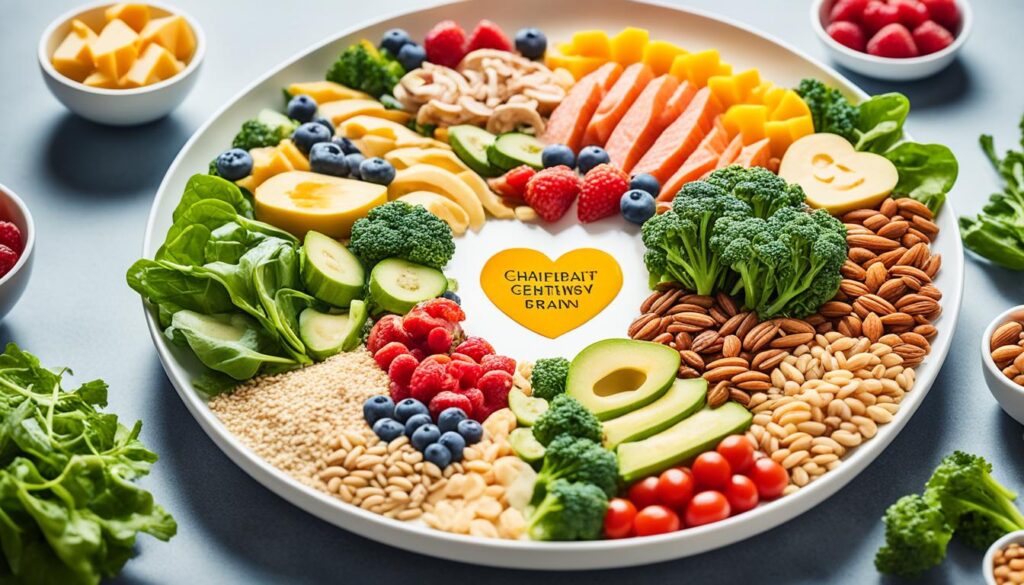
Avocados are another fertility-boosting food. They are a great source of vitamin K, potassium, folate, and monounsaturated fats. These nutrients support reproductive health and embryo development.

Quinoa, a versatile whole grain, is an excellent addition to your fertility-boosting diet. It is a carb-free source of protein, zinc, and folic acid, which are crucial for prenatal protection and fetal growth.

When it comes to dairy products, opt for Greek yogurt and cheeses. They provide calcium, probiotics, and vitamin D, all of which can improve ovulation and support fertility.

Salmon, rich in omega-3 fatty acids and protein, is a fantastic choice for enhancing fetal development. It has also been linked to higher semen levels in men.

For a vegetable that offers a multitude of fertility-boosting benefits, look no further than asparagus. It is packed with folic acid, zinc, selenium, and other vitamins that strengthen reproductive health and hormone balance.

Don’t forget about walnuts! These nuts are packed with omega-3s and omega-6s, which improve brain functions, hormone regulation, and semen health.

Last but not least, egg yolks are a nutrient powerhouse. They contain vitamin B, omega-3s, and folic acid, all of which are essential for red blood cell production and embryo development.

By incorporating these fertility-boosting foods into your diet, you can give yourself the best possible chance of getting pregnant. Remember, a healthy diet is just one piece of the fertility puzzle, but it’s an important one.

FAQ

How can incorporating healthy fats into my diet improve fertility?

Incorporating healthy fats into your diet can have a significant impact on your fertility. Certain nutrition and lifestyle choices, such as eating fewer refined carbs, getting moderate exercise, and reducing stress, may help improve fertility and increase the chances of conception. Foods rich in antioxidants, like fruits, vegetables, nuts, and grains, can improve fertility for both men and women. A larger breakfast, avoiding trans fats, and eating fewer refined carbs are also beneficial for fertility. Fiber-rich foods, protein from vegetable sources, and high-fat dairy products can improve reproductive health. Additionally, taking a multivitamin, staying active, managing stress levels, limiting caffeine intake, maintaining a healthy weight, and checking iron levels can all contribute to boosting fertility.

What kind of fats should I consume for fertility?

While it is important to limit unhealthy fats, such as saturated fats and trans fats, in your diet, healthy fats play a crucial role in fertility. Saturated fats, found in animal products, should be consumed in sensible quantities as they contain cholesterol, which is needed for reproductive hormone production. Trans fats, commonly found in processed foods, should be eliminated completely as they have negative effects on insulin sensitivity and can lead to ovulatory dysfunction. On the other hand, polyunsaturated and monounsaturated fats are considered “good fats” and offer numerous benefits. Polyunsaturated fats, such as omega-3 fatty acids, reduce cholesterol levels, lower blood pressure, and reduce inflammation, which can positively impact fertility. These fats can be found in vegetable oils, nuts, seeds, and fatty fish. Monounsaturated fats, found in foods like olives, olive oil, avocados, and canola oil, help balance hormones and should be consumed in moderation.

What are some fertility-boosting foods and nutrients?

Incorporating certain foods into your diet can actively boost your fertility. Beans and lentils are high in fiber and protein, helping improve ovulation, while also providing essential nutrients like folic acid. Sunflower seeds are rich in vitamin E, zinc, folic acid, and selenium, all of which have positive effects on fertility. Fruits, particularly berries, are packed with antioxidants, vitamin C, and folic acid, which aid in healthy fetal growth after conception. Avocados are a great source of vitamin K, potassium, folate, and monounsaturated fats, all of which support reproductive health and embryo development. Quinoa, a whole grain, is a carb-free source of protein, zinc, and folic acid, crucial for prenatal protection and fetal growth. Greek yogurt and cheeses provide calcium, probiotics, and vitamin D, improving ovulation and supporting fertility. Salmon, rich in omega-3 fatty acids and protein, enhances fetal development and raises semen levels in men. Asparagus is a powerhouse food, offering folic acid, zinc, selenium, and other vitamins that strengthen reproductive health and hormone balance. Walnuts, packed with omega-3s and omega-6s, improve brain functions, hormone regulation, and semen health. Egg yolks contain vitamin B, omega-3s, and folic acid, essential for red blood cell production and embryo development. Incorporating these fertility-boosting foods into your diet can significantly enhance your chances of getting pregnant.

Your Post-Baby Nutrition Guide: Eating Right for Recovery

post-baby nutrition guide

Imagine this: after months of anticipation, the moment finally arrives. You hold your beautiful baby in your arms, overwhelmed with love and joy. But amidst the bliss, you realize that your body has gone through a tremendous journey. It’s been stretched, pushed, and exhausted. Now, as you embark on your postpartum recovery, nourishing your body with the right foods becomes paramount.

Postpartum nutrition is not just about losing weight or fitting into your pre-pregnancy jeans. It’s about giving your body the nutrients it needs to heal, recover, and provide the energy necessary to care for your little one. From breastfeeding to replenishing your iron stores, the food you eat plays a significant role in your overall well-being.

So, where do you start? How can you ensure you’re eating right to nourish and rejuvenate your body? In this post-baby nutrition guide, we’ll explore the importance of postpartum nutrition, provide you with a sample meal plan, and offer tips for weight loss after childbirth.

To kick things off, let’s delve deeper into why postpartum nutrition is so vital. Understanding the link between what you eat and your recovery will empower you to make the best choices for yourself and your baby. Are you ready? Let’s get started!

Why Is Postpartum Nutrition So Important?

Postpartum nutrition plays a crucial role in speeding up recovery after childbirth. A nutrient-dense diet with complex carbs, fiber, healthy fats, and protein can help heal the body, prevent bone loss, replenish iron stores, and prevent hemorrhoids. It also supports milk production for breastfeeding mothers. Eating well-balanced meals can provide the energy needed for the demanding role of a new mom. Indulging in occasional treats is acceptable, but it’s generally recommended to continue eating healthy.

During the postpartum period, your body undergoes significant changes and requires proper nourishment to recover effectively. Here are some key reasons why postpartum nutrition is so important:

  1. Speed recovery: A nutrient-dense diet helps your body heal faster after childbirth. Essential nutrients, such as vitamins, minerals, and antioxidants, support tissue repair and reduce inflammation.
  2. Boost energy: Being a new mom can be physically and emotionally demanding. Consuming nutrient-rich foods provides the energy necessary to meet these challenges.
  3. Support breastfeeding: If you’re breastfeeding, your nutritional needs are even higher. Consuming a well-balanced diet ensures that you’re producing an adequate milk supply for your baby.
  4. Heal the body: Certain nutrients, like protein, iron, and zinc, play a crucial role in repairing and replenishing your body’s tissues and cells.
  5. Promote milk production: Nutrient-rich foods help stimulate milk production and maintain a steady supply of breast milk.
  6. Enhance overall well-being: Eating a healthy diet can improve your mood, reduce postpartum depression symptoms, and support your physical and mental well-being.

“Nutrient-dense meals help your body heal, replenish nutrients, and provide the energy you need as a new mom.”

A well-planned postpartum diet should include a variety of foods from all food groups. It’s important to focus on whole, nutrient-rich foods and limit processed and sugary options. Here are some examples of foods that can be included in a postpartum meal plan:

Meal Food Options
Breakfast Oatmeal with fruits and nuts
Lunch Tuna salad with whole grain bread and a side of salad
Dinner Chicken stir-fry with various colorful vegetables and whole grain rice
Snacks Yogurt with berries, mixed nuts, and vegetable sticks with hummus

Remember to stay hydrated by drinking plenty of water throughout the day, especially if you’re breastfeeding. If you have any specific dietary concerns or questions, it’s always best to consult with a healthcare provider or a registered dietitian who specializes in postpartum nutrition.

Postpartum Diet and Weight Loss

After childbirth, it’s natural to want to shed some of the extra weight gained during pregnancy. However, it’s important to approach postpartum weight loss with patience and prioritize your overall health. Crash diets and quick-fix solutions can be harmful and may hinder your recovery from childbirth.

A healthy postpartum diet focuses on healing your body and providing the essential nutrients it needs. Incorporate a well-balanced selection of foods into your meals, including fresh fruits, vegetables, lean proteins, healthy fats, and whole grains. These foods will nourish your body and support your weight loss goals.

Hydration is key, especially if you’re breastfeeding. Drinking plenty of fluids helps replenish your body and supports milk production. Aim for gradual, sustainable weight loss of about 1 pound per week or 4 pounds per month. This ensures that your body has the necessary energy to recover while shedding the extra pounds.

Remember, regular exercise plays an important role in postpartum weight loss as well. Engage in physical activities that you enjoy and are suitable for your postpartum recovery. Start with gentle exercises and gradually increase intensity as your body becomes stronger. A combination of cardiovascular exercises, strength training, and pelvic floor exercises can help you regain strength, improve your fitness levels, and support your weight loss journey.

FAQ

Is postpartum nutrition important for recovery?

Yes, postpartum nutrition is crucial for speeding up recovery after childbirth. Eating the right foods can help heal the body, replenish nutrients, and prevent complications.

How can postpartum nutrition boost energy levels?

A nutrient-dense diet with complex carbohydrates, fiber, healthy fats, and protein can provide the energy needed for the demanding role of a new mom. It helps combat fatigue and keeps energy levels stable throughout the day.

Does postpartum nutrition support breastfeeding?

Yes, a nutritious diet supports milk production for breastfeeding mothers. Certain foods and nutrients like iron, calcium, and omega-3 fatty acids are particularly important for breastfeeding moms.

What should a postpartum diet include?

A postpartum diet should include a variety of fruits, vegetables, lean protein, healthy fats, and whole grains. These foods provide essential nutrients for healing and replenishing the body after childbirth.

Is it necessary to drink plenty of fluids during the postpartum period?

Staying hydrated is crucial during the postpartum period, regardless of breastfeeding status. Drinking plenty of fluids helps with milk production, supports overall health, and aids in recovery.

How can a postpartum diet aid in weight loss?

A balanced postpartum diet, along with regular exercise, can help with gradual and healthy weight loss. It provides the necessary nutrients for the body while promoting fat burning and muscle toning.

What is a safe rate of weight loss after pregnancy?

It is recommended to aim for a weight loss of 1 pound per week or 4 pounds per month after pregnancy. Slow and gradual weight loss is healthier and more sustainable in the long run.

Can I indulge in occasional treats in my postpartum diet?

Yes, indulging in occasional treats is acceptable, as long as the overall diet remains balanced and nutritious. It’s important to prioritize healing and providing essential nutrients but also enjoy food in moderation.

Do I need postpartum vitamins?

The need for postpartum vitamins varies depending on individual circumstances. It’s best to consult with a healthcare provider who can assess your specific needs and recommend any necessary supplements.

Boosting Your Fertility Naturally: Effective Enhancers for Aspiring Parents

natural fertility enhancers

Emma and James had been trying to conceive for over a year without success. They were frustrated and began to feel anxious about their ability to start a family. They had tried various methods and fertility treatments, but nothing seemed to work.

Feeling disheartened, Emma decided to do some research on natural ways to boost fertility. She stumbled upon several articles discussing the benefits of natural fertility enhancers and their positive impact on pre-pregnancy health. Intrigued, she shared her findings with James, and they decided to give it a try.

They started incorporating recommended supplements like Folate, Iron, and Vitamin D into their daily routine. They also made changes to their lifestyle, focusing on eating a healthy diet rich in nutrients that support fertility. Emma and James found comfort in knowing they were actively working towards improving their chances of conceiving.

After several months of following their new fertility regimen, Emma and James were thrilled to discover that they were expecting their first child. The news filled them with joy and gratitude for the natural fertility enhancers that had played a vital role in their journey to parenthood.

If you’re an aspiring parent looking to boost your fertility naturally, there are several effective enhancers that can optimize your pre-pregnancy health and improve your chances of conceiving. In this article, we will explore the benefits of these natural fertility enhancers and provide guidance on how to incorporate them into your routine. Remember to always consult with your doctor before starting any supplement regimen to ensure it’s safe and suitable for your specific needs.

Why More Women Are Getting Pregnant in Their 30s

The trend of women getting pregnant in their 30s has been on the rise in recent years. There are several reasons for this shift, including financial considerations, health implications, social norms, and increased awareness of assisted reproductive technologies.

Many women delay childbearing due to wanting to have more financial stability before starting a family and earning a higher salary. The desire to establish a stable career before starting a family has become a social norm, leading to delayed childbearing.

Furthermore, concerns about access to prenatal care and fertility treatments have influenced the decision to delay pregnancy. The impact of COVID-19 has also contributed to the desire for women to wait until the situation is more stable.

“Delaying pregnancy allows women to focus on their careers and achieve financial security, which is a priority for many aspiring parents. However, it’s important to consider the potential health implications of getting pregnant in your 30s.”

Despite the risks associated with getting pregnant in your 30s, advancements in assisted reproductive technologies have provided women with more options for achieving pregnancy later in life. Technologies like egg freezing have expanded the window of opportunity for conceiving.

It’s crucial to note that while getting pregnant in your 30s may come with certain challenges, it is still possible to conceive and have a healthy pregnancy at this age. It’s important to prioritize preconception health and consult with healthcare professionals to optimize the chances of a successful pregnancy.

Factors Influencing the Rise in Pregnancy in the 30s

Various factors have contributed to the increasing number of women choosing to have children in their 30s. These factors include:

  • Financial considerations and the desire for financial stability before starting a family.
  • Social norms surrounding establishing a stable career before having children.
  • Increased awareness and access to assisted reproductive technologies like egg freezing.
  • Concerns about access to prenatal care and fertility treatments.

By understanding these factors and considering individual circumstances, women can make informed decisions about their fertility journey.

Reasons for Getting Pregnant in 30s Percentage
Financial considerations and career stability 42%
Desire for personal growth and self-development 30%
Increase in availability and awareness of assisted reproductive technologies 18%
Concerns about access to prenatal care and fertility treatments 10%

The Impact of Lifestyle Factors on Fertility

Lifestyle factors can significantly influence fertility in both men and women. Understanding how age, nutrition, and exercise relate to fertility can help individuals make informed decisions on their journey towards parenthood.

Age and Fertility

Age plays a crucial role in fertility, affecting both men and women. As individuals get older, their reproductive health naturally declines. Women experience a decline in egg quantity and quality, leading to decreased fertility and an increased risk of complications during pregnancy. Similarly, men may experience reduced sperm quality and quantity as they age, impacting their fertility. It is essential for individuals to be aware of these age-related factors and consider them when planning for pregnancy.

Nutrition and Fertility

Nutrition is another vital factor that can impact fertility. Consuming a healthy and balanced diet is crucial for optimizing reproductive health. A diet rich in carbohydrates, fiber, folate, and antioxidants can positively affect fertility in both men and women. These nutrients support hormonal balance and the production of healthy eggs and sperm. On the other hand, diets high in trans fats and animal protein have been linked to decreased fertility in some studies. It is beneficial for individuals to prioritize a nutrient-rich diet to enhance their chances of conceiving.

Exercise and Fertility

Regular exercise is not only beneficial for overall health but also plays a role in fertility. Maintaining a healthy weight through physical activity can positively impact reproductive well-being. Exercise helps regulate hormonal balance, improves blood flow to the reproductive organs, and reduces stress levels. However, excessive exercise or intense training may have the opposite effect and impede fertility. Striking a balance with moderate, regular exercise can help optimize fertility potential.

Other lifestyle factors, such as avoiding smoking, excessive alcohol and caffeine consumption, and managing stress levels, also influence fertility. These factors can disrupt hormonal balance, decrease sperm quality, and impair reproductive function. Addressing these lifestyle factors can contribute to a healthy fertility journey.

It’s important to note that while lifestyle factors can impact fertility, they are not the sole determining factor. Each individual and couple’s circumstances may vary, and seeking professional advice is always recommended for personalized guidance.

Image:
lifestyle-factors-and-fertility

Conclusion

Enhancing fertility through natural methods and lifestyle modifications can significantly optimize pre-pregnancy health and increase the chances of conception. By incorporating recommended supplements like Folate and Vitamin D while avoiding harmful ones such as Red Clover and Dong Quai, individuals and couples can enhance their fertility potential.

Understanding the factors behind the growing trend of women getting pregnant in their 30s, such as financial considerations, health implications, social norms, and awareness of assisted reproductive technologies, provides valuable insights into the choices and options available to aspiring parents. Each fertility journey is unique, and seeking professional advice is crucial in determining the most suitable approach.

With the right lifestyle choices, including a healthy diet, regular exercise, avoiding harmful habits, and managing stress, aspiring parents can optimize their chances of conceiving and embark on the remarkable journey to parenthood.

FAQ

What are some natural fertility enhancers?

Some recommended natural fertility enhancers include Folate, Iron, Vitamin D, Vitamin C, Magnesium, Vitamin B12, and Choline.

Which supplements should be avoided for enhancing fertility?

It is recommended to avoid supplements like Red Clover, Dong Quai, Black Cohosh, Blue Cohosh, Yohimbe, Licorice, Goldenseal, and high doses of vitamin A and E for enhancing fertility.

Why are more women getting pregnant in their 30s?

The reasons for the trend of more women getting pregnant in their 30s include financial considerations, health implications, social norms, and increased awareness of assisted reproductive technologies.

How do lifestyle factors impact fertility?

Lifestyle factors such as age, nutrition, exercise, smoking, alcohol and caffeine consumption, and stress management can have a significant impact on fertility for both men and women.

Can I boost my fertility naturally?

Yes, by using natural fertility enhancers and making lifestyle modifications, you can effectively boost your fertility and improve your chances of conception.

Pre-Pregnancy Vaccinations: What You Need to Know to Protect Your Future Baby

vaccinations before pregnancy

Imagine this: you’ve been dreaming of starting a family and are eagerly preparing for the moment you’ll hold your precious little one in your arms. You’ve been reading pregnancy books, decorating the nursery, and imagining all the joy that awaits.

But as you embark on this incredible journey, it’s essential to take proactive steps to safeguard the health of both you and your future baby. One crucial way to do that is by ensuring you have the necessary vaccinations before pregnancy.

Just as you would baby-proof your home, pre-pregnancy vaccinations can help protect your future baby from serious diseases. According to the Centers for Disease Control and Prevention (CDC), certain vaccines can provide early protection for your baby and prevent complications and adverse pregnancy outcomes.

So, what are these pre-pregnancy vaccines you need to be aware of?

Vaccinations Recommended Before Pregnancy

Before becoming pregnant, it is important to ensure that certain vaccinations are up to date. Pre-pregnancy vaccinations play a crucial role in protecting the health of both the mother and the baby. By staying immunized, you can reduce the risk of contracting and transmitting serious diseases during pregnancy.

Flu Shot

The flu shot is highly recommended before pregnancy as influenza can have severe consequences for both the pregnant individual and the developing baby. Influenza during pregnancy can increase the risk of complications such as preterm labor and low birth weight. By receiving the flu shot, you can protect yourself and your baby from the potentially harmful effects of the flu virus.

MMR Vaccine

The MMR vaccine, which provides protection against measles, mumps, and rubella, should ideally be administered at least one month prior to pregnancy. If you have not received the MMR vaccine as a child or if your vaccination status is unclear, it is important to consult with your healthcare provider. Measles, mumps, and rubella can lead to serious complications, including birth defects and pregnancy loss, making the MMR vaccine an essential pre-pregnancy immunization.

HPV Vaccine

The HPV vaccine is a key preventive measure against sexually transmitted infections, including high-risk types of human papillomavirus (HPV) that can cause cervical cancer. If you have not received the HPV vaccine or completed the full series of doses, it is advisable to do so before getting pregnant. Protecting yourself against HPV can reduce the risk of developing cervical cancer and safeguard the health of your future child.

Other Recommended Vaccinations

In addition to the flu shot, MMR vaccine, and HPV vaccine, there are other vaccinations that may be recommended before pregnancy based on individual risk factors. These include:

  • Varicella (chickenpox) vaccine
  • Pneumonia vaccine
  • Meningitis vaccine
  • Hepatitis A and B vaccines
  • Hib (Haemophilus influenzae type b) vaccine
  • Tdap (Tetanus, diphtheria, and pertussis) vaccine

Consulting with your healthcare provider will help determine which vaccinations are necessary in your specific situation. These pre-pregnancy vaccinations are essential in protecting against serious diseases that can harm both the mother and the baby.

Vaccine Timing Description
Flu Shot Before or during pregnancy Protects against influenza virus
MMR Vaccine At least one month before pregnancy Provides protection against measles, mumps, and rubella
HPV Vaccine Before pregnancy Prevents HPV infections that can cause cervical cancer
Varicella (Chickenpox) Vaccine Before pregnancy Prevents chickenpox infection
Pneumonia Vaccine Before pregnancy Protects against pneumonia-causing bacteria
Meningitis Vaccine Before pregnancy Provides protection against meningococcal infection
Hepatitis A and B Vaccines Before pregnancy Prevents hepatitis A and B infections
Hib (Haemophilus influenzae type b) Vaccine Before pregnancy Protects against Hib infection
Tdap Vaccine Before pregnancy Provides protection against tetanus, diphtheria, and pertussis

Vaccinations Recommended During Pregnancy

The Centers for Disease Control and Prevention (CDC) strongly advises pregnant individuals to receive two essential vaccinations for their health and the well-being of their babies. These vaccinations are the flu shot and the Tdap vaccine. The flu shot can be administered before or during pregnancy, based on the flu season. Protecting against the flu during pregnancy is crucial, as it can lead to complications and adverse outcomes. On the other hand, the Tdap vaccine, given between 27 and 36 weeks of pregnancy, safeguards against tetanus, diphtheria, and pertussis (whooping cough). While ensuring the safety of the pregnant individual, this vaccine also provides vital protection to the newborn in their early months.

Additional vaccinations may be recommended during pregnancy, depending on the individual’s risk factors. These include hepatitis A and B, meningitis, pneumonia, and Td vaccination. It is crucial for pregnant individuals to consult their healthcare providers about these vaccinations to ensure the safest and healthiest pregnancy possible for both the mother and the baby.

FAQ

Why is it important to receive vaccinations before pregnancy?

Getting vaccinated before pregnancy can help protect both the mother and the baby from serious diseases.

Which vaccinations should I ensure are up to date before becoming pregnant?

It is recommended to have the flu shot and the MMR vaccine before pregnancy. Other vaccinations may be recommended based on individual risk factors.

Can I receive the flu shot and Tdap vaccine during pregnancy?

Yes, both the flu shot and Tdap vaccine are safe and important to receive during pregnancy to protect yourself and your baby.

When should I get the flu shot during pregnancy?

The flu shot can be given before or during pregnancy, depending on whether or not it is flu season. Discuss with your healthcare provider for the best timing.

When should I get the Tdap vaccine during pregnancy?

The Tdap vaccine should be administered between 27 and 36 weeks of pregnancy to provide crucial protection to the newborn.

Are there any other vaccinations recommended during pregnancy?

Additional vaccinations like hepatitis A and B, meningitis, pneumonia, and Td vaccination may be recommended based on individual risk factors.

Can I receive vaccinations immediately after giving birth?

Yes, it is safe to receive vaccinations immediately after giving birth, even while breastfeeding.

Why is the HPV vaccine important before pregnancy?

The HPV vaccine helps prevent sexually transmitted infections, including certain types of HPV that can cause cervical cancer.

What are some other pre-pregnancy vaccinations that may be recommended?

Other vaccinations like varicella (chickenpox), pneumonia, meningitis, hepatitis A and B, Hib, and Tdap may be recommended based on individual risk factors.

When should I receive the MMR vaccine before pregnancy?

The MMR vaccine should be received at least one month before pregnancy if not already received as a child.

Healing Post-Birth: Essential Care Tips for New Moms

healing post-birth

Imagine this: after hours of labor, you finally hold your sweet baby in your arms. The overwhelming joy and love fill your heart, but along with it comes the physical toll that giving birth takes on your body. As a new mom, it’s important to prioritize your healing and postpartum care to ensure a smoother recovery journey.

Whether you had a vaginal birth or a cesarean section, your body needs time to heal and rejuvenate. To aid in your recovery, it’s essential to have the right postpartum care items on hand. From postpartum care kits to disposable underwear, nursing bras to ice packs, these items are designed to provide comfort and support during this delicate time. They contribute to healing and promote overall well-being after giving birth.

Healing post-birth involves not only physical but also emotional care. The postpartum period can be a rollercoaster of emotions, with hormonal changes and adjusting to your new role as a mom. Taking care of your mental well-being is just as important as taking care of your physical health. It’s normal to experience mood swings, fatigue, and even feelings of sadness or anxiety, often referred to as the baby blues.

As you embark on this incredible journey of motherhood, we are here to guide you through essential tips for healing post-birth and caring for yourself during the postpartum period. Taking care of your well-being is crucial, not only for yourself but also for the well-being of your baby. So, let’s dive in and explore the steps you can take to ensure a smoother healing and recovery process.

Tips for Healing and Recovery After Birth

The postpartum period is a time for new moms to focus on their healing and well-being. Rest is incredibly important during this time, and it’s recommended to take advantage of any opportunity to sleep when the baby sleeps. Accepting help from friends and family can also contribute to getting the rest needed. Good nutrition is vital for recovery, and it’s important to eat a healthy and balanced diet that includes whole grains, vegetables, fruits, and protein. Additionally, maintaining some form of exercise, such as taking walks, can boost mood and energy levels. It’s common for new moms to experience mood swings and negative feelings, known as the baby blues. These symptoms usually subside after two weeks, but if they persist, it may be a sign of postpartum depression which requires medical treatment.

Taking care of yourself and reaching out for support during this time is crucial for a successful healing and recovery journey.

Rest Is Vital

One of the most important aspects of healing and recovery after birth is getting enough rest. Sleep deprivation can impact your physical and mental well-being, making it more difficult to recover. It’s important to prioritize rest and take advantage of any opportunity to sleep when your baby sleeps. Consider creating a comfortable sleep environment, such as using blackout curtains, playing soothing music, or using a white noise machine to block out any distractions. Accepting help from friends and family can also give you the chance to catch up on rest.

Nutrition for Recovery

Eating a healthy and balanced diet is crucial for your recovery after giving birth. Your body needs proper nourishment to heal and regain strength. Include a variety of foods in your diet, focusing on whole grains, vegetables, fruits, and protein sources. Avoid processed foods and sugary snacks, as they can negatively impact your energy levels and mood. If you’re breastfeeding, it’s important to consume enough calories and stay hydrated to support milk production.

Self-Care and Baby Blues

It’s common for new moms to experience mood swings and negative feelings, commonly known as the baby blues. These feelings usually subside after a couple of weeks as hormone levels stabilize. However, if you continue to experience persistent feelings of sadness, anxiety, or hopelessness, it may be a sign of postpartum depression. It’s important to reach out for support from your healthcare provider. In addition to seeking professional help, practicing self-care activities can also help improve your mood and well-being. Take time for yourself, engage in activities that bring you joy, and connect with loved ones for emotional support.

Exercise for Mood and Energy

Engaging in regular physical activity can have a positive impact on your mood and energy levels. While strenuous exercise may not be recommended right after giving birth, light activities like taking walks or practicing gentle postpartum exercises can be beneficial. Talk to your healthcare provider about when it is safe to resume exercise, and start gradually. Remember to listen to your body and stop if you experience any pain or discomfort.

Support and Resources

Remember, you don’t have to go through the postpartum period alone. Reach out for support from friends, family, and other new moms who can relate to what you’re going through. Online communities and support groups can also provide valuable resources and a sense of connection. Don’t hesitate to seek professional help if you’re struggling with your mental health. There are resources available to help you navigate postpartum depression and other challenges that may arise.

Rest Nutrition Self-Care Baby Blues Postpartum Depression
Get enough rest and take advantage of sleep opportunities. Eat a healthy and balanced diet with whole grains, vegetables, fruits, and protein. Practice self-care activities and connect with support systems. Mood swings and negative feelings are common, usually subsiding after a few weeks. If symptoms persist, seek medical treatment for postpartum depression.

Self-Care and Support for New Parents

New parents often find themselves overwhelmed with the demands of caring for a newborn. It’s important to prioritize self-care during this time. Following your doctor’s advice, getting as much rest as possible, eating healthy meals, and exercising within the recommended guidelines are all essential for your well-being.

It’s also important to accept help from friends, family, or professional caregivers to assist with household responsibilities. Having support and assistance allows new parents to focus on bonding with their baby and taking care of themselves. Establishing clear communication and expectations with helpers can prevent misunderstandings and provide a smoother transition into parenthood.

Remember, taking care of yourself is vital for your own healing and for providing the best care for your baby. By prioritizing self-care, getting enough rest, following a nutritious diet, and seeking assistance when needed, you can navigate the joys and challenges of new parenthood with greater ease.

FAQ

What are the essential items for postpartum care?

Some essential items for postpartum care include postpartum care kits, disposable postpartum underwear, nursing bras, sturdy maxi pads, ice packs, witch hazel pads, stool softeners, breast pads, a large water bottle, and peri rinse bottles.

How important is rest during the postpartum period?

Rest is crucial during the postpartum period. It is recommended to take advantage of any opportunity to sleep when the baby sleeps.

What should I eat for a healthy postpartum recovery?

It is crucial to eat a healthy and balanced diet that includes whole grains, vegetables, fruits, and protein for a healthy postpartum recovery.

Can exercise help with postpartum healing?

Yes, maintaining some form of exercise, such as taking walks, can boost mood and energy levels during the postpartum period.

What are the baby blues and how long do they typically last?

The baby blues are mood swings and negative feelings commonly experienced by new moms. They usually subside after two weeks.

When should I seek medical treatment for postpartum depression?

If the symptoms of postpartum depression persist beyond two weeks, it is recommended to seek medical treatment.

How can I prioritize self-care as a new parent?

Prioritizing self-care as a new parent involves following doctor’s advice, getting as much rest as possible, eating healthy meals, and exercising within recommended guidelines.

Is it okay to accept help from others after giving birth?

Yes, it is important to accept help from friends, family, or professional caregivers after giving birth to assist with household responsibilities.

What is the importance of support for new parents?

Support for new parents is crucial as it allows them to focus on bonding with their baby and taking care of themselves.

How can clear communication with postpartum helpers benefit new parents?

Establishing clear communication and expectations with postpartum helpers can prevent misunderstandings and provide a smoother transition into parenthood.