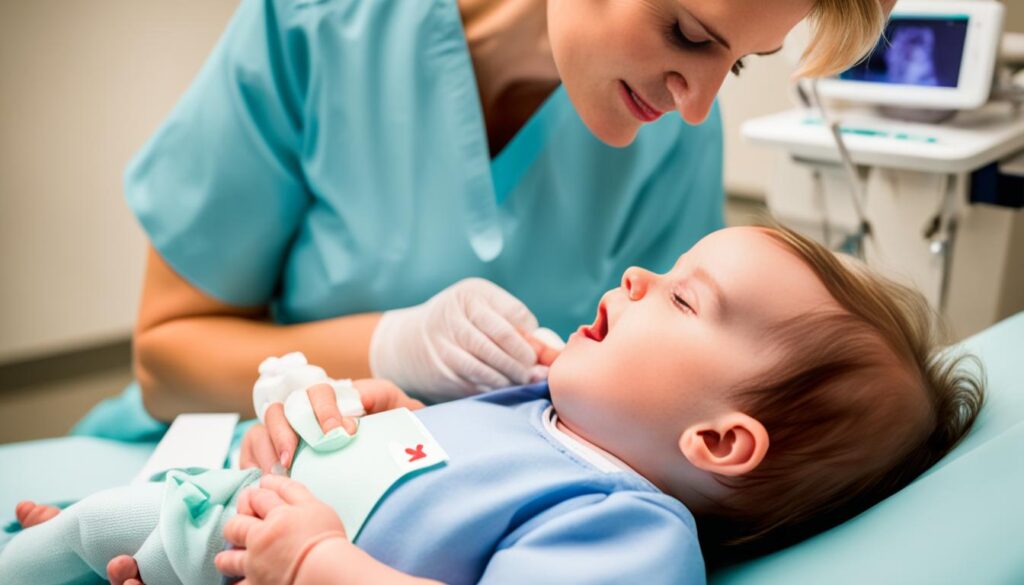
Embracing Your Postpartum Body: Image Positivity and Acceptance

postpartum body image

Imagine this: You’ve just given birth to a beautiful, healthy baby. The joy and love you feel are overwhelming, but as you catch a glimpse of yourself in the mirror, a wave of self-doubt washes over you. Your body has changed, stretched, and transformed during pregnancy, and you’re unsure how to embrace these new changes.

Many new mothers find themselves feeling dissatisfied with their postpartum body image. In fact, a study published in the Archives of Women’s Mental Health found that over half of pregnant and postpartum women reported feelings of dissatisfaction with their bodies.

These women expressed a desire for more body image education during their prenatal care to help them anticipate, accept, and embrace the changes that occur during the perinatal period. The journey to self-love and body positivity as a new mom is not always easy, but with the right support and mindset, it is possible.

In the following sections, we will explore practical strategies for setting realistic expectations, promoting physical well-being, and cultivating body positivity and self-love as a mom. By the end of this article, you’ll have the tools and guidance you need to navigate this transformative time with confidence and grace.

Setting Realistic Expectations and Promoting Physical Well-being

During and after pregnancy, it is essential for women to have realistic expectations for their appearance and function. The American Congress of Obstetricians and Gynecologists (ACOG) provides guidelines for healthy weight gain based on pre-pregnancy weight. Gaining weight during pregnancy is normal and necessary for the well-being of both the mother and the baby. It is important for women to understand that they should not feel pressured to quickly return to their pre-pregnancy weight.

One common change that many women experience during pregnancy is skin changes, such as stretch marks. While these changes are natural, regular moisturizing can help minimize their appearance.

Another issue that women may face during and after pregnancy is a leaking bladder, known as stress urinary incontinence. Thankfully, there are exercises, dietary modifications, and non-surgical treatments available to manage this condition.

Engaging in postpartum exercise is not only beneficial for physical well-being but also for preparing the body for childbirth. Pelvic floor strengthening and gentle yoga are great options for postpartum exercise.

Joining moms’ groups or postpartum support groups can provide a valuable sense of community and support during the postpartum period. Connecting with other moms who may be experiencing similar changes and challenges can be highly beneficial.

It is crucial to limit exposure to unrealistic postpartum body expectations on social media. Influencers may promote nonmedical products that promise quick fixes, but it is important to remain cautious and seek professional advice before using such products. Fostering a positive body image involves being well-informed about the changes that occur during pregnancy and the postpartum period. This education can be provided through prenatal care, where healthcare providers can offer guidance and support.

Healthy Weight Gain during Pregnancy Skin Changes Leaking Bladder Postpartum Exercise Moms’ Groups and Support Groups Social Media Influence Nonmedical Products Body Image Education
Follow ACOG guidelines for healthy weight gain based on pre-pregnancy weight. Minimize the appearance of stretch marks through regular moisturizing. Manage stress urinary incontinence with exercises, dietary modifications, and non-surgical treatments. Engage in postpartum exercise like pelvic floor strengthening and gentle yoga. Join moms’ groups or postpartum support groups for community and support. Avoid exposure to unrealistic postpartum body expectations on social media. Be cautious of nonmedical products promoted by influencers. Receive body image education during prenatal care to anticipate and accept changes.

Cultivating Body Positivity and Self-Love as a Mom

Embracing body positivity and self-love as a mom is crucial for your mental and emotional well-being. Take a moment to recognize and celebrate the incredible capabilities of your body – from creating and sustaining life to engaging in physical activities. By shifting your focus away from perceived imperfections and instead appreciating what your body can do, you can foster a positive body image.

Gratitude plays a powerful role in cultivating body positivity. Practice gratitude for all the ways your body supports and serves you. Be mindful of the miracle of life that you have brought into the world. When you genuinely appreciate your body, it becomes easier to embrace the changes that come with motherhood and to find joy in the unique journey you’re on.

Avoid falling into the trap of comparison, especially with the unrealistic standards set by celebrities and social media influencers. Remember that everyone’s circumstances are different, and comparing yourself to others only hinders your journey towards self-love. Stay grounded in your own journey, focusing on your own progress and growth.

Don’t hesitate to discuss any body image concerns with your prenatal care provider. They can offer valuable support and guidance tailored to your individual experience. Seeking professional help from psychologists or counselors who specialize in body image and self-esteem can also provide you with the tools and strategies you need to cultivate body positivity and self-love as a mom. Remember, with time, acceptance, and self-care, you can learn to fully embrace your postpartum body and appreciate the beautiful changes that motherhood has bestowed upon you.

FAQ

How does perinatal body dissatisfaction affect maternal and fetal health?

Perinatal body dissatisfaction can lead to a higher risk of perinatal depression in women who are unhappy with their body image. It is important to prioritize body image education during prenatal care to help women anticipate, accept, and embrace body changes during the perinatal period.

What are some realistic expectations for appearance and function during and after pregnancy?

It is important to understand healthy weight gain during pregnancy and not feel pressured to quickly return to pre-pregnancy weight. Skin changes, such as stretch marks, are common and can be minimized with regular moisturizing. Leaking bladder, known as stress urinary incontinence, is also common but can be managed with exercises, dietary modifications, and non-surgical treatments.

How can postpartum exercise promote physical well-being?

Engaging in postpartum exercise, such as pelvic floor strengthening and gentle yoga, can help women prepare for childbirth and promote physical well-being. Joining moms’ groups or postpartum support groups can also provide a valuable sense of community and support.

How can I foster body positivity and self-love as a mom?

It is essential to recognize and celebrate what the body is capable of, from creating and sustaining life to engaging in physical activities. Practicing gratitude for all that the body does and being mindful of the miracle of life can help foster a positive body image. Avoiding comparison to others, openly discussing body image concerns with a prenatal care provider, and seeking professional help when needed are also important in cultivating body positivity and self-love as a mom.

How can I limit exposure to unrealistic postpartum body expectations?

Limiting exposure to unrealistic postpartum body expectations on social media and avoiding nonmedical products promoted by influencers is important in fostering a positive body image. It is important to focus on realistic expectations and surround yourself with a supportive community.

When should I seek professional support for body image concerns?

If you are struggling with body image concerns during pregnancy or postpartum, it is important to discuss them with your prenatal care provider. They can provide valuable support and guidance. Additionally, seeking professional help from psychologists or counselors who specialize in body image and self-esteem can provide additional tools and strategies for cultivating body positivity and self-love as a mom.


Environmental Health and Fertility: Minimizing Exposure to Toxins Before Pregnancy

environmental health fertility

Prioritizing environmental health is a crucial aspect of ensuring optimal fertility for couples planning to start a family. The impact of environmental toxins on reproductive health, including fertility, cannot be overstated. To set the stage for our discussion, let me share a relatable story.

Meet Sarah and Mark, a couple who had been trying to conceive for over a year without success. They were both in good health, and medical tests showed no apparent issues. Frustrated and desperate for answers, they decided to visit a reproductive health specialist.

The specialist asked them about their lifestyle and potential exposure to environmental toxins. While initially hesitant, Sarah and Mark were open to exploring all possibilities. To their surprise, the specialist explained that toxins in their environment could be affecting their fertility.

The image above highlights the relevance of minimizing exposure to toxins before pregnancy. It’s a reminder of the importance of taking proactive measures to safeguard fertility.

The specialist further explained that exposure to endocrine disrupting chemicals (EDCs) and heavy metals can disrupt the delicate balance of hormones in the body, affecting both male and female reproductive systems. Sarah and Mark learned that EDCs can be found in various common sources, such as household products and industrial chemicals.

Armed with this new knowledge, Sarah and Mark made changes to their lifestyle. They switched to non-toxic household cleaning products, opted for organic food whenever possible, and even replaced some of their plastic containers with glass alternatives.

After several months of making these changes, Sarah and Mark received the joyful news they had been longing for – Sarah was pregnant! The specialist confirmed that their efforts to minimize toxin exposure had played a significant role in their success.

This story highlights the importance of environmental health in the journey towards parenthood. In the following sections, we will delve into the specific toxins that can impact fertility and provide recommendations to help individuals minimize their exposure before pregnancy.

Impact of Endocrine Disrupting Chemicals (EDCs) on Fertility

Endocrine disrupting chemicals (EDCs) are exogenous chemicals that can contribute to female and male infertility. These chemicals can be found in various sources such as plant-derived phytoestrogens, industrial chemicals, household consumables, and pharmaceutical products.

One notable EDC, DES, was used in the past and has been linked to reproductive abnormalities and infertility in women. It is important to understand that other EDCs can disrupt the endocrine system as well. They can affect the production and distribution of hormones, leading to ovulatory dysfunction, subfertility, and polycystic ovarian syndrome (PCOS) in women.

In men, exposure to EDCs can reduce sperm quality, affecting male fertility. The impact of these chemicals on fertility is a key concern for reproductive health specialists as they work to help individuals navigate the challenges of infertility.

To further illustrate the impact of EDCs on fertility, here is a table summarizing some common endocrine disrupting chemicals and their effects:

Endocrine Disrupting Chemicals Effects
DES Reproductive abnormalities and infertility in women
Phytoestrogens Ovulatory dysfunction and subfertility in women
Industrial Chemicals Disruption of hormone production and distribution
Household Consumables Impairment of reproductive health
Pharmaceutical Products Interference with endocrine function

By understanding the impact of EDCs on fertility, healthcare professionals can educate patients on the importance of avoiding or minimizing exposure to these chemicals to mitigate the risk of infertility. The next section will explore the influence of heavy metals on fertility and the steps individuals can take to minimize their exposure for optimal reproductive health.

Influence of Heavy Metals on Fertility

Heavy metal exposure has been linked to infertility, with certain heavy metals having detrimental effects on reproductive activity. Lead, mercury, cadmium, and arsenic are among the heavy metals that can impact fertility. Understanding the risks associated with heavy metal exposure is crucial for individuals looking to conceive and maintain optimal preconception health.

Lead exposure, primarily from sources such as lead-based paints and contaminated water, has been associated with increased infertility risk, spontaneous abortion, and preterm birth. The harmful effects of lead can be especially concerning for women planning to become pregnant, as it can negatively affect both maternal and fetal health.

Mercury exposure, often through the consumption of predatory fish, can also contribute to female infertility. Mercury is a toxic heavy metal that can accumulate in the body over time, posing risks to reproductive health. Minimizing exposure to mercury is essential for individuals seeking to conceive and sustain a healthy pregnancy.

Cadmium exposure is another heavy metal that can impact fertility. Sources of cadmium can vary, including batteries, certain foods, and occupational exposure. Studies have shown that cadmium exposure can decrease oocyte fertilization rates and implantation rates, hindering the chances of successful conception and pregnancy.

Arsenic, a naturally occurring heavy metal, is associated with male factor infertility. Arsenic exposure can interfere with sperm production and function, potentially leading to reduced sperm quality and fertility issues in men.

Identifying and eliminating exposure to heavy metals is crucial for preconception health. Minimizing the risks associated with heavy metal exposure can significantly improve fertility outcomes and enhance the chances of a safe and successful pre-pregnancy journey.

Sources and Effects of Heavy Metal Exposure on Fertility

Heavy Metal Sources Effects on Fertility
Lead Lead-based paints, contaminated water Increased infertility risk, spontaneous abortion, preterm birth
Mercury Predatory fish consumption Contributes to female infertility
Cadmium Batteries, certain foods, occupational exposure Decreased oocyte fertilization rates, implantation rates
Arsenic Naturally occurring Male factor infertility, reduced sperm quality

By being aware of the potential risks associated with heavy metal exposure, individuals can take proactive measures to minimize their exposure and protect their fertility. This includes avoiding or reducing contact with known sources of heavy metals and adopting a healthy lifestyle.

heavy metals

Take Steps to Minimize Toxin Exposure for Optimal Fertility

Minimizing exposure to toxins is vital for couples who are trying to conceive. By being aware of the impact of environmental toxins on fertility, individuals can take proactive steps to reduce their exposure and improve their chances of a safe and healthy pre-pregnancy journey.

One crucial step in reducing toxin exposure is avoiding sources of endocrine disrupting chemicals (EDCs). These chemicals can be found in certain products and chemicals commonly used in our daily lives. By reading labels and opting for EDC-free alternatives, individuals can significantly reduce their exposure and protect their fertility.

In addition to avoiding EDCs, being cautious about consuming foods with high heavy metal content is essential. Certain fish, for example, can contain mercury, while some foods may carry higher levels of lead or other heavy metals. By choosing low-mercury fish options and incorporating a nutrient-rich, balanced diet, couples can optimize their preconception health and reduce the risk of heavy metal-related fertility issues.

Implementing lifestyle changes is another effective strategy for minimizing toxin exposure. Quitting smoking, for instance, not only benefits overall health but also reduces exposure to harmful chemicals that can negatively impact fertility. By making these positive lifestyle choices, couples can enhance their environmental health and improve their chances of successful conception.

FAQ

How can environmental toxins impact fertility?

Environmental toxins, such as endocrine disrupting chemicals (EDCs) and heavy metals, can disrupt the endocrine system and have a profound impact on reproductive health, including fertility. These toxins can lead to fertility issues in both men and women.

What are endocrine disrupting chemicals (EDCs) and how do they affect fertility?

Endocrine disrupting chemicals (EDCs) are exogenous chemicals found in various sources, including plant-derived phytoestrogens, industrial chemicals, household consumables, and pharmaceutical products. They can disrupt the endocrine system by affecting hormone production and distribution, leading to fertility issues such as ovulatory dysfunction, subfertility, and polycystic ovarian syndrome (PCOS) in women. In men, EDC exposure can reduce sperm quality.

Which heavy metals can affect fertility?

Heavy metals such as lead, mercury, cadmium, and arsenic have been implicated in infertility. Lead exposure, primarily from sources like lead paints and water, has been associated with increased infertility risk, spontaneous abortion, and preterm birth. Mercury exposure, mainly through predatory fish consumption, can contribute to female infertility. Cadmium exposure, which can come from various sources including batteries and certain foods, has been linked to decreased oocyte fertilization rates and implantation rates. Arsenic exposure is associated with male factor infertility.

How can couples minimize exposure to toxins before pregnancy?

Couples can take proactive steps to reduce their exposure to toxins. This includes avoiding sources of endocrine disrupting chemicals (EDCs) such as certain products and chemicals, being cautious about consuming foods with high heavy metal content, and implementing lifestyle changes such as quitting smoking. By prioritizing preconception health and minimizing toxin exposure, couples can optimize their fertility outcomes and enhance their chances of a safe and healthy pre-pregnancy journey.

A Comprehensive Nutritional Guide for Pre-Pregnancy: Eating for Fertility

pre-pregnancy nutritional guide

Are you and your partner planning to start a family? In the exciting journey towards parenthood, optimizing your nutrition plays a crucial role. A healthy diet not only boosts your overall well-being but also enhances your chances of conceiving. So, where should you start?

Meet Dr. Nicole Avena, a renowned nutrition expert and author who has dedicated her career to studying the impact of food on our bodies. In her groundbreaking book on pre-pregnancy nutrition, she offers a comprehensive guide to help couples like you on their path to parenthood. With an evidence-based approach and a 4-week plan, Dr. Avena provides valuable insights into the specific nutrients needed for fertility and pregnancy.

Imagine this: you and your partner eagerly exploring the pages of this guide, gaining knowledge about the best fertility foods, and learning how to nourish your bodies for optimal conception. With practical advice and delicious recipes, this guide empowers you to take charge of your pre-pregnancy journey.

Whether you are already on a pre-pregnancy diet or just starting to prioritize your nutrition, Dr. Avena’s guide offers valuable insights that can benefit everyone planning to have a baby. So, let’s dive in and discover the fascinating world of pre-pregnancy nutrition together!

The Role of Nutrition in Boosting Fertility

When it comes to increasing your chances of conception, nutrition plays a crucial role. Numerous studies have shown that a well-balanced diet rich in specific nutrients can enhance fertility outcomes and support reproductive health. On the other hand, poor dietary choices, such as diets high in trans fats, sugar, and animal proteins, can lead to ovulatory disorders and decreased fertility.

To optimize your chances of getting pregnant, it is essential to incorporate fertility-friendly foods into your diet. Here are some key food groups and their benefits:

Fruits and Vegetables:

Fresh fruits and vegetables are packed with essential vitamins, minerals, and antioxidants that support reproductive health. In particular, fruits and vegetables high in glutathione, such as watermelon and asparagus, have been associated with increased fertility rates.

Whole Grains:

Whole grains like brown rice and quinoa are excellent sources of complex carbohydrates. These carbohydrates help regulate blood sugar and insulin levels, which can have a positive impact on fertility. By incorporating whole grains into your diet, you can maintain stable energy levels and support reproductive health.

Protein Sources:

fertility diet

Choosing the right protein sources is crucial for fertility. Opt for lean meats, fish, and plant-based options like beans and lentils. These protein sources provide essential amino acids and are lower in saturated fats compared to animal proteins, making them a healthier choice for reproductive health.

By following a fertility-focused diet that includes these key food groups, you can optimize your nutrition and increase your chances of conception. However, it’s important to remember that every individual is unique, and consulting with a healthcare provider or fertility specialist is highly recommended to tailor your diet to your specific needs and circumstances.

Other Considerations for Pre-Pregnancy Nutrition

In addition to following a fertility-friendly diet, there are other factors to consider when it comes to pre-pregnancy nutrition. One of the most important considerations is taking prenatal vitamins. These supplements provide essential nutrients like folic acid, iron, calcium, and vitamin D that are crucial for a healthy pregnancy. They help support the development of the baby and reduce the risk of birth defects. It is recommended to start taking prenatal vitamins at least three months before trying to conceive.

Another factor to be mindful of is caffeine intake. While enjoying a cup of coffee or tea is generally safe, excessive consumption can have negative effects on fertility. Caffeine can lead to dehydration, which can affect the consistency of cervical mucus, making it more difficult for sperm to reach and fertilize the egg. It is advisable to limit caffeine intake to 200 milligrams per day, which is equivalent to one 12-ounce cup of coffee.

Alcohol should also be avoided or consumed in moderation when trying to conceive. Excessive alcohol intake can disrupt hormonal balance, interfere with fertility, and increase the risk of miscarriage. It is best to abstain from alcohol completely during the pre-pregnancy phase, and, once pregnant, it is crucial to avoid alcohol entirely throughout the pregnancy to ensure the health and well-being of the baby.

Maintaining a healthy weight is another vital consideration for pre-pregnancy nutrition. Both being underweight and overweight can negatively impact fertility and increase the risk of complications during pregnancy. It is recommended to achieve a healthy weight before attempting to conceive. Consulting with a healthcare provider and making necessary dietary adjustments can help you reach a healthy weight and optimize your reproductive health.

By considering these factors and adopting a well-rounded approach to pre-pregnancy nutrition, you can optimize your chances of getting pregnant and ensure a healthy start to your parenting journey.

FAQ

How does nutrition affect fertility?

A healthy diet plays a crucial role in boosting fertility. Certain nutrients, vitamins, and antioxidants found in foods can support reproductive health and increase the chances of conception.

What foods should I include in my pre-pregnancy diet?

It is recommended to include whole grains, vegetables, fruits, fish, lean meats, and plant-based protein sources like beans and lentils. These foods provide essential nutrients and help regulate blood sugar and insulin levels, increasing your chances of getting pregnant.

Are there any foods I should avoid to maximize my chances of conceiving?

Yes, it is best to avoid or limit the consumption of foods high in trans fats, sugar, and animal proteins. These have been linked to ovulatory disorders and decreased fertility. It’s also important to limit caffeine intake and avoid or moderate alcohol consumption, as they can interfere with fertility and increase the risk of miscarriage.

Do I need to take prenatal vitamins before trying to conceive?

Yes, taking prenatal vitamins is crucial. They provide essential nutrients like folic acid, iron, calcium, and vitamin D, which are vital for a healthy pregnancy. Consulting with your healthcare provider can help determine the right prenatal vitamin for you.

Can a healthy weight affect my chances of getting pregnant?

Yes, maintaining a healthy weight is important for fertility. Both being underweight and overweight can adversely affect reproductive health. It is recommended to consult with your healthcare provider and make any necessary dietary adjustments to achieve a healthy weight before trying to conceive.

Breastfeeding After a C-Section: Tips for Success and Comfort

breastfeeding after C-section

Picture this: You’ve just experienced the miracle of bringing new life into the world through a C-section. As you hold your precious baby in your arms, you can’t help but think about the next step on this incredible journey – breastfeeding. You’ve heard about the numerous benefits it provides for both you and your little one, and you’re determined to make it work.

However, you’re also aware that breastfeeding after a C-section can present its own set of challenges. The recovery process and the pain from the incision site may seem daunting, and you may have concerns about how anesthesia and pain medication can affect your ability to nurse.

But fear not, because in this article, we’re going to share with you some valuable nursing tips that will help you navigate through this experience with ease. Whether it’s finding the right positioning, managing pain, or utilizing hospital resources, we’ve got you covered.

So, if you’re ready to embark on this beautiful journey of breastfeeding after a C-section and ensure a smooth and nurturing experience for both you and your baby, let’s dive in.

Challenges of Breastfeeding After a C-Section

Breastfeeding after a C-section can present several challenges that parents may encounter during the postpartum period. Understanding and addressing these challenges can help ensure a successful and fulfilling breastfeeding journey for both parent and baby.

Anesthesia and Breastfeeding Initiation

The type of anesthesia used during a C-section can have an impact on the timing of breastfeeding initiation. Depending on the anesthesia method, it may take some time for the parent to become fully awake and alert after the surgery. This delay can affect the early bonding and breastfeeding experience between parent and baby.

Pain Medication and Infant Sleepiness

After a C-section, pain management is essential for the parent’s comfort and recovery. Pain medication can be necessary, but it may have side effects that can affect breastfeeding. Some pain medications can make the baby sleepy, which can make it challenging to establish a regular feeding routine.

Delayed Milk Production

Milk production after a C-section may take longer to fully establish compared to vaginal birth. The hormonal changes caused by the surgery, combined with the delayed breastfeeding initiation, can result in a delay in milk coming in. This delay can sometimes lead to concerns from parent about whether they are producing enough milk for their baby.

Emotional Challenges

A C-section birth experience may bring about unexpected emotions and challenges for parents. The surgery itself, combined with the recovery process and possible feelings of disappointment or sadness, can impact the parent’s emotional well-being. These emotional challenges can affect the parent’s ability to fully engage in breastfeeding and may require additional support and understanding from healthcare professionals and loved ones.

Overcoming these challenges requires patience, support, and understanding. It is important for parents to seek guidance from healthcare professionals, lactation consultants, and support groups to navigate through these obstacles and ensure a positive breastfeeding experience for both parent and baby.

Tips for Successful Breastfeeding After a C-Section

Breastfeeding after a C-section can come with its own set of challenges, but with the right strategies and support, it can be a successful and rewarding experience. Here are some tips to help you navigate early breastfeeding, positioning, frequent nursing, keeping your baby close, using a breast pump if needed, managing pain, and utilizing hospital resources.

Start Early Breastfeeding

Initiating breastfeeding as soon as possible after a C-section can help establish a strong milk supply and promote bonding with your baby. Even if you’re unable to breastfeed immediately, you can still perform skin-to-skin contact and start breastfeeding within the first hour.

Get Help with Positioning

Proper positioning and latch are essential for comfortable and effective breastfeeding. Consult with a lactation consultant or a nurse to learn different breastfeeding positions that suit you and your baby’s needs. This can help prevent nipple pain and ensure your baby is latched on correctly.

Breastfeed Frequently

Frequent nursing stimulates milk production and helps your baby receive the necessary nutrients. Aim for at least 8-12 breastfeeding sessions in a 24-hour period, allowing your baby to nurse on demand. This can also help prevent engorgement and ensure your baby is adequately nourished.

Keep Your Baby Close

Keeping your baby close to you can encourage breastfeeding on demand. Consider rooming-in at the hospital, where your baby stays with you in the same room. This promotes bonding, facilitates frequent nursing, and allows you to respond quickly to your baby’s cues.

Utilize a Breast Pump if Needed

If your baby is unable to latch directly or if you need to supplement breastfeeding, consider using a breast pump. Pumping can help establish and maintain your milk supply while ensuring your baby receives breast milk even if they are unable to breastfeed directly. Consult with a lactation consultant for guidance on using a breast pump effectively.

Manage Pain

Pain management is crucial after a C-section to facilitate breastfeeding. Take pain medication as prescribed by your healthcare provider to alleviate discomfort and enable you to breastfeed comfortably. If you have concerns about the effects of pain medication on breastfeeding, consult with a lactation consultant or your doctor.

Utilize Hospital Resources

Hospitals often provide resources and support for breastfeeding mothers. Take advantage of lactation consultants, nurses, and support groups available during your hospital stay. They can offer guidance, answer your questions, and provide valuable tips for successful breastfeeding after a C-section.

breastfeeding after C-section

Tips for Successful Breastfeeding After a C-Section
Start early breastfeeding
Get help with positioning
Breastfeed frequently
Keep your baby close
Utilize a breast pump if needed
Manage pain
Utilize hospital resources

Conclusion

Despite the challenges, breastfeeding after a C-section is possible and can be a smooth and nurturing experience. By following the provided tips and seeking support from healthcare professionals and loved ones, you can overcome any obstacles and enjoy the benefits of breastfeeding your baby.

Remember that starting early breastfeeding is crucial for establishing a strong breastfeeding relationship. Seek guidance from healthcare professionals on proper positioning techniques to ensure both you and your baby are comfortable during nursing sessions. Additionally, breastfeeding frequently and keeping your baby close will help stimulate milk production and create a strong bond between you and your little one.

If you’re experiencing pain from the C-section incision site, speak with your healthcare provider about pain management options. Utilize hospital resources for lactation consultants and support groups that can provide valuable advice and encouragement. In some cases, using a breast pump may help with milk production and provide alternative feeding options.

Remember, every parent’s breastfeeding journey is unique, and it’s okay to encounter challenges along the way. Stay patient, seek support, and trust in your ability to provide nourishment for your baby. Breastfeeding after a C-section may require some extra effort, but with perseverance and the right tools, it can be a beautiful and fulfilling experience for both you and your little one.

FAQ

Is it safe to breastfeed after a C-section?

Yes, breastfeeding after a C-section is safe and beneficial for both parent and child. It is recommended by healthcare professionals.

Can the type of anesthesia used during a C-section affect breastfeeding initiation?

Yes, the type of anesthesia used during a C-section can affect the timing of breastfeeding initiation. It is important to discuss this with your healthcare provider.

Can pain from the incision site and afterpains make breastfeeding uncomfortable?

Yes, pain from the incision site and afterpains can make breastfeeding uncomfortable. Pain medication may be necessary but can cause drowsiness in the baby.

Does it take longer for milk to come in after a C-section?

Yes, it may take longer for milk to come in after a C-section. This is a normal variation and can be managed with proper breastfeeding techniques and support.

Are there emotional challenges associated with breastfeeding after a C-section?

Yes, some parents may experience emotional challenges due to the unexpected birth experience. It is important to seek support from healthcare professionals and loved ones.

What can I do to have a successful breastfeeding experience after a C-section?

To have a successful breastfeeding experience after a C-section, it is recommended to start breastfeeding as soon as possible, get help with positioning, breastfeed frequently, keep the baby with you, use a breast pump if necessary, take pain medication as prescribed, and utilize hospital resources such as lactation consultants.

Is breastfeeding after a C-section possible despite the challenges?

Yes, breastfeeding after a C-section is possible despite the challenges. By following the provided tips and seeking support, parents can overcome any obstacles and enjoy the benefits of breastfeeding their baby.

Prioritizing Mental Health Before Pregnancy: Strategies for Emotional Well-Being

pre-pregnancy mental health

Meet Leah, a vibrant and ambitious woman in her late twenties. She had always dreamed of becoming a mother, picturing herself nurturing a little bundle of joy. As she began to plan for pregnancy, she focused on optimizing her physical health, diligently taking prenatal vitamins and adopting a healthy lifestyle.

However, as Leah embarked on her journey towards motherhood, she found herself facing unexpected challenges. The weight of the pregnancy responsibilities and the anticipation of becoming a parent started taking a toll on her mental well-being. She began to feel overwhelmed with worry, anxiety, and doubts. The once-exciting journey started to feel like an emotional rollercoaster that she wasn’t prepared for.

It was during a routine check-up that Leah’s doctor spoke to her about the importance of prioritizing mental health before pregnancy. He explained that just as physical health is crucial for a healthy pregnancy, taking care of one’s mental well-being is equally vital.

Leah’s doctor recommended proactive perinatal mental health care, emphasizing the significance of emotional well-being during pregnancy. He explained that pregnancy can trigger anxiety, depression, and overwhelming stress, which can have a profound impact on both the mother and the baby’s overall well-being.

Leah realized that she needed to acknowledge the challenges she might face during pregnancy and take steps to ensure her emotional well-being. She started seeking support, attending therapy sessions, and practicing self-care techniques to manage her anxiety and stress levels effectively.

Leah’s journey towards prioritizing her mental health before pregnancy empowered her to navigate the challenges that came her way. By tending to her emotional well-being, she laid the foundation for a healthier and happier pregnancy experience.

In this article, we will explore the challenges of pre-pregnancy mental health, the benefits of proactive mental health care, and the importance of seeking support for maternal mental wellness. By understanding and addressing these topics, expectant mothers like Leah can pave the way for a more positive and fulfilling pregnancy journey.

Understanding the Challenges of Pre-Pregnancy Mental Health

Pregnancy can be a time of great joy and anticipation, but it can also bring unique challenges to a woman’s mental health. It’s important to understand the various mental health challenges that can arise during this period, including perinatal anxiety, perinatal depression, overwhelm, and stress. Recognizing these challenges is the first step towards seeking the necessary support and care.

Perinatal Anxiety

Perinatal anxiety is a common condition that affects many expectant mothers. It can manifest as excessive fear, restlessness, difficulty sleeping or eating, and intrusive thoughts. The heightened sense of worry and anxiety during pregnancy can make it challenging for women to enjoy this transformative journey.

Perinatal Depression

Hormonal changes, coupled with the stressors of pregnancy, can contribute to perinatal depression. This mental health condition is characterized by feelings of sadness, hopelessness, and a loss of interest or pleasure in activities. It can significantly impact a woman’s emotional well-being and her ability to cope with the demands of pregnancy.

Overwhelm and Stress

Preparing for the arrival of a new baby can be overwhelming, as there are numerous changes and expectations to navigate. Pregnant women often experience heightened stress levels due to the physical, emotional, and logistical challenges of pregnancy. The pressure to balance work, personal life, and the demands of pregnancy can lead to feelings of overwhelm and stress.

In order to ensure the well-being of both mother and baby, it’s crucial for expectant mothers to recognize these mental health challenges and seek support. By reaching out for help, women can prevent these challenges from worsening and find ways to effectively manage their mental health during this transformative period. Prioritizing mental well-being is essential for a healthy and fulfilling pregnancy journey.

The Benefits of Proactive Mental Health Care in Pre-Pregnancy

Prioritizing mental health during pregnancy has numerous benefits. Taking care of mental health during pregnancy can lead to a smoother postpartum recovery by addressing anxiety, depression, and stress early on. It can also enhance the bonding experience between the mother and the baby, as nurturing mental health during pregnancy establishes a solid foundation for a healthy emotional connection.

Additionally, proactive mental health care during pregnancy helps new moms develop effective coping mechanisms, build resilience, and manage stress more effectively, leading to improved emotional well-being. Seeking support for maternal mental wellness is crucial in addressing and managing any emotional struggles before and after the baby’s arrival.

To better understand the benefits of proactive mental health care in pre-pregnancy, let’s take a closer look:

Improved Postpartum Recovery

Nurturing mental health during pregnancy can significantly impact postpartum recovery. By addressing anxiety, depression, and stress early on, expectant mothers can reduce the likelihood of these conditions worsening after giving birth. This proactive approach can contribute to a smoother transition into motherhood, promoting overall well-being during the postpartum period.

Enhanced Bonding with Baby

The emotional connection between a mother and her baby begins during pregnancy. By prioritizing mental health, expectant mothers can establish a solid foundation for a healthy emotional bond with their baby. This enhanced bonding experience can contribute to the baby’s emotional well-being and facilitate a nurturing environment for their growth and development.

Improved Emotional Well-Being

Proactive mental health care during pregnancy equips new moms with effective coping mechanisms, resilience, and stress management skills. This not only supports their emotional well-being during pregnancy but also prepares them to navigate the challenges of motherhood with greater ease. By taking steps to address and manage their mental health, expectant mothers can experience improved emotional well-being both during and after pregnancy.

Seeking Support for Maternal Mental Wellness

Addressing and managing mental health concerns during pregnancy requires seeking support from professionals and loved ones. By actively seeking assistance, expectant mothers can access the resources and guidance necessary to ensure their maternal mental wellness. Whether through therapy, support groups, or conversations with healthcare providers, seeking support is crucial in promoting and maintaining mental well-being.

Benefits of Proactive Mental Health Care in Pre-Pregnancy
Improved postpartum recovery
Enhanced bonding with baby
Improved emotional well-being
Seeking support for maternal mental wellness

Conclusion

Preconception care is an essential component of optimizing maternal and fetal health and preventing neonatal and birth disorders. By prioritizing preconception care, individuals and couples can take proactive steps to ensure the best possible health outcomes before pregnancy. This includes promoting health through lifestyle adjustments, assessing and managing potential risks, and addressing any existing medical conditions.

Recognizing the significance of the preconception period is crucial in creating an optimal environment for conception and embryonic development. By focusing on preconception care, healthcare providers and individuals can significantly reduce the incidence of neonatal and birth disorders, ultimately improving long-term health outcomes for both the mother and the baby.

It is vital for healthcare providers, policymakers, and individuals alike to prioritize and promote preconception care. This approach not only empowers individuals in their reproductive journey but also contributes to overall public health. By investing in preconception care, we can enhance maternal and fetal health, prevent birth disorders, and foster a healthier future generation.

FAQ

Why is prioritizing mental health before pregnancy important?

Prioritizing mental health before pregnancy is important because it sets the foundation for emotional well-being during pregnancy. It helps address anxiety, depression, and stress early on, leading to a smoother postpartum recovery and enhanced bonding with the baby.

What are some mental health challenges during pregnancy?

Some mental health challenges during pregnancy include perinatal anxiety, which can manifest as excessive fear and restlessness, and perinatal depression, characterized by feelings of sadness and hopelessness. Pregnant women may also experience overwhelm and stress due to the significant changes and expectations associated with preparing for a new baby.

What are the benefits of proactive mental health care in pre-pregnancy?

Proactive mental health care in pre-pregnancy has numerous benefits. It can lead to improved postpartum recovery by addressing anxiety, depression, and stress early on. It also enhances the bonding experience between the mother and the baby and helps develop effective coping mechanisms and resilience, leading to improved emotional well-being.

Why is preconception care important?

Preconception care is important because it optimizes maternal and fetal health and helps prevent neonatal and birth disorders. By focusing on health promotion, risk assessment, family planning, and addressing medical conditions, preconception care creates a favorable environment for conception and embryonic development, improving long-term health outcomes for the mother and the baby.

Effective Strategies for Managing Postpartum Stress and Anxiety

managing postpartum stress

As a new mother, the postpartum period can be overwhelming. The physical changes, the emotional rollercoaster, and the hormonal shifts can take a toll on your well-being. It’s completely normal to experience postpartum stress and anxiety during this time.

Imagine this: You’re sitting in a dimly-lit nursery, cradling your crying newborn in your arms. You’re exhausted, sleep-deprived, and feel like you’re on an emotional edge. The anxiety starts to creep in, making you doubt your abilities as a mother. Thoughts of “Am I doing this right?” and “What if something goes wrong?” swirl in your mind.

But here’s the good news: there are effective strategies to manage postpartum stress and anxiety. You don’t have to face it alone.

In this article, we will explore various techniques and tips to help you navigate through this challenging period. From changes in daily activities to counseling and medication options, you’ll discover a range of approaches to finding relief and support.

So, take a deep breath and know that you are not alone. With the right strategies and techniques, you can effectively manage postpartum stress and anxiety, ensuring a healthier and happier postpartum journey.

Differentiating Between Postpartum Depression, Postpartum Anxiety, and Postpartum Psychosis

Postpartum mood disorders encompass a range of mental health conditions that can occur after childbirth. These disorders, including postpartum depression, postpartum anxiety, and postpartum psychosis, can have significant impacts on a new mother’s well-being and ability to care for her child. It is essential to understand the differences between these disorders to provide appropriate treatment and support.

Postpartum Depression

Postpartum depression is the most common type of postpartum mood disorder. It is characterized by persistent feelings of sadness, loss of interest or pleasure in activities, and other symptoms such as changes in appetite and sleep patterns. The severity and duration of postpartum depression can vary, but it often lasts longer than the “baby blues” and requires professional intervention. Prevalence rates for postpartum depression range from 10-20%.

Postpartum Anxiety

Postpartum anxiety involves excessive worry, restlessness, and intrusive thoughts that interfere with daily functioning. It can cause intense feelings of fear and apprehension, often related to the baby’s health and well-being. Postpartum anxiety affects around 10-15% of women and can co-occur with postpartum depression. It is essential to seek support and treatment for postpartum anxiety to prevent it from worsening or developing into more severe conditions.

Postpartum Psychosis

Postpartum psychosis is a rare but severe postpartum mood disorder. It is characterized by hallucinations, delusions, and disorganized thinking that can pose a risk to both the mother and her baby. Postpartum psychosis occurs in approximately one to two per 1,000 women. It requires urgent medical attention and hospitalization to ensure the safety of the mother and her child.

Accurate diagnosis and differentiation of these postpartum mood disorders are crucial for appropriate treatment and support. Early identification, screening, and diagnosis help healthcare professionals develop tailored intervention plans. Factors such as hormonal changes, genetics, and psychosocial factors can contribute to the development of these disorders. Therefore, a comprehensive evaluation is necessary to provide effective intervention and promote the well-being of new mothers and their families.

Coping Strategies and Self-Care for Managing Postpartum Stress and Anxiety

Managing postpartum stress and anxiety requires a combination of coping strategies and self-care practices. One of the most important aspects is emotional bonding with your baby. Creating a strong emotional bond promotes secure attachment, which not only benefits your baby’s cognitive and emotional development but also provides you with a sense of joy and fulfillment.

There are various ways to strengthen the bond with your baby. Skin-to-skin contact, baby massage, and smiling are effective techniques that facilitate emotional connection and establish a sense of closeness. These simple actions can contribute significantly to reducing stress and anxiety, creating a positive atmosphere for both you and your baby.

Equally crucial is taking care of yourself. Self-care plays a vital role in managing postpartum stress and anxiety. Ensuring you get enough sleep or rest, maintaining a healthy diet, and engaging in physical activity are essential for your overall well-being. These practices not only boost your energy levels but also alleviate symptoms of postpartum depression.

Spending time outdoors, pampering yourself with activities you enjoy, and seeking social and emotional support are also beneficial self-care strategies. Connecting with nature can have a calming effect on your mind and body, while indulging in activities that bring you joy and relaxation can significantly reduce stress levels. Additionally, reaching out to friends, family, or support groups can provide much-needed emotional support during this challenging time.

Remember that certain factors, such as omega-3 fatty acids and sunlight exposure, have been associated with lower risk of postpartum depression. Therefore, incorporating these elements into your routine, such as consuming foods rich in omega-3 or spending time outdoors in the sunlight, may have additional benefits in managing your mental health.

Napping, exercise, and social interactions are also effective ways to alleviate stress and promote better mental health. Taking short naps when you can, engaging in regular physical activity, and connecting with others in positive social interactions can aid in managing postpartum stress and anxiety.

It is crucial for new mothers to prioritize their own self-care alongside caring for their baby’s needs. By recognizing the importance of emotional bonding and self-care, you can create a healthier and happier postpartum experience for both you and your baby.

FAQ

What are the treatment options for postpartum anxiety?

Treatment options for postpartum anxiety include changes to daily activities, counseling, and medication. Cognitive behavioral therapy (CBT) is a technique used to identify and change negative thought patterns. Non-medicated treatments such as support groups, asking for help from family and friends, exercise, and self-care are also effective in managing postpartum anxiety. Medications like SSRIs and SNRIs are commonly used to treat postpartum anxiety, but it is important to discuss the risks and benefits with a healthcare provider, especially if breastfeeding.

How long does postpartum anxiety last?

The duration of postpartum anxiety can vary. Seeking prompt treatment is recommended. It’s also important to note that postpartum anxiety can come back at any time, so ongoing support is crucial.

What are the different types of postpartum mood disorders?

Postpartum mood disorders encompass a range of mental health conditions that can occur after childbirth. The most common types are postpartum depression, postpartum anxiety, and postpartum psychosis. Postpartum depression is characterized by persistent sadness, loss of interest, and other symptoms like changes in appetite and sleep patterns. Postpartum anxiety involves excessive worry, restlessness, and intrusive thoughts. Postpartum psychosis is a rare but severe condition characterized by hallucinations and disorganized thinking. Accurate diagnosis and differentiation between these disorders are crucial for providing appropriate treatment and support.

What are the prevalence rates of postpartum depression, postpartum anxiety, and postpartum psychosis?

Prevalence rates for postpartum depression range from 10-20%, while postpartum anxiety affects around 10-15% of women. Postpartum psychosis occurs in approximately one to two per 1,000 women. These disorders can affect women regardless of age, race, or socioeconomic status.

What are some risk factors for postpartum mood disorders?

Risk factors for postpartum mood disorders include hormonal changes, genetics, and various psychosocial factors such as a history of mental health disorders, lack of social support, and stressful life events. Identifying these risk factors and implementing strategies for prevention and early intervention are important for supporting new mothers’ mental health.

How can emotional bonding and self-care help manage postpartum stress and anxiety?

Developing a strong emotional bond with the baby promotes secure attachment and supports the child’s cognitive and emotional development. Skin-to-skin contact, baby massage, and smiling are effective ways to strengthen the bond with the baby. Taking care of oneself is also crucial. Getting enough sleep or rest, eating a healthy diet, and engaging in physical activity can improve overall well-being and relieve symptoms of postpartum depression. Spending time outdoors, pampering oneself, and seeking social and emotional support are also beneficial. Omega-3 fatty acids and sunlight exposure have been associated with a lower risk of postpartum depression. Napping, exercise, and social interactions can help alleviate stress and promote better mental health. Prioritizing self-care allows new mothers to better care for their baby’s needs.

Getting Back in Shape: A Safe Post-Baby Exercise Regimen for Moms

post-baby exercise regimen

Imagine this: you cradle your precious newborn in your arms, feeling an incredible rush of love and joy. But amidst the beautiful chaos of motherhood, you also catch a glimpse of yourself in the mirror and notice the physical changes your body has undergone during pregnancy and childbirth. It’s natural to want to regain your pre-baby physique and feel strong, confident, and healthy once again. That’s where a safe post-baby exercise regimen comes in.

Your body is still healing from delivery, and with a newborn in the house, finding time for yourself can feel like a luxury. However, incorporating postpartum exercise into your routine can have a profound impact on your physical and mental well-being. Not only can it lead to weight loss, improved strength, and better sleep, but it can also help balance your hormones and boost your mood.

Despite the countless benefits postpartum exercise offers, it’s important to approach it with caution. Your body has gone through an incredible journey, and it deserves gentle care and attention. That’s why working with your doctor to develop a safe and effective post-baby exercise regimen is crucial.

In the upcoming sections, we will explore the various benefits of postpartum exercise, discuss when it’s appropriate to start, and provide you with a timeline for safely returning to your fitness routine. So, let’s dive in and discover how you can reclaim your strength and vitality post-baby!

Benefits of Postpartum Exercise

Postnatal exercise brings a host of positive benefits to your body, mood, and stress levels. It not only helps your body heal but also provides you with an outlet to recenter and focus on yourself. By engaging in a postnatal fitness routine, you can regain physical and mental strength, improving your overall well-being.

Physical Benefits

  • Weight Loss: Postpartum exercise can aid in shedding the extra pounds gained during pregnancy. A combination of cardiovascular workouts and strength training can help you achieve your weight loss goals.
  • Improved Strength: Regular postnatal exercise can help rebuild and strengthen your core muscles, which may have weakened during pregnancy. It can also enhance your overall muscular strength and endurance.
  • Enhanced Endurance: Engaging in postpartum exercise can boost your stamina and increase your energy levels, allowing you to keep up with the demands of motherhood.

Mental Benefits

  • Stress Relief: Postnatal exercise provides a healthy outlet for stress, allowing you to release tension and improve your mood. It can contribute to overall mental well-being and reduce symptoms of postpartum depression and anxiety.
  • Increased Confidence: As you work on regaining your strength and fitness, postpartum exercise can help increase your self-confidence and body image.
  • Improved Sleep: Regular physical activity can help regulate your sleep patterns, leading to better quality sleep.

Moreover, exercising during pregnancy may also have positive implications for postpartum exercise. Sustaining a prenatal fitness routine can help prepare your body for the physical demands of labor and birth, making it easier to transition into postnatal workouts.

It’s important to consult with your doctor before starting any postpartum exercise routine. They can provide personalized guidance based on your unique circumstances and any specific conditions you may have.

When to Start Postpartum Exercise

The right time to start postpartum exercise varies for each woman. While many doctors recommend waiting six to eight weeks after birth to start exercising, it often depends on individual circumstances. Some women may be able to work out sooner, while others may require more time to recover. It’s important to work with your doctor to determine the timeline that is right for you. Factors such as the type of delivery (vaginal or c-section) and any complications during pregnancy or labor can also affect when you can safely start exercising.

After childbirth, your body needs time to heal and regain strength. Pushing yourself too hard too soon can impede the recovery process and increase the risk of injury. It’s crucial to listen to your body and take it slow. Start by incorporating gentle movements and activities like walking into your routine. Walking is a low-impact exercise that can help improve circulation and gradually rebuild stamina.

As you begin to feel stronger and more comfortable, you can gradually introduce low-impact bodyweight exercises, such as squats, lunges, and modified push-ups. These exercises can help strengthen your core, increase muscle tone, and improve overall stability. Remember to prioritize proper form and alignment to avoid straining your body.

Before progressing to more intense workouts or high-impact activities, make sure you’ve given your body enough time to heal and recover. Always consult with your doctor or a qualified healthcare professional to ensure you’re following a safe and appropriate postpartum exercise plan. They can provide personalized guidance based on your specific needs and help you develop a timeline for your postpartum workout journey.

FAQ

How soon after giving birth can I start exercising?

The right time to start postpartum exercise varies for each woman. While many doctors recommend waiting six to eight weeks after birth to start exercising, it often depends on individual circumstances. Some women may be able to work out sooner, while others may require more time to recover. It’s important to work with your doctor to determine the timeline that is right for you.

What factors should I consider when determining when to start postpartum exercise?

Factors such as the type of delivery (vaginal or c-section) and any complications during pregnancy or labor can affect when you can safely start exercising. It’s crucial to listen to your body, take it slow, and not push yourself too hard too soon. Gradually incorporate walking and low-impact bodyweight exercises before progressing to more intense workouts.

What are the benefits of postpartum exercise?

Postnatal exercise brings a host of positive benefits to your body, mood, and stress levels. It helps your body heal and provides an outlet to recenter and focus on yourself. It can give you a feeling of being in control and relieve stress. Postpartum exercise can lead to weight loss, improved strength, better sleep, and more balanced hormones. Working out during pregnancy may also help when it comes time to start exercising again after birth.

Creating a Pre-Pregnancy Fitness Plan: Exercises for Optimal Fertility

pre-pregnancy fitness plan

Before embarking on the beautiful journey of motherhood, preparing your body for pregnancy is essential. Exercise not only promotes overall health and wellness but also plays a vital role in enhancing fertility. By incorporating a pre-pregnancy fitness plan, you can set yourself up for success and increase the chances of conceiving.

Imagine this: Sarah and Mark, a couple excitedly planning to expand their family, decided to prioritize their pre-pregnancy health. They researched the benefits of exercise on fertility and realized the importance of creating a fitness routine specifically tailored to their needs. Sarah, a dedicated runner, knew that maintaining an active lifestyle would contribute to her overall well-being and reproductive health. Mark, on the other hand, preferred strength training to build his physical strength and stamina.

Driven by their desire to optimize their fertility, Sarah and Mark discussed their goals with their healthcare provider. Armed with expert advice, they designed a comprehensive pre-pregnancy fitness plan that incorporated a variety of exercises suitable for their bodies and health conditions. They understood the importance of listening to their bodies and pacing themselves, ensuring that they didn’t overexert or strain themselves during the process.

Through their fitness journey, Sarah and Mark discovered that a combination of different exercises, such as walking, running, strength training, yoga, and swimming, would not only boost their fertility but also provide numerous other benefits. They realized that exercise had the power to improve cardiovascular health, reduce stress levels, promote better sleep, and maintain a healthy weight. These factors are crucial for a successful conception and a healthy pregnancy.

Whether you are a professional athlete or new to the world of fitness, a pre-pregnancy fitness plan can be tailored to your unique needs and preferences. It’s important to remember that everyone’s journey is different, and consulting with a healthcare provider is crucial before starting or continuing any exercise routine.

Embark on the path to parenthood with confidence by incorporating a pre-pregnancy fitness plan that prepares your body for the miraculous journey ahead.

Best Pre-Pregnancy Workouts for Fertility

When it comes to preparing your body for pregnancy, incorporating regular exercise into your routine can be highly beneficial. Not only does exercise contribute to overall physical health, but it also plays a crucial role in fertility and conception. By engaging in pre-pregnancy workouts, you can optimize your chances of conceiving and enhance your overall well-being.

Safe and Effective Exercises for Conception

There are several exercises that are considered safe and effective for women who are trying to conceive or are already pregnant. These workouts focus on improving cardiovascular health, strengthening muscles, enhancing flexibility, and promoting relaxation. Here are some recommended exercises:

  • Walking and Running: These are excellent cardiovascular exercises that can be continued throughout pregnancy. They help improve endurance and maintain a healthy weight.
  • Strength Training: Weight lifting and bodyweight exercises such as lunges and squats help build muscle tone and bone strength, preparing your body for the physical demands of pregnancy.
  • Pilates, Barre, and Yoga: These forms of exercise improve strength, balance, flexibility, and relaxation. They also focus on strengthening the core, which is essential for pregnancy and childbirth.
  • Swimming: Swimming is a low-impact exercise that builds muscle tone, offers cardiovascular benefits, and reduces strain on the joints. It provides a full-body workout without putting excessive pressure on the body.

These exercises can be tailored to your fitness level and preferences. Remember to listen to your body, start slowly, and gradually increase the intensity and duration of your workouts. It’s advisable to consult with your doctor before starting any new exercise routine, especially if you have any underlying medical conditions or concerns.

“Exercise not only contributes to fertility but can also empower individuals during the fertility journey by reducing stress and improving overall well-being.” – Dr. Emily Johnson, OB-GYN

Apart from these specific exercises, it’s important to maintain an active lifestyle overall. Incorporate daily movement into your routine, whether it’s taking the stairs instead of the elevator or going for a short walk during your lunch break. These small habits can add up and contribute to your overall fitness and fertility goals.

Remember, everyone’s body and journey to conception are unique. It’s essential to listen to your body, be patient, and prioritize your well-being throughout the process. By incorporating pre-pregnancy workouts into your routine, you’re taking proactive steps towards optimizing your fertility and preparing your body for the journey of motherhood.

The Impact of Exercise on Fertility and Pre-Pregnancy Weight

Maintaining a healthy body weight is crucial for fertility, as both being underweight and overweight can disrupt ovulation and hormonal balance. Regular exercise plays a significant role in achieving and sustaining a healthy weight, as it promotes calorie burn, muscle tone, and overall physical fitness.

Being overweight is often associated with conditions like polycystic ovary syndrome (PCOS) and other hormonal imbalances, which can hinder ovulation and decrease fertility. On the other hand, being underweight can also disrupt hormonal balance and interfere with regular menstrual cycles.

Consulting with a healthcare provider is recommended to determine a healthy weight range for conception. They can provide personalized guidance on exercise and nutrition to assist individuals in reaching their goals. Additionally, exercise not only contributes to fertility but also empowers individuals during their fertility journey by reducing stress and improving overall well-being.

FAQ

Why is exercise important for pre-pregnancy health and fertility?

Exercise plays a crucial role in overall health and wellness, and it can also enhance fertility and prepare the body for conception and pregnancy. The American College of Obstetricians and Gynecologists recommends physical activity for women who are trying to conceive or are already pregnant, as regular workouts can improve cardiovascular health, reduce stress, promote better sleep, and help maintain a healthy weight.

What is the recommended amount of exercise for pre-pregnancy health?

It is advised to aim for a moderate exercise routine of 150 minutes or more per week. This can include activities like walking, running, swimming, strength training, yoga, and indoor cycling. It’s important to listen to your body, rest when needed, and consult with your doctor before starting or continuing any exercise routine.

What exercises are safe and beneficial for women trying to conceive or already pregnant?

Some of the recommended workouts include walking, running, strength training, Pilates, barre, yoga, and swimming. These exercises can help improve cardiovascular health, muscle tone, bone strength, balance, flexibility, and relaxation. However, it’s important to consult with your doctor before starting or modifying any exercise routine.

How does exercise impact pre-pregnancy weight and fertility?

Maintaining a healthy body weight is important for fertility. Being overweight or underweight can affect ovulation and hormonal balance. Regular exercise can help achieve and maintain a healthy weight, as it contributes to calorie burn, muscle tone, and overall physical fitness. It is recommended to consult with a healthcare provider to determine a healthy weight range for conception and to receive personalized guidance on exercise and nutrition.

Can exercise help reduce stress during the fertility journey?

Yes, exercise can reduce stress and improve overall well-being during the fertility journey. Physical activity releases endorphins, which are known as “feel-good” hormones, and can help alleviate stress and boost mood. It can also serve as a positive outlet for emotions and provide a sense of empowerment during the fertility journey.

Prioritizing Maternal Mental Health After Childbirth

maternal mental health

Imagine this: You’ve just given birth to your beautiful baby, and you’re overjoyed with love and excitement. But amidst the joy, you can’t help but feel overwhelmed and exhausted. Thoughts and emotions flood your mind, and you struggle to make sense of it all. You’re not alone. Many new mothers experience a rollercoaster of emotions after childbirth, and it’s essential to prioritize your mental well-being during this crucial time.

The postpartum period is a delicate time full of physical and emotional changes. Your body has gone through an incredible transformation, and it’s natural to feel a range of emotions as you adjust to your new role as a mother. This period is not just about physical recovery; it’s also about taking care of your mental health.

Ensuring maternal mental health is vital, as it impacts not only your well-being but also that of your baby. Research has shown that maternal mental health directly influences infant development, including their emotional regulation, learning abilities, and social interactions.

So, how can you prioritize your mental health and ensure postpartum wellness? It starts with recognizing the importance of emotional support and seeking the help you need. Whether it’s talking to a trusted friend or family member, joining a support group, or reaching out to a healthcare provider, there are resources available to support you during this challenging but rewarding time.

In the upcoming sections, we will explore the impact of maternal mental health on infant development, address the disparities in maternal mental health care, and discuss strategies to improve postpartum well-being for all mothers. By prioritizing maternal mental health and investing in support systems, we can create a healthier and happier future for both mothers and their infants.

The Impact of Maternal Mental Health on Infant Development.

The mental and emotional health of the person giving birth is interconnected with the development of the fetus and the infant. During the first year of life, infants require emotional attachment and bonding to thrive. Maternal mental health disorders, such as depression and anxiety, can hinder the establishment of a secure attachment, which can impact an infant’s ability to regulate their emotions, learn, and assess social cues. Additionally, maternal mental health issues are associated with an increased risk of adverse mental health effects for children later in life.

“Secure attachment is crucial for an infant’s healthy development. Maternal mental health plays a significant role in establishing this attachment and nurturing the infant’s emotional well-being.”

Research has shown that infants who experience consistent and responsive caregiving are more likely to develop secure attachments, which provide a foundation for healthy relationships and emotional regulation later in life. Maternal mental health disorders can impede the parent’s ability to respond to the infant’s needs consistently and sensitively, leading to an insecure attachment.

The Effects of Insecure Attachment on Infant Mental Health

Infants with insecure attachments may struggle with emotional regulation, have difficulty forming trusting relationships, and exhibit behavioral problems. These adverse effects can extend into childhood and beyond, impacting the child’s overall mental health and well-being.

It is crucial to address maternal mental health concerns to promote positive infant mental health outcomes. By providing support and resources to improve maternal mental well-being, we can help ensure healthy attachment and reduce the risk of adverse mental health effects for infants.

Effects of Maternal Mental Health on Infant Development Implications
Impaired emotional bonding and attachment Difficulties in forming relationships and regulating emotions
Irregular and unpredictable caregiving Inconsistency in meeting the infant’s needs, leading to insecurity
Increased stress and anxiety in the infant Risk of emotional and behavioral problems
Poor cognitive and social development Struggles in learning, communication, and social interactions

Addressing maternal mental health is essential for promoting infant mental well-being and preventing the adverse effects that can manifest in later stages of life. By prioritizing support and interventions for mothers experiencing mental health challenges, we can lay the foundation for healthier generations.

Addressing Disparities in Maternal Mental Health Care.

Black mothers and birthing people face significant challenges when it comes to accessing adequate mental health care during the perinatal period. Racial disparities and social and structural barriers create barriers to accessing the necessary interventions and treatments. These barriers contribute to disparities in mental health outcomes and limit the autonomy of Black mothers and birthing people in making decisions about their own mental health care.

To address these disparities, it is crucial to identify and understand the influence of social and structural determinants of health on the mental health and healthcare experiences of Black mothers and birthing people. By taking a comprehensive approach, we can develop initiatives that target the root causes of these disparities and create meaningful change.

Culturally Appropriate Care

One key aspect of improving maternal mental health care for Black mothers and birthing people is to provide culturally appropriate care. Recognizing and addressing the unique needs and cultural contexts of Black individuals can help ensure that mental health interventions and treatments are effective and accessible. This includes incorporating cultural competence training for healthcare providers, promoting diversity in the mental health workforce, and implementing community-based programs that are sensitive to the experiences of Black mothers.

Increasing Access to Resources

Another crucial step in addressing disparities in maternal mental health care is to increase access to resources. This includes improving access to affordable and quality mental health services, expanding community-based support programs, and increasing financial resources for mental health infrastructure in underserved areas. By reducing barriers such as cost, transportation, and stigma, Black mothers and birthing people can more easily access the support and care they need.

Universal Screening and Mental Health Education

To ensure early identification and intervention for perinatal mood disorders, universal screening and mental health education should be implemented. Routine screening for mental health issues during pregnancy and the postpartum period can help identify early symptoms and facilitate timely referrals for appropriate care. Additionally, providing comprehensive mental health education to Black mothers and birthing people can empower them to recognize the signs of mental health challenges and seek help when needed.

Addressing Systemic Issues

Systemic issues within the healthcare system must be addressed to create lasting change and reduce disparities in maternal mental health care. This includes advocating for policy changes that prioritize equity, increasing representation of Black voices in decision-making processes, and integrating mental health care into primary healthcare settings. By acknowledging and working to dismantle the structural barriers that contribute to racial disparities, we can create a more equitable and inclusive healthcare system.

Racial Disparities in Maternal Mental Health Social and Structural Barriers
Black mothers and birthing people have higher prevalence rates of perinatal mood disorders compared to national estimates. Access to mental health interventions and treatment is limited due to social and structural barriers.
Disparities in mental health outcomes for Black mothers and birthing people Barriers contribute to limited autonomy in decision-making regarding mental health care.

Conclusion

Prioritizing maternal mental health after childbirth is vital for ensuring the well-being of both the mother and the infant. By recognizing and addressing the social and structural barriers that hinder access to mental health care, we can take significant strides in improving the outcomes for mothers and infants.

Strategies that promote equity and anti-racism within maternal and infant mental health care are key. By listening to the concerns of Black women and birthing people, we can develop postpartum education and support programs that cater to their specific needs. Additionally, implementing robust screening for postpartum depression and anxiety and forging partnerships with organizations dedicated to improving Black maternal health will make a significant impact.

It is crucial to provide education and support to all mothers during the postpartum period, regardless of their backgrounds. By doing so, we can ensure that every mother receives the emotional support and care they require to navigate this critical phase successfully. Maternal mental health and postpartum wellness should always be at the forefront of our efforts to create a healthier future for mothers and infants.

FAQ

How does maternal mental health affect infant development?

Maternal mental health plays a crucial role in infant development. Maternal mental health disorders, such as depression and anxiety, can hinder the establishment of a secure attachment, which impacts an infant’s ability to regulate emotions and learn. Additionally, maternal mental health issues are associated with an increased risk of adverse mental health effects for children later in life.

Do Black mothers and birthing people face disparities in accessing mental health care?

Yes, Black mothers and birthing people experience higher prevalence rates of perinatal mood disorders compared to national estimates. They often face social and structural barriers that limit their access to mental health interventions and treatment. These barriers contribute to disparities in mental health outcomes and autonomy in decision-making.

How can we address disparities in maternal mental health care?

To address disparities, it is important to identify and understand the impact of social and structural determinants of health on Black mothers and birthing people’s mental health and healthcare experiences. Initiatives should focus on providing culturally appropriate care, increasing access to resources, implementing universal screening and mental health education, and addressing systemic issues within the healthcare system.

How can we prioritize maternal mental health after childbirth?

Prioritizing maternal mental health after childbirth involves addressing social and structural barriers, promoting equity and anti-racism in maternal and infant mental health care, and providing education and support. It is important to listen to the concerns of Black women, implement postpartum education and support, incorporate robust screening for postpartum depression and anxiety, and partner with organizations working to improve Black maternal health.

Easing Postnatal Discomfort: Practical Tips for New Moms

easing postnatal discomfort

Being a new mom is a beautiful and transformative experience. From the first moment you hold your little one in your arms, you’re consumed with love and joy. But along with the joy, there can also be discomfort as your body goes through the process of postpartum recovery.

Meet Emily, a new mom who recently welcomed her adorable baby girl into the world. While Emily was over the moon with happiness, she couldn’t help but feel the physical strain that comes with motherhood. From vaginal soreness to urinary incontinence, Emily was experiencing a range of postnatal discomforts that left her seeking guidance on how to ease her discomfort and prioritize her own well-being.

If you’re a new mom like Emily, you’re not alone. Postnatal discomfort is a common experience for many women, and taking care of yourself during this time is crucial for your own well-being and for being able to provide the best care for your little one.

In this article, we’ll explore practical tips for easing postnatal discomfort, providing you with valuable advice and insights into postpartum care. From managing specific discomforts to addressing emotional well-being, we’ll cover it all to help you navigate this beautiful yet challenging journey of motherhood.

Understanding Postpartum Recovery and Timeline

Postpartum recovery is an essential phase for new mothers as their bodies heal and adjust after childbirth. The recovery timeline can vary for each individual, but on average, it takes about six to eight weeks for the body to heal after a vaginal birth. However, it’s important to note that the physical effects of pregnancy and birth can persist for several months, even after the initial healing period.

During this recovery period, it’s crucial for new moms to take it slow and prioritize self-care. This includes maintaining good perineal hygiene to prevent infection and discomfort. It’s recommended to use warm water and a gentle cleanser during showers and to pat the perineal area dry after using the bathroom.

Managing pain is also a key aspect of postpartum recovery. Over-the-counter pain relievers, such as acetaminophen or ibuprofen, can help alleviate discomfort. However, it’s important to consult with a healthcare provider before taking any medication, especially if you’re breastfeeding.

Aside from these immediate concerns, it’s crucial to give your body enough time to heal before engaging in certain activities. For example, it’s generally recommended to wait until your healthcare provider gives you clearance before resuming sexual intercourse, as the body needs time to fully recover. Similarly, high-impact exercises should be avoided until you receive the green light from your healthcare provider.

It’s important to remember that every postpartum recovery journey is unique, and some women may experience a longer healing process or have additional post-birth challenges. Consulting with a healthcare provider and regularly attending postpartum check-ups can help address any concerns you may have during this time.

Postpartum Recovery Tips:

  • Take it slow and prioritize self-care
  • Maintain good perineal hygiene
  • Manage pain with over-the-counter medication (after consulting with a healthcare provider)
  • Wait for clearance before engaging in sexual activity
  • Avoid high-impact exercises until given the green light from your healthcare provider
  • Attend postpartum check-ups and communicate any concerns with your healthcare provider
Activity/Concern Recovery Time Additional Considerations
Vaginal Birth Recovery 6-8 weeks Healing time can vary; consult with a healthcare provider for individual assessment
Abdominal Separation Several months Perform appropriate exercises and consult a healthcare provider for guidance
Postpartum Hair Loss Several months Occurs due to hormonal changes; hair usually regrows naturally

Managing Specific Postnatal Discomforts

Postpartum recovery involves managing various discomforts that can arise. It’s important to address these discomforts to promote healing and well-being during this sensitive time. Here are some common postnatal discomforts and strategies for managing them:

Vaginal Soreness

Vaginal soreness is a common experience after childbirth, especially if there were tears or an episiotomy. To relieve discomfort, try the following:

  • Sit on a pillow or cushion to reduce pressure on the perineum
  • Use ice packs wrapped in a clean cloth to alleviate swelling and numb the area
  • Take warm baths with Epsom salts or herbal remedies to soothe soreness
  • Use over-the-counter pain relievers, such as ibuprofen, as recommended by your healthcare provider

Vaginal Bleeding (Lochia)

During the postpartum period, vaginal bleeding, known as lochia, is normal and gradually decreases over 4 to 6 weeks. It’s important to monitor the amount and color of the bleeding and contact your healthcare provider if:

  • The bleeding becomes excessively heavy or bright red after the first few days
  • You pass large clots or have persistent bleeding beyond 6 weeks
  • You experience foul-smelling discharge, which may indicate an infection

Urinary Incontinence

Due to the stretching and weakening of the pelvic floor muscles during childbirth, many women experience urinary incontinence or leaking urine. Pelvic floor exercises, also known as Kegels, can help strengthen the muscles and improve bladder control. Here’s how to perform Kegels:

  1. Identify the pelvic floor muscles by imagining that you are trying to stop the flow of urine while using the bathroom
  2. Squeeze and lift these muscles for a few seconds, then release
  3. Repeat this exercise 10-15 times, three times a day
  4. Gradually increase the duration and intensity of the contractions as the muscles strengthen

Hemorrhoids

Hemorrhoids are swollen veins in or around the anus that can occur after childbirth. To alleviate discomfort and promote healing, try the following:

  • Use over-the-counter hemorrhoid creams or ointments to relieve pain and reduce swelling
  • Apply witch hazel pads to the affected area for soothing relief
  • Take sitz baths, where you soak your lower body in warm water, to reduce inflammation
  • Make dietary changes to prevent constipation, such as consuming fiber-rich foods and staying hydrated

It’s important to remember that every woman’s postpartum experience is unique. If you have any concerns or persistent discomfort, don’t hesitate to reach out to your healthcare provider for guidance and support.

Postpartum Care and Emotional Well-Being

Postpartum care extends beyond physical recovery and encompasses emotional well-being. As a new mom, it’s common to experience mood swings, crying spells, anxiety, and trouble sleeping, which are often referred to as the baby blues. These feelings usually subside within the first two weeks after childbirth.

However, if these symptoms persist or worsen, it may be a sign of postpartum depression. It’s crucial to seek help from a healthcare professional if the symptoms are severe or impacting your daily functioning. Remember, you are not alone, and there is support available to help you navigate this challenging time.

In addition to seeking professional help, attending postpartum checkups and maintaining open communication with your healthcare provider is critical for monitoring your physical and emotional health. These checkups typically involve discussions about your mood, emotional well-being, birth control options, breastfeeding, and how you are adjusting to life with your new baby. Your healthcare provider can offer guidance and support tailored to your specific needs.

Remember, taking care of your emotional well-being is just as important as taking care of your physical recovery. Prioritize self-care, reach out for support when needed, and be kind to yourself as you navigate this transformative journey into motherhood.

FAQ

How long does it take for the body to heal after vaginal birth?

The recovery timeline for postpartum varies for each individual, but generally, it takes six to eight weeks for the body to heal after vaginal birth.

What physical side effects of pregnancy and birth can persist for months?

Physical side effects such as abdominal separation and postpartum hair loss can persist for months after pregnancy and birth.

How can I manage vaginal soreness after childbirth?

To manage vaginal soreness, you can try sitting on a pillow, using ice packs, taking warm baths, and using pain relievers.

What is lochia and how long does it last?

Lochia is vaginal bleeding after childbirth and it gradually decreases over 4 to 6 weeks.

How can I improve bladder control after childbirth?

Pelvic floor exercises, known as Kegels, can help strengthen the muscles and improve bladder control.

How can I alleviate hemorrhoid discomfort after childbirth?

To alleviate hemorrhoid discomfort, you can try using hemorrhoid creams, witch hazel pads, sitz baths, and making dietary changes.

What are the baby blues and when do they occur?

The baby blues refer to mood swings, crying spells, anxiety, and trouble sleeping that occur in the first two weeks after childbirth.

How do I know if I have postpartum depression?

If symptoms such as severe mood swings, persistent sadness, difficulty bonding with the baby, and thoughts of harming oneself are present, it may be a sign of postpartum depression. It’s important to seek help from a healthcare professional.

What should be discussed during postpartum checkups?

Postpartum checkups typically include discussions about mood, emotional well-being, birth control options, breastfeeding, and overall adjustment to life with a new baby.