Mastering Work-Life Balance: Tips for Working Moms Postpartum

finding balance as a working mom

When you become a mother, your life changes in countless ways. Suddenly, you have a tiny human relying on you for everything, and your priorities shift overnight. As a working mom, finding balance between your professional responsibilities and your role as a mother can feel like an uphill battle. The demands of your job and the needs of your family can leave you feeling stretched thin and overwhelmed.

But here’s the good news: it is possible to manage your postpartum life with grace and confidence. With the right strategies and mindset, you can find a sense of balance that allows you to excel both at work and at home.

Imagine this. It’s Monday morning, and you’re getting ready to start another hectic week at the office. As you sip your coffee, your mind races with all the tasks that lie ahead: meetings, deadlines, presentations. But amidst the chaos, there’s a sense of calm. You know that no matter how demanding your workday may be, you have the tools to handle it all while still being present for your little one.

Across the room, you catch a glimpse of a photo on your desk—a snapshot of your beautiful baby. The image brings a smile to your face and reminds you of the reason you work so hard—to provide a bright future for your child. You are determined to find the delicate balance between your career and your newfound role as a mother.

Creating a Schedule that Works

One of the key strategies for finding balance as a working mom is time management and creating a schedule that works for you and your family. By effectively managing your time, you can ensure that you have enough dedicated time for both your professional and personal obligations, allowing you to find harmony and avoid feeling overwhelmed. Here are some tips to help you create a schedule that promotes balance and postpartum well-being:

Prioritize Your Priorities

  • Identify your most important tasks and responsibilities as a working mom. This can include work deadlines, family commitments, and personal self-care activities.
  • Allocate dedicated time slots for each priority in your schedule, ensuring that you prioritize essential tasks and allow flexibility for unexpected situations.
  • Consider using time-blocking techniques where you allocate specific blocks of time for different activities. This helps you stay focused and prevents tasks from overlapping or being neglected.

Delegate and Seek Support

Recognize that you don’t have to do everything alone. Don’t be afraid to delegate tasks to your partner, family members, or trusted childcare providers. By sharing the load, you can free up more time for yourself and maintain a healthy work-life balance.

Additionally, consider seeking support from your employer or colleagues. Discuss flexible work arrangements such as remote work or adjusted hours that can better accommodate your postpartum needs.

Establish Boundaries

Setting boundaries is necessary to prevent work from intruding on your personal life and vice versa. Clearly communicate your availability and non-negotiable personal time to your colleagues and family members.

“Finding balance as a working mom requires setting boundaries and sticking to them. Remember, it’s okay to say ‘no’ when necessary to protect your well-being and maintain a healthy work-life integration.”

Use Technology to Your Advantage

Take advantage of technology and productivity tools to streamline your tasks and enhance your time management skills. Utilize calendar apps, project management software, and task organizers to keep track of your commitments and deadlines.

However, it’s important to strike a balance and not become overwhelmed by technology. Set intentional boundaries for screen time and create designated tech-free zones to disconnect and recharge.

By implementing these strategies, you can create a schedule that works for you as a working mom, promoting postpartum balance and enabling you to thrive both personally and professionally.

Prioritizing Self-Care and Wellbeing

As a working mom, it’s easy to put your own needs on the back burner. However, prioritizing self-care and wellbeing is essential for finding balance in your life. When you take care of yourself, you not only improve your own physical and mental health but also set a positive example for your family.

One of the ways you can prioritize self-care is by carving out time for activities that bring you joy and relaxation. Whether it’s reading a book, taking a bubble bath, or going for a walk in nature, find moments throughout the day to do something just for yourself. It may seem counterintuitive to take time away from your responsibilities, but it’s necessary for recharging and maintaining your overall wellbeing.

Another important aspect of self-care is ensuring you are nourishing your body with healthy food and regular exercise. Eating nutritious meals and engaging in physical activity not only boosts your energy levels but also helps reduce stress. Prioritize self-care by planning and preparing balanced meals and incorporating exercise into your daily routine.

Lastly, don’t underestimate the power of asking for help when you need it. Reach out to your support network, whether it’s your partner, family members, or close friends, to share the load and give yourself some breathing space. Delegate tasks, seek assistance with childcare, or consider hiring help if it’s feasible. Remember, you don’t have to do it all on your own.

FAQ

How can I find balance as a working mom?

Finding balance as a working mom can be challenging, but it is possible with the right strategies and mindset. Prioritizing self-care, creating a schedule that works for you and your family, and seeking support are all key factors in finding balance.

How can I manage my time effectively as a working mom?

Managing time effectively as a working mom involves creating a schedule that works for you and your family. Some tips include prioritizing tasks, delegating responsibilities, setting boundaries, and utilizing time-management techniques such as time blocking and prioritization strategies.

Why is self-care important for working moms?

Self-care is crucial for maintaining balance as a working mom. Taking care of yourself not only benefits you but also enables you to better care for your family and excel in your career. Some self-care tips for working moms include prioritizing sleep, practicing mindfulness and relaxation techniques, engaging in hobbies or activities you enjoy, and seeking support from friends and family.

Source Links

Embracing Comfort: How Postpartum Support Garments Can Aid Recovery

postpartum support garments

Imagine this: after months of anticipation, you finally hold your newborn in your arms. The post-birth journey is filled with joy, but it can also bring discomfort and pain. As your body adjusts to its new normal, you may experience postpartum pain, making the recovery process challenging.

Postpartum pain can manifest in different ways, from uterine contractions to perineal pain or cesarean section discomfort. Managing these pains effectively is essential for a smoother recovery and a more enjoyable motherhood experience.

Fortunately, there are various strategies that can help alleviate postpartum pain, such as pain medication, heat therapy, sitz baths, and perineal sprays. Additionally, supportive undergarments known as postpartum support garments have gained popularity for their ability to provide relief and promote healing.

Postpartum support garments are specially designed to offer comfort and support to your body during the recovery period. They not only provide gentle compression and abdominal support but also aid in reducing swelling, strengthening pelvic muscles, and improving overall back support.

In this article, we will explore the benefits of postpartum support garments and highlight the Loving Comfort Postpartum Support Belt as a lightweight and easy-to-use garment that can make a difference in your postpartum recovery. Whether you’ve had a vaginal delivery or a C-section, postpartum support garments can be your ally in embracing comfort during this beautiful chapter of your life.

Understanding Postpartum Compression vs. Shapewear

When it comes to postpartum recovery, choosing the right support garment is crucial for your comfort and well-being. It’s important to understand the key differences between postpartum compression garments and shapewear so you can make an informed decision.

Postpartum Compression:

Postpartum compression garments are specially designed medical-grade devices that offer a range of benefits for postpartum moms. These garments are created by doctors and healthcare professionals to aid in the recovery process. They provide additional support, alleviate swelling, and help muscles come back together.

The benefits of postpartum compression include:

  1. Reducing uterine swelling
  2. Reducing the risk of diastasis recti
  3. Strengthening pelvic support
  4. Improving abdominal and back support
  5. Facilitating faster recovery from C-sections

Postpartum compression garments are designed to promote healing and provide the necessary support during the recovery period. They can be especially beneficial for moms who have undergone C-sections or experienced significant abdominal stretching during pregnancy.

Shapewear:

Shapewear, on the other hand, focuses primarily on shaping and smoothing the appearance of the body. While it can provide temporary cosmetic benefits, shapewear does not provide the same medical benefits as postpartum compression garments.

It’s important to note that wearing shapewear after giving birth may not be suitable for everyone. Consult with your healthcare provider to ensure that the size and fit of the shapewear are appropriate and do not have any detrimental effects on your recovery.

Consulting with a Healthcare Provider

When deciding between postpartum compression garments and shapewear, it is recommended to consult with your healthcare provider. They can provide personalized advice based on your specific needs and recovery process.

By choosing the right support garment, you can enhance your postpartum recovery journey and experience the comfort and support you deserve.

Postpartum Compression Shapewear
Medical-grade devices designed by doctors and healthcare professionals Focused on shaping and smoothing the appearance of the body
Additional support and alleviation of swelling Temporary cosmetic benefits
Reduces uterine swelling and strengthens pelvic support No medical benefits
Improves abdominal and back support, aids recovery from C-sections

The Loving Comfort Postpartum Support Belt

The Loving Comfort Postpartum Support Belt is a lightweight and easy-to-use garment that provides gentle abdominal support after delivery. Made from a special elastic that is cool and soft to the skin, this support belt offers the ideal combination of comfort and functionality.

The Loving Comfort Postpartum Support Belt is designed to hold the abdomen naturally, providing immediate relief and promoting healing. By offering gentle abdominal support, it helps alleviate postpartum discomfort and assists in the recovery process. In addition, this versatile belt also improves back support, which is essential for proper posture and alleviating strain on the lower back. With the Loving Comfort Postpartum Support Belt, you can confidently return to your normal activities while ensuring optimal comfort and support.

One of the key benefits of the Loving Comfort Postpartum Support Belt is its lightweight design. Unlike bulky support belts, this garment is discreet and won’t weigh you down. Its breathable fabric ensures a comfortable experience, even during hot and humid weather. The easy-to-use fastening system allows for quick and hassle-free adjustments, ensuring the perfect fit every time.

The Loving Comfort Postpartum Support Belt is available in different sizes to accommodate various body types and postpartum stages. Whether you had a vaginal delivery or a C-section, this support belt can provide the gentle yet effective support you need during your recovery journey.

Promotes Healing and Back Support

With its gentle abdominal support, the Loving Comfort Postpartum Support Belt promotes healing and allows for proper muscle realignment postpartum. By keeping the abdomen supported, it aids in reducing swelling and provides vital comfort during the recovery period. Additionally, the support belt also improves back support, which is essential for preventing strain and ensuring proper posture. By wearing the Loving Comfort Postpartum Support Belt, you can effectively support your body’s healing process and reduce discomfort.

Key Features of the Loving Comfort Postpartum Support Belt
Lightweight and discreet design
Cool and soft elastic fabric
Gentle abdominal support
Easy-to-use fastening system
Promotes healing and reduces swelling
Improves back support and posture

For those looking for a postpartum support belt that provides lightweight and gentle abdominal support, the Loving Comfort Postpartum Support Belt is an excellent choice. With its easy-to-use design and healing-promoting features, it is a reliable companion on your postpartum journey.

Loving Comfort Postpartum Support Belt

Conclusion

Navigating postpartum pain is a natural part of the journey into motherhood. Fortunately, there are effective solutions available to help manage and alleviate this discomfort. Postpartum support garments, such as compression garments or support belts, play a vital role in aiding postpartum recovery by providing additional support, relieving pain and discomfort, reducing swelling, and promoting healing.

These garments offer valuable benefits for postpartum recovery, including alleviating uterine swelling, reducing the risk of diastasis recti, strengthening pelvic support, improving abdominal and back support, and facilitating recovery from C-sections. Unlike shapewear, which focuses primarily on cosmetic benefits, postpartum support garments are specifically designed by healthcare professionals to address the unique needs of postpartum moms.

When choosing postpartum support garments, it is crucial to consult with healthcare providers and follow their guidance. They can provide valuable insights and recommendations based on your individual needs. By utilizing these support garments and receiving professional guidance, you can focus on your postpartum recovery, embracing comfort during this special time and allowing you to fully enjoy the joys of motherhood.

FAQ

What is the purpose of postpartum support garments?

Postpartum support garments provide additional support, alleviate swelling, and help muscles come back together during the postpartum recovery process.

How do postpartum compression garments differ from shapewear?

Postpartum compression garments are medical-grade devices designed to aid in postpartum recovery and offer specific benefits like reducing uterine swelling, strengthening pelvic support, and facilitating faster C-section recovery. Shapewear, on the other hand, focuses on shaping and smoothing the appearance of the body without providing medical benefits.

What are the benefits of using the Loving Comfort Postpartum Support Belt?

The Loving Comfort Postpartum Support Belt is a lightweight and easy-to-use garment that provides gentle abdominal support after delivery. It promotes healing, improves back support, and helps users return to normal activities.

How should I choose the correct size of a postpartum support garment?

To ensure the desired effects and avoid any detrimental effects, it is important to consult with a healthcare provider and wear the correct size of postpartum support garment.

How can postpartum support garments aid in postpartum recovery?

Postpartum support garments aid in postpartum recovery by providing additional support, relieving pain and discomfort, reducing swelling, and promoting healing.

Source Links

Revitalizing Your Skin: Post-Pregnancy Skincare Routine Essentials

post pregnancy skincare routine

After the joyous nine-month journey of pregnancy, you finally hold your little bundle of joy in your arms. Amidst the countless baby snuggles and sleepless nights, you realize that your body has gone through remarkable changes, including your skin.

Your post-pregnancy skincare routine plays a crucial role in bringing back the glow and radiance to your skin. It’s time to address those new skin concerns and embrace a beauty routine that nourishes and restores your skin health.

Imagine this: You sit in front of the mirror and notice your reflection. The tiredness in your eyes belies the immense love in your heart. You long for that fresh, radiant skin that was once your signature.

But fret not, dear momma! With the right post-pregnancy skincare routine, achieving that healthy, vibrant complexion is within reach.

Whether it’s loose skin, dryness, oily patches, darkened pigmentation, stretch marks, or increased sensitivity, these skincare concerns are common after giving birth. But fear not! We’ll guide you through the essential steps and tips for a postpartum skincare routine that revitalizes your skin and boosts your confidence.

Postpartum Skincare Tips for Healthy Skin

After pregnancy, it’s common for women to experience changes in their skin. Hormonal fluctuations and the physical toll of carrying a baby can result in various skincare concerns such as loose skin, dryness, oily skin, darker pigmentation, stretch marks, and increased sensitivity. To help your skin heal and regain its natural radiance, it’s essential to follow a postpartum skincare routine that addresses these specific issues. Here are some valuable tips to keep your skin healthy and glowing:

  1. Up Your Collagen Game: Collagen is crucial for maintaining skin elasticity, but as we age, our bodies produce less of it. Incorporating collagen into your postpartum skincare routine can help support collagen production, improve skin elasticity, and minimize the appearance of stretch marks and loose skin. You can take collagen supplements or use collagen-infused skincare products to replenish and revitalize your skin from within.
  2. Introduce a Probiotic into Your Skincare Routine: Probiotics are not just great for your gut health; they also offer numerous benefits for your skin. Including a probiotic skincare product in your postpartum regimen can help balance the skin’s microbiome, improve hydration, and soothe any inflammation or redness. Look for probiotic-infused cleansers, serums, or moisturizers to promote a healthy and clear complexion.
  3. Boost Your Skin’s Nutrition with Vitamin-Rich Supplements: During the postpartum period, it’s essential to nourish your body and skin from the inside out. Incorporating vitamin-rich supplements, such as vitamin C and vitamin E, can provide the necessary nutrients to support skin health and aid in the healing process. Consult with a healthcare professional to determine which supplements are suitable for you and your baby.
  4. Moisturize, Moisturize, Moisturize: Postpartum skin often becomes dry and dehydrated. To combat this, prioritize moisturizing your skin thoroughly. Choose a hydrating moisturizer with ingredients like hyaluronic acid and ceramides to lock in moisture and improve your skin’s elasticity. Apply moisturizer daily, both in the morning and at night, to keep your skin supple and nourished.
  5. Don’t Forget Scalp Care: Postpartum hormonal changes can also affect the scalp, leading to dryness, itchiness, and even hair loss. Pay attention to your scalp’s health by using a gentle shampoo and conditioner that promote hydration and a balanced pH. Regularly massage your scalp to stimulate blood flow and encourage healthy hair growth.

By following these postpartum skincare tips, you can give your skin the care and nourishment it needs to recover and regain its glow. Remember to consult with a dermatologist or healthcare professional for personalized advice on skincare products and supplements, especially if you are breastfeeding or have any specific skin concerns. Embrace this new chapter of motherhood with confidence and prioritize self-care for healthy and vibrant skin.

Conclusion

Taking care of your skin post-pregnancy is crucial for restoring its vitality and achieving radiant skin. By developing a post-pregnancy skincare routine, you can nourish and restore your skin, embracing the beauty transition that comes after giving birth.

One key aspect of your post-pregnancy skincare routine should be incorporating collagen, probiotics, and vitamin-rich supplements. These can address common postpartum skin issues, such as loose skin and stretch marks, while supporting the healing process.

However, it’s important to consult with your physician before introducing any new skincare products or supplements, especially if you are breastfeeding. Your doctor can provide personalized guidance based on your specific needs and ensure the safety of both you and your baby.

Embrace self-care as you revive your skin and regain your confidence in your post-pregnancy glow. Prioritize your well-being and take the time to nourish your skin, allowing it to flourish and radiate with beauty.

FAQ

What are the common postpartum skincare issues?

Some common postpartum skincare issues include loose skin, dryness, oily skin, darker skin pigmentation, stretch marks, and increased sensitivity.

How can collagen help with post-pregnancy skincare?

Collagen is essential for maintaining skin elasticity. Adding collagen to your postpartum skincare routine can support collagen production, improve skin elasticity, and help with stretch marks and loose skin.

How can I incorporate collagen into my postpartum skincare routine?

You can incorporate collagen into your postpartum skincare routine by using a collagen supplement or using collagen-infused skincare products.

Is it safe to introduce new skincare products or supplements while breastfeeding?

It is important to consult with your physician before introducing any new skincare products or supplements, especially if you are breastfeeding.

Source Links

The Healing Power of Postnatal Yoga: Benefits for New Mothers

postnatal yoga benefits

Imagine this: you’re a new mother, overwhelmed by the joy and challenges of having a precious newborn in your arms. Your body has gone through the incredible journey of pregnancy and childbirth, leaving you feeling physically exhausted, emotionally drained, and in need of some much-deserved self-care.

Enter postnatal yoga, your sanctuary amidst the chaos of motherhood. This modified, low-intensity yoga practice is specifically designed to support your postpartum wellness and aid in your recovery process. It offers a multitude of benefits that can help you not only heal physically but also find solace and balance within yourself.

Postnatal yoga has been proven to decrease the risk of postpartum depression, increase feelings of calmness, and reduce anxiety and depression in new mothers. By focusing on gentle movements, stretching, and breathing exercises, it helps release muscle tension and increase your energy levels, giving you the vitality you need to navigate your new role as a mother.

But postnatal yoga is not just about physical recovery. It provides a space for you to relax, reconnect with your body, and slowly build strength and flexibility. It offers you an opportunity to bond with your baby, as many classes allow your little one to be present during the practice. This closeness and connection can have a positive impact on both your well-being and that of your baby.

So, if you’re a new mother seeking postpartum wellness, consider incorporating postnatal yoga into your self-care routine. Begin your journey towards healing, both physically and emotionally, and discover the transformative power of this ancient practice.

The Physical Benefits of Postnatal Yoga

Postnatal yoga, also known as postpartum yoga, offers a range of physical benefits that can aid in the recovery and well-being of new mothers. This modified yoga practice specifically targets the strengthening of abdominal muscles and the rebuilding of flexibility and strength after pregnancy and childbirth.

One of the primary focuses of postnatal yoga is the rehabilitation of the deep abdominal muscles and pelvic floor muscles, which may have been weakened or damaged during pregnancy and childbirth. These muscles play a crucial role in providing stability and support to the core and pelvic region. By strengthening them, new mothers can enhance their overall physical stability, posture, and body strength.

In addition to the abdominal muscles, postnatal yoga also helps strengthen the spine, joints, and the surrounding muscles, resulting in a stronger and healthier body. This can be especially beneficial for new mothers who spend a significant amount of time carrying and feeding their babies, as it can reduce the strain on the back, neck, and shoulders.

The practice of postnatal yoga incorporates a combination of gentle movements, stretching, and strengthening exercises tailored to the needs of new mothers. These exercises help ease pain and stiffness in the pelvis, back, neck, and shoulders, making everyday tasks like breastfeeding more comfortable and manageable.

By engaging in postnatal yoga, new mothers can prioritize their physical recovery, rebuild strength and flexibility, and enhance their overall well-being. This practice provides a nurturing and supportive environment for new mothers to reconnect with their bodies and embark on a transformative journey of healing and self-care.

Image: A new mother practicing postnatal yoga, focusing on strengthening her abdominal muscles and rebuilding flexibility and strength.

The Mental and Emotional Benefits of Postnatal Yoga

In addition to its physical benefits, postnatal yoga offers significant mental and emotional benefits for new mothers. The practice encourages mindfulness and deep relaxation, reducing stress, anxiety, and symptoms of postpartum depression. By focusing on your breath and body sensations, postnatal yoga helps you cultivate a sense of presence and calm, allowing you to better cope with the challenges of early motherhood.

Postnatal yoga provides a safe space for you to connect with your body and prioritize your own well-being. It allows you to slow down and take time for self-care, which can be essential in the chaotic early months of motherhood. Through gentle movements and stretching, postnatal yoga releases tension and restores balance in your body, enabling you to feel more grounded and centered.

Another beautiful aspect of postnatal yoga is the opportunity to bond with your baby during the practice. Many classes welcome babies to join their mothers on the mat, fostering a sense of connection and togetherness. This shared experience not only strengthens the emotional bond between you and your baby but also creates a nurturing environment for your little one’s development.

Additionally, postnatal yoga helps promote hormonal balance in your body. The specific movements and breathing techniques can support the regulation of hormones such as cortisol and oxytocin, which play a crucial role in managing stress and promoting feelings of well-being. By practicing postnatal yoga regularly, you can boost your mood, reduce anxiety, and enhance overall mental and emotional wellness.

FAQ

What is postnatal yoga?

Postnatal yoga, also known as postpartum yoga, is a modified, low-intensity yoga practice that focuses on recovery and restoration for new mothers.

What are the benefits of postnatal yoga?

Postnatal yoga offers numerous benefits, including decreased risk of postpartum depression, increased calmness, decreased anxiety and depression, reduced muscle tension, and increased energy.

How does postnatal yoga help with physical recovery?

Postnatal yoga is specifically designed to rebuild the deep abdominal muscles and pelvic floor muscles that may have been weakened or damaged during pregnancy and childbirth. It helps strengthen the spine, joints, and muscles around the spine, promoting a healthier and stronger overall body.

Can postnatal yoga help with pain and stiffness?

Yes, postnatal yoga can help ease pain and stiffness in the pelvis, back, neck, and shoulders, making everyday tasks like breastfeeding more comfortable.

What are the mental and emotional benefits of postnatal yoga?

Postnatal yoga encourages mindfulness and deep relaxation, reducing stress, anxiety, and symptoms of postpartum depression. It also provides a safe space for new mothers to connect with their bodies, focus on their healing journey, and cultivate patience in the intense energy required to care for a newborn.

Does postnatal yoga promote bonding with the baby?

Yes, many postnatal yoga classes allow the baby to be present during the practice, promoting bonding between mother and baby. This connection and sense of togetherness can have a positive impact on both the mother’s and baby’s well-being.

How does postnatal yoga support hormonal balance?

Postnatal yoga helps restore hormonal balance in the body, supporting the overall mental and emotional wellness of new mothers.

Source Links

Closing the Gap: Diastasis Recti Recovery Exercises for New Moms

diastasis recti recovery exercises

After the joyous journey of pregnancy and childbirth, many new moms are faced with the challenge of diastasis recti, a condition where the abdominal muscles separate, leaving a noticeable gap. This separation can lead to discomfort, weakness, and self-consciousness. But fear not, for there are exercises that can help you close the gap and strengthen your core to promote postpartum healing.

Meet Emily, a new mom who faced the same struggle after giving birth to her beautiful baby girl. She found herself constantly straining to pick up her daughter, experiencing back pain, and feeling insecure about her postpartum body. Determined to regain her strength, Emily embarked on a journey of diastasis recti recovery exercises.

Emily’s journey began with a series of targeted exercises designed to strengthen her core, specifically focusing on the transverse abdominis (TVA) muscle. With each exercise, Emily could feel her abdominal muscles engaging, gradually closing the gap and alleviating her discomfort.

As Emily diligently incorporated the diastasis recti recovery exercises into her daily routine, she noticed significant improvements. Her back pain diminished, her posture improved, and her abdominal muscles regained their strength and stability. The confidence she lost during her postpartum phase began to resurface, and she finally felt like herself again.

If you find yourself in a similar situation, longing to close the gap and heal your abdominal separation, these diastasis recti recovery exercises are for you. In the following sections, we will dive deeper into how to test for diastasis recti, fix it with exercise, and explore five effective exercises specifically tailored for new moms like you.

How to Test for Diastasis Recti and Fix it with Exercise

Properly diagnosing diastasis recti is essential before starting any exercise program. While it’s ideal to have a doctor or trained professional diagnose the condition, there are ways to test for diastasis recti at home as well. By performing a simple self-test, you can determine if you have abdominal separation.

To test for diastasis recti, follow these steps:

  1. Lie on your back with your knees bent and feet flat on the floor.
  2. Place your fingers along the center of your stomach, just above your belly button.
  3. Gently press down and feel for a gap or separation between the muscles.
  4. If you feel a gap that is wider than two finger widths across, it may be a sign of diastasis recti.

While this self-test can give you an indication of diastasis recti, it’s important to consult with a healthcare professional for an accurate diagnosis.

To fix diastasis recti, focus on rebuilding the core muscles from the inside out. This involves strengthening the deep abdominal muscles, such as the transverse abdominis (TVA), pelvic floor, and diaphragm. By incorporating targeted exercises into your routine, you can work towards closing the gap and promoting abdominal healing.

Targeted Abdominal Healing Exercises

Here are some effective exercises to help fix diastasis recti and promote abdominal healing:

  • Transverse Abdominis Activation: Lie on your back with your knees bent and feet flat on the floor. Place your hands on your lower abdomen. Take a deep breath in and as you exhale, draw your belly button in towards your spine, engaging your TVA. Hold for a few seconds, then release and repeat.
  • Pelvic Tilts: Start in the same position as the transverse abdominis activation exercise. Tilt your pelvis back and press your lower back gently into the floor. Hold for a few seconds, then release. Repeat several times.
  • Bird Dog: Get down on your hands and knees, with your hands directly under your shoulders and knees directly under your hips. Extend your right arm forward and left leg back, keeping your core engaged. Hold for a few seconds, then switch sides. Repeat several times.
  • Side Plank: Start on your side with your forearm on the ground and your elbow directly under your shoulder. Lift your hips off the ground, creating a straight line from your head to your feet. Hold for as long as you can, then lower and switch sides. Repeat several times.
  • Deep Breathing: Sit comfortably with good posture and take a deep breath in through your nose. As you exhale, draw your navel in towards your spine, engaging your deep abdominal muscles. Repeat for several breaths.

Remember to listen to your body and start slowly. If any exercise causes discomfort or pain, stop and consult with a healthcare professional. Consistency and proper form are key to effectively fix diastasis recti and promote abdominal healing.

Summary of Diastasis Recti Recovery Exercises

Exercise Description
Transverse Abdominis Activation Lie on your back and engage your TVA by drawing your belly button in towards your spine.
Pelvic Tilts Lie on your back and tilt your pelvis back, pressing your lower back into the floor.
Bird Dog Get on your hands and knees, extend one arm forward and the opposite leg back, keeping your core engaged.
Side Plank Start on your side with your forearm on the ground, lift your hips off the ground, creating a straight line from head to feet.
Deep Breathing Sit comfortably and engage your deep abdominal muscles by drawing your navel in towards your spine as you exhale.

Incorporating these exercises into your routine, along with proper nutrition and rest, can help you on your journey to recovering from diastasis recti and restoring strength to your abdominal muscles.

5 Effective Diastasis Recti Recovery Exercises for New Moms

If you’re a new mom looking to heal your abdominal separation and strengthen your core after pregnancy, incorporating specific exercises into your routine can make a significant difference. These exercises target the deep abdominal muscles, helping to close the gap and promote abdominal healing.

1. The Pelvic Tilt: Lie on your back with your knees bent and feet flat on the floor. Breathe in deeply and as you exhale, engage your core by pulling your belly button towards your spine. Flatten your lower back against the floor and hold for a few seconds before releasing. Repeat this exercise for 10-15 repetitions.

2. Modified Plank: Start on all fours, with your wrists directly under your shoulders and your knees under your hips. Keeping your core engaged, extend one leg back while simultaneously lifting and extending the opposite arm forward. Hold this position for a few seconds before returning to the starting position. Alternate sides and perform 10-15 repetitions.

3. Heel Slides: Lie on your back with your knees bent and feet flat on the floor. Slowly slide one heel away from your body while keeping your lower back in contact with the floor. Return to the starting position and repeat with the opposite leg. Perform 10-15 repetitions on each side.

4. Seated March: Sit on a stability ball with your feet flat on the floor. Lifting one foot off the ground, march in place while keeping your core engaged. Continue marching for 30 seconds to 1 minute, alternating legs.

5. Side-Lying Leg Lift: Lie on your side with your legs stacked and your head resting on your arm. Engage your core and lift the top leg towards the ceiling, keeping it straight. Slowly lower the leg back down to the starting position. Perform 10-15 repetitions on each side.

Remember to consult with a medical professional before starting any new exercise program and ensure you perform these exercises with proper form and technique. With consistency and the right exercises, you can strengthen your core, heal your abdominal muscles, and close the gap caused by diastasis recti.

FAQ

What is diastasis recti?

Diastasis recti is a condition that occurs when the right and left sides of the abdominis rectus muscle separate, causing a noticeable gap in the abdominal muscles.

What are the symptoms of diastasis recti?

Symptoms of diastasis recti can include back pain and abdominal weakness.

Can diastasis recti heal on its own?

Some abdominal separation may heal on its own, but targeted exercises can help close the gap more quickly.

Why is it important to strengthen the core muscles for diastasis recti recovery?

Strengthening the core muscles, specifically the transverse abdominis (TVA) muscle, is important for diastasis recti recovery as it promotes abdominal healing and can help close the gap.

How can I test for diastasis recti at home?

To test for diastasis recti at home, lie on your back with knees bent and feel along the center of your stomach for a separation. If the gap is significant, it may be a sign of diastasis recti.

Can exercise fix diastasis recti?

Yes, exercise can help fix diastasis recti. By focusing on rebuilding the core muscles from the inside out, new moms can work towards closing the gap and promoting abdominal healing.

What exercises can help with diastasis recti recovery?

Some effective exercises for diastasis recti recovery include targeted exercises that strengthen deep abdominal muscles such as the transverse abdominis (TVA), pelvic floor exercises, and diaphragmatic breathing.

Source Links

Combating Postpartum Hair Loss: Natural Solutions and Tips

postpartum hair loss solutions

Imagine this: You’ve just given birth to a beautiful baby, and the joy and excitement of welcoming your little one into the world are immeasurable. However, amidst the joys of new motherhood, you start noticing something unexpected – your hair is falling out.

Yes, postpartum hair loss is a common occurrence experienced by many new mothers. It’s caused by hormonal changes that take place after childbirth, and it can be disheartening to see those precious strands of hair shedding.

But fear not! There are natural solutions and hair care tips that can help combat postpartum hair loss and restore your hair’s health and vitality. From reviving your hair with caffeine to nourishing it with vitamins and oils, there are simple and effective ways to address this temporary condition.

In this article, we’ll delve into the causes and effects of postpartum hair loss, exploring the hormonal changes that trigger it. We’ll also share natural remedies that can promote hair regrowth, including the benefits of caffeine, coconut oil, and more. Additionally, we’ll provide practical tips for managing postpartum hair loss, such as adopting a gentle hair care routine and incorporating certain foods into your diet.

So, if you’re ready to say goodbye to postpartum hair loss and hello to healthy, vibrant locks, let’s get started!

Understanding Postpartum Hair Loss: Causes and Effects.

Postpartum hair loss is a common concern for new mothers and is primarily caused by hormonal changes that occur during and after pregnancy. It is important to understand the underlying factors that contribute to this condition in order to effectively address and manage postpartum hair loss.

During pregnancy, estrogen levels rise, leading to an extended growth phase for hair follicles. This results in thicker, luscious hair for many expectant mothers. However, after childbirth, estrogen levels dramatically decrease, causing the hair follicles to enter a shedding phase.

This shedding phase, also known as telogen effluvium, is a normal physiological process, and it usually occurs within three months after giving birth. Hormonal fluctuations and the transition back to normal hormone levels play a significant role in initiating this shedding phase.

It is important to note that postpartum hair loss is a temporary condition, and hair typically regrows within six to twelve months. The duration and severity of hair shedding can vary from person to person based on various factors, including genetic predisposition, overall health, and individual hormone levels.

While experiencing postpartum hair loss can be distressing, it is crucial to remember that it is a natural process and not a cause for alarm. Implementing appropriate hair care practices and utilizing natural remedies can help promote healthy hair regrowth and minimize hair loss.

In the next section, we will explore practical and effective natural remedies that can be used to combat postpartum hair loss.

Natural Remedies to Combat Postpartum Hair Loss.

Postpartum hair loss can be a disheartening experience for new mothers, but there are natural remedies that can help address this issue. By incorporating these remedies into your hair care routine, you can promote hair growth and restore your locks to their pre-pregnancy glory.

Caffeine-based Shampoos and Conditioners

Caffeine is known for its stimulating properties and can be beneficial for hair growth. Look for caffeine-based shampoos or conditioners that are specifically formulated to target hair loss. These products work by promoting blood circulation in the scalp, which can stimulate hair follicles and encourage growth. Apply the caffeine-based shampoo or conditioner as directed and massage it into your scalp to maximize its effectiveness.

Essential Vitamins

Ensuring that your body gets the necessary vitamins and nutrients is crucial for healthy hair growth. Biotin and folic acid are two vitamins that are particularly beneficial for promoting hair health. Biotin helps strengthen the hair follicles, while folic acid supports cell division and growth. Incorporate foods rich in these vitamins into your diet, such as eggs, nuts, leafy greens, and avocados. Additionally, you can consider taking supplements that provide these essential vitamins for optimal hair growth.

Coconut Oil, Flax Seed Oil, and Castor Oil

Coconut oil, flax seed oil, and castor oil are natural remedies with moisturizing and hair growth-promoting properties. Coconut oil helps nourish the hair follicles, flax seed oil is rich in omega-3 fatty acids that promote hair growth, and castor oil strengthens the hair shaft. Massage a small amount of these oils onto your scalp and leave them on for a few hours or overnight to allow the nutrients to penetrate your hair follicles. Rinse thoroughly afterwards. Incorporating these oils into your hair care routine can help combat postpartum hair loss and promote healthier, stronger hair.

natural remedies to combat postpartum hair loss

Implementing these natural remedies can be a simple yet effective way to combat postpartum hair loss. By utilizing caffeine-based products, providing your body with essential vitamins, and applying nourishing oils to your scalp, you can promote hair growth and restore your confidence in your appearance.

Tips for Managing Postpartum Hair Loss.

When dealing with postpartum hair loss, there are simple but effective tips that can help you manage the condition and promote healthy hair regrowth.

Firstly, it is important to avoid using heat styling tools as much as possible. Excessive heat can further damage your hair and lead to breakage. Embrace a natural hair look by air-drying your hair or opting for heat-free hairstyles. This will allow your hair to recover and minimize the risk of additional hair loss.

Incorporating a healthy diet into your routine can also support hair growth. Foods rich in vitamins and minerals, such as leafy greens and nuts, provide essential nutrients that nourish your hair follicles. By fueling your body with the right nutrients, you can promote stronger and healthier hair.

Using a volumizing shampoo specifically formulated for hair loss can make a significant difference. These shampoos are designed to create fuller-looking hair by adding volume and thickness. Look for products that contain ingredients like biotin and keratin, which are known to promote hair growth and improve hair density.

FAQ

What is postpartum hair loss?

Postpartum hair loss is the excessive shedding of hair that occurs after childbirth due to hormonal changes. It is a temporary condition that affects many new mothers.

How long does postpartum hair loss last?

The duration of postpartum hair loss varies from person to person. It typically starts around 3 to 6 months after childbirth and lasts for several months. Hair growth usually returns to normal within 1 to 2 years.

Are there any natural remedies to combat postpartum hair loss?

Yes, there are several natural remedies that can help reduce postpartum hair loss. These include using caffeine-based shampoos or conditioners, incorporating vitamins like biotin and folic acid into your diet or as supplements, and applying coconut oil, flax seed oil, or castor oil to the scalp.

Can heat styling tools worsen postpartum hair loss?

Yes, heat styling tools can contribute to further hair damage and breakage, which can worsen postpartum hair loss. It is best to avoid excessive heat styling and embrace a natural hair look during this period.

Does diet play a role in managing postpartum hair loss?

Yes, maintaining a healthy diet rich in vitamins and minerals is important for hair growth. Including foods such as leafy greens and nuts can support healthy hair regrowth.

Can using a volumizing shampoo help with postpartum hair loss?

Yes, using a volumizing shampoo specifically formulated for hair loss can help promote hair growth and maintain a healthy scalp. Look for shampoos that contain ingredients like biotin and other hair-strengthening components.

What should be included in a gentle hair care routine for postpartum hair loss?

A gentle hair care routine for postpartum hair loss should include washing hair with a mild shampoo and conditioner, using a wide-toothed comb or brush to prevent hair breakage, and avoiding tight hairstyles that can pull on the hair follicles.

Source Links

Thyroid and Motherhood: Managing Postpartum Thyroid Issues

postpartum thyroid issues

Imagine this: You’ve recently welcomed your precious bundle of joy into the world. The joy and elation of becoming a mother fill your heart. But as the days go by, you start to notice some changes in your body. You feel more tired than usual, struggle with weight gain, and even experience some mood swings. You wonder if this is just a normal part of post-pregnancy recovery or if something else is going on.

Well, you’re not alone.

Postpartum thyroid issues, such as postpartum thyroiditis, affect a small percentage of women after childbirth. In fact, around 3 to 5 women out of 100 experience some form of thyroid dysfunction during the postpartum period.

Your thyroid gland, a small butterfly-shaped organ located in your neck, plays a crucial role in regulating your body’s metabolism. It produces hormones that control your energy usage, among other functions.

In some cases, after giving birth, the thyroid gland can become inflamed and disrupted, leading to a condition known as postpartum thyroiditis. This condition often progresses through two phases: hyperthyroidism, where the thyroid is overactive, and hypothyroidism, where the thyroid is underactive.

The symptoms can be distressing, affecting your physical and emotional well-being. However, with proper management and treatment, you can navigate through this challenging phase and restore your thyroid health.

In the following sections, we will delve into the causes, symptoms, diagnosis, and treatment options for postpartum thyroiditis. We’ll equip you with the knowledge and guidance you need to take control of your post-pregnancy health and thrive as a new mother.

What is Postpartum Thyroiditis and its Symptoms?

Postpartum thyroiditis is a condition characterized by inflammation of the thyroid gland following childbirth. This condition affects approximately 3 to 5 out of 100 women after giving birth. The thyroid gland is responsible for producing thyroid hormones that regulate the body’s energy usage.

Postpartum thyroiditis typically progresses through two phases. In the first phase, the thyroid gland becomes overactive, leading to a condition known as hyperthyroidism. Symptoms of hyperthyroidism include feeling warm, muscle weakness, anxiety, and weight loss. However, these symptoms may be mistaken for normal signs of recovery after childbirth.

In the second phase of postpartum thyroiditis, the thyroid gland becomes underactive, resulting in hypothyroidism. Symptoms of hypothyroidism include fatigue, constipation, memory loss, sensitivity to cold, muscle cramps, weakness, and weight gain. These symptoms may not appear until a few months after giving birth.

Diagnosing postpartum thyroiditis is done through blood tests that measure the levels of thyroid hormones and thyroid-stimulating hormone (TSH). This helps determine whether the thyroid is overactive or underactive. Treatment for postpartum thyroiditis depends on the severity of symptoms. If the thyroid is overactive, beta blockers or prednisone may be prescribed to reduce symptoms. Conversely, if the thyroid is underactive, thyroid hormone replacement therapy is used to restore thyroid hormone levels in the body.

It’s important to note that postpartum thyroiditis is usually temporary, and most women will have their thyroid function return to normal within 12 to 18 months after the onset of symptoms.

Key Symptoms of Postpartum Thyroiditis:

  • Phase 1: Hyperthyroidism
    • Feeling warm
    • Muscle weakness
    • Anxiety
    • Weight loss
  • Phase 2: Hypothyroidism
    • Fatigue
    • Constipation
    • Memory loss
    • Sensitivity to cold
    • Muscle cramps
    • Weakness
    • Weight gain

Causes, Risk Factors, and Diagnosis of Postpartum Thyroiditis

The exact cause of postpartum thyroiditis is unknown, but it is similar to Hashimoto’s thyroiditis, an autoimmune disease. Certain risk factors can increase the likelihood of developing postpartum thyroiditis. These include:

  • Having antithyroid antibodies before pregnancy
  • Type 1 diabetes
  • A history of thyroid problems
  • A family history of thyroid problems

Diagnosis of postpartum thyroiditis is typically done through blood tests. These tests can determine whether the thyroid is overactive (hyperthyroidism) or underactive (hypothyroidism) by measuring the levels of thyroid hormones and thyroid-stimulating hormone (TSH). Further tests may be done to assess the phase of the disease and the severity of symptoms.

diagnosis of postpartum thyroiditis

Causes Risk Factors Diagnosis
Exact cause unknown, similar to Hashimoto’s thyroiditis
  • Antithyroid antibodies before pregnancy
  • Type 1 diabetes
  • History of thyroid problems
  • Family history of thyroid problems
Blood tests to measure thyroid hormone levels, including TSH

Managing and Treating Postpartum Thyroiditis

Management and treatment of postpartum thyroiditis depend on the severity of symptoms. If you are experiencing hyperthyroidism, your healthcare provider may prescribe beta blockers and prednisone to help reduce symptoms such as rapid heartbeat and anxiety. These medications can provide relief and improve your overall well-being.

For hypothyroidism, thyroid hormone replacement is often prescribed. This involves taking synthetic thyroid hormones to restore the proper levels in your body. By doing so, you can alleviate symptoms such as fatigue, constipation, and memory loss, and improve your overall energy levels.

Regular monitoring of your thyroid function is crucial throughout your treatment journey. It is important to have ongoing thyroid tests to assess and track your thyroid hormone levels. This will allow your healthcare provider to make any necessary adjustments to your treatment plan or consider discontinuing treatment as your thyroid function returns to normal. On average, about 80% of women with postpartum thyroiditis see their thyroid function return to normal within 12 to 18 months.

In addition to medical treatment, it is essential to focus on maintaining a healthy lifestyle to support your overall post-pregnancy health. This includes following a balanced diet, incorporating regular exercise into your routine, and getting enough rest. These lifestyle factors can play a significant role in managing postpartum thyroiditis and promoting optimal well-being.

FAQ

What is postpartum thyroiditis?

Postpartum thyroiditis is a condition characterized by inflammation of the thyroid gland following childbirth.

What are the symptoms of postpartum thyroiditis?

The symptoms of postpartum thyroiditis depend on the phase of the condition. In the initial phase, the thyroid gland is overactive, leading to symptoms such as feeling warm, muscle weakness, anxiety, and weight loss. In the second phase, the thyroid gland becomes underactive, resulting in symptoms like fatigue, constipation, memory loss, sensitivity to cold, muscle cramps, weakness, and weight gain.

What causes postpartum thyroiditis?

The exact cause of postpartum thyroiditis is unknown, but it is believed to be similar to Hashimoto’s thyroiditis, an autoimmune disease.

What are the risk factors for developing postpartum thyroiditis?

Risk factors for postpartum thyroiditis include having antithyroid antibodies before pregnancy, type 1 diabetes, a history of thyroid problems, and a family history of thyroid problems.

How is postpartum thyroiditis diagnosed?

Postpartum thyroiditis is typically diagnosed through blood tests that measure thyroid hormone levels and thyroid-stimulating hormone (TSH) levels.

How is postpartum thyroiditis managed and treated?

The management and treatment of postpartum thyroiditis depend on the severity of symptoms. Beta blockers and prednisone may be prescribed for hyperthyroidism to reduce symptoms, while thyroid hormone replacement is used for hypothyroidism. Regular monitoring of thyroid function is important, as most women will have their thyroid function return to normal within 12 to 18 months.

Source Links

Coping with Postpartum Depression: Strategies for Support and Healing

postpartum depression coping

Postpartum depression is a challenging and often overwhelming experience that affects many women after giving birth. It can leave you feeling isolated, exhausted, and unsure of how to cope. But you are not alone, and there are strategies and support systems available to help you through this difficult time. In this article, we will explore coping strategies, self-care practices, and the importance of seeking mental health support.

Imagine this: You’re holding your precious bundle of joy in your arms, but instead of feeling pure bliss, you’re overwhelmed with sadness, guilt, and self-doubt. Meet Emily, a new mother who experienced postpartum depression after the birth of her son, James.

Emily had always dreamed of becoming a mother, but she never anticipated the emotional rollercoaster that postpartum depression would bring. She found herself struggling to bond with her baby, feeling irritable and detached. The sleepless nights and constant demands of motherhood only added to her feelings of desperation.

However, Emily knew that she couldn’t continue to suffer in silence. She reached out to her healthcare provider, who reassured her that postpartum depression is a common and treatable condition. Together, they developed a plan to help Emily cope with her symptoms and find support.

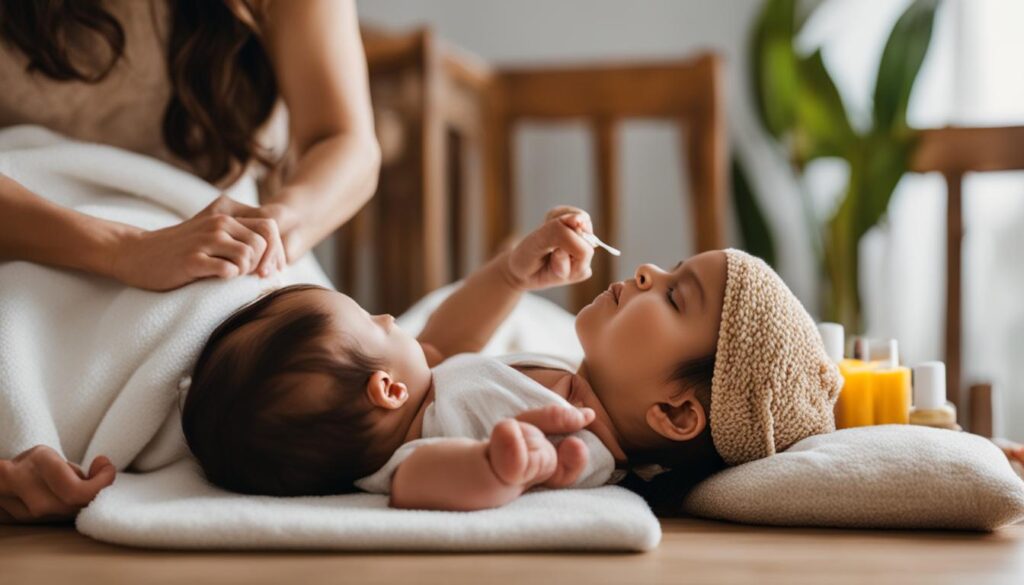
Through therapy, self-care practices, and a strong support network, Emily gradually started to regain control of her life. She learned the importance of emotional bonding with James, engaging in activities like baby massage and skin-to-skin contact. These nurturing moments not only deepened their connection but also provided Emily with a sense of purpose and joy.

Emily also prioritized self-care, making sure to get enough sleep, eat a balanced diet, and incorporate exercise into her routine. She leaned on her partner, family, and friends for emotional support, and also joined a local support group for new mothers experiencing postpartum depression.

Slowly but surely, Emily began to heal. She noticed her mood improving, and the dark cloud of postpartum depression lifting. It wasn’t easy, but with the right strategies and support, she emerged stronger than ever.

If you’re facing postpartum depression, know that there is light at the end of the tunnel. By implementing coping strategies, prioritizing self-care, and reaching out for support, you can navigate this challenging journey and find healing. In the following sections, we will delve deeper into these strategies and explore the importance of emotional bonding and supportive care, as well as self-care practices and seeking social support.

Emotional Bonding and Supportive Care for Postpartum Depression

Emotional bonding with your baby is a crucial aspect of managing postpartum depression. Building a secure attachment through activities such as baby massage and skin-to-skin contact can strengthen the bond and improve the well-being of both you and your child. Research has shown that close contact, like skin-to-skin contact, releases oxytocin, also known as the “love” hormone, which can enhance feelings of happiness, care, and sensitivity.

The act of massaging your baby not only promotes relaxation but also fosters a sense of emotional connection. It allows you to engage with your baby at a deeper level, creating a nurturing environment that supports both their physical and emotional development. Through gentle strokes and loving touch, you can communicate your love and affection to your baby, reinforcing the emotional bond between you.

Taking Care Through Skin-to-Skin Contact

Skin-to-skin contact is another powerful way to establish emotional bonding with your baby while coping with postpartum depression. This practice involves holding your baby against your bare chest, allowing them to feel your warmth, heartbeat, and familiar scent. This close physical connection triggers a sense of security and comfort for both you and your baby, promoting a deeper emotional connection.

Beyond the emotional benefits, skin-to-skin contact has been found to have numerous physiological advantages as well. It helps regulate your baby’s body temperature, heart rate, and breathing patterns, leading to a more stable and healthier baby. For you, it helps reduce stress and anxiety, elevate your mood, and improve breastfeeding success.

Engaging in activities like baby massage and skin-to-skin contact can provide a much-needed respite for mothers experiencing postpartum depression. These moments of bonding offer solace, joy, and reassurance, creating precious memories that contribute to recovery and healing.

Singing and Smiling for Emotional Bonding

In addition to baby massage and skin-to-skin contact, simple activities like singing and smiling with your baby can further enhance the emotional bond and help alleviate the symptoms of postpartum depression. Singing lullabies or your favorite songs can create a soothing environment and provide a sense of connection between you and your baby. Smiling and making eye contact with your little one can also generate positive emotions and create lasting memories.

These activities not only redirect your focus from negative thoughts associated with postpartum depression but also stimulate your baby’s social and emotional development. Your voice and facial expressions become familiar and comforting, fostering a sense of security and trust within your baby.

Benefits of Emotional Bonding and Supportive Care
Strengthens the bond between you and your baby
Promotes feelings of happiness, care, and sensitivity
Enhances emotional well-being for both you and your baby
Regulates your baby’s physiological functions and promotes better health
Reduces stress, anxiety, and symptoms of postpartum depression
Encourages social and emotional development in your baby

Self-Care Practices and Seeking Social Support for Postpartum Depression

Taking care of yourself is vital for coping with postpartum depression. Engaging in self-care practices like getting enough sleep, eating a healthy diet rich in omega-3 fatty acids, getting out in the sunshine, and pampering yourself can greatly impact your mental well-being.

Exercise, in particular, has been shown to alleviate symptoms of postpartum depression and improve overall psychological well-being. Regular physical activity releases endorphins, the body’s natural mood boosters, and helps reduce stress and anxiety. Whether it’s going for a walk, practicing yoga, or joining a postnatal fitness class, incorporating exercise into your routine can make a significant difference in managing postpartum depression.

Seeking social support from family, friends, and other new moms can also be beneficial for reducing stress and feelings of loneliness. Connecting with others who are going through a similar experience can provide a sense of community and understanding. Joining support groups, attending mommy and me classes, or even engaging in online forums can provide a space to share your feelings, seek advice, and build relationships with others who can relate to your experiences.

Remember, coping with postpartum depression is not something you have to do alone, and reaching out for help is an essential step towards healing. By practicing self-care, engaging in regular exercise, and seeking social support, you can navigate and cope with postpartum depression in a way that promotes your well-being and helps you bond with your baby.

FAQ

What is postpartum depression?

Postpartum depression is a long-lasting and severe mood disorder that affects 1 in 7 women after giving birth. It can have a significant impact on both the mother and the child’s well-being.

How is postpartum depression different from the baby blues?

Unlike the baby blues, postpartum depression rarely goes away on its own and requires professional help. It is important to reach out to your healthcare provider for support and guidance.

What are some coping strategies for managing postpartum depression?

There are various coping strategies available. Emotional bonding with the baby through activities like baby massage and skin-to-skin contact can strengthen the bond and improve well-being for both the mother and child. Self-care practices, exercise, and seeking social and emotional support are also beneficial.

How does emotional bonding with the baby help in managing postpartum depression?

Emotional bonding, achieved through activities like baby massage and skin-to-skin contact, releases oxytocin, which enhances feelings of happiness, care, and sensitivity. Participating in activities like singing and smiling with the baby can also contribute to emotional bonding and provide a distraction from negative thoughts.

What self-care practices can help with postpartum depression?

Engaging in self-care practices like getting enough sleep, eating a healthy diet rich in omega-3 fatty acids, getting out in the sunshine, and pampering yourself can greatly impact your mental well-being. Exercise has also been shown to alleviate symptoms of postpartum depression and improve overall psychological well-being.

How can seeking social support help with postpartum depression?

Seeking social support from family, friends, and other new moms can be beneficial for reducing stress and feelings of loneliness. Connecting with others who are going through a similar experience can provide a sense of community and understanding.

Is it important to reach out for help when coping with postpartum depression?

Yes, reaching out for help is an essential step towards healing. It is important to consult with your healthcare provider for professional support and guidance in managing postpartum depression.

Source Links

Regaining Strength: Effective Postpartum Abdominal Exercises

postpartum abdominal exercises

Imagine holding your precious little one in your arms, feeling a mixture of joy, exhaustion, and sheer amazement at the miracle of life. As a new mom, you’ve gone through the incredible journey of pregnancy and childbirth, but now you’re faced with a new challenge – regaining your strength and restoring your body after giving birth.

Pregnancy and childbirth can take a toll on your abdominal muscles, leaving them weakened and in need of some TLC. These muscles, collectively known as the core, play a crucial role in stabilizing your spine and pelvis, maintaining good posture, and supporting your overall physical well-being. However, the stretching and pressure your abdomen endures during pregnancy can result in a loss of core strength, leading to back pain, poor posture, and difficulty maintaining balance.

But fear not, mama! With the right postpartum abdominal exercises, you can rebuild your core strength and reclaim the vibrant, active life you deserve. It’s important to remember that before starting any exercise routine, especially if you’ve had a c-section or diastasis recti, you should consult with your doctor for clearance.

In this article, we’ll explore five gentle and effective postpartum abdominal exercises that can help you regain your core strength and promote abdominal recovery. But first, let’s take a closer look at the signs of a weak core and the importance of addressing them.

Having a strong core after pregnancy is essential for your overall well-being, and it’s never too late to start taking care of yourself. Let’s dive into this empowering journey of postpartum abdominal recovery and discover the exercises that will help you regain your strength.

Signs Of A Weak Core

One common sign of a weak core is experiencing back pain, which occurs when the core muscles are not strong enough to adequately support the spine. Weak core muscles can also contribute to poor posture and an anterior pelvic tilt, where the pelvis tilts forward and causes a dip in the lower back. This misalignment can lead to discomfort, lower back pain, and even hip injuries.

Furthermore, individuals with a weak core often struggle with daily activities such as standing up without assistance and maintaining balance. These difficulties arise due to the compromised stability and lack of core strength, making it challenging to support the body’s movements.

It is important to remember that postpartum women frequently experience these signs as a result of weakened core muscles and abdominal recovery after childbirth. However, targeted exercises that focus on strengthening the core can help address and improve these signs.

To visualize the effects of a weak core on posture, consider the following image:

A strong core is necessary for maintaining proper posture and alignment. Without adequate core strength, the body may develop an anterior pelvic tilt and rounded shoulders, leading to various issues, including back pain and poor balance.

In the next section, we will explore safe and effective postpartum core exercises that can help rebuild core strength and promote abdominal recovery.

Safe and Effective Postpartum Core Exercises

After giving birth, it is crucial to prioritize gentle core exercises to promote proper healing and prevent further strain or injury. Engaging the pelvic floor muscles, which are an essential part of the core, is paramount to regaining strength. Breathing exercises, like deep belly breathing, can strengthen the diaphragm and enhance lung capacity.

For postpartum exercises that activate the pelvic floor and other deep core muscles, consider incorporating pelvic tilts and hip rolls. These gentle movements help to reawaken and strengthen the abdominal wall. Incorporating standing cat-cow pose can improve spinal mobility and encourage better posture, assisting in your recovery journey.

As your body continues to heal, gradually introduce exercises like hip bridges to further strengthen the core muscles and the posterior chain. It is imperative to listen to your body and avoid exercises that cause discomfort or coning of the abdominal muscles. Consulting with your doctor before increasing the intensity of your workouts is strongly advised. Remember, patience, gradual progression, and consistency are key elements in regaining core strength and facilitating abdominal recovery after childbirth.

FAQ

Can I do abdominal exercises after giving birth?

Yes, it is safe to do abdominal exercises after giving birth. However, it is important to get clearance from your doctor, especially if you have had a c-section or diastasis recti.

What are some signs of a weak core?

Signs of a weak core include back pain, poor posture, anterior pelvic tilt, difficulty balancing, and the need for assistance when standing up.

How can I strengthen my core after pregnancy?

Gentle postpartum exercises that can help increase core strength include deep belly breathing, pelvic bridge, bent leg raises, horizontal forearm plank, and side plank. These exercises can be performed gradually and with modifications as needed to accommodate the postpartum body and promote abdominal recovery.

How do I engage my core muscles after giving birth?

Engaging the pelvic floor muscles, which are part of the core, is essential. Deep belly breathing, pelvic tilts, hip rolls, and standing cat-cow pose are exercises that can help activate the core muscles and promote better posture during the postpartum period.

When can I start increasing the intensity of my postpartum workouts?

It is important to listen to your body and consult with your doctor before increasing the intensity of your postpartum workouts. It is best to start with gentle core exercises and gradually progress as your body continues to heal and recover.

Source Links

Healing After an Episiotomy: Care Tips for Faster Recovery

recovering from episiotomy

Recovering from an episiotomy can be a challenging and uncomfortable experience for many women. The pain and discomfort involved can make even the simplest tasks feel daunting. But take heart, there are ways to alleviate the pain and promote healing. Let me tell you a story that many new mothers can relate to.

Meet Sarah, a strong and resilient woman who recently gave birth to her first child. Like many expectant mothers, Sarah had heard horror stories about the pain of recovery after an episiotomy. She was anxious but determined to do everything she could to heal as quickly as possible.

Self-Care Tips for Recovery from Episiotomy

Recovering from an episiotomy requires proper self-care to aid in the healing process. Here are some essential tips to promote a smoother and faster recovery:

  1. Rest when tired: Giving your body sufficient rest is crucial for optimal healing. Make sure to prioritize sleep and take breaks throughout the day to recuperate.
  2. Be active through gentle walking: While it’s important to rest, gentle walking can boost blood circulation and promote healing. Start with short walks and gradually increase the duration as you feel comfortable.
  3. Avoid quick movements and heavy lifting: It’s important to allow your body to heal without unnecessary strain. Avoid sudden movements and lifting heavy objects that can put pressure on the incision area.
  4. Shower and bathe as usual: You can maintain your regular hygiene routine with showering and bathing. However, after cleansing, gently pat the incision dry to prevent moisture buildup.
  5. Manage vaginal bleeding with sanitary pads: Vaginal bleeding is normal after childbirth, and using sanitary pads can help manage it effectively. Avoid douching or using tampons until approved by your healthcare provider.
  6. Discuss driving and sexual activity with your healthcare provider: Before resuming driving or engaging in sexual activity, it’s essential to consult with your doctor or midwife. They will provide guidance based on your individual healing progress.
  7. Follow a nutritious diet and stay hydrated: Eating a balanced diet rich in nutrients and drinking plenty of fluids can support the healing process. Adequate hydration is particularly important for postpartum recovery.
  8. Manage bowel movements with fiber and stool softeners: To prevent constipation and strain during bowel movements, include fiber-rich foods in your diet and consider using stool softeners or laxatives if necessary. Consult your healthcare provider for recommendations.

By following these self-care tips, you can give your body the support it needs during episiotomy recovery. Remember to be patient with the healing process and seek medical advice if you have any concerns.

Recommended Foods for Episiotomy Recovery

Food Group Examples
Fruits Berries, oranges, apples, watermelon
Vegetables Leafy greens, carrots, broccoli, sweet potatoes
Whole Grains Quinoa, oats, brown rice, whole wheat bread
Proteins Lean meat, fish, beans, tofu
Dairy and Alternatives Yogurt, cheese, almond milk
Healthy Fats Avocado, nuts, olive oil

Managing Pain and Discomfort after Episiotomy

Pain and discomfort are common after undergoing an episiotomy, but there are various techniques that can help alleviate your discomfort and promote healing. Here are some tips:

  1. Apply ice packs: Wrap an ice pack in a towel or cloth and apply it to the area. This can help reduce swelling and provide temporary pain relief.
  2. Take warm baths: Soaking in warm water can provide relaxation and relief. Alternatively, you can use a special cushion designed to relieve pressure on the perineum.
  3. Consider painkillers: Depending on your breastfeeding status and the baby’s health, painkillers such as paracetamol or ibuprofen may be recommended to manage pain. Consult with your healthcare provider before taking any medication.
  4. Make toilet visits more comfortable: Eating a healthy diet, staying hydrated, and using laxatives if necessary can help soften stools, making bowel movements less painful. Additionally, pouring warm water over the vagina while urinating can provide relief and reduce discomfort. Holding a clean pad against the stitches can also relieve pressure during bowel movements.
  5. Engage in pelvic floor exercises: Strengthening your pelvic floor muscles can aid in recovery and reduce discomfort. Ask your healthcare provider for specific exercises and guidelines.
  6. Discuss your birth experience: Talking about your birth experience with a supportive friend, partner, or healthcare provider can help alleviate any emotional discomfort you may be experiencing.
  7. Seek medical advice if concerned: If you have persistent or worsening pain, swelling, or any signs of infection, it is important to seek medical advice promptly. Your healthcare provider can assess your condition and provide appropriate guidance for pain management and further care.

Remember, every woman’s recovery is unique, and what works for one person may not work for another. It is essential to listen to your body, take things at your own pace, and seek support when needed. With proper pain management and self-care, you can navigate the discomfort of healing after an episiotomy and promote a faster recovery.

Conclusion

Recovering from an episiotomy requires time and patience, but most women heal without complications. Following self-care tips, managing pain and discomfort, and seeking medical advice if needed are crucial steps in the healing process. By providing proper care, you can experience a smoother healing journey and get back to comfort sooner.

Rest is essential for healing. Take the time to allow your body to recover and avoid straining yourself. Remember to take care of the incision by keeping it clean and dry. Applying ice packs wrapped in a cloth can help reduce swelling and alleviate pain.

Managing pain and discomfort is vital for a comfortable recovery. Use over-the-counter painkillers like paracetamol or ibuprofen, if approved by your doctor. Stay hydrated, eat a healthy diet, and use stool softeners or laxatives if necessary to maintain regular bowel movements. Performing pelvic floor exercises can also aid in the healing process.

Lastly, remember to be patient with the recovery process. Every woman’s healing journey is unique. If you have any concerns or if the pain persists, don’t hesitate to reach out to your healthcare provider. Following these healing tips and seeking necessary medical guidance will help you recover from an episiotomy smoothly and return to a state of comfort sooner.

FAQ

What is an episiotomy?

An episiotomy is a cut made in the perineum, the tissue between the vagina and anus, during childbirth.

How long does it take to recover from an episiotomy?

Most episiotomies heal in around 3 weeks, but individual recovery times may vary.

What can I do to alleviate pain during episiotomy recovery?

Taking steps such as getting enough fiber and fluids, using stool softeners or laxatives, and using ice packs or sitz baths can help alleviate pain.

Should I rest or be active during episiotomy recovery?

Resting when tired and being active through gentle walking can aid in the healing process. Avoid moving quickly or lifting heavy objects.

Can I shower and take baths after an episiotomy?

Yes, showering and taking baths as usual is permitted, but the incision should be patted dry afterward.

What should I do to manage vaginal bleeding after an episiotomy?

Sanitary pads should be worn to manage vaginal bleeding, and douching or tampon use should be avoided until approved by a healthcare provider.

When can I resume driving and having sex after an episiotomy?

Driving and having sex should be discussed with a doctor or midwife before resuming.

What can I do to manage bowel movements after an episiotomy?

Eating a normal diet, drinking plenty of fluids, and managing bowel movements with fiber, stool softeners, or laxatives can promote healing. Holding a clean pad against the stitches can help relieve pressure on the wound during bowel movements.

What pain management techniques can I use after an episiotomy?

Applying ice packs wrapped in a towel or cloth to the area can help reduce swelling and pain. Taking warm baths or using a special cushion can provide relief and relaxation. Painkillers such as paracetamol and ibuprofen can be used, depending on breastfeeding status and the baby’s health.

Are there any other tips for episiotomy recovery?

Pelvic floor exercises, talking about the birth experience, and seeking medical advice if concerned are additional ways to aid recovery.

Is it normal to experience pain and discomfort after an episiotomy?

Yes, pain and discomfort after an episiotomy are common but can be managed with various techniques.

Source Links