Fertility Mindfulness Practices: Enhancing Your Conception Journey with Mindfulness

fertility mindfulness practices

Imagine this: It’s a beautiful morning, and you wake up feeling calm and centered. As you sip your morning tea, you take a moment to breathe deeply and connect with your body. You feel a sense of peace and trust in your fertility journey. This is the power of fertility mindfulness practices.

Embarking on a conception journey can be both exciting and challenging. It’s a time filled with hope, anticipation, and sometimes, a hint of anxiety. That’s why incorporating mindfulness techniques into your routine can make a significant difference in your overall well-being and increase your chances of conception.

Stress management plays a pivotal role in optimizing both physical and mental health for fertility. By practicing fertility meditations, you can reduce stress, anxiety, and depression, while promoting emotional health and self-awareness. These mindfulness practices can also help improve sleep quality, lower inflammation, and reduce blood pressure, all of which can positively influence your fertility.

There are several guided fertility meditations available, ranging from visualizations to breathing techniques. These practices can help activate ovulation, promote relaxation during the two-week wait, and set powerful intentions for your fertility journey. The key is to find a meditation practice that resonates with you and incorporate it consistently into your routine to maximize its benefits.

In this article, we will explore the science behind fertility meditation, how it can enhance hormone balance and reduce stress, and how you can implement these practices into your daily life. So, let’s dive into the world of fertility mindfulness practices and unlock the potential of a peaceful and fulfilling conception journey.

The Science Behind Fertility Meditation

Scientific research supports the effectiveness of fertility meditation in enhancing hormonal balance and reducing stress, both of which play vital roles in fertility. Hormone balance is crucial for reproductive health, and meditation can positively influence hormone centers in the brain, promoting balance and improving chances of conception.

By reducing stress through meditation, you can create a calmer environment for your reproductive system to function optimally. The practice of mindfulness also offers benefits beyond fertility, including stronger relationships. It enhances emotional regulation, patience, and self-kindness, creating a supportive environment for your fertility journey.

Moreover, fertility meditation fosters self-compassion, helping individuals develop a positive mindset and trust in their bodies. Navigating the ups and downs of the conception process becomes easier when you approach it with self-compassion and a belief in your body’s abilities.

The Impact of Fertility Meditation on Hormone Balance

Research has shown that fertility meditation can have a positive impact on hormonal balance, which is essential for reproductive health. Meditation influences the hypothalamus-pituitary-adrenal (HPA) axis, which regulates hormone production and stress response in the body. By practicing meditation regularly, you can promote a healthier balance in hormone levels, creating an optimal environment for conception.

Meditation as a Stress-Reduction Technique

Stress has a direct impact on fertility and reproductive health. Fertility meditation offers an effective mechanism for reducing stress and creating a sense of calm. By engaging in practices that promote relaxation and mindfulness, such as deep breathing and body scanning, you can reduce stress levels and create an environment where conception is more likely to occur.

Strengthening Relationships through Fertility Meditation

Mindfulness practices like fertility meditation can strengthen relationships by enhancing emotional regulation, empathy, and self-compassion. When individuals practice mindfulness together, they develop a deeper understanding of each other’s needs and emotions, fostering a stronger connection.

Fertility meditation also improves patience and self-kindness, which are essential qualities for navigating the challenges of the conception journey. By cultivating these qualities through meditation, couples can support each other and build a solid foundation for their fertility journey.

Integrating fertility meditation into your routine can have profound benefits for both your reproductive health and overall well-being. The next section will provide guidance on how to implement fertility meditation practices into your daily life.

Implementing Fertility Meditation into Your Routine

When starting your fertility meditation journey, it’s important to explore different practices to find the one that resonates with you. Whether you prefer movement meditation or focused attention meditation, choose a practice that aligns with your preferences and lifestyle.

Consistency is key in reaping the benefits of meditation, so make it a regular part of your routine. Dedicate time each day to fully experience the effects of fertility meditation on your mind and body. By establishing a consistent practice, you can create a sustainable habit that promotes relaxation and reduces stress throughout your conception journey.

Fortunately, there are numerous resources available to support your meditation practice. You can find guided fertility meditations on platforms like YouTube, which offer a wide range of options to suit different needs and preferences. Additionally, meditation apps such as InsightTimer and Headspace provide access to guided fertility meditations from experts in the field.

If you’re looking for a more comprehensive approach, fertility-focused programs like Circle & Bloom offer specialized meditation programs specifically designed to support individuals on their fertility journey. These programs provide a structured and holistic approach to fertility meditation, incorporating mindfulness techniques, visualization exercises, and relaxation practices.

FAQ

How can mindfulness practices enhance my fertility journey?

Mindfulness practices, such as fertility meditations, can have a profound impact on your overall well-being and increase your chances of conception. They reduce stress, anxiety, and depression, promote emotional health and self-awareness, improve sleep quality, lower inflammation, and reduce blood pressure, all of which can positively influence fertility.

How does fertility meditation affect hormonal balance?

Scientific research supports the effectiveness of fertility meditation in enhancing hormonal balance. Meditation can positively influence hormone centers in the brain, promoting balance and improving chances of conception.

Can fertility meditation reduce stress?

Yes, meditation is a powerful tool in reducing stress. By practicing fertility meditation, you can create a calmer environment for your reproductive system to function optimally.

How can mindfulness practices strengthen relationships during the fertility journey?

Mindfulness practices, including fertility meditation, can enhance emotional regulation, patience, and self-kindness, which in turn fosters stronger relationships during the fertility journey.

How do I get started with fertility meditation?

To get started with fertility meditation, you can explore different practices such as movement meditation or focused attention meditation. It’s important to choose a practice that aligns with your preferences and lifestyle. Consistency is key, so make it a regular part of your routine and allow yourself time to fully experience its effects.

Where can I find resources for fertility meditation?

There are various resources available for fertility meditation. You can find guided meditations on platforms like YouTube or meditation apps like InsightTimer and Headspace. Additionally, fertility-focused programs like Circle & Bloom offer specific meditation programs tailored for the conception journey.

What are the main benefits of fertility meditation?

The main benefits of fertility meditation include reducing stress, promoting emotional well-being, improving sleep quality, enhancing hormonal balance, fostering self-compassion, and developing a positive mindset and trust in your body.

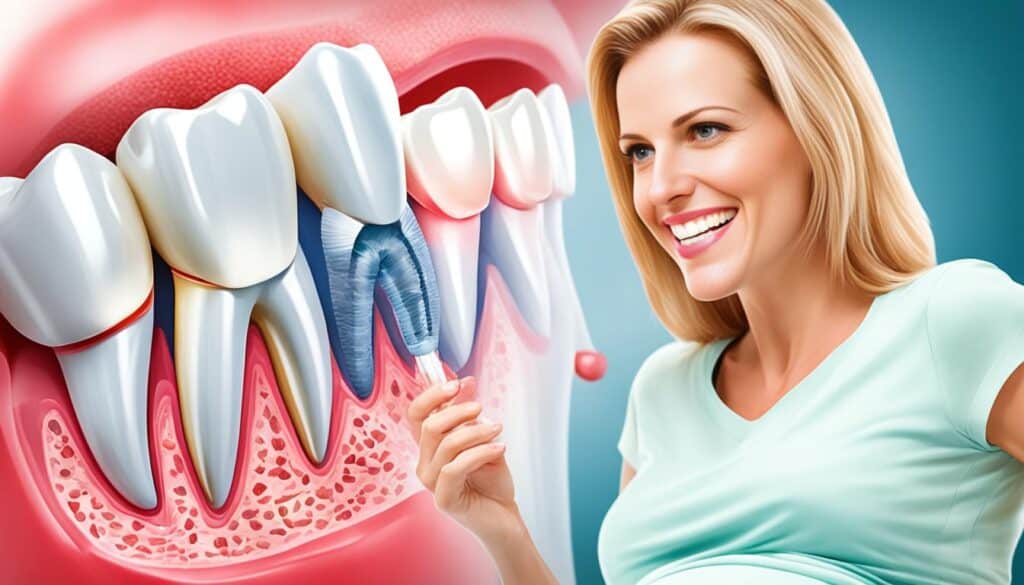
The Importance of Dental Care Before Pregnancy: How Oral Health Impacts Fertility

pre-pregnancy dental care

Imagine this: Sarah and Mark have been trying to start a family for a while now. They’ve been tracking ovulation cycles, changing diets, and even trying out fertility treatments. Yet, they find themselves facing disappointment every month. It’s a frustrating and emotionally exhausting journey.

During one of their routine doctor visits, their dentist casually mentions the importance of pre-pregnancy dental care. Sarah and Mark had never considered the impact of oral health on their fertility. Intrigued, they decide to dig deeper into this overlooked aspect.

As they research, they come across a wealth of information highlighting the connection between oral health and fertility. They discover that poor oral health can affect hormone levels and overall reproductive health, making it harder to conceive and maintain a healthy pregnancy. The couple realizes that taking care of their oral health before pregnancy might be the missing piece in their fertility puzzle.

In this article, we will explore the crucial role that pre-pregnancy dental care plays in fostering optimal oral health and enhancing fertility. From understanding how pregnancy affects oral health to the potential risks of gum disease during pregnancy, we will delve into the intricate relationship between dental hygiene and fertility. So, join us as we unravel the profound impact of oral health on the journey to parenthood.

How Does Pregnancy Affect Oral Health?

Pregnancy can have several effects on a woman’s oral health. The hormonal changes that occur during pregnancy can cause inflammation and increased susceptibility to gum infections and bleeding. The increased levels of hormones can also contribute to morning sickness, which can erode tooth enamel due to stomach acid exposure. Changes in eating habits during pregnancy, such as craving sugary snacks, can increase the risk of cavities and other dental problems. Additionally, inflamed gums during pregnancy can lead to tooth sensitivity and discomfort, making it more challenging for pregnant women to maintain regular brushing and flossing routines.

To understand how pregnancy affects oral health, it’s important to consider the role of hormones. During pregnancy, the body experiences an increase in hormone levels, particularly estrogen and progesterone. These hormones can lead to a condition called pregnancy gingivitis, which is characterized by swollen, red, and bleeding gums. This inflammation can make it difficult to maintain good oral hygiene practices, such as regular brushing and flossing.

Furthermore, the hormonal changes during pregnancy can lead to increased tooth sensitivity. This can make it uncomfortable for pregnant women to consume hot or cold foods and beverages. It’s important to note that tooth sensitivity during pregnancy may also be influenced by changes in eating habits.

Speaking of eating habits, pregnancy cravings are no secret. Many pregnant women develop a desire for sugary snacks and treats. These cravings, coupled with hormonal changes, can increase the risk of tooth decay and cavities. The bacteria in the mouth feed on sugars and produce acids that attack tooth enamel, leading to dental issues.

Maintaining good oral hygiene during pregnancy is crucial for the well-being of both the mother and the baby. Regular brushing and flossing, along with routine dental check-ups, can help prevent gum disease, cavities, and other oral health problems. It’s important to inform your dentist about your pregnancy, as they may provide additional guidance and care tailored to your specific needs.

Oral Health Tips for Pregnant Women:

  • Brush your teeth at least twice a day with a fluoride toothpaste.
  • Floss daily to remove plaque and food particles from between your teeth.
  • Use an antimicrobial mouthwash recommended by your dentist.
  • Eat a balanced diet with sufficient nutrients for both you and your baby. Limit sugary snacks and drinks.
  • Avoid tobacco use and excessive alcohol consumption.
  • Stay hydrated and drink plenty of water.
  • Inform your dentist about your pregnancy and any changes or concerns you may have regarding your oral health.

The Link Between Pregnancy and Oral Health: Expert Insights

“Pregnancy can bring about significant changes in a woman’s body, including her oral health. It’s important for expectant mothers to understand the potential impact of hormonal changes on their gums, teeth, and overall oral hygiene. By prioritizing good dental care during pregnancy, women can help minimize the risks of gum disease, tooth decay, and other oral health complications.”
– Dr. Emily Wilson, DMD

Common Oral Health Concerns During Pregnancy Effects on the Mother Effects on the Baby
Pregnancy Gingivitis Swollen, red, and bleeding gums Premature birth, low birth weight
Gum Infections Gum recession, tooth loss Potential risk of systemic infection
Tooth Decay Cavities, dental pain Inadequate nutrient absorption
Tooth Sensitivity Pain or discomfort while eating/drinking hot or cold items No direct impact on the baby

Can Gum Disease Harm My Unborn Baby?

Gum disease during pregnancy can have serious consequences for both the mother and the unborn baby. Untreated gum disease has been linked to an increased risk of pregnancy complications, including low birth weight and preterm birth. It can also increase the risk of conditions like preeclampsia and gestational diabetes. Bacteria from gum disease can enter the bloodstream and potentially harm the developing baby. Maintaining good oral health during pregnancy is essential for reducing the risk of these complications and promoting a healthy pregnancy.

gum disease

Pregnancy Complications Risks
Low Birth Weight Babies born with a weight below 5.5 pounds
Preterm Birth Babies born before 37 weeks of pregnancy
Preeclampsia High blood pressure and organ damage during pregnancy
Diabetes Elevated blood sugar levels during pregnancy

Research has shown that pregnant women with gum disease are more likely to experience complications during pregnancy. The bacteria from gum disease can trigger an inflammatory response in the body, which can potentially lead to systemic inflammation and affect the developing baby. Inflammation plays a role in various pregnancy complications, including preeclampsia, a condition characterized by high blood pressure and organ damage. Gum disease has also been associated with an increased risk of gestational diabetes, a type of diabetes that occurs only during pregnancy.

Furthermore, gum disease has been linked to low birth weight and preterm birth. Babies born with low birth weight are at a higher risk of experiencing developmental issues and complications shortly after birth. Preterm birth, on the other hand, increases the chances of breathing difficulties, infections, and other health problems for the baby. By maintaining good oral health during pregnancy, women can reduce the risk of these complications and promote a healthier outcome for both themselves and their babies.

Dental Hygiene and Fertility

Poor dental hygiene can have a significant impact on both male and female fertility. In men, inadequate oral health practices can lead to decreased sperm count and motility, impairing their ability to father a child. It can also increase the risk of bacterial infections in semen, further compromising reproductive health. Maintaining good dental hygiene habits, such as regular brushing and flossing, is crucial for preserving sperm health and optimizing fertility in men.

For women, bacterial infections in the mouth have been associated with a higher risk of infertility. The presence of harmful bacteria can disrupt the delicate balance of the reproductive system, potentially interfering with conception. It is believed that the link between dental hygiene and fertility lies in the body’s immune response. Poor oral health can trigger inflammation and an overactive immune system, creating an unfavorable environment for conception and pregnancy. To promote fertility and reproductive wellness, it is essential for women to prioritize their oral health and seek appropriate dental care.

While further research is needed to fully understand the relationship between dental hygiene and fertility, it is clear that maintaining good oral health is crucial for overall reproductive health. Practicing proper dental hygiene not only reduces the risk of bacterial infections and periodontal disease but also supports a healthy immune system. By taking care of their oral health, men and women can maximize their chances of successful conception and improve their overall reproductive well-being.

FAQ

How does pre-pregnancy dental care impact fertility?

Pre-pregnancy dental care plays a crucial role in fostering optimal oral health and enhancing fertility. The condition of a woman’s oral health can have a significant impact on her ability to conceive and have a successful pregnancy.

What are the effects of pregnancy on oral health?

The hormonal changes that occur during pregnancy can cause inflammation and increased susceptibility to gum infections and bleeding. Changes in eating habits, such as craving sugary snacks, can increase the risk of cavities and other dental problems.

Can gum disease harm my unborn baby?

Yes, gum disease during pregnancy can have serious consequences for both the mother and the unborn baby. It has been linked to an increased risk of pregnancy complications, including low birth weight and preterm birth. It can also increase the risk of conditions such as preeclampsia and gestational diabetes.

How does dental hygiene affect fertility?

Dental hygiene plays a vital role in both male and female fertility. Poor oral health in men can negatively impact sperm count and motility, while in women, bacterial infections in the mouth have been linked to a higher risk of infertility. Maintaining good oral health is important for overall reproductive health.

The Ultimate Pre-Conception Vitamin Guide: What to Take for Optimal Fertility

pre-conception vitamin guide

Imagine this: you and your partner have decided the time is right to start a family. Excitement fills the air as visions of a little one running around the house dance in your heads. But as months go by and the pregnancy test remains negative, doubts start to creep in. Is there something you’re missing? Could you be doing more to boost your chances of conception?

When it comes to starting a family, taking care of your pre-conception health is crucial. And one area that deserves attention is your vitamin intake. Proper nutrition and supplementation can play a significant role in supporting your fertility.

Research has shown that micronutrient deficiencies, such as low levels of folic acid, vitamin D, and vitamin B12, can be linked to infertility in females. In fact, certain vitamins and minerals have shown promise in promoting fertility and increasing pregnancy rates.

So, where do you start? Which fertility vitamins should you consider? And how do you choose the best prenatal vitamin for your needs? In this ultimate pre-conception vitamin guide, we’ll explore the answers to these questions and more.

The Role of Folic Acid, Vitamin B12, and Vitamin D in Fertility

When it comes to fertility, certain nutrients play a crucial role in supporting reproductive health. In this section, we will explore the importance of folic acid, vitamin B12, and vitamin D in promoting fertility.

Folic acid, also known as vitamin B9, is essential for preventing neural tube defects in babies. It is recommended that women who are trying to conceive or are in the early stages of pregnancy take a daily supplement of 400 to 800 micrograms of folic acid. Studies have also shown that folic acid supplementation is associated with higher pregnancy rates and a lower risk of anovulation.

Vitamin B12 and vitamin B6 are involved in the regulation of homocysteine levels in the body. High levels of homocysteine have been linked to an increased risk of miscarriage and poor embryo quality in women undergoing in vitro fertilization (IVF). Ensuring adequate levels of vitamin B12 and vitamin B6 through diet or supplementation may help to regulate homocysteine and improve fertility outcomes in these cases.

Vitamin D is not only important for bone health but also plays a role in fertility. Research suggests that vitamin D deficiency may be associated with conditions such as polycystic ovary syndrome (PCOS) and may contribute to infertility. Vitamin D supplementation has been found to improve fertility outcomes and reduce PCOS symptoms in women with low vitamin D levels.

In addition to these vitamins, certain fertility supplements can also be beneficial. Fish oil supplements containing omega-3 fatty acids have been shown to have various benefits for women with infertility or those undergoing IVF. Omega-3 fatty acids are known for their anti-inflammatory properties, which can help to support reproductive health.

Another supplement that may have a positive impact on fertility is coenzyme Q10 (CoQ10). CoQ10 is an antioxidant that helps to reduce oxidative stress in the body. Studies have suggested that CoQ10 supplementation may improve sperm quality in males by reducing oxidative damage to sperm cells.

It’s important to note that while these nutrients and supplements show promise in supporting fertility, more research is needed to fully understand their effects and optimal dosages.

Nutrient Role in Fertility
Folic Acid Prevents neural tube defects, associated with higher pregnancy rates and lower risk of anovulation
Vitamin B12 Regulates homocysteine levels, linked to miscarriage and embryo quality in IVF
Vitamin D Improves fertility, especially in women with low vitamin D levels, reduces PCOS symptoms
Fish Oil (Omega-3 Fatty Acids) Supports reproductive health, reduces inflammation
Coenzyme Q10 (CoQ10) Reduces oxidative stress, improves sperm quality

Tips for Choosing the Best Prenatal Vitamin

When it comes to prenatal health, choosing the right prenatal vitamin is crucial for meeting your nutrient needs. Before conception, it is recommended to start a prenatal vitamin regimen to ensure your body has adequate nutrient stores.

Consider your personal preferences when selecting a prenatal vitamin. Take note of any allergies or dietary restrictions you may have, as some vitamins may contain ingredients that you need to avoid. Additionally, pay attention to the daily serving sizes and compare costs to find an option that fits your budget.

Avoid gummy vitamins that might contain added sugars, as they may not provide the necessary nutrients in optimal amounts. Also, be cautious of prenatal vitamins with added herbs, as certain herbs can be contraindicated during pregnancy.

When looking for the best prenatal vitamin, make sure it includes essential nutrients such as folic acid, vitamin D, iron, DHA, and choline. These nutrients play a vital role in supporting fetal development and the overall health of both the mother and the baby.

Remember, while prenatal vitamins are important in filling nutritional gaps, they should not be your sole source of essential nutrients. Nutrient-dense foods should be the primary focus of your diet to ensure you are getting a wide range of vitamins and minerals. Always consult with a healthcare provider to determine the best prenatal vitamin for your unique needs.

FAQ

What are the key vitamins for fertility?

Some key vitamins for fertility include folic acid, vitamin B12, vitamin B6, and vitamin D. These nutrients play a role in regulating hormones, supporting embryo quality, and improving overall fertility.

How do folic acid and vitamin B12 impact fertility?

Folic acid is crucial for preventing neural tube defects in babies and has been associated with higher pregnancy rates and a lower risk of anovulation. Vitamin B12 plays a role in homocysteine regulation, which is linked to miscarriage and embryo quality in IVF.

What is the role of vitamin D in fertility?

Vitamin D supplementation may improve fertility and PCOS symptoms in women. It plays a role in regulating reproductive hormones and supporting overall reproductive health.

Can fish oil supplements help with fertility?

Fish oil supplements containing omega-3 fatty acids may have benefits for women with infertility or undergoing IVF. These supplements have shown promising effects on reproductive health and may improve fertility outcomes.

How can coenzyme Q10 affect fertility?

Coenzyme Q10 is an antioxidant that may reduce oxidative stress and improve sperm quality in males. It has been studied for its potential benefits in enhancing male fertility and reproductive health.

When should I start taking prenatal vitamins?

It is recommended to start taking prenatal vitamins before conception to establish adequate nutrient stores in the body. This helps support the developing baby’s needs and ensures optimal maternal health during pregnancy.

What should I consider when choosing a prenatal vitamin?

When choosing a prenatal vitamin, consider personal preferences such as allergies or dietary restrictions. Look for essential nutrients like folic acid, vitamin D, iron, DHA, and choline. Check the daily serving sizes and compare costs to find a suitable option.

Are gummy prenatal vitamins recommended?

It is generally advised to avoid gummy prenatal vitamins. Gummies may contain added sugars and may lack certain essential nutrients. It’s best to opt for traditional prenatal vitamins in pill or capsule form for optimal nutrient intake.

Are prenatal vitamins a replacement for a healthy diet?

No, prenatal vitamins are not a replacement for a healthy diet. Nutrient-dense foods should be the primary source of essential nutrients. Prenatal vitamins are meant to fill any nutritional gaps and ensure adequate nutrient intake during pregnancy.

Should I consult with a healthcare provider before starting prenatal vitamins?

Yes, it is important to consult with a healthcare provider before starting prenatal vitamins. They can assess your individual nutrient needs and help identify any specific nutrient deficiencies that may require additional supplementation.

Pre-Pregnancy Hormone Tests: Understanding Your Hormonal Health Before Conceiving

pre-pregnancy hormone tests

Imagine this: you and your partner have been eagerly trying to conceive for months, but without success. You begin to wonder if there might be an underlying reason behind your difficulties getting pregnant. Is there something going on with your hormonal health that you’re unaware of?

This is a common concern for many couples who are struggling with fertility. Hormones play a crucial role in the conception process, and any imbalances can greatly impact your chances of getting pregnant. That’s why pre-pregnancy hormone tests are so important.

These tests provide valuable insights into your hormonal health and can help identify any issues that need to be addressed before attempting to conceive. By understanding your hormonal profile, you and your healthcare provider can develop a targeted plan to optimize your fertility and increase your chances of a successful pregnancy.

In the following sections, we will dive deeper into the importance of preconception checkups, the process involved, and how these tests can ultimately support your journey towards parenthood. Let’s start by exploring why pre-pregnancy hormone tests are so crucial for assessing your hormonal health and overall fertility.

Importance of Preconception Checkup

A preconception checkup is a crucial step in preparing your body for a healthy pregnancy. Not only does it allow your healthcare provider to assess your overall health, but it also helps identify any potential health conditions that may impact your pregnancy. By addressing these conditions before conceiving, you can reduce the risk of complications and ensure the best possible outcome for you and your baby.

Women who have experienced pregnancy complications such as premature birth, birth defects, miscarriage, or stillbirth should especially consider a preconception checkup. It offers the opportunity for your healthcare provider to understand the causes of these past problems and develop a personalized plan to mitigate the risks in future pregnancies.

During the preconception checkup, a range of important topics will be discussed. These may include:

  • Folic acid intake: Ensuring you are receiving adequate amounts of this vital nutrient, which plays a crucial role in fetal development.
  • Management of existing health conditions: If you have conditions like diabetes or high blood pressure, your provider will work with you to optimize your health before pregnancy.
  • Addressing infections and sexually transmitted infections (STIs): It is important to address and treat any infections before conception to protect both you and your baby.
  • Assessing family health history: An evaluation of your family’s medical history allows your provider to identify any potential genetic risks or hereditary conditions.

In addition to discussions, a preconception checkup may involve various medical tests and examinations. These can include physical exams, pelvic exams, Pap tests, blood tests to determine blood type and Rh factor, and referrals to genetic counselors if necessary. These tests provide valuable insights into your health status, fertility, and potential risks that may arise during pregnancy.

“A preconception checkup helps identify potential health conditions that may affect pregnancy, reducing the risk of complications and ensuring the best possible outcome for you and your baby.”

A preconception checkup equips you with important information about your health and well-being, allowing you to make informed decisions and take proactive steps towards a healthy pregnancy. By prioritizing this essential step, you can increase your chances of a successful conception and a smooth journey to parenthood.

Health Conditions Pregnancy Complications
Diabetes Premature birth
High blood pressure Birth defects
Thyroid disorders Miscarriage
Autoimmune conditions Stillbirth

Preconception Checkup Process

The preconception checkup process is a crucial step in preparing for a healthy pregnancy. It involves consulting with healthcare providers who specialize in prenatal care. There are various types of providers available, each with their own areas of expertise. Consider the following options when choosing your healthcare provider:

  • Obstetrician: Obstetricians are doctors who specialize in caring for pregnant women and assisting in childbirth. They have the necessary training and experience to guide you throughout your pregnancy journey.
  • Family Practice Doctor: Family practice doctors provide comprehensive healthcare services for the entire family, including pregnant women. They can offer ongoing care during and beyond pregnancy.
  • Maternal-Fetal Medicine Specialist: Maternal-fetal medicine specialists focus on high-risk pregnancies. If you have any pre-existing health conditions or previous complications, consulting with a maternal-fetal medicine specialist is highly recommended.
  • Nurse Practitioners: Nurse practitioners specialize in providing healthcare services to women of all ages, including pregnant women. They can offer personalized care and support throughout your pregnancy journey.
  • Midwife: Midwives have the necessary expertise to provide support and care during pregnancy and childbirth. They focus on promoting a natural and holistic approach to prenatal care.

When selecting a healthcare provider, it’s important to consider your specific needs and preferences. Choose someone who makes you feel comfortable and confident, as they will be an integral part of your pregnancy journey.

During the preconception checkup, you can expect your healthcare provider to conduct a series of examinations and tests to assess your overall health and fertility. These may include:

  • Physical exams to evaluate your general health and identify any potential concerns.
  • Pelvic exams to assess the health of your reproductive organs.
  • Pap tests to screen for cervical cancer or any abnormal cell changes.
  • Genetic screenings to identify any potential genetic disorders or conditions that may impact your pregnancy.
  • Blood tests to evaluate your blood type, Rh factor, and check for any underlying conditions that may affect pregnancy.

The results of these tests will help your healthcare provider determine if there are any specific areas that need additional attention or intervention. If necessary, they may refer you to a genetic counselor to discuss any inherited conditions or potential risks.

Preconception Checkup Process Summary

Choosing the right healthcare provider and undergoing a thorough preconception checkup are crucial steps in preparing for a healthy pregnancy. By addressing any potential health issues or concerns before conception, you can increase your chances of a successful and problem-free pregnancy.

Did you know? The preconception checkup process involves seeing a healthcare provider who will be involved in your prenatal care. There are various types of providers to choose from, including obstetricians, family practice doctors, maternal-fetal medicine specialists, nurse practitioners, and midwives.

preconception checkup process

Healthcare Provider Description
Obstetrician Doctors specialized in caring for pregnant women and delivering babies.
Family Practice Doctor Provide care for the entire family, including pregnant women.
Maternal-Fetal Medicine Specialist Recommended for high-risk pregnancies and managing complications.
Nurse Practitioner Specialize in providing care for women of all ages, including pregnant women.
Midwife Have the necessary training to support women during pregnancy and childbirth.

Conclusion

Pre-pregnancy hormone tests are a crucial component of assessing and optimizing your hormonal health before conceiving. These tests provide valuable insights into your fertility, allowing you to identify any potential health conditions that may impact your pregnancy. By addressing these conditions and ensuring optimal health, you increase your chances of a successful pregnancy and the birth of a healthy baby.

The preconception checkup process involves comprehensive discussions and evaluations to assess various factors that can influence your pregnancy journey. This includes considering your folic acid intake, managing existing health conditions, reviewing medications and vaccinations, and evaluating your lifestyle habits. It is essential to see a healthcare provider who specializes in prenatal care for a thorough preconception assessment and personalized care plan.

By undergoing pre-pregnancy hormone tests, you embark on a proactive path towards optimizing your fertility and overall health. These tests enable you to make informed decisions, allowing you to take proactive steps towards achieving a successful pregnancy. Your healthcare provider will guide you throughout this journey, ensuring that you receive the necessary support and care to maximize your chances of a healthy pregnancy and the joy of welcoming a new addition to your family.

FAQ

What are pre-pregnancy hormone tests?

Pre-pregnancy hormone tests, also known as preconception checkups, are medical evaluations conducted before pregnancy to assess hormonal health and ensure optimal conditions for conception.

Why are preconception checkups important?

Preconception checkups are important as they help identify any health conditions that may affect pregnancy and the health of the baby. They also allow healthcare providers to address any past pregnancy complications and develop plans to mitigate risks in future pregnancies.

What is involved in the preconception checkup process?

The preconception checkup process involves seeing a healthcare provider specializing in prenatal care. They will conduct physical exams, pelvic exams, Pap tests, genetic screenings, and blood tests to assess overall health and evaluate fertility. These tests help identify any health conditions that may affect pregnancy and determine if genetic counseling is necessary.

Who should I see for a preconception checkup?

You can choose from various healthcare providers, including obstetricians, family practice doctors, maternal-fetal medicine specialists, nurse practitioners, and midwives. The choice should be based on your specific needs and preferences.

How do pre-pregnancy hormone tests help in achieving a healthy pregnancy?

Pre-pregnancy hormone tests play a significant role in understanding and optimizing hormonal health before conceiving. They assess fertility, identify potential health conditions that may affect pregnancy, and contribute to overall health for a successful pregnancy and a healthy baby.

Enhancing Male Fertility: Pre-Pregnancy Tips for Men

male fertility pre-pregnancy

Are you and your partner planning to start a family? If so, it’s essential to focus not only on a woman’s pre-pregnancy health but also on male fertility. After all, fertility is a shared responsibility in the journey towards parenthood. While there are various factors that can affect male fertility, there are also several tips and strategies that men can follow to optimize their chances of conception.

Let me share a story to illustrate the importance of male fertility in the pre-pregnancy planning process. Meet Mark, a 34-year-old devoted husband who had always dreamt of becoming a father. He and his wife, Sarah, had been trying to conceive for over a year without success. They felt frustrated and unsure about what might be causing their difficulties.

Feeling determined, Mark decided to do his research and discovered the critical role that male fertility plays in the conception journey. He learned about the factors that can impact fertility, such as sperm health, movement, and structure. Realizing the potential impact of his own habits and lifestyle, Mark made a commitment to prioritize his pre-pregnancy health.

Mark started by ensuring he maintained a healthy weight and engaged in regular physical activity. He also adopted a nutritious diet, packed with antioxidants, known to promote sperm health. Mark quit smoking and limited his alcohol consumption, realizing that these habits could negatively impact his fertility. He took steps to reduce stress through mindfulness practices and sought support from his healthcare provider to address any potential medical issues.

After implementing these changes, Mark noticed positive improvements in his overall well-being. Several months later, Mark and Sarah received the news they had been eagerly waiting for – they were expecting their first child. Their journey towards parenthood was now filled with excitement and joy.

Mark’s story highlights the importance of understanding and enhancing male fertility in the pre-pregnancy phase. By adopting healthy habits and seeking appropriate medical support, men like Mark can play an active role in optimizing their fertility and increasing their chances of conception.

Factors Affecting Male Fertility

When it comes to male fertility, several factors can have a significant impact. It’s essential to understand these factors so that men can take appropriate steps to improve their chances of conception. Let’s explore some of the key elements that can affect male fertility.

Medical Issues:

Certain medical conditions can contribute to male fertility problems. These include issues in the hypothalamus or pituitary gland, testicular diseases, and sperm transport disorders. It’s important for men to consult with a healthcare professional to identify and address any underlying medical concerns.

Age and Fertility:

Age can also play a role in male fertility. Research suggests that as men age, the quality of their sperm tends to decline. This decrease in sperm quality can affect fertility outcomes and the chances of successful conception.

Lifestyle Factors:

Lifestyle choices can significantly impact male fertility. Certain habits and behaviors, such as smoking, excessive alcohol consumption, and exposure to toxins, can have detrimental effects on sperm health. It is crucial for men to be aware of these lifestyle factors and make necessary changes to improve their fertility.

“It’s essential for men to adopt a healthy lifestyle to optimize their fertility potential.”

By making healthier choices and addressing any underlying medical issues, men can take proactive steps towards enhancing their fertility and increasing their chances of starting a family.

Strategies for Improving Male Fertility

When it comes to enhancing male fertility, there are certain healthy habits that men can adopt to improve their chances of conception. Maintaining a healthy weight is essential, as being overweight or underweight can negatively impact fertility. A nutritious diet rich in antioxidants, vitamins, and minerals can also promote sperm health and production.

Another crucial aspect is avoiding behaviors that can harm sperm health. Smoking and excessive alcohol consumption have been linked to decreased sperm quality and quantity. It is important to minimize exposure to heat, such as hot tubs or saunas, as high temperatures can impair sperm production. Additionally, exposure to environmental toxins, such as pesticides or chemicals, should be avoided.

Managing stress plays a significant role in male fertility as well. Stress can affect hormone levels and interfere with sperm production. Engaging in regular physical activity, such as moderate exercise or yoga, can help reduce stress and improve overall fertility.

If a couple has been trying to conceive for a year without success, it may be time to seek medical help. Consulting with a fertility specialist can provide valuable insights into the possible causes of infertility and offer appropriate treatments. Seeking professional guidance can significantly increase the chances of achieving a successful pregnancy.

FAQ

What are some tips for enhancing male fertility?

Some tips for enhancing male fertility include maintaining a healthy weight, following a healthy diet rich in antioxidants, preventing sexually transmitted infections, managing stress, engaging in moderate physical activity, and avoiding exposure to environmental toxins.

What medical issues can contribute to male fertility problems?

Medical issues such as problems in the hypothalamus or pituitary gland, testicular disease, and sperm transport disorders can contribute to male fertility problems.

Does age affect male fertility?

Yes, age can play a role in male fertility as sperm quality tends to decrease with age.

What lifestyle factors can negatively affect male fertility?

Lifestyle factors such as smoking, excessive alcohol consumption, and exposure to toxins can negatively affect male fertility.

How can I improve my fertility as a man?

Strategies for improving male fertility include maintaining a healthy weight, eating a nutritious diet, avoiding smoking and excessive alcohol consumption, and taking steps to protect sperm health, such as avoiding exposure to heat or toxic chemicals.

Can managing stress and engaging in physical activity improve male fertility?

Yes, managing stress and engaging in regular physical activity can have a positive impact on male fertility.

When should I seek medical help for infertility?

If a couple has been trying to conceive for a year without success, it may be time to seek professional help from a fertility specialist who can evaluate the cause of infertility and provide appropriate treatments.

The Importance of Hydration for Fertility and Pre-Pregnancy Health

importance of hydration

Imagine this: It’s a beautiful summer day, and Sarah and John are enjoying a picnic in the park. They have been trying to conceive for a few months now, eagerly hoping for a positive pregnancy test. As they sit down to savor their meal, Sarah notices a family nearby with their adorable baby. Her heart fills with a longing to experience the joy of parenthood.

Little does Sarah know that the key to unlocking their dreams of parenthood may be as simple as staying hydrated. Yes, you read that right – hydration plays a vital role in fertility and pre-pregnancy health. Water is the foundation of life, and its importance extends beyond quenching thirst. It is essential for digestion, regulating body temperature, and transporting vital nutrients throughout the body.

When trying to conceive, maintaining proper hydration levels is crucial. Both Sarah and John need to ensure their bodies are primed for this exciting journey. Proper hydration creates an optimal environment for conception by supporting the various physiological functions involved.

Research shows that dehydration in men can lead to poor-quality erections and decreased sperm motility, while women may experience vaginal dryness and a higher risk of yeast infections. Moreover, hydration plays a significant role in supporting overall fertility health.

Curious to know more about how hydration affects fertility health and what you can do to stay well-hydrated? Read on to discover the fascinating connection between hydration and fertility, and valuable tips to promote your pre-pregnancy health.

How Hydration Affects Fertility Health

Hydration plays a crucial role in supporting overall fertility health. For individuals with ovaries, proper hydration is necessary for maintaining the health of cervical mucus, which helps transport sperm to the fallopian tubes for fertilization. Dehydration can lead to altered cervical mucus, making it more difficult for sperm to thrive and hinder the prediction of ovulation. In individuals with testes, dehydration can result in decreased semen production, lower sperm quality, and poor egg health. The endometrium, the inner lining of the uterus, also requires adequate hydration to create a nourishing environment for the embryo to grow.

Staying well-hydrated is essential for maintaining optimal fertility health and supporting the various physiological functions involved in conception.

Effects on Fertility Health
Cervical Mucus Proper hydration helps maintain healthy cervical mucus, which facilitates sperm transport to the fallopian tubes.
Semen Production Dehydration can lead to decreased semen production, impacting sperm count and overall semen quality.
Egg Health Poor hydration can affect egg health and make it more challenging for fertilization and embryo development.
Endometrium The endometrium requires adequate hydration to provide a nourishing environment for the embryo to implant and grow.

As you can see, hydration plays a vital role in various aspects of fertility health, from cervical mucus to semen production and egg health. To optimize your chances of conception, it’s important to prioritize hydration and ensure you’re drinking enough fluids throughout the day. Remember, staying well-hydrated is not only beneficial for fertility but also for your overall well-being.

Tips for Staying Hydrated and Promoting Fertility Health

Maintaining proper hydration levels is crucial for fertility health. To support optimal fertility, it is recommended for women to consume 2.2 liters or 9 cups of water per day, while men should aim for 3 liters or 12 cups. However, these recommendations may vary depending on factors such as activity level, weather, and other fluid intake.

Monitoring the color of urine can serve as a simple indicator of hydration status. Straw or lemonade-colored urine is a sign of good hydration, indicating that you are well-hydrated. On the other hand, dark-colored urine may suggest dehydration and should be addressed by increasing fluid intake.

Aside from changes in urine color, there are other signs of dehydration to watch out for. These include dry lips, dry skin, fatigue, irritability, and headaches. If you experience any of these symptoms, it’s important to replenish your fluid levels.

Here are some tips to help you stay hydrated and promote fertility health:

  • Carry a reusable water bottle with you throughout the day to ensure easy access to water.
  • Add slices of fruit or herbs to your water to infuse it with a refreshing flavor.
  • Replace sugary or artificially sweetened beverages with water or unsweetened tea.
  • Include fruits and vegetables with each meal or snack, as they contain high water content that can contribute to your overall hydration.
  • Consider incorporating sugar-free electrolyte beverages or coconut water into your hydration routine for added benefits.

Remember, it’s always a good idea to consult with a healthcare provider for personalized recommendations and treatment consultation related to your fertility health.

FAQ

Why is hydration important for fertility and pre-pregnancy health?

Proper hydration is crucial for maintaining optimal fertility health. It supports the health of cervical mucus in individuals with ovaries and semen production in individuals with testes. Hydration also plays a role in creating a nourishing environment for the embryo to grow in the uterus.

How does hydration affect fertility health?

Hydration affects fertility health by maintaining the health of cervical mucus, promoting semen production, improving sperm and egg quality, and creating a favorable environment for the embryo to develop.

What are some tips for staying hydrated and promoting fertility health?

To stay hydrated, it is recommended to drink at least 2.2 liters or 9 cups of water per day for women and 3 liters or 12 cups for men. Monitoring the color of urine can serve as an indicator of hydration status. Other tips include carrying a reusable water bottle, adding flavor to water with fruit or herbs, replacing sugary beverages with water or unsweetened tea, and including fruits and vegetables with each meal or snack.

The Connection Between Sleep and Fertility: How Rest Affects Conception

fertility and sleep connection

Imagine this: it’s a beautiful summer morning, and you wake up feeling refreshed and ready to take on the day. As you stretch and open your eyes, a sense of calm and contentment washes over you. You know that you’ve had a restful night’s sleep, and little do you know, your body is thanking you in more ways than one.

When it comes to fertility, sleep plays a crucial role in preparing your body for the journey ahead. Research has shown a strong connection between sleep and fertility, highlighting the importance of getting the right amount of pre-pregnancy rest.

Just like a well-oiled machine, your body needs proper maintenance to function optimally. And sleep, dear reader, is the essential fuel it craves. Adequate sleep supports the delicate balance of reproductive hormones, which are vital in the conception process.

But what happens when you don’t get enough sleep? Well, let’s just say it’s not as picturesque as that sunny morning I described earlier.

How Does Lack of Sleep Affect Fertility?

Sleep deprivation can have profound effects on fertility by disrupting the production of reproductive hormones. The sleep-wake pattern plays a crucial role in regulating hormone production, particularly estrogen and testosterone, which are essential for reproductive health.

In women, sleep deprivation can lead to menstrual irregularities, making it challenging to predict ovulation and optimize fertility. The disruption of the sleep-wake cycle can disrupt the delicate balance of hormones involved in the menstrual cycle, potentially leading to irregular periods and decreased fertility.

Men are not immune to the effects of sleep deprivation on fertility. Lack of sleep can impact sperm quality and quantity, affecting fertility outcomes. Research has shown that sleep deprivation can lead to decreased sperm count, motility, and morphology, impairing the ability to achieve pregnancy.

In addition to the direct impact on hormone production and sperm quality, sleep deprivation can also have a negative influence on emotional health, which is closely linked to fertility. Lack of sleep can cause mood disturbances, increased stress levels, and decreased libido, all of which can further hinder conception.

Sleep deprivation can disrupt the intricate relationship between sleep, hormones, and emotional well-being. Prioritizing restful sleep is essential for maintaining optimal fertility and emotional health.

By recognizing the connection between sleep and fertility, it becomes clear that addressing sleep deprivation is crucial for individuals trying to conceive. Promoting healthy sleep habits, establishing a consistent sleep routine, and ensuring an adequate amount of sleep can positively impact fertility outcomes and enhance emotional well-being.

Sleep and Hormone Production:

The sleep-wake pattern plays a vital role in the regulation of reproductive hormone production. Sleep deprivation disrupts the delicate balance of estrogen and testosterone, affecting both menstrual regularity in women and sperm quality in men.

Menstrual Irregularity and Sleep:

Sleep deprivation can lead to menstrual irregularities, making it challenging to predict ovulation and conceive. The disruption of hormone production caused by lack of sleep can result in decreased fertility in women.

Sperm Quality and Sleep:

Lack of sleep can negatively impact sperm quality and quantity in men, affecting fertility outcomes. Sleep deprivation has been linked to decreased sperm count, motility, and morphology, all of which can impair the ability to achieve pregnancy.

Emotional Health and Fertility:

Sleep deprivation can also have a detrimental effect on emotional health, which is closely tied to fertility. Mood disturbances, increased stress levels, and decreased libido caused by lack of sleep can further hinder conception.

How Much Sleep Should I Get?

For optimal fertility, it is recommended that adults aim for at least seven to nine hours of sleep per night. The optimal range for fertility is between seven to eight hours of sleep. Research has shown that sleep duration plays a significant role in conception, with women who get less than seven hours of sleep having a lower likelihood of getting pregnant.

A study conducted on women trying to conceive found that those who consistently slept seven to eight hours per night had a higher chance of achieving pregnancy compared to those who slept for shorter or longer durations. Adequate sleep within this optimal range has been found to positively impact reproductive health and increase the chances of conception.

It is important to note that both sleeping too little and too much can have negative effects on fertility. Chronic sleep deprivation or excessive sleep can disrupt hormone production and affect overall health, including reproductive function. Therefore, it is crucial to establish a regular sleep routine and prioritize adequate sleep to enhance fertility outcomes.

Benefits of Optimal Sleep Duration for Fertility:

  • Promotes hormonal balance necessary for healthy ovulation and sperm production
  • Supports regular menstrual cycles, making it easier to predict ovulation
  • Enhances overall reproductive health and increases the chances of conception
  • Provides the necessary rest and recovery for the body to function optimally
  • Improves emotional well-being, sexual intimacy, and libido, all crucial factors for successful conception

Establishing Healthy Sleep Habits

To ensure an optimal sleep duration for fertility, it is important to prioritize healthy sleep habits. Here are some tips for getting better sleep:

  1. Stick to a consistent sleep schedule, going to bed and waking up at the same time every day
  2. Create a relaxing bedtime routine to signal your body that it’s time to unwind and prepare for sleep
  3. Create a sleep-friendly environment in your bedroom, keeping it dark, quiet, and at a comfortable temperature
  4. Avoid electronic devices, caffeine, and stimulating activities close to bedtime
  5. Engage in regular exercise during the day, but not too close to bedtime
  6. Manage stress levels through relaxation techniques, such as meditation or deep breathing exercises

By implementing these strategies, you can improve your sleep duration and quality, enhancing your fertility and overall reproductive health.

optimal sleep duration

Conclusion

Adequate sleep plays a crucial role in optimizing fertility. The sleep and fertility connection is evident, as lack of sleep can disrupt hormone production, menstrual regularity, and reduce sperm quality, all of which can impede conception. Additionally, sleep deprivation can contribute to the development of other health conditions that further impact fertility.

By prioritizing sleep and following recommended sleep guidelines, individuals can significantly improve their chances of conceiving and promote overall reproductive health. It is essential to establish healthy sleep habits and create a routine that allows for seven to nine hours of sleep per night, with seven to eight hours being the optimal range for fertility.

Addressing any sleep disorders or disturbances is crucial in the quest for better sleep and fertility. Seeking medical assistance when needed can provide valuable guidance and support. By taking proactive steps to care for our sleep, we enhance our chances of achieving a successful pregnancy and fostering reproductive well-being.

FAQ

How does lack of sleep affect fertility?

Lack of sleep can disrupt hormone production and affect menstrual regularity in women, making it difficult to predict ovulation and conceive. In men, it can also impact sperm quality and fertility outcomes. Additionally, lack of sleep can have a negative impact on emotional health, which can affect libido and overall sexual intimacy, crucial for conception.

How much sleep should I get?

It is recommended that adults aim for at least seven to nine hours of sleep per night, with seven to eight hours being the optimal range for fertility. Women who get less than seven hours of sleep have a lower likelihood of getting pregnant, while those who get seven to eight hours have a higher chance of conceiving. Sleeping too little or too much can both have negative effects on fertility and overall health.

What is the connection between sleep and fertility?

Lack of sleep can have a significant impact on fertility as it can disrupt the balance of reproductive hormones, leading to menstrual irregularities and decreased fertility in both men and women. It can also contribute to other health conditions such as obesity and cardiovascular disease, which can further hinder conception. Improving sleep quality and duration can positively impact fertility outcomes.

Why is sleep important for conception?

Adequate sleep is crucial for optimal fertility. Lack of sleep can disrupt hormone production, affect menstrual regularity, and decrease sperm quality, all of which can hinder conception. In addition, sleep deprivation can contribute to other health conditions that further impact fertility. By prioritizing sleep, following recommended sleep guidelines, and implementing healthy sleep habits, individuals can improve their chances of conceiving and promote overall reproductive health.

Environmental Health and Fertility: Minimizing Exposure to Toxins Before Pregnancy

environmental health fertility

Prioritizing environmental health is a crucial aspect of ensuring optimal fertility for couples planning to start a family. The impact of environmental toxins on reproductive health, including fertility, cannot be overstated. To set the stage for our discussion, let me share a relatable story.

Meet Sarah and Mark, a couple who had been trying to conceive for over a year without success. They were both in good health, and medical tests showed no apparent issues. Frustrated and desperate for answers, they decided to visit a reproductive health specialist.

The specialist asked them about their lifestyle and potential exposure to environmental toxins. While initially hesitant, Sarah and Mark were open to exploring all possibilities. To their surprise, the specialist explained that toxins in their environment could be affecting their fertility.

The image above highlights the relevance of minimizing exposure to toxins before pregnancy. It’s a reminder of the importance of taking proactive measures to safeguard fertility.

The specialist further explained that exposure to endocrine disrupting chemicals (EDCs) and heavy metals can disrupt the delicate balance of hormones in the body, affecting both male and female reproductive systems. Sarah and Mark learned that EDCs can be found in various common sources, such as household products and industrial chemicals.

Armed with this new knowledge, Sarah and Mark made changes to their lifestyle. They switched to non-toxic household cleaning products, opted for organic food whenever possible, and even replaced some of their plastic containers with glass alternatives.

After several months of making these changes, Sarah and Mark received the joyful news they had been longing for – Sarah was pregnant! The specialist confirmed that their efforts to minimize toxin exposure had played a significant role in their success.

This story highlights the importance of environmental health in the journey towards parenthood. In the following sections, we will delve into the specific toxins that can impact fertility and provide recommendations to help individuals minimize their exposure before pregnancy.

Impact of Endocrine Disrupting Chemicals (EDCs) on Fertility

Endocrine disrupting chemicals (EDCs) are exogenous chemicals that can contribute to female and male infertility. These chemicals can be found in various sources such as plant-derived phytoestrogens, industrial chemicals, household consumables, and pharmaceutical products.

One notable EDC, DES, was used in the past and has been linked to reproductive abnormalities and infertility in women. It is important to understand that other EDCs can disrupt the endocrine system as well. They can affect the production and distribution of hormones, leading to ovulatory dysfunction, subfertility, and polycystic ovarian syndrome (PCOS) in women.

In men, exposure to EDCs can reduce sperm quality, affecting male fertility. The impact of these chemicals on fertility is a key concern for reproductive health specialists as they work to help individuals navigate the challenges of infertility.

To further illustrate the impact of EDCs on fertility, here is a table summarizing some common endocrine disrupting chemicals and their effects:

Endocrine Disrupting Chemicals Effects
DES Reproductive abnormalities and infertility in women
Phytoestrogens Ovulatory dysfunction and subfertility in women
Industrial Chemicals Disruption of hormone production and distribution
Household Consumables Impairment of reproductive health
Pharmaceutical Products Interference with endocrine function

By understanding the impact of EDCs on fertility, healthcare professionals can educate patients on the importance of avoiding or minimizing exposure to these chemicals to mitigate the risk of infertility. The next section will explore the influence of heavy metals on fertility and the steps individuals can take to minimize their exposure for optimal reproductive health.

Influence of Heavy Metals on Fertility

Heavy metal exposure has been linked to infertility, with certain heavy metals having detrimental effects on reproductive activity. Lead, mercury, cadmium, and arsenic are among the heavy metals that can impact fertility. Understanding the risks associated with heavy metal exposure is crucial for individuals looking to conceive and maintain optimal preconception health.

Lead exposure, primarily from sources such as lead-based paints and contaminated water, has been associated with increased infertility risk, spontaneous abortion, and preterm birth. The harmful effects of lead can be especially concerning for women planning to become pregnant, as it can negatively affect both maternal and fetal health.

Mercury exposure, often through the consumption of predatory fish, can also contribute to female infertility. Mercury is a toxic heavy metal that can accumulate in the body over time, posing risks to reproductive health. Minimizing exposure to mercury is essential for individuals seeking to conceive and sustain a healthy pregnancy.

Cadmium exposure is another heavy metal that can impact fertility. Sources of cadmium can vary, including batteries, certain foods, and occupational exposure. Studies have shown that cadmium exposure can decrease oocyte fertilization rates and implantation rates, hindering the chances of successful conception and pregnancy.

Arsenic, a naturally occurring heavy metal, is associated with male factor infertility. Arsenic exposure can interfere with sperm production and function, potentially leading to reduced sperm quality and fertility issues in men.

Identifying and eliminating exposure to heavy metals is crucial for preconception health. Minimizing the risks associated with heavy metal exposure can significantly improve fertility outcomes and enhance the chances of a safe and successful pre-pregnancy journey.

Sources and Effects of Heavy Metal Exposure on Fertility

Heavy Metal Sources Effects on Fertility
Lead Lead-based paints, contaminated water Increased infertility risk, spontaneous abortion, preterm birth
Mercury Predatory fish consumption Contributes to female infertility
Cadmium Batteries, certain foods, occupational exposure Decreased oocyte fertilization rates, implantation rates
Arsenic Naturally occurring Male factor infertility, reduced sperm quality

By being aware of the potential risks associated with heavy metal exposure, individuals can take proactive measures to minimize their exposure and protect their fertility. This includes avoiding or reducing contact with known sources of heavy metals and adopting a healthy lifestyle.

heavy metals

Take Steps to Minimize Toxin Exposure for Optimal Fertility

Minimizing exposure to toxins is vital for couples who are trying to conceive. By being aware of the impact of environmental toxins on fertility, individuals can take proactive steps to reduce their exposure and improve their chances of a safe and healthy pre-pregnancy journey.

One crucial step in reducing toxin exposure is avoiding sources of endocrine disrupting chemicals (EDCs). These chemicals can be found in certain products and chemicals commonly used in our daily lives. By reading labels and opting for EDC-free alternatives, individuals can significantly reduce their exposure and protect their fertility.

In addition to avoiding EDCs, being cautious about consuming foods with high heavy metal content is essential. Certain fish, for example, can contain mercury, while some foods may carry higher levels of lead or other heavy metals. By choosing low-mercury fish options and incorporating a nutrient-rich, balanced diet, couples can optimize their preconception health and reduce the risk of heavy metal-related fertility issues.

Implementing lifestyle changes is another effective strategy for minimizing toxin exposure. Quitting smoking, for instance, not only benefits overall health but also reduces exposure to harmful chemicals that can negatively impact fertility. By making these positive lifestyle choices, couples can enhance their environmental health and improve their chances of successful conception.

FAQ

How can environmental toxins impact fertility?

Environmental toxins, such as endocrine disrupting chemicals (EDCs) and heavy metals, can disrupt the endocrine system and have a profound impact on reproductive health, including fertility. These toxins can lead to fertility issues in both men and women.

What are endocrine disrupting chemicals (EDCs) and how do they affect fertility?

Endocrine disrupting chemicals (EDCs) are exogenous chemicals found in various sources, including plant-derived phytoestrogens, industrial chemicals, household consumables, and pharmaceutical products. They can disrupt the endocrine system by affecting hormone production and distribution, leading to fertility issues such as ovulatory dysfunction, subfertility, and polycystic ovarian syndrome (PCOS) in women. In men, EDC exposure can reduce sperm quality.

Which heavy metals can affect fertility?

Heavy metals such as lead, mercury, cadmium, and arsenic have been implicated in infertility. Lead exposure, primarily from sources like lead paints and water, has been associated with increased infertility risk, spontaneous abortion, and preterm birth. Mercury exposure, mainly through predatory fish consumption, can contribute to female infertility. Cadmium exposure, which can come from various sources including batteries and certain foods, has been linked to decreased oocyte fertilization rates and implantation rates. Arsenic exposure is associated with male factor infertility.

How can couples minimize exposure to toxins before pregnancy?

Couples can take proactive steps to reduce their exposure to toxins. This includes avoiding sources of endocrine disrupting chemicals (EDCs) such as certain products and chemicals, being cautious about consuming foods with high heavy metal content, and implementing lifestyle changes such as quitting smoking. By prioritizing preconception health and minimizing toxin exposure, couples can optimize their fertility outcomes and enhance their chances of a safe and healthy pre-pregnancy journey.

A Comprehensive Nutritional Guide for Pre-Pregnancy: Eating for Fertility

pre-pregnancy nutritional guide

Are you and your partner planning to start a family? In the exciting journey towards parenthood, optimizing your nutrition plays a crucial role. A healthy diet not only boosts your overall well-being but also enhances your chances of conceiving. So, where should you start?

Meet Dr. Nicole Avena, a renowned nutrition expert and author who has dedicated her career to studying the impact of food on our bodies. In her groundbreaking book on pre-pregnancy nutrition, she offers a comprehensive guide to help couples like you on their path to parenthood. With an evidence-based approach and a 4-week plan, Dr. Avena provides valuable insights into the specific nutrients needed for fertility and pregnancy.

Imagine this: you and your partner eagerly exploring the pages of this guide, gaining knowledge about the best fertility foods, and learning how to nourish your bodies for optimal conception. With practical advice and delicious recipes, this guide empowers you to take charge of your pre-pregnancy journey.

Whether you are already on a pre-pregnancy diet or just starting to prioritize your nutrition, Dr. Avena’s guide offers valuable insights that can benefit everyone planning to have a baby. So, let’s dive in and discover the fascinating world of pre-pregnancy nutrition together!

The Role of Nutrition in Boosting Fertility

When it comes to increasing your chances of conception, nutrition plays a crucial role. Numerous studies have shown that a well-balanced diet rich in specific nutrients can enhance fertility outcomes and support reproductive health. On the other hand, poor dietary choices, such as diets high in trans fats, sugar, and animal proteins, can lead to ovulatory disorders and decreased fertility.

To optimize your chances of getting pregnant, it is essential to incorporate fertility-friendly foods into your diet. Here are some key food groups and their benefits:

Fruits and Vegetables:

Fresh fruits and vegetables are packed with essential vitamins, minerals, and antioxidants that support reproductive health. In particular, fruits and vegetables high in glutathione, such as watermelon and asparagus, have been associated with increased fertility rates.

Whole Grains:

Whole grains like brown rice and quinoa are excellent sources of complex carbohydrates. These carbohydrates help regulate blood sugar and insulin levels, which can have a positive impact on fertility. By incorporating whole grains into your diet, you can maintain stable energy levels and support reproductive health.

Protein Sources:

fertility diet

Choosing the right protein sources is crucial for fertility. Opt for lean meats, fish, and plant-based options like beans and lentils. These protein sources provide essential amino acids and are lower in saturated fats compared to animal proteins, making them a healthier choice for reproductive health.

By following a fertility-focused diet that includes these key food groups, you can optimize your nutrition and increase your chances of conception. However, it’s important to remember that every individual is unique, and consulting with a healthcare provider or fertility specialist is highly recommended to tailor your diet to your specific needs and circumstances.

Other Considerations for Pre-Pregnancy Nutrition

In addition to following a fertility-friendly diet, there are other factors to consider when it comes to pre-pregnancy nutrition. One of the most important considerations is taking prenatal vitamins. These supplements provide essential nutrients like folic acid, iron, calcium, and vitamin D that are crucial for a healthy pregnancy. They help support the development of the baby and reduce the risk of birth defects. It is recommended to start taking prenatal vitamins at least three months before trying to conceive.

Another factor to be mindful of is caffeine intake. While enjoying a cup of coffee or tea is generally safe, excessive consumption can have negative effects on fertility. Caffeine can lead to dehydration, which can affect the consistency of cervical mucus, making it more difficult for sperm to reach and fertilize the egg. It is advisable to limit caffeine intake to 200 milligrams per day, which is equivalent to one 12-ounce cup of coffee.

Alcohol should also be avoided or consumed in moderation when trying to conceive. Excessive alcohol intake can disrupt hormonal balance, interfere with fertility, and increase the risk of miscarriage. It is best to abstain from alcohol completely during the pre-pregnancy phase, and, once pregnant, it is crucial to avoid alcohol entirely throughout the pregnancy to ensure the health and well-being of the baby.

Maintaining a healthy weight is another vital consideration for pre-pregnancy nutrition. Both being underweight and overweight can negatively impact fertility and increase the risk of complications during pregnancy. It is recommended to achieve a healthy weight before attempting to conceive. Consulting with a healthcare provider and making necessary dietary adjustments can help you reach a healthy weight and optimize your reproductive health.

By considering these factors and adopting a well-rounded approach to pre-pregnancy nutrition, you can optimize your chances of getting pregnant and ensure a healthy start to your parenting journey.

FAQ

How does nutrition affect fertility?

A healthy diet plays a crucial role in boosting fertility. Certain nutrients, vitamins, and antioxidants found in foods can support reproductive health and increase the chances of conception.

What foods should I include in my pre-pregnancy diet?

It is recommended to include whole grains, vegetables, fruits, fish, lean meats, and plant-based protein sources like beans and lentils. These foods provide essential nutrients and help regulate blood sugar and insulin levels, increasing your chances of getting pregnant.

Are there any foods I should avoid to maximize my chances of conceiving?

Yes, it is best to avoid or limit the consumption of foods high in trans fats, sugar, and animal proteins. These have been linked to ovulatory disorders and decreased fertility. It’s also important to limit caffeine intake and avoid or moderate alcohol consumption, as they can interfere with fertility and increase the risk of miscarriage.

Do I need to take prenatal vitamins before trying to conceive?

Yes, taking prenatal vitamins is crucial. They provide essential nutrients like folic acid, iron, calcium, and vitamin D, which are vital for a healthy pregnancy. Consulting with your healthcare provider can help determine the right prenatal vitamin for you.

Can a healthy weight affect my chances of getting pregnant?

Yes, maintaining a healthy weight is important for fertility. Both being underweight and overweight can adversely affect reproductive health. It is recommended to consult with your healthcare provider and make any necessary dietary adjustments to achieve a healthy weight before trying to conceive.

Prioritizing Mental Health Before Pregnancy: Strategies for Emotional Well-Being

pre-pregnancy mental health

Meet Leah, a vibrant and ambitious woman in her late twenties. She had always dreamed of becoming a mother, picturing herself nurturing a little bundle of joy. As she began to plan for pregnancy, she focused on optimizing her physical health, diligently taking prenatal vitamins and adopting a healthy lifestyle.

However, as Leah embarked on her journey towards motherhood, she found herself facing unexpected challenges. The weight of the pregnancy responsibilities and the anticipation of becoming a parent started taking a toll on her mental well-being. She began to feel overwhelmed with worry, anxiety, and doubts. The once-exciting journey started to feel like an emotional rollercoaster that she wasn’t prepared for.

It was during a routine check-up that Leah’s doctor spoke to her about the importance of prioritizing mental health before pregnancy. He explained that just as physical health is crucial for a healthy pregnancy, taking care of one’s mental well-being is equally vital.

Leah’s doctor recommended proactive perinatal mental health care, emphasizing the significance of emotional well-being during pregnancy. He explained that pregnancy can trigger anxiety, depression, and overwhelming stress, which can have a profound impact on both the mother and the baby’s overall well-being.

Leah realized that she needed to acknowledge the challenges she might face during pregnancy and take steps to ensure her emotional well-being. She started seeking support, attending therapy sessions, and practicing self-care techniques to manage her anxiety and stress levels effectively.

Leah’s journey towards prioritizing her mental health before pregnancy empowered her to navigate the challenges that came her way. By tending to her emotional well-being, she laid the foundation for a healthier and happier pregnancy experience.

In this article, we will explore the challenges of pre-pregnancy mental health, the benefits of proactive mental health care, and the importance of seeking support for maternal mental wellness. By understanding and addressing these topics, expectant mothers like Leah can pave the way for a more positive and fulfilling pregnancy journey.

Understanding the Challenges of Pre-Pregnancy Mental Health

Pregnancy can be a time of great joy and anticipation, but it can also bring unique challenges to a woman’s mental health. It’s important to understand the various mental health challenges that can arise during this period, including perinatal anxiety, perinatal depression, overwhelm, and stress. Recognizing these challenges is the first step towards seeking the necessary support and care.

Perinatal Anxiety

Perinatal anxiety is a common condition that affects many expectant mothers. It can manifest as excessive fear, restlessness, difficulty sleeping or eating, and intrusive thoughts. The heightened sense of worry and anxiety during pregnancy can make it challenging for women to enjoy this transformative journey.

Perinatal Depression

Hormonal changes, coupled with the stressors of pregnancy, can contribute to perinatal depression. This mental health condition is characterized by feelings of sadness, hopelessness, and a loss of interest or pleasure in activities. It can significantly impact a woman’s emotional well-being and her ability to cope with the demands of pregnancy.

Overwhelm and Stress

Preparing for the arrival of a new baby can be overwhelming, as there are numerous changes and expectations to navigate. Pregnant women often experience heightened stress levels due to the physical, emotional, and logistical challenges of pregnancy. The pressure to balance work, personal life, and the demands of pregnancy can lead to feelings of overwhelm and stress.

In order to ensure the well-being of both mother and baby, it’s crucial for expectant mothers to recognize these mental health challenges and seek support. By reaching out for help, women can prevent these challenges from worsening and find ways to effectively manage their mental health during this transformative period. Prioritizing mental well-being is essential for a healthy and fulfilling pregnancy journey.

The Benefits of Proactive Mental Health Care in Pre-Pregnancy

Prioritizing mental health during pregnancy has numerous benefits. Taking care of mental health during pregnancy can lead to a smoother postpartum recovery by addressing anxiety, depression, and stress early on. It can also enhance the bonding experience between the mother and the baby, as nurturing mental health during pregnancy establishes a solid foundation for a healthy emotional connection.

Additionally, proactive mental health care during pregnancy helps new moms develop effective coping mechanisms, build resilience, and manage stress more effectively, leading to improved emotional well-being. Seeking support for maternal mental wellness is crucial in addressing and managing any emotional struggles before and after the baby’s arrival.

To better understand the benefits of proactive mental health care in pre-pregnancy, let’s take a closer look:

Improved Postpartum Recovery

Nurturing mental health during pregnancy can significantly impact postpartum recovery. By addressing anxiety, depression, and stress early on, expectant mothers can reduce the likelihood of these conditions worsening after giving birth. This proactive approach can contribute to a smoother transition into motherhood, promoting overall well-being during the postpartum period.

Enhanced Bonding with Baby

The emotional connection between a mother and her baby begins during pregnancy. By prioritizing mental health, expectant mothers can establish a solid foundation for a healthy emotional bond with their baby. This enhanced bonding experience can contribute to the baby’s emotional well-being and facilitate a nurturing environment for their growth and development.

Improved Emotional Well-Being

Proactive mental health care during pregnancy equips new moms with effective coping mechanisms, resilience, and stress management skills. This not only supports their emotional well-being during pregnancy but also prepares them to navigate the challenges of motherhood with greater ease. By taking steps to address and manage their mental health, expectant mothers can experience improved emotional well-being both during and after pregnancy.

Seeking Support for Maternal Mental Wellness

Addressing and managing mental health concerns during pregnancy requires seeking support from professionals and loved ones. By actively seeking assistance, expectant mothers can access the resources and guidance necessary to ensure their maternal mental wellness. Whether through therapy, support groups, or conversations with healthcare providers, seeking support is crucial in promoting and maintaining mental well-being.

Benefits of Proactive Mental Health Care in Pre-Pregnancy
Improved postpartum recovery
Enhanced bonding with baby
Improved emotional well-being
Seeking support for maternal mental wellness

Conclusion

Preconception care is an essential component of optimizing maternal and fetal health and preventing neonatal and birth disorders. By prioritizing preconception care, individuals and couples can take proactive steps to ensure the best possible health outcomes before pregnancy. This includes promoting health through lifestyle adjustments, assessing and managing potential risks, and addressing any existing medical conditions.

Recognizing the significance of the preconception period is crucial in creating an optimal environment for conception and embryonic development. By focusing on preconception care, healthcare providers and individuals can significantly reduce the incidence of neonatal and birth disorders, ultimately improving long-term health outcomes for both the mother and the baby.

It is vital for healthcare providers, policymakers, and individuals alike to prioritize and promote preconception care. This approach not only empowers individuals in their reproductive journey but also contributes to overall public health. By investing in preconception care, we can enhance maternal and fetal health, prevent birth disorders, and foster a healthier future generation.

FAQ

Why is prioritizing mental health before pregnancy important?

Prioritizing mental health before pregnancy is important because it sets the foundation for emotional well-being during pregnancy. It helps address anxiety, depression, and stress early on, leading to a smoother postpartum recovery and enhanced bonding with the baby.

What are some mental health challenges during pregnancy?

Some mental health challenges during pregnancy include perinatal anxiety, which can manifest as excessive fear and restlessness, and perinatal depression, characterized by feelings of sadness and hopelessness. Pregnant women may also experience overwhelm and stress due to the significant changes and expectations associated with preparing for a new baby.

What are the benefits of proactive mental health care in pre-pregnancy?

Proactive mental health care in pre-pregnancy has numerous benefits. It can lead to improved postpartum recovery by addressing anxiety, depression, and stress early on. It also enhances the bonding experience between the mother and the baby and helps develop effective coping mechanisms and resilience, leading to improved emotional well-being.

Why is preconception care important?

Preconception care is important because it optimizes maternal and fetal health and helps prevent neonatal and birth disorders. By focusing on health promotion, risk assessment, family planning, and addressing medical conditions, preconception care creates a favorable environment for conception and embryonic development, improving long-term health outcomes for the mother and the baby.