
The Crucial Role of Folic Acid in Pre-Pregnancy Health

folic acid

Folic acid is a key nutrient that plays a crucial role in pre-pregnancy health. It is especially important for women of reproductive age who are planning to conceive. Let me tell you a story to illustrate just how vital folic acid can be for fertility health.

Meet Lisa, a young woman who had been trying to conceive for over a year without success. She and her husband were starting to feel discouraged and worried. They tried every possible method, from tracking ovulation to adopting a healthier lifestyle. However, nothing seemed to work.

Fortunately, Lisa’s doctor recommended that she incorporate folic acid into her daily routine. Lisa had heard about the importance of folic acid for pregnant women but didn’t realize its impact on fertility health.

She started taking a folic acid supplement and made sure to include foods rich in this essential nutrient in her diet. As she continued with this new regimen, Lisa and her husband were thrilled to find out that she was finally pregnant. They were overjoyed and grateful for the role that folic acid played in their journey to parenthood.

Their story is not unique. Many couples experience challenges when trying to conceive, and often, a simple solution like folic acid can make all the difference. Let’s explore further why folic acid is so crucial in pre-pregnancy health and how you can incorporate it into your own journey towards parenthood.

The Importance of Folic Acid in Preconception Care

Folic acid plays a crucial role in preconception care as it helps prevent neural tube defects in babies. Neural tube defects, such as anencephaly and spina bifida, occur very early in pregnancy, often before a woman even realizes she is pregnant. Therefore, it is recommended that women start taking folic acid supplements at least one month before pregnancy and continue throughout the first trimester.

Aside from preventing neural tube defects, folic acid also benefits other aspects of pre-pregnancy health. It supports fertility by aiding in the production of healthy eggs and sperm, and it can optimize early development by ensuring the proper formation of the baby’s organs and tissues.

To ensure adequate folic acid intake, women can choose to take a daily vitamin supplement containing 400 micrograms (mcg) of folic acid. Most prenatal vitamins meet this requirement and are specifically formulated for women planning to become pregnant. Another option is to consume fortified foods that have folic acid added to them. Examples of fortified foods include bread, breakfast cereals, and pasta. It is also recommended to consume a varied diet rich in natural food folate, which can be found in foods like leafy green vegetables, beans, and citrus fruits.

By making folic acid a priority in their preconception care routine, women can help reduce the risk of neural tube defects and support their overall reproductive health.

Benefits of Folic Acid in Preconception Care How to Ensure Adequate Folic Acid Intake
– Helps prevent neural tube defects – Take a daily vitamin supplement containing 400 mcg of folic acid
– Supports fertility – Consume fortified foods such as bread, breakfast cereals, and pasta
– Optimizes early development – Include natural food folate in the diet, found in leafy green vegetables, beans, and citrus fruits

Getting Sufficient Folic Acid for Pre-Pregnancy Health

Ensuring adequate folic acid intake is vital for pre-pregnancy health. Women have various options to meet their folic acid requirements, including vitamin supplements and fortified foods.

Vitamin Supplements

One effective way to obtain the recommended daily intake of 400 mcg of folic acid is through vitamin supplements. Prenatal vitamins are specifically formulated for women planning to become pregnant and often contain the necessary amount of folic acid. Taking a prenatal vitamin daily can help women meet their folic acid needs and support their preconception health.

Fortified Foods

Fortified foods provide another convenient way to incorporate folic acid into a pre-pregnancy diet. Many food products are fortified with folic acid, ensuring the necessary intake of this essential nutrient. Common examples of fortified foods include bread, breakfast cereals, and pasta. By regularly consuming these fortified options, women can increase their folic acid intake and support their overall reproductive health.

The Importance of a Balanced Diet

In addition to vitamin supplements and fortified foods, it is crucial for women to maintain a balanced diet rich in natural food folate. Natural food folate can be found in various sources such as leafy green vegetables, beans, and citrus fruits. By incorporating these nutrient-rich foods into their diet, women can enhance their folic acid intake and further support their pre-pregnancy health.

Adequate folic acid intake is essential for pre-pregnancy health. Women can choose to take vitamin supplements or consume fortified foods to meet their folic acid needs. A balanced diet that includes natural food folate is also beneficial in optimizing preconception health.

Combining a vitamin supplement, fortified foods, and a balanced diet can help ensure women receive sufficient folic acid for their pre-pregnancy health. By making these choices, women can support their overall reproductive health and pave the way for a healthy pregnancy.
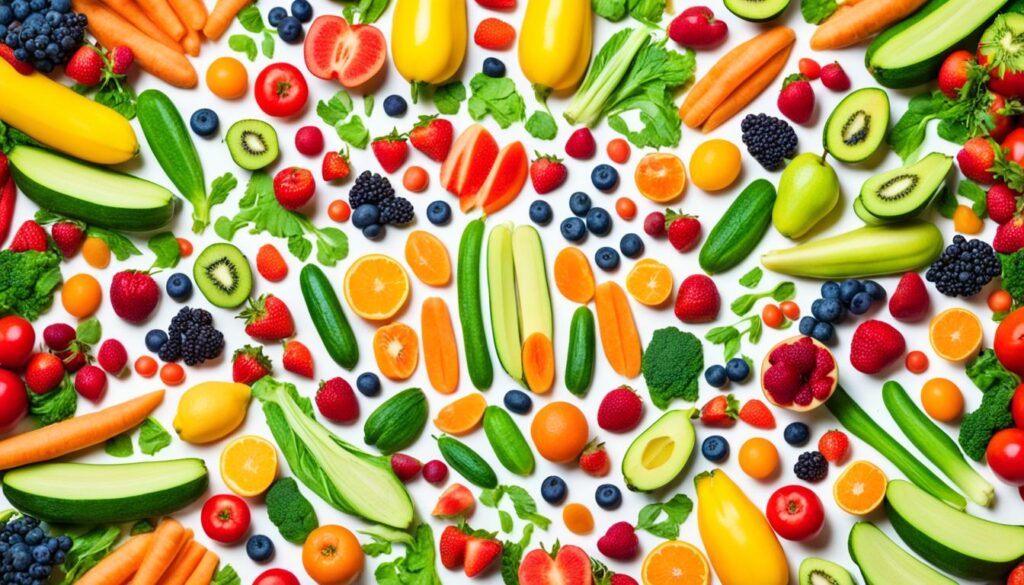
folic acid supplements and fortified foods

The Importance of Folic Acid in Pre-Pregnancy Health

Folic acid is a key nutrient that plays a crucial role in pre-pregnancy health. One of its main benefits is its ability to help prevent major birth defects of the baby’s brain and spine. By supporting the formation of the neural tube during early pregnancy, folic acid can significantly reduce the risk of these birth defects.

It is especially important for women of reproductive age to ensure they are getting enough folic acid through vitamin supplements or fortified foods. Whether they are planning to become pregnant or have previously had a pregnancy affected by a neural tube defect, incorporating folic acid into their preconception care routine is essential.

By optimizing their reproductive health through adequate folic acid intake, women can provide the best possible environment for the early development of their baby. Whether it’s through vitamin supplements or fortified foods, making folic acid a priority in pre-pregnancy health can make a significant difference in the prevention of birth defects and the overall well-being of both mother and child.

FAQ

What role does folic acid play in pre-pregnancy health?

Folic acid plays a crucial role in pre-pregnancy health by helping prevent major birth defects of the baby’s brain and spine.

How does folic acid prevent birth defects?

Folic acid supports the formation of the neural tube during early pregnancy, which helps prevent birth defects like anencephaly and spina bifida.

When should I start taking folic acid supplements?

It is recommended to start taking folic acid supplements at least one month before pregnancy and continue throughout the first trimester to ensure adequate intake.

How much folic acid should I consume daily?

It is recommended to consume 400 micrograms (mcg) of folic acid daily to support pre-pregnancy health.

Can I get enough folic acid from my diet alone?

While it’s important to consume a varied diet rich in natural food folate, it may be challenging to get adequate folic acid solely from food sources. Taking a vitamin supplement or consuming fortified foods can help ensure sufficient intake.

What are some examples of fortified foods?

Examples of fortified foods include bread, breakfast cereals, and pasta, which have folic acid added to them.

Are there any other benefits of folic acid for pre-pregnancy health?

Folic acid can also support fertility and optimize early development, making it important for women planning to become pregnant or who have had a previous pregnancy affected by a neural tube defect.

Natural Fertility Boosters for Women: Enhancing Your Conception Odds

natural fertility boosters for women

Struggling to conceive can be an emotional and challenging journey for many couples. The desire to start a family can be overwhelming, and the disappointment each month can take its toll.

But what if there were natural ways to improve your fertility and increase your chances of getting pregnant? Imagine being able to enhance your conception odds by making simple lifestyle and dietary changes. It’s possible!

Meet Sarah, a vibrant and optimistic woman who had been trying to conceive for over a year. Frustrated by the lack of success, she decided to take matters into her own hands and explore natural remedies for enhancing fertility.

After conducting thorough research and working closely with her healthcare provider, Sarah discovered a treasure trove of natural fertility boosters specifically for women. She learned that proper nutrition and healthy lifestyle choices play a crucial role in optimizing fertility.

Sarah focused on incorporating antioxidant-rich foods, like a colorful array of fruits and vegetables, into her daily meals. She discovered that these foods help deactivate harmful free radicals that can damage sperm and egg cells.

Excited by her newfound knowledge, Sarah also came across a study that linked walnuts, a delicious and nutritious nut, to improved sperm quality in men. She convinced her partner to join her in adding walnuts to their diet for an added fertility boost.

Another vital nutrient Sarah learned about is folate, which can significantly impact a woman’s fertility. Higher folate intake has been associated with higher rates of implantation, clinical pregnancy, and live birth in women. Sarah made sure to include folate-rich foods in her diet to improve her chances of conceiving.

As Sarah embarked on her fertility-boosting journey, she learned that certain lifestyle choices can also have a powerful impact. For women with polycystic ovary syndrome (PCOS), eating a bigger breakfast can improve hormonal effects and promote ovulation.

Curious to discover more, Sarah continued her research and found that avoiding trans fats is crucial. These unhealthy fats are linked to an increased risk of ovulatory infertility. Additionally, cutting down on carbs, especially refined carbs, can benefit women with PCOS by maintaining a healthy weight, reducing insulin levels, and improving menstrual regularity.

Feeling inspired and empowered, Sarah began incorporating more fiber into her diet. She discovered that fiber helps remove excess estrogen from the body, which can be beneficial for fertility. She also learned that swapping animal proteins for vegetable protein sources may reduce the risk of ovulatory infertility.

Motivated by the desire to optimize her fertility, Sarah made a few other changes in her routine. She switched to high-fat dairy products, as they may decrease the risk of infertility. Sarah also started taking a multivitamin, specifically one containing folate, to further support her ovulatory health.

However, Sarah realized that fertility isn’t just about nutrition and lifestyle choices. Stress and exercise also play vital roles. Sarah learned that excessive high-intensity exercise can decrease fertility, so she made sure to find a balance that worked for her.

Lastly, Sarah took time to relax and reduce her anxiety levels. She enjoyed moments of self-care and pampering, knowing that stress can suppress fertility.

Reflecting on her journey, Sarah knew that she was doing everything she could to optimize her fertility naturally. The path to parenthood was still unpredictable, but Sarah felt a renewed sense of hope and empowerment.

You too can enhance your conception odds by incorporating these natural fertility boosters into your life. From the foods you eat to the habits you develop, every small change can make a big difference. Start your journey towards parenthood with confidence, knowing that nature has provided you with powerful ways to enhance your fertility.

Continue reading to discover the role of supplements in boosting fertility and the efficacy of these fertility-boosting aids.

The Role of Supplements in Boosting Fertility

Taking supplements can be an additional way to enhance fertility. Certain supplements contain important nutrients and antioxidants that support reproductive health and increase the chances of conception.

Coenzyme Q10 (CoQ10) is a natural antioxidant that plays a crucial role in cell growth and maintenance. Research suggests that CoQ10 supplementation may improve pregnancy rates, especially for women with low ovarian reserve.

Vitamin D3 supplementation is essential for women trying to conceive, as many women are deficient in this important nutrient. Vitamin D plays a key role in reproductive function and hormone balance.

Folic acid, also known as folate, is vital for neural tube development in the early stages of pregnancy. It can also lower the risk of ovulatory infertility in women.

Selenium, another antioxidant, may help prevent miscarriage in women by supporting overall reproductive health. Additionally, selenium is essential for sperm viability in men.

Vitamin E is a natural antioxidant that can boost fertility by helping the fertilized egg attach to the uterine wall. It also supports overall reproductive health.

Other herbs and supplements like Vitex (chasteberry) or Ashwagandha have been traditionally used for their potential fertility-boosting properties. However, it’s important to research and consult with a healthcare provider before adding them to your routine.

Prenatal vitamins are essential during pregnancy to support the healthy development of the fetus. While they do not directly improve fertility, they provide important nutrients that are necessary for a healthy pregnancy.

Supplements for Boosting Fertility:

  1. Coenzyme Q10
  2. Vitamin D3
  3. Folic Acid
  4. Selenium
  5. Vitamin E
  6. Vitex (chasteberry)
  7. Ashwagandha

These supplements can be valuable additions to a comprehensive approach to improving fertility, but it’s crucial to consult with a healthcare provider before starting any new supplements.

Remember, supplements should not be used as a replacement for a healthy lifestyle. It’s important to focus on nutrition, exercise, stress management, and other factors that contribute to overall reproductive health.

The Efficacy of Fertility Supplements

When it comes to fertility supplements, it’s important to note that they are not regulated by the FDA and lack scientific evidence to support their effectiveness. A review of women’s fertility supplements found that none of the manufacturers provided reasonable scientific substantiation for their products. Many manufacturers cited no supportive studies or relied on customer reviews as evidence. It’s necessary to do your own research and consult with a healthcare provider before considering specific fertility supplements. Evidence-based practices are the gold standard in healthcare, and fertility supplements do not meet this standard.

Prenatal vitamins are not specifically designed to improve fertility but are important for fetal development. Supplements like CoQ10 and DHEA have shown some positive effects on fertility for specific groups of women, such as those with low ovarian reserve. However, more research is needed to fully understand their mechanisms of action and effectiveness. Evening primrose oil and vitex/chasteberry have limited evidence supporting their use for fertility enhancement. It’s crucial to approach fertility supplements with caution and prioritize evidence-based treatments.

fertility supplements

Remember, always consult with a healthcare provider before starting any supplements and prioritize evidence-based fertility treatments for optimal results.

Conclusion

Enhancing fertility naturally involves incorporating lifestyle and dietary changes that can significantly impact your conception odds. By consuming antioxidant-rich foods, maintaining a healthy weight, and managing stress levels, you can boost your natural fertility. However, it’s important to be cautious about fertility supplements.

While supplements can be considered as adjuncts to lifestyle changes, it’s crucial to understand that they are not regulated and lack scientific evidence to support their claims. Prenatal vitamins are essential during pregnancy for fetal development but do not directly enhance fertility. CoQ10 and DHEA may have positive effects on fertility for specific groups of women, but more research is needed to fully understand their mechanisms of action and effectiveness.

Evening primrose oil and vitex/chasteberry have limited evidence supporting their use as fertility boosters. It is recommended to consult with a healthcare provider before starting any supplements, as they may interact with other medications or have adverse effects. Additionally, it’s important to prioritize evidence-based fertility treatments for optimal results, as these have been extensively studied and proven to be effective in enhancing fertility.

FAQ

What are some natural ways to boost fertility?

Some natural ways to boost fertility include eating antioxidant-rich foods, maintaining a healthy weight, managing stress levels, and getting regular exercise.

Can nutrition affect fertility?

Yes, nutrition plays a crucial role in enhancing fertility. Eating a balanced diet rich in antioxidants, folate, and fiber can improve fertility for both men and women.

Are there specific foods that can improve fertility?

Yes, foods rich in antioxidants, such as fruits and vegetables, walnuts, and high-fat dairy products, can improve fertility. Consuming more fiber and swapping animal proteins for vegetable protein sources can also have fertility-boosting benefits.

Do supplements help improve fertility?

Supplements can be considered as adjuncts to lifestyle changes, but they lack scientific evidence to support their claims. Coenzyme Q10 and vitamin D3 supplementation may have positive effects on fertility for specific groups of women, but more research is needed. It’s important to consult with a healthcare provider before starting any supplements.

Are prenatal vitamins effective in improving fertility?

Prenatal vitamins are essential during pregnancy but do not directly improve fertility. They are designed to support fetal development.

Are fertility supplements regulated and evidence-based?

Fertility supplements are not regulated by the FDA and lack scientific evidence to support their claims. It’s necessary to do your own research and consult with a healthcare provider before considering specific fertility supplements. Evidence-based treatments are the gold standard in healthcare.

Source Links

Understanding Your Menstrual Cycle and Its Role in Fertility

menstrual cycle

Have you ever wondered how your menstrual cycle works and its connection to fertility? Understanding your menstrual cycle is crucial for pre-pregnancy planning and optimizing your chances of conceiving.

Let me tell you a relatable story. Meet Sarah, a woman in her late twenties who has been trying to get pregnant for the past few months without success. She and her partner have been eagerly anticipating the arrival of their little bundle of joy. However, they are starting to wonder if they are missing something.

One day, Sarah’s friend Emily shares her own experience with menstrual cycles and fertility. Emily explains that the menstrual cycle is the time between the first day of a woman’s period and the day before her next period. It is controlled by hormones and involves various reproductive organs such as the ovaries, womb, fallopian tubes, cervix, and vagina.

As Sarah listens intently, Emily goes on to explain that the average menstrual cycle is 28 days but can vary between 23 to 35 days. She tells Sarah about the two main phases of the menstrual cycle: the follicular phase, where the ovaries develop and release an egg, and the luteal phase, where the womb prepares for the implantation of a developing embryo.

Curious to learn more, Sarah begins researching on her own. She discovers that ovulation, the release of an egg from the ovaries, plays a critical role in determining one’s fertility. Understanding when ovulation occurs can greatly increase the chances of conception.

With newfound knowledge, Sarah decides to track her menstrual cycle and identify the signs of ovulation. She learns that ovulation typically occurs around 10 to 16 days before the next period, but the exact timing can vary for each woman. By monitoring her body’s natural signals and understanding the changes in her cervical mucus and basal body temperature, Sarah is better equipped to determine her fertile days.

Are you ready to dive deeper into the details of your menstrual cycle and how it impacts fertility? In the next section, we will explore what happens during ovulation and how it can affect your chances of getting pregnant.

What Happens During Ovulation?

Ovulation is a crucial part of a woman’s menstrual cycle that occurs when an egg is released from the ovaries. Understanding the process of ovulation is essential for those trying to conceive or wanting to better understand their reproductive health.

A woman is born with all her eggs, which are stored in the ovaries. During each menstrual cycle, one egg develops and matures in preparation for potential fertilization. The release of this mature egg from the ovary is known as ovulation.

Ovulation typically occurs around 10 to 16 days before the start of the next period, although the exact timing can vary from woman to woman. This timing is influenced by factors such as the length of the menstrual cycle and individual hormonal fluctuations.

During ovulation, the ovaries release the mature egg into the fallopian tubes. If sexual intercourse occurs during this period, sperm can survive in the fallopian tubes for up to 7 days, increasing the chances of fertilization.

Women with a regular 28-day menstrual cycle are often most fertile around day 14 of their cycle, counting the first day of their period as day 1. However, it is important to note that this timing may not be applicable to women with shorter or longer cycles.

Pinpointing the exact moment of ovulation can be challenging, but there are several methods available to help track the signs and symptoms. These methods include monitoring changes in basal body temperature, observing changes in cervical mucus consistency, and using ovulation prediction kits.

Understanding when ovulation occurs can be beneficial for couples trying to conceive, as it helps determine the most fertile days of the menstrual cycle. By timing intercourse during the ovulation period, the chances of successful fertilization are increased.

Key Takeaways:

  • Ovulation is the release of an egg from the ovaries.
  • A woman is born with all her eggs, and during each menstrual cycle, one egg matures and is released.
  • Ovulation typically occurs around 10 to 16 days before the next period, but the exact timing can vary.
  • Pregnancy can occur if intercourse happens a few days before or during ovulation, as sperm can survive in the fallopian tubes for up to 7 days.
  • Women with a regular 28-day cycle are more likely to be fertile around day 14 of their menstrual cycle.
  • Tracking ovulation can be helpful for those trying to conceive.

What Happens During Menstruation?

Menstruation, also known as a period, is a natural process that occurs in a woman’s reproductive system. It involves the shedding of the lining of the uterus, called the endometrium. Throughout a woman’s reproductive life, the endometrium thickens in preparation for a potential pregnancy, stimulated by elevated levels of estrogen and progesterone.

If fertilization does not occur, the endometrium is no longer needed and is expelled from the body. This includes blood and mucus, which are discharged through the vagina during the menstrual flow. Menstruation typically lasts for 2 to 7 days, although the duration can vary among individuals.

On average, women lose about 20 to 90ml of blood during each period. Some women may experience heavier periods, which can be a cause for concern. It is important to understand that menstrual flow can change over time and may be influenced by various factors such as stress, strenuous exercise, and diet.

Typically, girls start menstruating around the age of 12, although the onset of menstruation can differ for each individual. If menstruation has not begun by the age of 15 or if other signs of puberty have not appeared, it is recommended to consult a healthcare provider for evaluation and guidance.

FAQ

What is the menstrual cycle?

The menstrual cycle is the time from the first day of a woman’s period to the day before her next period. It is controlled by hormones and typically lasts for an average of 28 days. However, cycles that are longer or shorter between 23 to 35 days are considered normal.

What are the different phases of the menstrual cycle?

The menstrual cycle consists of two phases: the follicular phase and the luteal phase. During the follicular phase, rising levels of estrogen cause the ovary to develop and release an egg. In the luteal phase, the hormone progesterone helps the womb prepare for implantation of a developing embryo.

How does ovulation occur?

Ovulation is the release of an egg from the ovaries. A woman is born with all her eggs, and during each menstrual cycle, one egg develops and is released. Ovulation typically occurs around 10 to 16 days before the next period. However, the exact timing can vary.

How can I determine when I am fertile?

It can be challenging to pinpoint the exact timing of ovulation. However, women with a regular 28-day cycle are more likely to be fertile around day 14 of their menstrual cycle. It is important to note that this may not apply to women with shorter or longer cycles. Tracking your menstrual cycle and monitoring symptoms like changes in cervical mucus can be helpful in determining your fertile window. Consulting with a healthcare provider can provide further guidance.

What happens during menstruation?

Menstruation is the shedding of the lining of the uterus, known as the endometrium. If fertilization does not occur, the endometrium, along with blood and mucus, is discharged through the vagina during the period. Menstruation typically lasts for 2 to 7 days, and women lose about 20 to 90ml of blood during each period. However, some women may experience heavier or lighter periods.

When does menstruation typically start?

The average age for starting menstruation is around 12 years, but it can vary for individuals. Factors like stress, strenuous exercise, and diet can influence the timing of a girl’s first period. It is recommended to consult a healthcare provider if menstruation has not started by the age of 15 or if other signs of puberty have not appeared.

Remember, take this piece as a suggestion and feel free to adapt it to your needs.

The Critical Role of Zinc in Male Fertility: A Nutrient Overview

role of zinc in male fertility

Imagine a couple eagerly trying to start a family. They’ve been trying for months, but so far, they haven’t had any success. They start questioning what could be wrong, and that’s when they stumble upon the importance of zinc in male fertility.

Zinc, a vital nutrient, plays a crucial role in reproductive health, particularly in men. It’s like a superhero silently operating behind the scenes, ensuring that everything runs smoothly in the male reproductive system.

Just like any superhero, zinc has special powers. It is involved in numerous physiological processes in sperm cells, including the development and function of the male reproductive system, production of healthy sperms, and protecting DNA integrity in sperm cells. Without enough zinc, the intricate process of creating life can face obstacles.

Studies have shown that low levels of zinc in the body can lead to decreased sperm quality and fertility in men. You can think of zinc as the fuel that keeps the engine of male fertility running. Without adequate levels of this nutrient, sperm count, motility, and morphology can be negatively affected, making it more challenging for couples to conceive.

But there’s good news. Science has also highlighted the positive impact of zinc supplementation on male fertility. By adding the right amount of zinc to the mix, couples struggling to conceive may increase their chances of starting a family.

In the following sections, we will explore in detail the impact of zinc on sperm quality and function and why zinc supplementation is crucial for boosting male fertility. So, stay tuned, and let’s dive into the world of zinc and its powerful role in male fertility.

The Impact of Zinc on Sperm Quality and Function

Studies have indicated a significant association between zinc levels and sperm quality in men. Higher levels of zinc in the seminal plasma have been correlated with better sperm parameters, including sperm count, motility, and morphology.

Zinc is involved in the synthesis and maturation of sperm cells, and it plays a role in the structural stability of sperm membranes. Additionally, zinc has antioxidant properties and helps protect sperm cells from oxidative stress and DNA damage.

Research has also shown that zinc deficiency can lead to impaired sperm function, such as reduced sperm motility and increased sperm DNA fragmentation.

To further understand the impact of zinc on sperm quality and function, let’s take a look at the following table:

Zinc Levels in Seminal Plasma Sperm Quality Parameters
High Increased sperm count, motility, and morphology
Low Reduced sperm motility and increased sperm DNA fragmentation

As seen in the table above, higher zinc levels in the seminal plasma are associated with improved sperm quality, while low zinc levels can contribute to poor sperm function.

It is essential to maintain adequate zinc levels in the body to support optimal sperm health and function. This can be achieved through a balanced diet that includes zinc-rich foods such as oysters, beef, pumpkin seeds, and spinach.

Remember, if you have concerns about zinc levels or sperm quality, it is always advisable to consult with a healthcare professional for personalized guidance and support.

The Importance of Zinc Supplementation for Male Fertility

Zinc supplementation has emerged as a potential treatment for male infertility, offering hope to couples struggling to conceive. Research studies have shown that supplementing with zinc can have a positive impact on sperm quality and increase fertility rates, especially in men with low zinc levels.

Multiple studies have reported promising findings regarding the effects of zinc supplementation on sperm parameters. Increased sperm count, improved sperm motility, and enhanced normal morphology are some of the observed improvements associated with zinc supplementation.

Furthermore, zinc supplementation has been found to reduce DNA damage in sperm cells, which is crucial for ensuring the genetic integrity of future offspring. By reducing oxidative stress and protecting against DNA fragmentation, zinc plays a vital role in optimizing reproductive outcomes.

It is important to note, however, that the precise dosage and duration of zinc supplementation for male fertility are still subjects of ongoing research. Individual variations in response to supplementation also underline the need for a personalized approach. Therefore, it is strongly recommended to consult with a healthcare professional specializing in reproductive health before embarking on any zinc supplementation regimen.

FAQ

What is the role of zinc in male fertility?

Zinc plays a vital role in male fertility and reproductive health. It is involved in various physiological processes in sperm cells, including sperm production, sperm motility, and the protection of DNA integrity in sperm cells.

How does zinc affect sperm quality?

Studies have indicated a significant association between zinc levels and sperm quality in men. Higher levels of zinc in the seminal plasma have been correlated with better sperm parameters, including sperm count, motility, and morphology. Zinc deficiency can lead to impaired sperm function, such as reduced sperm motility and increased sperm DNA fragmentation.

Can zinc supplementation improve male fertility?

Zinc supplementation has been investigated as a potential treatment for male infertility. Research has shown that supplementation with zinc can improve sperm quality and increase fertility in men with low zinc levels. It has been found to increase sperm count, motility, normal morphology, and reduce DNA damage in sperm cells. However, it is recommended to consult with a healthcare professional before starting any supplementation regimen.

What dosage of zinc supplementation is recommended for male fertility?

The optimal dosage and duration of zinc supplementation for male fertility are still under investigation, and individual variations in response to supplementation may exist. It is best to consult with a healthcare professional to determine the appropriate dosage for your specific needs.

Are there any side effects of zinc supplementation for male fertility?

Zinc supplementation is generally considered safe when taken within the recommended dosage range. However, excessive doses of zinc can lead to side effects such as nausea, vomiting, diarrhea, and copper deficiency. It is important to follow the recommended dosage guidelines and consult with a healthcare professional to avoid any potential adverse effects.

Source Links

The Impact of Stress on the Menstrual Cycle and Fertility: Understanding and Management

impact of stress on menstrual cycle

Meet Emma, a hardworking professional juggling a demanding job, a busy social life, and the pressures of everyday life. Emma’s period has always been like clockwork, arriving on time every month like an old friend. However, lately, Emma has noticed some changes. Her once predictable cycle has become irregular, leaving her feeling confused and concerned.

As Emma begins her search for answers, she discovers the surprising impact that stress can have on the menstrual cycle and fertility. She learns that stress, whether emotional, nutritional, or physical, can disrupt hormone production, leading to abnormal menstrual cycles. Chronic stress can even result in more erratic or absent menstruation.

Curious to understand more, Emma delves further into the topic. She discovers that extreme weight changes and physical activity are common culprits of a delayed cycle. However, she also learns that over 70% of women experience recovery of their periods with the resumption of menses if their absent periods were associated with stress or weight loss.

Excited by this revelation, Emma realizes that she can take steps to manage her stress and find balance in her life. She discovers that recovery is more likely in women with a higher body mass index and lower cortisol levels. Emma decides to prioritize self-care and adopt stress management techniques such as exercise, healthy habits, and seeking mental health support when needed.

As Emma begins this journey of understanding and management, she discovers that by taking care of her body and mind, she can maintain a healthier menstrual cycle and improve her fertility. The answers she sought were not far away; they were within her grasp.

In this article, we will explore in depth the link between stress and the menstrual cycle, as well as the impact of stress on fertility. We will also discuss the various management strategies that can help individuals like Emma regain control of their reproductive health.

Let’s dive into the fascinating world of stress and its effects on the menstrual cycle and fertility.

The Link Between Stress and Hormonal Disruptions

Stress can have a significant impact on the production of hormones in the body, including those involved in the menstrual cycle. One key hormone affected by stress is cortisol, commonly referred to as the primary stress hormone. Cortisol plays a vital role in the body’s stress response, but elevated levels of cortisol can disrupt the function of the hypothalamic-pituitary-ovarian (HPO) axis, which regulates the menstrual cycle.

Chronic stress can lead to dysregulation of the HPO axis, resulting in irregular or absent periods. Elevated cortisol levels have been associated with conditions such as exercise-associated amenorrhea and hypothalamic amenorrhea, where the menstrual cycle ceases due to stress-induced hormonal imbalances.

Stress can also affect the secretion of gonadotropin-releasing hormone (GnRH), further contributing to disruptions in the menstrual cycle. GnRH triggers the release of luteinizing hormone (LH) and follicle-stimulating hormone (FSH), both critical in ovulation and the maintenance of the menstrual cycle. Any disturbances in GnRH secretion can lead to anovulation, where the ovaries fail to release an egg each month.

Moreover, the HPO axis is regulated by a group of neurons known as kisspeptin neurons. Stress can influence the activity of these neurons, potentially further disrupting the hormonal balance and function of the menstrual cycle.

It is important to note that stress can take various forms, including psychological stress, physical stress, and nutritional stress. Each type of stress can impact hormone production differently, highlighting the complex interplay between stress and the menstrual cycle.

Impact of Stress on Hormone Production and the Menstrual Cycle
Increased secretion of endorphins and cortisol
Interference with the hypothalamic-pituitary-ovarian (HPO) axis
Dysregulation of the HPO axis, leading to irregular or absent periods
Association with exercise-associated amenorrhea and hypothalamic amenorrhea
Impact on the secretion of gonadotropin-releasing hormone (GnRH), leading to anovulation
Influence on kisspeptin neurons, crucial in regulating the HPO axis

Understanding the link between stress and hormonal disruptions is essential in managing the impact of stress on the menstrual cycle. By effectively managing stress levels and employing stress reduction techniques, individuals can work towards maintaining a healthy hormonal balance and a regular menstrual cycle.

Effects of Stress on Fertility

Stress can have a significant impact on fertility by disrupting the delicate process of ovulation, which is the release of a mature egg from the ovary. Various studies have demonstrated a correlation between stress and anovulation in women with regular menstrual cycles. These stress-induced disruptions in ovulation can result in difficulties conceiving and getting pregnant.

It is important to note that chronic stress can further exacerbate fertility issues by affecting the quality and function of the eggs. Research also suggests that stress can interfere with the implantation of the fertilized egg in the uterus, further reducing the chances of successful conception and pregnancy.

Moreover, it is not just physical stressors that can impact fertility. Psychological stress, including work-related stress and traumatic experiences, has been linked to menstrual dysfunction and fertility problems. The intricate hormonal balance required for a healthy menstrual cycle and optimal fertility can be affected by the interaction between the hypothalamic-pituitary-adrenal (HPA) axis, which regulates the stress response, and the hypothalamic-pituitary-gonadal (HPG) axis responsible for reproductive function.

Stress can disrupt the HPA axis, leading to dysregulation of cortisol and other hormone levels in the body. This hormonal imbalance can directly impact fertility by interfering with the release of reproductive hormones necessary for ovulation and the preparation of the uterus for implantation.

Impact of Stress on Female Fertility – A Summary

Stress can hinder fertility by:

  • Disrupting ovulation, making it difficult to release a mature egg from the ovary
  • Contributing to anovulation, especially in women with regular menstrual cycles
  • Affecting the quality and function of eggs, reducing fertility potential
  • Interfering with the implantation process in the uterus
  • Increasing the risk of menstrual dysfunction and fertility problems
  • Disrupting the delicate balance of hormones involved in reproduction

Understanding the profound effects of stress on fertility underscores the importance of stress management for individuals planning to conceive. By adopting stress reduction techniques, seeking support, and prioritizing self-care, individuals can optimize their hormone balance, improve their chances of successful ovulation, and increase their overall fertility.

Stress and Fertility

Effects of Stress on Fertility
1 Disrupts ovulation process
2 Correlation with anovulation in women with regular menstrual cycles
3 Impacts egg quality and function
4 Interferes with implantation in the uterus
5 Linked to menstrual dysfunction and fertility issues
6 Dysregulates hormone levels, including cortisol

Conclusion

Recognizing and managing stress is crucial for maintaining a healthy menstrual cycle and improving fertility. Lifestyle changes, including ensuring adequate nutrition, regular exercise, and good sleep habits, can help mitigate the effects of stress on the menstrual cycle. Prioritizing self-care and stress management techniques is essential.

In cases where the cause of stress is known, taking steps to reverse or address it can be key in managing irregular periods. Seeking mental health support and therapy may be necessary for individuals experiencing chronic stress and its impact on their menstrual cycle and fertility.

Medical interventions, such as hormone replacement therapy and the use of contraceptives, may be prescribed to regulate hormone levels and improve menstrual regularity. However, it’s important to remember that holistic well-being and self-care play a significant role in managing stress and positively impacting the menstrual cycle and fertility. Taking care of oneself is paramount for a healthy reproductive system.

FAQ

How does stress impact the menstrual cycle?

Stress, whether emotional, nutritional, or physical, can disrupt hormone production, leading to abnormal menstrual cycles. Chronic stress can result in more erratic or absent menstruation.

What are common causes of a delayed menstrual cycle?

Extreme weight changes and physical activity are common culprits of a delayed cycle.

How likely is it for periods to recover after stress or weight loss?

Over 70% of women experience recovery of their periods with the resumption of menses if their absent periods were associated with stress or weight loss. Recovery is more likely in women with a higher body mass index and lower cortisol levels.

When should medical attention be sought for irregular or absent periods?

If irregular or absent periods persist for more than three to six months, medical attention should be sought to investigate the underlying cause. Other causes of irregular periods should be ruled out, such as hormonal disturbances, polycystic ovaries, or chronic anovulation syndrome.

What can be done to manage irregular menstrual cycles caused by stress?

Lifestyle changes, hormone replacement therapy, and contraceptives may be prescribed to manage irregular menstrual cycles caused by stress. Taking care of the body through stress management techniques, exercise, and healthy habits can help maintain a healthy menstrual cycle.

How does stress affect fertility?

Stress can affect fertility by disrupting ovulation, the release of a mature egg from the ovary. Studies have shown a correlation between stress and anovulation in women with regular menstrual cycles. Stress-induced disruptions in ovulation can result in difficulty getting pregnant.

Can chronic stress impact egg quality and implantation?

Yes, chronic stress can impact the quality and function of the eggs and affect implantation in the uterus. Stress can also interact with the hypothalamic-pituitary-gonadal (HPG) axis, affecting fertility.

How can stress be managed to improve the menstrual cycle and fertility?

It is crucial to recognize and manage stress to maintain a healthy menstrual cycle and improve fertility. Lifestyle changes, such as adequate nutrition, exercise, and good sleep habits, can help mitigate the effects of stress on the menstrual cycle. Mental health support and therapy may be necessary for individuals experiencing chronic stress and its impact on their menstrual cycle and fertility.

Are there medical interventions available to regulate hormone levels and improve cycle regularity?

Yes, hormone replacement therapy and contraceptives may be prescribed to regulate hormone levels and improve menstrual regularity.

Source Links

The Impact of Alcohol on Male Fertility: Understanding the Risks

impact of alcohol on male fertility

Meet Mark, a 35-year-old man who has always enjoyed a social drink with his friends. Little did he know that his alcohol consumption could have a significant impact on his fertility when he and his wife decided to start a family.

Mark was aware that alcohol could affect his overall health, but he never realized the specific risks it posed to male fertility. As he delved into research on pre-pregnancy health, he discovered alarming studies that revealed the detrimental effects of alcohol on sperm count, size, shape, and motility.

Reading about these findings, Mark’s concern grew. He learned that heavy and consistent drinking, as well as binge drinking, could alter hormone levels, such as testosterone, follicle-stimulating hormone, luteinizing hormone, and estrogen, leading to reduced sperm production.

What shocked Mark even more was the discovery that excessive alcohol consumption could cause the testes to shrink, potentially resulting in impotence or infertility. Additionally, alcohol can cause problems with ejaculation, such as early ejaculation or decreased ejaculation, and can change the shape, size, and movement of healthy sperm.

Mark also learned that combining alcohol with drugs like marijuana or opioids could further lower fertility. Furthermore, liver disease caused by excessive drinking can impact sperm quality.

However, there was a glimmer of hope amidst this disheartening information. Mark discovered that the effects of alcohol on sperm count were reversible. If he made the decision to stop consuming alcohol, studies showed that healthy sperm production could usually return within three months.

Mark realized that his pre-pregnancy health and lifestyle choices were crucial in ensuring a healthy reproductive journey. Taking a sip of his beer, he made a commitment to himself and his wife to reduce his alcohol intake and prioritize their shared goal of starting a family.

If you can relate to Mark’s story, it’s important to be aware of the impact of alcohol on male fertility. Making informed choices about alcohol consumption, alongside maintaining a balanced diet, regular exercise, and stress management, can contribute to better fertility outcomes.

The Effects of Alcohol on Female Fertility

Alcohol can have significant negative effects on female fertility. Regular heavy drinking can disrupt the menstrual cycle and ovulation, leading to changes in ovarian function. This interruption of the menstrual cycle is known as amenorrhea, while the absence of ovulation is referred to as anovulation.

Furthermore, alcohol consumption can alter hormone levels that are crucial for reproductive health. It can affect testosterone, estradiol, and luteinizing hormone, which are all involved in the regulation of the menstrual cycle and ovulation. Additionally, alcohol can cause elevated levels of prolactin in the blood, a hormone that is typically associated with lactation rather than fertility.

These effects of alcohol on the female reproductive system can significantly reduce the chances of becoming pregnant. It is important for women to be aware of the impact of alcohol on their fertility and overall reproductive health. Making informed choices about alcohol consumption can greatly improve the chances of conception and a healthy pregnancy.

Effects of Alcohol on Female Fertility Impact
Disruption of the menstrual cycle Can lead to amenorrhea and anovulation
Alteration of hormone levels Affects testosterone, estradiol, luteinizing hormone, and prolactin
Potential harm during pregnancy Can result in fetal alcohol spectrum disorders

Conclusion

The impact of alcohol on male and female fertility is significant and should not be overlooked. Heavy and binge drinking can have negative effects on sperm count, size, shape, and motility in men, as well as disrupt the menstrual cycle and ovulation in women. Additionally, alcohol consumption can lower testosterone levels in men and alter hormone levels in women, affecting overall reproductive health.

For couples trying to conceive, it is important to consider the potential risks of alcohol consumption. Making healthy lifestyle choices, such as avoiding excessive drinking, maintaining a balanced diet, exercising regularly, and managing stress, can all contribute to better fertility outcomes. It is crucial to prioritize pre-pregnancy health considerations and consult with a healthcare professional for personalized guidance.

By taking these steps, individuals can optimize their chances of conceiving and ensure a healthy start to their journey into parenthood. Remember, when it comes to alcohol and fertility, being informed and making proactive choices are key.

FAQ

Can alcohol consumption affect male fertility?

Yes, studies have shown that heavy and consistent drinking, as well as binge drinking, can alter sperm count, size, shape, and motility. It can also lower testosterone levels and disrupt hormone balance, leading to reduced sperm production and fertility issues.

Can alcohol consumption impact female fertility?

Regular heavy drinking can interrupt the menstrual cycle and ovulation, leading to changes in ovarian function and reduced fertility. Alcohol can also alter hormone levels and interfere with reproductive processes, making it harder to conceive.

How long does it take for fertility to improve after stopping alcohol consumption?

The effects of alcohol on sperm count are reversible, with healthy sperm production usually returning within three months after stopping alcohol consumption. However, individual results may vary, and it is advisable to consult a healthcare professional for personalized guidance.

Can combining alcohol with other substances further lower fertility?

Yes, combining alcohol with drugs like marijuana or opioids can further lower fertility and have negative effects on reproductive health. It is important to avoid the use of these substances when trying to conceive.

Can alcohol exposure during pregnancy affect fertility?

Yes, alcohol exposure during pregnancy is known to be harmful and can result in fetal alcohol spectrum disorders. It is crucial for women to abstain from alcohol during pregnancy to ensure the health and well-being of the baby.

What can I do to improve fertility and pre-pregnancy health?

Making healthy lifestyle choices, such as avoiding excessive drinking, maintaining a balanced diet, exercising regularly, and managing stress, can all contribute to better fertility outcomes. It is always advisable to consult with a healthcare professional for personalized guidance on pre-pregnancy health considerations.

Source Links

Boosting Male Fertility: Natural Supplements and Strategies for Pre-Pregnancy

natural fertility boosters for men

Struggling with fertility issues can be a challenging and disheartening experience for couples. Take Mark and Emily, for example. They had been trying to conceive for over a year without success. Both of them were feeling discouraged and wondered if they would ever be able to start a family of their own.

With a desire to explore natural options to enhance their chances of conceiving, Mark and Emily began researching male fertility boosters. They discovered a wealth of information on natural strategies and supplements that could potentially improve their chances of pre-pregnancy success.

Mark and Emily soon realized that there were several key factors that could impact male fertility, including sperm count and quality. They learned that certain nutrients, such as folic acid, vitamins B12, C, E, zinc, and selenium, were essential for maintaining optimal sperm health. These vitamins and minerals, found in prenatal supplements, not only enhanced sperm quality but also reduced the risk of chromosomal abnormalities.

In addition to proper nutrition, Mark and Emily discovered that lifestyle choices could significantly affect male fertility. They found that getting enough sleep and establishing a consistent bedtime routine before 10:30 pm could improve sperm quality and overall fertility. They also learned that managing stress, engaging in regular exercise, and maintaining a healthy weight were key components in optimizing fertility.

As they delved deeper into their research, Mark and Emily were surprised to learn that certain habits could negatively impact male fertility. They discovered that smoking, excessive alcohol consumption, and high caffeine intake could all have detrimental effects on sperm production and quality.

Armed with this newfound knowledge, Mark and Emily made a pact to embrace a healthier lifestyle together. They started incorporating fertility-boosting supplements into their daily routine, along with adopting healthier habits. They also scheduled a thorough checkup with their healthcare provider to assess their overall health and fertility status.

They knew that their journey to parenthood might still have obstacles to overcome, but with the right information and proactive steps towards boosting male fertility, Mark and Emily were filled with hope and optimism. They were ready to navigate this road together, confident that their dreams of starting a family were within reach.

Supplements for Boosting Male Fertility

If you’re looking for natural fertility boosters for men, there are several supplements that can help enhance your reproductive health and improve your chances of conceiving. These male fertility boosters can boost sperm count, improve sperm quality, and increase testosterone levels. Let’s take a closer look at some of the most effective supplements:

D-aspartic acid (D-AA) supplements

D-aspartic acid (D-AA) supplements have been shown to increase testosterone levels and improve sperm count and motility in men with low testosterone levels. By boosting testosterone levels, D-AA supplements can have a positive impact on male fertility.

Regular exercise

In addition to taking supplements, regular exercise has been found to increase testosterone levels and improve semen quality. Engaging in physical activity can help maintain a healthy weight and support optimal reproductive function.

Vitamin C supplements

Vitamin C supplements can act as antioxidants and improve sperm motility and count. Antioxidants help protect sperm cells from damage caused by free radicals, improving their overall health and fertility.

Tribulus terrestris

Tribulus terrestris is a medicinal herb that has been shown to enhance libido and erectile function. This herb can potentially increase testosterone levels, helping boost male fertility.

Fenugreek supplements

Fenugreek supplements have been associated with improved testosterone levels, strength, and sexual performance. By naturally increasing testosterone levels, fenugreek can positively impact male fertility.

Zinc

Zinc is an essential mineral for male fertility, and low levels of zinc can negatively impact sperm quantity and quality. Adding zinc supplements to your daily routine can help support healthy sperm production.

By incorporating these supplements into your routine, you can boost male fertility and increase your chances of conceiving. However, it’s essential to consult with a healthcare professional before starting any new supplement regimen to ensure it’s safe and appropriate for you.

Lifestyle Strategies for Boosting Male Fertility

Maintaining a healthy weight and following a nutritious diet are crucial factors in improving male fertility. Studies have shown that excess weight can disrupt hormone levels and decrease sperm quality. To maintain a healthy weight, it’s important to engage in regular exercise and consume a well-balanced diet that includes plenty of fruits, vegetables, whole grains, lean proteins, and healthy fats. This can provide the body with essential nutrients for optimal reproductive function.

Managing stress is also vital for male fertility. High levels of stress can negatively impact hormone production and decrease sperm production and quality. Engaging in stress-reducing activities such as exercise, meditation, and hobbies can help lower stress levels and promote overall well-being.

Avoiding toxins is another important aspect of protecting sperm health. Exposure to toxins such as pesticides, lead, and certain chemicals can impair sperm production and cause abnormalities. It’s important to take precautions to minimize exposure to these toxins by using protective clothing, avoiding direct contact, and following safety guidelines in work and home environments.

In addition, maintaining a healthy lifestyle also means making smart choices when it comes to habits such as smoking and alcohol consumption. Both smoking and excessive alcohol intake have been linked to decreased sperm production, poor sperm quality, and fertility problems. Quitting smoking and reducing alcohol consumption can have significant benefits for male fertility.

Lastly, taking steps to keep the testicles cool can help improve sperm quality. Heat exposure, such as prolonged hot baths, saunas, or tight clothing, can negatively affect sperm production. Opting for loose-fitting underwear and avoiding excessive heat exposure can help maintain a cooler scrotal temperature and promote healthy sperm.

FAQ

Are there any natural supplements that can boost male fertility?

Yes, there are several natural supplements that can boost male fertility. Some examples include folic acid, prenatal supplements with vitamins B12, C, E, zinc, and selenium, D-aspartic acid (D-AA), vitamin C, tribulus terrestris, fenugreek, and zinc.

Can regular exercise improve male fertility?

Yes, regular exercise has been found to increase testosterone levels and improve semen quality, which can enhance male fertility.

How can a healthy diet and weight contribute to male fertility?

Maintaining a healthy weight and eating a nutritious diet rich in fruits and vegetables can improve fertility by providing essential nutrients and supporting overall health.

Can stress impact male fertility?

Yes, stress can negatively impact male fertility. Managing stress through stress reduction techniques, such as relaxation exercises or therapy, can help improve fertility.

What precautions can be taken to protect sperm health?

To protect sperm health, it is important to avoid smoking, excessive alcohol consumption, lubricants during sex, exposure to toxins (such as pesticides and lead), and excessive heat exposure on the scrotum. It is also recommended to limit exposure to sexually transmitted infections.

Source Links

Vitamin D and Fertility: How Sunlight Exposure Can Boost Your Chances

vitamin D

Imagine yourself strolling through a picturesque park on a bright, sunny day. The warm rays of the sun gently touch your skin as you soak in its natural radiance. Little do you know, this simple act of basking in sunlight is not only rejuvenating for your soul but also plays a significant role in boosting your fertility.

Meet Sarah, a young woman who had dreamt of starting a family with her partner. However, after months of trying to conceive without success, she was beginning to feel disheartened. Determined to explore all possibilities, she stumbled upon the benefits of vitamin D for fertility.

Curiosity piqued, Sarah embarked on a journey to understand how vitamin D could potentially improve her chances of conceiving. She delved into research, discovering that adequate levels of vitamin D are crucial for reproductive health. It acts as a key player in regulating reproductive hormones and plays a vital role in the development and maturation of eggs and sperm.

Excited by this newfound knowledge, Sarah learned that sunlight exposure is the best natural source of vitamin D. The body produces vitamin D when exposed to sunlight, making it an accessible and cost-effective way to boost fertility. However, she also knew the importance of protecting her skin from harmful UV rays.

Understanding that sunlight exposure alone may not be sufficient for everyone, Sarah discovered alternative sources of vitamin D. Foods such as fatty fish, egg yolks, and fortified dairy products can contribute to maintaining adequate levels. In some cases, supplements may be necessary, especially for those with limited sun exposure or dietary restrictions.

Knowing that fertility is influenced by various lifestyle factors, Sarah realized the importance of taking a holistic approach. She recognized the value of maintaining a healthy weight, consuming a balanced diet, managing stress levels, and avoiding smoking and excessive alcohol intake. By prioritizing her well-being, Sarah aimed to optimize her pre-pregnancy health and increase her chances of conceiving.

Embarking on a journey of empowerment, Sarah felt confident that she was taking the necessary steps to enhance her fertility. She understood that nurturing her body, obtaining sufficient vitamin D, and adopting a healthy lifestyle could make all the difference in her quest to start a family.

In the following sections, we will delve deeper into how much vitamin D is needed, discuss alternative sources for those with limited sun exposure, and explore other lifestyle factors that can positively impact fertility. Let’s embark on this enlightening journey together!

How Much Vitamin D?

To maintain sufficient levels of vitamin D, it is recommended to have 10-15 minutes of midday sun exposure on your arms and legs several times a week. However, it is important to protect your skin from harmful UV rays by wearing sunscreen after brief exposure to prevent skin damage.

Vitamin D can also be obtained from various food sources. Fatty fish such as salmon, mackerel, and tuna are excellent sources of vitamin D. Additionally, egg yolks and fortified dairy products like milk and yogurt can contribute to your vitamin D intake.

However, relying solely on food sources may not provide enough vitamin D, particularly for individuals with dietary restrictions or limited sun exposure, especially in northern latitudes. In such cases, supplements may be necessary to ensure adequate vitamin D levels.

It’s important to note that certain dietary restrictions, such as following a vegan or dairy-free diet, may make it more challenging to obtain sufficient vitamin D from food sources alone. In such situations, consulting with a healthcare professional or registered dietitian can help determine the best course of action to meet your vitamin D needs.

In summary, while sunlight exposure and food sources play a significant role in obtaining vitamin D, it may be necessary to consider supplements and seek professional guidance for individuals with limited sunlight exposure or dietary restrictions.

Lifestyle Factors for Fertility

In addition to vitamin D, there are several other lifestyle factors that can impact fertility. Taking steps to prioritize wellness and optimize overall health can significantly increase the chances of successful conception and pregnancy.

Maintaining a healthy weight is crucial for both men and women when it comes to fertility. Being underweight or overweight can disrupt the hormonal balance in the body and affect reproductive function. It is important to strive for a healthy body weight through regular exercise and a balanced diet.

Speaking of diet, consuming a balanced and nutritious diet is key to enhancing fertility. It’s essential to include a variety of fruits, vegetables, whole grains, lean proteins, and healthy fats in your daily meals. These nutrients provide the necessary vitamins and minerals for optimal reproductive health.

Additionally, managing stress levels is vital for improving fertility outcomes. High levels of stress can disrupt hormone production and the menstrual cycle, making it more challenging to conceive. Engage in stress-reducing activities such as yoga, meditation, or spending time with loved ones to promote emotional well-being.

Furthermore, it is essential to avoid smoking and excessive alcohol intake as they can have adverse effects on fertility. Smoking has been linked to decreased fertility in both men and women, while excessive alcohol consumption can disrupt hormone production and impair reproductive function.

By prioritizing wellness, maintaining a healthy weight, eating a balanced diet, managing stress levels, and avoiding smoking and excessive alcohol intake, you can improve your fertility and increase the chances of successful conception and pregnancy.

FAQ

How does vitamin D affect fertility?

Vitamin D plays a crucial role in reproductive health. It helps regulate reproductive hormones and is linked to a higher risk of infertility, miscarriage, and poor pregnancy outcomes when deficient.

How can I get enough vitamin D?

Sunlight exposure is the best way to get vitamin D. Aim for 10-15 minutes of midday sun exposure on arms and legs several times a week. However, it’s important to protect the skin from harmful UV rays by wearing sunscreen after brief exposure. Food sources such as fatty fish, egg yolks, and fortified dairy products can also provide vitamin D. In cases where sunlight exposure is limited or dietary restrictions exist, supplements may be necessary to maintain adequate levels.

Are there other lifestyle factors that can impact fertility?

Yes, maintaining a healthy weight, eating a balanced diet, managing stress levels, and avoiding smoking and excessive alcohol intake are all essential for improving fertility outcomes. Prioritizing wellness and optimizing overall health can significantly increase the chances of successful conception and pregnancy.

Top Natural Fertility Boosters for Aspiring Fathers

Natural Fertility Boosters for Men

Are you and your partner ready to start a family? As you embark on this exciting journey towards parenthood, it’s important to prioritize your fertility health. And yes, gentlemen, that means paying attention to your own fertility too!

Meet Tom. He and his wife Sarah have been trying to conceive for several months with no luck. Feeling frustrated and unsure of what steps to take next, they decided to do some research. That’s when they stumbled upon the power of natural fertility boosters.

Tom discovered that there are several natural ways to boost sperm health and increase the chances of successful conception. One of the key factors in fertility is the quality of sperm, and certain nutrients have been shown to play a vital role in improving sperm health.

Curious to learn more, Tom delved deeper into the world of natural fertility boosters. He discovered that antioxidants like coenzyme Q10 (CoQ10), vitamin C, and vitamin D have been proven to support fertility by promoting ovulation and improving sperm and egg quality.

But that’s not all. Tom also learned about other natural compounds that can enhance fertility for both men and women. Nutrients like inositol, omega-3 fatty acids, and folic acid have also shown promising effects on reproductive health.

Inspired by the possibilities, Tom shared his newfound knowledge with Sarah. Together, they decided to adopt a holistic approach to their fertility journey. They made a conscious effort to incorporate these natural fertility boosters into their daily routine, along with maintaining a healthy lifestyle.

Are you ready to take control of your fertility?

In the next sections, we will explore the role of male fertility tea in increasing semen count and provide a holistic conclusion that will empower you to enhance your chances of conception. Let’s dive in!

The Role of Male Fertility Tea in Increasing Semen Count

When it comes to increasing semen count naturally, incorporating Male Fertility Tea into your daily routine can be a game-changer. This natural solution is packed with antioxidants and fertility-enhancing ingredients like maca root and green tea, which have been found to boost testosterone levels and improve semen production.

But how does Male Fertility Tea work? Well, the antioxidants in the tea help protect sperm cells from damage caused by free radicals, which can affect their quality and quantity. By reducing oxidative stress and inflammation, Male Fertility Tea supports healthy sperm development and function.

Moreover, this fertility tea also provides essential nutrients that promote reproductive health. Ingredients like zinc, vitamin E, and folate play a crucial role in sperm production and overall fertility. By nourishing your body with these vital nutrients, Male Fertility Tea helps optimize semen count and quality.

Not only does Male Fertility Tea support physical health, but it also aids in stress reduction. Chronic stress can negatively impact fertility by disrupting hormone levels and sperm production. By incorporating this tea into your daily routine, you can enjoy a moment of relaxation and stress relief, which can have a positive effect on your reproductive system.


In addition to incorporating Male Fertility Tea, there are other natural ways to enhance semen count. A balanced diet rich in fruits, vegetables, whole grains, and lean proteins can provide essential nutrients for sperm health. Regular exercise, adequate sleep, and stress management techniques such as yoga or meditation can also play a significant role in optimizing fertility.

By taking a holistic approach, combining Male Fertility Tea with other lifestyle changes, you can increase your semen count and improve your chances of achieving your fertility goals.

Male Fertility Tea Benefits:

  • Boosts testosterone levels
  • Improves semen production
  • Protects sperm cells from damage
  • Reduces oxidative stress and inflammation
  • Provides essential nutrients for reproductive health
  • Aids in stress reduction

When it comes to enhancing semen count naturally, Male Fertility Tea is a natural and effective choice. Start incorporating this fertility-boosting beverage into your daily routine and take a step closer to achieving your fertility goals.

Ingredient Benefits
Maca Root Boosts testosterone levels and improves semen quality
Green Tea Rich in antioxidants that protect sperm cells
Zinc Essential for healthy sperm production
Vitamin E Protects sperm cells from oxidative stress
Folate Plays a role in DNA synthesis and sperm maturation

Conclusion

Improving semen count naturally is a multifaceted process that requires a holistic approach to fertility. By adopting healthy lifestyle habits and incorporating male fertility supplements like Male Fertility Tea, you can enhance your chances of increasing semen count and improving overall reproductive health.

One crucial aspect of this holistic approach is making dietary changes. Consuming a balanced diet that includes essential nutrients such as antioxidants, vitamins, and minerals can have a positive impact on sperm health and production. Additionally, regular exercise helps improve blood circulation and hormone balance, further supporting fertility.

Managing stress is also vital for male fertility. High levels of stress can negatively impact sperm count and motility. Engaging in stress-reducing activities like meditation, yoga, or hobbies can contribute to a more optimal reproductive environment.

Lastly, incorporating male fertility supplements, such as Male Fertility Tea, can provide the necessary support to enhance semen count naturally. This herbal blend contains potent antioxidants and fertility-boosting ingredients like maca root and green tea, which can improve testosterone levels and sperm production.

Remember, everyone’s journey to fertility is unique, and it is always recommended to consult with healthcare professionals before making significant changes to your routine. By adopting a holistic approach and utilizing male fertility supplements like Male Fertility Tea, you can take proactive steps towards boosting your semen count and improving your overall reproductive health.

FAQ

What are some natural fertility boosters for men?

Prioritizing a healthy lifestyle, including a diverse diet, regular exercise, and incorporating daily dietary supplements rich in antioxidants like coenzyme Q10 (CoQ10), and vitamins such as vitamin C and vitamin D, can support fertility by improving sperm health and egg quality, promoting ovulation, and supporting pregnancy. Other natural compounds like inositol, omega-3 fatty acids, and folic acid also play a role in enhancing fertility for both men and women.

How can Male Fertility Tea help in increasing semen count?

Male Fertility Tea can be an invaluable ally in boosting semen count. The tea contains antioxidants and natural fertility enhancers like maca root and green tea, which can boost testosterone levels and improve semen production. Additionally, it helps in reducing stress and provides essential nutrients for reproductive health. Incorporating Male Fertility Tea into a daily routine can contribute to increasing semen count and overall fertility health.

What is a holistic approach to increasing semen count naturally?

Improving semen count naturally requires a holistic approach that combines lifestyle changes and the support of supplements like Male Fertility Tea. By incorporating healthy habits like eating a balanced diet, exercising regularly, managing stress, and avoiding harmful substances, along with the intake of natural fertility boosters, individuals can enhance their chances of increasing semen count and improving overall reproductive health. It’s important to remember that the journey to fertility is unique for each person, and it’s always recommended to consult with healthcare professionals before making any significant changes to your routine.

Green Tea and Fertility: How It Helps

Green Tea Benefits for Fertility

Are you and your partner trying to conceive? As you embark on this exciting journey, it’s essential to prioritize your pre-conception health. One simple but powerful addition to your daily routine could be green tea. Known for its refreshing taste and numerous health benefits, green tea has gained attention for its potential positive effects on fertility.

Imagine this: Sarah and Mark, a young couple in their early thirties, have been trying to conceive for over a year. Despite their best efforts, they haven’t seen the positive results they were hoping for. Feeling disheartened, they decided to seek advice from a fertility specialist.

During their consultation, the specialist suggested making some dietary changes to support their fertility goals. Among these changes was the incorporation of green tea into their daily routine. Intrigued by this recommendation, Sarah and Mark decided to explore the potential benefits of green tea further.

They discovered that green tea is packed with essential nutrients, including B vitamins, folate, minerals like magnesium, and powerful antioxidants called polyphenols. These polyphenols act as protectors, shielding cells from damage, reducing inflammation, and improving blood flow throughout the body. The thought of these properties benefiting their reproductive system gave Sarah and Mark new hope.

As they continued to delve into the research, they found that some studies suggest green tea may have positive effects on fertility and ovulation. While the evidence is not definitive, it is believed that the antioxidants in green tea may help optimize reproductive health and increase the chances of conception.

However, they also came across a crucial piece of information – consuming green tea in moderation is key. Green tea contains caffeine, and excessive intake of caffeine can have adverse effects on fertility. Sarah and Mark recognized the importance of striking a balance, so they decided to enjoy green tea as part of a healthy and balanced diet.

Join Sarah and Mark on their journey to explore the potential benefits of green tea on fertility. In the following sections, we will dive deeper into the research and discuss whether green tea’s effects on fertility are fact or fiction.

Green Tea’s Effects on Fertility: Fact or Fiction?

When it comes to the relationship between green tea and fertility, research is still limited. While some studies suggest that green tea may have potential benefits for fertility and ovulation, it is important to approach these findings with caution and further investigation.

In a small study, 30 women who took green tea supplements were compared to a group of women who took a placebo. After five months, five of the women who took the green tea supplements became pregnant, while none of the women in the placebo group conceived. However, due to the small sample size and lack of additional research, this study’s conclusions are not considered conclusive.

While green tea may have a positive impact on fertility, it is essential to remember that it is not a miraculous solution. It is best enjoyed in moderation as part of a well-balanced diet, alongside other dietary changes that support pre-conception health. Green tea should not be relied upon as the sole dietary change for those experiencing fertility issues.

Dietary Changes and Fertility

When it comes to fertility, maintaining a healthy diet is crucial. While green tea can be a part of that diet, it is important to focus on overall dietary choices that promote a healthy reproductive system. Including a variety of nutrient-rich foods, such as fruits, vegetables, whole grains, lean proteins, and healthy fats, can provide the necessary vitamins, minerals, and antioxidants for optimal fertility. Consulting with healthcare professionals and fertility specialists can provide personalized guidance and support tailored to individual needs.

Benefits of Green Tea for Fertility Considerations
Contains antioxidants that protect cells from damage Green tea should be consumed in moderation due to its caffeine content
Polyphenols in green tea may reduce inflammation and improve blood flow Excessive consumption of green tea may have adverse effects on fertility

Conclusion

While green tea may have some potential benefits for fertility, it is important to note that more research is needed to establish its effectiveness. Drinking green tea in moderation can be part of a healthy diet, but it should not be relied upon as a sole solution for fertility issues.

When trying to conceive, it is always recommended to maintain a healthy and balanced diet. This includes incorporating a variety of nutrient-rich foods, such as fruits, vegetables, whole grains, and lean proteins. Consulting with healthcare professionals and fertility specialists is crucial in order to receive personalized advice and guidance tailored to your specific circumstances.

Remember, your dietary choices play a significant role in your overall well-being and reproductive health. While green tea can be enjoyed as a refreshing beverage, it should be consumed in moderation due to its caffeine content. Prioritizing a healthy lifestyle, maintaining a positive mindset, and seeking professional support will greatly contribute to your fertility journey.

FAQ

Does green tea improve fertility?

Green tea may have some potential benefits for fertility, but more research is needed to establish its effectiveness. It should be consumed in moderation, considering its caffeine content.

Can green tea help with ovulation?

Studies suggest that green tea may have positive effects on fertility and ovulation. However, it is important to consume green tea in moderation and not rely on it as a sole solution for fertility issues.

Is green tea a miracle solution for fertility problems?

While green tea may potentially boost fertility, it is not considered a miracle solution. It can be enjoyed in moderation as part of a balanced diet, but expecting miraculous results would be unrealistic.

Should I drink green tea if I’m trying to conceive?

Green tea can be part of a healthy diet, but it should not be solely relied upon for fertility benefits. It is recommended to maintain a healthy and balanced diet while trying to conceive and consult with healthcare professionals and fertility specialists for personalized advice and guidance.