Fertility Yoga: Combining Wellness and Conception in Your Pre-Pregnancy Routine

fertility yoga for conception

Meet Sarah, a young woman who had been trying to conceive for over a year without success. Struggling with the emotional toll of infertility, Sarah began exploring alternative methods to support her journey towards motherhood. That’s when she discovered fertility yoga, a practice that combines wellness and conception in a powerful way.

Fertility yoga, as Sarah learned, incorporates a variety of yoga poses, breathing exercises, visualization, and meditative work to improve fertility. It aims to reduce biological stressors that can impact reproductive health, such as excess weight, hormonal imbalance, and anxiety.

Excited by the potential of fertility yoga, Sarah decided to incorporate it into her pre-pregnancy routine. She found that regular practice not only helped regulate her bodyweight but also improved her physical health by increasing blood flow to her reproductive organs.

As Sarah continued her fertility yoga journey, she began to experience a profound reduction in stress levels. The peace and tranquility she found on the yoga mat translated into hormonal balance, as stress-reducing practices helped regulate her cortisol, insulin, estrogen, and progesterone levels.

Impressed by the positive changes she was experiencing, Sarah decided to explore fertility yoga classes in her area. She found local gyms and yoga studios offering specialized fertility yoga sessions, providing her with the guidance of licensed yoga teachers who understood the unique needs of women trying to conceive.

Alternatively, for those who preferred to practice from the comfort of their own homes, online platforms like YouTube offered a wealth of accessible fertility yoga classes. Sarah was thrilled to have options that suited her lifestyle and goals.

Are you ready to embark on your own fertility yoga journey? Join us in the next section as we explore the incredible benefits of fertility yoga for conception and reproductive health.

The Benefits of Fertility Yoga for Conception

Fertility yoga offers a plethora of benefits when it comes to conception. By incorporating specific poses, breathing exercises, and meditation techniques, this practice focuses on enhancing your reproductive health, physical well-being, stress reduction, hormonal balance, and artificial reproduction rates.

One of the key advantages of fertility yoga is its ability to increase blood flow to the reproductive organs. Improved circulation to the uterus and ovaries promotes optimal reproductive health, creating a favorable environment for conception.

Furthermore, fertility yoga plays a significant role in regulating bodyweight, which is crucial for fertility. Obesity can lead to hormonal imbalances and decreased fertility, making weight management an essential aspect of pre-pregnancy wellness.

Stress reduction is another area where fertility yoga excels. High levels of stress can negatively impact conception rates, and fertility yoga offers a calming and mindful approach to alleviate stress and promote relaxation. By reducing stress levels, fertility yoga helps balance hormones, including cortisol, insulin, estrogen, and progesterone, all of which play a crucial role in fertility.

Multiple studies have demonstrated that fertility yoga can improve conception rates, especially when combined with assisted reproductive techniques such as in vitro fertilization (IVF) and artificial reproductive technology (ART). The holistic approach of fertility yoga addresses both the physical and emotional aspects of conception, providing a comprehensive foundation for successful reproductive outcomes. Additionally, the benefits of fertility yoga extend throughout pregnancy, supporting expectant mothers on their journey.

To summarize, fertility yoga offers a multitude of benefits for couples seeking to enhance their chances of conception. By promoting reproductive health, regulating bodyweight, reducing stress, and balancing hormones, fertility yoga serves as a valuable tool in optimizing artificial reproduction rates and increasing the likelihood of successful conception.

How to Practice Fertility Yoga and Find Classes

Fertility yoga offers a variety of poses that can be incorporated into your practice to enhance your chances of conception. Some common fertility yoga poses include Child’s pose, Warrior II, Bridge pose, and Legs Up the Wall. These poses help improve blood flow to the reproductive organs, reduce stress, and balance hormones.

However, it’s essential to practice fertility yoga safely, especially during ovarian stimulation or fertility treatments. It’s recommended to avoid certain poses like twists and inversions during these times. Consulting with a licensed yoga teacher or your OBGYN can provide guidance on safe practices tailored to your specific needs.

If you’re interested in joining fertility yoga classes, you have several options. You can find local gyms and yoga studios that offer dedicated fertility yoga classes. Additionally, consulting with your OBGYN can help you find recommendations for classes in your area. Online platforms like YouTube also provide a wealth of fertility yoga classes that you can practice at home.

To ensure you establish a safe and effective routine, starting your fertility yoga journey under the guidance of a licensed yoga teacher is highly recommended. They can help you modify poses as needed and provide personalized instruction based on your unique circumstances. Their expertise will support you in optimizing your fertility and overall well-being.

FAQ

What is fertility yoga?

Fertility yoga refers to any type of yoga practice that incorporates poses, breathing exercises, visualization, and meditative work to improve fertility. It is designed to reduce biological stressors and promote reproductive health.

What are the benefits of fertility yoga for conception?

Fertility yoga has several benefits for conception. It increases blood flow to the reproductive organs, regulates bodyweight, reduces stress, balances hormones, and improves artificial reproduction rates.

How can I practice fertility yoga and find classes?

Fertility yoga can be practiced through various poses such as Child’s pose, Warrior II, Bridge pose, and Legs Up the Wall. To find fertility yoga classes, you can check local gyms, yoga studios, or online platforms like YouTube. It is advisable to start practicing under the guidance of a licensed yoga teacher to ensure safety.

Source Links

Exploring the Benefits of Acupuncture for Fertility

Fertility Acupuncture Benefits

You and your partner have been trying to conceive for months, eagerly anticipating the positive sign on a pregnancy test. It’s an exciting and emotional journey, but as time goes by without success, you start to wonder if there are any alternative treatments that could help. That’s when you stumble upon the concept of acupuncture for fertility.

A friend, who struggled with infertility herself, tells you about her experience with acupuncture and how it changed her life. Skeptical yet hopeful, you decide to give it a try, knowing that a holistic approach to your fertility could be just what you need.

You’ve heard about the potential benefits of acupuncture but want to understand more. How exactly can acupuncture improve your chances of getting pregnant? Is it really a viable option alongside medical infertility treatments? And most importantly, how does it contribute to your overall pregnancy wellness?

In this article, we will dive deep into the world of fertility acupuncture and explore the numerous ways it can positively impact your reproductive health. From regulating hormones and improving blood flow to reducing stress and anxiety, acupuncture offers a holistic approach to fertility that complements traditional medicine.

How Acupuncture Improves Fertility

Acupuncture offers several mechanisms through which it enhances fertility. By targeting specific acupuncture points, this ancient practice stimulates a variety of physiological responses that can positively impact reproductive health.

Regulation of Reproductive Hormones

One of the key ways acupuncture improves fertility is by regulating reproductive hormones, including the essential follicle-stimulating hormone (FSH). Research has shown that acupuncture can influence the secretion of reproductive hormones, leading to an improved response to ovarian stimulation medication and natural stimulation by the brain. This regulation of hormones helps promote healthy ovarian follicle growth and egg maturation, optimizing the chances of successful conception.

Enhanced Blood Flow to the Reproductive Organs

Acupuncture also plays a crucial role in improving blood flow to the uterus and ovaries. By inserting fine needles into specific acupuncture points, it helps relax the walls of blood vessels, allowing for increased circulation to these vital reproductive organs. This improved blood flow can enhance the development of ovarian follicles and improve the quality of eggs, increasing the chances of successful fertilization and implantation.

Increased Embryo Implantation Rates

Studies have shown that acupuncture can increase embryo implantation rates by improving blood supply to the uterus and regulating immune function. By optimizing the uterine environment and reducing inflammation, acupuncture creates a more welcoming environment for the implanted embryo. This increased implantation rate improves the chances of a successful pregnancy.

Stress Reduction

Managing stress is critical for fertility, and acupuncture can be a valuable tool in stress reduction. Sessions provide a soothing and relaxing experience, triggering the release of endorphins, the body’s natural “feel-good” hormones. This can help alleviate anxiety and stress, which can interfere with hormonal balance and reproductive function. By reducing stress levels, acupuncture supports a healthier and more conducive environment for conception.

Overall, acupuncture offers a multi-faceted approach to improving fertility. Through its impact on reproductive hormones, blood flow, embryo implantation, and stress reduction, it provides a comprehensive and holistic support system for couples on their journey to parenthood.

The Best Time and Frequency for Acupuncture Treatment

Acupuncture can be a valuable addition to your fertility journey at any stage. However, starting as early as possible can maximize the benefits. Incorporating acupuncture into a preconception plan at least three months before attempting to conceive allows for optimal results.

During this timeframe, acupuncture can help optimize your overall health, balance hormones, and reduce stress levels, all of which are crucial for fertility. By addressing these factors early on, you can improve your chances of conception and increase the effectiveness of other fertility treatments.

The frequency of acupuncture treatments may vary depending on individual needs and treatment protocols. Studies have shown that even as few as two additional acupuncture sessions, alongside pre- and post-embryo transfer sessions, can enhance pregnancy rates. However, more frequent treatments may be beneficial, especially for individuals who are already undergoing regular acupuncture sessions.

It’s important to consult with an experienced acupuncturist who specializes in fertility treatment to determine the best timing and frequency of sessions based on your unique needs. They will work with you to create a personalized treatment plan that aligns with your fertility goals.

timing of acupuncture for fertility

Timing Frequency of Acupuncture Treatment
Preconception stage At least three months before attempting to conceive
During IVF cycles Pre- and post-embryo transfer sessions, and additional sessions as recommended by your acupuncturist
Regular acupuncture Varies depending on individual needs and treatment protocols

Conclusion

Acupuncture offers a holistic approach to fertility, addressing both the physical and emotional aspects of reproductive health. This ancient practice has been proven to enhance fertility by regulating reproductive hormones, improving blood flow to the reproductive organs, and reducing stress and anxiety levels.

One of the significant benefits of acupuncture is its ability to improve the success rates of assisted reproductive treatments, such as in vitro fertilization (IVF), by enhancing embryo implantation rates. By incorporating acupuncture into your fertility journey, you can potentially increase your chances of achieving a successful pregnancy.

It is important to understand that fertility acupuncture is not a quick fix. To obtain optimal results, a commitment to regular acupuncture sessions is required. Your acupuncturist will work with you to determine the best timing and frequency of treatments based on your individual needs and treatment plans.

When it comes to your fertility, consulting with an experienced acupuncturist specializing in fertility is crucial. They can provide personalized treatment and support, ensuring you receive the best possible care and guidance on your path to parenthood. Acupuncture is a safe and effective non-pharmacological option for improving fertility and overall well-being, offering hope and support on your journey to starting a family.

FAQ

What is acupuncture?

Acupuncture is a complementary and alternative medicine treatment that involves stimulating specific acupuncture points on the body with thin needles to regulate hormone and neurotransmitter flow.

How does acupuncture improve fertility?

Acupuncture improves fertility by regulating reproductive hormones, increasing blood flow to the reproductive organs, improving embryo implantation rates, and reducing stress and anxiety levels.

Can acupuncture increase the success rates of assisted reproductive treatments?

Yes, acupuncture has been found to increase the success rates of assisted reproductive treatments, such as in vitro fertilization (IVF), by improving embryo implantation rates.

When is the best time to start acupuncture for fertility?

It is recommended to incorporate acupuncture into a preconception plan at least three months before attempting to conceive for cumulative benefits.

How often should I receive acupuncture treatment for fertility?

The frequency of acupuncture treatment varies depending on individual needs and treatment protocols. Consulting with an experienced acupuncturist is essential to determine the best timing and frequency of sessions based on individual needs.

Natural Ways to Enhance Male Fertility Effectively

Boosting Male Fertility Naturally

Imagine this… You and your partner have been trying to conceive for months, eagerly awaiting the news of a positive pregnancy test. But as time goes by, frustrations and concerns start to creep in. Is there something wrong? Am I doing enough?

Infertility affects many couples, with male fertility problems accounting for one in every three cases. But don’t worry, there are natural ways to boost male fertility and improve your chances of starting or expanding your family.

In this article, we will explore lifestyle factors, foods, nutrients, and supplements that have been associated with improved fertility in men. By incorporating these strategies, you can enhance your reproductive health and increase your chances of conception.

Let’s dive into the world of boosting male fertility naturally and discover the steps you can take to improve your sperm health and overall fertility.

Lifestyle Factors That Boost Male Fertility

Maintaining a healthy lifestyle is crucial for enhancing male fertility. Here are some key factors that can help improve sperm quality and boost sperm count:

1. Regular Exercise

Engaging in regular physical activity has been shown to increase testosterone levels, improve semen quality, and enhance overall fertility. Aim for at least 30 minutes of moderate exercise most days of the week to reap the benefits.

2. Balanced Diet

Consuming a nutritious diet plays a vital role in improving sperm health. Incorporate plenty of fruits, vegetables, whole grains, lean proteins, and healthy fats into your meals. Additionally, ensure adequate intake of key nutrients such as vitamin C, antioxidants, and omega-3 fatty acids.

3. Stress Management

Chronic stress can have a negative impact on male fertility. Practice stress management techniques like meditation, yoga, deep breathing exercises, or engaging in hobbies to reduce stress levels and promote optimal fertility.

4. Quality Sleep

Adequate sleep is essential for reproductive health. Lack of sleep can disrupt hormonal balance and impair sperm quality. Aim for 7-8 hours of uninterrupted sleep every night to support healthy fertility.

5. Avoid Smoking and Excessive Alcohol

Smoking cigarettes and excessive alcohol consumption can harm sperm production and quality. Quit smoking and limit alcohol intake to improve your chances of conception.

6. Minimize Exposure to Environmental Toxins

Avoid exposure to harmful environmental toxins, such as pesticides, heavy metals, and chemicals. These can negatively impact sperm health. Take necessary precautions and minimize contact with such substances.

By incorporating these lifestyle factors into your daily routine, you can optimize male fertility, improve sperm quality, and boost sperm count.

Dietary Strategies to Improve Male Fertility

Eating a healthy diet is essential for male fertility. By incorporating fertility-boosting foods and essential nutrients into your daily meals, you can support optimal sperm health and increase your chances of conception. Here are some dietary strategies to consider:

Incorporate Antioxidant-Rich Foods

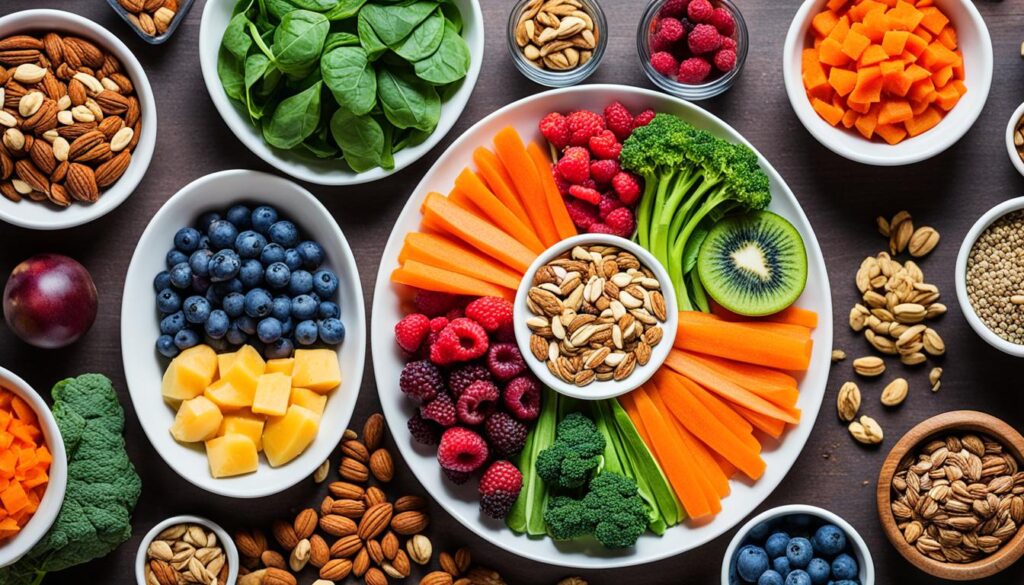
Fruits and vegetables rich in antioxidants can help improve sperm quality and reduce DNA damage. Include a variety of colorful produce such as berries, citrus fruits, leafy greens, and cruciferous vegetables in your diet.

Include Omega-3 Fatty Acids

Omega-3 fatty acids have been linked to improved sperm production and motility. Add sources of omega-3s like fatty fish (salmon, sardines), walnuts, chia seeds, and flaxseeds to your meals.

Adequate Intake of Essential Nutrients

Ensure you’re getting enough zinc, folate, and vitamin D, as they play a vital role in sperm health. Zinc is found in foods like oysters, beef, pumpkin seeds, and dark chocolate. Leafy greens, citrus fruits, and legumes are good sources of folate. Vitamin D can be obtained from sunlight exposure, fortified dairy products, and fatty fish.

Avoid Unhealthy Dietary Choices

To further enhance male fertility, it’s important to avoid processed foods, excessive intake of red meat, and soy products. These can negatively impact sperm quality and hormonal balance.

Fertility-Boosting Foods Nutrients for Sperm Health
Fruits (e.g., berries, citrus fruits) Antioxidants
Vegetables (e.g., leafy greens, cruciferous vegetables)
Fatty fish (e.g., salmon, sardines) Omega-3 fatty acids
Walnuts, chia seeds, flaxseeds
Beef, pumpkin seeds, dark chocolate Zinc
Leafy greens, citrus fruits, legumes Folate
Fortified dairy products, fatty fish Vitamin D

By following a healthy diet that includes fertility-boosting foods and essential nutrients, you can optimize your sperm health and increase your chances of successful conception.

fertility-boosting foods

Conclusion

Boosting male fertility naturally is achievable through a combination of lifestyle changes and dietary strategies. By implementing these natural methods, you can increase sperm count, improve sperm health, and enhance overall reproductive health.

To start, prioritize an active lifestyle. Engaging in regular exercise not only improves testosterone levels but also enhances semen quality. Managing stress and ensuring adequate sleep are crucial for optimal fertility.

Furthermore, making healthy dietary choices plays a significant role in male fertility improvement. Incorporate foods rich in antioxidants, such as fruits and vegetables, to reduce DNA damage and enhance sperm quality. Omega-3 fatty acids found in fish, nuts, and seeds have also been associated with improved sperm production and motility.

Supplements like D-aspartic acid, vitamin C, and ashwagandha can further support male fertility. However, it is important to consult a healthcare professional for personalized recommendations based on your specific needs.

By adopting these natural methods and seeking professional guidance, you can increase your chances of conceiving and enjoy improved reproductive health.

FAQ

How can I naturally enhance male fertility?

Staying active, minimizing stress, and making changes to your diet and lifestyle can help support male fertility. Certain supplements may also be beneficial for increasing sperm count.

What percentage of infertility cases are due to male fertility problems?

Infertility affects about one in every six couples, with one in every three cases being due to male fertility problems alone.

How does regular exercise impact male fertility?

Regular exercise has been shown to increase testosterone levels and improve semen quality, which can enhance male fertility.

What role do antioxidants play in improving sperm health?

Getting enough vitamin C and antioxidants in your diet can help reduce oxidative stress and improve sperm motility, contributing to better sperm health.

Why is stress management important for male fertility?

Managing stress is important for optimal fertility because excessive stress can negatively impact sperm count and quality.

What foods should I include in my diet to boost male fertility?

Consuming foods rich in antioxidants, such as fruits and vegetables, can help improve sperm quality. Omega-3 fatty acids found in fish, nuts, and seeds have also been linked to improved sperm production and motility.

Which nutrients are important for male fertility?

Adequate intake of zinc, folate, and vitamin D is important for optimal sperm health and fertility.

Are there any supplements that can enhance male fertility?

Certain supplements, such as D-aspartic acid, vitamin C, and ashwagandha, may help enhance fertility outcomes in men. It is recommended to consult with a healthcare professional for personalized recommendations.

Essential Medical Tests Before Planning Pregnancy

Pre Pregnancy Medical Tests

Before embarking on the beautiful journey of parenthood, it is crucial to prioritize your health and well-being. Planning for a healthy pregnancy requires thorough pre-pregnancy medical tests and screenings to ensure that you are physically and emotionally prepared for the exciting road ahead.

Let’s dive into a relatable story that highlights the importance of pre-pregnancy health screening and fertility check-ups:

Meet Sarah and James, a young couple who had been eagerly dreaming of starting their family. They were ready to take the plunge into parenthood, but little did they know what lay ahead.

One sunny afternoon, Sarah happened to catch up with her childhood friend, Emily, who had recently become a mother. Over coffee, Sarah couldn’t help but fawn over Emily’s adorable baby, Molly.

As they delved deeper into motherhood conversations, Emily reminisced about her journey towards pregnancy. She emphasized the importance of pre-pregnancy medical tests and how they played a vital role in ensuring a smooth pregnancy for both her and Molly.

Intrigued, Sarah shared her desire to conceive and asked Emily for advice on how to maximize the chances of a healthy pregnancy. Emily immediately advised Sarah to visit her healthcare provider for pre-pregnancy health screenings and fertility check-ups.

Appreciating Emily’s guidance, Sarah and James wasted no time in scheduling an appointment with their healthcare provider. They understood that assessing their health status through preconception checkups could help identify any underlying conditions that might affect their journey towards parenthood.

During their appointment, the couple underwent various medical tests, including blood tests, to evaluate their overall health and screen for any potential risks or concerns. Sarah’s healthcare provider, Dr. Garcia, also discussed the importance of taking folic acid and provided guidance on managing health conditions, infections, and medications during the preconception period.

Armed with the knowledge gained from their pre-pregnancy medical tests, Sarah and James felt confident and empowered to embark on their path to parenthood. They understood that prioritizing their health through these essential screenings would increase their chances of a successful and healthy pregnancy.

If you are considering starting a family, follow in Sarah and James’ footsteps. Take the necessary steps to ensure that your body is ready for pregnancy by undergoing pre-pregnancy medical tests and health screenings. Your healthcare provider will guide you through the process, addressing any concerns or risks, and providing personalized care tailored to your needs.

Stay tuned for the upcoming sections, where we will discuss how to choose the right preconception checkup provider and delve into the essential tests and considerations during a preconception checkup.

Choosing the Right Preconception Checkup Provider.

When planning a preconception checkup, you need to select the right healthcare provider who will oversee your care during pregnancy. It is essential to have a trusted professional who can guide you through this important journey. Here are a few options you can consider:

  1. Obstetrician: An obstetrician is a medical doctor who specializes in pregnancy, childbirth, and postpartum care. They are trained to handle routine pregnancies as well as high-risk situations. Obstetricians have extensive knowledge and experience in prenatal care, making them a popular choice for preconception checkups.
  2. Family Practice Doctor: A family practice doctor is another option for your preconception checkup. These doctors provide comprehensive care to individuals of all ages, including women’s health and prenatal care. They are well-equipped to address your preconception needs and can continue to provide care throughout your pregnancy journey.
  3. Maternal-Fetal Medicine Specialist: A maternal-fetal medicine specialist is a subspecialist in obstetrics who focuses on managing high-risk pregnancies. If you have specific medical conditions or concerns, consulting a maternal-fetal medicine specialist for your preconception checkup may be beneficial. They can closely monitor and manage any potential complications that may arise during pregnancy.
  4. Family Nurse Practitioner: A family nurse practitioner is an advanced practice registered nurse who provides comprehensive healthcare services, including prenatal care. They can perform physical exams, order tests, and offer guidance on preconception health. If you prefer a more holistic approach to your care, a family nurse practitioner may be an excellent choice for your preconception needs.
  5. Women’s Health Nurse Practitioner: If you want specialized care focused specifically on women’s health, a women’s health nurse practitioner can be your preconception checkup provider. These nurse practitioners have expertise in reproductive health and can provide personalized care and counseling tailored to your individual needs.
  6. Midwife: A midwife is a healthcare professional who specializes in guiding and supporting women throughout their pregnancy, childbirth, and postpartum period. If you are seeking a natural and low-intervention approach to pregnancy and childbirth, a midwife can be an excellent choice for your preconception and prenatal care.

Considering your preferences, medical history, and any existing conditions, you can decide which type of preconception checkup provider will best meet your needs. Remember, choosing the right healthcare provider is an important step in ensuring a healthy pregnancy and a positive birth experience.

Tests and Considerations during a Preconception Checkup.

During your preconception checkup, your healthcare provider will conduct various tests and assessments to ensure your body is ready for pregnancy and identify any potential risks or issues that need to be addressed.

One important aspect of the checkup is assessing your overall health and identifying any existing health conditions that may affect your pregnancy. Your provider may ask you about your medical history, as well as any current medications or vaccinations you are taking. They may also discuss lifestyle factors, such as smoking, alcohol consumption, and drug use, which can potentially affect fertility and pregnancy outcomes.

Additionally, your healthcare provider may recommend specific screenings and examinations. These may include a physical exam to assess your overall health, a pelvic exam to evaluate the health of your reproductive organs, and a Pap test to screen for cervical cancer. Blood tests may also be performed to check for certain health conditions, such as anemia and sexually transmitted infections. Your provider may also offer genetic counseling to assess the risk of passing on inherited conditions.

Moreover, your healthcare provider may advise you to start taking folic acid supplements before getting pregnant. Folic acid is essential for fetal development and can help prevent birth defects. They may also discuss the importance of birth control if you are not yet ready to conceive or need some time to optimize your health before becoming pregnant.

FAQ

What are pre-pregnancy medical tests?

Pre-pregnancy medical tests are essential tests and screenings that individuals undergo before planning for pregnancy. These tests evaluate overall health and screen for any underlying conditions that may affect pregnancy.

Why is it important to have a preconception checkup?

A preconception checkup is important to assess your health status and discuss any potential risks or concerns before starting your journey towards parenthood. It helps identify any potential issues or risks that may need to be addressed.

What types of healthcare providers can oversee a preconception checkup?

There are several types of providers who can oversee a preconception checkup, including obstetricians, family practice doctors, maternal-fetal medicine specialists, family nurse practitioners, women’s health nurse practitioners, and midwives. It is important to choose the right provider based on their specific expertise in maternal healthcare.

What tests and assessments are conducted during a preconception checkup?

During a preconception checkup, your healthcare provider may conduct a physical exam, pelvic exam, Pap test, blood tests, and genetic counseling. They may also discuss lifestyle factors, medications, vaccinations, and any health conditions or infections that may affect pregnancy. Additionally, they may recommend starting folic acid supplementation and discuss the use of birth control.

How Environmental Factors Influence Your Fertility

Environmental Factors Affecting Fertility

Picture this: You and your partner have finally decided that it’s time to start a family. Excitement fills the air as you imagine the joy of holding your newborn in your arms. However, as months pass by without a positive pregnancy test, doubt starts to creep in. What could be causing this delay in conception?

Unbeknownst to you, environmental factors may be playing a significant role in your fertility journey. Research has shown that various lifestyle factors, such as nutrition, weight, exercise, stress, and exposure to environmental pollutants, can have a profound impact on your ability to conceive.

It’s important to understand that your body is affected by the world around you. The air you breathe, the chemicals you come in contact with, and even the products you use daily can all influence your reproductive health. That’s why taking proactive measures and prioritizing pre-pregnancy care is crucial.

In this article, we’ll explore how environmental factors can influence your fertility and what steps you can take to optimize your chances of conception. From the impact of environmental pollutants to the influence of certain chemicals and medical treatments on female infertility, we’ll cover it all.

So, let’s dive in and discover the role that our environment plays in our fertility journey.

The Impact of Environmental Pollutants on Fertility

Exposure to environmental pollutants poses significant risks to both male and female fertility. Among these pollutants, persistent organic pollutants (POPs) and endocrine-disrupting chemicals (EDCs) have been identified as particularly detrimental.

POPs are chemicals that persist in the environment for extended periods and can accumulate in animals, including humans. Studies, such as the Longitudinal Investigation of Fertility and the Environment (LIFE) Study, have linked certain POPs like organochlorine pesticides and polychlorinated biphenyls (PCBs) to increased time-to-pregnancy and reduced fertility in couples.

Researchers have found that exposure to POPs such as organochlorine pesticides and PCBs can significantly impact the ability to conceive and maintain a pregnancy. These chemicals have been associated with increased time-to-pregnancy and decreased couple fecundity, emphasizing the harmful effects of environmental pollutants on reproductive health.

In addition to POPs, other pollutants like dioxins, polybrominated diethers, and perfluorochemicals have also been associated with reduced fecundity. These chemicals can disrupt hormonal function and interfere with the delicate balance required for successful conception in both men and women.

EDCs, including methyl paraben, phthalates, and benzophenone-2, are another group of chemicals that can disrupt the endocrine system and negatively impact fertility. These substances can alter hormone levels, impair reproductive function, and increase the risk of fertility-related complications.

Understanding the impact of environmental pollutants on fertility is crucial, especially for individuals considering pre-pregnancy care or fertility preservation. By minimizing exposure to these harmful substances and adopting proactive measures, individuals can improve their fertility prospects and safeguard their reproductive health.

Image

The Influence of Environmental Factors on Female Infertility

The home and work environment can significantly impact female fertility. Exposure to certain substances and toxins can hinder a woman’s ability to conceive and even result in miscarriage or birth defects.

Chemicals such as lead, ethylene oxide, and dibromochloropropane (DBCP) are known to cause reproductive problems in women. These hazardous substances can lead to ovarian dysfunction and early menopause, posing significant challenges to achieving pregnancy.

Additionally, certain medical treatments like chemotherapy and radiation can have adverse effects on sperm production and cause issues with ovarian function. It is crucial for women to be aware of these environmental factors and their potential impact on fertility.

Another potential risk factor is toxoplasmosis, a parasitic infection commonly found in cat feces and undercooked meats. This infection has been linked to stillbirths and birth defects, further showcasing the importance of understanding and managing environmental factors.

Taking appropriate precautions and being proactive in optimizing fertility is essential for women who are trying to conceive. By being mindful of environmental factors such as chemical exposures, medical treatments, and potential infections, women can make informed decisions and improve their chances of successful conception and healthy pregnancies.

Conclusion

Environmental factors have a profound impact on fertility and reproductive health in both men and women. By understanding the risks associated with these factors and taking proactive measures, individuals can optimize their chances of successful conception and healthy pregnancies.

Lifestyle choices, such as maintaining a healthy weight, engaging in regular exercise, and managing stress levels, play a crucial role in promoting fertility. Additionally, avoiding harmful substances like tobacco, alcohol, and illegal drugs can significantly improve reproductive health.

Chemical exposures from environmental pollutants, such as persistent organic pollutants and endocrine-disrupting chemicals, can also influence fertility. Being aware of potential sources of exposure and taking steps to minimize contact with these substances can help protect reproductive health.

When considering pre-pregnancy care, it is important to take into account these environmental factors and make informed decisions. Consulting with healthcare professionals and seeking guidance on fertility preservation can provide valuable insights and support on the journey to parenthood.

FAQ

How do environmental factors affect fertility?

Environmental factors, such as lifestyle choices, chemical exposures, and medical treatments, can all influence reproductive health and the ability to conceive. These factors can impact sperm count and quality in men, ovulation and fertility in women, and increase the risk of miscarriage or birth defects.

What lifestyle factors can affect fertility?

Lifestyle factors, such as nutrition, weight, exercise, stress, substance use, and medications, have profound effects on fertility. Obesity in men can lower sperm count and quality, while obesity in women with polycystic ovary syndrome (PCOS) can improve ovulation and pregnancy outcomes with weight loss. Being underweight can also affect fertility in women. Strenuous physical labor, excessive exercise, and multiple medications can reduce sperm count in males and impact ovulation and fertility in women.

How do environmental pollutants affect fertility?

Exposure to persistent organic pollutants (POPs) and endocrine-disrupting chemicals (EDCs) in the environment can affect male and female fertility. Certain pesticides, like organochlorine pesticides and polychlorinated biphenyls (PCBs), have been linked to increased time-to-pregnancy and decreased couple fecundity. Other chemicals, including dioxins, polybrominated diethers, and perfluorochemicals, have been associated with reduced fecundity. EDCs like methyl paraben, phthalates, and benzophenone-2 can alter hormonal function and affect fertility in both men and women.

What environmental factors contribute to female infertility?

Exposure to certain substances and toxins in the home and work environment can contribute to female infertility. Chemicals like lead, ethylene oxide, and dibromochloropropane (DBCP) can cause reproductive problems, including ovarian dysfunction and early menopause. Medical treatments like chemotherapy and radiation can also impact sperm production and cause ovarian issues. Additionally, toxoplasmosis, a parasite found in cat feces and undercooked meats, can lead to stillbirths and birth defects.

How can I optimize my fertility and take precautions?

To optimize fertility and take precautions, it is important to make informed decisions and take proactive measures. This includes maintaining a healthy weight, adopting a nutritious diet, reducing stress, avoiding substance use, limiting exposure to environmental pollutants, and discussing pre-pregnancy care with your healthcare provider. By understanding the impact of environmental factors and making appropriate lifestyle choices, you can increase your chances of successful conception and healthy pregnancies.

Exploring Natural Fertility Treatments: Alternatives to Conventional Methods

natural fertility treatment options

Many couples dream of starting a family and experiencing the joy of parenthood. However, when faced with fertility challenges, the journey to parenthood can become a daunting road. Fortunately, there are alternative therapies and natural fertility treatment options available that offer hope and possibilities for enhancing fertility and promoting reproductive health.

Meet Sarah and David. They have been trying to conceive for over a year without success. Feeling frustrated and disheartened, they began exploring alternative therapies in their quest to expand their family.

One day, Sarah stumbled upon an article discussing natural fertility treatment options. Intrigued, she shared it with David, who immediately resonated with the idea of a more holistic approach. After all, conventional methods had only left them feeling overwhelmed and disappointed.

Curiosity sparked, they delved deeper into the world of alternative therapies, discovering herbal remedies, acupuncture, yoga and meditation, diet changes, and chiropractic care. These options not only offered potential physiological benefits but also focused on emotional well-being, creating a comprehensive approach to fertility enhancement.

Driven by a newfound sense of hope, Sarah and David decided to explore these natural fertility treatments further. They educated themselves about the benefits and precautions associated with each therapy and sought professional guidance to ensure their path to conception was safe and effective.

Join us as we embark on a journey through the world of alternative therapies for fertility enhancement. In the following sections, we will explore the power of herbal remedies, the magic of acupuncture, yoga, and meditation, as well as the influential role of diet and lifestyle choices in optimizing reproductive health.

Herbal Remedies for Fertility Enhancement

Herbal remedies have been used for centuries to support reproductive health and address fertility concerns. These natural fertility boosters offer a holistic and integrative approach to enhance fertility and promote overall reproductive well-being. However, it’s crucial to consult with a qualified herbalist and healthcare provider before incorporating herbs into your routine, especially if you have any existing health conditions or are taking medications.

Each herb has unique properties and effects on the body, and it’s important to understand their potential interactions with medications and any possible side effects. Qualified herbalists can provide personalized guidance based on your specific needs and health history.

Popular Herbal Remedies for Fertility Enhancement

When used correctly and under proper guidance, certain herbs have shown potential in promoting hormone balance and reproductive health. Here are some popular herbal remedies for fertility enhancement:

  • Vitex: Also known as Chaste Berry, Vitex is commonly used to regulate the menstrual cycle and promote hormonal balance, especially in cases of irregular periods and luteal phase defects.
  • Maca: This adaptogenic herb is believed to enhance fertility by balancing hormones and improving egg quality. It has also been associated with increased sexual desire and energy levels.
  • Dong Quai: Known as the “female ginseng,” Dong Quai is often used to support reproductive health and regulate menstrual cycles. It is believed to enhance blood flow to the pelvic area and tone the uterus.
  • Red Raspberry Leaf: Rich in nutrients, this herb is commonly used to support uterine health and prepare the body for conception. It is believed to strengthen the uterine lining and improve chances of implantation.

Remember that these herbal remedies should be used judiciously and with the guidance of a qualified herbalist or healthcare provider. Seeking professional advice ensures the safe and effective use of herbal remedies for fertility enhancement.

Herb Main Benefits Precautions
Vitex Regulates menstrual cycle and promotes hormonal balance Not recommended during pregnancy or while using hormonal contraceptives
Maca Enhances hormone balance and improves egg quality Avoid if you have high blood pressure or thyroid disorders
Dong Quai Supports reproductive health and regulates menstrual cycles Not recommended during pregnancy or heavy menstrual bleeding
Red Raspberry Leaf Strengthens the uterine lining and prepares the body for conception Avoid during pregnancy’s first trimester or if you have a history of miscarriage

Acupuncture, Yoga, and Meditation for Fertility

Acupuncture, an ancient Chinese practice, has gained popularity as an alternative therapy for fertility enhancement. By regulating energy flow or “qi” in the body, acupuncture can improve blood flow to the reproductive organs, reduce stress, and increase the chances of successful conception. Many couples find comfort in the relaxing and balancing effects of acupuncture, which can positively impact hormonal balance and overall reproductive function.

Similarly, yoga and meditation offer powerful tools for reducing stress, promoting emotional well-being, and creating a supportive environment for conception. These mind-body practices can enhance flexibility, strength, and blood circulation to the pelvic area. By incorporating gentle poses, controlled breathing, and mindful meditation, individuals can reduce the negative effects of stress on their reproductive system and improve their overall well-being.

Studies have shown that stress can affect fertility by disrupting hormonal balance and interfering with the release of reproductive hormones. By engaging in yoga and meditation, individuals can reduce stress levels, allowing the body to function optimally and increasing the chances of conceiving naturally. These practices also provide an opportunity for individuals to connect with their bodies and emotions, fostering a healthy mind-body connection that is essential for fertility enhancement.

For couples struggling with infertility, acupuncture, yoga, and meditation can complement conventional treatments and offer a holistic approach to fertility enhancement. By addressing both the physical and emotional aspects of fertility, these practices create a supportive and nurturing environment for conception.

acupuncture for fertility

Benefits of Acupuncture, Yoga, and Meditation for Fertility:

  • Regulation of energy flow and blood circulation to reproductive organs.
  • Reduction of stress levels, promoting hormonal balance.
  • Enhancement of emotional well-being and mind-body connection.
  • Improvement of flexibility, strength, and blood circulation to the pelvic area.
  • Creation of a supportive environment for conception.

By incorporating these mind-body practices into their fertility journey, individuals can not only increase their chances of conceiving but also experience improved overall well-being. It’s important to consult with qualified professionals who specialize in acupuncture, yoga, and meditation to ensure safe and effective practices tailored to individual needs.

The Role of Diet and Lifestyle in Enhancing Fertility

When it comes to fertility, what we eat and how we live can have a significant impact on our chances of conceiving. A well-balanced diet that is rich in nutrients can optimize hormonal balance and support fertility. Including leafy greens, whole grains, and foods high in antioxidants in your diet is often recommended as they have the potential to promote egg quality and sperm health.

On the other hand, it’s important to reduce the consumption of processed foods, caffeine, and alcohol, as they can negatively affect fertility. These substances may disrupt hormonal balance and impair reproductive function. Making lifestyle changes such as engaging in regular exercise, reducing stress levels, and ensuring adequate sleep can also contribute to overall reproductive health.

For those looking to maximize their fertility potential, it is advisable to consult a nutritionist who specializes in fertility and adopt a lifestyle that focuses on improving fertility goals. By making conscious choices in our diet and lifestyle, we can create an optimal environment for conception and increase our chances of conceiving naturally.

FAQ

What are some alternative therapies for enhancing fertility?

Alternative therapies for fertility enhancement include herbal remedies, acupuncture, yoga, meditation, diet changes, and chiropractic care. These holistic approaches offer natural and integrative options for addressing fertility issues and increasing the chances of conception.

Are herbal remedies effective for fertility enhancement?

Herbal remedies have been used for centuries to support reproductive health and address fertility concerns. Popular herbal remedies such as Vitex, Maca, Dong Quai, and Red Raspberry Leaf have properties that can potentially promote hormone balance and reproductive health. It’s important to consult a qualified herbalist and healthcare provider before incorporating herbs into your routine.

Can acupuncture improve fertility?

Acupuncture, an ancient Chinese practice, has gained popularity as an alternative therapy for fertility enhancement. By regulating energy flow or “qi” in the body, acupuncture can improve blood flow to the reproductive organs, reduce stress, and increase the chances of successful conception.

What are the benefits of yoga and meditation for fertility?

Yoga and meditation offer powerful tools for reducing stress, promoting emotional well-being, and creating a supportive environment for conception. These mind-body practices can enhance flexibility, strength, and blood circulation to the pelvic area, positively impacting hormonal balance and reproductive function.

How does diet and lifestyle affect fertility?

What we eat and how we live can significantly impact our fertility. A balanced diet rich in nutrients can optimize hormonal balance and support fertility, while processed foods, caffeine, and alcohol should be reduced. Lifestyle changes such as regular exercise, stress reduction, and adequate sleep can also contribute to reproductive health.

Source Links

Exploring the Impact of a Vegetarian Diet on Fertility: What Prospective Parents Should Know

vegetarian diet and fertility

Meet Amy, a health-conscious woman in her early thirties who has been following a vegetarian diet for the past five years. She has always prioritized her well-being and believes in the power of nutritious food to promote overall health. Recently, Amy and her partner have decided to start a family and are excitedly planning for the future. However, as a vegetarian, Amy wonders whether her dietary choices could impact her fertility.

Like Amy, many prospective parents who follow a vegetarian diet may have similar concerns. They want to ensure they are providing their bodies with the right nutrients for optimal fertility and pre-pregnancy health. This is why understanding the potential effects of a vegetarian diet on fertility and taking steps to meet nutritional needs becomes crucial.

In this article, we will explore the impact of a vegetarian diet on fertility and shed light on the important considerations for prospective parents. We will delve into the benefits of a well-planned vegetarian diet for fertility and discuss key nutrients that play a vital role in reproductive processes. Additionally, we will address the importance of consulting with a healthcare provider for personalized guidance and potential supplementation to optimize fertility and preconception health.

The Benefits of a Vegetarian Diet for Fertility

Research studies have highlighted the numerous advantages of adopting a well-planned vegetarian diet for fertility and overall reproductive health. A vegetarian diet primarily consists of plant-based foods such as fruits, vegetables, whole grains, and legumes. These foods are not only rich in flavor and variety but also provide essential micronutrients that play a critical role in reproductive processes.

Folic acid, iron, calcium, and omega-3 fatty acids are among the key nutrients found abundantly in a balanced vegetarian diet. Folic acid is particularly important for women during preconception as it helps in the development of the baby’s neural tube and reduces the risk of certain birth defects.

Iron is necessary for the production of healthy red blood cells, while calcium is vital for maintaining bone health. Omega-3 fatty acids, found in plant-based sources such as flaxseeds and walnuts, contribute to overall hormonal balance and reduce inflammation, supporting reproductive health.

By embracing a balanced vegetarian diet, individuals can ensure that their bodies receive the necessary micronutrients to support fertility and pre-pregnancy health. The variety of plant-based foods in a vegetarian diet allows for a diverse range of essential nutrients, ensuring that prospective parents can maintain optimal reproductive function.

Nutritional Considerations for Prospective Parents

Prospective parents who follow a vegetarian diet should pay careful attention to their nutritional needs in order to optimize fertility and ensure a healthy preconception phase. It is highly recommended to consult with a healthcare provider who specializes in preconception nutrition to assess your individual nutritional and micronutrient status.

During a preconception consultation, the healthcare provider can offer invaluable guidance on dietary choices, ensuring optimal nutrient intake, and addressing any deficiencies that may arise. Key nutrients to focus on include vitamin B12, iron, iodine, calcium, omega-3 fatty acids, and folic acid, which are essential for reproductive health and fertility.

In some cases, supplementation might be necessary to address specific nutrient deficiencies and achieve adequate nutrient levels. Your healthcare provider will be able to recommend suitable micronutrient supplements tailored to your vegetarian diet. By carefully addressing your nutritional needs, vegetarian prospective parents can support their fertility journey and boost their chances of successful conception and a healthy pregnancy.

FAQ

Does following a vegetarian diet affect fertility?

Research suggests that a well-planned vegetarian diet can provide the necessary nutrients for fertility and support reproductive health.

What nutrients are important for fertility on a vegetarian diet?

Key nutrients to focus on include vitamin B12, iron, iodine, calcium, omega-3 fatty acids, and folic acid.

Should I consult with a healthcare provider if I follow a vegetarian diet and want to conceive?

It is recommended to consult with a healthcare provider for a preconception consultation to assess your nutritional and micronutritional status and receive guidance on dietary choices and supplementation.

Can supplementation be necessary for vegetarian prospective parents?

Yes, supplementation may be necessary to address any nutrient deficiencies and ensure optimal nutrient levels for fertility and preconception health.

Source Links

Managing Your Weight for Pregnancy: A Pre-Pregnancy Focus

pre pregnancy weight management

Meet Sarah, a young woman who is excitedly planning to start a family. She has always been health-conscious and understands the importance of maintaining a healthy lifestyle. As Sarah embarks on her journey towards motherhood, she wants to ensure she starts off on the right foot. That’s why she decides to focus on pre-pregnancy weight management.

Like Sarah, many women recognize the significance of managing their weight before and during pregnancy. Pre-pregnancy weight management is not just about appearance; it plays a crucial role in the overall health and well-being of both the mother and the baby.

By maintaining a healthy weight before conceiving, Sarah understands that she can optimize her chances of getting pregnant and reduce the risk of complications during pregnancy. She knows that a balanced diet and regular exercise are key factors in achieving her goals.

In this article, we will explore the importance of pre-pregnancy weight management and the impact it has on a healthy pregnancy. We will delve into the role of a balanced diet, exercise, and practical tips for managing weight before and during pregnancy. So, let’s get started and discover how Sarah can pave the way for a healthy and happy pregnancy!

The Importance of a Balanced Diet and Exercise

A balanced and nutrient-rich diet is crucial for maintaining a healthy pregnancy. It provides essential nutrients for the mother and supports the development of the growing baby. Combined with regular exercise, a balanced diet can optimize maternal health and contribute to a successful pregnancy.

During pregnancy, most women require a specific calorie intake to support their changing nutritional needs. In the first trimester, around 1,800 calories per day are recommended. This increases to 2,200 calories per day in the second trimester and 2,400 calories per day in the third trimester.

When it comes to food choices, it’s important to prioritize nutrient-rich options. Fresh fruits, vegetables, whole grains, and reduced-fat dairy products should be included in a healthy diet. These foods provide essential vitamins, minerals, and fiber that support the overall well-being of the mother and baby.

Avoiding foods and drinks with added sugar or artificial sweeteners is crucial. Instead, opt for naturally sweetened alternatives. Junk food snacks, such as chips, candy, cake, and ice cream, should be avoided as they are typically high in unhealthy fats and sugars.

When eating out, it’s beneficial to choose restaurants that offer salads, soups, and vegetable dishes. Cooking at home using low-fat cooking methods like baking, broiling, grilling, and boiling is also advisable to minimize unnecessary calories and unhealthy fats.

Alongside a balanced diet, regular exercise is important for maintaining overall health during pregnancy. Moderate forms of exercise, such as walking, swimming, and prenatal yoga, can be safe and effective for pregnant women. However, it’s essential to consult with a healthcare provider before starting or continuing an exercise program during pregnancy. They can provide personalized guidance based on individual health conditions and any potential pregnancy risks.

By adopting a balanced diet and incorporating regular exercise into a daily routine, pregnant women can enhance their overall well-being and support a healthy pregnancy. These healthy choices contribute to the optimal development and growth of the baby and can help manage the mother’s weight throughout the different stages of pregnancy.

Tips for Pre-Pregnancy and Pregnancy Weight Management

Pre-pregnancy weight management plays a vital role in ensuring a healthy pregnancy. If a woman is overweight before pregnancy, even a small weight loss of 5-10% can significantly reduce the risk of health problems and complications during pregnancy.

During pregnancy, maintaining a healthy weight is crucial for the well-being of both the mother and the baby. Here are some practical tips to help manage weight:

  1. Eat a Balanced Diet:

    Focus on consuming nutrient-rich foods like vegetables, fruits, whole grains, lean meat, and fish. These foods provide essential vitamins, minerals, and fiber to support a healthy pregnancy.

  2. Eat Small, Regular Meals:

    Eating small meals throughout the day can help with healthy weight gain and alleviate pregnancy issues like morning sickness. It also helps keep blood sugar levels stable and prevents overeating.

  3. Stay Hydrated:

    Drinking plenty of water is essential for staying hydrated during pregnancy. It promotes healthy digestion, regulates body temperature, and helps maintain healthy blood volume.

  4. Manage Cravings:

    Cravings during pregnancy are common, but it’s important to manage them by keeping unhealthy foods out of the house. Opt for healthier alternatives and reward yourself with non-food treats to satisfy cravings.

  5. Stay Active:

    Engaging in regular physical activity, such as walking or swimming, is recommended for maintaining a healthy weight during pregnancy. Consult with a healthcare professional for exercise guidelines tailored to your needs.

  6. Seek Support:

    Don’t hesitate to seek support from healthcare professionals and community resources. They can provide guidance, motivation, and resources to help you successfully manage your weight during pre-pregnancy and pregnancy.

Implementing these tips can contribute to a healthy weight management journey, ensuring the best possible outcomes for both mother and baby.

weight management

Conclusion

Managing weight before and during pregnancy is crucial for the health and well-being of both the mother and the baby. Pre-pregnancy weight management not only increases the chances of getting pregnant but also reduces the risk of complications during pregnancy. Adopting a balanced diet, making healthy food choices, staying physically active, and seeking support from healthcare professionals are key strategies for maintaining a healthy weight during pre-pregnancy and pregnancy.

By following these recommendations, women can optimize their fertility, promote a healthy pregnancy, and reduce the risk of long-term health problems for themselves and their children. It’s important to remember that weight management is not just about appearance, but about overall health and wellness. Taking care of your body and making healthy choices will benefit both you and your baby in the long run.

Whether you are planning for a baby or already pregnant, it’s never too late to start implementing a healthy lifestyle. Make small, sustainable changes to your eating habits, stay physically active, and reach out for support when needed. Remember, every step toward a healthy weight is a step toward a healthier you and a brighter future for your little one.

FAQ

How much weight should I aim to gain during pregnancy?

The ideal weight gain during pregnancy varies depending on your pre-pregnancy weight. Most women are advised to aim for a weight gain of 25-35 pounds (11.5-16 kilograms) throughout their pregnancy. However, if you are overweight or underweight before pregnancy, the recommended weight gain may be different.

How much weight should I gain if I am overweight before pregnancy?

If you are overweight before pregnancy, a weight gain of 10-25 pounds (4-11 kilograms) is recommended.

How much weight should I gain if I am underweight before pregnancy?

If you are underweight before pregnancy, you may need to gain more weight, around 28-40 pounds (13-18 kilograms).

How much weight should I gain if I am expecting twins?

If you are expecting twins, you may need to gain 37-54 pounds (16.5-24.5 kilograms).

What does the weight gained during pregnancy include?

The weight gained during pregnancy includes the baby, placenta, amniotic fluid, breast tissue, blood supply, fat stores, and uterus growth.

How can I maintain a healthy weight during pregnancy?

To maintain a healthy weight during pregnancy, a balanced diet and regular exercise are recommended.

What should I include in a healthy diet during pregnancy?

A healthy diet during pregnancy should include fresh fruits, vegetables, whole grains, and reduced-fat dairy products.

What foods should I avoid during pregnancy?

It’s important to avoid foods and drinks with added sugar or artificial sweeteners and opt for naturally sweetened alternatives. Junk food snacks, such as chips, candy, cake, and ice cream, should also be avoided.

What are some healthy choices when eating out during pregnancy?

When eating out, it’s beneficial to choose places that offer salads, soups, and vegetables.

What cooking methods are advisable during pregnancy?

Cooking at home using low-fat cooking methods like baking, broiling, grilling, and boiling is advisable during pregnancy.

What kind of exercise is safe during pregnancy?

Moderate exercise, such as walking and swimming, is generally safe and effective for pregnant women. However, it’s crucial to consult with a healthcare provider before starting an exercise program during pregnancy.

How does pre-pregnancy weight management affect pregnancy?

Pre-pregnancy weight management plays a vital role in ensuring a healthy pregnancy. If you are overweight before pregnancy, even a small weight loss of 5-10% can significantly reduce the risk of health problems and complications during pregnancy.

What are some practical tips for pre-pregnancy and pregnancy weight management?

Practical tips include focusing on eating important foods like vegetables, fruits, whole grains, lean meat, and fish. Eating small, regular meals can help with healthy weight gain and pregnancy issues like morning sickness. Staying hydrated by drinking plenty of water is essential. Managing cravings by keeping unhealthy foods out of the house and rewarding yourself with non-food treats can help maintain a healthy diet. Staying active through regular exercise, such as walking or swimming, is also recommended.

How can I seek support for pre-pregnancy and pregnancy weight management?

Setting specific goals and seeking support from healthcare professionals and community resources can contribute to successful weight management during pre-pregnancy and pregnancy.

What are the benefits of maintaining a healthy weight during pre-pregnancy and pregnancy?

Maintaining a healthy weight during pre-pregnancy and pregnancy optimizes fertility, promotes a healthy pregnancy, and reduces the risk of long-term health problems for both the mother and the baby.

Men’s Guide to Pre-Pregnancy: How to Prepare

Pre Pregnancy Planning for Men

Are you and your partner thinking about starting a family? Planning for a baby is an exciting time, filled with hopes and dreams for the future. But did you know that preconception health is just as important for men as it is for women?

Before embarking on this journey, it’s essential for men to take steps to optimize their health and fertility. Factors such as overall health, lifestyle choices, and exposure to harmful substances can all impact the quality of sperm, which in turn affects the chances of conception and the health of the future baby.

In this guide, we will walk you through the important aspects of pre-pregnancy planning for men, providing you with valuable male health tips and fertility planning strategies. By taking the right steps now, you can increase the likelihood of a healthy pregnancy and support your partner every step of the way.

So, let’s dive in and explore the key areas that you need to focus on in order to prepare yourself for this amazing journey!

Tips for Maintaining a Healthy Weight

When it comes to male infertility, maintaining a healthy weight is key. Obesity has been directly linked to increased fertility issues in men, while being either overweight or underweight can also pose serious health risks. To enhance your chances of conceiving and promoting overall well-being, here are some valuable tips to help you achieve and maintain a healthy weight:

Eat a Nutritious Diet

Adopting a balanced and nutritious diet is crucial for promoting fertility and optimizing reproductive health. Focus on incorporating plenty of fresh fruits and vegetables into your meals. These antioxidant-rich foods can help improve sperm health and increase your chances of conception. Aim for a well-rounded diet that includes lean proteins, whole grains, and healthy fats.

Engage in Regular Physical Activity

Regular exercise is not only beneficial for your overall health but also for maintaining a healthy weight. Engaging in physical activity helps burn calories, reduce body fat, and boost metabolism. Incorporate activities that you enjoy, such as brisk walking, jogging, swimming, or cycling, into your daily routine. Remember, staying active doesn’t have to be a chore – find activities that you find enjoyable and make them a regular part of your lifestyle.

Support Your Partner’s Goals

If only one of you needs to make changes to achieve a healthy weight, it’s important to provide support and encouragement. Recognize that embarking on a weight loss or weight maintenance journey can be challenging, and your understanding can make a significant difference. Offer to cook healthy meals together, choose nutritious recipes, and go on daily walks as a way to bond and support each other’s goals.

“Remember, achieving a healthy weight is not just about fertility but about overall well-being. By focusing on your weight, you’re not only improving your chances of conception but also enhancing your quality of life.”

By maintaining a healthy weight, you’re taking a proactive step towards optimizing your fertility and overall health. Embrace a nutritious diet, engage in regular physical activity, and provide support to your partner throughout the journey. Taking these steps can significantly increase your chances of conception and pave the way for a healthy pregnancy.

Learning About Your Partner’s Health History

Before taking the next step towards starting a family, it’s important to gather information about your partner’s health history. Understanding your family’s medical background can provide valuable insights into potential risks and help you make informed decisions.

Research has shown that certain chronic health conditions, such as diabetes, genetic disorders, or heart disease, can increase the chances of birth defects in infants. By discussing these health conditions with your healthcare provider, you can better understand the potential risks and take appropriate steps to minimize them.

Not only should you explore your partner’s health history, but you should also consider your own. Assessing your own medical background can help identify any potential genetic conditions that could affect your future child’s health. Knowing this information allows you to seek appropriate prenatal care and make necessary lifestyle changes to promote a healthy pregnancy.

Gathering family health history involves talking to your parents, grandparents, and other close relatives. It’s important to ask about any chronic conditions, genetic disorders, birth defects, and pregnancy complications that may have occurred within your family. Consider creating a comprehensive list of this information to share with your healthcare provider during preconception visits.

Did You Know? By understanding your partner’s health history, you can take appropriate steps to minimize risks and ensure a healthy pregnancy.

The Importance of Family Health History

Family health history provides valuable insights into potential genetic risks. Conditions such as sickle cell anemia, cystic fibrosis, and certain types of cancers can be passed down through families. Being aware of these risks allows you and your healthcare provider to develop personalized preconception plans and explore appropriate genetic testing options if necessary.

While it’s impossible to predict every birth defect or genetic condition, knowing your family health history can help you make informed decisions and take necessary precautions to promote the best possible outcomes for your future child.

Talking to Your Healthcare Provider

Your healthcare provider plays a crucial role in understanding your family health history and assessing potential risks. During preconception visits, they will review your family’s medical background, order relevant tests, and provide guidance based on the information you provide.

Don’t hesitate to ask questions or seek clarification on any concerns you may have. Your healthcare provider is there to support you throughout the preconception process and help optimize your chances of a healthy pregnancy.

family health history

Remember, by learning about your partner’s health history and understanding any potential risks, you can take proactive steps to ensure a healthy pregnancy and give your future child the best possible start in life.

Reducing Exposure to Toxic Substances

Exposure to toxic substances can have a significant impact on men’s reproductive systems, making it more challenging for couples to conceive. It is crucial to minimize exposure to harmful chemicals, metals, and substances both at home and in the workplace to safeguard reproductive health.

Toxic substances to watch out for include pesticides, heavy metals, and certain chemicals found in fertilizers, bug sprays, and plastics. Endocrine-disrupting chemicals, like BPA, can also negatively affect fertility. By avoiding these hazardous substances and taking preventative measures, you can protect your reproductive health and increase your chances of successful conception.

One way to reduce exposure is by using “green” products that are free from harmful chemicals or toxins. Additionally, limit your contact with harmful substances through safe practices and proper protective equipment in your workplace. By adopting these measures, you can create a healthier environment for yourself and your partner, promoting overall reproductive wellness.

By prioritizing the reduction of exposure to toxic substances, you are taking a proactive step towards maintaining optimal reproductive health. Remember, even small changes can make a big difference when it comes to fertility. Start implementing these precautions today to protect your reproductive well-being.

FAQ:

How does men’s overall health and lifestyle affect fertility?

Factors such as having Type 1 diabetes, heavy alcohol use, being overweight, exposure to harmful substances, certain health issues, medications, and smoking can reduce sperm health and affect fertility.

How can men maintain a healthy weight to improve fertility?

Men should aim to achieve and maintain a healthy weight by eating a nutritious diet and engaging in regular physical activity. Eating antioxidant-rich fruits and vegetables can help improve sperm health.

Why is it important to learn about your partner’s health history before getting pregnant?

Researching your family health history is important before getting pregnant to understand any chronic health conditions that can lead to birth defects. By understanding your partner’s health history, you can take appropriate steps to minimize risks and ensure a healthy pregnancy.

How can exposure to toxic substances impact fertility?

Exposure to toxic substances can impact men’s reproductive systems and make it more difficult for couples to conceive. It’s important to minimize exposure to harmful chemicals, metals, and substances both at home and in the workplace to protect reproductive health.

Fertility Focus: How Men Can Prepare for Pregnancy

pregnancy planning for men

Planning for pregnancy is a journey that involves both partners. While much emphasis is often placed on women’s preconception health, it’s essential to remember that men also play a significant role in fertility and the overall health of their future child.

Meet Ben, a 32-year-old man who has been married to his wife, Emma, for five years. They’ve always dreamt of starting a family, and now the time feels right. Ben wants to ensure that he’s doing everything he can to support Emma’s pregnancy and create the best environment for their future child.

One day, while browsing the internet, Ben stumbled upon an article about men’s pre-pregnancy care. He was intrigued by the idea that his health and lifestyle choices could impact their chances of conceiving and having a healthy pregnancy. The article highlighted various factors that can affect men’s fertility, including Type 1 diabetes, heavy alcohol use, age, being overweight, exposure to harmful substances, health issues, medications, radiation treatment, chemotherapy, and certain drugs.

Ben realized that there were steps he could take to optimize his fertility and prepare for fatherhood. He wanted to be proactive and create a solid foundation for their future family. So, he started by researching ways to maintain a healthy weight, reduce exposure to toxic substances, and take care of his mental well-being.

As he delved deeper into the subject, Ben discovered the importance of a family health history in pregnancy planning. He and Emma decided to sit down and discuss their respective family backgrounds, including any chronic health conditions that might be hereditary. This conversation allowed them to make informed decisions and consider seeking genetic counseling, if necessary.

Through his journey of self-education, Ben realized that taking simple steps like maintaining a healthy weight, learning about family health history, and making positive lifestyle choices could significantly impact their chances of a healthy pregnancy.

Join Ben on his quest to optimize his fertility and prepare for the miracle of new life. In the following sections of this article, we will explore tips for achieving a healthy weight, the importance of family health history, and the overall significance of pre-pregnancy care for men.

Tips for Achieving a Healthy Weight

Obesity is linked to increased male infertility. To optimize fertility and increase the chances of a healthy pregnancy, men should aim to achieve and maintain a healthy weight. Consuming a balanced diet and engaging in regular physical activity are key factors in achieving a healthy weight.

Eating an antioxidant-rich diet, including plenty of fruits and vegetables, can also help improve sperm health. Antioxidants help protect sperm from damage caused by oxidative stress, thereby promoting better sperm quality and motility.

One way to incorporate healthy eating habits into daily life is for men to cook nourishing meals themselves. By taking charge of meal preparation, men can have control over the ingredients and ensure they are consuming a variety of nutritious foods.

Image: Antioxidant-rich diet

Physical activity plays a crucial role in achieving and maintaining a healthy weight. Going on daily walks with their partner can not only help men stay physically active but also make it a fun and bonding activity to do together. Supporting each other’s goals and making healthy lifestyle changes as a team can contribute to long-term success.

By adopting a healthy weight and following an antioxidant-rich diet, men can take proactive steps to improve their fertility and increase the likelihood of a successful pregnancy.

Sample Table: Antioxidant-Rich Foods

Category Foods
Fruits
  • Blueberries
  • Strawberries
  • Raspberries
  • Oranges
Vegetables
  • Spinach
  • Kale
  • Broccoli
  • Red bell peppers
Nuts and Seeds
  • Almonds
  • Walnuts
  • Chia seeds
  • Flaxseeds

Importance of Family Health History

Learning about the family health history is crucial for both partners. Understanding potential genetic risks and predispositions can help couples make informed decisions regarding their pregnancy and seek appropriate medical guidance, such as genetic counseling, if necessary.

Certain chronic health conditions can have a hereditary component and may increase the risk of birth defects in offspring. By researching and discussing any health conditions that run in both partners’ families, couples can take precautionary measures to ensure a healthy pregnancy.

An accurate family health history can provide valuable insights into potential risk factors, allowing couples to proactively manage their reproductive health. Armed with this knowledge, individuals can consult healthcare professionals for genetic counseling to assess the potential impact these conditions may have on their pregnancy.

Genetic counseling offers couples the opportunity to understand their specific risk factors and make informed decisions about family planning, pregnancy, and potential interventions. This specialized guidance, coupled with comprehensive knowledge of family health history, empowers individuals to take control of their reproductive journey.

Benefiting from Family Health History

By understanding their family health history, couples can:

  • Identify potential genetic risks and birth defects
  • Seek timely medical advice and genetic counseling
  • Make informed decisions regarding family planning and pregnancy
  • Implement appropriate preventive measures and interventions

Implementing these measures not only enhances the chances of having a healthy pregnancy but also contributes to the overall wellbeing of future generations.

Capturing the essence of family health history emphasizes the importance of holistic care and proactive measures in ensuring a healthy pregnancy journey. By recognizing potential risks through genetic counseling and leveraging the insights gathered from family health history, couples can navigate their reproductive path with greater confidence and peace of mind.

Conclusion

Preconception health and pregnancy preparation are crucial for couples who are planning to conceive or considering parenthood in the future. By making positive lifestyle changes and prioritizing their well-being, couples can increase the likelihood of having a healthy pregnancy and contribute to the creation of a healthier future generation.

One of the key aspects of preconception health is maintaining a healthy diet. Eating nutritious foods and avoiding processed and unhealthy options can provide the body with the essential nutrients needed for fertility and a healthy pregnancy. Regular exercise is also important, as it not only helps with weight management but also boosts overall physical and mental well-being.

Additionally, couples should be mindful of avoiding alcohol and nicotine, as they can negatively impact fertility and increase the risk of complications during pregnancy. It is also essential to reduce exposure to toxic substances in the environment, such as chemicals and pollutants, which can have detrimental effects on reproductive health.

Learning about the family health history is another crucial step in preconception health. Understanding any genetic conditions that may run in both partners’ families can help in making informed decisions and seeking appropriate medical advice if necessary. Genetic counseling can provide valuable insights and guidance for couples concerned about the risk of certain birth defects or inherited conditions.

By taking proactive steps towards preconception health and pregnancy preparation, couples can ensure they are in the best possible physical and mental state to conceive and nurture healthy future generations. Prioritizing preconception health is not only beneficial for the couple but also lays a strong foundation for the well-being of their future children.

FAQ

Why is preconception health important for men?

Preconception health is not only important for women but also for men. Several factors can affect a man’s sperm health, including diabetes, heavy alcohol use, age, being overweight, exposure to harmful substances, health issues, medications, radiation treatment, chemotherapy, and certain drugs. Taking care of preconception health can optimize fertility and ensure a healthy pregnancy.

How can men achieve a healthy weight to improve fertility?

Obesity is linked to increased male infertility. To achieve and maintain a healthy weight, men can consume a balanced diet and engage in regular physical activity. Eating antioxidant-rich fruits and vegetables is beneficial for sperm health. Men can cook healthy meals and go on daily walks with their partner to make it a fun activity.

Why is understanding family health history important for both partners?

Learning about the family health history is crucial for both partners. Certain chronic health conditions can lead to birth defects, so it’s important to research and discuss any health conditions that run in both the partner’s family. This information can help in making informed decisions and seeking genetic counseling if necessary.

What are the essential steps in preconception health and pregnancy planning?

Preconception health and pregnancy planning involve maintaining a healthy diet, engaging in regular exercise, avoiding alcohol and nicotine, reducing exposure to toxic substances, reaching and maintaining a healthy weight, learning about family health history, and prioritizing mental health. These steps significantly increase the chances of having a healthy pregnancy and a brighter future for the next generation.

Source Links