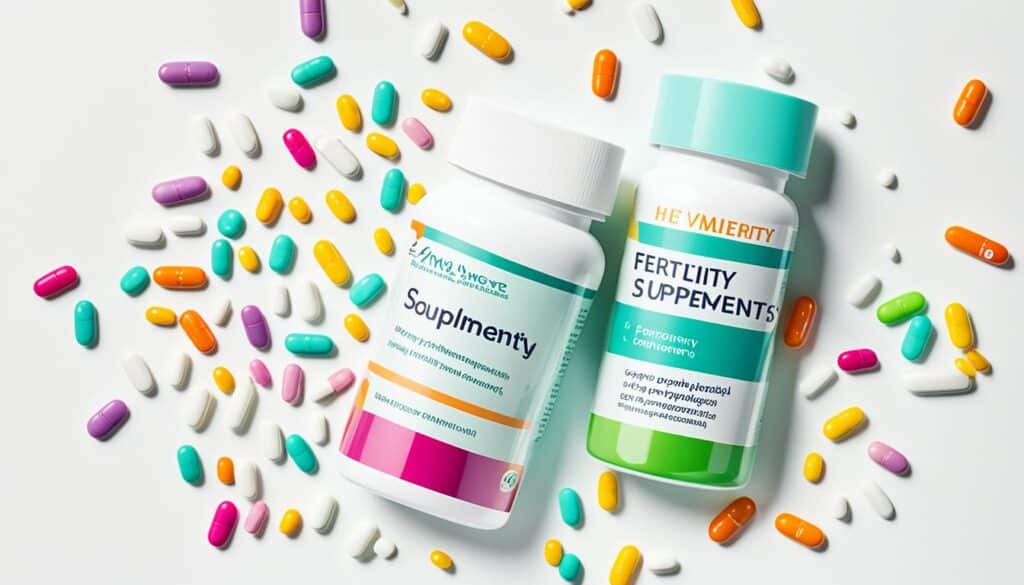
Exploring the Link Between Gluten-Free Diets and Fertility

gluten free diet fertility

Did you know that the food you eat could have an impact on your fertility? It’s true, and one particular dietary factor that has garnered attention is gluten. But what exactly is the relationship between a gluten-free diet and fertility? Let’s delve into the science behind it.

Meet Sarah, a 35-year-old woman who had been trying to conceive for over a year without success. She and her partner were puzzled as to why they couldn’t get pregnant, especially since they were both in good health. Sarah decided to do some research and stumbled upon a discussion about gluten intolerance and its potential effects on fertility.

Curiosity piqued, Sarah began to delve deeper into the topic. She learned that undiagnosed celiac disease, a condition where the body cannot tolerate gluten, could be the culprit behind unexplained infertility. Studies have shown that celiac disease may be the cause of infertility in 3.5% of women and is a contributing factor to unexplained infertility in 5.9% of women.

Understanding the significance of these findings, Sarah decided to undergo testing for celiac disease. To her surprise, the results came back positive. Sarah now had a possible explanation for her fertility struggles.

Unbeknownst to Sarah, she had been living with undiagnosed celiac disease for years, which can often go unnoticed due to its varied and often non-specific symptoms. The condition can lead to an array of health problems, making it crucial to identify and address.

But what does gluten have to do with fertility? Gluten, a protein found in wheat, barley, and rye, can cause inflammation in the digestive system of individuals with celiac disease or gluten intolerance. This chronic inflammation can signal to the body that it’s not an optimal time for pregnancy, affecting fertility.

Additionally, nutritional deficiencies can result from inflammation in the small intestine, leading to inadequate nutrient absorption. Protein, fats, zinc, vitamin D, iron, and selenium are commonly deficient in individuals with celiac disease or gluten intolerance, further impacting fertility.

Through her research, Sarah discovered that many women with infertility had seen improved success rates with fertility treatments after removing gluten from their diets. Intrigued, she wondered if a gluten-free diet might be the key to realizing her dream of becoming a mother.

Little did Sarah know that embarking on a gluten-free journey could potentially transform her fertility prospects. In the next section, we will explore how gluten intolerance affects fertility in more detail and discover the various mechanisms at play.

How Gluten Intolerance Affects Fertility

Chronic inflammation, nutritional deficiencies, gut dysbiosis, and autoimmunity are key factors that highlight how gluten intolerance can impact fertility.

Chronic inflammation, triggered by gluten intolerance and celiac disease, can disrupt the delicate balance necessary for successful conception. This inflammatory response signals to the body that it’s not an optimal time to become pregnant.

The inflammation in the small intestine caused by gluten intolerance can also lead to nutritional deficiencies. Protein, fats, zinc, vitamin D, iron, and selenium are crucial nutrients that may be poorly absorbed, affecting overall reproductive health.

Gut dysbiosis, characterized by an imbalance of gut flora, can contribute to fertility problems. It can disrupt the healthy vaginal flora, creating an environment that is less conducive to conception.

Celiac disease, being an autoimmune condition, can disrupt the body’s tolerance to foreign cells, including sperm and the developing baby. This immune dysregulation can further impact fertility outcomes.

Hypothyroidism, which is associated with celiac disease, can also interfere with fertility. The thyroid plays a crucial role in regulating hormones essential for conception.

Addressing these underlying issues is vital for improving fertility outcomes. Adopting a gluten-free diet can alleviate chronic inflammation, resolve nutritional deficiencies, and promote a healthier gut environment.

Quotes:

“Chronic inflammation caused by gluten intolerance can hinder the body’s readiness for pregnancy. By reducing this inflammation through a gluten-free diet, fertility can be restored.” – Dr. Sarah Thompson, Gastroenterologist

The Impact of a Gluten-Free Diet on Fertility:

Further research is needed to fully understand the impact of a gluten-free diet on fertility. However, anecdotal evidence and limited studies suggest that removing gluten from the diet can lead to improvements in fertility and conception.

A gluten-free diet has been shown to benefit women with undiagnosed celiac disease who experienced fertility issues. By removing gluten from their diets, these women saw significant improvements in their ability to conceive.

While case studies have documented successful pregnancies after adopting a gluten-free diet, more comprehensive studies are required to establish a definitive causal relationship between gluten-free diets and fertility outcomes.

Effects of Gluten Intolerance on Fertility Potential Solutions
Chronic inflammation disrupts fertility signals Adopt a gluten-free diet to reduce inflammation and improve hormonal balance
Nutritional deficiencies impact reproductive health Focus on nutrient-dense, gluten-free foods and consider supplementation if necessary
Gut dysbiosis affects vaginal flora Optimize gut health through probiotics, prebiotics, and a gluten-free diet
Celiac disease compromises immune tolerance Eliminate gluten from the diet and manage autoimmune symptoms
Associated hypothyroidism disrupts hormonal balance Monitor thyroid function and consult with a healthcare professional for optimal management

While a gluten-free diet may not be a guaranteed solution for all fertility challenges, it is a proactive step individuals with gluten intolerance can take to support their reproductive health. Consulting with healthcare professionals who specialize in autoimmune conditions and fertility can provide personalized guidance and support.

The Impact of a Gluten-Free Diet on Fertility

Women with infertility are 3.5 times more likely to have celiac disease, a condition that causes gluten intolerance, and those with unexplained infertility are at an even higher risk. However, there is promising evidence that adopting a gluten-free diet may improve fertility outcomes for these individuals.

Reports have shown that women with undiagnosed celiac disease who start a gluten-free diet experience improvements in fertility and conception. While further research is needed to establish a definitive causal relationship, case studies have documented successful pregnancies among women after adopting a gluten-free diet.

It is important to note that individuals with known celiac disease who are already on a gluten-free diet do not appear to have a higher risk of infertility. However, the specific effects of a gluten-free diet on pregnancy outcomes and the success of fertility treatments require further study.

Despite the limited evidence, many healthcare professionals recommend a gluten-free diet as a potential intervention for fertility issues related to gluten intolerance. Removing gluten from the diet is a relatively easy and affordable step, and it may offer benefits in improving fertility for those struggling with the condition.

FAQ

Can undiagnosed celiac disease cause infertility?

Yes, undiagnosed celiac disease may be the cause of infertility in a significant number of women. It is estimated that it may result in infertility in 3.5% of women and unexplained infertility in 5.9% of women.

How does gluten intolerance affect fertility?

Gluten intolerance, which is more common than celiac disease, can also cause fertility issues. Chronic inflammation caused by gluten intolerance can interfere with fertility by signaling to the body that it’s not a good time to conceive. Additionally, the nutritional deficiencies caused by inflammation in the small intestine can further impact fertility.

Can a gluten-free diet improve fertility?

Yes, a gluten-free diet has been reported to improve fertility outcomes in women with undiagnosed celiac disease. Removing gluten from the diet can help reduce inflammation, address nutritional deficiencies, and optimize gut health, all of which can contribute to improved fertility. However, more research is needed to establish a definitive causal relationship between a gluten-free diet and fertility.

Are individuals with celiac disease at a higher risk of infertility?

Women with celiac disease have a higher risk of infertility compared to the general population. They are 3.5 times more likely to have celiac disease. However, individuals with known celiac disease who are already on a gluten-free diet do not appear to have a higher risk of infertility.

Is there scientific evidence supporting the link between a gluten-free diet and improved fertility?

While there is limited evidence, many healthcare professionals recommend a gluten-free diet as a potential intervention for fertility issues related to gluten intolerance. Case studies have shown successful pregnancies after starting a gluten-free diet. However, further research is needed to establish the specific effects of a gluten-free diet on pregnancy outcomes and the success of fertility treatments.

Enhancing Fertility with Natural Supplements: What Works

Natural Fertility Supplements

You and your partner have been trying to conceive for some time now. You’ve gone through countless ovulation tests, timing your intimacy just right, and you’ve even tried various fertility apps. But so far, no luck.

Feeling frustrated and discouraged, you begin to wonder if there’s anything else you could be doing to boost your chances of conceiving. That’s when you come across the idea of using natural supplements to enhance fertility.

Curiosity piqued, you dive into research and discover that there is indeed a growing body of evidence suggesting that certain natural supplements can support fertility. These supplements, made from natural ingredients, aim to provide your body with the extra nutrients it needs to optimize reproductive function.

But you’re not one to jump blindly into fads or trends. You want to know what works, what’s safe, and what’s backed by science. That’s why we’re here to guide you through the world of natural fertility supplements and explore what really works to enhance your chances of conceiving.

Join us as we delve into the role of micronutrients in fertility, the potential benefits of other fertility supplements, and the importance of maintaining a well-balanced diet. We’ll provide you with the information you need to make informed decisions about whether incorporating natural supplements into your fertility journey is right for you.

The Role of Micronutrients in Fertility

Micronutrients, including vitamins and minerals, play vital roles in conception and pregnancy. Low levels of vitamin B12, vitamin B6, vitamin D, and other micronutrients have been associated with infertility in females. Folic acid, an essential nutrient, is known to prevent birth defects and has been linked to higher pregnancy rates when taken in higher doses. Vitamin B12 and vitamin B6 are important for maintaining safe levels of homocysteine, and deficiency in these vitamins may lead to miscarriage and poor embryo quality in IVF treatments. Vitamin D supplementation has also shown potential in improving fertility in both males and females, especially in women with polycystic ovary syndrome (PCOS).

To emphasize the importance of micronutrients in fertility, here is a table summarizing the key micronutrients and their roles:

Micronutrient Role in Fertility
Vitamin B12 Crucial for maintaining safe levels of homocysteine and preventing miscarriage and poor embryo quality
Vitamin B6 Important for maintaining safe levels of homocysteine and supporting optimal reproductive function
Vitamin D May improve fertility in both males and females, especially in women with PCOS
Folic Acid Prevents birth defects and has been linked to higher pregnancy rates when taken in higher doses

It is important to maintain a well-balanced diet that includes foods rich in these micronutrients. However, in some cases, supplementation may be necessary to address any nutrient deficiencies. Consult with your healthcare provider to determine if supplementation is needed and to ensure the supplements are safe and appropriate for your individual needs.

The Potential Benefits of Other Fertility Supplements

While the use of certain fertility supplements is still being researched, there is some evidence to suggest their potential benefits. Here are some key supplements that have shown promise in supporting fertility:

1. Coenzyme Q10

Coenzyme Q10

Coenzyme Q10, an antioxidant, may help reduce oxidative stress and improve fertility in both males and females. Oxidative stress can damage reproductive cells and potentially impact fertility. Coenzyme Q10 helps neutralize harmful free radicals, protecting reproductive cells from damage and supporting healthy sperm and egg quality. Consult with a healthcare provider to determine the appropriate dosage and formulation.

2. Selenium

Selenium is a trace mineral that plays a role in fertility. It acts as an antioxidant and supports the production of healthy sperm and eggs. Selenium supplementation may have protective effects on female fertility and improve the chances of successful conception. However, it’s important to consume selenium within recommended limits as excessive intake can be harmful. Consult with a healthcare provider to determine the appropriate selenium intake for your specific needs.

3. Prenatal Multivitamins

Prenatal multivitamins are recommended for women trying to conceive to replenish nutrient levels and improve the overall reproductive environment. These multivitamins contain a combination of essential vitamins and minerals, such as folic acid, iron, and calcium, which are crucial for optimal reproductive health. They help ensure that the body has all the necessary nutrients for healthy conception and pregnancy. It’s important to choose a high-quality prenatal multivitamin and consult with a healthcare provider for personalized recommendations.

4. Evening Primrose Oil

Evening primrose oil is often marketed as a fertility supplement, but the evidence for its effectiveness is mixed. While some studies suggest that it may have potential benefits for cervical mucus production and hormone regulation, more research is needed to validate these claims. Before considering evening primrose oil as a fertility supplement, consult with a healthcare provider to assess its suitability for your specific situation.

5. Vitex

Vitex, also known as chaste tree berry, is another supplement commonly used for supporting fertility. It is believed to have hormonal balancing effects and may help regulate menstrual cycles. However, the scientific evidence supporting the use of vitex as a fertility supplement is limited and inconsistent. Consult with a healthcare provider before incorporating vitex into your fertility regimen.

Remember, it’s important to consult with a healthcare provider before starting any fertility supplement to ensure safety and effectiveness. Each individual’s needs and circumstances are unique, and a healthcare professional can provide personalized guidance on which supplements may be beneficial for you.

Conclusion

Enhancing fertility with natural supplements is a topic of great interest for individuals who are trying to conceive. While nutrition and supplementation can play a role in supporting fertility, it’s important to acknowledge that the use of fertility supplements is still an emerging field, requiring further research to determine their effectiveness.

To boost fertility, it is recommended to prioritize a well-balanced diet that includes whole grains, healthy fats, fruits, vegetables, and lean proteins. Addressing any nutrient deficiencies through dietary changes or supplementation, if necessary, is also crucial. However, it is essential to consult with a healthcare provider to ensure that any fertility supplements you consider are safe and suitable for your specific needs.

Keep in mind that fertility supplements should not replace standard care for fertility and should be used in conjunction with medical guidance and support. While the potential benefits of certain supplements like Coenzyme Q10, folic acid, and vitamin D show promise, it is important to approach them with caution and not solely rely on them as the sole means to improve fertility.

By maintaining a healthy lifestyle, seeking medical advice, and staying informed about the latest research in the field of fertility supplements, you can make well-informed decisions in your journey towards improving fertility and increasing your chances of conceiving.

FAQ

Are natural supplements effective in enhancing fertility?

The effectiveness of natural supplements in enhancing fertility is still under investigation. While some supplements show promise, it’s important to consult with a healthcare provider before starting any fertility supplement.

Which micronutrients play a role in fertility?

Micronutrients like vitamin B12, vitamin B6, and vitamin D are important for fertility. Low levels of these micronutrients have been associated with infertility in females.

Can folic acid improve fertility?

Folic acid, an essential nutrient, is known to prevent birth defects and has been linked to higher pregnancy rates when taken in higher doses.

How do vitamin B12 and vitamin B6 affect fertility?

Vitamin B12 and vitamin B6 are important for maintaining safe levels of homocysteine. Deficiency in these vitamins may lead to miscarriage and poor embryo quality in IVF treatments.

Is vitamin D supplementation helpful for fertility?

Vitamin D supplementation has shown potential in improving fertility in both males and females, especially in women with polycystic ovary syndrome (PCOS).

Do fertility supplements like Coenzyme Q10 and selenium have any benefits?

Coenzyme Q10, as an antioxidant, may help reduce oxidative stress and improve fertility in both males and females. Selenium, as a trace mineral, plays a role in fertility and supplementation may have protective effects on female fertility.

Are prenatal multivitamins recommended for fertility?

Yes, prenatal multivitamins are recommended for women trying to conceive to replenish nutrient levels and improve the overall reproductive environment.

Are evening primrose oil and vitex effective as fertility supplements?

Evening primrose oil and vitex have mixed evidence and lack sufficient research to support their use as fertility supplements. It’s important to consult with a healthcare provider before starting any supplement.

Should fertility supplements replace standard care for fertility?

No, fertility supplements should not replace standard care for fertility. They should be used in conjunction with medical guidance and support.

Source Links

Mastering the Fertility Awareness Method: A Comprehensive Guide

Fertility Awareness Method

Imagine this: you and your partner have decided that the time is right to start a family. Excitement fills the air as you both eagerly anticipate the joy of bringing a new life into the world. But as months pass by, and each pregnancy test comes back negative, doubts start to creep in. Are you missing something? Is there a way to increase your chances of conceiving?

That’s where the Fertility Awareness Method comes in. This comprehensive guide will empower you with the knowledge and tools to take control of your fertility journey. By tracking your menstrual cycle and understanding the signs of fertility, you can pinpoint the optimal time to conceive.

So, what exactly is the Fertility Awareness Method? It involves monitoring key fertility indicators, such as cervical mucus, basal body temperature, and cervical position, to determine your most fertile days. Armed with this information, you can make informed decisions about when to try to conceive and when to use natural contraception.

Whether you’re just starting your fertility journey or seeking a natural approach to family planning, this guide will equip you with the knowledge and tools to make your dreams of parenthood a reality. From understanding the impact of stress on your menstrual cycle to maximizing the effectiveness of the Fertility Awareness Method, we’ll explore it all.

Get ready to take charge of your fertility and embark on an empowering journey towards parenthood. Let’s dive in!

Does the Fertility Awareness Method work effectively as birth control?

Studies and evaluations of the Fertility Awareness Method as a form of birth control have yielded varying results. While some research suggests that it can be an effective method when practiced correctly and consistently, other studies have found higher failure rates.

Factors that can influence the effectiveness of fertility awareness as a method of birth control include the reliability of the chosen fertility signs, the level of adherence to the method’s guidelines, and individual variations in menstrual cycles.

It has been observed that certain methods of fertility awareness may be more effective for certain women based on their specific circumstances and fertility patterns.

Additionally, the use of fertility monitors, along with other signs of fertility, can enhance the effectiveness of the method.

It is important for women to receive proper education and training in fertility awareness before relying on it solely for contraception. While fertility tracking apps can be useful tools for charting cycles and tracking fertility, their accuracy and effectiveness in predicting the fertile window may vary.

Overall, the effectiveness of the Fertility Awareness Method as birth control depends on the individual’s commitment to following the method’s guidelines and their understanding of their own fertility patterns.

Maximizing the effectiveness of the Fertility Awareness Method

To derive the highest effectiveness from the Fertility Awareness Method, it is essential to have a thorough understanding of the method and to follow its guidelines diligently. This includes learning and accurately interpreting the various fertility signs, such as cervical mucus, basal body temperature, and cervical position.

Consistency and regularity in tracking these signs throughout the menstrual cycle are crucial for accurate predictions of fertility. By staying committed to daily tracking, you can better identify patterns and determine your most fertile days.

It is also important to be aware of the impact of stress on the menstrual cycle and how it may affect the reliability of fertility signs. Stress can disrupt hormonal balance, influencing the accuracy of fertility predictions. Therefore, managing stress through relaxation techniques like yoga, meditation, or exercise can help enhance the method’s efficacy.

Seeking guidance from fertility awareness educators and healthcare professionals can provide valuable insights and support in mastering the method. They can help you understand the nuances of fertility signs, answer any questions you may have, and offer personalized advice to optimize your fertility awareness practice.

Additionally, using fertility tracking apps can assist in charting cycles and maintaining a record of fertility indicators. These apps offer a user-friendly interface to record and track your fertility signs conveniently. They can also provide reminders and notifications to ensure timely fertility tracking.

It is important to remember that the Fertility Awareness Method is not foolproof and may not be suitable for everyone as a standalone method of contraception. However, when used correctly and in combination with other methods, such as barrier methods or fertility monitors, it can be an effective tool for understanding and managing fertility.

By taking an active role in tracking and understanding your fertility, you can make informed decisions regarding contraception and family planning. Utilize the tips and guidance from healthcare professionals and fertility educators to maximize the effectiveness of the Fertility Awareness Method and take control of your reproductive health.

FAQ

What is the Fertility Awareness Method?

The Fertility Awareness Method is a comprehensive approach to understanding and monitoring your fertility. It involves tracking various fertility indicators, such as cervical mucus, basal body temperature, and cervical position, to determine the most fertile days of your menstrual cycle.

How can the Fertility Awareness Method be used?

The Fertility Awareness Method can be used both for natural contraception and for maximizing your chances of conceiving. By learning to interpret the signs of fertility, women can make informed decisions about when to avoid or pursue pregnancy.

What are the benefits of using the Fertility Awareness Method?

The Fertility Awareness Method offers women a natural and empowering way to understand and manage their fertility. It allows them to take charge of their own fertility and make informed decisions about contraception and family planning.

How effective is the Fertility Awareness Method as birth control?

Studies and evaluations of the Fertility Awareness Method as a form of birth control have yielded varying results. Factors that can influence its effectiveness include the reliability of the chosen fertility signs, adherence to the method’s guidelines, and individual variations in menstrual cycles.

Can fertility tracking apps help with the Fertility Awareness Method?

Fertility tracking apps can assist in charting cycles and tracking fertility indicators. However, their accuracy and effectiveness in predicting the fertile window may vary. It is important to receive proper education and training in fertility awareness before relying solely on apps for contraception.

How can I maximize the effectiveness of the Fertility Awareness Method?

To derive the highest effectiveness from the Fertility Awareness Method, it is essential to have a thorough understanding of the method, accurately interpret fertility signs, and track them consistently throughout the menstrual cycle. Seeking guidance from fertility awareness educators and healthcare professionals can provide valuable support in mastering the method.

How Alcohol Affects Fertility: What You Need to Know

Alcohol and Fertility

Imagine this: you and your partner have made the decision to start a family. Excitement fills the air as you dream about the future and picture a bundle of joy in your arms. You begin discussing baby names and nursery themes, eagerly preparing for the adventure ahead.

But did you know that something as seemingly innocent as a glass of wine or a pint of beer could impact your fertility? It’s something that many couples are unaware of when embarking on their conception journey.

Research has shown that alcohol consumption can have a negative impact on fertility for both men and women. The effects can be particularly significant when it comes to heavy drinking, which can reduce sperm count and quality in men while disrupting hormones and ovulation in women.

If you’re trying to conceive, it’s crucial to understand how alcohol can affect your chances of getting pregnant and having a healthy baby. In this article, we will delve into the research on alcohol’s impact on fertility and provide pre-pregnancy advice to help you make informed decisions.

How Alcohol Affects Sperm Quality and Male Fertility

When it comes to male fertility, alcohol consumption can have a significant impact on sperm quality. Research has shown that heavy drinking can lead to a decrease in testosterone production, a reduction in libido, and a decline in sperm quality. In fact, consuming two to four standard drinks a day on average is considered heavy drinking and can result in a significant reduction in sperm concentration.

Even drinking as little as three standard drinks per week can have a negative effect on sperm count. Daily alcohol consumption has also been associated with reduced semen volume and abnormal sperm morphology. This indicates that alcohol not only affects the quantity of sperm but also its quality.

Therefore, it is crucial for men to reduce their alcohol consumption when trying to conceive in order to optimize sperm quality and improve fertility. By cutting back on alcohol and making healthier lifestyle choices, men can increase their chances of successful conception and improve the overall health of their sperm.

How Alcohol Affects Female Fertility

Alcohol consumption can disrupt hormone functioning in women, leading to imbalances in reproductive hormone levels. This hormonal disruption can have a negative impact on female fertility, affecting ovulation and the menstrual cycle.

Research has shown that moderate alcohol consumption, defined as 3-6 drinks per week, during the luteal phase of the menstrual cycle can reduce the chance of conceiving by 44% compared to non-drinkers. This highlights the significant impact that alcohol can have on female fertility.

One of the main hormonal effects of alcohol on female fertility is the increase in estrogen levels. High estrogen levels associated with alcohol consumption can lower the chance of successful implantation, further reducing the likelihood of achieving pregnancy.

Given these effects, it is recommended for women who are trying to conceive to avoid alcohol altogether in order to optimize their fertility. By eliminating alcohol from their lifestyle, women can potentially improve their chances of conceiving and having a healthy pregnancy.

alcohol impact on female fertility

Alcohol Consumption Effect on Fertility
No alcohol consumption Optimal chance of conception
Moderate alcohol consumption (3-6 drinks per week) 44% reduced chance of conceiving compared to non-drinkers
Heavy alcohol consumption Further reduction in fertility and increased risk of complications

H3: The Importance of Avoiding Alcohol for Female Fertility

“Avoiding alcohol when trying to conceive is crucial for female fertility. By eliminating alcohol, women can minimize the hormonal disruption and increase their chances of conception and a healthy pregnancy.”

Conclusion

In conclusion, alcohol has a significant impact on fertility for both men and women. Heavy drinking can lead to decreased sperm quality in men and disruption of hormone levels in women, making it more difficult to conceive. Even moderate alcohol consumption can reduce the chances of conception, particularly during certain phases of the menstrual cycle.

To improve fertility and increase the likelihood of a healthy pregnancy and child, it is best to avoid alcohol altogether when trying to conceive. Additionally, reducing alcohol intake and maintaining a healthy weight are crucial factors in optimizing fertility and preconception health.

By prioritizing a lifestyle that minimizes alcohol consumption, you can enhance your fertility potential and take proactive steps towards achieving your desired pregnancy. The decision to abstain from alcohol while trying to conceive not only supports overall reproductive health but also improves your chances of a successful conception and a healthy start to parenthood.

FAQ

How does alcohol consumption affect fertility?

Alcohol consumption can have a negative impact on fertility for both men and women. Heavy drinking can reduce sperm count and quality in men and disrupt hormones and ovulation in women. Drinking alcohol while pregnant increases the risk of miscarriage, stillbirth, and health problems for the baby. It is recommended to avoid alcohol when trying to conceive to improve chances of a healthy pregnancy and child.

How does alcohol affect sperm quality and male fertility?

Heavy drinking can lower testosterone production, reduce libido, and decrease sperm quality in men. Consuming two to four standard drinks a day on average is considered heavy drinking and can lead to a significant reduction in sperm concentration. Even drinking three standard drinks per week can reduce sperm count. Daily drinking is associated with reduced semen volume and abnormal sperm morphology. It is important for men to reduce alcohol consumption when trying to conceive to improve sperm quality and fertility.

How does alcohol affect female fertility?

Alcohol consumption can disrupt hormone functioning in women, leading to imbalances in reproductive hormone levels. This can affect ovulation and the menstrual cycle, making it harder to conceive. Moderate alcohol consumption of 3-6 drinks per week during the luteal phase of the menstrual cycle can reduce the chance of conceiving by 44% compared to non-drinkers. High estrogen levels associated with alcohol consumption can also lower the chance of successful implantation. It is recommended for women to avoid alcohol when trying to conceive to optimize their fertility.

Can even moderate alcohol consumption affect fertility?

Yes, even moderate alcohol consumption can reduce chances of conception, especially during certain phases of the menstrual cycle. It is best to avoid alcohol when trying to conceive to improve fertility and increase the chances of a healthy pregnancy and child. Reducing alcohol intake and maintaining a healthy weight are important factors in optimizing fertility and preconception health.

The Best Foods to Increase Fertility Naturally

Best Foods for Increasing Fertility

Conceiving a baby is an exciting and hopeful journey that many couples embark on. But did you know that only about 30% of couples get pregnant in the first month of trying? It’s important to remember that fertility is a complex issue influenced by many factors. While no diet can fix medical conditions that affect fertility, there are certain foods that can support and optimize your reproductive system.

Imagine this: Sarah and Mike have been trying to conceive for several months, eagerly anticipating the news of a positive pregnancy test. As time goes on, Sarah starts to feel frustrated and worried about their chances of getting pregnant. Determined to take control of their fertility journey, Sarah and Mike turn to their diet.

They discover that incorporating the best foods for increasing fertility into their daily meals can be a natural way to boost their chances of conceiving. These foods are rich in antioxidants and nutrients that enhance ovulation or improve sperm quality and quantity. Sarah and Mike are excited to give their fertility a helping hand by making simple changes to their diet.

They start by including walnuts in their breakfasts. Walnuts are packed with omega-3 fatty acids and vitamin E, which have been found to boost ovulation and increase sperm count and motility. Sarah also adds more tomatoes to their salads as they contain lycopene, a nutrient that improves sperm count and movement. They make sure to have citrus fruits like grapefruits and oranges as a refreshing snack, knowing that they are full of vitamin C and polyamines, which are critical for the reproductive process.

As Sarah and Mike continue their fertility journey, they also include other fertility-boosting foods into their diet. They start enjoying full-fat dairy products like Parmigiano-Reggiano cheese, camembert, and asiago, which are linked to a lower risk of ovulatory infertility. They discover the benefits of beans and lentils, which provide spermidine and folate, associated with higher implantation rates and better sperm count and quality.

Not only do they focus on foods that increase female fertility, but they also learn about the best foods for increasing male fertility. They make sure to include walnuts, sunflower seeds, and fruits like raspberries, blueberries, and strawberries, which are rich in antioxidants and nutrients that improve fertility in both men and women. They incorporate avocados, quinoa, Greek yogurt, and cheeses into their meals, all of which offer essential vitamins and minerals for reproductive health.

By making these small changes to their diet, Sarah and Mike feel empowered and hopeful. They understand that while there are no magic foods that guarantee pregnancy, the nutrients and compounds found in these foods have been shown to have positive effects on fertility. Combined with a balanced overall diet and other lifestyle factors, these foods contribute to creating a healthy environment for conception.

In conclusion, if you’re on a fertility journey, consider incorporating the best foods for increasing fertility into your diet. While it’s important to keep in mind that fertility is influenced by many factors, maintaining a healthy weight and eating a balanced diet can improve your chances of conceiving. Your diet plays a crucial role in supporting your reproductive system, and focusing on these specific foods can give your fertility a natural boost.

Best Foods for Increasing Female Fertility

Certain foods have been found to enhance female fertility. Including these foods in your diet can support your reproductive system and increase your chances of conceiving naturally. Here are some of the best foods for increasing female fertility:

1. Walnuts

Walnuts are rich in omega-3 fatty acids and vitamin E, which have been shown to boost ovulation and improve sperm count and motility. Incorporate walnuts into your diet as a healthy snack or add them to salads and baked goods.

2. Tomatoes

Tomatoes contain lycopene, a powerful antioxidant that has been linked to improved sperm count and movement. Enjoy tomatoes in salads, sauces, or as a topping for sandwiches to reap their fertility-boosting benefits.

3. Citrus Fruits

Citrus fruits like grapefruit, lemons, oranges, and tangerines are packed with vitamin C and polyamines, which play crucial roles in the reproductive process for both males and females. Include citrus fruits in your diet as fresh juices or as a refreshing snack.

4. Full-Fat Dairy Products

Full-fat dairy products, especially cheeses like Parmigiano-Reggiano, camembert, and asiago, have been linked to a lower risk of ovulatory infertility. Enjoy these cheeses in moderation as part of a well-balanced diet.

5. Beans and Lentils

Beans and lentils are excellent sources of spermidine and folate, which have been associated with higher implantation rates and better sperm count and quality. Incorporate beans and lentils into your meals as a source of protein and additional nutrients.

6. Sardines and Salmon

Sardines and salmon are rich in omega-3 fatty acids, which can support overall reproductive health. Opt for low-mercury options and include these fish in your diet for their fertility-boosting benefits.

Best Foods for Increasing Male Fertility

Certain foods have been found to enhance male fertility. Including these foods in your diet can help improve semen health, increase sperm motility and quantity, and support reproductive health. Here are some of the best foods for increasing male fertility:

  1. Walnuts: Walnuts are rich in omega-3 and omega-6 fatty acids, which are beneficial for semen health. They improve sperm motility, quantity, and morphology.
  2. Sunflower Seeds: Sunflower seeds are packed with vitamin E, zinc, folic acid, and selenium. These nutrients have been shown to improve sperm health and promote fertility.
  3. Fruits: Raspberries, blueberries, and strawberries are excellent sources of antioxidants and anti-inflammatory phytonutrients. These compounds help improve fertility in both men and women.
  4. Avocados: Avocados are not only delicious but also provide essential nutrients for early pregnancy. They are rich in vitamins K, potassium, and folate, which are important for reproductive health.
  5. Quinoa: Quinoa is a carb-free whole grain that is a great source of protein, zinc, and folic acid. These nutrients are essential for sperm production and overall reproductive health.
  6. Greek Yogurt and Cheeses: Greek yogurt and certain cheeses offer calcium, probiotics, and vitamin D, which can improve ovulation and support fertility.
  7. Salmon: Salmon is a rich source of omega-3 fatty acids, which are beneficial for both semen health and fetal development. Choose low-mercury options to minimize risks.
  8. Asparagus: Asparagus contains folic acid, zinc, and selenium, all of which strengthen reproductive health and contribute to optimal fertility.
  9. Egg Yolks: Egg yolks are packed with vitamin B and essential omega-3s. These nutrients support red blood cell creation and embryo development.

By incorporating these foods into your diet, you can naturally increase male fertility and support reproductive health. Remember to maintain a balanced overall diet and consult a healthcare professional for personalized advice.

Increase Male Fertility

Conclusion

Incorporating a healthy diet that includes the best foods for increasing fertility can be an effective and natural approach to enhance your chances of conception. While there are no magical foods that guarantee pregnancy, certain nutrients and compounds found in these foods have been scientifically proven to positively impact fertility.

It is important to understand that fertility is a complex issue influenced by various factors, and a healthy diet is just one piece of the puzzle. Maintaining overall balance in your diet and considering other lifestyle factors that may affect fertility are equally significant.

Remember, consulting with a healthcare professional is always recommended for personalized guidance. They can provide you with expert advice tailored to your specific needs and help you navigate the complexities of fertility. By taking proactive steps towards a healthy lifestyle and incorporating the best foods for fertility into your diet, you can increase your chances of conceiving naturally.

FAQ

Can diet improve fertility?

While no diet can fix medical issues affecting fertility, certain foods support the reproductive system better than others. These foods contain antioxidants and nutrients that enhance ovulation or improve sperm quality and quantity.

Are there foods that can enhance female fertility?

Yes, certain foods have been found to enhance female fertility. These include walnuts, tomatoes, citrus fruits, full-fat dairy products, beans, lentils, sardines, and salmon.

Are there foods that can enhance male fertility?

Yes, certain foods have been found to enhance male fertility. These include walnuts, sunflower seeds, raspberries, blueberries, strawberries, avocados, quinoa, Greek yogurt, cheeses, salmon, asparagus, and egg yolks.

Are these foods a guarantee of pregnancy?

While there are no magic foods that guarantee pregnancy, certain nutrients and compounds found in these foods have been shown to have positive effects on fertility. It’s important to maintain a balanced overall diet and consider other lifestyle factors that may impact fertility.

Should I consult a healthcare professional for personalized guidance?

Yes, fertility is a complex issue influenced by many factors, and consulting with a healthcare professional is always recommended for personalized guidance.

Source Links

Planning for Pregnancy After a Miscarriage: A Guide to Emotional and Physical Health

Planning Pregnancy After Miscarriage

When it comes to planning for pregnancy after a miscarriage, there’s no denying that it can be an emotional and physically challenging journey. The loss of a pregnancy can leave a lasting impact on your mind, body, and spirit. That’s why it’s essential to take the time to prioritize your emotional support and physical health before embarking on another pregnancy.

Imagine this: You and your partner had been overjoyed when you found out you were expecting. You began envisioning a future with your little bundle of joy, making plans and sharing the news with loved ones. However, your excitement turned to heartbreak when you experienced the devastating loss of a miscarriage. The grief weighed heavy on your heart, and you found yourself navigating a sea of emotions, uncertainty, and questions about the future.

During this difficult time, it’s crucial to surround yourself with emotional support. Lean on your partner, friends, and family members who can provide a comforting ear, a shoulder to cry on, or words of encouragement. Opening up and sharing your feelings with those you trust can help ease the burden and begin the healing process.

But emotional healing is just one piece of the puzzle. Taking care of your physical health is equally important. Your body may need time to rest and recover after a miscarriage. Engaging in self-care activities like eating a balanced diet, staying hydrated, and getting enough rest can help support your body’s healing process. Consider incorporating light exercise into your routine to boost your mood and overall well-being.

Remember, planning for pregnancy after a miscarriage requires time and patience. Take the space you need to grieve and heal, both emotionally and physically. Prioritize self-care, seek support, and be gentle with yourself throughout this journey. It’s important to remember that you are not alone and that there is light at the end of the tunnel. Together, we can navigate this challenging chapter and look forward to a future filled with hope and new beginnings.

Understanding the Impact of Miscarriage on Women and Their Relationships

A miscarriage is a deeply emotional experience that can have a profound impact on a woman’s body, mind, and spirit. The effects of miscarriage extend beyond the woman herself, influencing her relationships with her partner, family, and close friends. To provide adequate support for grief and promote holistic healing, it is crucial to understand how miscarriage affects women and their relationships.

After a miscarriage, women may experience a range of negative emotions towards their bodies. Feelings of anger, guilt, disappointment, or frustration with themselves are common. For some women, the site of their miscarriage can be a traumatic reminder, adding to the complexity of their grief and healing process.

Depression and anxiety frequently accompany pregnancy loss, and the grief experienced can be especially intense if the pregnancy was long-awaited. The emotional impact of miscarriage lingers, affecting women’s feelings of self-worth, body image, and perception of their future reproductive capabilities.

Furthermore, women and their partners may grieve the loss differently, leading to communication challenges and differing needs. As couples navigate the healing process, it is essential to support and validate each other’s emotions and experiences.

To help address the emotional and relational repercussions of miscarriage, mental health support is crucial. Counseling or therapy can provide a safe space for women and their partners to process their grief, explore coping strategies, and find ways to strengthen their bond. Seeking professional help is an instrumental step in achieving healing and moving forward in a healthy way.

Grief and Healing:

Grieving after a miscarriage is a necessary part of the healing process. Each woman’s experience of grief is unique, and it is important to offer empathy, reassurance, and patience. Connecting with support groups or online communities, where women share their stories and emotions, can provide a sense of validation, understanding, and comfort.

“Miscarriage is a profound loss that can leave a lasting impact on a woman’s life and relationships. It is important to recognize the emotional and relational complexities and provide the necessary support to heal.” – Dr. Emily Parker, Psychologist

Through grief and healing, women can begin to find solace and regain a sense of control over their lives. It is essential to prioritize self-care during this time, engaging in activities that promote physical and emotional well-being. Nurturing oneself with healthy habits, such as regular exercise, adequate sleep, and a balanced diet, can aid in the healing process.

Supporting Relationships:

During the healing journey, it is vital for couples to actively communicate and support each other. Understanding that grief may manifest differently for each partner is crucial in maintaining a healthy relationship. Open and compassionate conversations about feelings, fears, and expectations can foster connection and facilitate the healing process.

Friends and family can also play a significant role in providing support after a miscarriage. They can offer a listening ear, provide practical assistance, and create a safe environment where the woman feels supported and understood. It is essential to respect the woman’s boundaries and give her the space she needs to process her emotions.

Effects of Miscarriage on Women Effects of Miscarriage on Relationships
Emotional impact: Anger, guilt, disappointment, feelings of self-worth Communication challenges
Body image and self-perception Differing grief processes
Mental health: Depression, anxiety Supporting each other’s emotions and needs

Understanding the impact of miscarriage on women and their relationships is essential for providing the necessary support for healing. By acknowledging the emotional journey and offering empathy and validation, we can help women navigate this sensitive period. With time, support, and self-care, women can emerge from the depths of grief and move forward towards a brighter future.

Recommending Self-Care and Personal Healing After a Miscarriage

After a miscarriage, it is crucial for women to prioritize self-care and personal healing. Dealing with the emotional and physical aftermath of pregnancy loss can be challenging, but taking proactive steps towards self-care can aid in the healing process.

One important aspect of self-care after a miscarriage is seeking mental health support. Processing the complex emotions and grief that accompany a pregnancy loss can be overwhelming, especially for women with a history of depression or anxiety. By seeking assistance from a mental health provider, you can receive guidance and support to navigate through these difficult emotions and find healing.

In addition to seeking professional support, engaging in self-care activities is vital for your overall well-being. Maintaining hydration, nutrition, light exercise, and adequate sleep can help your body heal and recover from the physical strain of pregnancy loss. Taking care of yourself in these fundamental ways can have a positive impact on your mental and emotional well-being as well.

Furthermore, engaging in activities that bring you joy or provide emotional release can be incredibly beneficial during the healing process. Whether it’s trying a new physical activity, exploring a creative outlet, or receiving a postnatal massage, finding moments of joy and emotional release can help you reconnect with yourself and promote personal healing.

Quotes:

“Self-care is not selfish. It is essential for your healing journey after a miscarriage.” – Dr. Emily Johnson, Psychologist

“Prioritizing your well-being and engaging in self-care activities can help you rebuild your strength after a miscarriage.” – Sarah Thompson, Wellness Coach

self-care after miscarriage

Recommended Self-Care Activities After a Miscarriage

Activity Description
Journaling Writing down your thoughts and feelings can provide a sense of release and help you process your emotions.
Yoga or Meditation Practicing yoga or meditation can promote relaxation, calmness, and inner peace during this challenging time.
Taking Nature Walks Spending time in nature can have a soothing effect on your mind and help you find solace and tranquility.
Joining a Support Group Connecting with others who have experienced pregnancy loss can provide a sense of community and understanding.
Engaging in Creative Activities Exploring creative outlets such as painting, playing music, or crafting can be cathartic and help you express your emotions.

It is important to remember that every individual’s healing journey is unique, and what works for one person may not work for another. Take the time to explore self-care activities that resonate with you and prioritize your personal healing in a way that feels right for you.

Conclusion

Planning for pregnancy after a miscarriage requires careful attention to both your emotional and physical health. Understanding the impact that a miscarriage can have on women, their relationships, and their bodies is crucial in navigating the healing journey. By seeking support, prioritizing mental well-being, and practicing self-care, you can prepare yourself for the next chapter of your fertility journey.

It is important to remember that the majority of women can conceive again after a miscarriage, and by working closely with healthcare providers, you can ensure a healthy pregnancy. Seeking assistance and advice from professionals can help you address any concerns, prevent future miscarriages, and mitigate potential risks.

As you move forward, prioritize the well-being of your mind and body. Continue to seek emotional and physical support, whether through therapy, support groups, or engaging in activities that bring you joy. Remember to be patient with yourself and your healing process, as grief and recovery take time. Ultimately, by focusing on your emotional and physical well-being, you are setting the stage for a positive and hopeful future as you plan for pregnancy after a miscarriage.

FAQ

How long should I wait before trying to get pregnant again after a miscarriage?

It is recommended to wait for at least one normal menstrual cycle before attempting to get pregnant again. This allows your body to heal and ensures that your uterine lining is fully prepared for another pregnancy.

Will I be able to get pregnant again after a miscarriage?

Yes, in most cases, women are able to get pregnant again after a miscarriage. The majority of women who have experienced a miscarriage go on to have healthy pregnancies.

How can I support my emotional well-being after a miscarriage?

Seeking support from a mental health provider can be beneficial in processing the grief and complex emotions that accompany a miscarriage. Joining a support group or talking to loved ones can also provide emotional support.

What physical activities are recommended after a miscarriage?

Engaging in light exercise, such as walking or gentle yoga, can be beneficial for physical and emotional healing after a miscarriage. It is important to listen to your body and avoid strenuous activities until you feel ready.

How can I take care of myself during the recovery process?

Prioritize self-care by maintaining healthy habits, including proper hydration, nutrition, and adequate sleep. Engage in activities that bring you joy or provide emotional release, such as trying a new physical activity or receiving a postnatal massage.

Source Links

Fertility-Boosting Yoga Poses: Enhance Your Pregnancy Potential

Fertility Yoga Poses

Imagine this – you’re sitting in a bustling cafe, sipping on your favorite cup of chai tea. The aroma fills your senses as you watch people bustling in and out, completely absorbed in their own world. Amidst the chatter, your eyes are drawn to a group of women sitting together, their faces radiant with joy and a sense of calmness.

Curious, you approach their table and introduce yourself. They warmly welcome you, sharing their stories of struggle and triumph on their journey towards motherhood. The common thread binding them all? Fertility yoga.

You listen intently as they speak about the transformative power of yoga-inspired exercises in enhancing their pregnancy potential. They explain how these poses have helped them not only relax but also prepare their bodies for conception. Intrigued, you enquire further, eager to learn more about this holistic approach to fertility.

As you sit there, captivated by their stories, you realize that fertility yoga could be the missing piece in your own journey towards parenthood. The combination of stress reduction, improved circulation, and increased flexibility in the pelvic and hip area resonates with you. It feels like the gentle nudge you’ve been searching for amidst the whirlwind of treatments and emotions.

With renewed hope, you thank the women for sharing their experiences and bid them farewell. As you step back into the bustling street, you can’t help but feel a surge of excitement. You know that fertility yoga holds the potential to not only enhance your chances of pregnancy but also provide a path to inner peace and emotional well-being.

In the next sections, we will explore how fertility yoga works, its benefits, and recommended poses that can help you on your journey towards conception. So, join us as we unlock the power of these fertility-boosting poses and embark on a path filled with hope and possibility.

How Fertility Yoga Works and Its Benefits

Fertility yoga is a practice that can enhance conception when combined with other treatments. It offers numerous benefits, including stress reduction, improved blood flow to the pelvic area, hormonal balance, and a strong mind-body connection.

One of the key advantages of fertility yoga is its ability to reduce stress levels. Managing stress is crucial during fertility treatments, as high stress levels can interfere with hormonal balance and reproductive system functioning. By practicing fertility yoga, individuals can effectively reduce stress and create a more harmonious environment for conception.

Improved blood flow to the pelvic area is another significant benefit of fertility yoga. The gentle stretches and poses involved in fertility yoga help increase circulation, bringing fresh oxygen and vital nutrients to the reproductive organs. This enhanced blood flow supports the overall health of the reproductive system and promotes optimal functioning.

Hormonal balance plays a vital role in successful conception and pregnancy. Fertility yoga helps regulate hormone production by promoting relaxation and reducing stress. By balancing hormones, fertility yoga optimizes ovulation and increases the chances of conception.

Furthermore, fertility yoga strengthens the mind-body connection, which can be incredibly beneficial during the emotional rollercoaster of fertility treatments. It provides a safe and supportive space for individuals to work through complex emotions and navigate the challenges of the fertility journey.

Overall, fertility yoga offers a holistic approach to enhance fertility by reducing stress, improving blood flow, promoting hormonal balance, and fostering a strong mind-body connection.

Fertility Yoga Benefits
Stress reduction
Improved blood flow to the pelvic area
Hormonal balance
Mind-body connection

Recommended Fertility Yoga Poses for Conception

Several fertility yoga poses can help stimulate reproductive organs, increase blood flow, promote hormonal balance, and improve flexibility, enhancing your chances of conception. Incorporating these poses into your yoga practice can support your fertility journey.

Supta Baddha Konasana (Butterfly Pose): This pose helps relieve cramps and tension in the pelvic region while improving blood circulation, optimizing the odds of conception.

Paschimottanasa (Seated Forward Fold): Seated Forward Fold improves reproductive organ health, stimulates the abdominal area, and reduces stress, creating a favorable environment for conception.

Viparita Karani (Legs up the Wall): By elevating your legs, Viparita Karani increases blood flow to the pelvic region, stimulates the endocrine system, and promotes hormonal balance.

Virabhadrasana II (Warrior II): This powerful pose strengthens the thighs, hips, and abdomen, supporting the reproductive system and enhancing fertility.

Sarvangasana (Shoulder Stand): Shoulder Stand boosts blood flow to the pelvic area, improves circulation, and helps regulate hormones for optimal fertility.

Uttana Shishosana (Extended Puppy Pose): This gentle backbend opens up the spine, enhances shoulder flexibility, and helps relieve tension in the pelvic area.

Padahastasana (Hand Under Foot): Hand Under Foot pose stretches the muscles in the lower back, hips, and hamstrings, promoting greater flexibility and reducing stiffness.

Bhujangasana (Cobra): Cobra pose strengthens the spine, improves blood circulation, and stimulates the reproductive organs, enhancing fertility.

Malasana (Garland): By increasing flexibility and supporting hip health, Garland pose prepares the body for pregnancy and creates an optimal environment for conception.

Marjaryasana/Bitilasana (Cat/Cow): This dynamic flow between Cat and Cow poses enhances mind-body balance, improves digestion, and fosters a soothing effect on reproductive organs.

Mandukasana (Frog): Frog pose improves hip health, relaxes the pelvic area, and enhances blood circulation, boosting fertility.

Utthita Trikonasana (Extended Triangle): Extended Triangle pose strengthens the muscles surrounding the reproductive organs, enhances stability, and promotes flexibility, supporting fertility.

Incorporating these fertility yoga poses into your practice can be a proactive step towards enhancing your fertility by stimulating reproductive organs, increasing blood flow, promoting hormonal balance, and improving flexibility. With consistent practice and dedication, these poses can support your journey to conception.

FAQ

How can fertility yoga help improve my chances of getting pregnant?

Fertility yoga can improve your chances of getting pregnant by reducing stress, improving blood flow to the pelvic area, and promoting hormonal balance. These benefits can enhance fertility when combined with other treatments and help manage the complex emotions associated with fertility treatments.

What are the specific benefits of fertility yoga?

Fertility yoga reduces stress levels, which can interfere with hormonal balance and reproductive system functioning. By regulating hormone production, it optimizes ovulation and increases the chances of conception. Fertility yoga also strengthens the mind-body connection, promotes relaxation, and improves emotional well-being.

Which fertility yoga poses can aid in conception?

Several fertility yoga poses can aid in conception. Some of these poses include Supta Baddha Konasana (Butterfly Pose) for relieving cramps and improving odds of conception, Viparita Karani (Legs up the Wall) for increasing blood flow to the pelvic region and stimulating the endocrine system, and Sarvangasana (Shoulder Stand) for boosting blood flow to the pelvic area and regulating hormones. Other poses like Padahastasana (Hand Under Foot), Bhujangasana (Cobra), Malasana (Garland), and Marjaryasana/Bitilasana (Cat/Cow) can also stimulate the reproductive organs, increase blood flow, balance hormones, and improve flexibility to boost fertility.

Top Fertility Supplements for Women: Enhancing Your Pregnancy Journey

Fertility Supplements for Women

Imagine this: You and your partner have made the decision to start a family together. Excitement fills the air as you envision the joy of holding your little bundle of joy in your arms. But as months go by without a positive pregnancy test, anxiety starts to creep in. Is there something you can do to boost your chances of conceiving?

The journey to pregnancy can be filled with ups and downs, but there are steps you can take to support your body and increase your fertility. One effective way is by incorporating fertility supplements for women into your daily routine. These key nutrients have been specifically formulated to help optimize your reproductive health, improving your chances of conceiving and enhancing your pregnancy journey.

But with so many options available, it can be overwhelming to know which supplements are the most beneficial. That’s where we come in. In this article, we will explore the top fertility supplements for women, highlighting the key nutrients that can make a real difference in your fertility journey.

Key Supplements for Optimizing Fertility

Optimizing fertility involves ensuring the body has the necessary nutrients to support reproductive health. Supplementing with specific key supplements can play a crucial role in enhancing fertility for both men and women.

One such important supplement is folate. Folate, available in the form of folic acid or 5-methyltetrahydrafolate (5-MTHF), is essential for DNA synthesis and neural tube formation. It is known to improve the chances of getting pregnant naturally by supporting healthy egg quality and promoting hormonal balance. Additionally, folate is beneficial for both men and women, as it supports sperm health and overall reproductive function.

When considering prenatal vitamins, it’s important to choose those that contain therapeutic doses of essential nutrients. These vitamins are specially formulated to provide the optimal levels needed for reproductive health. Prenatal vitamins typically include a comprehensive blend of vitamins and minerals, such as iron, calcium, vitamin D, and B vitamins, to name a few. These nutrients can help maintain hormonal balance and optimize the body’s antioxidant effects, promoting a healthy reproductive system.

It’s worth noting that while supplements can be beneficial for fertility optimization, they should not replace a balanced diet. Consultation with a doctor or fertility specialist is crucial to determine the appropriate supplements and dosages based on individual needs and health factors.

Folate: A Key Nutrient for Fertility Optimization

“Folate, in the form of folic acid or 5-MTHF, is essential for DNA synthesis and neural tube formation,” explains Dr. Sarah Williams, a renowned fertility expert. “Supplementing with adequate doses of folate can improve the chances of natural conception and support both male and female reproductive health.”

Conclusion

Taking vitamins and supplements can play a valuable role in optimizing your health and fertility. These supplements can help improve overall health, enhance egg and sperm quality, and support the reproductive systems. While it’s important to obtain nutrients from food sources, incorporating supplements into your diet can offer additional benefits.

By providing essential nutrients, vitamins, and minerals, supplements can help fill any nutritional gaps that may exist, ensuring your body has all the resources it needs for optimal reproductive function. Prenatal vitamins, in particular, are formulated to provide the key nutrients necessary for a healthy pregnancy, making them an essential consideration for women trying to conceive.

It’s important to note that while vitamins and supplements can be beneficial, they are not a substitute for a balanced diet and healthy lifestyle. It’s always best to consult with your doctor or a healthcare professional before starting any new supplement regimen. They can provide personalized guidance based on your individual needs, medical history, and any specific fertility concerns you may have.

FAQ

Why is vitamin D important for fertility?

Low levels of vitamin D are associated with decreased fertility and increased risk of miscarriage. Supplementation may be recommended for those at risk for deficiency.

How does folate improve the chances of getting pregnant?

Folate, in the form of folic acid or 5-methyltetrahydrofolate (5-MTHF), is essential for DNA synthesis and neural tube formation. It improves the chances of getting pregnant naturally and is beneficial for both men and women.

How can vitamins and supplements help optimize fertility?

Taking vitamins and supplements can help optimize fertility by improving overall health, enhancing egg and sperm quality, and supporting reproductive systems. While it’s important to get nutrients from food sources, supplements can be a beneficial addition to the diet.

The Ultimate Fertility Diet for Women: Foods to Boost Your Chances

Fertility Diet for Women

Pregnancy is a beautiful journey filled with hopes, dreams, and anticipation. But for some women, conceiving can be a challenge. If you’ve been trying to get pregnant, you may be wondering if there are any dietary changes you can make to boost your chances.

Well, the good news is that there are certain foods that can support your reproductive system and enhance fertility. By incorporating these foods into your diet, you can give yourself the best possible chance of getting pregnant.

But before we dive into the details, let me share a relatable story with you. Meet Lisa, a 32-year-old woman who had been trying to conceive for over a year. She was frustrated and felt like her dream of becoming a mother was slipping away.

One day, while scrolling through social media, Lisa stumbled upon an article about the impact of nutrition on fertility. Intrigued, she decided to give it a try. She started incorporating foods like walnuts, tomatoes, citrus fruits, full-fat dairy, beans and lentils, and sardines and salmon into her daily meals.

She was amazed to learn that these foods contain antioxidants and nutrients that are known to enhance fertility. They provide essential vitamins, minerals, and omega-3 fatty acids that support the reproductive system and increase the chances of conception.

After a few months of following a fertility diet, Lisa received the news she had been longing for – she was pregnant! She couldn’t believe it. The changes she made to her diet had made all the difference.

Now, you might be wondering, how exactly do these foods boost fertility? In the next section, we’ll explore the best foods for fertility in more detail and uncover their incredible benefits. So keep reading to learn how you can increase your chances of getting pregnant through nutrition.

Best Foods for Fertility

Incorporating certain foods into your fertility diet can help improve your chances of conception. These foods are packed with essential nutrients and compounds that support reproductive health and function. Let’s take a closer look at some of the best foods for fertility:

Walnuts

Rich in omega-3 fatty acids and vitamin E, walnuts are a powerhouse food for enhancing fertility. Omega-3 fatty acids promote ovulation and improve sperm count and motility, while vitamin E provides antioxidant protection to reproductive cells.

Tomatoes

Don’t underestimate the power of tomatoes when it comes to fertility. Tomatoes contain lycopene, a potent antioxidant and phytochemical that has been shown to improve sperm count and movement.

Citrus Fruits

Vitamin C is vital for fertility, and citrus fruits are an excellent source of this essential nutrient. In addition to vitamin C, citrus fruits also provide polyamines, which play a critical role in the reproductive process.

Full-Fat Dairy

Full-fat dairy products, such as milk and yogurt, pack a nutritional punch that supports fertility. They are rich in vitamins A, E, and D, which are all important for reproductive health. Additionally, cheeses contain high levels of polyamines, further enhancing fertility.

Beans and Lentils

When it comes to fertility, beans and lentils are a fantastic choice. These legumes are rich in spermidine, a compound associated with improved sperm quality, and folate, which is essential for healthy fetal development.

Sardines and Salmon

For a boost of omega-3 fatty acids without the concern of mercury, turn to sardines and salmon. These low-mercury fish options provide the necessary omega-3 fatty acids that support reproductive health and increase fertility.

Incorporating these fertility-boosting foods into your diet can positively impact your reproductive health and increase your chances of conceiving. Remember to consult with a healthcare professional or nutritionist to ensure you are following a balanced diet tailored to your specific needs.

Foods to Avoid While Trying to Get Pregnant

When it comes to optimizing your fertility and increasing your chances of getting pregnant, paying attention to your diet is crucial. Alongside incorporating fertility-boosting foods into your meals, it is equally important to be aware of the foods that can hinder your reproductive health. Here are some foods to avoid while trying to get pregnant:

  • Avoid added sugar found in sugar-sweetened beverages and ultra-processed carbs. Consuming excessive amounts of added sugar can lead to inflammation, hormonal imbalances, and weight gain, all of which can negatively impact fertility.
  • Limit your alcohol intake, as heavy alcohol use has been linked to reduced fertility in both males and females. Alcohol consumption can disrupt hormone balance, impair ovulation, and decrease sperm quality and production.
  • Although caffeine is generally safe in moderate amounts, high levels of caffeine intake can interfere with fertility. It is advisable to limit your caffeine intake to no more than 200 milligrams (mg) per day, which is equivalent to about one cup of coffee.
  • Avoid consuming red and processed meat excessively. These meats have been associated with a higher risk of ovulatory infertility in women due to their inflammatory properties. Instead, opt for lean protein sources like poultry, fish, and plant-based proteins.

By avoiding these foods, you can create an optimal environment for conception. Remember, a healthy fertility diet consists not only of including the right foods but also avoiding those that may impede your journey towards pregnancy.

foods to avoid for fertility

Conclusion

Eating a fertility diet that includes nutrient-rich foods can greatly enhance your chances of getting pregnant. By focusing on foods that support the reproductive system, such as walnuts, tomatoes, citrus fruits, full-fat dairy, beans and lentils, and sardines and salmon, you can optimize your fertility and increase your chances of conception.

In addition to incorporating fertility foods into your diet, it is equally important to avoid certain foods and habits. Avoiding added sugar, heavy alcohol use, high levels of caffeine, and red and processed meat can have a positive impact on fertility. By making these dietary changes, you can create a more favorable environment for conception and improve your overall reproductive health.

Remember, maintaining a balanced diet and a healthy weight is essential when trying to get pregnant. The fertility diet is not a magic solution, but it can provide your body with the necessary nutrients and antioxidants to support reproductive function. So, start making conscious choices about the food you consume, and take steps towards improving your chances of getting pregnant naturally.

FAQ

How does diet affect fertility?

Maintaining a healthy weight and eating a balanced diet can enhance fertility. Certain foods contain antioxidants and nutrients that support the reproductive system.

What are the best foods for fertility?

Foods that enhance fertility include walnuts, tomatoes, citrus fruits, full-fat dairy, beans and lentils, and sardines and salmon. These foods are rich in omega-3 fatty acids, vitamins, and nutrients that improve sperm count, motility, and ovulation.

What foods should I avoid while trying to get pregnant?

It is important to avoid added sugar, heavy alcohol use, high levels of caffeine, and red and processed meat while trying to conceive. These foods can negatively affect fertility in both males and females.

How can a fertility diet increase my chances of conception?

By following a balanced diet that includes nutrient-rich foods and avoiding certain foods, you can optimize your fertility and increase your chances of getting pregnant.

Sipping Your Way to Fertility: The Best Herbal Teas for Conception Success

herbal teas for fertility

Are you and your partner on a fertility journey? Seeking natural remedies to enhance your chances of conception? Look no further than the power of herbal teas. These delightful brews not only offer a comforting sip but also hold the potential to boost fertility naturally.

Let me take you on a relatable journey. Meet Emma, a woman with dreams of starting a family. Month after month, she tirelessly researched ways to enhance her chances of conceiving. From acupuncture to fertility diets, she tried it all but to no avail.

One day, while browsing an online forum, Emma stumbled upon a thread about the benefits of herbal teas for fertility. Intrigued, she decided to delve into this ancient wisdom. She was amazed by the countless stories of women who had successfully conceived after incorporating certain herbal blends into their daily routines.

Driven by hope, Emma embarked on her own tea-infused fertility journey. She explored the world of herbal teas, carefully selecting blends known for their natural fertility-boosting properties. With every comforting sip, she felt a renewed sense of hope and determination.

Months passed, and Emma’s perseverance paid off. She discovered the best herbal teas that not only enhanced her fertility but also provided a holistic approach to her overall well-being. These teas were like a nurturing companion on her path to conception, offering their gentle support along the way.

Are you ready to embark on your own fertility-enhancing tea journey? In the following sections, we will explore the potential of different teas in boosting fertility naturally. From the traditional English Breakfast Tea filled with antioxidants to specialized blends that promote hormone balance and follicle growth, we’ll uncover the secrets behind these delightful brews.

The Potential of Tea in Enhancing Fertility

When it comes to enhancing fertility naturally, tea has gained popularity as an effective and soothing remedy. Packed with antioxidants and beneficial properties, certain teas can support the conception process and boost overall reproductive health.

One popular choice is Traditional English Breakfast Tea, which contains powerful antioxidants that can improve fertility. However, it’s important to note that excessive intake of caffeine, which is typically found in tea, should be avoided during pregnancy. It’s best to consume this tea in moderation and make adjustments based on individual health needs.

Tea can be a wonderful addition to your daily routine as you embark on your fertility journey. Incorporating natural remedies like tea into your lifestyle can provide you with a sense of comfort and support. However, it’s crucial to consult with a medical professional or fertility specialist before making any significant changes to your diet or routine.

“Tea is not only a delicious beverage but also a potential ally in the quest for conception success.”

In the next section, we will discuss the specific herbal teas that have been known to enhance fertility and contribute to a healthier reproductive system. Additionally, we will explore the benefits of these teas and how they can aid in your journey towards conception.

Herbal Teas for Enhancing Fertility

Conclusion: Sip Your Way to Enhance Fertility Naturally

Embarking on a fertility journey can be both exciting and challenging. While there are many factors that can influence conception success, incorporating herbal teas into your routine is a natural and effective way to boost fertility. One such blend is Mira Fertility Tea, a thoughtfully curated organic herbal blend that offers a wealth of benefits.

This specially crafted tea supports fertility by aiding in hormone balance, promoting follicle growth, and reducing stress, which can be a significant factor in conception difficulties. By sipping on Mira Fertility Tea, you can also find relief from PMS symptoms, enhancing your overall well-being during your fertility journey.

But Mira Fertility Tea is not the only ingredient that can make a difference in your fertility boost. Goji Berry, known for its ability to promote follicle growth and boost energy, can be a valuable addition to your diet. Ginger Root, with its fertility-enhancing properties and ability to improve blood circulation, can also play a crucial role in increasing your chances of conception.

Other ingredients such as Chaste Tree Berries, Nettle Leaf, Raspberry Leaf, and Peppermint further supplement your fertility journey. Chaste Tree Berries help balance hormones and reduce PMS symptoms, while Nettle Leaf provides an excellent source of folic acid for a healthy pregnancy. Raspberry Leaf, rich in vitamins and minerals, prepares the uterus for implantation. Lastly, Peppermint not only adds a delicious taste to the blend but also helps reduce stress and improve fertility.

So, if you’re on a fertility journey and searching for natural remedies to enhance your chances of conception, incorporating herbal teas like Mira Fertility Tea and its powerful blend of ingredients can be a wonderful ally. Sip your way to enhance fertility naturally and experience the endless possibilities that lie ahead.

FAQ

Can traditional English Breakfast tea boost fertility?

Traditional English Breakfast tea contains antioxidants that may boost fertility. However, it should be consumed in moderation, especially during pregnancy due to its caffeine content.

What benefits does Mira Fertility Tea offer for fertility?

Mira Fertility Tea is a carefully selected organic herbal blend that supports fertility by balancing hormones, promoting follicle growth, reducing stress, and alleviating PMS symptoms.

How can goji berry help with fertility?

Goji berry is known to promote follicle growth and boost energy, which can be beneficial for fertility.

What are the benefits of ginger root for fertility?

Ginger root is believed to improve fertility by increasing follicle count, enhancing blood circulation, and balancing hormones.

How does chaste tree berries contribute to fertility?

Chaste tree berries are beneficial for fertility as they help balance hormones and reduce PMS symptoms.

What is the role of nettle leaf in fertility?

Nettle leaf is an excellent source of folic acid, which is essential for a healthy pregnancy and can contribute to fertility.

How can raspberry leaf affect fertility?

Raspberry leaf is rich in vitamins and minerals that can help prepare the uterus for implantation, making it beneficial for fertility.

How does peppermint contribute to fertility?

Peppermint adds a delicious taste to herbal tea blends while also reducing stress and potentially improving fertility.

Source Links