Yoga for Fertility: Poses That Enhance Your Conception Chances

fertility yoga exercises

Are you trying to conceive and looking for natural ways to boost your fertility? Incorporating fertility yoga exercises into your routine can potentially enhance your chances of conception while also preparing your body for pregnancy. While there is no exercise that guarantees improved fertility, yoga poses can provide three main health benefits that can optimize your reproductive system: reducing stress, improving circulation, and increasing flexibility, especially in the pelvic and hip area.

Let me share a relatable story with you. Meet Emily, a 32-year-old woman who, for the past year, has been trying to conceive without success. She felt discouraged and frustrated. A friend recommended trying fertility yoga exercises, and although skeptical at first, Emily decided to give it a try.

Emily incorporated a mix of restorative, stimulating, and flexibility yoga moves into her daily routine. Within a few weeks, she started experiencing the positive effects. Not only did Emily feel more relaxed and at ease, but her menstrual discomfort also decreased significantly. Her stress levels reduced, allowing her to feel more hopeful and optimistic about her conception chances.

Emily’s story highlights the potential benefits of fertility yoga exercises in boosting fertility and preparing the body for pregnancy. Whether you’re just beginning your conception journey or have been struggling for some time, fertility yoga may be worth exploring.

In the following sections, we will delve deeper into restorative yoga moves for stress reduction, stimulating yoga moves for improved circulation, and flexibility yoga moves for increased flexibility. Remember, it’s essential to consult with your doctor before starting any new exercise routine, especially if you have a medical condition.

Let’s start by exploring restorative yoga moves that can help reduce stress and anxiety. Click here to continue reading.

Restorative Yoga Moves for Stress Reduction

Restorative yoga poses can help reduce tension and stress, which are commonly linked to infertility. These low-impact poses focus on breathing and relaxation, providing a calming effect on the body and mind. By incorporating restorative yoga into your routine, you can effectively reduce stress, anxiety, and menstrual discomfort, promoting a healthier state of being.

One restorative pose that is particularly beneficial for stress reduction is Uttana Shishosana, also known as the Extended Puppy Pose. This pose gently stretches the spine and shoulders, relieving tension in these areas. It also helps to calm the mind and release stress from the body.

Extended Puppy Pose is a restorative yoga pose that is excellent for relieving stress and anxiety. To practice this pose, start on all fours with your knees directly below your hips and your hands slightly in front of your shoulders. Walk your hands forward, lowering your chest towards the mat, while keeping your hips high. Rest your forehead on the mat and surrender your body into a deep state of relaxation. Stay in this pose for several breaths, allowing your body to release any tension or stress.

Viparita Karani, or Legs Up the Wall pose, is another restorative pose that can reduce stress and promote relaxation. This pose involves lying on your back with your legs extended vertically up against a wall. By reversing the blood flow and allowing the body to fully relax, Viparita Karani helps to calm the nervous system and alleviate stress.

Supta Baddha Konasana, also known as the Reclining Bound Angle Pose, is a restorative pose that focuses on opening the hips and groin area. This gentle stretch relieves tension in the pelvic region, reducing menstrual discomfort and promoting relaxation.

Sufi Rolls are another restorative yoga move that can effectively reduce stress and anxiety. This pose involves sitting on the mat with your legs crossed and gently rolling your upper body in circular motions. These fluid movements help to release tension in the spine and promote a sense of calm and well-being.

Restorative Yoga Poses for Stress Reduction:

Yoga Pose Description
Uttana Shishosana Extended Puppy Pose
Viparita Karani Legs Up the Wall
Supta Baddha Konasana Reclining Bound Angle Pose
Sufi Rolls Gentle upper body rolls

Stimulating Yoga Moves for Improved Circulation

Stimulating yoga moves are an excellent way to improve circulation and enhance fertility by massaging the reproductive organs. These poses promote blood flow to the pelvic area, stimulating the ovaries and uterus while nourishing the surrounding tissues.

Back Rolls

Back rolls are a gentle and effective yoga move that helps release tension in the lower back and improve circulation in the pelvic area. Lie on your back with your knees bent and feet flat on the floor. Slowly roll your knees from side to side, massaging the lower back and stimulating blood flow to the reproductive organs.

Padahastasana (Hand under Foot)

Padahastasana, also known as the hand under foot pose, is an intense forward bend that encourages blood circulation in the lower abdomen. Stand with your feet hip-width apart, hinge forward from the hips, and place your hands under your feet. Gently press your palms into the soles of your feet, elongating the spine and promoting circulation to the reproductive organs.

Bhujangasana (Cobra)

Bhujangasana, or cobra pose, stretches the chest, shoulders, and abdomen while stimulating the organs in the pelvis. Lie face down on the floor, place your hands under your shoulders, and lift your upper body, arching your back. Hold the pose for a few breaths, feeling the stretch in your abdomen and the increased circulation to your reproductive organs.

Setu Bandha Sarvangasana (Bridge)

Setu Bandha Sarvangasana, commonly known as the bridge pose, is a gentle inversion that helps improve circulation to the pelvic area and energizes the reproductive organs. Lie on your back with your knees bent, feet flat on the floor. Press your feet into the ground, lift your hips, and roll your shoulders under, creating a bridge shape with your body. Hold the pose for a few breaths, feeling the stretch and increased blood flow to the reproductive organs.

By incorporating these stimulating yoga moves into your practice, you can improve circulation, massage the reproductive organs, and support a balanced and strong reproductive system. Practice these poses once a day to enhance your fertility journey.

Stimulating Yoga Moves Benefits
Back Rolls Massages the lower back and improves circulation to the pelvic area
Padahastasana (Hand under Foot) Promotes blood flow to the lower abdomen, stimulating reproductive organs
Bhujangasana (Cobra) Stretches the abdomen and stimulates the organs in the pelvis
Setu Bandha Sarvangasana (Bridge) Improves circulation to the pelvic area and energizes reproductive organs

improve circulation

Flexibility Yoga Moves for Increased Flexibility

Flexibility yoga moves are an essential component of your fertility yoga practice. These poses specifically target the muscles surrounding your reproductive organs, helping to increase flexibility in your hips and pelvis. By incorporating flexibility yoga moves into your routine, you can stretch your muscles and improve your body’s mobility, potentially enhancing your fertility journey.

Consider incorporating poses such as Malasana (Garland) into your practice, which stretches the inner thighs and opens the hips. Marjaryasana/Bitilasana (Cat/Cow) is another excellent choice, providing a gentle stretch to the back, hips, and pelvis. Mandukasana (Frog) pose targets the groin and inner thighs, while Utthita Trikonasana (Extended Triangle) helps release tension in the hips.

In order to fully benefit from these flexibility yoga moves, it is important to practice them regularly. Include them as part of your daily routine to increase flexibility and support reproductive health. Remember to listen to your body and modify the poses if needed. If you are unsure about any aspect of your practice, consult with a qualified yoga instructor who can guide you through the poses safely and effectively.

FAQ

Can yoga exercises improve fertility and boost my chances of conception?

While there is no exercise that guarantees improved fertility, yoga poses can provide three main health benefits that can enhance your chances of conception: reducing stress, improving circulation, and increasing flexibility, especially in the pelvic and hip area. These benefits can help prepare your body for pregnancy and potentially lead to a more comfortable pregnancy and healthy delivery.

How can restorative yoga moves help with stress reduction?

Restorative yoga poses focus on breathing and relaxation, helping to reduce tension and stress commonly linked to infertility. These low-impact poses can help reduce levels of cortisol, a stress hormone that can negatively affect reproductive health. Some restorative poses include Uttana Shishosana (Extended Puppy Pose), Viparita Karani (Legs Up the Wall), Supta Baddha Konasana (Reclining Bound Angle Pose), and Sufi Rolls. These poses should be done once or twice a day, or whenever you feel stressed or anxious.

How can stimulating yoga moves improve circulation and potentially enhance fertility?

Stimulating yoga moves can improve circulation and massage the reproductive organs, potentially stimulating the body to enhance fertility. Examples of stimulating yoga moves include Back Rolls, Padahastasana (Hand under foot), Bhujangasana (Cobra), and Setu Bandha Sarvangasana (Bridge). It is recommended to perform these poses once a day to support a balanced and strong reproductive system.

How do flexibility yoga moves benefit reproductive health?

Flexibility yoga moves are designed to stretch the muscles surrounding the reproductive organs, increasing flexibility in the hips and pelvis. Regularly practicing flexibility yoga moves can help support reproductive health. Some examples of flexibility yoga moves include Malasana (Garland), Marjaryasana/Bitilasana (Cat/Cow), Mandukasana (Frog), and Utthita Trikonasana (Extended Triangle).

Source Links

Unlocking Fertility Potential: The Role of Vitamin E

Vitamin E and Fertility

Imagine this: You and your partner have been dreaming of starting a family for quite some time. You’ve set up a cozy nursery, researched the best baby products, and eagerly await the pitter-patter of little feet. But as months go by with no positive pregnancy test, you begin to wonder if there’s something missing in your journey towards parenthood.

That’s when you discover the potential benefits of pre-pregnancy vitamins, particularly Vitamin E. This essential nutrient not only plays a crucial role in overall health but also has a significant impact on fertility. Recent studies have shown that Vitamin E is necessary for maintaining sperm health and activity in men, boosting their chances of conception.

But it doesn’t stop there. Vitamin E also heightens sexual desire in both sexes, ensuring a fulfilling and intimate experience on your path to parenthood. By incorporating Vitamin E into your daily routine, you’re not only nourishing your body but also unlocking your fertility potential.

So, let’s dive deeper into the wonders of Vitamin E and how it can enhance your reproductive health. Discover the fertility benefits of this vital nutrient and learn how to optimize your chances of conceiving.

The Impact of BMI on Fertility

In the journey towards parenthood, maintaining a healthy body weight is crucial for both men and women. The body mass index (BMI) is a measure that relates body weight to height, and it plays a significant role in fertility outcomes.

The Effect of Overweight BMI

Women with overweight or obese BMI values may face challenges when it comes to fertility. Excess weight can disrupt hormone levels and interfere with regular ovulation, making it difficult to conceive. Additionally, overweight BMI can contribute to conditions such as polycystic ovary syndrome (PCOS) and insulin resistance, which further impact fertility.

The Impact of Underweight BMI

Conversely, having an underweight BMI can also have negative effects on fertility. Women who are underweight may experience irregular menstrual cycles or even stop ovulating altogether. Inadequate body weight can disrupt hormonal balance and impair the reproductive system’s ability to function optimally.

To optimize fertility outcomes, it’s important to achieve and maintain a healthy BMI. Whether overweight or underweight, addressing body weight is crucial when planning for pregnancy.

Lifestyle factors can significantly influence BMI and fertility. Engaging in high-intensity activities, following strict diets, or struggling with eating disorders can increase the risk of being underweight. On the other hand, adopting a balanced and nutritious diet, along with regular physical activity, can contribute to a healthy BMI and enhance fertility.

Understanding the relationship between BMI and fertility empowers individuals and couples to make informed decisions about their reproductive health. By focusing on achieving a healthy weight, one can optimize fertility potential and increase the chances of conceiving.

BMI Category Fertility Outcomes
Underweight Irregular menstrual cycles or cessation of ovulation
Normal Weight Positive impact on fertility outcomes
Overweight Difficulties with ovulation and hormone levels
Obese Increased risk of conditions such as PCOS and insulin resistance

Knowing where you stand in terms of BMI can guide you towards making the necessary lifestyle changes for better fertility outcomes. Consult with a healthcare professional or fertility specialist for personalized advice and support in achieving a healthy BMI and optimizing your chances of conceiving.

The Importance of Nutrition for Male Fertility

When it comes to fertility, nutrition isn’t just a concern for women. Men, too, need to pay attention to their diet and overall health in order to optimize their fertility potential. Male obesity, for example, can have a significant impact on hormone levels and reduce sperm count and motility, making it more difficult for couples to conceive.

One crucial aspect of nutrition for male fertility is maintaining a healthy weight. Obesity not only affects hormone regulation but also increases the risk of conditions such as diabetes and cardiovascular disease, which can further impair reproductive health. By adopting a balanced diet and engaging in regular physical activity, men can achieve and maintain a healthy weight, improving their chances of successful conception.

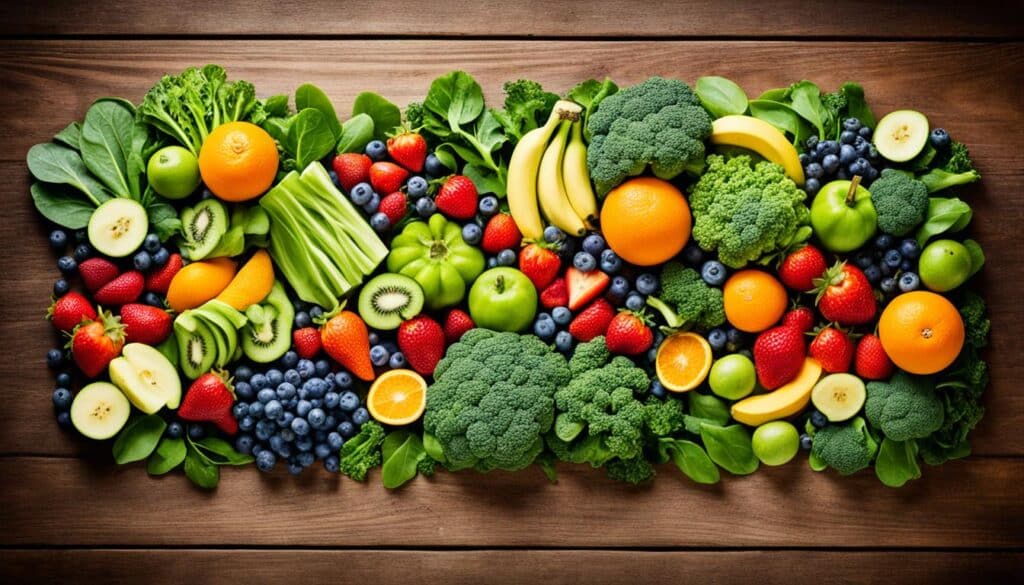
Fruits and vegetables play a vital role in promoting sperm health. They are rich in essential vitamins, minerals, and antioxidants that help support the production of strong and healthy sperm. Vitamins such as vitamin C, vitamin E, and folate are particularly beneficial for male fertility. These nutrients help counteract the damaging effects of oxidative stress and enhance sperm quality.

Consider incorporating the following fruits and vegetables into your diet to support male fertility:

  • Blueberries: Packed with antioxidants, blueberries help reduce oxidative stress and protect sperm from DNA damage.
  • Spinach: High in folic acid, spinach supports healthy sperm production and motility.
  • Citrus fruits: Oranges, lemons, and grapefruits are excellent sources of vitamin C, which improves sperm quality and motility.
  • Avocado: Rich in monounsaturated fats and vitamin E, avocado promotes testosterone production and supports sperm health.
  • Pomegranate: Known for its antioxidant properties, pomegranate juice may enhance sperm concentration and motility.

Remember, a healthy diet alone cannot guarantee fertility success, but it is an essential component of overall reproductive health. By maintaining a healthy weight and consuming a nutrient-rich diet, men can support their fertility journey and increase the likelihood of conception.

Fruits and vegetables for sperm health

Conclusion

Nutrition plays a pivotal role in fertility for both men and women. It is crucial to ensure adequate intake of key nutrients such as Vitamin E, Vitamin A, Vitamin D, CoQ10, Selenium, Zinc, and Omega-3 Fatty Acids to support reproductive health. These nutrients can positively impact fertility by promoting sperm health and activity in men, while also enhancing sexual desire in both sexes.

Maintaining a healthy weight is another important aspect of fertility. Being overweight or underweight can have negative effects on hormone levels, ovulation, and sperm count. By optimizing body weight through a balanced diet and regular physical activity, individuals can significantly improve their chances of conceiving.

Additionally, lifestyle factors should not be overlooked when it comes to fertility. Smoking, excessive alcohol consumption, and high caffeine intake can all negatively impact reproductive health. By adopting healthier habits and avoiding these substances, individuals can create a more conducive environment for conception.

For personalized guidance and support, dietary counseling for fertility is highly recommended. This can involve the development of a customized fertility nutrition plan tailored to individual needs, as well as ongoing counseling to address any specific challenges related to fertility. By working closely with a qualified professional, individuals can optimize their nutrition and overall wellness, ultimately increasing their chances of achieving pregnancy.

FAQ

How does Vitamin E affect fertility?

Vitamin E is essential for sperm health and activity in men, and it can heighten sexual desire in both sexes. Including Vitamin E in your diet can contribute to improved fertility.

What role does BMI play in fertility?

Both overweight and underweight BMI values can negatively impact fertility outcomes. Women who are overweight or obese may experience difficulties with ovulation, while underweight women may have irregular menstrual cycles or stop ovulating altogether. Maintaining a healthy weight is crucial for optimal fertility.

How does nutrition affect male fertility?

Nutrition plays a pivotal role in male fertility. Male obesity can alter hormone levels, reduce sperm count, and decrease sperm motility. A balanced diet rich in fruits and vegetables can provide essential nutrients that may help produce strong sperm. Prioritizing nutrition and maintaining a healthy weight is important for men trying to conceive.

How can dietary counseling help with fertility?

Dietary counseling can provide personalized fertility nutrition plans and support in managing fertility-related challenges. By focusing on nutrition and overall wellness, individuals can optimize their fertility potential and enhance their chances of conceiving.

Elevate Progesterone Naturally: Tips for Optimal Fertility

Natural Ways to Boost Progesterone

Are you longing to start or expand your family? Dreaming of those tiny fingers and toes, the sound of laughter filling your home, and the joy that only a child can bring? If so, you’re not alone. Many individuals and couples strive to conceive and experience the miracle of pregnancy.

But what if you’ve been struggling in your journey to parenthood? Perhaps you’ve been trying to get pregnant for months, or even years, without success. It’s easy to feel overwhelmed, frustrated, and unsure of where to turn.

One critical factor to consider when it comes to fertility health is the hormone progesterone. This essential hormone plays a vital role in the menstrual cycle, ovulation, and maintaining a pregnancy. Low progesterone levels can lead to fertility problems, irregular periods, and an increased risk of miscarriage.

But here’s the good news: there are natural ways to boost progesterone levels and optimize your fertility! By incorporating progesterone-friendly foods into your diet, maintaining a healthy body weight, reducing stress levels, and considering doctor-prescribed progesterone supplements if necessary, you can enhance your progesterone levels and improve your chances of conceiving and maintaining a healthy pregnancy.

In this article, we’ll explore various tips and strategies to elevate progesterone naturally, offering you hope and guidance on your journey towards parenthood. Let’s dive in!

The Importance of Progesterone in Conception and Pregnancy

Progesterone plays a vital role in both conceiving and maintaining a healthy pregnancy. It serves as a key hormone that facilitates the process of fertilization and supports the development of the fetus. Understanding the importance of progesterone is essential for those seeking to optimize their chances of conception and ensure a successful pregnancy.

During the menstrual cycle, progesterone helps prepare the uterus for implantation. It thickens the uterine lining, creating an ideal environment for a fertilized egg to attach and grow. Adequate progesterone levels are crucial for successful implantation, as insufficient amounts can lead to difficulties in conceiving.

Maintaining optimal progesterone levels throughout pregnancy is equally important. Progesterone sustains the uterine lining, preventing its shedding and supporting the development of the placenta. This hormone also ensures a healthy blood supply to the fetus, resulting in necessary oxygen and nutrients being delivered for optimal growth.

Low progesterone levels can pose risks to both conception and pregnancy. In terms of conception, inadequate progesterone can result in fertility problems, irregular periods, and difficulties in getting pregnant. Moreover, during pregnancy, low progesterone levels increase the chances of early miscarriage or pregnancy complications.

To mitigate these risks, maintaining optimal progesterone levels is crucial. Fortunately, there are effective strategies to naturally increase progesterone production and support a healthy pregnancy. By focusing on a progesterone-friendly diet, maintaining a healthy lifestyle, and considering doctor-prescribed progesterone supplements when necessary, individuals can take proactive steps to optimize their progesterone levels and enhance their chances of conception and a successful pregnancy.

In the next section, we will explore natural strategies that can be implemented to boost progesterone levels and support reproductive health.

Natural Strategies to Increase Progesterone Levels

Incorporating a progesterone-friendly diet into your daily routine can be a powerful step towards promoting hormonal balance and enhancing progesterone levels. Include foods that are rich in vitamin B6 and C, such as leafy greens, citrus fruits, broccoli, and bell peppers. Additionally, adding nuts, whole grains, and seeds to your meals can provide essential nutrients that support progesterone production. By prioritizing these progesterone-enhancing foods, you can optimize your hormone levels and improve your chances of conceiving.

Maintaining a healthy body weight is another key factor in promoting optimal progesterone levels. Excess weight, especially obesity, can disrupt hormonal balance and lead to decreased progesterone production. Focus on maintaining a healthy BMI through regular exercise and a well-balanced diet, which can help regulate your hormone levels and support reproductive health.

Managing stress is crucial for maintaining hormonal harmony and promoting progesterone synthesis. Chronic stress can elevate cortisol levels, which can negatively impact progesterone production. Incorporating stress relief techniques such as meditation, deep breathing exercises, and regular physical activity can help reduce stress levels, improve overall well-being, and enhance progesterone synthesis.

In some cases, doctor-prescribed progesterone supplements may be necessary to address low progesterone levels and support fertility. Consulting with a healthcare professional who specializes in reproductive health can help determine if progesterone supplementation is the right option for you. They can provide personalized guidance and monitor your progress to optimize progesterone levels and increase your chances of conception.

FAQ

Why is progesterone important for fertility and pregnancy?

Progesterone plays a crucial role in the menstrual cycle, ovulation, and maintaining pregnancy. It facilitates implantation, thickens the uterine lining, and creates an ideal environment for fetal development.

What are the risks of having low progesterone levels?

Low progesterone levels can increase the risk of infertility, irregular periods, and miscarriage. Maintaining optimal progesterone levels is important for a successful pregnancy.

How can I naturally increase my progesterone levels?

There are several natural strategies you can try. Incorporating a progesterone-friendly diet with foods high in vitamin B6 and C, such as broccoli, nuts, and whole grains, can support progesterone production. Maintaining a healthy body weight, managing stress, and considering doctor-prescribed progesterone supplements may also be beneficial.

Supplements for Stellar Egg Health: A Fertility Boosting Guide

supplements for egg health

Imagine this: You and your partner have decided that it’s time to start a family. Excitement fills the air as you discuss baby names, nursery colors, and future family vacations. But despite your best efforts, months go by without a positive pregnancy test, and disappointment slowly replaces that initial excitement.

You begin to wonder if there’s something more you could be doing to boost your fertility and increase your chances of conceiving. That’s when you stumble upon the world of supplements for egg health, offering a glimmer of hope in your fertility journey.

With scientific research backing their efficacy, these supplements have gained popularity among women seeking to optimize their reproductive health. From improving egg quality to enhancing overall fertility, these supplements offer a natural approach to increasing your chances of getting pregnant.

In this comprehensive fertility boosting guide, we dive deep into the world of supplements for stellar egg health. We’ll explore how these supplements can improve your fertility, what steps you can take to boost your overall health, and how you can improve your egg quality to increase your chances of getting pregnant.

Buckle up, because we’re about to embark on a journey that will empower you with the knowledge and tools to take control of your fertility. It’s time to turn those fleeting hopes into a reality and welcome the pitter-patter of tiny feet into your life.

How Can a Woman Boost Her Fertility?

Boosting fertility requires focusing on overall health. Good health contributes to fertility, and there are several ways women can improve their health to boost fertility. Taking vitamins and supplements that provide all necessary nutrients can improve fertility levels and increase the chances of getting pregnant.

A healthy diet that includes a variety of foods with the right levels of vitamins, nutrients, and antioxidants is crucial for fertility. Scheduling a hormone checkup can help identify any imbalances that may be affecting fertility and allow for targeted treatment. Menstrual cycle mapping and comprehensive hormone assessment can provide a complete picture of hormone levels and guide treatment plans.

Benefits of Vitamins and Supplements for Fertility

Vitamins and supplements play a crucial role in promoting fertility by providing essential nutrients that support reproductive health. Here are some key benefits:

  • Improved Egg Quality: Certain vitamins and supplements, such as folic acid and omega-3 fatty acids, have been shown to enhance egg quality and increase the chances of successful conception.
  • Hormone Balance: Some supplements, like vitex agnus-castus, can help regulate hormone levels, promoting a balanced menstrual cycle and increasing the likelihood of ovulation.
  • Increased Fertility: Adequate levels of vitamins and minerals, such as vitamin D and zinc, can improve fertility in both men and women, increasing the chances of conception.
  • Support for Reproductive Organs: Certain supplements, like CoQ10, can provide antioxidant support for reproductive organs, reducing oxidative stress and supporting healthy egg and sperm production.

Essential Vitamins and Supplements for Boosting Fertility

Vitamin/Supplement Benefits
Folic Acid Enhances egg quality and reduces the risk of neural tube defects
Omega-3 Fatty Acids Supports hormone balance, improves egg quality, and reduces inflammation
CoQ10 Provides antioxidant support, improves egg and sperm quality
Iron Prevents anemia and supports blood production
Zinc Boosts fertility in both men and women, supports reproductive health

By incorporating the right vitamins and supplements into your daily routine, you can enhance your fertility and improve your chances of achieving a healthy pregnancy.

How Can a Woman Improve Her Egg Quality?

Improving egg quality is crucial for achieving fertility and maintaining a healthy pregnancy. Taking care of your overall health is key to enhancing egg quality and increasing the chances of getting pregnant. Here are some steps you can take:

  1. Adopt a Healthy Diet: Consuming a well-balanced diet rich in nutrients can provide your body with the necessary materials to function optimally. Include foods that are high in antioxidants, such as berries and leafy greens, as well as sources of healthy fats like avocado and nuts.
  2. Stay Active: Regular exercise can help improve blood circulation and promote overall wellness, which can have a positive impact on egg quality. Aim for at least 30 minutes of moderate-intensity exercise most days of the week.
  3. Manage Stress Levels: Chronic stress can negatively affect fertility, including egg quality. Find healthy ways to manage stress, such as practicing relaxation techniques, engaging in hobbies, or seeking support from loved ones.
  4. Supplement with Vitamins and Nutrients: Certain vitamins and nutrients have been shown to improve egg quality. Consider adding folic acid, omega-3 fatty acids, and antioxidants like vitamin C and E to your supplement routine after consulting with a healthcare professional.

“Maintaining excellent overall health is crucial for enhancing egg quality and increasing the chances of getting pregnant.”

By following these steps and making lifestyle changes, you can improve your egg quality and boost your fertility. Remember, every person is unique, so it’s important to consult with a healthcare professional who can provide personalized guidance based on your specific needs and medical history.

improve egg quality

Remember, by adopting a healthy lifestyle and incorporating necessary vitamins and nutrients, you can optimize your egg health and increase your chances of maintaining a healthy pregnancy.

Conclusion

Supplements for egg health play a vital role in improving fertility and boosting the chances of getting pregnant. By providing essential nutrients and promoting overall well-being, these supplements can enhance egg quality and increase the likelihood of a successful pregnancy.

Alongside supplements, incorporating a healthy diet is crucial for improving fertility. Ensuring that you consume a balanced range of foods rich in vitamins, nutrients, and antioxidants can support your reproductive health and optimize egg quality.

Managing stress levels and maintaining hormone balance are also important factors in improving fertility and egg health. Adopting stress-reducing practices and seeking professional guidance to address any hormonal imbalances can further enhance your chances of conceiving.

Remember, before starting any new supplement regimen, it is essential to consult with a healthcare professional. They can provide personalized advice and help ensure that the supplements you choose are safe and appropriate for your specific needs.

By taking proactive steps to improve egg health and fertility, including the use of supplements, adopting a healthy diet, and managing stress levels, women can increase their chances of realizing their dream of a healthy pregnancy.

FAQ

How do supplements improve egg health and fertility?

Supplements can enhance egg health and fertility by providing essential nutrients, vitamins, and minerals that support hormonal balance and overall reproductive health.

Can taking supplements shorten the time it takes to get pregnant?

Yes, taking supplements can potentially shorten the time it takes to get pregnant by supporting optimal hormone levels and improving overall fertility.

What should I include in my diet to improve egg health?

A healthy diet for improving egg health should include foods rich in iron, calcium, B vitamins, vitamin C, and vitamin D. Additionally, including supplements like acetyl L-carnitine, coenzyme Q10, and vitamin C can also be beneficial.

How can I boost my fertility?

To boost fertility, focus on maintaining excellent overall health. This includes consuming a balanced diet, taking necessary supplements, scheduling a hormone checkup, and actively managing stress levels.

What steps should I take to improve my egg quality?

Improving egg quality can be achieved by adopting a healthier diet, engaging in regular physical activity, managing stress, and supplementing with necessary vitamins and nutrients. Foods like healthy fats, folic acid, and omega-3 fatty acids are particularly beneficial.

Are supplements alone enough to improve fertility?

While supplements can support fertility, it’s important to take a holistic approach. Along with supplements, maintaining a healthy diet, managing stress levels, and addressing any hormone imbalances through professional guidance are also crucial factors in improving fertility.

Should I consult with a healthcare professional before taking supplements?

Yes, it is highly recommended to consult with a healthcare professional before starting any new supplement regimen. They can help determine the right dosage and ensure that the supplements are suitable for your needs and medical history.

How long should I take supplements before expecting to see results?

The duration for seeing results from taking supplements may vary among individuals. It’s important to maintain a consistent intake and adhere to the recommended dosage while adopting other healthy lifestyle practices to improve overall fertility.

Can supplements alone guarantee a successful pregnancy?

While supplements can support fertility and improve egg quality, they cannot guarantee a successful pregnancy. Many factors contribute to pregnancy outcomes, and it’s important to address any underlying medical conditions or fertility concerns with the guidance of healthcare professionals.

Source Links

Yoga for Fertility: Best Poses That Enhance Your Conception Chances

yoga poses for fertility

Trying to conceive can be an emotional journey filled with hope, anticipation, and sometimes, frustration. For women facing the challenges of infertility, it’s important to find ways to support both the body and the mind during this pre-pregnancy phase. One method that has gained popularity is fertility yoga, a practice that combines gentle exercises, deep relaxation, and breathing techniques to enhance the chances of conception.

Meet Sarah, a woman who had been trying to get pregnant for over a year. She and her husband had undergone various fertility tests and consultations with specialists, but they were still struggling to conceive. Feeling overwhelmed and disheartened, Sarah decided to explore alternative methods to improve her fertility, and that’s when she discovered fertility yoga.

Sarah started attending fertility yoga classes twice a week. She found solace in the supportive community of fellow women on a similar journey, and the gentle poses helped her release tension and anxiety. Over time, Sarah noticed positive changes in her overall well-being – she felt more relaxed, more connected with her body, and more optimistic about her chances of becoming a mother.

Scientific studies have shown that practicing yoga can help manage stress levels and reduce anxiety, which are crucial factors in enhancing fertility. Yoga poses such as the legs-up-the-wall pose, reclining bound angle pose, warrior II pose, cobra pose, bridge pose, frog pose, and goddess pose specifically target the reproductive organs, stimulate blood flow to the pelvic region, and help open up the hips – all of which can improve fertility.

If you’re on a fertility journey of your own, consider incorporating yoga into your pre-pregnancy exercise routine. Not only can it provide physical benefits, but it can also offer emotional support and a sense of empowerment. Stay tuned as we explore how yoga can help with fertility and discover the best yoga poses for enhancing conception chances.

How Yoga Helps with Fertility

Yoga can play a crucial role in enhancing fertility when combined with other treatments. While it may not directly improve sperm or egg quality, it offers numerous benefits for stress relief, muscle relaxation, and chakra stimulation. Fertility yoga classes focus on incorporating breathwork, relaxation techniques, and poses that specifically target the muscles around the hips and pelvis, ultimately supporting a healthy pregnancy.

One of the key effects of practicing yoga is its ability to manage stress. Infertility treatments can be emotionally and physically taxing, leading to increased stress levels in women undergoing conception efforts. Yoga provides a serene space that promotes relaxation and alleviates anxiety, creating an ideal environment for the body to conceive and prepare for pregnancy.

Additionally, yoga stimulates the chakras linked to fertility, particularly the second chakra located below the navel. By engaging and balancing this chakra, practitioners can enhance their sense of well-being and release the need for control, allowing for a greater flow of energy and an increased chance of conception.

Overall, the benefits of fertility yoga extend beyond the physical practice. It offers a holistic approach to conception, addressing both the physical and emotional aspects of fertility. Through stress relief, muscle relaxation, and chakra stimulation, yoga provides support to individuals undergoing fertility treatments, helping them maximize their chances of achieving their desired goal of conception.

Best Yoga Poses for Fertility

To enhance fertility and promote relaxation, there are several yoga poses that can be incorporated into your practice. These poses help improve blood flow to the pelvic region, open up the hips, and create a sense of calm and balance. By regularly practicing these poses, you can enhance your fertility and improve your overall well-being.

The legs-up-the-wall pose, also known as Viparita Karani, is particularly beneficial for fertility. This pose helps to soften the vaginal muscles and increase blood flow to the pelvis, promoting a healthy reproductive system.

Another pose that is highly recommended for fertility is the reclining bound angle pose, also known as Supta Baddha Konasana. This pose relaxes the inner thighs and groin, alleviating stress and discomfort in the pelvic area.

The warrior II pose is another great pose for opening the hips and strengthening the pelvic region. By practicing this pose, you can improve blood flow to the reproductive organs and create a sense of grounding and stability.

For stretching the upper and lower back and increasing blood flow to the reproductive organs, the cobra pose is highly beneficial. This pose elongates and stretches the spine, promoting flexibility and vitality.

In addition to these poses, the bridge pose exerts gentle pressure on the thyroid glands and stabilizes the sacrum. This helps support healthy thyroid function and decreases inflammation, both of which can have a positive impact on fertility.

The frog pose is another pose that opens the hips and stimulates blood flow to the reproductive organs. By incorporating this pose into your practice, you can improve circulation and enhance fertility.

Finally, the goddess pose is a powerful pose that boosts blood flow to the reproductive organs, opens up the pelvis and hips, and empowers women. By practicing this pose, you can tap into your inner strength and promote fertility.

By regularly practicing these yoga poses, such as the legs-up-the-wall pose, reclining bound angle pose, warrior II pose, cobra pose, bridge pose, frog pose, and goddess pose, you can enhance your fertility and create a sense of balance and harmony in your body. These poses not only improve blood flow to the reproductive organs but also promote relaxation and relieve stress, creating an optimal environment for conception.

FAQ

Does yoga directly improve sperm or egg quality?

No, yoga cannot directly improve sperm or egg quality. However, it can help manage stress and promote relaxation, which are important factors in fertility enhancement.

Can yoga alone enhance fertility?

Yoga can enhance fertility when combined with other treatments. It cannot directly improve sperm or egg quality, but it can play a crucial role in managing stress and promoting relaxation.

How does yoga support the fertility journey?

Yoga supports the fertility journey by relieving stress, promoting relaxation, and stimulating the chakras associated with fertility. It can also help maintain a healthy weight, which is important for fertility enhancement.

What are the benefits of fertility yoga?

The benefits of fertility yoga include stress relief, muscle relaxation, and stimulation of the reproductive organs. It can also help release the need for control and empower women with infertility.

What are some yoga poses that can enhance fertility?

Some yoga poses that can enhance fertility include the legs-up-the-wall pose, reclining bound angle pose, warrior II pose, cobra pose, bridge pose, frog pose, and goddess pose. These poses improve blood flow to the pelvic region, open the hips, and promote relaxation.

Source Links

Essential Nutrition Tips for Pre-Pregnancy Wellness

nutrition for pre-pregnancy

Before embarking on the journey of pregnancy, it’s important to prioritize your health and well-being. One crucial aspect of pre-pregnancy preparation is proper nutrition. By fueling your body with the right nutrients, you can create an optimal environment for conception and pave the way for a healthy pregnancy.

Imagine this: Sarah had been dreaming of starting a family for a while now. She and her husband, James, were excitedly anticipating the moment they would see those two pink lines on a pregnancy test. Sarah knew that in order to increase her chances of conceiving a healthy baby, she needed to take care of her body.

She did her research and discovered the importance of pre-conception nutrition. Sarah learned that a well-balanced diet not only improves fertility but also sets the stage for a healthy pregnancy. She was determined to make the necessary changes to her diet to ensure she was giving herself and her future baby the best possible start.

As Sarah dove deeper into the world of pre-pregnancy nutrition, she discovered essential dietary guidelines that would aid her on her journey. The MyPlate icon became her trusty guide, reminding her of the importance of incorporating grains, vegetables, fruits, dairy, and lean protein into her meals.

She learned about the specific nutrients her body would need during this crucial time. Folic acid, iron, and calcium were among the key players in supporting proper fetal development. Sarah also discovered the importance of regular exercise and physical activity in maintaining a healthy lifestyle.

Sarah was determined to optimize her nutrition and support her fertility. With the knowledge she gained, she prepared her shopping list, filled with nutrient-rich foods such as leafy greens, citrus fruits, dairy products, lean meats, and whole grains. She knew that by nourishing her body with these essential nutrients, she would be giving her baby the best chance at a healthy start.

Join us as we explore the key components of a healthy pre-pregnancy diet. Discover the nutrients your body needs to prepare for pregnancy and learn how to incorporate them into your meals. Unlock the secrets to achieving pre-conception wellness and set the stage for a healthy and happy pregnancy.

Key Components of a Healthy Pre-Pregnancy Diet

Proper prenatal nutrition plays a crucial role in setting the foundation for a healthy pregnancy. A well-balanced diet with the right nutrients can help support the mother’s health and the development of the fetus. Here are some key components of a healthy pre-pregnancy diet:

1. Balanced Diet for Pregnancy

A balanced diet is essential for maintaining a healthy pregnancy. It is recommended to consume an additional 300 calories per day from nutrient-rich foods. A balanced diet should include:

  • Protein: Lean meats, poultry, fish, legumes, and dairy products are excellent sources of protein.
  • Fruits and Vegetables: Incorporate a variety of colorful fruits and vegetables to provide essential vitamins, minerals, and antioxidants.
  • Whole Grains: Opt for whole grains like brown rice, whole wheat bread, and oats for added fiber and nutrients.

2. Fluid Intake during Pregnancy

Proper fluid intake is equally important during pregnancy. Staying hydrated helps maintain healthy blood volume, supports digestion, and aids in the delivery of nutrients to the baby. It is recommended to drink several glasses of water per day, in addition to fluids from juices and soups. However, it is important to limit caffeine intake and avoid artificial sweeteners.

3. Essential Nutrients

A healthy pre-pregnancy diet should include essential nutrients that support the development of the fetus:

Nutrient Food Sources
Folic Acid Leafy green vegetables, citrus fruits, fortified cereals
Calcium Dairy products, fortified plant-based milk, leafy greens
Iron Lean meats, fortified cereals, spinach
Omega-3 Fatty Acids Fatty fish, nuts, seeds

4. Foods to Include

Include the following foods in your pre-pregnancy diet to promote overall health and fertility:

  • Leafy Green Vegetables: Spinach and kale are rich in folate, iron, and vitamins.
  • Citrus Fruits: Oranges, grapefruits, and lemons are high in vitamin C and folate.
  • Dairy Products: Milk, yogurt, and cheese provide calcium, vitamin D, and protein.
  • Fortified Cereals: Choose cereals fortified with essential vitamins and minerals.
  • Lean Meats: Chicken, turkey, and lean cuts of beef are excellent sources of protein.
  • Beans and Peas: Legumes offer protein, fiber, folate, and iron.
  • Fatty Fish: Salmon, trout, and sardines are rich in omega-3 fatty acids.

5. Foods to Avoid

During pregnancy, certain foods should be avoided due to potential risks:

“Unpasteurized milk, hot dogs, raw seafood, and refrigerated pâté should be avoided during pregnancy.”

6. Safe Food Handling Practices

Adhere to safe food handling practices to prevent foodborne illnesses during pregnancy:

  • Wash hands thoroughly before handling food.
  • Cook meats and eggs properly to eliminate bacteria.
  • Store and handle perishable foods at appropriate temperatures.
  • Wash fruits and vegetables before consumption.

By following these guidelines, women can ensure adequate prenatal nutrition and create a healthy environment for their developing baby. Consulting with healthcare providers for personalized dietary recommendations is essential for supporting pre-pregnancy health and nutrition.

Key Nutrients for Pre-Conception Health

When it comes to preparing for pregnancy, ensuring your body has the right nutrients is essential. Incorporating key nutrients like folic acid, calcium, iron, omega-3 fatty acids, fiber, and protein into your pre-conception diet can support optimal health for both you and your future baby.

Folic Acid

Folic acid, also known as folate, is a crucial nutrient for women of childbearing age. It plays a vital role in reducing the risk of neural tube defects in the developing baby. Good sources of folic acid include green leafy vegetables, nuts, beans, citrus fruits, fortified breakfast cereals, and supplements.

Calcium

Calcium is essential for preparing your body for pregnancy and supporting healthy bone development in the baby. Dairy products, fortified plant-based milk, and leafy greens are excellent sources of calcium.

Iron

Iron is important for ensuring adequate oxygen supply to both you and your baby. Foods rich in iron include fortified cereals, lean meats, and spinach.

Omega-3 Fatty Acids

Omega-3 fatty acids are beneficial for regulating hormones and improving blood flow to the reproductive organs. Incorporate sources of omega-3s such as seafood, grass-fed beef, nuts, and seeds into your diet.

Fiber

Fiber is essential for maintaining healthy digestion and reducing the risk of gestational diabetes. Whole grains, fruits, vegetables, and legumes are excellent sources of fiber.

Protein

Protein is crucial for supplying important nutrients to your growing baby. Include sources of protein in your diet, such as fish, poultry, lean meats, beans, and legumes.

By focusing on these key nutrients and incorporating them into your pre-conception diet, you can lay the foundation for a healthy pregnancy and give your baby the best start in life.

folic acid

Conclusion

Pre-pregnancy nutrition plays a crucial role in preparing for a healthy pregnancy and ensuring the well-being of both the mother and the developing baby. By maintaining a balanced diet and incorporating key nutrients like folic acid, calcium, iron, omega-3 fatty acids, fiber, and protein, women can optimize their pre-conception health and fertility.

Following dietary guidelines, such as the MyPlate icon, can provide a helpful framework for creating a nutrient-rich diet. Including a variety of foods from different food groups is essential for meeting the nutritional needs of pre-pregnancy. A well-rounded diet can support fertility, reduce the risk of birth defects, and promote a healthy start to motherhood.

It is important to consult with healthcare providers for personalized dietary recommendations and to ensure that all nutritional needs are met throughout the pre-conception and pregnancy journey. These professionals can provide guidance on specific dietary guidelines and offer advice tailored to individual circumstances and health conditions.

By prioritizing healthy eating habits and making conscious choices about pre-pregnancy nutrition, women can set a solid foundation for a successful and healthy pregnancy. Taking small steps towards a well-balanced diet, coupled with regular exercise and a healthy overall lifestyle, can significantly contribute to pre-pregnancy health and fertility.

FAQ

What role does pre-conception nutrition play in preparing for pregnancy?

Pre-conception nutrition plays a vital role in preparing for pregnancy and ensuring the health of both the mother and the developing fetus. It can impact the baby’s birth weight and reduce the risk of pregnancy complications.

What constitutes a well-balanced diet before pregnancy?

A well-balanced diet before pregnancy is essential. The MyPlate icon can be a helpful guideline, emphasizing the importance of grains, vegetables, fruits, dairy, and lean protein. Pregnant women need to consume approximately 300 extra calories per day after the first trimester.

What key nutrients should be included in the pre-conception and pregnancy diet?

Key nutrients like folic acid, iron, and calcium should be included in the pre-conception and pregnancy diet to support proper fetal development.

How important is regular exercise and physical activity for pre-pregnancy health?

Regular exercise and physical activity should be incorporated into the overall healthy lifestyle plan for pre-pregnancy. It can help support overall health and fertility.

How many extra calories should be consumed per day during pregnancy?

To maintain a healthy pregnancy, it is recommended to consume approximately 300 extra calories per day from a balanced diet consisting of protein, fruits, vegetables, and whole grains.

How much fluid intake is recommended during pregnancy?

Fluid intake is equally important during pregnancy. It is recommended to drink several glasses of water daily, in addition to fluids from juices and soups. Caffeine and artificial sweeteners should be limited.

What are some essential foods rich in nutrients for pre-pregnancy health?

Foods beneficial for pre-pregnancy health include leafy green vegetables, citrus fruits, dairy products, fortified cereals, lean meats, beans and peas, and fatty fish.

Which foods should be avoided during pregnancy?

Certain foods like unpasteurized milk, hot dogs, raw seafood, and refrigerated pâté should be avoided during pregnancy due to potential risks. Safe food handling practices should also be followed to prevent foodborne illnesses.

What are some good sources of folic acid, calcium, iron, and omega-3 fatty acids?

Good sources of folic acid include green leafy vegetables, nuts, beans, citrus fruits, fortified breakfast cereals, and supplements. Calcium can be found in dairy products, fortified plant-based milk, and leafy greens. Iron-rich foods include fortified cereals, lean meats, and spinach. Omega-3 fatty acids can be obtained from seafood, grass-fed beef, nuts, and seeds.

Why is pre-pregnancy nutrition important?

Pre-pregnancy nutrition is a critical aspect of preparing for a healthy pregnancy and ensuring the well-being of both the mother and the developing baby. It can boost fertility, reduce the risk of birth defects, and pave the way for a healthy start to motherhood.

What is the role of dietary guidelines in pre-pregnancy nutrition?

Following dietary guidelines such as the MyPlate icon and including a variety of nutrient-rich foods can help support optimal nutrition for pre-pregnancy. However, it is always recommended to consult with healthcare providers for personalized dietary recommendations.

Harnessing Sun Exposure and Vitamin D for Optimal Pre-Pregnancy Health

sun exposure and vitamin D

Imagine soaking up the warm rays of the sun, feeling the gentle caress of its golden light on your skin. The world around you is filled with the vibrant colors of nature, and a sense of tranquility washes over you. This simple act of basking in the sun’s glow not only brings you joy but also plays a crucial role in your pre-pregnancy health.

Recent research has shown that sun exposure, in combination with sufficient levels of vitamin D, can have a profound impact on your overall well-being. Not only does it fuel your body with a vital nutrient, but it also sets the stage for a healthier journey ahead.

The D-light research team, a multidisciplinary network of passionate researchers, is dedicated to unraveling the benefits and risks of sun exposure and vitamin D. With a focus on various aspects such as autoimmune and allergic diseases, metabolic health, mental well-being, and fetal development, they strive to shape personalized advice that optimizes sun exposure and harnesses the power of this essential nutrient.

As we delve deeper into the compelling world of sun exposure and vitamin D, we will uncover the invaluable role they play in pre-pregnancy health, fetal development, metabolic well-being, and more. Let’s explore this captivating journey together and pave the way for a healthier future.

The Importance of Sun Exposure and Vitamin D for Fetal Development

Adequate sun exposure and vitamin D levels are crucial for proper fetal development. Research has shown that vitamin D plays a significant role in various aspects of fetal development, including the immune system, allergies, asthma, autism, and lung growth.

The D-light research team is actively dedicated to understanding the effects of sun exposure and vitamin D on these critical aspects of fetal development. Through the measurement of vitamin D levels and related molecules, they aim to determine the optimal sun exposure required to support the development of a healthy immune system and mitigate the risk of allergies and asthma in infants.

This knowledge is essential for expectant mothers as it provides guidance for optimizing the health of their unborn children. By prioritizing appropriate sun exposure and ensuring sufficient vitamin D levels, mothers can support the healthy growth and development of their babies.

The D-light research team’s ongoing investigations in this area will contribute valuable insights to further understand the relationship between sun exposure, vitamin D, and fetal development. These findings can help healthcare professionals provide evidence-based recommendations and interventions to ensure the best possible outcomes for expectant mothers and their babies.

Benefits of Adequate Sun Exposure and Vitamin D for Fetal Development
– Supports proper development of the immune system
– Plays a role in reducing the risk of allergies and asthma in infants
– Contributes to lung growth and function
– May have potential benefits for autism prevention

The Impact of Sun Exposure and Vitamin D on Metabolic Health

Research has shown that sun exposure and vitamin D play a significant role in metabolic health. Numerous studies have revealed a correlation between low vitamin D levels and an increased risk of metabolic diseases, including obesity and cardiometabolic factors. Understanding how vitamin D impacts metabolic health and obesity is crucial for developing effective prevention and treatment strategies.

The D-light research team is actively investigating the relationship between sun exposure, vitamin D, and metabolic health. Through their research, they aim to provide valuable insights into the mechanisms by which vitamin D influences metabolic processes and contributes to obesity development. By improving our understanding of this relationship, interventions can be designed to promote better overall health outcomes, particularly in the context of pre-pregnancy health.

To illustrate the impact of sun exposure and vitamin D on metabolic health, consider the following table:

Metabolic Health Condition Low Vitamin D Levels Optimal Vitamin D Levels
Obesity Higher risk Lower risk
Cardiometabolic Factors Elevated levels Improved levels

As shown in the table, maintaining optimal vitamin D levels through sun exposure can help reduce the risk of obesity and improve cardiometabolic health. These findings underline the importance of sunlight and vitamin D in supporting metabolic health and highlight the potential benefits of personalized recommendations tailored to individuals.

Overall, continued research on the effects of sun exposure, vitamin D, and metabolic health by the D-light research team promises to provide valuable insights into preventing and managing metabolic diseases. By harnessing the power of sunlight and optimizing vitamin D levels, individuals can take proactive steps towards maintaining a healthy metabolism and preventing the onset of obesity and related conditions.

Metabolic Health

Conclusion

Harnessing the power of sun exposure and vitamin D is essential for optimal pre-pregnancy health. Numerous studies have shown that sufficient sun exposure and vitamin D levels contribute to positive outcomes for both the mother and the developing fetus. The D-light research team’s ongoing investigations into the role of sun exposure and vitamin D in autoimmune and allergic diseases, metabolic health, mental health, and fetal development have the potential to provide valuable insights and guide personalized recommendations for individuals.

By understanding the impact of sun exposure and vitamin D on pre-pregnancy health, we can support women in preparing their bodies for a healthy pregnancy, and foster the best possible start for their future children. Adequate sun exposure and vitamin D levels are crucial for fetal development, particularly in relation to the immune system, allergies, asthma, autism, and lung growth. The D-light research team aims to determine the optimal sun exposure needed to support the development of a healthy immune system and mitigate the risk of allergies and asthma.

Furthermore, research has demonstrated the impact of sun exposure and vitamin D on metabolic health. Low vitamin D levels have been correlated with an increased risk of obesity and cardiometabolic factors. The D-light research team’s investigations into the relationship between vitamin D and metabolic health aim to provide valuable insights into the prevention and treatment of these conditions.

In conclusion, prioritizing sun exposure and maintaining adequate vitamin D levels is crucial for pre-pregnancy health, fetal development, and metabolic health. By staying informed about the latest research findings and understanding the potential benefits and risks associated with sun exposure and vitamin D, individuals can make informed decisions to optimize their health and well-being.

FAQ

How does sun exposure and vitamin D impact pre-pregnancy health?

Sun exposure and vitamin D play a crucial role in bolstering pre-pregnancy health. Adequate sun exposure and sufficient levels of vitamin D contribute to positive outcomes for both the mother and the developing fetus.

What role does vitamin D play in fetal development?

Vitamin D plays a role in the development of the immune system, allergies, asthma, autism, and lung growth in the fetus. Adequate levels of vitamin D are important for the proper development of these aspects of fetal health.

Is there a link between sun exposure, vitamin D, and metabolic health?

Yes, research has shown a correlation between low vitamin D levels and an increased risk of metabolic diseases, including obesity and cardiometabolic factors. Understanding the relationship between sun exposure, vitamin D, and metabolic health is crucial for prevention and treatment.

How can harnessing sun exposure and vitamin D benefit pre-pregnancy health?

Sufficient sun exposure and vitamin D levels contribute to positive outcomes for both the mother and the developing fetus. By understanding the impact of sun exposure and vitamin D on pre-pregnancy health, personalized advice can be provided to optimize sun exposure and harness the benefits of this essential nutrient for a healthy journey ahead.

Source Links

Hormonal Harmony Through Yoga: Poses for Pre-Pregnancy Wellness

Welcome to a world where your journey towards pre-pregnancy wellness begins with the art of yoga. Imagine a holistic practice that not only connects your mind and body but also supports your reproductive health. Yoga, with its ancient wisdom and transformative power, offers you just that.

Meet Sarah, a woman who, like many others, yearned for hormonal harmony and a healthy pre-pregnancy journey. She had read about the benefits of yoga and decided to give it a try. Little did she know that this decision would pave the way for a profound transformation in her life.

As Sarah embarked on her yoga journey, she discovered the power of specific poses, known as asanas, to stimulate her endocrine system and promote hormonal balance. The gentle stretching and strengthening movements not only improved her flexibility and posture but also enhanced blood flow to her reproductive organs, nurturing their functionality.

But that wasn’t all. Sarah found solace in the practice of yoga, as it helped her reduce stress and cultivate a positive mindset. She learned to embrace the mind-body connection through meditation, creating a nurturing environment within herself to support her fertility goals.

Embracing yoga as part of her pre-pregnancy wellness routine, Sarah experienced the benefits of enhanced menstrual regularity and overall reproductive well-being. Each yoga session became an opportunity to personalize her practice, meeting her unique needs and goals. And so, she embarked on a journey that harmonized her hormones and paved the way for a healthier fertility journey.

If you’re ready to explore the transformative power of yoga on your path to pre-pregnancy wellness, join us as we delve into the benefits of fertility yoga and discover the poses that can boost your fertility, balance your hormones, and support your overall well-being.

The Benefits of Fertility Yoga

Fertility yoga offers numerous benefits for individuals trying to conceive. The practice helps reduce stress, which is a significant factor impacting fertility.

Yoga poses and breathing techniques can stimulate the endocrine system, promoting hormonal balance and improving reproductive health. Certain yoga poses increase blood flow to the reproductive organs, providing essential nutrients and oxygen while enhancing their functionality.

Fertility yoga also targets the pelvic area, strengthening and toning the reproductive organs. By practicing fertility yoga, individuals can regulate hormones, promote menstrual regularity, and support overall reproductive well-being.

The mind-body connection fostered through yoga cultivates a deep awareness of the body’s needs, promoting self-care and well-being. Fertility yoga can be safely practiced alongside assisted reproductive treatments like IVF, with guidance from fertility specialists and experienced yoga instructors.

Boosting Fertility with Yoga Poses

Fertility yoga incorporates specific poses and meditation practices to enhance fertility. One popular sequence is Vinyasa flow, also known as Surya Namaskar or Sun Salutation A. This series of poses can manage menstrual cramps, alleviate menopause symptoms, strengthen the pelvic muscles, and improve sexual function.

Padahastasana, or the forward fold, is another beneficial pose for fertility. It promotes flexibility in the hips and releases stress from the abdomen and uterine areas. By practicing Padahastasana, you can improve blood circulation to the reproductive organs and enhance their functionality.

Bhujangasana, or cobra pose, is a pose that strengthens the lower back and improves posture. It also stimulates the abdominal organs, enhancing blood flow to the reproductive system and supporting hormonal balance. Similarly, Malasana, also known as the goddess squat, not only loosens the hip muscles but also challenges the inner thighs and pelvic muscles, promoting relaxation and increasing blood circulation in the pelvic area.

Mandukasana, or frog pose, is a pose that strengthens the hip joints and enhances flexibility in the inner thigh muscles. It improves blood circulation to the reproductive system, ensuring essential nutrients reach the reproductive organs. Lastly, Janu Sirsasana, or head to knee pose, improves blood circulation to the pelvic region and promotes hormonal balance.

These poses, along with others like butterfly pose, legs up the wall pose, and child’s pose, can be incorporated into a regular fertility yoga practice. By reducing stress, increasing blood circulation, and balancing hormones, these poses can help boost fertility and support your reproductive well-being.

FAQ

How does yoga help with hormonal balance and pre-pregnancy wellness?

Yoga offers a connection between the mind and body, creating an environment that supports reproductive health. By practicing specific yoga poses, known as asanas, women can stimulate their endocrine system and promote hormonal balance. Yoga also helps reduce stress, which can have a negative impact on fertility. Additionally, certain yoga poses enhance blood flow to the reproductive organs, improving their functionality.

What are the benefits of fertility yoga?

Fertility yoga offers numerous benefits for individuals trying to conceive. The practice helps reduce stress, which is a significant factor impacting fertility. Yoga poses and breathing techniques can stimulate the endocrine system, promoting hormonal balance and improving reproductive health. Certain yoga poses increase blood flow to the reproductive organs, providing essential nutrients and oxygen while enhancing their functionality. Fertility yoga also targets the pelvic area, strengthening and toning the reproductive organs.

Which yoga poses can boost fertility?

Fertility yoga incorporates specific poses and meditation practices to enhance fertility. Examples include:

– Vinyasa flow, also known as Sun Salutation A, which manages menstrual cramps, alleviates menopause symptoms, strengthens pelvic muscles, and improves sexual function.
– Padahastasana, or the forward fold, which promotes flexibility in the hips and releases stress from the abdomen and uterine areas.
– Bhujangasana, or cobra pose, which strengthens the lower back and improves posture.
– Malasana, or goddess squat, which loosens hip muscles, challenges inner thighs and pelvic muscles, and promotes relaxation.
– Mandukasana, or frog pose, which strengthens the hip joints and enhances flexibility in the inner thigh muscles.
– Janu Sirsasana, or head to knee pose, which improves blood circulation to the pelvic region and promotes hormonal balance.

These poses, along with others like butterfly pose, legs up the wall pose, and child’s pose, can be incorporated into a regular fertility yoga practice to boost fertility by reducing stress, increasing blood circulation, and balancing hormones.

Essential Oils for Fertility: A Scented Path to Pregnancy

essential oils for fertility

Are you on a journey to conceive? Finding the path to pregnancy can often feel like navigating a complex labyrinth. With fertility imbalances on the rise, it’s essential to explore natural remedies that can support your reproductive health and create a harmonious balance within your body.

One such solution lies in the aromatic world of essential oils. These powerful plant extracts offer a scented path to pregnancy, aiding you in connecting with your body and embracing a holistic approach to fertility. By incorporating essential oils into your wellness routine, you can reduce stress, find emotional support, and navigate hormonal imbalances that might be affecting your fertility.

Ready to embark on this scented journey? Let’s explore the incredible benefits of essential oils for fertility and discover how they can help you on your quest for motherhood.

Essential Oils for Common Fertility Issues – Pre-conception Preparation

If you are facing common fertility issues such as endometriosis, PCOS, or irregular ovulation, incorporating essential oils into your pre-conception preparation can help create balance in your body. Below, we explore some key essential oils known to provide support in addressing these specific challenges.

1. Chamomile: Known for its calming properties, chamomile essential oil can provide relief from menstrual pain associated with conditions like endometriosis. It can also help reduce inflammation and promote relaxation.

2. Frankincense: With its anti-inflammatory properties, frankincense essential oil can help alleviate pain and discomfort caused by endometriosis. It also supports overall hormonal balance, making it beneficial for pre-conception preparation.

3. Clary Sage: This essential oil is renowned for supporting hormonal balance and acting as a uterine tonic. It can help regulate menstrual cycles and encourage regular ovulation, making it beneficial for women with PCOS or irregular cycles.

4. Rose Geranium: Using rose geranium essential oil can help balance hormones and support a healthy reproductive system. It is believed to have a toning effect on the uterus and can aid in addressing fertility issues associated with hormonal imbalances.

5. Ginger: Ginger essential oil can be helpful for women experiencing reproductive system stagnation. It promotes healthy circulation and supports detoxification, aiding in the maintenance of a healthy reproductive system.

To incorporate these essential oils into your pre-conception routine, consider blending any three oils from the list above in a carrier oil such as jojoba oil or coconut oil. Apply the blend to your abdominal area in a gentle massage motion daily for several months.

Remember, essential oils should always be used with caution. It’s important to consult with a qualified aromatherapist or healthcare professional before incorporating them into your routine, especially if you have any underlying health conditions.

Essential Oil Main Benefits
Chamomile Pain relief, inflammation reduction, relaxation
Frankincense Pain relief, hormonal balance support
Clary Sage Hormonal balance support, uterine tonic
Rose Geranium Hormonal balance support, uterine toning
Ginger Reproductive system support, circulation improvement

Womb Healing and Connecting to Your Body – Pre-conception Preparation

When preparing for conception, it is important to connect with your womb and nurture your body. Essential oils can play a significant role in providing healing and support during this pre-conception phase. Rose, jasmine, and clary sage are three essential oils known for their therapeutic effects on the womb. These oils can be used in a gentle massage to help promote relaxation, enhance circulation to the reproductive organs, and encourage hormonal balance.

Creating a quiet and soothing space for your self-care routine allows you to fully connect with your body. Find a comfortable place where you can relax and focus on your womb. Take deep breaths, allowing the aroma of the essential oils to fill your senses. As you massage your abdomen in a gentle, circular motion, visualize your womb as a sacred space, full of vitality and nourishment, ready to welcome new life. This mindful and meditative practice helps you forge a deeper connection to your femininity and your body’s innate wisdom.

womb healing

Essential Oils for Womb Healing:

Essential Oil Benefits
Rose Promotes emotional healing and balances hormones
Jasmine Increases feelings of sensuality and supports emotional well-being
Clary Sage Regulates menstrual cycles and promotes a harmonious environment for conception

By incorporating these essential oils into your pre-conception preparation, you are not only nurturing your womb but also creating a loving and supportive environment for your future baby. Remember to always dilute essential oils with a carrier oil before applying them to your skin and perform a patch test to check for any sensitivities.

Stress and Anxiety – While Trying to Conceive

Trying to conceive can be a stressful time, filled with a range of emotions and uncertainties. The pressure to conceive can often lead to increased stress and anxiety, which can have a negative impact on fertility. However, essential oils can offer valuable support in calming the mind and soothing the body during this challenging period.

Bergamot, chamomile, and cypress are well-known for their stress-relieving properties. These essential oils can help promote relaxation and reduce stress levels when used in aromatherapy or diffused in your living space. Consider blending a few drops of these oils and diffusing them for around 15 minutes daily to create a calming ambiance.

Journaling can also be a powerful tool in managing stress and anxiety while trying to conceive. Reflecting on your emotions and identifying the sources of stress in your life can provide valuable insights and help you develop effective coping mechanisms. By understanding and addressing your stress triggers, you can take proactive steps towards creating a more peaceful and balanced environment for your fertility journey.

Remember, taking care of your emotional well-being is an essential part of the process. By incorporating essential oils, journaling, and mindfulness practices into your daily routine, you can navigate the challenges of trying to conceive with greater ease and peace of mind.

FAQ

How can essential oils help with common fertility issues?

Essential oils such as chamomile, frankincense, clary sage, rose geranium, and ginger can help create balance in the body for women facing common fertility issues like endometriosis, PCOS, and irregular ovulation. These oils provide pain relief, support hormone balance, act as uterine tonics, and help with reproductive system stagnation.

How can essential oils be used to prepare for conception?

Essential oils like rose, jasmine, and clary sage have a healing effect on the womb and can be used for massage during the pre-conception preparation phase. Taking the time to create a quiet space and communicate with your womb can provide insight and foster a deeper connection to your femininity.

Can essential oils help reduce stress and anxiety while trying to conceive?

Yes, essential oils such as bergamot, chamomile, and cypress are known for their stress-relieving properties. Diffusing a blend of these oils for 15 minutes daily can promote relaxation and reduce stress levels. It can also be beneficial to journal and identify areas of stress in your life during this time.

Source Links

Achieving Fertility Success After Experiencing a Miscarriage

Fertility After Miscarriage

Imagine this: You and your partner have been eagerly trying to conceive a baby. After a rollercoaster of emotions, you finally see those two pink lines on the pregnancy test. Excitement and joy fill your hearts as you envision the future with your little one. But then, unexpectedly, your dreams come crashing down as you experience a miscarriage.

It’s a devastating loss, and you find yourself questioning what went wrong and if you’ll ever have the chance to become parents. The road to fertility after a miscarriage can feel daunting, but take heart, because you are not alone. Many couples have faced this challenge and gone on to have successful pregnancies.

While the journey may be different for each couple, there are answers to your questions and steps you can take to increase your chances of achieving a healthy pregnancy. Whether you’re wondering when to try again, how soon you can get pregnant after a miscarriage, or what lifestyle choices can improve your fertility, this article will provide you with the information and guidance you need.

Timing and Considerations for Trying to Conceive After Miscarriage

After experiencing a miscarriage, it is natural to have questions about when to try to conceive again and how soon you can get pregnant. The timing for attempting pregnancy after a miscarriage can vary based on several factors, including physical and emotional healing. While most healthcare professionals recommend waiting at least two weeks after a miscarriage before having sex to prevent the risk of infection, it is possible to become pregnant as soon as two weeks after the miscarriage.

The decision on when to try again should be individualized and based on the readiness of both partners. It is important to consider the emotional aspects of attempting pregnancy again and to give yourself enough time to heal mentally and physically. For couples who have had two or more consecutive miscarriages, it may be advised to undergo testing to identify any underlying causes before attempting pregnancy again.

Contrary to common belief, studies suggest that there is little physiological reason to delay pregnancy after a miscarriage. In fact, conceiving within three months may actually result in higher conception rates. However, it is important to consult with a healthcare professional who can provide guidance and reassurance throughout this process.

Waiting until the first menstrual period after a miscarriage can be beneficial in ensuring accurate dating of the pregnancy. Regular monitoring and support from healthcare professionals can help provide guidance and reassurance, making the journey of trying to conceive after a miscarriage more manageable.

Remember to prioritize your emotional well-being and seek support from healthcare professionals, family, and friends. Open and honest communication about fears and concerns can help alleviate anxiety and promote a positive mindset during this time.

Increasing the Odds of a Healthy Pregnancy After Miscarriage

While there is no guaranteed way to prevent a miscarriage, there are steps that can be taken to improve the chances of a healthy pregnancy after experiencing a miscarriage.

One important aspect is to prioritize your lifestyle choices. Taking a daily prenatal vitamin or folic acid supplement several months before attempting to conceive can provide essential nutrients for a developing fetus. Achieving a healthy weight before getting pregnant and maintaining a balanced diet and regular exercise during pregnancy are also vital. These lifestyle choices can help reduce the risk of complications and promote a healthy pregnancy.

In addition to physical health, emotional well-being plays a crucial role. It is important to seek support from healthcare professionals, family, and friends. Open and honest conversations about fears and concerns can help alleviate anxiety and normalize the emotional journey of pregnancy after miscarriage.

Remember to be aware of the signs of postpartum depression and seek help if needed. Prioritizing self-care and maintaining a positive mindset are also essential steps in improving emotional well-being throughout the pregnancy. By taking these actions and with the right support, you can increase the odds of having a healthy pregnancy after experiencing a miscarriage.

FAQ

When is the best time to try to conceive after a miscarriage?

The timing for trying to conceive after a miscarriage depends on various factors, including the physical and emotional healing of the individual. In general, most healthcare professionals recommend waiting for at least two weeks after a miscarriage before having sex to prevent the risk of infection. However, it is possible to become pregnant as soon as two weeks after a miscarriage. The decision on when to try again should be individualized and based on the readiness of both partners.

Are there any tests recommended for couples who have had multiple miscarriages?

Yes, special tests may be recommended for couples who have had multiple miscarriages to evaluate any underlying causes. These tests can help identify any potential factors that may be contributing to the recurrent miscarriages and guide appropriate treatment options if necessary.

Can you improve the chances of a healthy pregnancy after a miscarriage?

While there is no guaranteed way to prevent a miscarriage, there are steps that can be taken to improve the chances of a healthy pregnancy after experiencing a miscarriage. Taking a daily prenatal vitamin or folic acid supplement is recommended several months before attempting to conceive. Achieving a healthy weight before getting pregnant and maintaining a balanced diet and regular exercise during pregnancy are also important. Limiting caffeine intake and avoiding alcohol, smoking, and illegal drugs can reduce potential risks to the developing fetus. It is important to prioritize emotional well-being and seek support from healthcare professionals, family, and friends.

Source Links