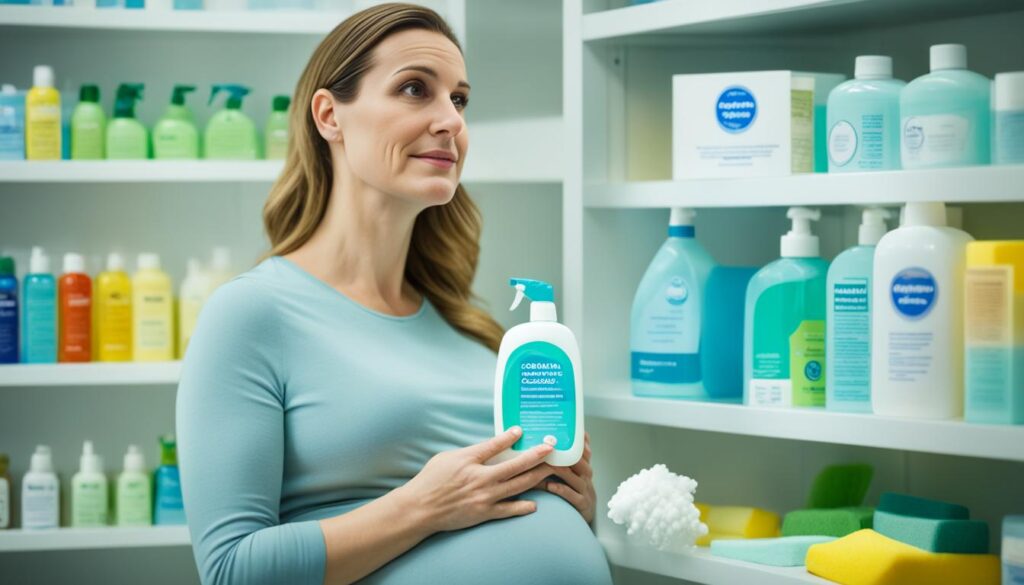
As a mom-to-be, you want to create a safe and healthy environment for both you and your little one. That means taking extra precautions when it comes to choosing the cleaning products you use in your home during pregnancy. While it may seem like a small detail, the products you use to clean your countertops or freshen up your floors can have a big impact on your health and the development of your baby.
Imagine Sarah, a soon-to-be mom who was excitedly preparing her nursery for the arrival of her bundle of joy. She diligently cleaned every corner, ensuring that everything was immaculate. But little did she know that some of the cleaning products she was using contained harmful chemicals that could potentially harm her baby’s health. Concerned, Sarah started researching safe cleaning products during pregnancy and was astonished to discover the potential risks associated with certain chemicals.
Like Sarah, many expectant mothers are unaware of the potential dangers lurking in their cleaning cabinet. That’s why it’s crucial to educate yourself about pregnancy-safe cleaning products and make informed choices for a healthier home environment. By opting for products that are specifically formulated to be safe during pregnancy, you can rest easy knowing that you’re minimizing any risks to yourself and your baby.
In the following sections, we will explore the importance of using pregnancy-safe cleaning products, the ingredients you should avoid, and essential tips for safe cleaning during pregnancy. With this knowledge, you can confidently maintain a clean and healthy home without compromising the well-being of your growing family. Let’s dive in!
Ingredients to Avoid During Pregnancy
When choosing cleaning products during pregnancy, it’s important to be aware of certain ingredients that may be harmful to you and your baby. These ingredients are commonly found in cleaning products and should be avoided to ensure pregnancy safety:
| Ingredient | Harmful Effects |
|---|---|
| 1. Bleach | Bleach contains chlorine, which can cause respiratory issues and skin irritation. |
| 2. Ammonia | Ammonia can irritate the lungs and cause respiratory problems. |
| 3. Formaldehyde | Formaldehyde is a known carcinogen and can cause allergic reactions. |
| 4. Phthalates | Phthalates have been linked to hormone disruption and developmental issues. |
| 5. Triclosan | Triclosan is an antibacterial ingredient that may disrupt hormone function. |
By avoiding these harmful ingredients, you can prioritize the safety and well-being of both you and your baby during pregnancy.
Choose Natural Alternatives
If you’re concerned about the safety of store-bought cleaning products, you can opt for natural alternatives. Vinegar and baking soda are excellent options for cleaning various surfaces in your home. They are affordable, effective, and safe to use during pregnancy. Additionally, you can find pregnancy-safe cleaning products in the market that are specifically formulated to avoid harmful ingredients.
Next, in Section 3, we will explore some important tips for safe cleaning practices during pregnancy to ensure optimal safety for you and your baby.
Tips for Safe Cleaning During Pregnancy
During pregnancy, it’s essential to take extra precautions to ensure your safety and the well-being of your baby when it comes to cleaning your home. Follow these tips for safe cleaning practices:
1. Opt for natural alternatives: Consider using homemade cleaning solutions made with natural ingredients like vinegar, lemon juice, and baking soda. These are effective, pregnancy-safe alternatives to commercial cleaning products that may contain harmful chemicals.
2. Ventilate the area: When cleaning, ensure proper ventilation by opening windows or using fans. This helps to minimize exposure to any fumes or odors from cleaning products that might be present.
3. Wear protective gear: Protect yourself by wearing gloves, long-sleeved clothing, and a mask to shield against any potential irritants or chemicals in cleaning agents. This can help prevent skin irritation and inhalation of harmful substances.
4. Take breaks and pace yourself: Avoid overexertion while cleaning. Take regular breaks, especially if you’re experiencing fatigue or discomfort. Listen to your body and adjust your cleaning routine accordingly.
5. Delegate tasks: Don’t hesitate to ask for help or delegate cleaning tasks to others, such as your partner, family members, or hired professionals. This can alleviate stress and reduce the amount of physical exertion you need to perform.
Remember, your health and the health of your baby are the top priorities during pregnancy. By following these safe cleaning practices, you can maintain a clean and healthy home while minimizing any potential risks.
No Comments yet!