
Imagine this: Sarah and Mark have been trying to start a family for a while now. They’ve been tracking ovulation cycles, changing diets, and even trying out fertility treatments. Yet, they find themselves facing disappointment every month. It’s a frustrating and emotionally exhausting journey.
During one of their routine doctor visits, their dentist casually mentions the importance of pre-pregnancy dental care. Sarah and Mark had never considered the impact of oral health on their fertility. Intrigued, they decide to dig deeper into this overlooked aspect.
As they research, they come across a wealth of information highlighting the connection between oral health and fertility. They discover that poor oral health can affect hormone levels and overall reproductive health, making it harder to conceive and maintain a healthy pregnancy. The couple realizes that taking care of their oral health before pregnancy might be the missing piece in their fertility puzzle.
In this article, we will explore the crucial role that pre-pregnancy dental care plays in fostering optimal oral health and enhancing fertility. From understanding how pregnancy affects oral health to the potential risks of gum disease during pregnancy, we will delve into the intricate relationship between dental hygiene and fertility. So, join us as we unravel the profound impact of oral health on the journey to parenthood.
How Does Pregnancy Affect Oral Health?
Pregnancy can have several effects on a woman’s oral health. The hormonal changes that occur during pregnancy can cause inflammation and increased susceptibility to gum infections and bleeding. The increased levels of hormones can also contribute to morning sickness, which can erode tooth enamel due to stomach acid exposure. Changes in eating habits during pregnancy, such as craving sugary snacks, can increase the risk of cavities and other dental problems. Additionally, inflamed gums during pregnancy can lead to tooth sensitivity and discomfort, making it more challenging for pregnant women to maintain regular brushing and flossing routines.
To understand how pregnancy affects oral health, it’s important to consider the role of hormones. During pregnancy, the body experiences an increase in hormone levels, particularly estrogen and progesterone. These hormones can lead to a condition called pregnancy gingivitis, which is characterized by swollen, red, and bleeding gums. This inflammation can make it difficult to maintain good oral hygiene practices, such as regular brushing and flossing.
Furthermore, the hormonal changes during pregnancy can lead to increased tooth sensitivity. This can make it uncomfortable for pregnant women to consume hot or cold foods and beverages. It’s important to note that tooth sensitivity during pregnancy may also be influenced by changes in eating habits.
Speaking of eating habits, pregnancy cravings are no secret. Many pregnant women develop a desire for sugary snacks and treats. These cravings, coupled with hormonal changes, can increase the risk of tooth decay and cavities. The bacteria in the mouth feed on sugars and produce acids that attack tooth enamel, leading to dental issues.
Maintaining good oral hygiene during pregnancy is crucial for the well-being of both the mother and the baby. Regular brushing and flossing, along with routine dental check-ups, can help prevent gum disease, cavities, and other oral health problems. It’s important to inform your dentist about your pregnancy, as they may provide additional guidance and care tailored to your specific needs.
Oral Health Tips for Pregnant Women:
- Brush your teeth at least twice a day with a fluoride toothpaste.
- Floss daily to remove plaque and food particles from between your teeth.
- Use an antimicrobial mouthwash recommended by your dentist.
- Eat a balanced diet with sufficient nutrients for both you and your baby. Limit sugary snacks and drinks.
- Avoid tobacco use and excessive alcohol consumption.
- Stay hydrated and drink plenty of water.
- Inform your dentist about your pregnancy and any changes or concerns you may have regarding your oral health.
The Link Between Pregnancy and Oral Health: Expert Insights
“Pregnancy can bring about significant changes in a woman’s body, including her oral health. It’s important for expectant mothers to understand the potential impact of hormonal changes on their gums, teeth, and overall oral hygiene. By prioritizing good dental care during pregnancy, women can help minimize the risks of gum disease, tooth decay, and other oral health complications.”
– Dr. Emily Wilson, DMD
| Common Oral Health Concerns During Pregnancy | Effects on the Mother | Effects on the Baby |
|---|---|---|
| Pregnancy Gingivitis | Swollen, red, and bleeding gums | Premature birth, low birth weight |
| Gum Infections | Gum recession, tooth loss | Potential risk of systemic infection |
| Tooth Decay | Cavities, dental pain | Inadequate nutrient absorption |
| Tooth Sensitivity | Pain or discomfort while eating/drinking hot or cold items | No direct impact on the baby |
Can Gum Disease Harm My Unborn Baby?
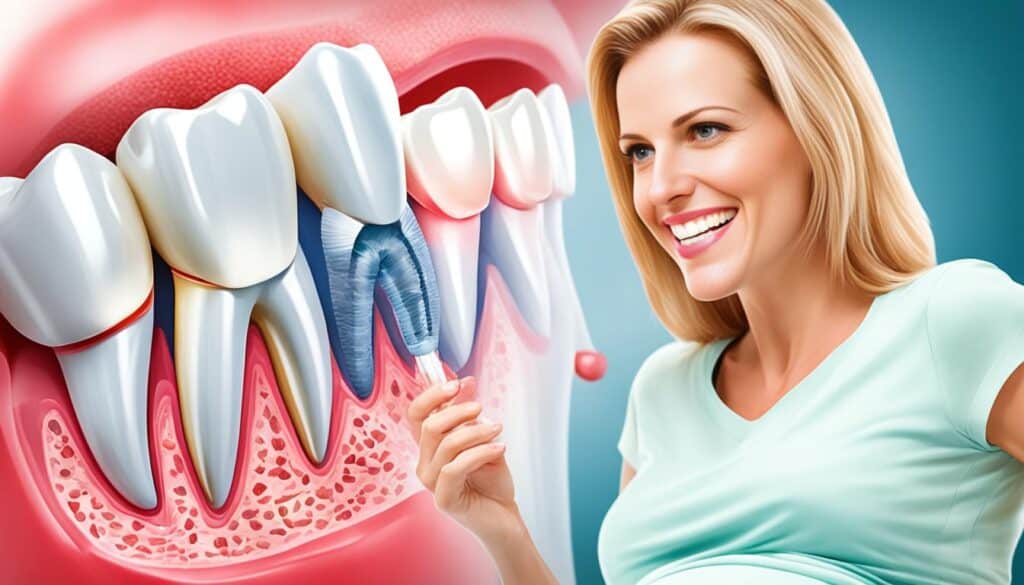
Gum disease during pregnancy can have serious consequences for both the mother and the unborn baby. Untreated gum disease has been linked to an increased risk of pregnancy complications, including low birth weight and preterm birth. It can also increase the risk of conditions like preeclampsia and gestational diabetes. Bacteria from gum disease can enter the bloodstream and potentially harm the developing baby. Maintaining good oral health during pregnancy is essential for reducing the risk of these complications and promoting a healthy pregnancy.
| Pregnancy Complications | Risks |
|---|---|
| Low Birth Weight | Babies born with a weight below 5.5 pounds |
| Preterm Birth | Babies born before 37 weeks of pregnancy |
| Preeclampsia | High blood pressure and organ damage during pregnancy |
| Diabetes | Elevated blood sugar levels during pregnancy |
Research has shown that pregnant women with gum disease are more likely to experience complications during pregnancy. The bacteria from gum disease can trigger an inflammatory response in the body, which can potentially lead to systemic inflammation and affect the developing baby. Inflammation plays a role in various pregnancy complications, including preeclampsia, a condition characterized by high blood pressure and organ damage. Gum disease has also been associated with an increased risk of gestational diabetes, a type of diabetes that occurs only during pregnancy.
Furthermore, gum disease has been linked to low birth weight and preterm birth. Babies born with low birth weight are at a higher risk of experiencing developmental issues and complications shortly after birth. Preterm birth, on the other hand, increases the chances of breathing difficulties, infections, and other health problems for the baby. By maintaining good oral health during pregnancy, women can reduce the risk of these complications and promote a healthier outcome for both themselves and their babies.
Dental Hygiene and Fertility
Poor dental hygiene can have a significant impact on both male and female fertility. In men, inadequate oral health practices can lead to decreased sperm count and motility, impairing their ability to father a child. It can also increase the risk of bacterial infections in semen, further compromising reproductive health. Maintaining good dental hygiene habits, such as regular brushing and flossing, is crucial for preserving sperm health and optimizing fertility in men.
For women, bacterial infections in the mouth have been associated with a higher risk of infertility. The presence of harmful bacteria can disrupt the delicate balance of the reproductive system, potentially interfering with conception. It is believed that the link between dental hygiene and fertility lies in the body’s immune response. Poor oral health can trigger inflammation and an overactive immune system, creating an unfavorable environment for conception and pregnancy. To promote fertility and reproductive wellness, it is essential for women to prioritize their oral health and seek appropriate dental care.
While further research is needed to fully understand the relationship between dental hygiene and fertility, it is clear that maintaining good oral health is crucial for overall reproductive health. Practicing proper dental hygiene not only reduces the risk of bacterial infections and periodontal disease but also supports a healthy immune system. By taking care of their oral health, men and women can maximize their chances of successful conception and improve their overall reproductive well-being.
No Comments yet!