
Imagine this: You and your partner have been dreaming of starting a family for quite some time. You’ve set up a cozy nursery, researched the best baby products, and eagerly await the pitter-patter of little feet. But as months go by with no positive pregnancy test, you begin to wonder if there’s something missing in your journey towards parenthood.
That’s when you discover the potential benefits of pre-pregnancy vitamins, particularly Vitamin E. This essential nutrient not only plays a crucial role in overall health but also has a significant impact on fertility. Recent studies have shown that Vitamin E is necessary for maintaining sperm health and activity in men, boosting their chances of conception.
But it doesn’t stop there. Vitamin E also heightens sexual desire in both sexes, ensuring a fulfilling and intimate experience on your path to parenthood. By incorporating Vitamin E into your daily routine, you’re not only nourishing your body but also unlocking your fertility potential.
So, let’s dive deeper into the wonders of Vitamin E and how it can enhance your reproductive health. Discover the fertility benefits of this vital nutrient and learn how to optimize your chances of conceiving.
The Impact of BMI on Fertility
In the journey towards parenthood, maintaining a healthy body weight is crucial for both men and women. The body mass index (BMI) is a measure that relates body weight to height, and it plays a significant role in fertility outcomes.
The Effect of Overweight BMI
Women with overweight or obese BMI values may face challenges when it comes to fertility. Excess weight can disrupt hormone levels and interfere with regular ovulation, making it difficult to conceive. Additionally, overweight BMI can contribute to conditions such as polycystic ovary syndrome (PCOS) and insulin resistance, which further impact fertility.
The Impact of Underweight BMI
Conversely, having an underweight BMI can also have negative effects on fertility. Women who are underweight may experience irregular menstrual cycles or even stop ovulating altogether. Inadequate body weight can disrupt hormonal balance and impair the reproductive system’s ability to function optimally.
To optimize fertility outcomes, it’s important to achieve and maintain a healthy BMI. Whether overweight or underweight, addressing body weight is crucial when planning for pregnancy.
Lifestyle factors can significantly influence BMI and fertility. Engaging in high-intensity activities, following strict diets, or struggling with eating disorders can increase the risk of being underweight. On the other hand, adopting a balanced and nutritious diet, along with regular physical activity, can contribute to a healthy BMI and enhance fertility.
Understanding the relationship between BMI and fertility empowers individuals and couples to make informed decisions about their reproductive health. By focusing on achieving a healthy weight, one can optimize fertility potential and increase the chances of conceiving.
| BMI Category | Fertility Outcomes |
|---|---|
| Underweight | Irregular menstrual cycles or cessation of ovulation |
| Normal Weight | Positive impact on fertility outcomes |
| Overweight | Difficulties with ovulation and hormone levels |
| Obese | Increased risk of conditions such as PCOS and insulin resistance |
Knowing where you stand in terms of BMI can guide you towards making the necessary lifestyle changes for better fertility outcomes. Consult with a healthcare professional or fertility specialist for personalized advice and support in achieving a healthy BMI and optimizing your chances of conceiving.
The Importance of Nutrition for Male Fertility
When it comes to fertility, nutrition isn’t just a concern for women. Men, too, need to pay attention to their diet and overall health in order to optimize their fertility potential. Male obesity, for example, can have a significant impact on hormone levels and reduce sperm count and motility, making it more difficult for couples to conceive.
One crucial aspect of nutrition for male fertility is maintaining a healthy weight. Obesity not only affects hormone regulation but also increases the risk of conditions such as diabetes and cardiovascular disease, which can further impair reproductive health. By adopting a balanced diet and engaging in regular physical activity, men can achieve and maintain a healthy weight, improving their chances of successful conception.
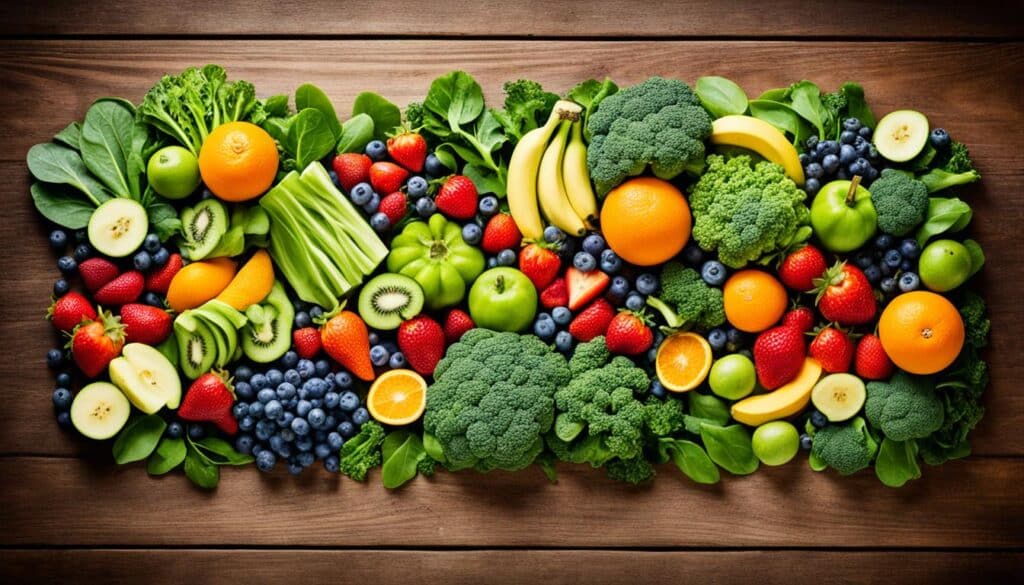
Fruits and vegetables play a vital role in promoting sperm health. They are rich in essential vitamins, minerals, and antioxidants that help support the production of strong and healthy sperm. Vitamins such as vitamin C, vitamin E, and folate are particularly beneficial for male fertility. These nutrients help counteract the damaging effects of oxidative stress and enhance sperm quality.
Consider incorporating the following fruits and vegetables into your diet to support male fertility:
- Blueberries: Packed with antioxidants, blueberries help reduce oxidative stress and protect sperm from DNA damage.
- Spinach: High in folic acid, spinach supports healthy sperm production and motility.
- Citrus fruits: Oranges, lemons, and grapefruits are excellent sources of vitamin C, which improves sperm quality and motility.
- Avocado: Rich in monounsaturated fats and vitamin E, avocado promotes testosterone production and supports sperm health.
- Pomegranate: Known for its antioxidant properties, pomegranate juice may enhance sperm concentration and motility.
Remember, a healthy diet alone cannot guarantee fertility success, but it is an essential component of overall reproductive health. By maintaining a healthy weight and consuming a nutrient-rich diet, men can support their fertility journey and increase the likelihood of conception.
Conclusion
Nutrition plays a pivotal role in fertility for both men and women. It is crucial to ensure adequate intake of key nutrients such as Vitamin E, Vitamin A, Vitamin D, CoQ10, Selenium, Zinc, and Omega-3 Fatty Acids to support reproductive health. These nutrients can positively impact fertility by promoting sperm health and activity in men, while also enhancing sexual desire in both sexes.
Maintaining a healthy weight is another important aspect of fertility. Being overweight or underweight can have negative effects on hormone levels, ovulation, and sperm count. By optimizing body weight through a balanced diet and regular physical activity, individuals can significantly improve their chances of conceiving.
Additionally, lifestyle factors should not be overlooked when it comes to fertility. Smoking, excessive alcohol consumption, and high caffeine intake can all negatively impact reproductive health. By adopting healthier habits and avoiding these substances, individuals can create a more conducive environment for conception.
For personalized guidance and support, dietary counseling for fertility is highly recommended. This can involve the development of a customized fertility nutrition plan tailored to individual needs, as well as ongoing counseling to address any specific challenges related to fertility. By working closely with a qualified professional, individuals can optimize their nutrition and overall wellness, ultimately increasing their chances of achieving pregnancy.
No Comments yet!