Natural Ways to Enhance Fertility: Tips and Techniques

Natural Ways to Increase Fertility

Struggling to conceive can be a challenging and emotional journey for many couples. If you’re looking for natural ways to increase fertility and enhance your chances of starting a family, you’re in the right place. In this article, we’ll explore some effective tips and techniques that can help boost fertility in both men and women.

Let’s start by sharing a relatable story. Meet Sarah and Michael, a couple who had been trying to conceive for over a year. They had tried various fertility treatments, but nothing seemed to work. Feeling discouraged, Sarah stumbled upon some information about natural ways to improve fertility. Intrigued, she convinced Michael to give it a try.

They began by making simple lifestyle changes. Sarah and Michael started eating a diet rich in whole foods, incorporating plenty of fruits, vegetables, and lean proteins. They also cut down on refined carbs and processed foods, opting for more nutrient-dense options. Additionally, they added regular exercise to their routine, which helped them manage stress and maintain a healthy weight.

As they continued their fertility journey, Sarah and Michael also prioritized self-care. They started practicing relaxation techniques such as meditation and yoga, which helped them reduce their stress levels. They also made a conscious effort to avoid smoking and excessive alcohol consumption, knowing that these habits could negatively impact their fertility.

After a few months of following these natural techniques and embracing healthier habits, Sarah and Michael received the joyful news they had been waiting for – they were expecting a baby! The positive changes they made had a significant impact on their fertility and ultimately brought them the happiness they longed for.

If you’re looking to enhance your fertility naturally, just like Sarah and Michael, this article is packed with valuable tips and techniques that can make a difference. From nutrition to lifestyle choices, we’ll cover everything you need to know to increase your chances of conceiving and embark on your own journey towards parenthood. So, let’s get started!

Lifestyle Factors that Affect Female Fertility

Fertility problems affect up to 15% of couples, and lifestyle choices can play a significant role in fertility. It’s important to understand the impact that certain lifestyle factors can have on female fertility. By making informed choices, you can optimize your chances of conception and improve your overall reproductive health.

“Taking proactive steps to improve your lifestyle can positively influence your fertility journey. By addressing these lifestyle factors, you can create a more favorable environment for conception.”

Here are some key lifestyle factors that can affect female fertility:

  1. Nutrition: A healthy and balanced diet is crucial for reproductive health. Consuming a variety of nutrient-rich foods such as fruits, vegetables, whole grains, lean proteins, and healthy fats can provide the necessary vitamins and minerals for optimal fertility.
  2. Weight: Maintaining a healthy weight is important for fertility. Both being underweight and overweight can negatively impact ovulation and hormone production.
  3. Exercise: Regular exercise can improve fertility by promoting hormone balance and overall well-being. However, excessive exercise or intense workouts can have the opposite effect, disrupting the menstrual cycle and affecting fertility.
  4. Stress: Chronic stress can interfere with ovulation and disrupt the hormonal balance needed for conception. Finding healthy ways to manage stress, such as yoga, meditation, or engaging in hobbies, can be beneficial for fertility.
  5. Smoking: Smoking has been linked to decreased fertility in women. It can affect egg quality, hormone levels, and disrupt the reproductive system. Quitting smoking is essential for improving fertility.
  6. Alcohol and Caffeine: Excessive alcohol intake and high caffeine consumption have been associated with reduced fertility. It is recommended to limit alcohol consumption and moderate caffeine intake for optimal reproductive health.
  7. Environmental Factors: Exposure to certain chemicals, toxins, and pollutants in our environment can have a negative impact on fertility. Avoiding contact with harmful substances and maintaining a healthy living environment can help protect reproductive health.

By making positive changes to these lifestyle factors, you can optimize your overall fertility and increase your chances of successful conception. It’s important to remember that every individual is unique, and what works for one person may not work for another. Consult with a healthcare professional or fertility specialist for personalized advice and guidance.

The Role of Stress in Female Fertility

Stress is a common factor that can affect female fertility. High levels of stress can disrupt the delicate hormonal balance required for ovulation and successful conception. When the body is under stress, it produces higher levels of cortisol, which can interfere with the production of reproductive hormones like estrogen and progesterone.

Lifestyle Factor Impact on Female Fertility
Nutrition Provides essential nutrients for reproductive health and hormone production.
Weight Maintaining a healthy weight is crucial for regular ovulation and hormonal balance.
Exercise Moderate exercise promotes hormone balance and overall well-being, but excessive exercise can disrupt the menstrual cycle.
Stress Chronic stress can interfere with ovulation and disrupt hormonal balance.
Smoking Smoking negatively affects egg quality, hormone production, and the reproductive system.
Alcohol and Caffeine Excessive alcohol and caffeine intake can reduce fertility.
Environmental Factors Exposure to harmful substances can impact reproductive health.

Addressing these lifestyle factors and managing stress can significantly improve your chances of conceiving. By creating a favorable environment in your body, you enhance your fertility and increase the likelihood of a successful pregnancy.

Conclusion

In conclusion, there are natural ways to increase fertility and enhance your chances of conception. By adopting healthy lifestyle choices, you can optimize your fertility and improve your overall reproductive health.

One key factor to consider is your diet. Eating a balanced diet that is rich in antioxidants can help support fertility. Include plenty of fruits, vegetables, whole grains, and lean proteins in your meals. These foods provide essential nutrients and promote hormonal balance, which is crucial for fertility.

Maintaining a healthy weight is also important for fertility. Both being underweight and overweight can negatively impact your chances of conceiving. Strive to achieve a healthy body weight through regular exercise and a well-balanced diet.

Managing stress levels is crucial when it comes to fertility. High levels of stress can disrupt hormone production and interfere with ovulation and sperm production. Incorporate stress-reducing practices like meditation, yoga, or hobbies into your daily routine to help promote a calm and relaxed state of mind.

Additionally, certain habits can hinder fertility. Avoid smoking and excessive alcohol consumption, as they can harm reproductive organs and reduce fertility. Limit your caffeine intake, as high levels of caffeine have been associated with fertility problems.

By implementing these fertility tips and natural ways to increase fertility into your lifestyle, you can take proactive steps towards achieving your dream of conceiving. Remember, every person is unique, and it’s important to consult with a healthcare professional for personalized advice and guidance on fertility matters.

FAQ

How can nutrition and lifestyle choices impact fertility?

Certain nutrition and lifestyle choices, such as eating fewer refined carbs, getting moderate exercise, reducing stress, maintaining a healthy weight, avoiding smoking and excessive alcohol consumption, and limiting caffeine intake, may help improve fertility. These choices can play a significant role in increasing fertility for both men and women.

How common are fertility problems?

Fertility problems affect up to 15% of couples. It’s important to understand that both men and women can experience fertility issues, and lifestyle choices can significantly impact fertility.

What are some healthy lifestyle choices that can increase fertility?

Making healthy lifestyle choices can increase fertility. This includes eating a balanced diet rich in antioxidants, maintaining a healthy weight, managing stress levels, avoiding smoking and excessive alcohol consumption, and limiting caffeine intake. These choices can enhance fertility for both men and women.

Relieving Pregnancy Back Pain with Yoga: Safe Poses and Tips

Yoga for pregnancy back pain

Picture this: You’re expecting a beautiful bundle of joy, and as your belly grows, so does the strain on your back. The aches and pains become a constant companion, making it harder to enjoy this special time in your life. But what if there was a way to find relief? What if you could ease your pregnancy back pain naturally and safely?

That’s where yoga comes in. Yoga has long been hailed as a holistic practice that offers numerous benefits for both the mind and body. And when it comes to pregnancy, it can be a game-changer. Yoga poses specifically designed for expecting mothers can help alleviate back pain, improve flexibility, and promote overall wellness.

Now, you may be wondering which yoga poses are safe to practice during pregnancy and how to incorporate them into your routine. In this article, we’ll explore 10 safe yoga poses that can provide pain relief and support your journey towards a more comfortable pregnancy. Whether you’re a seasoned yogi or new to the practice, these tips and poses will empower you to take control of your well-being and find the relief you deserve.

With a few simple modifications and the guidance of a qualified prenatal yoga instructor, you can discover the joys of practicing yoga while nurturing your growing baby. Let’s dive into the world of prenatal yoga and unlock the secrets to a pain-free pregnancy.

Addressing Prenatal Back Pain Through Yoga

Prenatal back pain can be a common discomfort during pregnancy. However, practicing yoga can offer relief and help you manage and alleviate this type of pain. The gentle and mindful approach of yoga is well-suited to pregnancy, providing numerous benefits for both your physical and mental well-being.

Yoga can effectively address prenatal back pain by focusing on lengthening and stretching the muscles, improving alignment, and promoting relaxation. Through gentle poses and mindful movements, yoga helps alleviate tension and stress in the back, providing relief and reducing discomfort.

One of the advantages of practicing yoga for back pain relief in pregnancy is that it can be tailored to individual needs and limitations. With modifications and variations, you can adapt poses to accommodate your changing body and ensure your safety during the practice.

By incorporating yoga into your prenatal routine, you can experience the following benefits:

  • Improved flexibility and range of motion
  • Strengthened core muscles for better posture
  • Enhanced body awareness and mindfulness
  • Reduced stress levels and improved relaxation
  • Increased circulation for optimal prenatal health

When practicing yoga to address prenatal back pain, it’s important to focus on gentle and modified poses that avoid excessive strain or discomfort. Consult with a certified prenatal yoga instructor who can guide you through appropriate poses and provide modifications based on your specific needs.

Remember to listen to your body during each practice and modify or skip any pose that feels uncomfortable or causes pain. Your comfort and safety should always be the top priority.

Next, we’ll explore some of the best yoga poses specifically recommended for relieving back pain during pregnancy. These poses target the muscles of the back, hips, and pelvis to provide targeted relief and support for those experiencing prenatal back pain.

Recommended Yoga Poses for Prenatal Back Pain Relief

Yoga Pose Description
1. Cat-Cow Pose A gentle flow between arching the back (cow) and rounding the back (cat).
2. Child’s Pose A resting pose where you sit back on your heels and gently stretch forward with your arms extended.
3. Pigeon Pose A hip-opening pose that stretches the glutes and outer hip muscles.
4. Supported Bridge Pose A gentle backbend with the support of a bolster or block placed under your sacrum.
5. Modified Triangle Pose A modified version of the classic triangle pose, focusing on opening the hips and stretching the side body.

Remember to practice these poses with caution, taking long deep breaths and gradually easing into each posture. If you experience any pain or discomfort, discontinue the pose and consult with your healthcare provider.

Now that we’ve covered the benefits of yoga for prenatal back pain relief and explored some recommended poses, you will be equipped with the knowledge to start incorporating yoga into your daily routine. Stay tuned for the final section, where we’ll conclude our discussion on using yoga to relieve pregnancy back pain and maintain overall wellness.

Best Yoga Poses to Ease Back Pain in Pregnant Women

During pregnancy, many women experience back pain due to the natural changes in their bodies. The softening of ligaments and the increased strain on the lower back and pelvis can lead to discomfort and stiffness. Fortunately, yoga offers a safe and effective way to relieve back pain in pregnant women by strengthening the muscles, improving flexibility, and promoting better alignment.

1. Cat-Cow Pose

The Cat-Cow Pose is a gentle movement that stretches and mobilizes the spine, providing relief from back pain. To perform this pose:

  1. Start on your hands and knees, with your wrists directly under your shoulders and your knees under your hips.
  2. As you inhale, arch your back and lift your head, creating a gentle curve in your spine (Cat Pose).
  3. As you exhale, round your back and tuck your chin towards your chest, creating a gentle stretch in your spine (Cow Pose).
  4. Repeat this flow for several breaths, focusing on the movement and breathing.

2. Modified Child’s Pose

Child’s Pose is a restorative pose that stretches the lower back and provides relaxation. To modify the pose for pregnancy:

  • Start on your hands and knees, with your knees wider than hip-width apart.
  • Lower your hips towards your heels and extend your arms forward, resting your forehead on the mat or a cushion.
  • Focus on deep breathing and allow your body to relax into the pose.

3. Supported Bridge Pose

The Supported Bridge Pose helps to relieve tension in the lower back and hips. To perform this pose:

  1. Lie on your back with your knees bent and feet flat on the floor, hip-width apart.
  2. Place a bolster or a folded blanket under your hips for support.
  3. Gently lift your hips off the mat, pressing into your feet and shoulders.
  4. Hold the pose for a few breaths, focusing on relaxation and gentle stretching in the back.

4. Pigeon Pose

Pigeon Pose stretches the hips, glutes, and lower back, providing relief from tension and discomfort. To perform this pose:

  1. Start in a tabletop position, with your hands and knees on the mat.
  2. Bring your right knee forward and place it behind your right wrist.
  3. Extend your left leg straight back, with your toes pointed.
  4. Slowly lower your upper body onto your forearms or a bolster, allowing your hips to relax.
  5. Hold the pose for several breaths, then repeat on the opposite side.

5. Modified Triangle Pose

The Modified Triangle Pose helps stretch the muscles along the spine, relieving back pain. To perform this pose:

  1. Stand with your feet wider than hip-width apart.
  2. Turn your right foot out at a 90-degree angle, and keep your left foot slightly turned in.
  3. Extend your right arm to the right side, then lower it towards your right leg, resting it on your shin or a block.
  4. Reach your left arm towards the ceiling, creating a straight line from your left foot to your left fingertips.
  5. Hold the pose for a few breaths, then repeat on the other side.
Yoga Pose Description
Cat-Cow Pose Stretches and mobilizes the spine, providing relief from back pain.
Modified Child’s Pose Restorative pose that stretches the lower back and provides relaxation.
Supported Bridge Pose Relieves tension in the lower back and hips.
Pigeon Pose Stretches the hips, glutes, and lower back.
Modified Triangle Pose Stretches the muscles along the spine, relieving back pain.

These yoga poses can help pregnant women find relief from back pain and improve their overall well-being. Remember to listen to your body, modify the poses as needed, and consult with a healthcare provider before starting any new exercise routine. Regular practice of these poses, along with proper guidance, can contribute to a more comfortable and enjoyable pregnancy journey.

pregnant woman doing yoga pose

Conclusion

Yoga can be a valuable tool for relieving pregnancy back pain and maintaining overall wellness. By incorporating gentle and modified poses into your routine, you can stretch and strengthen your body, enhance flexibility, and promote relaxation.

However, it is essential to listen to your body and consult with a healthcare provider before starting any exercise regimen, especially during pregnancy. Attending prenatal yoga classes specifically designed for expectant mothers can ensure that you receive proper guidance and support throughout your practice.

With regular yoga practice, you can experience relief from pregnancy back pain and contribute to a healthier and more comfortable pregnancy journey. Embrace the benefits of yoga to nurture your body and mind during this transformative time, and enjoy the many rewards it brings.

FAQ

Is yoga safe during pregnancy?

Yes, practicing yoga during pregnancy can be safe and beneficial. However, it’s important to consult with your healthcare provider before starting any new exercise regimen.

Can yoga help relieve back pain during pregnancy?

Yes, prenatal yoga can be an effective way to address and alleviate back pain during pregnancy. The gentle and mindful approach of yoga can provide relief by lengthening and stretching muscles, improving alignment, and promoting relaxation.

What causes back pain during pregnancy?

Back pain is common during pregnancy due to natural changes in the body, such as softening ligaments and increased strain on the lower back and pelvis.

Which yoga poses are recommended for relieving back pain in pregnant women?

Some of the best yoga poses recommended for relieving back pain in pregnant women include Cat-Cow pose, Child’s pose, Pigeon pose, and Modified Triangle pose. It’s important to practice these poses under the guidance of a qualified prenatal yoga instructor.

How often should I practice yoga during pregnancy?

The frequency of your yoga practice during pregnancy will depend on your individual needs and comfort level. It’s recommended to start with 1-2 sessions per week and gradually increase if desired. Always listen to your body and consult with your healthcare provider.

Source Links

Enhancing Male Fertility: Natural Ways to Improve Sperm Quality

improving sperm quality naturally

Imagine a couple eagerly awaiting the news of a positive pregnancy test after months of trying to conceive. Days turn into weeks, weeks into months, and still, the joyous moment remains elusive. This was the experience of Mark and Emily, a young couple in their early thirties.

Concerned about their fertility, Mark and Emily decided to consult a specialist. They learned that male factors contribute to fertility issues in about one in every three cases. Determined to take control of their reproductive health, Mark began researching natural ways to enhance male fertility and improve sperm quality.

Mark discovered that staying active, minimizing stress, and making changes to his diet and lifestyle could have a significant impact on his sperm quality. He learned that certain supplements might also play a role in increasing sperm count and improving reproductive health.

Curious to explore these natural strategies further, Mark discussed his findings with Emily and together they embarked on a journey towards enhancing their fertility.

Understanding Male Infertility and Factors Affecting Sperm Quality

Male infertility refers to a condition where a man has a reduced chance of impregnating his female partner, primarily due to the quality of his sperm cells. Various factors can contribute to male infertility, including low libido, erectile dysfunction, low sperm count, poor sperm motility, and low testosterone levels.

Sperm count refers to the number of sperm present in a semen sample, and it is an essential factor in male fertility. Low sperm count can significantly decrease the likelihood of achieving pregnancy. Sperm motility, on the other hand, refers to the ability of sperm to swim properly and move towards the egg for fertilization. Poor sperm motility can hinder the fertilization process and reduce the chances of conception.

Testosterone is a hormone that plays a crucial role in the development and maintenance of male reproductive tissues. Low testosterone levels can negatively impact sperm production and quality, leading to male infertility.

While male infertility is a complex issue, it can have multiple causes, including genetic factors, overall health and fitness, underlying diseases or conditions, and exposure to dietary contaminants. It is essential to understand these factors to address and manage male fertility problems effectively.

“The quality and health of sperm cells are critical for successful conception. Factors like sperm count, motility, and testosterone levels contribute significantly to male infertility.”

Natural Strategies for Improving Sperm Quality

When it comes to improving sperm quality naturally, there are several effective strategies that can be implemented. These strategies have shown positive effects on testosterone levels, sperm count, motility, and overall sperm health. By incorporating these natural approaches into your daily routine, you can enhance your fertility and increase your chances of conception.

D-aspartic acid supplements

D-aspartic acid supplements have been shown to have potential benefits for sperm quality. D-aspartic acid is an amino acid that plays a crucial role in the production and release of testosterone in the body. By supplementing with D-aspartic acid, you may be able to support healthy testosterone levels, which can have a positive impact on sperm production and quality.

Exercise

Regular exercise is not only beneficial for overall health but also for sperm quality. Engaging in physical activity helps improve blood flow, reduce oxidative stress, and enhance hormonal balance, all of which can contribute to better sperm health. Aim for at least 150 minutes of moderate-intensity exercise per week, such as brisk walking, jogging, or cycling.

Vitamin C

Vitamin C is an antioxidant that can help protect sperm cells from oxidative damage. Incorporating foods rich in vitamin C, such as oranges, strawberries, and kiwis, into your diet can provide an adequate intake of this essential nutrient. Alternatively, you may consider taking a vitamin C supplement after consulting with a healthcare professional.

Stress Management

Chronic stress can negatively affect sperm quality. high levels of stress hormones in the body can disrupt hormonal balance and impair reproductive function. Utilize stress management techniques such as meditation, deep breathing exercises, or engaging in hobbies to help reduce stress levels and support healthy sperm production.

Vitamin D

Vitamin D has been linked to improved sperm motility and overall sperm health. Spend some time outdoors to expose your skin to sunlight, as this is one of the best natural sources of vitamin D. Additionally, consuming foods rich in vitamin D or taking a vitamin D supplement can help ensure adequate levels of this essential nutrient.

Tribulus Terrestris

Tribulus terrestris is a plant-based supplement that has been traditionally used to enhance male fertility. It is believed to boost testosterone levels, improve sperm count, and enhance sperm motility. However, more research is needed to fully understand its effects and determine the appropriate dosage.

Fenugreek Supplements

Fenugreek supplements can potentially improve testosterone levels and support healthy sperm production. Fenugreek contains compounds that may activate certain enzymes involved in testosterone production. As with any supplement, consult with a healthcare professional before adding fenugreek to your routine.

Zinc

Zinc is an essential mineral that plays a crucial role in sperm health. It is involved in sperm production, maturation, and motility. Including zinc-rich foods in your diet, such as oysters, beef, pumpkin seeds, and spinach, or taking a zinc supplement can help ensure you’re getting an adequate intake of this vital nutrient.

Conclusion

Improving sperm quality naturally is an achievable goal through simple lifestyle changes and dietary interventions. By adopting strategies such as taking supplements, engaging in regular exercise, and effectively managing stress, men can enhance their fertility and increase their chances of conception.

While these methods may not guarantee pregnancy, they make significant contributions to overall reproductive health and well-being. It is crucial for men and couples struggling with infertility to seek personalized advice and guidance from healthcare professionals.

By prioritizing these natural approaches, men can take proactive steps towards enhancing male fertility and improving sperm quality naturally, paving the way for a healthier reproductive journey.

FAQ

Can lifestyle changes help improve sperm quality naturally?

Yes, making changes to your diet and lifestyle can help support male fertility and improve sperm quality.

What are some factors that can contribute to male infertility?

Factors that can contribute to male infertility include low libido, erectile dysfunction, low sperm count, poor sperm motility, and low testosterone levels.

How can I improve my sperm quality naturally?

There are several natural strategies you can try, such as taking D-aspartic acid supplements, exercising regularly, getting enough vitamin C, managing stress, getting enough vitamin D, trying tribulus terrestris, taking fenugreek supplements, and ensuring adequate zinc intake.

Are there any supplements that can help improve sperm count?

Yes, certain supplements like D-aspartic acid, tribulus terrestris, and fenugreek have been shown to have positive effects on testosterone levels, sperm count, motility, and overall sperm health.

Can these natural strategies guarantee pregnancy?

While these methods may not guarantee pregnancy, they can contribute to overall reproductive health and well-being, increasing your chances of conception.

Should I consult with healthcare professionals if I’m struggling with male infertility?

Yes, it’s important to consult with healthcare professionals for personalized advice and guidance if you’re struggling with male infertility.

Source Links

The Benefits of Prenatal Yoga for Fertility and Pre-Pregnancy Health

benefits of prenatal yoga

Imagine this: You and your partner have been trying for months to conceive, eagerly anticipating the joy of starting a family. However, the journey has been challenging, and you find yourself feeling discouraged and stressed as each month passes by without success.

During one particularly challenging day, as you scroll through your social media feed, a friend’s post catches your eye. It’s a photo of her, beaming with happiness, with a caption that reads, “Prenatal yoga changed my life!”

Intrigued, you do some research and discover the numerous benefits of prenatal yoga, including its potential to enhance fertility and prepare your body for pregnancy. You decide to give it a try, hoping that it will not only help you conceive but also provide a much-needed sense of peace and relaxation.

Little did you know that by stepping onto that yoga mat, you were embarking on a transformative journey. Prenatal yoga not only helps improve your physical strength and flexibility but also provides a safe and supportive environment to connect with both your body and your future baby.

As you delve deeper into your practice, you begin to experience the physical benefits of prenatal yoga firsthand. Your muscles become stronger, your body more limber, and those persistent aches and pains that accompanied your menstrual cycle start to fade away.

But the benefits don’t stop there. Prenatal yoga also offers a range of emotional rewards. The practice’s focus on mindfulness and deep breathing helps reduce stress and anxiety, allowing you to embrace this fertility journey with a sense of calm and positivity.

As you continue along your prenatal yoga journey, you connect with other expectant mothers in your yoga classes, forming a tight-knit community of support. You realize that you’re not alone in this journey and find solace in sharing your experiences, fears, and triumphs with women who truly understand.

Fast forward several months, and you finally receive the news you’ve been longing for – you’re expecting! Your dedication to prenatal yoga has paid off, not only enhancing your fertility but also preparing your body and mind for the incredible transformation of pregnancy.

So, if you find yourself on the challenging path to parenthood, consider adding prenatal yoga to your pre-pregnancy routine. Its physical and emotional benefits may just be the missing piece of the puzzle that brings you closer to the joy of welcoming a little one into your life.

How Prenatal Yoga Improves Physical Well-being and Emotional Balance

Prenatal yoga and exercises play a vital role in promoting the physical well-being and emotional balance of expectant mothers. These practices offer a range of benefits that contribute to a healthier and more comfortable pregnancy experience.

One significant advantage of prenatal yoga is its ability to strengthen muscles and improve flexibility. Through gentle movements and targeted exercises, expectant mothers can enhance their physical fitness and prepare their bodies for the demands of childbirth.

Pregnancy often brings discomfort, particularly in the form of back pain. Prenatal yoga alleviates these discomforts by focusing on improving posture and providing muscle support. By practicing proper alignment and developing core strength, expectant mothers can relieve pain and promote a healthier, more comfortable pregnancy.

Weight management is another crucial aspect of prenatal exercise. Engaging in regular workouts can contribute to maintaining a healthy weight during pregnancy and make it easier for women to return to pre-pregnancy weight postpartum. Prenatal yoga provides a safe and effective way to manage weight without placing excessive strain on the body.

Beyond its physical benefits, prenatal yoga also plays a significant role in supporting emotional well-being. By incorporating relaxation techniques and emphasizing deep breathing, prenatal yoga helps reduce stress levels and promote emotional balance. The mindfulness and connection with the baby fostered during these sessions allow expectant mothers to cultivate a strong bond and experience a sense of calm and serenity.

Adequate sleep is essential for the well-being of both the mother and the baby. Regular prenatal exercise and relaxation contribute to better sleep quality during pregnancy, ensuring that expectant mothers can rest and rejuvenate.

Furthermore, prenatal yoga prepares women for the physical demands of childbirth by enhancing endurance and pain management techniques. Through these practices, expectant mothers develop the physical and mental resilience necessary to navigate the birthing process with greater ease and confidence.

Overall, prenatal yoga offers a holistic approach to enhancing physical well-being and emotional balance during pregnancy. By focusing on strengthening the body, relieving pain, and promoting relaxation, expectant mothers can enjoy a healthier and more enjoyable pregnancy journey.

The Importance of Prenatal Yoga for Postpartum Recovery and Social Support

Engaging in prenatal exercises and yoga can significantly contribute to postpartum recovery for women. By incorporating these activities into their routine, women experience quicker healing and regain their strength faster after childbirth. The strengthened muscles and enhanced fitness levels gained from prenatal yoga facilitate a faster bounce back and promote physical well-being.

Furthermore, prenatal yoga helps develop emotional resilience, which is crucial for mothers navigating the challenges of newborn care. The stress resilience cultivated through regular yoga practice can aid in coping with the emotional and physical demands of early motherhood.

In addition to the physical and emotional benefits, participating in prenatal yoga classes provides valuable social support for expectant mothers. Coming together with other pregnant women in a nurturing environment fosters a sense of community and understanding. Sharing similar experiences, challenges, and triumphs can be reassuring and empowering for women on their prenatal journey.

It’s important to note that safety precautions must always be taken, and women should consult with their healthcare providers before starting any exercise program during pregnancy. However, when practiced under proper guidance, prenatal yoga offers numerous benefits for expectant mothers, promoting physical and emotional well-being, aiding in postpartum recovery, and fostering a sense of empowerment and community during pregnancy.

FAQ

What are the benefits of prenatal yoga?

Prenatal yoga offers numerous benefits for expectant mothers, including improved strength and flexibility, pain relief, weight management during pregnancy, reduced stress, improved sleep quality, and a deeper connection with the baby.

How does prenatal yoga improve physical well-being and emotional balance?

Prenatal yoga strengthens muscles, improves flexibility, and helps alleviate pregnancy-related discomfort such as back pain. It incorporates relaxation techniques and deep breathing, reducing stress and promoting emotional balance. It also encourages mothers to connect with their babies through mindfulness and gentle movements.

Can prenatal yoga help with postpartum recovery and stress resilience?

Yes, participating in prenatal yoga can aid in faster postpartum recovery and enhance stress resilience. Strengthened muscles and improved fitness levels contribute to a quicker bounce back after childbirth. The emotional resilience developed through prenatal yoga helps mothers cope with the stress of newborn care.

Are prenatal yoga classes beneficial for social support and a sense of community?

Absolutely. Prenatal yoga classes provide expectant mothers with a sense of community and support. Meeting other pregnant women and sharing similar experiences can be reassuring and empowering.

Is it safe to practice prenatal yoga during pregnancy?

While prenatal yoga is generally safe, it is important for pregnant women to consult with their healthcare providers before starting any exercise program. Safety precautions must be taken to ensure the well-being of the mother and baby.

Combating the Impact of a Sedentary Lifestyle on Pre-Pregnancy Fertility

impact of sedentary lifestyle

When Anna and David decided to start a family, they were filled with excitement and anticipation. They had always dreamed of becoming parents and couldn’t wait to embark on this incredible journey. However, as months went by without a positive pregnancy test, their optimism turned into concern.

Anna and David lived a relatively sedentary lifestyle, spending most of their days sitting at their desks for work and unwinding in front of the TV in the evenings. Little did they know that their sedentary behavior could be impacting their fertility health.

One day, Anna came across an article about the consequences of a sedentary lifestyle on pre-pregnancy fertility. It highlighted the potential negative effects of sitting for prolonged periods and engaging in too little physical activity. The article explained how sedentary behavior could disrupt hormonal balance, affect blood flow to reproductive organs, and contribute to weight gain, all of which could impact fertility.

Concerned about their own sedentary habits, Anna and David decided to take action. They realized that they needed to be proactive in prioritizing their fertility health and started making changes to their daily routines. They set up reminders to take short breaks and stretch their bodies throughout the workday. They also incorporated regular exercise into their lives, making time for brisk walks, yoga sessions, and other activities they enjoyed.

As they made these lifestyle changes, they could feel their energy levels rise and their overall well-being improve. They recognized that being active and maintaining a healthy weight were essential not only for their general health but also for their chances of conceiving a baby.

Anna and David’s journey towards an active pre-pregnancy lifestyle was a transformative experience. Not only did they become more conscious of their physical health, but they also found solace in the knowledge that they were taking steps to combat the potential impact of their sedentary lifestyle on their fertility.

In the following sections, we will explore in more detail the association between physical activity and female fertility, the impact of sedentary behavior on female fertility, and the relationship between physical activity and male fertility. Let’s dive deeper into the research and discover the ways we can proactively support our fertility health.

The Association Between Physical Activity and Female Fertility

Several studies have examined the relationship between physical activity and female fertility. While the findings have been mixed, they provide valuable insights for understanding the impact of physical activity on fertility outcomes.

Some studies suggest that increased physical activity may enhance female fertility by maintaining a healthy body weight and hormone levels. Regular exercise can help regulate menstrual cycles and promote regular ovulation, increasing the chances of successful conception.

“Physical activity plays a crucial role in maintaining overall health and well-being, which in turn can positively affect fertility in women,” says Dr. Emily Walker, a reproductive endocrinologist at Fertility & Associates Medical Group.

However, it’s important to note that high levels of intense physical activity can have a contrasting effect on fertility. Excessive exercise or training, especially in endurance athletes, may disrupt hormonal balances and inhibit ovulation, leading to decreased fertility.

Fertility experts recommend finding a balance between physical activity and rest, ensuring that exercise is moderate and sustainable. Regular low to moderate-intensity workouts, such as walking, yoga, or swimming, can improve overall fitness without interfering with reproductive health.

While the existing studies provide valuable insights into the association between physical activity and female fertility, more research is needed to understand the specific impact of different types and intensities of physical activity on fertility outcomes.

Physical Activity Recommendations for Females Trying to Conceive

Based on the current body of evidence, experts recommend the following physical activity guidelines for females trying to conceive:

  • Aim for at least 150 minutes of moderate-intensity aerobic activity per week, spread across multiple days.
  • Incorporate strength training exercises at least twice a week to improve overall fitness.
  • Avoid excessive endurance training or intense workouts that may disrupt hormone balance and ovulation.
  • Listen to your body and adjust the intensity and duration of exercise as needed to prevent exhaustion or injury.

It’s important to consult with a healthcare professional or fertility specialist before making significant changes to your exercise routine if you are actively trying to conceive.

Study Sample Size Findings
Smith et al. (2017) 1,000 participants No significant association between physical activity and female fertility
Johnson et al. (2019) 500 participants Increased physical activity associated with improved fertility outcomes
Chen et al. (2020) 800 participants High levels of physical activity linked to decreased fertility

The Association Between Sedentary Behavior and Female Fertility

The impact of sedentary behavior on female fertility has garnered less attention compared to the association with physical activity. However, a few studies have reported a potential link between sedentary behavior and decreased female fertility. These studies suggest that prolonged periods of sitting or engaging in sedentary activities may have a negative impact on fertility outcomes.

Further research is needed to fully understand the complex relationship between sedentary behavior and female fertility. By investigating the potential mechanisms through which sedentary behavior affects reproductive health, researchers can identify strategies to mitigate its impact.

sedentary behavior and female fertility

Effects of Sedentary Behavior on Female Fertility

Sedentary behavior, characterized by prolonged periods of sitting or engaging in activities with minimal physical movement, has been associated with several adverse health outcomes. Some of these effects are thought to extend to female fertility as well.

“Preliminary evidence suggests that sedentary behavior can disrupt hormonal balance, impair blood flow to reproductive organs, and negatively impact ovulation and menstrual regularity.”

The exact mechanisms through which sedentary behavior affects female fertility are still being elucidated. However, research has pointed towards potential disruptions in hormone production and circulation, as well as compromised blood flow to the reproductive organs. These factors can ultimately lead to irregular ovulation, decreased egg quality, and reduced chances of conception.

Mitigating the Impact of Sedentary Behavior on Female Fertility

While more research is needed to fully understand the association between sedentary behavior and female fertility, there are steps that individuals can take to mitigate its potential impact:

  1. Engage in regular physical activity: Incorporating moderate-intensity exercise into daily routines can help counterbalance the sedentary behavior and promote overall health and well-being.
  2. Take breaks from prolonged sitting: Regularly interrupting prolonged periods of sitting can improve blood circulation and reduce the negative effects of immobility on reproductive health.
  3. Practice mindful movement: Incorporating activities such as yoga or stretching throughout the day can help break up sedentary behavior and improve flexibility and blood flow.

By adopting these strategies and maintaining an active lifestyle, individuals can potentially protect their fertility health and minimize the impact of sedentary behavior on reproductive outcomes.

Sedentary Behavior Impact on Female Fertility
Prolonged sitting Negative effect on ovulation and menstrual regularity
Engaging in sedentary activities Disruption of hormone balance and blood flow to reproductive organs
Lack of physical movement Decreased chances of conception and reduced egg quality

The Association Between Physical Activity and Male Fertility

Recent studies have shed light on the positive correlation between physical activity and male fertility. Engaging in moderate physical activity has been shown to have significant benefits for semen parameters, which are crucial indicators of male fertility.

Research has indicated that regular physical activity can improve sperm concentration, motility, and morphology. Higher levels of physical activity have been associated with higher sperm counts and improved sperm movement, increasing the chances of successful fertilization.

However, it is important to note that the relationship between physical activity and male fertility is complex. Identifying the optimal levels and types of physical activity that yield maximum benefits for male fertility requires further exploration and research.

By incorporating regular exercise and physical activity into their lifestyle, men can potentially enhance their fertility health. Engaging in moderate physical activity, such as brisk walking, jogging, or cycling, can contribute positively to male fertility. Nevertheless, consulting with a healthcare professional is advisable to determine an individual’s specific needs and optimize their physical activity regimen for improving male fertility.

FAQ

Is there a relationship between physical activity and female fertility?

Studies have provided mixed results regarding the association between physical activity and female fertility. Some suggest that increased physical activity may improve fertility through maintenance of body weight and hormone levels, while others report that high levels of activity may inhibit ovulation and decrease fertility. Further research is needed to fully understand the impact of physical activity on female fertility.

Can sedentary behavior affect female fertility?

Limited studies suggest that sedentary behavior, such as prolonged sitting or engaging in sedentary activities, may be associated with decreased female fertility. However, more research is required to fully comprehend the relationship between sedentary behavior and female fertility.

How does physical activity relate to male fertility?

Several studies have shown a positive association between physical activity and male fertility. Engaging in moderate physical activity has been linked to improved semen parameters, including concentration, motility, and morphology, which are important indicators of male fertility. However, the relationship between physical activity and male fertility is complex, and further research is needed to determine the optimal levels and types of activity for enhancing male fertility.

Source Links

Transitioning Back to Work: Tips for Moms as Maternity Leave Ends

maternity leave ending

Returning to work after maternity leave can be a bittersweet experience for moms. On one hand, you may be excited to get back to your career and adult interactions. On the other hand, leaving your precious little one behind can tug at your heartstrings. It’s a time of adjustment and finding a balance between your professional and personal life.

Meet Sarah. She just welcomed her beautiful baby girl into the world and has been on maternity leave for the past few months. As her maternity leave comes to an end, Sarah finds herself filled with mixed emotions. While she’s excited to rejoin her colleagues and contribute to her organization, she’s also anxious about leaving her baby in someone else’s care.

But Sarah is determined to make this transition as smooth as possible. She knows that taking a thoughtful approach will not only benefit her, but also her baby and her work. Sarah begins by reflecting on her goals and envisioning how she can continue to succeed in her career while being a devoted mother.

With her goals in mind, Sarah reaches out to her manager to discuss her excitement about returning to work. She also takes the opportunity to explore professional development opportunities that align with her interests and aspirations. By communicating openly with her manager, Sarah sets the stage for a positive and fulfilling post-maternity leave experience.

As Sarah prepares for her first day back at the office, she carefully considers the best childcare option for her baby. Quality, flexibility, and alignment with her parenting goals are key factors in her decision-making process. Sarah knows that finding the right childcare provider will give her peace of mind and allow her to focus on her work.

Easing back into work is also a priority for Sarah. She discusses the possibility of starting with a reduced schedule or flexible hours with her manager, if feasible. This approach will give her the opportunity to adjust gradually and strike a balance between her professional responsibilities and her time with her baby.

Knowing that unexpected situations can arise, Sarah also creates a backup plan for childcare. This ensures that she has support in case of emergencies or changes to her work schedule. By thinking ahead and having a plan B, Sarah feels more confident and prepared as she returns to work.

As you embark on your own journey of transitioning back to work after maternity leave, remember to take care of yourself. Prioritize self-care and find moments of joy amidst the busyness. Lean on your support system, whether it’s your partner, friends, or other working moms who understand the challenges you’re facing.

Throughout this transition, allow yourself to experience a range of emotions. It’s normal to feel both excitement and apprehension as you navigate the postpartum adjustment. Cherish the moments you have with your baby and stay present in the precious time you spend together.

Transitioning back to work after maternity leave is a delicate dance, but with thoughtful planning and self-compassion, you can find your stride and thrive in both roles: a dedicated professional and a loving mom.

Reflecting on Goals and Communication with Manager

Before returning to work, it’s important to take the time to reflect on your goals and how you can contribute to your organization. This period of self-reflection allows you to align your personal and professional aspirations, ensuring that your return to the workplace is purposeful and fulfilling.

Once you’ve gained clarity about your goals, it’s crucial to communicate your excitement about returning to work with your manager. This open and proactive communication sets the stage for a smooth transition and shows your commitment to your role and the organization as a whole.

During this discussion, take the opportunity to discuss professional development opportunities. Express your interest in expanding your skills and knowledge, and inquire about any relevant training programs or mentorships that may be available. By demonstrating your eagerness to grow professionally, you position yourself as a valuable asset to the team.

Furthermore, discuss any projects you’re particularly interested in and express your willingness to contribute. This not only showcases your enthusiasm but also allows your manager to assign tasks that align with your strengths and interests.

Additionally, if work travel is part of your job responsibilities, now is the ideal time to have a conversation about any considerations related to travel arrangements. Be open and forthcoming about your availability and any specific requirements you may have as a new parent.

By reflecting on your goals and proactively communicating with your manager, you lay the foundation for a successful return to work. This engagement ensures that you are aligned with the organization’s objectives and sets the stage for professional development opportunities that will enhance your skills and further your career.

Benefits of Reflecting on Goals and Communicating with the Manager
Strengthens your alignment with organizational objectives
Enhances your professional development opportunities
Positions you as an asset to the organization
Enables assignment of relevant and interesting projects
Promotes proactive communication and collaboration

Choosing Childcare and Easing Back into Work

Choosing the right childcare option for your child is crucial when transitioning back to work. Consider factors such as quality, flexibility, and alignment with your parenting goals when making this important decision.

Easing back into work with a reduced schedule or flexible hours can help ease the transition for both you and your child. It allows you to gradually adjust to your work routine while still being available for your little one’s needs. If possible, discuss the possibility of a reduced schedule with your employer to create a balance between your work and family responsibilities.

It’s also important to have a backup plan for childcare in case of emergencies or unexpected schedule changes. This ensures that you have a reliable alternative in case your regular childcare arrangements fall through. Reach out to trusted family members, friends, or professional childcare services for support.

When it comes to feeding your baby, whether through breastfeeding or pumping, it’s essential to plan ahead. Communicate your needs to your employer and arrange a comfortable and private space for pumping if necessary. Having a well-established routine and clear communication can help ensure a smooth and stress-free experience.

Choosing Childcare: Pros and Cons

Childcare Option Pros Cons
In-home nanny Personalized care and attention
Familiar home environment
Higher cost
Limited social interaction
Daycare center Structured learning opportunities
Interaction with peers
Potential for illnesses and infections
Rigid schedules
Family daycare Smaller group size
Familiar and nurturing environment
Less structured activities
Dependent on the provider’s availability

Take your time to evaluate these options and assess what aligns best with your child’s needs and your preferences. Remember to visit potential childcare providers, ask for references, and trust your instincts when making a decision. Your child’s well-being and happiness are paramount.

Emotions and Support during the Transition

The transition back to work after maternity leave can evoke a range of emotions, including anxiety, guilt, and uncertainty. It is perfectly normal to experience a rollercoaster of feelings during this time. Remember that you are not alone, and reaching out for support is crucial for navigating through this transition successfully.

Connecting with your partner, friends, or other working moms who have gone through a similar experience can provide you with valuable guidance and empathy. They can offer practical advice, share their own challenges, and let you know that what you are feeling is valid and shared by many. Reaching out to them can help ease the emotional burden and give you the reassurance you need.

In addition, practicing self-care is essential during this period. Make self-care a priority by setting aside time for rest, exercise, and activities that bring you joy. Taking care of your physical and mental well-being will help you cope with the demands of balancing work and motherhood. Remember that by prioritizing your needs, you will be better equipped to meet the needs of both your family and your career.

Lastly, allow yourself to experience and accept all the emotions that come with this transition. It is natural to have mixed feelings about returning to work, and that does not make you any less committed to your role as a mother or as a professional. Embrace the journey, stay present, and cherish the moments you have with your baby. By doing so, you can create a smoother transition and find a sense of fulfillment in both aspects of your life.

FAQ

How can I prepare for returning to work after maternity leave?

Before returning to work, take the time to reflect on your goals and how you can contribute to your organization. Communicate your excitement about returning to your manager and discuss professional development opportunities. This is also a good time to discuss projects you’re interested in and any work travel considerations. Resetting expectations for yourself will help set the tone for a smooth transition back to work.

How should I choose childcare for my child?

Choosing the right childcare option for your child is important. Consider the quality, flexibility, and alignment of parenting goals when making this decision. Easing back into work with a reduced schedule or flexible hours can help make the transition smoother. It’s also important to have a backup plan for childcare in case of emergencies or unexpected schedule changes. Planning ahead for feeding your baby, whether through breastfeeding or pumping, is essential. Take care of yourself and find a routine that works for you and your family.

What emotions may arise during the transition back to work after maternity leave?

The transition back to work after maternity leave can bring up a range of emotions, including anxiety, guilt, and uncertainty. It’s important to reach out for support from your partner, friends, or other working moms who have gone through a similar experience. Taking care of yourself and practicing self-care is crucial during this time. Prioritize rest, exercise, and finding moments of joy for yourself. Allow yourself to experience and accept all the feelings that come with this transition. Staying present and cherishing the time you have with your baby can also help make the transition smoother.

The Impact of Breastfeeding on New Moms’ Mental Health and Coping Strategies

breastfeeding mental health

Picture this: It’s 3 a.m., and you find yourself cradling your newborn in your arms, feeling a mix of exhaustion and overwhelming love. As you gaze into your baby’s eyes, you can’t help but be amazed by the incredible journey you’ve embarked on as a new mom. But amidst all the joy and wonder, you may also be experiencing a range of emotions, from the bliss of motherhood to the challenges of navigating the postpartum period.

One aspect of motherhood that can have a profound impact on your mental well-being is breastfeeding. While it provides numerous benefits for both you and your baby, it can also be a source of stress and anxiety. Understanding the impact of breastfeeding on your mental health and having effective coping strategies in place is crucial to ensure a positive breastfeeding experience.

In this article, we will explore the psychological benefits of breastfeeding for mothers, the developmental advantages it offers to children, and the coping strategies you can implement to manage any challenges that may arise. By addressing the importance of breastfeeding and mental health, we aim to provide you with the knowledge and support you need for a successful breastfeeding journey.

Psychological Benefits of Breastfeeding for Mothers

The release of oxytocin, often referred to as the “bonding hormone,” during breastfeeding fosters a deep emotional connection between you and your baby. This hormone promotes love, trust, and attachment, contributing to a secure relationship.

Breastfeeding has been shown to reduce the risk of postpartum depression and anxiety by regulating stress and mood. It provides a natural release of oxytocin, which helps create a sense of calm and emotional well-being. By breastfeeding, you can improve your mental health and overall well-being during the postpartum period.

Additionally, breastfeeding increases maternal self-esteem and confidence. The act of providing nourishment from your own body generates a sense of accomplishment and empowerment. It reinforces the fundamental aspect of motherhood and strengthens the connection to your role as a caregiver throughout human history.

“Breastfeeding is not only about nutrition, it is a powerful tool for maternal mental health and empowerment.”

The Link Between Oxytocin and Maternal Confidence

The release of oxytocin during breastfeeding not only promotes bonding but also boosts your maternal confidence. Oxytocin helps you feel more secure in your role as a mother and increases your belief in your ability to nurture and care for your baby.

Maternal confidence plays a crucial role in your overall well-being during the postpartum period. It enables you to trust your instincts and make informed decisions for both yourself and your baby. Breastfeeding can enhance this confidence by strengthening the bond between you and your little one.

Empowerment Through Breastfeeding

Breastfeeding is a unique opportunity for you to provide nourishment and sustenance to your baby directly from your body. This act of nurturing can generate a sense of accomplishment and empowerment. It reinforces the idea that you are capable of sustaining and nourishing another human life.

By breastfeeding, you are embracing your innate abilities as a mother and finding strength in your body’s natural processes. This empowerment can have a positive impact on your overall mental well-being and contribute to a sense of fulfillment in your role as a caregiver.

Psychological Benefits of Breastfeeding for Mothers Postpartum Depression Maternal Confidence Empowerment
Release of oxytocin fosters emotional connection Reduces the risk of postpartum depression and anxiety Increases maternal self-esteem and confidence Provides a sense of accomplishment and empowerment

Child Developmental Benefits of Breastfeeding

Breast milk plays a crucial role in supporting the optimal development of a growing baby. Its unique composition provides essential nutrients tailored to meet the specific needs of infants, promoting brain development, cognitive growth, visual acuity, and a robust immune system.

The high levels of docosahexaenoic acid (DHA) and arachidonic acid (ARA) in breast milk significantly contribute to brain development. DHA, an omega-3 fatty acid, is a major component of the brain and retina, influencing learning, memory, and cognitive function. ARA, an omega-6 fatty acid, is essential for the development of the brain and nervous system.

Furthermore, breastfeeding enhances visual acuity in infants. The presence of DHA in breast milk benefits the development of the visual system, ensuring better eye health and visual processing.

“Breastfeeding provides the optimal nourishment for infants, supporting their cognitive development, visual acuity, and overall well-being.”

In addition to brain development, breast milk also boosts the baby’s immune system. It contains antibodies that protect against infections and diseases, providing a natural defense mechanism during the early stages of life.

The table below summarizes the key developmental benefits of breastfeeding:

Developmental Benefits Explanation
Brain Development High levels of DHA and ARA support optimal brain development, influencing learning, memory, and cognitive function.
Visual Acuity DHA in breast milk enhances the development of the visual system, promoting better eye health and visual processing.
Immune System Breast milk contains antibodies that protect against infections, bolstering the baby’s immune system.

By providing breast milk to their infants, mothers lay the nutritional foundation for their children’s growth and development, ensuring the best possible start in life.

brain development

Conclusion

Breastfeeding is not just a means of providing nutrition to your baby; it has profound psychological benefits for both you and your child. The act of breastfeeding fosters a deep bond and connection between you and your little one, reducing the risk of postpartum depression and anxiety. It boosts your confidence and self-esteem as you witness your body providing nourishment and care.

Additionally, breast milk plays a vital role in your child’s development. It supports optimal brain growth, providing essential fatty acids that contribute to cognitive development and visual acuity. Breast milk also strengthens your baby’s immune system, offering protection against infections and diseases.

Although breastfeeding can come with its own set of challenges and stresses, there are coping strategies available to help you navigate these obstacles. By seeking the support and guidance of postpartum professionals and creating an environment that normalizes breastfeeding, you can overcome any difficulties and ensure successful breastfeeding.

It is crucial to recognize and address the mental health needs of breastfeeding mothers to promote your overall well-being and that of your child. Remember, you are not alone in this journey, and with the right support, you can experience the immense joys and benefits that breastfeeding brings.

FAQ

How does breastfeeding affect mothers’ mental health?

Breastfeeding releases oxytocin, the “bonding hormone,” which promotes a deep emotional connection between the mother and baby. It reduces the risk of postpartum depression and anxiety and increases maternal self-esteem and confidence.

What are the developmental benefits of breastfeeding for children?

Breast milk provides essential nutrients for optimal brain development, including omega-3 and omega-6 fatty acids. It supports cognitive growth and visual acuity. Breast milk also boosts the immune system, providing antibodies that protect against infections.

Can breastfeeding be a source of stress for mothers?

Yes, breastfeeding can be stressful for some mothers, affecting the let-down reflex and milk supply. However, there are coping strategies available to manage the challenges and ensure successful breastfeeding.

How can postpartum support help breastfeeding mothers?

Postpartum support creates a supportive environment where breastfeeding is normalized. By recognizing and addressing the mental health needs of breastfeeding mothers, we can promote the overall well-being of both mothers and children.

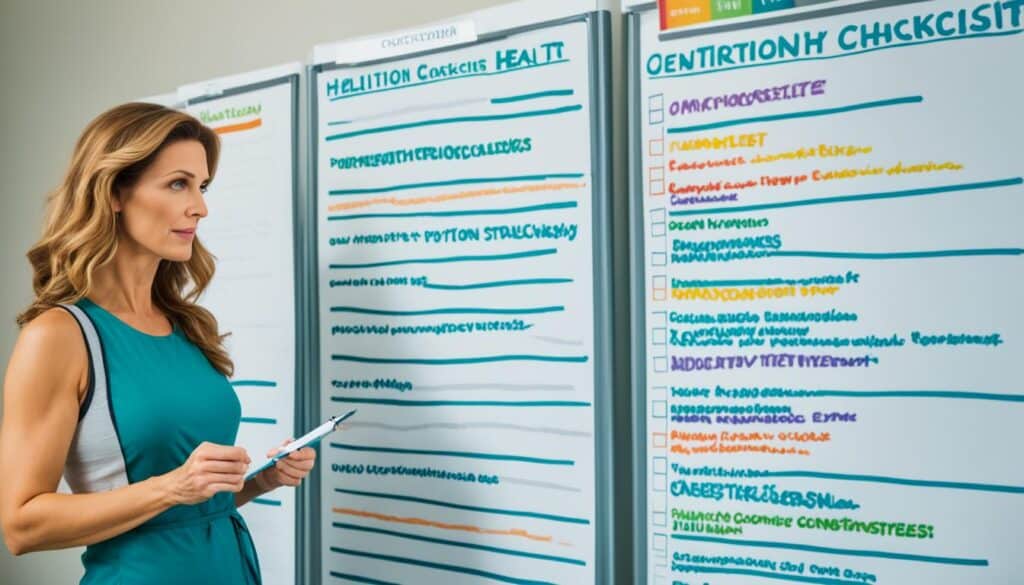
Your Complete Pre-Pregnancy Health Checklist: What to Prioritize

Pre Pregnancy Health Checklist

Preparing for pregnancy is an exciting journey, filled with hope and anticipation. As you embark on this path, it’s important to prioritize your pre-pregnancy health to give yourself the best chance of conceiving and having a healthy pregnancy.

Let me share a story with you. Meet Emily and Mike, a couple who had been trying to conceive for over a year without success. Feeling frustrated and discouraged, they decided to reevaluate their approach and focus on prioritizing their pre-pregnancy health.

Emily and Mike realized that they needed a comprehensive pre-pregnancy health checklist to guide them. They researched and discussed with their healthcare provider about the essential steps they needed to take and the changes they needed to make.

The first item on their list was to stop using birth control methods and track Emily’s menstrual cycle to determine her most fertile days. Armed with this knowledge, they could maximize their chances of conception.

Next, they scheduled a preconception checkup with their healthcare provider. During this visit, they discussed their medical history, lifestyle, and any necessary vaccinations or supplements. By understanding their unique health needs, they could address any potential concerns and ensure a healthy start for their baby.

Emily and Mike also knew that starting a prenatal multivitamin early on was crucial. They wanted to provide their future baby with all the essential nutrients for development right from the start. Alongside this, they embraced a healthy pre-pregnancy diet, focusing on consuming a variety of nutritious foods.

As they embarked on their pre-pregnancy health journey, Emily and Mike made other important lifestyle changes. They quit smoking and reduced their caffeine intake, recognizing the potential harm these habits could have on their pregnancy. They also prioritized regular exercise, ensuring they stayed active and maintained a healthy weight.

Their dedication to their pre-pregnancy health paid off. After a few months of following their checklist, Emily and Mike received the joyful news they had been eagerly waiting for – they were pregnant!

Emily’s pregnancy journey was smooth, and she delivered a healthy baby. Looking back, they realized that prioritizing their pre-pregnancy health had been instrumental in their road to parenthood.

In this article, we will delve deeper into the essential steps of a pre-pregnancy health checklist, including tips for a healthy pre-pregnancy diet and lifestyle, as well as additional steps to consider when preparing for pregnancy. By following these guidelines, you too can prioritize your pre-pregnancy health and prepare for a healthy and happy pregnancy.

Tips for a Healthy Pre-Pregnancy Diet and Lifestyle

When preparing your body for pregnancy, it is important to focus on maintaining a healthy diet and lifestyle. A well-balanced and nutritious pre-pregnancy diet can provide your body with the essential nutrients it needs to support fertility and prepare for a healthy pregnancy.

Here are some tips to help you establish a healthy pre-pregnancy diet and lifestyle:

Eat a Variety of Foods

Include a wide range of foods in your diet to ensure you get all the necessary nutrients. Aim for a balance of proteins, carbohydrates, and fats.

“A healthy, balanced diet provides essential nutrients for reproductive health and prepares your body for pregnancy.” – Dr. Lisa Johnson, OB-GYN

Choose Lean Proteins

Opt for lean sources of protein such as fish, poultry, and legumes. These foods provide important nutrients that support various body functions and are essential for fertility.

Select Healthy Fats

Include sources of unsaturated fats in your diet, such as olive oil, avocados, and nuts. These fats are healthier alternatives to saturated fats and can contribute to overall well-being.

Incorporate Complex Carbohydrates

Include whole grains, fruits, and vegetables in your meals to provide essential vitamins and fiber. These foods can support reproductive health and provide energy for your body.

Maintain a Healthy Weight

Strive to achieve and maintain a healthy weight before getting pregnant. Excess weight can affect fertility and increase the risk of complications during pregnancy.

Stay Hydrated

Drink plenty of water to stay hydrated and support overall health. Proper hydration is important for your body’s functioning and can contribute to reproductive health.

Reduce Caffeine Consumption

Limit your intake of caffeine, as excessive consumption may interfere with fertility. Opt for decaffeinated drinks or herbal teas as alternatives.

Quit Smoking and Limit Alcohol

Smoking and excessive alcohol consumption can negatively impact fertility and increase the risk of pregnancy complications. Quit smoking and limit alcohol intake to support a healthy pregnancy.

Foods to Include in a Healthy Pre-Pregnancy Diet

Food Group Examples
Proteins Fish, poultry, legumes
Healthy Fats Olive oil, avocados, nuts
Complex Carbohydrates Whole grains, fruits, vegetables

Eating a healthy pre-pregnancy diet and adopting a healthy lifestyle are essential steps in preparing your body for pregnancy. By following these tips, you can increase your chances of conception and promote a healthy pregnancy for both you and your baby.

Additional Steps for Preparing for Pregnancy

In addition to the essential steps mentioned in the previous sections, there are a few more things to consider when preparing for pregnancy. One important step is to schedule a preconception checkup with your healthcare provider. This checkup will allow your doctor to assess your overall health and address any specific concerns relating to your fertility or medical history.

During this appointment, be sure to discuss any medications you may be taking and whether they are safe to continue during pregnancy. Your doctor may also recommend certain prenatal vitamins to start taking before conception to ensure you are getting the necessary nutrients for a healthy pregnancy.

Aside from medical considerations, there are practical tasks to complete in preparation for your baby’s arrival. It can be helpful to collect any necessary medical documents, such as previous medical records or vaccination records. Setting up a baby registry and baby-proofing your home are also important steps to take before your little one arrives.

Lastly, consider attending childbirth classes and getting certified in infant and child CPR. These courses will provide you with valuable knowledge and skills for the birth and care of your baby. It is also recommended to pack a hospital bag and have a car seat properly installed in your vehicle before your due date to ensure a smooth transition to the hospital when the time comes.

FAQ

What should be included in a pre-pregnancy health checklist?

A pre-pregnancy health checklist should include stopping birth control methods, tracking your menstrual cycle, scheduling a preconception checkup with your healthcare provider, discussing your medical history and lifestyle, and considering necessary vaccinations or supplements.

How important is a preconception checkup before getting pregnant?

A preconception checkup is crucial before getting pregnant as it allows your healthcare provider to assess your overall health, discuss any existing medical conditions that may affect your pregnancy, and provide guidance on necessary vaccinations, supplements, and lifestyle changes.

What should I include in a healthy pre-pregnancy diet?

A healthy pre-pregnancy diet should include lean proteins like fish and poultry, unsaturated fats from sources like olive oil and avocados, complex carbohydrates from whole grains, fruits, and vegetables, and increased water intake. It is also important to reduce caffeine consumption, maintain a healthy weight, and avoid smoking and excessive alcohol intake.

Why is it important to quit smoking and reduce caffeine intake before pregnancy?

Quitting smoking is crucial for fertility and the health of your future baby. Smoking can reduce fertility and increase the risk of miscarriage, premature birth, and other complications during pregnancy. Similarly, excessive caffeine intake has been associated with fertility issues and an increased risk of miscarriage, so it is recommended to reduce caffeine consumption when planning for a pregnancy.

What additional steps should I take when preparing for pregnancy?

In addition to the essential steps mentioned earlier, it is important for both partners to schedule preconception exams to ensure their overall health and fertility. Collecting medical documents, setting up a baby registry, and baby-proofing your home are also practical tasks to complete before your baby arrives. Additionally, attending childbirth classes and getting certified in infant and child CPR are important for preparing for the birth and care of your baby. Finally, it is recommended to pack a hospital bag and have a car seat properly installed in your vehicle before your due date.

How can I monitor the well-being of both myself and my baby during pregnancy?

Staying active, getting adequate rest, and monitoring your baby’s movements through kick counts are important for the well-being of both you and your baby during pregnancy. If you notice a significant decrease in your baby’s movements, it is important to contact your healthcare provider for further evaluation.

Source Links

The Role of Vitamin E in Fertility: A Comprehensive Overview

Vitamin E and Fertility

Imagine this – you and your partner have been trying to conceive for months, eagerly awaiting that positive pregnancy test. But despite your efforts, success seems elusive. You start questioning what could be causing the delay, and whether there’s anything you can do to boost your chances of getting pregnant.

Well, here’s some good news – vitamin E might just be the missing piece of the puzzle in your fertility journey. This powerful antioxidant has been linked to numerous benefits for reproductive health, making it a key nutrient to consider when trying to conceive.

Vitamin E has a long history in the realm of fertility. Back in 1922, researchers Evans and Bishop discovered that vitamin E deficiency in rats led to fetal death and resorption. Since then, scientists have been uncovering the multifaceted role that vitamin E plays in reproductive health.

One of the primary reasons why vitamin E is so important for fertility is its antioxidant properties. Our bodies are constantly exposed to oxidative stress, which can harm reproductive cells and affect their function. Vitamin E acts as a potent antioxidant, protecting these cells from oxidative damage and ensuring they remain healthy and functional.

But that’s not all – vitamin E also supports hormone balance, regulates gene expression, and plays a crucial role in maintaining the health of the female reproductive organs. It has even been shown to have positive effects on sperm health and motility in men.

So, whether you’re a couple struggling to conceive or simply planning for pregnancy in the future, understanding the role of vitamin E in fertility is essential.

In the following sections, we’ll dive deeper into the antioxidant properties of vitamin E and its impact on fertility. We’ll also explore how you can integrate vitamin E into your lifestyle to enhance your chances of conceiving. Let’s embark on this comprehensive overview of vitamin E and its significant benefits for reproductive health.

The Antioxidant Properties of Vitamin E and its Impact on Fertility

One of the primary functions of vitamin E in fertility is its role as a potent antioxidant. Oxidative stress, which occurs when there is an imbalance between the production of reactive oxygen species (ROS) and the body’s ability to neutralize them, can have detrimental effects on reproductive cells. ROS can cause DNA damage, lipid peroxidation, and protein oxidation, leading to cellular dysfunction and impaired fertility.

Vitamin E acts as a free radical scavenger, effectively neutralizing ROS and protecting reproductive cells from oxidative damage. This antioxidant activity helps maintain the integrity of both male and female reproductive organs, supporting optimal fertility.

Vitamin E also helps maintain hormone balance, which is essential for healthy ovulation and menstrual cycles in women. In men, vitamin E has been shown to improve sperm health by reducing oxidative stress and enhancing sperm motility. By reducing oxidative stress and protecting reproductive cells, vitamin E promotes overall reproductive health and increases the chances of successful conception.

Integrating vitamin E into a fertility-boosting lifestyle can further enhance its benefits.

The Benefits of Vitamin E as an Antioxidant

Vitamin E, through its antioxidant properties, helps protect reproductive cells from oxidative stress. This oxidative stress can cause damage to DNA, lipids, and proteins, leading to impaired fertility. By neutralizing reactive oxygen species, vitamin E plays a crucial role in maintaining the health and function of reproductive cells.

The Role of Vitamin E in Hormone Balance

Hormone balance is essential for optimal fertility. Vitamin E helps regulate gene expression and cell signaling pathways involved in hormone production and balance. In women, vitamin E supports healthy ovulation and menstrual cycles, while in men, it contributes to sperm health and motility.

Vitamin E and Sperm Health

Research has shown that vitamin E supplementation can improve sperm health by reducing oxidative stress and enhancing motility. This can increase the chances of successful fertilization and conception.

Incorporating foods rich in vitamin E into the diet, such as nuts, seeds, vegetable oils, whole grains, and green leafy vegetables, can ensure adequate intake. However, supplementation may be necessary for individuals with a deficiency or those who have difficulty meeting their nutritional needs through diet alone. It is important to consult with a healthcare professional before starting any supplementation regimen.

By reducing oxidative stress, maintaining hormone balance, and supporting sperm health, vitamin E plays a crucial role in enhancing fertility and increasing the chances of successful conception.

Integrating Vitamin E into a Fertility-Boosting Lifestyle

In addition to its natural benefits for fertility, vitamin E can be integrated into a fertility-boosting lifestyle. Lifestyle factors such as diet and overall health play a significant role in fertility outcomes. Including foods rich in vitamin E in your diet is crucial to ensure an adequate intake of this essential nutrient.

Natural sources of vitamin E abound and can easily be incorporated into your daily meals. Nuts, seeds, vegetable oils (such as olive oil, sunflower oil, and safflower oil), whole grains, and green leafy vegetables are all excellent sources of vitamin E. By including these foods in your diet, you can naturally boost your vitamin E intake and support reproductive health.

In some cases, vitamin E supplementation may be recommended for individuals with a deficiency or those who struggle to meet their nutritional needs through diet alone. However, it is important to consult with a healthcare professional before starting any supplementation regimen to ensure it is appropriate for you.

An overall healthy lifestyle goes hand in hand with fertility. Alongside incorporating vitamin E-rich foods and supplements, adopting healthy lifestyle factors can enhance your reproductive health. This includes maintaining a balanced diet, engaging in regular exercise, managing stress levels, avoiding alcohol and tobacco use, and prioritizing sufficient sleep. By making these positive lifestyle changes and ensuring adequate vitamin E intake, you can optimize your reproductive health and increase your chances of conceiving.

FAQ

What is the role of vitamin E in fertility?

Vitamin E plays a crucial role in maintaining reproductive health and supporting proper hormone balance, making it essential for fertility in both men and women.

How does vitamin E act as an antioxidant?

Vitamin E acts as a potent antioxidant, neutralizing reactive oxygen species (ROS) and protecting reproductive cells from oxidative damage, which can impair fertility.

What are the benefits of vitamin E for reproductive cells?

By reducing oxidative stress, vitamin E helps maintain the integrity of male and female reproductive organs, promotes optimal fertility, and protects reproductive cells from DNA damage and dysfunction.

Does vitamin E affect hormone balance?

Yes, vitamin E is involved in regulating gene expression and cell signaling pathways that are essential for hormone balance, healthy ovulation, and regular menstrual cycles in women.

Can vitamin E improve sperm health?

Research has shown that vitamin E can improve sperm health by reducing oxidative stress and enhancing sperm motility, which can increase the chances of successful conception in men.

How can I incorporate vitamin E into my diet?

Foods rich in vitamin E include nuts, seeds, vegetable oils (such as olive oil, sunflower oil, and safflower oil), whole grains, and green leafy vegetables. These can be included in your daily diet to ensure adequate intake of vitamin E.

Is vitamin E supplementation recommended for fertility?

Vitamin E supplementation may be recommended for individuals with a deficiency or those who have difficulty meeting their nutritional needs through diet alone. It is advisable to consult with a healthcare professional before starting any supplementation regimen.

What lifestyle factors can enhance fertility?

In addition to incorporating vitamin E-rich foods and supplements, adopting a healthy lifestyle can enhance fertility. This includes maintaining a balanced diet, regular exercise, managing stress levels, avoiding alcohol and tobacco use, and getting sufficient sleep.

How can I optimize my reproductive health?

By making lifestyle changes such as adopting a healthy diet, incorporating vitamin E into your daily routine, and following fertility-boosting practices, you can optimize your reproductive health and increase your chances of conceiving.

Boost Progesterone Naturally: Tips for Improved Fertility

Natural Ways to Boost Progesterone

Imagine this: It’s a beautiful summer day, and you find yourself at a picturesque park with your significant other. As you stroll hand in hand, you can’t help but notice the joyful laughter of children playing nearby. A sense of longing fills your heart, and you realize that you too want to experience the joy of becoming a parent.

But you’ve been trying for months without success, and the disappointment weighs heavy on your shoulders. You wonder if there’s something you can do to increase your chances of pregnancy, to give yourself a better shot at starting the family you’ve been dreaming of.

This is where understanding the importance of progesterone in fertility comes into play. Progesterone, a key hormone for reproductive function, plays a vital role in creating an optimal environment for conception and supporting a healthy pregnancy.

In this article, we will explore natural ways to boost progesterone levels, giving you the tools and knowledge to enhance your fertility and increase your chances of pregnancy. From progesterone-friendly foods to stress reduction techniques, we’ll guide you through effective strategies to naturally increase progesterone production in your body.

Whether you’re just starting on your journey to parenthood or have been struggling for some time, these tips will empower you with the information you need to take proactive steps towards improved fertility.

Understanding the Role of Progesterone in Fertility

Progesterone plays a central role in the menstrual cycle, ovulation, and pregnancy. Its importance in fertility cannot be overstated. After ovulation, which occurs around the 14th day of a typical 28-day menstrual cycle, progesterone levels rise during the luteal phase.

This increase in progesterone is critical for creating an optimal environment within the uterus. It thickens the uterine lining, also known as the endometrium, in preparation for potential pregnancy. This thickening ensures that the uterine lining can provide nourishment and support to a fertilized egg.

If fertilization occurs, progesterone continues to play a crucial role. It supports the development and maintenance of the pregnancy by promoting the growth of blood vessels within the uterine lining. This blood supply ensures proper nourishment for the developing embryo or fetus.

Additionally, progesterone prevents the uterus from contracting, reducing the risk of miscarriage. The hormone signals to the muscles of the uterus to stay relaxed and avoid contractions that could potentially disrupt the pregnancy.

Understanding the role of progesterone in fertility is essential for those looking to boost their progesterone levels naturally. By promoting a healthy menstrual cycle, facilitating ovulation, and supporting a favorable uterine environment, progesterone plays a crucial part in increasing the chances of successful conception and pregnancy.

In the next section, we will explore various natural ways to boost progesterone levels and improve fertility.

Key Role of Progesterone in Fertility

Key Aspect How Progesterone Impacts
Menstrual Cycle Rises during the luteal phase, thickens the uterine lining
Ovulation Facilitates proper egg release and prepares the uterus for potential pregnancy
Uterine Lining Supports the growth of blood vessels and ensures a nourishing environment for the embryo or fetus
Pregnancy Prevents uterine contractions, reducing the risk of miscarriage

Natural Ways to Increase Progesterone Levels

If you’re looking to boost your progesterone levels naturally, there are several strategies you can try. Incorporating progesterone-friendly foods into your diet, maintaining a healthy body weight, exercising regularly, reducing stress, and considering doctor-prescribed progesterone supplements can all play a role in increasing progesterone levels.

Eating Progesterone-Friendly Foods

One way to support progesterone production is to include progesterone-friendly foods in your diet. Foods rich in vitamin B6 and vitamin C, such as bananas, spinach, oranges, and strawberries, can help stimulate progesterone production. Other sources of progesterone-friendly foods include nuts, seeds, and legumes. Including these foods in your meals can provide the necessary nutrients for optimal hormone balance.

Maintaining a Healthy Body Weight

Maintaining a healthy body weight is crucial for hormone balance, including progesterone levels. Both excess body weight and being underweight can interfere with hormone production and disrupt the menstrual cycle. If you’re overweight, losing weight through a combination of a balanced diet and regular exercise can help improve hormone levels. On the other hand, if you’re underweight, working with a healthcare professional to achieve a healthy weight can contribute to progesterone regulation.

Exercise and Hormone Balance

Regular exercise is an excellent way to support hormone balance and progesterone production. Engaging in moderate-intensity workouts for at least 30 minutes a day can help regulate hormone levels and improve overall well-being. However, it’s important not to overexert yourself. Intense or excessive exercise can lead to hormonal imbalances and disrupt menstrual cycles. Finding a balance and incorporating different types of exercise, such as strength training, cardio, and yoga, can be beneficial.

Stress Reduction

Stress can have a significant impact on hormone production, including progesterone. High levels of stress can elevate cortisol levels, which can interfere with progesterone production. Incorporating stress reduction techniques into your daily routine, such as meditation, deep breathing exercises, and mindfulness, can help lower cortisol levels and support progesterone balance.

Doctor-Prescribed Progesterone Supplements

In some cases, doctor-prescribed progesterone supplements may be necessary to boost progesterone levels. These supplements can come in various forms, including oral tablets, injections, or vaginal creams. Your healthcare provider will determine the most appropriate type and dosage based on your specific needs. It’s crucial to consult with your doctor before starting any progesterone supplementation.

By incorporating progesterone-friendly foods, maintaining a healthy body weight, engaging in regular exercise, managing stress, and considering doctor-prescribed progesterone supplements when necessary, you can take proactive steps towards increasing progesterone levels naturally. As always, it’s essential to consult with your healthcare provider to create a personalized plan that aligns with your specific needs and fertility goals.

Progesterone-Friendly Foods

Food Progesterone-Friendly Nutrients
Bananas Vitamin B6
Spinach Vitamin C
Oranges Vitamin C
Strawberries Vitamin C
Nuts Essential Fatty Acids
Seeds Essential Fatty Acids
Legumes Plant-based Protein

Progesterone-Friendly Foods

Conclusion

Progesterone plays a vital role in maintaining healthy menstrual cycles and supporting reproductive health. Understanding the significance of progesterone in fertility and pregnancy is paramount for those aiming to naturally boost their progesterone levels. By incorporating progesterone-friendly foods into your diet, maintaining a healthy weight, managing stress, and considering doctor-prescribed progesterone supplements when necessary, you can take proactive measures to improve your fertility. However, it’s essential to consult with your doctor or OB/GYN to determine the best approach tailored to your specific situation. Seeking professional guidance ensures that you optimize progesterone’s role in maintaining healthy cycles and improving fertility, increasing your chances of a successful pregnancy.

FAQ

What is the role of progesterone in fertility?

Progesterone plays a central role in menstruation, ovulation, and pregnancy. It thickens the uterine lining, aids in conception, and supports the development and maintenance of a pregnancy.

Why is progesterone important for fertility?

Progesterone is crucial for maintaining healthy menstrual cycles, aiding in conception, and creating an optimal environment for a growing fetus. Low progesterone levels can increase the risk of fertility problems, irregular periods, and miscarriage.

How can I naturally boost my progesterone levels?

There are several natural ways to increase progesterone levels. Some strategies include eating a diet rich in progesterone-friendly foods, maintaining a healthy body weight, avoiding overexercising, managing stress, and considering doctor-prescribed progesterone supplements when necessary.

Can diet affect progesterone levels?

Yes, eating a diet rich in progesterone-friendly foods, such as those high in vitamin B6 and C, can support progesterone production.

Does stress affect progesterone levels?

Yes, managing stress and practicing relaxation techniques can help reduce cortisol levels, which can interfere with progesterone production.

When should I consider doctor-prescribed progesterone supplements?

In some cases, doctor-prescribed progesterone supplements may be necessary to boost progesterone levels. It’s important to consult with your doctor to determine the best approach for your specific needs.