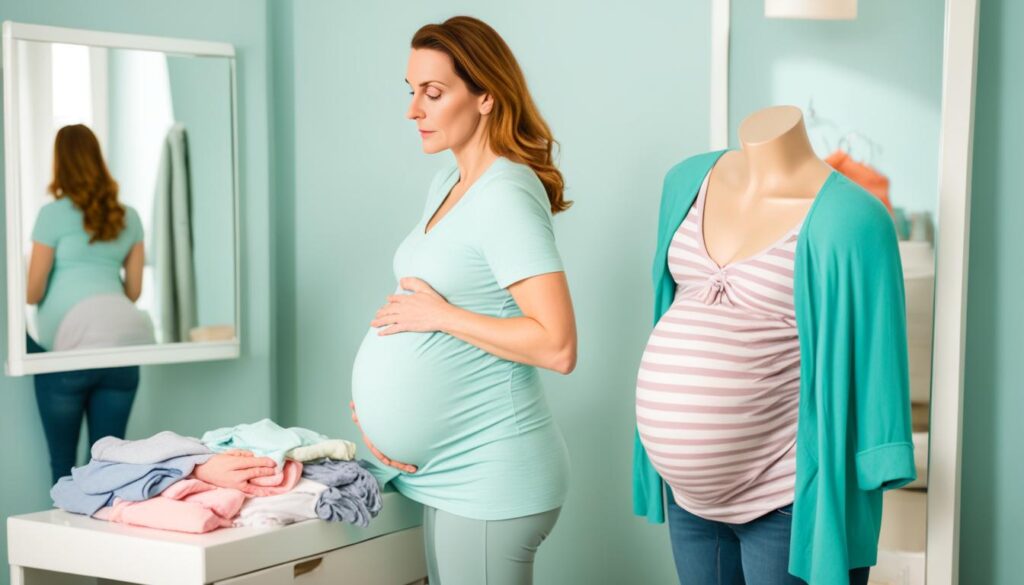
Walking Through Pregnancy: A Simple Exercise with Great Benefits

Benefits of walking during pregnancy

Meet Sarah, a soon-to-be mother who is excitedly navigating her way through pregnancy. As Sarah prepares to embark on this transformative journey, she understands the importance of taking care of her health for the well-being of herself and her baby.

One day, as Sarah reads about the many benefits of exercise during pregnancy, she comes across a particular form of exercise that catches her attention: walking. Intrigued by its simplicity and accessibility, Sarah realizes that walking could be the perfect exercise for her. She laces up her comfortable sneakers, steps outside, and begins her walking routine.

Little did Sarah know that this simple act would bring about a myriad of health benefits for her and her baby. Not only does walking help reduce the risk of complications, but it also aids in weight management and boosts mood and energy levels. It alleviates Sarah’s back pain and aches, improves her sleep, and even relieves constipation – a common discomfort in pregnancy.

What’s more, walking strengthens Sarah’s muscles, preparing her body for an easier delivery and a quicker recovery. With every step she takes, Sarah is not only nurturing her own well-being but also providing a healthy environment for her growing baby.

If you are on your pregnancy journey like Sarah, or know someone who is, come join us as we delve into the incredible world of walking during pregnancy. Discover how this simple exercise can transform your experience and bring you closer to a healthier, happier pregnancy. Get ready to unlock the benefits of walking through pregnancy.

Pregnancy Walking Programs for Different Fitness Levels

Walking is a versatile exercise that can be tailored to different fitness levels during pregnancy. Whether you were inactive before pregnancy, exercise sporadically, or have maintained an active lifestyle, there is a walking program suitable for you. Here are some recommendations for each fitness level and trimester:

For Beginners:

If you were inactive before pregnancy, it’s important to start slowly and gradually increase your walking routine. Begin by walking for 10-15 minutes a day, three days a week. As you feel more comfortable, gradually increase the duration and frequency of your walks. By the end of the first trimester, aim to walk for 20-30 minutes a day, four days a week.

For Intermediate Individuals:

If you were active before pregnancy but exercise sporadically, you can start with a slightly more intense walking program. Begin by walking for 20 minutes a day, four days a week. As your stamina improves, add more days and minutes to your routine. By the end of the first trimester, aim to walk for 30-40 minutes a day, five days a week.

For Advanced Individuals:

If you exercise four or more times per week, you can take on a more challenging walking program. Start by walking for 30 minutes a day, five days a week. As you progress through pregnancy, increase both the duration and intensity of your walks. By the end of the first trimester, aim to walk for 40-60 minutes a day, five to six days a week.

Remember, each trimester may bring changes in your energy levels and pregnancy symptoms. Listen to your body and make modifications as needed. Hydration is vital during pregnancy, so be sure to drink plenty of water before, during, and after your walks. Dress comfortably and consider using supportive garments or accessories if necessary. Before embarking on any exercise program during pregnancy, consult with your healthcare provider.

Trimester Beginner Intermediate Advanced
First 10-15 minutes, 3 days a week 20 minutes, 4 days a week 30 minutes, 5 days a week
Second 20-30 minutes, 4 days a week 30-40 minutes, 5 days a week 40-60 minutes, 5-6 days a week
Third 30-40 minutes, 4 days a week 40-50 minutes, 5 days a week 60 minutes, 5-6 days a week

Walking during pregnancy is a safe and effective way to stay physically active. By following a tailored walking program for your fitness level and trimester, you can enjoy the benefits of exercise while minimizing the risk of injury. Remember to consult with your healthcare provider before starting any exercise routine and to listen to your body throughout your pregnancy journey.

Conclusion: The Benefits of Walking During Pregnancy

Walking is a safe and accessible exercise that offers numerous benefits during pregnancy. Regular walking can reduce the risk of complications such as gestational diabetes and unplanned cesarean sections, promote healthy weight management, boost mood and energy levels, alleviate back pain and other aches, improve sleep, alleviate constipation, and strengthen muscles for an easier delivery and recovery.

Walking can be adapted to different fitness levels and tailored to each trimester of pregnancy. Whether you are a beginner, intermediate, or advanced exerciser, walking can be customized to suit your needs. It’s a low-impact activity that you can start with just a few minutes a day and gradually increase as your fitness level improves.

Remember to consult with a healthcare provider before starting any exercise routine during pregnancy. They can provide guidance based on your individual needs and ensure that walking is a suitable activity for you. They may also provide specific recommendations regarding duration, intensity, and any precautions you should take.

By incorporating walking into your pregnancy journey, you can enjoy a healthier and more active experience for both you and your baby. So lace up your sneakers, step outside, and take advantage of the many health benefits that walking has to offer.

FAQ

Is walking a safe exercise during pregnancy?

Yes, walking is a safe exercise for pregnant women. It is low-impact and can be done at any time with proper footwear. However, it is important to consult with your healthcare provider before starting any exercise routine during pregnancy.

How much walking should I do during pregnancy?

The Centers for Disease Control and Prevention recommend that pregnant women engage in at least 150 minutes of moderate-intensity activity per week. You can start with 10-15 minutes of walking a day for beginners and gradually increase duration and frequency as tolerated.

What are the benefits of walking during pregnancy?

Walking during pregnancy has numerous benefits. It can reduce the risk of complications, aid in weight management, boost mood and energy levels, alleviate back pain and aches, improve sleep, relieve constipation, and strengthen muscles for an easier delivery and recovery.

Can I continue walking throughout all trimesters of pregnancy?

Yes, you can continue walking throughout all trimesters of pregnancy. However, it is important to modify your walking program based on energy levels and pregnancy symptoms. Consulting with your healthcare provider is recommended for guidance.

What safety tips should I follow when walking during pregnancy?

When walking during pregnancy, it is important to stay hydrated, listen to your body, and stop if you experience dizziness, vaginal bleeding, or trouble breathing. It is also essential to dress comfortably and wear supportive garments or accessories if needed.

Source Links

Understanding Cord Blood Banking: Options for Expectant Parents

cord blood banking information

As an expectant parent, you want to make the best choices for your baby’s health and well-being. One choice that you may consider is cord blood banking. But what exactly is cord blood banking, and what options do you have?

Let me tell you a story about Emily and Mark, a couple eagerly awaiting the arrival of their first child. During one of their routine check-ups, their doctor mentioned the option of cord blood banking. Intrigued, Emily and Mark started exploring the world of cord blood banking to understand what it meant for their growing family.

They discovered that cord blood banking involves the collection and storage of the blood left over in the umbilical cord and placenta after a baby is born. This blood is rich in valuable stem cells that can be used to treat various blood disorders and diseases. This knowledge opened up a world of possibilities for Emily and Mark.

Curious and wanting to make an informed decision, Emily and Mark discussed the options with their healthcare provider. They learned that there are three main options for cord blood banking:

  1. Donating the cord blood to a public cord blood bank, where it can be used for anyone in need of a transplant.
  2. Storing the cord blood in a private family cord blood bank, ensuring exclusive access to the blood for their family’s use.
  3. Saving the cord blood for a specific family member in need, known as directed donation.

Each option had its own advantages and considerations. Emily and Mark weighed the benefits of potentially helping someone in need by donating to a public bank versus the peace of mind of storing it in a private bank for their family’s use. They also thought about the likelihood of their baby or another family member requiring the stored cord blood in the future.

Ultimately, Emily and Mark decided to store their baby’s cord blood in a private family cord blood bank. It was a personal choice they made based on their family’s health history and their desire to have a dedicated source of potential treatment if the need arose.

If you’re an expectant parent, like Emily and Mark, it’s important to discuss your options with your healthcare provider. Cord blood banking can offer potential benefits for your baby’s health and the health of your family. Explore the options, gather information, and make an informed decision that aligns with your values and goals.

What is Cord Blood and Why Should I Consider Saving It?

Cord blood, the blood that nourishes a baby during pregnancy, contains essential blood-forming stem cells that play a vital role in rebuilding the bone marrow and immune system. These powerful stem cells have the potential to be used in transplants for treating serious blood disorders such as leukemia, lymphoma, and sickle cell disease.

Beyond these blood disorders, cord blood can also be a potential source of treatment for patients with inherited genetic disorders, bone marrow failure, and immune deficiency diseases. By saving cord blood, you are securing a valuable resource for your baby or other family members who may develop these conditions in the future.

In essence, cord blood banking serves as a form of biological insurance, providing a safeguard against unforeseen health challenges that may arise within your family. By preserving this precious resource, you have the opportunity to access blood-forming stem cells that hold remarkable potential in combating a range of conditions.

Unlock the Potential of Cord Blood for Newborn Health

“Cord blood banking allows you to harness the incredible power of blood-forming stem cells, providing a unique solution to address potential health issues in your child’s future.”

  • Rebuilding the bone marrow and immune system
  • Treatment for blood disorders like leukemia, lymphoma, and sickle cell disease
  • Addressing genetic disorders, bone marrow failure, and immune deficiency diseases

These incredible capabilities make cord blood a valuable resource that can lead to improved health outcomes for your newborn and other family members.

Condition Potential Treatment with Cord Blood
Leukemia Stem cell transplant to rebuild the bone marrow and immune system
Lymphoma Stem cell transplant to rebuild the bone marrow and immune system
Sickle Cell Disease Replacement of faulty blood cells with healthy ones to alleviate symptoms
Genetic Disorders Potential treatment for genetic disorders through stem cell therapies
Bone Marrow Failure Replenishment of bone marrow to restore normal blood cell production
Immune Deficiency Diseases Boosting the immune system by introducing healthy blood-forming stem cells

By understanding the potential of cord blood and the valuable role it can play in ensuring the health and well-being of your family, you can make an informed decision to save this precious resource.

Cord Blood Banking Options: Public vs. Private Banks

Expectant parents have the choice to donate their baby’s cord blood to a public cord blood bank or store it in a private family cord blood bank. Donating cord blood to a public bank makes it available for anyone in need of a transplant. There are no fees associated with donating to a public bank. On the other hand, storing cord blood in a private family bank ensures that it is exclusively available for the family’s use. Private banks charge fees for the collection, transportation, processing, and storage of cord blood. It’s important to research and choose a reputable private family cord blood bank if this option is preferred.

If you decide to donate your baby’s cord blood to a public cord blood bank, you are contributing to a valuable resource that can potentially save someone’s life. Public cord blood banks make the donated blood available to patients who are in need of a cord blood transplant but do not have a compatible donor within their own family. By donating, you are helping to increase the chances of finding a matching donor for those patients.

Donating to a public cord blood bank is typically free of charge. The bank will handle the collection, transportation, processing, and storage of the cord blood. However, it’s important to check the specific guidelines and requirements of the public bank you choose as some may have eligibility criteria or restrictions.

On the other hand, storing cord blood in a private family cord blood bank provides exclusive access to the cord blood for your family. This means that if any member of your family, including the baby whose cord blood was stored, requires a cord blood transplant, they can utilize the stored cord blood. This option offers the potential for a higher chance of compatibility, as the donor and recipient are usually related.

Private family cord blood banks charge fees for their services. These fees typically cover the collection kit, transportation, processing, and long-term storage of the cord blood. It’s important to thoroughly research and choose a reputable private family cord blood bank to ensure the security and quality of the stored cord blood.

Public Cord Blood Bank

A public cord blood bank is a non-profit organization that collects and stores donated cord blood for the purpose of making it available to patients in need. The donated cord blood is carefully screened, processed, and stored, following strict quality standards and regulations. By donating to a public cord blood bank, you have the opportunity to potentially help someone who may not have any other suitable options for a stem cell transplant.

Private Family Cord Blood Bank

A private family cord blood bank is a for-profit organization that offers the service of storing cord blood exclusively for the family who chooses to bank it. The cord blood is collected, processed, and stored with strict quality control measures to ensure its viability for future use. Storing cord blood in a private family bank provides the family with peace of mind, knowing that they have a personalized source of stem cells that can potentially be used to treat certain conditions or diseases that may arise within the family.

private family cord blood bank

Donating to a Public Cord Blood Bank Storing in a Private Family Cord Blood Bank
Eligibility No eligibility requirements No eligibility requirements
Donation Process Collection, transportation, and processing managed by the public bank Collection, transportation, and processing managed by the private bank
Fees No fees associated with donation Fees for collection, transportation, processing, and storage
Accessibility Available for anyone in need of a transplant Exclusively available for the family’s use

The Likelihood of Using Stored Cord Blood and Other Considerations

The likelihood of using privately stored cord blood in the future is an important consideration for expectant parents. While the chances may be low, ongoing research is exploring the potential use of cord blood stem cells in treating neurologic disorders and auto-immune diseases, which are not currently treatable with cord blood transplants.

Another crucial factor to consider is the likelihood of another family member using stored cord blood. The number of cells collected and the compatibility of HLA markers play a significant role in determining the suitability of the stored cord blood for family members. Discussing these factors with healthcare providers can help make an informed decision on cord blood banking.

Furthermore, it is worth considering other potential uses for cord blood. In addition to stem cell transplantation, cord tissue storage is emerging as a promising option. Cord tissue contains a different type of stem cell, mesenchymal stem cells, which have the potential to treat a wider range of diseases, including musculoskeletal disorders, heart conditions, and neurological conditions. Exploring these options with healthcare providers can provide a comprehensive understanding of the potential benefits of cord blood banking.

FAQ

What is cord blood banking?

Cord blood banking involves the collection and storage of the blood left over in the umbilical cord and placenta after a baby is born. This blood contains valuable stem cells that can be used to treat various blood disorders and diseases.

What are the benefits of saving cord blood?

Cord blood contains blood-forming stem cells that can rebuild the bone marrow and immune system. These stem cells can be used in transplants to treat serious blood disorders, inherited genetic disorders, bone marrow failure, and immune deficiency diseases.

What are the options for cord blood banking?

Expectant parents have several options when it comes to cord blood banking. They can donate the blood to a public cord blood bank, store it in a private family cord blood bank, or save it for a specific family member in need.

What is the difference between public and private cord blood banks?

Donating cord blood to a public bank makes it available for anyone in need of a transplant and there are no associated fees. Storing cord blood in a private family bank ensures exclusive access for the family but requires fees for collection, transportation, processing, and storage.

What are the chances of using privately stored cord blood in the future?

While the likelihood is low, ongoing research is exploring new potential uses for cord blood stem cells. The chances of another family member using stored cord blood depend on factors such as the number of cells collected and the compatibility of HLA markers.

What other considerations should I keep in mind when deciding on cord blood banking?

It’s important to discuss cord blood banking options with your healthcare provider and consider factors such as the potential for directed donation, future medical advancements, compatibility with family members, and the storage of cord tissue.

Source Links

Reclaiming Your Body: Navigating Post-Pregnancy Body Image

post pregnancy body image

Imagine this: You’re sitting in your living room surrounded by piles of laundry, toys scattered across the floor, and your precious little bundle of joy napping peacefully in their crib. You glance at yourself in the mirror, and a wave of emotions washes over you.

Your post-pregnancy body stares back at you, adorned with stretch marks, loose skin, and a few extra pounds that just won’t budge. The media bombards you with images of celebrities who seem to effortlessly regain their pre-baby figures, leaving you feeling inadequate and insecure.

But here’s the truth: Your body has gone through an incredible journey. It has carried and nurtured a life, and that is something to be celebrated and cherished. It’s time to reclaim your body and navigate the complexities of post-pregnancy body image with self-love, confidence, and a newfound appreciation for all that your body has accomplished.

The Influence of Culture and Media on Postpartum Body Image

Society’s fixation on thinness and physical appearance has a profound impact on women’s body image, especially during the postpartum period. Through various mediums such as social media, pop culture websites, and magazines, unrealistic standards of beauty are propagated, placing immense pressure on new moms to quickly shed the baby weight and regain their pre-pregnancy appearance. These societal expectations often lead to feelings of failure, disgust, and self-loathing when women are unable to meet these narrow ideals of female beauty.

The constant bombardment of images and messages advocating for a particular body appearance can be detrimental to a woman’s mental and emotional well-being. This portrayal of an unattainable standard can distort perceptions of self-worth and contribute to a negative body image. Women may internalize these unrealistic standards and feel immense pressure to conform, even though the reality of postpartum body changes is a natural and beautiful part of motherhood.

It is essential to shift the focus from appearance-driven narratives to the physical and emotional adjustments that come with becoming a mother. Embracing these changes and prioritizing health, self-care, and self-acceptance are crucial steps towards developing a positive postpartum body image. It is important to recognize that societal expectations and messages perpetuated by media do not define a woman’s worth or identity.

“The unrealistic expectations set by society and the media can make new moms feel like failures and trigger feelings of disgust and self-loathing.”

The Impact of Social Media

Social media platforms have become a breeding ground for comparing oneself to others and fostering unrealistic standards of body appearance. Women are exposed to carefully curated images and narratives that often portray an unattainable level of perfection. Likes, comments, and followers can become metrics of validation and self-worth, exacerbating the pressure to conform to societal expectations.

While social media can connect women and provide a support system during the postpartum journey, it is important to approach it with caution. Recognizing the curated nature of these platforms and the potential for negative self-comparison is crucial. Engaging in body-positive communities, following accounts that promote diverse representations of beauty, and actively curating your social media feed can help counter the negative impact of unrealistic body standards.

The Role of Pop Culture and Magazines

Pop culture websites and magazines often sensationalize post-pregnancy weight loss stories, perpetuating the idea that snapping back to a pre-baby body should be a top priority for women. This focus on physical appearance can overshadow the incredible experience of motherhood itself and contribute to feelings of inadequacy.

It is important to approach pop culture and magazine content critically, recognizing that these stories are often sensationalized or present an ideal that is unattainable for most people. Filtering the information consumed from these sources and seeking alternative narratives that prioritize self-care, mental health, and the joys of motherhood can be beneficial in fostering a positive body image.

The Road to Self-Acceptance

Reclaiming a positive postpartum body image requires a shift in mindset. Embrace the journey of motherhood and all the changes that come with it. Focus on self-care, both physically and emotionally, and surround yourself with positive influences that celebrate diverse body types. Prioritize body positivity, self-love, and acceptance, recognizing that your worth is not defined by societal expectations or the media’s portrayal of beauty.

Acknowledge that each woman’s postpartum body journey is unique, and there is no one-size-fits-all approach to embracing body changes. Building a support network of other moms who understand the challenges of postpartum body image can also provide invaluable encouragement and guidance.

Remember, you are more than your appearance. Embrace your new body, celebrate the incredible journey of motherhood, and prioritize your emotional well-being as you navigate the path towards self-acceptance and love.

Body Image Challenges and Emotional Transitions After Pregnancy

The postpartum period brings about significant emotional transitions and challenges. After giving birth, a woman’s body goes through numerous changes that can impact her body image and sense of identity.

For many new mothers, there is a sense of loss associated with the changes in their appearance and the transition into their new role as a parent. The pre-baby body they once knew may feel like a distant memory, leading to feelings of insecurity and a struggle to adapt to their new physical self.

These changes can also affect relationships. The shift in roles and the demands of caring for a newborn can lead to a decrease in romance and emotional connection. Additionally, new mothers often experience a loss of autonomy and independence as their time becomes dictated by their baby’s schedule.

Women who have a history of disordered eating may be particularly vulnerable during this time. The hyper-focus on body and weight during pregnancy can trigger a relapse of disordered eating behaviors, further exacerbating negative body image.

It is essential to acknowledge and address these challenges to promote healing and self-acceptance. Open communication and seeking support from loved ones, healthcare professionals, or support groups can provide invaluable guidance during this transitional period.

Remember, your body image does not define your worth or identity. Embrace the changes that come with motherhood, and prioritize your emotional well-being and self-care.

body image challenges and emotional transitions after pregnancy

Challenges Impact
Loss of pre-baby body and identity Feelings of insecurity and struggle to adapt
Changes in relationships Decrease in romance and emotional connection
Loss of autonomy and independence Shift in priorities and time dictated by the baby’s schedule
History of disordered eating Vulnerability to relapse and negative body image

Conclusion

Embracing your post-pregnancy body is crucial for your emotional well-being and overall health. Taking care of yourself and prioritizing your mental and physical self-image are essential steps in this journey. It’s important to remember that your body image is influenced by both external and internal forces, and it does not define your worth or identity.

Instead of focusing on how you look, shift your attention to how you feel. Embrace the changes in your body and celebrate the incredible journey it has been through. Surround yourself with positive influences and seek support from others who understand the challenges of post-pregnancy body image.

Practicing self-care is key to nurturing a positive body image. Prioritize activities that uplift you, whether it’s engaging in hobbies you enjoy, practicing mindfulness and relaxation techniques, or connecting with loved ones. Remember that self-love plays a vital role in reclaiming your body and restoring your confidence.

As you navigate this journey, be kind to yourself and practice self-compassion. Embrace your new body with gratitude and acceptance, knowing that it has given life and represents the incredible strength within you. Your post-pregnancy body is a beautiful testament to the transformative power of motherhood, so embrace it wholeheartedly.

FAQ

How can societal expectations and media influence postpartum body image?

Society often promotes and celebrates the “perfect” female body, which can create unrealistic expectations for women to quickly bounce back after having a baby. Social media, pop culture websites, and magazines inundate women with images and messages about the importance of quickly losing the baby weight and returning to pre-pregnancy appearance, which can be damaging to body image.

What emotional challenges can arise from the changes in body image after pregnancy?

The changes in appearance and the shift in roles can affect relationships, causing a decrease in romance and emotional connection. New moms also experience a loss of autonomy and independence, as their time is now dictated by their baby’s schedule. Women with a history of disordered eating may be particularly vulnerable to negative body image during pregnancy and the postpartum period.

How can I reclaim my post-pregnancy body and improve my body image?

Accepting and embracing your post-pregnancy body is important for your emotional well-being and overall health. It is essential to practice self-care and prioritize your mental and physical self-image. Surround yourself with positive influences and seek support from others who understand the challenges of post-pregnancy body image. Above all, be kind to yourself and practice self-love as you navigate this journey of reclaiming your body.

Navigating Fish Consumption During Pregnancy for Omega-3 Benefits

pregnancy and fish consumption

Imagine this: you’re expecting a baby and, like any caring parent, you want to give your little one the best start in life. From prenatal vitamins to a healthy diet, you’re doing everything you can to provide optimal nutrition for your growing baby.

But when it comes to fish consumption during pregnancy, you may find yourself feeling a bit unsure. On one hand, you’ve heard about the benefits of omega-3 fatty acids for your baby’s brain development. On the other hand, there’s the concern over mercury exposure from certain types of fish.

Well, we’re here to help you navigate through this fishy dilemma and shed some light on the matter. The good news is that the US Food and Drug Administration (FDA) and the Environmental Protection Agency (EPA) have issued guidelines recommending pregnant women to consume 224 to 336 grams (8–12 ounces) of fish per week for the omega-3 benefits.

Now, you might be thinking, “Fish and pregnancy, is that really safe?” rest assured that when consumed in moderate amounts and avoiding certain high-mercury fish species, fish can be a valuable addition to your pregnancy nutrition. In fact, studies have shown that fish consumption during pregnancy is associated with improved neurocognitive development in children, including higher IQ scores.

So, let’s dive deeper into the benefits of omega-3 fatty acids during pregnancy and how you can strike the right balance between fish consumption and mercury exposure.

Benefits of Omega-3 Fatty Acids During Pregnancy

Research has shown that prenatal exposure to the nutrients in fish, specifically omega-3 fatty acids, can improve neurocognitive development in children. Consuming 2 to 3 servings of fish per week during pregnancy can increase IQ scores and improve outcomes in areas such as communication, motor skills, and memory.

The neurodevelopmental benefits of omega-3 fatty acids during pregnancy have been highlighted by reputable organizations such as the European Food Safety Authority, the World Health Organization, and the Food and Agriculture Organization of the United Nations.

The optimal neurodevelopmental benefits can be obtained with 224 to 336 g (8–12 oz) of fish per week, but even consuming 112 to 168 g (4–6 oz) per week can provide a significant portion of the maximum benefit.

Supporting Research

“Prenatal exposure to omega-3 fatty acids, primarily from fish consumption, is associated with improved neurodevelopmental outcomes in children, including better cognitive functioning and IQ scores” – European Food Safety Authority Report

“Fish and other foods rich in omega-3 fatty acids can contribute to a pregnant woman’s health and the healthy development of her child. EPA and FDA recommend that pregnant women, those who might become pregnant, breastfeeding mothers, and young children eat more fish.” – US Food and Drug Administration

Benefits of Omega-3 Fatty Acids During Pregnancy

Benefit Recommended Fish Consumption
Increase in IQ scores 2-3 servings of fish (224 to 336 g) per week
Improvement in communication 2-3 servings of fish (224 to 336 g) per week
Enhanced motor skills 2-3 servings of fish (224 to 336 g) per week
Improved memory 2-3 servings of fish (224 to 336 g) per week

Balancing Fish Consumption and Mercury Exposure

One of the main concerns about fish consumption during pregnancy is the risk of mercury exposure. However, studies have shown that the neurodevelopmental benefits of fish consumption outweigh the potential risks of mercury exposure.

Most fish contain mercury, but the risk of harm from mercury exposure is low if pregnant women avoid the 7 fish species with high mercury levels.

These species include:

  • Shark
  • Swordfish
  • King mackerel
  • Tilefish from the Gulf of Mexico
  • Orange roughy
  • Marlin
  • Bigeye tuna

Consuming fish with low mercury levels, such as salmon, shrimp, and tilapia, can provide the benefits of omega-3 fatty acids without significant mercury exposure.

It is important for pregnant women to be aware of the types of fish with high mercury levels and make informed choices to balance fish consumption and minimize mercury exposure. By avoiding high mercury fish and opting for low mercury alternatives, pregnant women can safely enjoy the nutritional benefits of fish without compromising their health or that of their babies.

mercury exposure

Mercury Levels in Common Fish Species
Fish Species Mercury Level
Salmon Low
Shrimp Low
Tilapia Low
Shark High
Swordfish High
King Mackerel High
Tilefish from the Gulf of Mexico High
Orange Roughy High
Marlin High
Bigeye Tuna High

Conclusion

In conclusion, consuming fish during pregnancy is highly recommended for the benefits of omega-3 fatty acids. Research has shown that fish consumption during pregnancy can lead to improved neurodevelopment in children, including higher IQ scores and better communication skills.

While concerns about mercury exposure exist, the neurodevelopmental benefits outweigh the potential risks. Pregnant women should aim to consume 2 to 3 servings of fish per week, selecting varieties with low mercury levels to minimize exposure.

Healthcare professionals play a crucial role in educating pregnant women about the specific benefits of fish consumption and guiding them towards safe choices. By prioritizing fish consumption during pregnancy, women can optimize both their own and their baby’s health, ensuring a positive neurodevelopmental outcome.

FAQ

Why is fish consumption recommended during pregnancy?

Fish consumption is recommended during pregnancy because it provides essential omega-3 fatty acids that are beneficial for neurocognitive development in children.

How much fish should I consume during pregnancy?

It is recommended to consume 2 to 3 servings of fish per week during pregnancy, which is approximately 224 to 336 g (8–12 oz).

Are there specific benefits of omega-3 fatty acids during pregnancy?

Yes, omega-3 fatty acids have been associated with improved neurodevelopment in children, including higher IQ scores and better outcomes in areas such as communication and memory.

Is there a risk of mercury exposure from fish consumption during pregnancy?

There is a low risk of mercury exposure if pregnant women avoid consuming fish species with high mercury levels, such as shark, swordfish, king mackerel, tilefish from the Gulf of Mexico, orange roughy, marlin, and bigeye tuna.

Are there fish options with low mercury levels?

Yes, there are fish species that have low mercury levels and can provide the benefits of omega-3 fatty acids. Examples include salmon, shrimp, and tilapia.

How can I optimize fish consumption and minimize mercury exposure during pregnancy?

To optimize fish consumption, pregnant women should aim for 2 to 3 servings of fish per week and choose varieties with low mercury levels. It is important to avoid high mercury fish species to minimize the risk of exposure.

What are the neurodevelopmental benefits of fish consumption during pregnancy?

Fish consumption during pregnancy has been associated with improved neurocognitive development in children, including higher IQ scores, better communication skills, motor skills, and memory.

Source Links

Key Supplements to Improve Egg Health for Pregnancy

Supplements for Egg Health

Imagine this scenario: You and your partner have decided that it’s the perfect time to start a family. Excitedly, you begin charting your cycles, timing your intimacy just right, and eagerly awaiting that positive pregnancy test. However, as months pass by with no luck, you start to wonder if there’s something more you can do to improve your chances of conceiving.

This is where the importance of egg health comes into play. As a woman, you are born with all the eggs you will ever have, and over time, both the quantity and quality of these eggs can decline. This natural process makes it increasingly challenging to achieve pregnancy as you age.

But don’t lose hope just yet. There are supplements available that can help improve your egg health, giving you a better chance at conception and a healthy pregnancy. These supplements provide essential nutrients and support mitochondrial health, which is crucial for optimal egg quality.

One such supplement is Coenzyme Q10 (CoQ10). It boosts energy production in the cells, including the eggs, and has been shown to improve fertilization rates and the number of high-quality embryos. Another beneficial supplement is Dehydroepiandrosterone (DHEA), a hormone that improves egg quality and pregnancy outcomes, particularly in older women.

Melatonin, a powerful antioxidant, can lower oxidative stress and improve the number of mature oocytes and high-quality embryos. And let’s not forget the importance of vitamin D, inositol, and folic acid in supporting egg quality. These supplements provide the necessary nutrients for optimal egg development and can be taken alongside a healthy diet.

So, if you find yourself on the path to parenthood and are looking for ways to enhance your fertility, consider incorporating these key supplements into your routine. Combined with a healthy lifestyle and expert advice, they can make a significant difference in improving your egg health and increasing your chances of conceiving.

Supplements to Consider for Egg Quality

When it comes to improving egg quality, several supplements have shown promising results. Incorporating these supplements into your routine can provide the necessary nutrients to support healthy eggs and increase your chances of successful conception.

DHEA

DHEA, or dehydroepiandrosterone, is a recommended supplement for women aged 35 and above, those with premature ovarian failure or dysfunction, and those facing infertility due to increasing age. DHEA helps improve egg quality and pregnancy outcomes in older women.

CoQ10

CoQ10, or coenzyme Q10, has been found to enhance egg quality and ovarian function. It boosts energy production and has been shown to improve fertilization rates and the number of high-quality embryos. Adding CoQ10 to your supplement regimen may significantly improve your chances of successful conception.

Melatonin

Melatonin is a powerful antioxidant that can reduce oxidative stress and improve the quality of eggs and embryos. It also plays a role in regulating sleep, which is essential for overall reproductive health. Including melatonin as a supplement may benefit egg quality and increase your chances of getting pregnant.

Vitamin D

Vitamin D is essential for follicle development, egg quality, and ovarian function. It can be obtained through both supplementation and food sources like tuna and fortified milk. Ensuring adequate vitamin D levels can improve your reproductive health and enhance your fertility.

Inositol

Inositol aids in egg maturation and has been shown to improve fertilization and pregnancy rates. It can be found in grains, fruits, and vegetables. Incorporating inositol into your diet or supplement routine may be beneficial for optimizing egg quality and increasing the likelihood of conception.

Folic Acid

Folic acid is essential for ovulation regulation and early embryo development. It can be obtained through a well-balanced diet or supplements. Taking folic acid is particularly crucial during pregnancy for fetal development. Ensure you have a sufficient intake of folic acid to support optimal egg health.

Combining these supplements with a healthy diet, such as the Mediterranean diet, rich in antioxidants and anti-inflammatory properties, can further support and improve egg quality. Remember to consult with your healthcare provider before adding any new supplements to your routine to ensure they are suitable for your specific needs.

Supplement Benefits Food Sources
DHEA Improves egg quality and pregnancy outcomes N/A
CoQ10 Enhances egg quality and ovarian function N/A
Melatonin Reduces oxidative stress and improves sleep N/A
Vitamin D Strengthens follicle development and egg quality Tuna, fortified milk
Inositol Aids in egg maturation and improves fertilization rates Grains, fruits, vegetables
Folic Acid Regulates ovulation and supports early embryo development Leafy greens, beans, citrus fruits

Lifestyle Factors and Conclusion

Optimizing your lifestyle plays a vital role in supporting healthy egg development and improving your chances of pregnancy. Ensuring you get enough sleep and engage in moderate exercise can have a positive impact on your egg quality and overall fertility.

Consider exploring the benefits of acupuncture, which not only improves blood flow but also reduces stress. Acupuncture practitioners can provide valuable advice on supporting egg health and optimizing your fertility journey.

Blood tests are an essential tool in understanding and optimizing your egg health. By assessing markers such as vitamin D levels, blood sugar markers, iron panel, and thyroid hormones, you can gain valuable insights into areas that may require attention to enhance your egg quality.

While it takes around 3-4 months for eggs to mature fully, even making changes for one month can make a difference. By combining supplements, acupuncture, a healthy diet, and overall lifestyle adjustments, you can significantly improve your egg quality and increase your chances of conceiving.

Consider adopting a Paleo diet, which focuses on whole foods and avoids inflammatory triggers like gluten and dairy. This approach promotes healthy blood sugar levels, reduces inflammation, and supports improved egg quality.

If you’re facing challenges with low egg quality, it’s advisable to seek professional medical assistance. Options such as artificial insemination or in vitro fertilization (IVF) can be explored under expert guidance.

Remember, nurturing healthy eggs through supplements, diet, and lifestyle choices is crucial for enhancing your fertility journey and increasing your chances of pregnancy. Embracing these holistic approaches can empower you on your path to starting or expanding your family.

FAQ

What is the importance of egg health for fertility and pregnancy?

Egg health plays a crucial role in fertility and pregnancy. Women are born with all the eggs they will ever have, and over time, both the quantity and quality of eggs decline. Improving egg health can increase the chances of conception and a healthy pregnancy.

How do supplements contribute to improving egg quality and quantity?

Supplements provide essential nutrients that can enhance egg quality and quantity. Coenzyme Q10 (CoQ10) boosts energy production and has been shown to improve fertilization rates and the number of high-quality embryos. Dehydroepiandrosterone (DHEA) improves egg quality and pregnancy outcomes in older women. Melatonin is a powerful antioxidant that reduces oxidative stress and improves the number of mature oocytes and high-quality embryos. Additionally, Vitamin D, inositol, and folic acid are recommended supplements for improving egg quality.

What is the recommended diet for supporting egg health?

Following a healthy diet, such as the Mediterranean diet, can support egg health. This diet provides necessary antioxidants and anti-inflammatory properties, which are beneficial for egg development and overall fertility.

When should I consider taking DHEA as a supplement?

DHEA is recommended for women aged 35 and above, those with premature ovarian failure or dysfunction, and those facing infertility due to increasing age. Consult with a healthcare professional to determine if DHEA supplementation is right for you.

What are the benefits of CoQ10 for egg quality?

CoQ10 enhances egg quality and ovarian function. It has been shown to improve fertilization rates and the number of high-quality embryos. Talk to your healthcare provider about incorporating CoQ10 into your supplement routine.

How does melatonin contribute to improving egg quality?

Melatonin is an antioxidant that reduces oxidative stress, improves sleep, and increases the quality of eggs and embryos. Consider adding melatonin to your supplementation plan for better egg health.

What role does Vitamin D play in supporting egg health?

Vitamin D strengthens follicle development, egg quality, and ovarian function. It can be obtained through supplementation or food sources like tuna and fortified milk.

How does inositol benefit egg maturation and pregnancy?

Inositol aids in egg maturation, improves fertilization and pregnancy rates. It can be found in grains, fruits, and vegetables or taken as a supplement.

How does folic acid support egg quality?

Folic acid improves ovulation regulation and supports early embryo development. It can be obtained through diet or supplements and is safe to take during pregnancy.

What lifestyle factors can support healthy egg development?

Getting enough sleep, engaging in moderate exercise, and following a healthy diet can support healthy egg development. Additionally, acupuncture can improve blood flow, reduce stress, and provide expert advice on supporting egg health.

What kind of blood tests can provide valuable information for optimizing egg health?

Blood tests, including vitamin D levels, blood sugar markers, iron panel, and thyroid hormones, can provide valuable information for optimizing egg health. Discuss with your healthcare provider to determine which tests are appropriate for you.

How long does it take for supplements and lifestyle changes to improve egg quality?

It takes approximately 3-4 months for eggs to mature, but even a month of supplements, acupuncture, diet, and lifestyle changes can improve egg quality. Consistency and patience are key when making these changes.

What should I consider if my egg quality is low?

If you are experiencing low egg quality, it is recommended to seek professional medical assistance. Options such as artificial insemination or in vitro fertilization (IVF) may be considered to increase the chances of pregnancy.

How important is nurturing healthy eggs for enhancing fertility and pregnancy?

Nurturing healthy eggs through supplements, diet, and lifestyle choices is crucial for enhancing fertility and increasing the chances of a successful pregnancy. Taking proactive steps to improve egg health can have a positive impact on your overall fertility journey.

Source Links

The Top Benefits of Postnatal Exercise for New Moms’ Recovery and Well-being

postnatal exercise benefits

As a new mom, your journey through motherhood is filled with joy, love, and new experiences. However, it also comes with its fair share of challenges, both physically and mentally. Recovering from childbirth and navigating the demands of caring for a newborn can take a toll on your well-being. That’s why incorporating postnatal exercise into your routine can be a game-changer for your recovery and overall health.

Meet Sarah, a new mom who recently welcomed her beautiful baby girl into the world. Like many new moms, Sarah was struggling with fatigue, stress, and a sense of insecurity about her post-pregnancy body. However, she decided to take charge of her physical and mental well-being by incorporating postnatal exercise into her daily routine.

The Importance of Postnatal Exercise for Mental and Physical Health

Postnatal exercise plays a crucial role in improving both mental and physical health. The postpartum phase can bring significant changes to a mother’s mental and emotional well-being. Engaging in regular physical activity has been proven to reduce mental distress and improve overall mental health.

When new moms participate in an exercise program specifically designed for postpartum women, they can regain confidence in their bodies and reconnect with their physical selves. This not only aids in postpartum recovery but also helps manage stress and anxiety effectively.

Furthermore, postnatal exercise fosters a sense of community and support among new mothers. It provides a nurturing environment where they can share their experiences and challenges, offering invaluable emotional support during the postpartum journey.

By prioritizing their physical activity, new moms can reap the mental and physical benefits of postnatal exercise, ensuring their well-being and facilitating a smoother transition into motherhood.

Getting Started with Postnatal Exercise and Overcoming Barriers

When it comes to starting a postnatal exercise routine, it’s crucial to consider your individual circumstances and consult with your healthcare provider, especially if you had a complicated birth or a C-section. However, for most healthy women, it is generally safe to begin exercising just a few days after giving birth or as soon as you feel ready.

The Department of Health and Human Services recommends that new moms aim for at least 150 minutes of moderate-intensity aerobic activity per week, spread throughout the week. This can be achieved through activities such as brisk walking, swimming, or cycling. It’s essential to start slowly and gradually increase intensity as your body adjusts. Before each exercise session, be sure to warm up to prepare your muscles and joints for the activity.

One of the common challenges faced by new moms is finding time for exercise. However, prioritizing self-care is important for your overall well-being. Seeking support from your partner, family, and friends can help you carve out dedicated time for physical activity. Joining a postpartum exercise class or involving your baby in your workouts by using a stroller or doing exercises together on the floor can make it easier to fit exercise into your daily routine.

Remember to listen to your body throughout the process. If you experience any pain or discomfort, it’s crucial to stop exercising and consult with your healthcare provider. Stay hydrated by drinking plenty of water before, during, and after your workouts. By following these exercise guidelines and overcoming any barriers that come your way, you’ll be on your way to achieving your postnatal physical activity goals and enjoying the benefits of exercise after pregnancy.

FAQ

What are the benefits of postnatal exercise?

Postnatal exercise offers numerous benefits for new moms, including weight loss, improved cardiovascular fitness, stronger abdominal muscles, boosted energy levels, stress relief, better sleep, and reduced symptoms of postpartum depression. It also sets a positive example for children and instills healthy habits for the future.

How does postnatal exercise improve mental health?

Regular physical activity after pregnancy has been shown to reduce mental distress and improve overall mental health. Engaging in an exercise program tailored for postpartum women can help new moms regain confidence in their bodies, manage stress and anxiety, and create a supportive community of fellow mothers.

When can I start postnatal exercise?

It is important to consider your individual circumstances and consult with your healthcare provider before starting a postnatal exercise routine, especially if you had a complicated birth or a C-section. For most healthy women, it is generally safe to begin exercising a few days after giving birth or as soon as you feel ready.

How much exercise should I do after pregnancy?

The Department of Health and Human Services recommends at least 150 minutes of moderate-intensity aerobic activity per week, spread throughout the week, after pregnancy. It is important to start slowly, warm up before exercise, and gradually increase intensity.

How can I find time for exercise as a new mom?

Finding time for exercise as a new mom can be challenging, but it’s important to prioritize self-care. Seek support from your partner, family, and friends to help you carve out dedicated time for physical activity. Consider joining a postpartum exercise class or involving your baby in your workouts by using a stroller or doing exercises together on the floor.

What should I do if I experience pain during postnatal exercise?

Listen to your body and stop exercising if you experience pain. It is normal to feel some muscle soreness after pregnancy, but sharp or intense pain could indicate an injury or strain. If pain persists or worsens, consult with your healthcare provider.

Sipping Safely: The Best Herbal Teas for Pregnancy

pregnancy and herbal teas

Are you expecting a little bundle of joy? Congratulations! Pregnancy is an exciting time filled with anticipation and new experiences. As you embark on this incredible journey, it’s important to prioritize your health and well-being, which includes staying hydrated.

Now, you may be wondering, can you still enjoy a soothing cup of tea during your pregnancy? The answer is yes, but with some precautions. While some teas are perfectly safe for pregnant women, others should be avoided to ensure the health and safety of both you and your baby.

Let’s delve into the world of herbal teas and discover which ones are considered pregnancy safe. But first, it’s crucial to understand why hydration matters during pregnancy and how it can positively impact your health.

Is it Safe to Drink Herbal Tea During Pregnancy?

While some herbal teas are safe to drink during pregnancy, others should be avoided. Herbal supplements, including teas, are not regulated by the FDA. Only a few herbal teas have been studied in pregnant women. Teas made from herbs like peppermint and ginger are generally considered safe in moderation. However, it’s important to note that these herbs are more concentrated in teas than in food, so excessive consumption may be harmful. It’s always best to consult with your healthcare provider before drinking any kind of herbal tea during pregnancy.

In-depth research is essential to determine which herbal teas are safe to consume during pregnancy. While some herbs have been used for centuries for their medicinal properties, not all of them are suitable for pregnant women. It’s crucial to be cautious and consult with your healthcare provider to ensure the safety of both you and your baby.

Pregnancy is a delicate time, and what you consume can impact your baby’s development. The safety of herbal teas during pregnancy depends on several factors, such as the specific herbs used, the brewing method, and the quantity consumed. Always prioritize your health and consult with your healthcare provider before adding any new herbal teas to your diet.

Safe Herbal Teas During Pregnancy

While some herbal teas are safe to consume during pregnancy, it’s important to choose those that have been researched and proven to be safe. Here are a few herbal teas that are generally considered pregnancy-safe:

  • Ginger tea: Known for its anti-inflammatory properties, ginger tea can help alleviate nausea and ease digestion, making it beneficial for pregnant women experiencing morning sickness.
  • Peppermint tea: Peppermint tea is a popular choice for its soothing and calming effects on the digestive system. It can help relieve indigestion and bloating during pregnancy.

While these herbal teas are generally safe, it’s crucial to consume them in moderation. The table below provides an overview of their potential benefits and precautions:

Herbal Tea Potential Benefits Precautions
Ginger Tea Alleviates nausea and aids digestion Avoid excessive consumption as it may lead to heartburn or interfere with medication
Peppermint Tea Soothes digestive discomfort Avoid consuming large amounts as it may cause heartburn or worsen acid reflux

Although these herbal teas are generally considered safe, it’s important to consult with your healthcare provider before incorporating them into your diet, as individual circumstances may vary.

What Teas are Safe to Drink While Pregnant?

When it comes to choosing teas during pregnancy, it’s important to prioritize your health and the well-being of your baby. While there are some herbal teas that are safe to consume, not all teas are suitable for pregnant women. Here are some safe tea options that you can enjoy during pregnancy:

Ginger Tea: Ginger tea is a popular choice among pregnant women for its ability to ease morning sickness. It is considered safe and has shown to be effective in providing relief. However, it’s important to consume ginger tea in moderation to avoid any potential risk.

Peppermint Tea: Peppermint tea is known for its soothing properties and can help calm an upset stomach. It is generally safe to drink during pregnancy. However, it’s important to note that while peppermint tea can alleviate an upset stomach, it may not be as effective in relieving morning sickness.

Green Tea: Green tea is packed with antioxidants and is generally considered safe to consume during pregnancy. However, it contains caffeine, so it’s essential to limit your intake. It’s recommended to opt for decaffeinated green tea to minimize the caffeine content.

Black or White Tea: Black and white teas also contain caffeine but can be consumed in moderation during pregnancy. As with green tea, it’s crucial to limit your caffeine intake. Drinking a small amount of black or white tea is generally safe, but avoid excessive consumption.

It’s important to note that not all herbal teas are safe during pregnancy. Teas made from herbs such as chamomile, alfalfa, and hibiscus should be avoided. These herbs may have potential risks and are not recommended for pregnant women.

If you’re unsure about the safety of any specific tea, it’s always best to consult with your healthcare provider. They can provide personalized advice based on your health condition and guide you towards the best choices for a safe and healthy pregnancy.

Here’s a summary of safe teas during pregnancy:

Tea Type Safety
Ginger Tea Safe and effective for easing morning sickness
Peppermint Tea Generally safe, helps soothe an upset stomach
Green Tea Safe in moderation, choose decaffeinated options
Black or White Tea Safe in limited amounts, moderate caffeine content

Remember, pregnancy is a sensitive period, and it’s crucial to make informed choices about what you consume. Prioritize your health and consult with your healthcare provider to ensure a safe and healthy pregnancy.

safe teas during pregnancy

Conclusion

During pregnancy, it’s important to be cautious when it comes to consuming herbal teas. While some herbal teas can be safe and even beneficial, others may pose potential risks. To ensure a safe and healthy pregnancy, it is crucial to follow precautionary measures and consult with your healthcare provider.

Caffeinated teas, such as black, green, and white teas, should be consumed in moderation to limit caffeine intake. The American College of Obstetricians and Gynecologists suggests keeping caffeine consumption below 200 milligrams per day. It’s important to note that herbal teas are not regulated by the FDA, so their safety and efficacy during pregnancy may vary.

When selecting herbal teas, stick to safe options such as ginger tea, peppermint tea, and limited amounts of green tea. These teas have been considered safe for consumption during pregnancy and may even offer certain benefits. However, it’s crucial to be aware that teas made from herbs like chamomile, alfalfa, and hibiscus should be avoided as they may increase the risk of miscarriage, preterm labor, or have other harmful side effects.

Always consult with your healthcare provider for personalized advice based on your specific circumstances. They can provide guidance on which herbal teas are safe to drink during pregnancy and help ensure a safe and healthy journey for you and your baby.

FAQ

Is it safe to drink herbal tea during pregnancy?

While some herbal teas are safe to drink during pregnancy, others should be avoided. It’s best to consult with your healthcare provider before consuming herbal teas during pregnancy, as they are not regulated by the FDA.

What teas are safe to drink while pregnant?

Some herbal teas that are considered safe in moderation include ginger tea, peppermint tea, green tea, and black or white teas. Ginger tea is commonly used to ease morning sickness, while peppermint tea can help calm an upset stomach. Green tea and black or white teas are safe to drink during pregnancy, but moderation is key due to their caffeine content.

Are all herbal teas safe during pregnancy?

Not all herbal teas are safe during pregnancy. Teas made from herbs such as chamomile, alfalfa, and hibiscus should be avoided. It’s always best to consult with your healthcare provider for personalized advice.

What precautions should I take when drinking herbal tea during pregnancy?

It’s important to exercise caution and consult with your healthcare provider. Caffeinated teas should be consumed in moderation, and herbal teas should be approached with care as they are not regulated by the FDA. Stick to safe herbal teas such as ginger tea, peppermint tea, and limited amounts of green tea. Avoid teas that may increase the risk of miscarriage, preterm labor, or have other harmful side effects. Remember to always check with your healthcare provider for personalized advice and follow their recommendations for a safe and healthy pregnancy.

Source Links

Balancing Your Hormones Naturally for Improved Fertility

natural remedies for hormonal balance

Meet Sarah, a 32-year-old woman who has been trying to conceive for over a year without any success. She’s been experiencing irregular periods, mood swings, and fatigue, making her wonder if there’s something wrong with her hormonal balance.

Like Sarah, many women face challenges when it comes to fertility health due to hormonal imbalances. These imbalances can disrupt the delicate ecosystem of reproductive hormones, making it more difficult to conceive.

Luckily, there are natural remedies that can help restore hormonal balance and improve fertility. By making simple lifestyle changes and incorporating certain dietary choices, Sarah can take control of her hormonal health and boost her chances of getting pregnant.

In this article, we will explore the importance of hormone balance for fertility health and provide practical tips on how to naturally balance your hormones. Whether you’re trying to conceive or simply want to enhance your reproductive well-being, understanding the role hormones play and implementing natural remedies can make a significant difference.

Tips for Balancing Hormones Naturally

When it comes to balancing hormones naturally, there are several tips and lifestyle changes that can make a significant difference. By incorporating these practices into your daily routine, you can promote hormonal balance and improve fertility health.

Exercise

Regular exercise is essential for hormone regulation. Engaging in physical activity improves blood flow, increases the production of “happy hormones” like endorphins, and helps regulate reproductive hormones. Consider incorporating activities such as yoga, pilates, or high-intensity workouts into your exercise routine for optimal hormone balance.

Stress Reduction

Stress has a significant impact on hormonal balance. Implementing stress reduction techniques such as breathing exercises, meditation, and self-care activities can lower cortisol levels and promote hormonal equilibrium.

Dietary Choices

Your diet plays a vital role in hormonal balance. Lowering sugar intake, consuming enough protein, and including fiber and healthy fats in your diet are crucial for hormone regulation. Additionally, prioritizing gut health through the consumption of fiber-rich foods, prebiotics, and probiotics can have a positive impact on reproductive hormone balance.

Quality Sleep

Getting enough quality sleep is essential for hormone production and regulation. Aim for a consistent sleep schedule and create a relaxing bedtime routine to optimize your sleep quality and hormone balance.

Maintaining a Healthy Weight

Maintaining a healthy weight is crucial for hormonal balance. Eating a bigger breakfast and following a nutritious diet that includes whole foods can help support hormone regulation and improve fertility health.

By implementing these tips for balancing hormones naturally, you can take proactive steps towards improving your fertility health and overall well-being. Remember that lifestyle changes and a nutritious diet are key factors in promoting hormonal balance and optimizing your reproductive health.

The Importance of Hormonal Balance

Hormonal imbalance refers to when reproductive hormones are not within their optimal range, resulting in various symptoms such as irregular cycles, weight fluctuations, and fatigue. Reproductive hormones play a crucial role in the menstrual cycle and overall reproductive health.

Factors that may contribute to hormone imbalance include weight loss or gain, stress, medications, chemical exposures, and medical conditions like diabetes and polycystic ovarian syndrome (PCOS). However, lifestyle factors also play a significant role, such as stress, poor eating habits, hormonal birth control, and exposure to toxins.

Hormonal imbalance is a common issue, with nearly half of American women experiencing symptoms. Maintaining a moderate weight and following a nutritious diet can help prevent and manage hormone imbalances. Understanding the importance of hormonal balance is essential for overall reproductive health and fertility.

FAQ

What are some natural remedies for balancing hormones?

Lifestyle changes and dietary choices can help regulate hormones naturally. Exercise, stress reduction, reducing sugar intake, consuming enough protein, and maintaining a healthy weight are some effective ways to naturally balance hormones. Prioritizing gut health, getting quality sleep, and eating a nutritious diet rich in fiber and healthy fats are also important for hormonal balance.

How does exercise help balance hormones?

Engaging in regular exercise improves blood flow, increases “happy hormones,” and regulates reproductive hormones. Yoga, pilates, and high-intensity workouts are all effective options.

What are some stress reduction techniques that can help balance hormones?

Breathing exercises, meditation, and self-care activities play a crucial role in balancing hormones by reducing cortisol levels.

What dietary choices can promote hormonal balance?

Lowering sugar intake, consuming enough protein, and keeping fiber and healthy fats in the diet contribute to hormone balance. Prioritizing gut health through the consumption of fiber, prebiotics, and probiotics can also have a positive impact on reproductive hormone balance.

How does sleep affect hormone balance?

Quality sleep is essential for hormone production and regulation. Getting enough restful sleep contributes to hormonal balance.

Why is maintaining a healthy weight important for hormonal balance?

Maintaining a moderate weight supports hormonal balance. Weight fluctuations can disrupt hormonal function and contribute to imbalances.

What are the symptoms and causes of hormone imbalance?

Hormonal imbalance can lead to symptoms such as irregular cycles, weight fluctuations, and fatigue. Causes of hormone imbalance can include weight changes, stress, medications, chemical exposures, and medical conditions like diabetes and polycystic ovarian syndrome (PCOS). Lifestyle factors such as stress, poor eating habits, hormonal birth control, and exposure to toxins also play a role in hormone imbalance.

How does hormonal imbalance affect reproductive health?

Hormonal imbalance can have a significant impact on reproductive health. It can disrupt the menstrual cycle, affect fertility, and contribute to various reproductive health issues.

Why is hormonal balance important for fertility health?

Hormonal balance is essential for fertility health. Imbalances can interfere with ovulation and the overall reproductive process. By achieving hormonal balance, fertility health can be improved, increasing the chances of conception.

Herbal Supplements for Fertility: Nature’s Boost to Your Conception Efforts

herbal supplements for fertility

Are you dreaming of starting a family but finding it difficult to conceive? Many couples face challenges on their fertility journey, but there are natural ways to give your efforts a boost. Incorporating herbal supplements for fertility into your routine may provide the support you need to enhance your reproductive health.

Imagine this: Sarah and Mark had been trying to conceive for over a year without success. Frustrated and disheartened, they decided to explore natural options to improve their chances. They began researching herbal supplements known for their potential fertility-boosting properties, and that’s when they came across maca, chaste tree berry, and raspberry leaf.

Excited by the possibility of a natural solution, Sarah and Mark decided to give these herbal supplements a try. They learned that maca, a root plant, had been traditionally used as an aphrodisiac and may offer benefits in improving mood and sperm concentration. Chaste tree berry, on the other hand, had been shown to support hormonal balance and promote ovulation through its effects on the LH surge and the luteal phase. And raspberry leaf, rich in nutrients, had a reputation for strengthening the uterus and preparing it for pregnancy.

With their newfound knowledge, Sarah and Mark carefully incorporated these herbal supplements into their daily routine. They also made healthier lifestyle choices, such as eating antioxidant-rich foods, managing their carbohydrate intake, and reducing stress. Slowly but surely, they began to notice positive changes in their overall well-being and fertility.

While Sarah and Mark’s story is just one example, it highlights the potential benefits of herbal supplements for fertility. When used in conjunction with a healthy lifestyle, these supplements may contribute to hormonal balance, support the reproductive system, and increase your chances of conceiving.

However, it’s essential to remember that every individual’s fertility journey is unique. Before starting any new supplements or making significant lifestyle changes, it’s crucial to consult with a healthcare provider who can provide personalized guidance and ensure your safety.

In the following sections, we will explore the scientific evidence behind these herbal supplements and provide a comprehensive overview of natural fertility solutions. Let’s dive in and discover nature’s boost to your conception efforts.

Herbal Supplements for Fertility: The Scientific Evidence

Several herbal supplements have gained popularity for their potential fertility-boosting properties. Let’s explore the scientific evidence behind some key herbal supplements:

Maca

Maca, a root plant traditionally used as an aphrodisiac, has been studied for its potential fertility benefits. Scientific research suggests that maca may slightly increase sperm concentration and improve mood, which can positively impact fertility outcomes.

Chaste Tree Berry

Chaste tree berry, also known as Vitex agnus-castus, has been shown to have potential benefits for fertility. Studies indicate that chaste tree berry can strengthen the luteinizing hormone (LH) surge and extend the luteal phase, promoting ovulation and hormonal balance.

Raspberry Leaf

Raspberry leaf is a popular herbal supplement known for its potential benefits in supporting uterine health. It is rich in nutrients and contains fragine, which may help prepare the uterus for pregnancy and support overall reproductive well-being.

In addition to maca, chaste tree berry, and raspberry leaf, scientific research has also examined the potential fertility benefits of other herbs:

  • Stinging nettle: Known for its detoxifying properties, stinging nettle has been studied for its potential role in promoting reproductive health.
  • Lemon balm: This herb is known for its calming and stress-reducing properties, which may indirectly support fertility by reducing stress levels.
  • Lady’s mantle: Studies suggest that lady’s mantle may have antioxidant and anti-inflammatory effects, potentially benefiting reproductive health.

It’s important to note that while scientific studies have explored the potential fertility benefits of these herbal supplements, more research is needed to establish their effectiveness and safety. Consulting with a healthcare provider is crucial to ensure proper guidance, dosage, and monitoring.

When considering herbal supplements for fertility, it’s essential to approach them as a complementary component of a holistic approach to reproductive well-being. Taking into account individual needs, health history, and lifestyle factors, a healthcare provider can offer personalized guidance on incorporating herbal supplements for optimal fertility outcomes.

Scientific Evidence for Herbal Supplements

Herbal Supplement Scientific Studies Fertility Benefits
Maca Slightly increases sperm concentration
Improves mood
Potential positive impact on fertility outcomes
Chaste Tree Berry Strengthens LH surge
Extends luteal phase
Promotes ovulation and hormonal balance
Raspberry Leaf Supports uterine health Prepares the uterus for pregnancy
Stinging Nettle Studies suggest potential reproductive health benefits Promotes detoxification
Lemon Balm Known for stress reduction Indirectly supports fertility by reducing stress levels
Lady’s Mantle Displays antioxidant and anti-inflammatory effects Potential benefits for reproductive health

Conclusion

Infertility affects many couples, and exploring natural fertility solutions can provide a holistic approach to enhancing reproductive well-being. By incorporating herbal supplements for fertility and making healthy lifestyle choices, individuals can support hormonal balance, improve egg and sperm health, strengthen the uterus, reduce stress, and optimize overall fertility.

It’s important to remember that every individual’s fertility journey is unique. Consulting with a healthcare provider before starting any new supplements or making significant lifestyle changes is crucial. A comprehensive and personalized approach is key to achieving optimal fertility outcomes.

By embracing natural fertility solutions and adopting a holistic approach, couples can take control of their fertility journey. Through a combination of herbal supplements, healthy lifestyle choices, and medical guidance, individuals can enhance their chances of conception and embark on a path towards parenthood.

FAQ

What are herbal supplements for fertility?

Herbal supplements for fertility are natural products made from plants and herbs that are believed to have properties that can support reproductive health and boost fertility.

How do herbal supplements for fertility work?

Herbal supplements for fertility work by supporting hormonal balance, improving sperm and egg health, strengthening the uterus, reducing stress, and optimizing overall fertility. They contain specific compounds that can have positive effects on the reproductive system.

Are herbal supplements for fertility effective?

The effectiveness of herbal supplements for fertility can vary. While there is some scientific evidence supporting their potential benefits, individual results may vary. It’s important to consult with a healthcare provider before starting any supplements to ensure they are safe and appropriate for your specific situation.

What are some commonly used herbal supplements for fertility?

Some commonly used herbal supplements for fertility include maca, chaste tree berry, raspberry leaf, stinging nettle, lemon balm, and lady’s mantle. These herbs have been traditionally used to support reproductive health and may offer fertility benefits.

Can herbal supplements for fertility be taken with other medications?

It’s important to consult with a healthcare provider before taking herbal supplements for fertility, especially if you are taking other medications. Some herbs may interact with certain medications, so it’s necessary to ensure they are safe to take together.

How long should I take herbal supplements for fertility?

The duration of taking herbal supplements for fertility can vary depending on individual circumstances. It’s best to follow the guidance of a healthcare provider or the instructions provided on the supplement packaging.

Can herbal supplements for fertility be used by both men and women?

Yes, herbal supplements for fertility can be used by both men and women. Some supplements are specifically formulated for male or female reproductive health, while others can be beneficial for both genders.

Are there any potential side effects of taking herbal supplements for fertility?

While herbal supplements for fertility are generally considered safe, there is always a risk of potential side effects. It’s important to consult with a healthcare provider before starting any supplements to discuss potential risks and benefits.

Can herbal supplements for fertility guarantee pregnancy?

Herbal supplements for fertility cannot guarantee pregnancy. They are meant to support reproductive health and optimize fertility, but they do not guarantee pregnancy. The ability to conceive depends on various factors, and individual results may vary.

Should I consult a healthcare provider before taking herbal supplements for fertility?

Yes, it’s important to consult with a healthcare provider before taking herbal supplements for fertility. They can assess your specific situation, advise on appropriate dosage and potential interactions, and provide personalized guidance based on your individual needs.

Source Links

Exploring the Link Between a Gluten-Free Diet and Enhanced Fertility

gluten free diet and fertility

Imagine this: Rachel has been trying to conceive for over a year with no success. She feels frustrated and discouraged, wondering why it’s taking so long. She starts researching ways to improve her fertility and comes across information about the impact of a gluten-free diet.

Intrigued, Rachel delves deeper into the topic. She discovers that recent studies have found a potential link between gluten intolerance and fertility issues. Undiagnosed celiac disease, a condition where the body cannot tolerate gluten, may be a culprit for unexplained infertility in many women.

As Rachel reads through the research, she learns that celiac disease and gluten intolerance can cause a range of symptoms, including digestive problems, skin conditions, and even irritable bowel syndrome. She realizes that she has experienced some of these symptoms herself and wonders if they could be related to her difficulty in conceiving.

Driven by curiosity and a desire to take control of her fertility, Rachel decides to give a gluten-free diet a try. She eliminates gluten from her meals and snacks, opting for alternative grains and gluten-free options instead.

After a few months on the gluten-free diet, Rachel notices some positive changes. Her digestion improves, and she feels more energized. But the most exciting news comes when she discovers she’s pregnant. Rachel’s journey to motherhood has finally begun, and she credits her decision to go gluten-free for this newfound success.

Rachel’s story is just one example of how a gluten-free diet may enhance fertility and improve pre-pregnancy health. To dive deeper into the topic, let’s explore the scientific evidence and expert recommendations surrounding the impact of gluten on fertility.

The Impact of Gluten on Fertility: Myth or Fact?

Gluten is a mixture of proteins found in certain grains like wheat, barley, rye, triticale, and spelt. While gluten intolerance and celiac disease are well-known for their impact on digestive health, their association with fertility has also gained attention.

Coeliac disease, an autoimmune condition affecting about 2% of females and males, can be a factor in unexplained infertility. Untreated coeliac disease has been linked to a higher risk of infertility and recurrent miscarriages, highlighting the importance of timely diagnosis and management.

For individuals with coeliac disease, following a strict gluten-free diet is crucial for optimizing fertility outcomes. Eliminating gluten can reduce chronic inflammation, improve nutritional deficiencies, balance gut dysbiosis, and alleviate symptoms of autoimmunity.

It’s important to note, however, that for individuals without coeliac disease, there is no specific evidence to support avoiding gluten solely for fertility reasons. Unnecessarily limiting gluten-containing foods without a medical need can restrict food choices and impact overall nutritional status.

Nevertheless, some individuals with specific conditions like endometriosis may experience symptom relief by adopting a gluten-free diet. Additionally, the gluten-free diet may also help with thyroid autoantibody management in individuals with Hashimoto’s thyroiditis.

Ultimately, the relationship between gluten and fertility is complex and varies from person to person. Consulting with healthcare professionals and fertility specialists can provide guidance in making informed dietary choices tailored to individual needs, ensuring optimal nutrition and pre-pregnancy health.

Conclusion

When it comes to the relationship between gluten and fertility, a tailored approach is necessary. Every individual is unique, and consulting with healthcare professionals, such as fertility dietitians or naturopaths, can provide valuable insights to help tailor a dietary plan that suits specific needs.

For individuals with coeliac disease, following a gluten-free diet is recommended to improve fertility outcomes. Coeliac disease, an autoimmune condition affecting about 2% of the population, has been linked to a higher risk of infertility and recurrent miscarriages. Eliminating gluten from the diet is crucial in optimizing fertility outcomes for these individuals.

However, for individuals without coeliac disease, avoiding gluten may not provide any specific benefit to fertility. It’s important to consider that following a gluten-free diet can be highly restrictive and may limit food variety, potentially impacting overall nutritional status. Therefore, prioritizing optimal nutrition and maintaining a diverse diet are crucial in supporting fertility and pre-pregnancy health.

Consulting with a healthcare professional can offer guidance and support in making informed dietary choices. Personal experimentation with dietary choices and monitoring symptoms can also help individuals understand their individual experiences and sensitivities to gluten.

Overall, while gluten can play a role in fertility for individuals with coeliac disease, the relationship between gluten and fertility is complex and unique to each individual. A tailored approach, focused on optimal nutrition and a well-balanced dietary plan, is key to achieving optimal fertility and pre-pregnancy health.

FAQ

How does gluten affect fertility?

Gluten intolerance and celiac disease, which are underdiagnosed conditions, can interfere with fertility by causing chronic inflammation, nutritional deficiencies, gut dysbiosis, and autoimmunity.

Can going gluten-free improve fertility?

Women undergoing fertility treatments have had increased success when removing gluten from their diets. A gluten-free diet for at least three to six months is recommended to maximize the potential benefits.

What are the symptoms of gluten intolerance and celiac disease?

Gluten intolerance and celiac disease can cause a wide range of symptoms, including digestive problems, dermatitis herpetiformis, irritable bowel syndrome, and more.

Can undiagnosed celiac disease cause infertility?

Undiagnosed celiac disease may be the reason for “all-cause” infertility in 3.5% of women and unexplained infertility in 5.9% of women. Fertility problems may be the first sign of celiac disease.

Is a gluten-free diet recommended for individuals with coeliac disease?

Yes, a gluten-free diet is crucial for optimizing fertility outcomes in individuals with coeliac disease. Untreated coeliac disease is linked to a higher risk of infertility and recurrent miscarriages.

Are there benefits to avoiding gluten for fertility if you don’t have coeliac disease?

For individuals without coeliac disease, there is no specific benefit to avoiding gluten for fertility. Restricting gluten-containing foods can limit food choices and impact overall nutritional status.

Can a gluten-free diet help with endometriosis symptoms?

Some individuals with endometriosis may experience symptom relief by adopting a gluten-free diet.

Is a gluten-free diet beneficial for individuals with Hashimoto’s thyroiditis?

The gluten-free diet may help with thyroid autoantibody management in individuals with Hashimoto’s thyroiditis.

How can I tailor a dietary plan for fertility and pre-pregnancy health?

Consult with healthcare professionals, such as fertility dietitians or naturopaths, to create a dietary plan that suits your specific needs. It is crucial to prioritize optimal nutrition and a diverse diet to support fertility and pre-pregnancy health.

Should I consult with a healthcare professional before making dietary choices?

Yes, consulting with a healthcare professional can provide guidance and support in making informed dietary choices based on your individual circumstances.

How do I know if I have a gluten intolerance or celiac disease?

If you suspect you have gluten intolerance or celiac disease, it is important to consult with a healthcare professional who can perform proper testing and diagnosis.

Source Links