Regaining Strength: Effective Postpartum Abdominal Exercises

postpartum abdominal exercises

Imagine holding your precious little one in your arms, feeling a mixture of joy, exhaustion, and sheer amazement at the miracle of life. As a new mom, you’ve gone through the incredible journey of pregnancy and childbirth, but now you’re faced with a new challenge – regaining your strength and restoring your body after giving birth.

Pregnancy and childbirth can take a toll on your abdominal muscles, leaving them weakened and in need of some TLC. These muscles, collectively known as the core, play a crucial role in stabilizing your spine and pelvis, maintaining good posture, and supporting your overall physical well-being. However, the stretching and pressure your abdomen endures during pregnancy can result in a loss of core strength, leading to back pain, poor posture, and difficulty maintaining balance.

But fear not, mama! With the right postpartum abdominal exercises, you can rebuild your core strength and reclaim the vibrant, active life you deserve. It’s important to remember that before starting any exercise routine, especially if you’ve had a c-section or diastasis recti, you should consult with your doctor for clearance.

In this article, we’ll explore five gentle and effective postpartum abdominal exercises that can help you regain your core strength and promote abdominal recovery. But first, let’s take a closer look at the signs of a weak core and the importance of addressing them.

Having a strong core after pregnancy is essential for your overall well-being, and it’s never too late to start taking care of yourself. Let’s dive into this empowering journey of postpartum abdominal recovery and discover the exercises that will help you regain your strength.

Signs Of A Weak Core

One common sign of a weak core is experiencing back pain, which occurs when the core muscles are not strong enough to adequately support the spine. Weak core muscles can also contribute to poor posture and an anterior pelvic tilt, where the pelvis tilts forward and causes a dip in the lower back. This misalignment can lead to discomfort, lower back pain, and even hip injuries.

Furthermore, individuals with a weak core often struggle with daily activities such as standing up without assistance and maintaining balance. These difficulties arise due to the compromised stability and lack of core strength, making it challenging to support the body’s movements.

It is important to remember that postpartum women frequently experience these signs as a result of weakened core muscles and abdominal recovery after childbirth. However, targeted exercises that focus on strengthening the core can help address and improve these signs.

To visualize the effects of a weak core on posture, consider the following image:

A strong core is necessary for maintaining proper posture and alignment. Without adequate core strength, the body may develop an anterior pelvic tilt and rounded shoulders, leading to various issues, including back pain and poor balance.

In the next section, we will explore safe and effective postpartum core exercises that can help rebuild core strength and promote abdominal recovery.

Safe and Effective Postpartum Core Exercises

After giving birth, it is crucial to prioritize gentle core exercises to promote proper healing and prevent further strain or injury. Engaging the pelvic floor muscles, which are an essential part of the core, is paramount to regaining strength. Breathing exercises, like deep belly breathing, can strengthen the diaphragm and enhance lung capacity.

For postpartum exercises that activate the pelvic floor and other deep core muscles, consider incorporating pelvic tilts and hip rolls. These gentle movements help to reawaken and strengthen the abdominal wall. Incorporating standing cat-cow pose can improve spinal mobility and encourage better posture, assisting in your recovery journey.

As your body continues to heal, gradually introduce exercises like hip bridges to further strengthen the core muscles and the posterior chain. It is imperative to listen to your body and avoid exercises that cause discomfort or coning of the abdominal muscles. Consulting with your doctor before increasing the intensity of your workouts is strongly advised. Remember, patience, gradual progression, and consistency are key elements in regaining core strength and facilitating abdominal recovery after childbirth.

FAQ

Can I do abdominal exercises after giving birth?

Yes, it is safe to do abdominal exercises after giving birth. However, it is important to get clearance from your doctor, especially if you have had a c-section or diastasis recti.

What are some signs of a weak core?

Signs of a weak core include back pain, poor posture, anterior pelvic tilt, difficulty balancing, and the need for assistance when standing up.

How can I strengthen my core after pregnancy?

Gentle postpartum exercises that can help increase core strength include deep belly breathing, pelvic bridge, bent leg raises, horizontal forearm plank, and side plank. These exercises can be performed gradually and with modifications as needed to accommodate the postpartum body and promote abdominal recovery.

How do I engage my core muscles after giving birth?

Engaging the pelvic floor muscles, which are part of the core, is essential. Deep belly breathing, pelvic tilts, hip rolls, and standing cat-cow pose are exercises that can help activate the core muscles and promote better posture during the postpartum period.

When can I start increasing the intensity of my postpartum workouts?

It is important to listen to your body and consult with your doctor before increasing the intensity of your postpartum workouts. It is best to start with gentle core exercises and gradually progress as your body continues to heal and recover.

Source Links

Herbal Teas That Boost Fertility: Types and Benefits

Herbal Teas for Fertility

Are you trying to conceive and looking for natural ways to boost your fertility? Look no further than herbal teas! Herbal teas have long been used as natural remedies to support reproductive health and increase fertility. Each type of herbal tea offers its own unique benefits, providing a subtle boost to your fertility and overall well-being.

Imagine this: You’re sitting on your cozy couch, sipping a warm cup of herbal tea, feeling relaxed and refreshed. The fragrant aroma fills the air as you take a moment to unwind from the day. Little do you know, that simple act of enjoying herbal tea is doing wonders for your fertility.

As you sip on your favorite herbal tea, the natural compounds within the tea are working behind the scenes to promote reproductive health. From antioxidants that protect reproductive cells to vitamins and minerals that support hormone balance, herbal teas offer a holistic approach to fertility.

The benefits of herbal teas extend beyond their nourishing properties. Certain herbal teas, like mint tea, can help reduce stress, which plays a significant role in fertility. By incorporating herbal teas into your daily routine, you’re creating a supportive environment for conception.

Ready to explore the different types of herbal teas that can boost your fertility? Let’s dive into the world of traditional English Breakfast Tea, invigorating ginger and lemon tea, soothing mint tea, and many more. Discover their unique properties and how they can support your journey towards conception.

Types of Herbal Teas That Boost Fertility

Different types of herbal teas have been found to have fertility-boosting properties.

Traditional English Breakfast Tea

This flavorful tea contains antioxidants that support fertility and should be consumed in moderation during pregnancy.

Ginger and Lemon Tea

Recommended for women with endometriosis, ginger and lemon tea has anti-inflammatory properties and the ability to improve circulation to the reproductive organs.

Rooibos Tea

This tea, rich in antioxidants and vitamin C, is essential for boosting sperm levels and quality.

Jasmine Tea

Jasmine tea, known for its medicinal properties, has been used for centuries as a fertility booster and offers aromatherapy benefits during pregnancy.

Green Tea

Extensively researched, green tea has been found to enhance embryo viability, promote egg maturation, and improve sperm motility and count.

Nettle Tea

Beneficial for women’s health during pregnancy, nettle tea can also support fertility.

Mint Tea

This refreshing tea, rich in vitamins and known for its stress-reducing properties, is a valuable addition to a fertility-boosting regimen.

Apple and Cinnamon Tea

With its positive impact on circulation and hormonal balance, apple and cinnamon tea is particularly beneficial for women with polycystic ovarian syndrome (PCOS).

Raspberry Leaf Tea

This soothing uterine tonic can provide important nutrients like calcium and is a great addition to a fertility-boosting routine.

Incorporating these herbal teas into your daily routine can provide a natural boost to your fertility.

The Benefits of Herbal Teas for Fertility

The benefits of herbal teas for fertility are multi-faceted. Many herbal teas, such as English Breakfast Tea and Rooibos Tea, are rich in antioxidants that help protect reproductive cells from damage and support overall fertility. Antioxidants in herbal teas play a crucial role in neutralizing free radicals, reducing oxidative stress, and improving cellular health, which can positively impact fertility.

For women experiencing stress, which can negatively affect fertility, herbal teas like Mint Tea can help alleviate stress and promote relaxation. Stress reduction is essential for hormonal balance and optimal reproductive function. By incorporating stress-reducing herbal teas into your daily routine, you can create a supportive environment for conception.

Ginger and Lemon Tea is known for its ability to improve circulation to the reproductive organs. Adequate blood flow and circulation are vital for reproductive health as it ensures the delivery of essential nutrients and oxygen to the ovaries, uterus, and other reproductive organs. Improved circulation can support overall reproductive function and increase the chances of successful conception.

Green tea is a popular herbal tea that offers numerous benefits for fertility. It is rich in antioxidants, particularly catechins, which have been shown to enhance embryo viability and promote egg maturation. Green tea also helps repair damage caused by various factors, such as oxidative stress and environmental toxins. Additionally, it can improve sperm health by increasing sperm motility and count.

Jasmine tea provides not only aromatic qualities but also relaxation benefits during pregnancy. The soothing scent can help alleviate stress and create a calming atmosphere. With its gentle and pleasant aroma, Jasmine tea can contribute to a more enjoyable and peaceful pregnancy experience.

Nettle tea is packed with vitamins and minerals that are essential for pregnancy and overall reproductive health. It provides important nutrients like iron, calcium, and magnesium, which support healthy fetal development and nourish the uterus.

Raspberry Leaf Tea is known for its uterine tonic properties, making it a valuable tea for pregnancy. It is rich in calcium, which is essential for a healthy uterus. Raspberry leaf tea can also help tone the uterine muscles, preparing them for labor and facilitating a smoother childbirth process.

Antioxidants in Herbal Teas

Incorporating these herbal teas into your daily routine can provide a range of benefits that support fertility and reproductive health. Whether it’s the antioxidants in herbal teas, the stress reduction properties, improved circulation, vitamin C for sperm health, hormone balance support, or uterine tonics for pregnancy, these teas offer natural and enjoyable ways to enhance your fertility journey.

Herbal Tea Main Benefits
English Breakfast Tea Rich in antioxidants, supports fertility and overall reproductive health
Rooibos Tea Antioxidant-rich, boosts sperm levels and quality, supports fertility
Mint Tea Reduces stress, supports hormone balance, promotes relaxation
Ginger and Lemon Tea Improves circulation, enhances reproductive organ health
Green Tea Enhances embryo viability, promotes egg maturation, improves sperm health
Jasmine Tea Relieves stress, provides aromatherapy benefits during pregnancy
Nettle Tea Provides essential nutrients, supports pregnancy and fertility
Raspberry Leaf Tea Uterine tonic, rich in calcium, prepares for labor

Conclusion

Herbal teas offer a natural and enjoyable way to support fertility. From traditional English Breakfast Tea to specialized blends like raspberry leaf tea, incorporating herbal teas into your daily routine can provide a range of benefits that promote reproductive health and hormone balance. By choosing the best herbal teas for fertility that align with your specific needs and preferences, you can provide your body with antioxidants, vitamins, and minerals that support your journey to conception.

These herbal teas not only offer nutritional support, but they also have relaxing and stress-reducing properties, helping create a supportive environment for fertility. However, it is essential to consult with a healthcare professional before incorporating any herbal teas into your routine, as individual circumstances may vary. They can provide personalized advice and guidance based on your unique situation.

Including herbal teas in your daily routine is a natural way to provide your body with the support it needs for optimal fertility. Whether you choose traditional blends or specialized formulations, the natural support provided by herbal teas can complement your overall fertility journey. So go ahead, indulge in a warm cup of herbal tea and savor the soothing and fertility-boosting benefits it brings.

FAQ

Are herbal teas effective for boosting fertility?

Yes, herbal teas have long been used as natural remedies to boost fertility. They offer various health benefits that can support the journey to conception.

What types of herbal teas are beneficial for fertility?

Different types of herbal teas have been found to have fertility-boosting properties, including Traditional English Breakfast Tea, Ginger and Lemon Tea, Rooibos Tea, Jasmine Tea, Green Tea, Nettle Tea, Mint Tea, Apple and Cinnamon Tea, and Raspberry Leaf Tea.

What are the benefits of herbal teas for fertility?

Herbal teas offer a range of benefits for fertility, such as providing antioxidants to protect reproductive cells, reducing stress, improving circulation to the reproductive organs, enhancing embryo viability, promoting egg maturation, supporting hormonal balance, and providing important nutrients for pregnancy.

How should I incorporate herbal teas into my routine?

It is important to consult with a healthcare professional before trying any herbal teas, as individual circumstances may vary. However, you can start by choosing the herbal teas that align with your specific needs and preferences and enjoy the soothing and fertility-boosting benefits they can provide.

Source Links

Strengthening the Bond: Prenatal Activities to Connect with Your Unborn Baby

prenatal bonding activities

Imagine this: You’re sitting in a cozy room, cradling your baby bump as gentle music plays in the background. Your unborn baby responds to the soothing melody with gentle kicks and flutters. You can’t help but smile as you feel an incredible connection forming. These precious moments of prenatal bonding are priceless, and they play a vital role in building a strong parent-baby connection.

As you embark on this journey of pregnancy, it’s natural to want to strengthen the bond with your little one even before they arrive in your arms. Engaging in prenatal bonding activities can help create a strong foundation for the lifelong relationship you’ll have with your child.

In the following sections, we will explore some essential prenatal activities that can enhance the parent-baby connection. From talking and singing to your baby in the womb to responding to their movements and touching your baby bump, these activities are not only meaningful but also contribute to your baby’s development and emotional well-being.

So, let’s dive in and discover the beautiful world of prenatal bonding activities that will help you forge an unbreakable bond with your unborn baby.

Talking and Singing to Your Baby

Around the 18-week mark, your baby’s ears are developed enough to hear sounds, including your voice. Talking to your baby in the womb familiarizes them with your voice and aids in language development. Singing to your baby is another effective way to strengthen the bond and enhance their language skills.

Newborns respond to their native language and pattern shifts in sound, so exposing them to different sounds and melodies can benefit their language development.

Did you know that your baby starts developing the ability to hear sounds, including your voice, around the 18-week mark? Talking and singing to your baby during pregnancy not only strengthens the bond between you but also aids in their language development.

Why Talking to Your Baby Matters

When you talk to your baby in the womb, they become familiar with the sound of your voice. This familiarity has a positive impact on their language development. Research shows that babies can differentiate between their native language and other languages even before they are born.

Talking to your baby in the womb familiarizes them with your voice and aids in language development.

The more you speak to your baby, the more they will become accustomed to the rhythms and patterns of your speech. This exposure to language early on sets the stage for their language acquisition after birth. So, go ahead and have conversations with your little one, sharing your thoughts, dreams, and even daily experiences. Your baby is listening!

Enhancing Language Skills through Singing

Singing to your baby can have a similar effect on their language development as talking. When you sing, you introduce melodies, rhythm, and repetition, which are all beneficial for your baby’s language acquisition. Singing can capture their attention and engage them in a playful way.

Singing to your baby is another effective way to strengthen the bond and enhance their language skills.

Studies have shown that newborns respond to familiar melodies and sounds, even recognizing songs that were regularly sung to them during pregnancy. So, don’t hesitate to serenade your little one with your favorite songs or lullabies. Your voice will soothe them and create a special connection.

  • Talking and singing to your baby in the womb familiarizes them with your voice
  • It aids in their language development and acquisition
  • Newborns respond to familiar melodies and sounds
  • Exposing your baby to different sounds enhances their language skills

Responding to Your Baby

When you feel your baby move, it’s an exciting moment that strengthens the bond between you and your little one. But did you know that responding to your baby’s movements during pregnancy has long-lasting effects on their development and the mother-baby bond?

By gently pressing against the spot where your baby is moving, you communicate a powerful message: “I am here for you, and I will always be there to keep you safe.” This early form of communication helps your baby develop a sense of trust and security, knowing that they can rely on you.

When you respond to your baby’s movements, you teach them that their needs will be met and that they can explore the world with confidence. This trust becomes the foundation for their future exploration and discovery as they grow.

Exploring the world is an essential part of your baby’s development, and it all starts with the trust they develop during those tiny kicks and rolls in the womb. When you respond to your baby, you create a safe environment that encourages them to explore new things and handle new situations with confidence.

So, the next time you feel your baby move, take a moment to respond with a gentle touch. You’re not just connecting with your baby – you’re setting the stage for a lifetime of trust, exploration, and a strong mother-baby bond.

responding to baby's movements

Why Trust and Exploration Matter

Trust is the building block of relationships, even at the earliest stages of life. By establishing trust during pregnancy, you lay the groundwork for a strong parent-child bond that will continue to grow long after your baby is born.

Exploration is a crucial aspect of your baby’s cognitive and emotional development. It helps them learn about the world around them, build new skills, and develop a sense of independence. By fostering exploration from the very beginning, you empower your baby to embrace new experiences and become a confident and curious individual.

Table: The Benefits of Responding to Your Baby’s Movements

Benefits Explanation
Enhances mother-baby bonding Responding to your baby’s movements builds trust and strengthens the emotional connection between you and your little one.
Promotes a sense of safety and security When your baby feels your response to their movements, they develop a sense of safety and trust, knowing that you are there to protect them.
Fosters exploration and confidence By responding to your baby, you encourage them to explore their surroundings and handle new situations with confidence.
Improves cognitive and emotional development Trust and exploration support your baby’s cognitive and emotional growth, laying the foundation for lifelong learning and resilience.

Touching Your Baby Bump

Your baby’s sense of touch begins developing in the womb, and it’s essential to help them feel safe and accustomed to your touch. Rubbing your belly with oils or creams not only nourishes your skin but also provides a comforting sensation for both you and your baby. Talking or reading to your baby while gently touching your bump enhances the bond between you and your little one. This connection is strengthened through the sense of touch, creating an intimate and nurturing environment within the womb.

soothing baby after birth

Once your baby is born, they will already feel a stronger attachment to you because they have experienced your comforting touch throughout pregnancy. The soothing sensations they have become accustomed to through touch make it easier to calm and comfort them when they’re upset or unsettled. By nurturing the bond through touch during pregnancy, you lay the foundation for a deep and meaningful connection that will continue to grow after birth.

Conclusion

Bonding with your unborn baby is a precious journey that begins during pregnancy. Engaging in activities such as talking and singing to your baby, responding to their movements, and touching your baby bump can help strengthen the parent-baby connection.

These activities not only enhance the bond but also contribute to your baby’s development, emotional well-being, and sense of safety. By involving fathers in the bonding process, you can also foster a lifelong relationship between father and child.

Cherish the magic of pregnancy and celebrate the special bond that will last a lifetime. Start creating a strong connection with your unborn baby today, laying the foundation for a deep and loving relationship that will continue to grow as they enter the world.

FAQ

How can I strengthen the bond with my unborn baby?

You can strengthen the bond with your unborn baby by engaging in activities such as talking and singing to them, responding to their movements, and touching your baby bump.

Why is talking and singing to my baby important during pregnancy?

Talking and singing to your baby during pregnancy familiarizes them with your voice, aids in language development, and strengthens the bond between you and your baby.

How does responding to my baby’s movements during pregnancy help in bonding?

By responding to your baby’s movements, you are reassuring them that they are safe and teaching them to trust you to fulfill their needs. This early form of communication helps in the development of the parent-baby bond.

Why is touching my baby bump important during pregnancy?

Touching your baby bump frequently helps your baby feel safe and accustomed to your touch. It enhances the bond between you and your baby and provides a comforting sensation for both of you. Once your baby is born, they’ll feel a stronger attachment to you and find comfort in your touch.

How can involving fathers in the bonding process strengthen the parent-baby connection?

Fathers can strengthen the parent-baby connection by attending prenatal doctor appointments, taking care of the mother, talking to the baby, and being actively involved in the bonding activities. This involvement helps create a sense of security, love, and connection for both father and baby.

Source Links

Strategies to Improve Egg Quality for Better Fertility

Improving Egg Quality for Fertility

Imagine this: You and your partner have been trying to conceive for months, eagerly awaiting the news of a positive pregnancy test. But each month, disappointment sets in as you realize that your fertility journey hasn’t yet led to the desired outcome. It’s frustrating and disheartening, but you’re not ready to give up.

One day, as you scroll through your social media feed, an article catches your eye. It’s all about improving egg quality for better fertility. Intrigued, you begin reading and discover a world of strategies to enhance your reproductive health.

As you continue to delve into the article, you learn that there are various factors that can impact your egg quality, and consequently, your chances of conception. Some of the most prominent ones include smoking, stress, diet, weight, hydration, and even the use of the right supplements.

You realize that you’ve been unknowingly sabotaging your fertility by partaking in some unhealthy habits. But the article assures you that it’s never too late to make positive changes and take control of your reproductive health.

Empowered by this newfound knowledge, you eagerly dive into the strategies outlined in the article. You decide to quit smoking and embrace stress-reducing activities like yoga and meditation. You revamp your diet, incorporating more leafy greens, lean meats, and fresh fruits into your meals. Daily hydration becomes a priority, and you even start practicing yoga poses that improve blood flow to your reproductive organs.

The more you implement these changes, the more hopeful you become. You are actively improving your egg quality, giving yourself the best possible chance at conception. And while the journey may still have its ups and downs, you now have the tools and knowledge to enhance your fertility and take proactive steps towards your dream of parenthood.

So, if you’re ready to embark on a fertility-boosting journey, this article is your guide. Join countless others who have embraced these strategies to improve their egg quality and pave the way to a brighter fertility future.

Understanding Female Eggs and Ovaries

Female eggs, also known as ova, are located in the ovaries. Women have two ovaries, each about the size of an almond. The ovaries play a vital role in reproduction by producing and sheltering the eggs. Additionally, the ovaries secrete important female reproductive hormones, such as estrogen and progesterone.

Inside the ovaries, immature eggs are held in structures called follicles. During the menstrual cycle, hormones stimulate the growth and maturation of some follicles, preparing them to release an egg.

When the time is right, luteinizing hormone (LH) is released, signaling the ovary to release one mature egg. This process, known as ovulation, typically occurs around the middle of the menstrual cycle.

Once released, the female egg is visible to the naked eye and has a very short lifespan of 12-24 hours. For fertilization to occur, the egg must be successfully fertilized by a sperm within this narrow window of time.

The quality and quantity of eggs can significantly impact fertility. Higher-quality eggs have a higher chance of successful implantation and development into a healthy embryo. Assessing egg quality and quantity is an important aspect of fertility evaluations.

Several factors, such as age, hormone testing, and follicle count through transvaginal ultrasound, are used to assess egg quality and quantity. Understanding the role of female eggs and ovaries can help individuals navigate their reproductive health journey with better knowledge and awareness.

Lifestyle Changes to Improve Egg Quality and Fertility

Making lifestyle changes can have a significant impact on improving egg quality and fertility. By adopting healthy habits and avoiding harmful substances, you can enhance your chances of conceiving and achieving a successful pregnancy.

Diet

A balanced and nutritious diet plays a crucial role in supporting overall health and egg quality. Focus on consuming a variety of fruits, vegetables, whole grains, and lean proteins. Limit the intake of processed foods and added sugars, which can negatively affect reproductive health. Maintaining a healthy body weight within the recommended BMI range of 18.5-24.9 is also important for optimizing fertility.

Avoid Smoking and Minimize Alcohol Intake

Smoking has been linked to decreased egg quality and fertility. The chemicals in cigarettes can disrupt DNA in egg cells, permanently impacting their quality. Additionally, excessive alcohol consumption can impair reproductive function. Quitting smoking and reducing alcohol intake can positively influence egg health and increase the likelihood of successful conception.

Avoid Exposure to Household Toxins

Minimizing exposure to household toxins, especially plastics and other endocrine disruptors, can help improve hormonal balance and egg health. Endocrine disruptors, commonly found in everyday products, can interfere with reproductive hormones, affecting egg quality. Opt for natural and non-toxic alternatives in your home and personal care products to safeguard your reproductive health.

Stress Management

High levels of stress can hinder ovulation and impact egg production. Engaging in stress-reducing activities like yoga, meditation, and journaling can promote overall health and fertility. These practices help manage stress levels, improve hormonal balance, and enhance reproductive function.

Supplements

Supplements can complement a healthy lifestyle and contribute to improved egg quality. Consider taking prenatal vitamins with folic acid, vitamin D, omega-3 fatty acids, coenzyme Q10, and antioxidants like vitamin C, vitamin E, and acai berry. These supplements support reproductive health, enhance egg quality, and provide essential nutrients for pregnancy.

It is important to note that supplements should not replace a well-balanced diet but can be a useful addition to your fertility journey. Consult with your healthcare provider to determine the right supplements for you and the recommended duration before attempting to conceive.

Incorporating these lifestyle changes into your daily routine can positively impact egg quality and fertility, increasing your chances of successful conception and a healthy pregnancy.

Benefit
Healthy Diet Supports overall health and egg health
Avoiding Smoking Improves egg quality
Minimizing Alcohol Intake Enhances reproductive function
Avoiding Household Toxins Improves hormonal balance and egg health
Stress Management Promotes overall health and fertility
Supplements Enhance egg quality and provide essential nutrients

Conclusion

Improving egg quality is essential for optimizing fertility and reproductive health. By implementing various strategies, you can enhance your chances of conceiving and achieving a healthy pregnancy.

One of the most critical steps is to avoid smoking, as it can permanently affect egg quality and accelerate the loss of eggs in the ovaries. Managing stress through activities like yoga, meditation, exercise, and warm baths can also support optimal egg production and ovulation.

Another key factor is maintaining a healthy diet comprised of nutrient-rich foods such as leafy greens, whole grains, lean meats, nuts, fresh vegetables, and fruits. This not only promotes overall health but also improves egg quality. Additionally, maintaining a healthy weight within the recommended BMI range and staying hydrated can have a positive impact on reproductive health.

Considering supplements such as Coenzyme Q10, melatonin, and fish oil can further support egg quality and mitochondrial function. These supplements provide additional antioxidants, improve ovarian function, and contribute to higher-quality eggs. However, it is advisable to consult with healthcare professionals and fertility specialists to determine the appropriate supplements and dosages for your specific needs.

By understanding the intricacies of the female egg and ovary, you can better track and assess your egg quality and fertility. Regular consultations with healthcare professionals and fertility specialists can provide personalized guidance and recommendations tailored to your unique circumstances and reproductive goals.

Implementing lifestyle changes and adopting proactive strategies can significantly improve egg quality and enhance your chances of achieving a successful pregnancy. By prioritizing reproductive health, you can take control of your fertility journey and increase your chances of conceiving a healthy baby.

FAQ

How does smoking affect egg quality and fertility?

Smoking can permanently speed up egg loss in the ovaries due to the chemicals in cigarettes mutating the DNA in egg cells. This can decrease fertility and increase the risk of miscarriage. Quitting smoking is crucial for improving egg quality and reproductive health.

Can stress affect egg quality and fertility?

Yes, stress can interfere with ovulation and hinder egg production. Engaging in stress-reducing activities like yoga, meditation, exercise, and warm baths can be beneficial for improving overall health and egg quality.

How does diet impact egg quality?

Eating healthy foods, including leafy greens, whole grains, lean meats, nuts, fresh vegetables, and fruits, can improve overall health and egg quality. A diet rich in fruits, vegetables, and limited processed foods and added sugar can support overall health and egg health.

Is obesity linked to reduced fertility?

Yes, obesity is linked to reduced fertility and decreased egg quality. Maintaining a healthy weight within a BMI of 18.5-24.9 is recommended for optimizing fertility and reproductive health.

How does hydration and blood flow impact egg health?

Adequate hydration and improved blood flow to the ovaries can support good egg health. Drinking 64 oz. of water daily and practicing yoga poses like lotus pose, child’s pose, reclining hero, and seated forward bend can help improve blood flow to the reproductive organs.

Can supplements improve egg quality?

Yes, low-cost supplements like Coenzyme Q10, melatonin, and fish oil can support egg health and mitochondrial function. CoQ10 improves egg quality and antioxidants, melatonin boosts antioxidants and ovarian function, and fish oil contributes to higher quality eggs and reproductive function.

Is freezing eggs a viable option for preserving fertility?

Yes, freezing eggs can be an option to preserve fertility for those planning on delaying motherhood. It allows individuals to store their eggs at a younger age when egg quality is typically higher.

How are eggs produced and stored in the body?

Female eggs, or ova, are located in the ovaries, with women having two ovaries the size of an almond. Ovaries produce and shelter the eggs, as well as produce female reproductive hormones like estrogen and progesterone. Follicles inside the ovaries hold the immature eggs, and during the menstrual cycle, hormones cause some follicles to grow and mature an egg. Luteinizing hormone (LH) signals the ovary to release one mature egg during ovulation.

Why is egg quality important for fertility?

Egg quality and quantity can impact fertility, with higher-quality eggs having a higher chance of implantation and embryo development. Understanding and improving egg quality is crucial for better fertility and reproductive health.

How can you assess egg quality and fertility?

Age, hormone testing (estradiol, AMH, FSH), and follicle count through transvaginal ultrasound are all used to assess egg quality and quantity. Consulting with healthcare professionals and fertility specialists can provide personalized guidance and recommendations for improving egg quality and fertility.

Source Links

Top Nutrition Apps for Pregnancy: Tracking Your Health

pregnancy nutrition apps

Pregnancy nutrition is crucial for the health and development of both the mother and the baby. With the help of technology, there are now various pregnancy nutrition apps available that can assist you in tracking your health and maintaining a balanced pregnancy diet. These apps offer features such as food tracking, personalized pregnancy trackers, workout programs, and expert advice on nutrition and prenatal care. Let’s explore some of the top nutrition apps for pregnancy.

Imagine this scenario: you’re a soon-to-be mother, excitedly anticipating the arrival of your little one. As you embark on this incredible journey, you quickly realize the importance of taking care of yourself and your baby’s health. Determined to prioritize nutrition, you find yourself overwhelmed with the abundance of information about pregnancy diets and unsure of where to begin.

That’s where pregnancy nutrition apps come to the rescue! With just a few taps on your smartphone, you can have access to an entire world of personalized guidance, expert advice, and tools to track your health. These apps serve as your virtual nutritionist, supporting you every step of the way.

Imagine being able to effortlessly track your food intake, ensuring that you’re meeting your recommended daily allowances of essential nutrients. Picture having a personalized pregnancy tracker that not only showcases the development of your baby but also provides insights and tips tailored to your specific needs and preferences. And imagine having access to curated workouts and exercise programs designed to keep you fit and energized throughout your pregnancy.

These are just some of the amazing features offered by the top nutrition apps for pregnancy. With their user-friendly interfaces and powerful functionality, these apps make it easier than ever to prioritize your health and give your baby the best start in life.

So, whether you’re a tech-savvy mom or someone who wants to make the most out of modern tools, incorporating a pregnancy nutrition app into your routine is a decision you won’t regret. It’s time to take control of your health, track your progress, and ensure a balanced pregnancy diet. Let’s delve into the world of pregnancy nutrition apps and discover the ones that will revolutionize your journey toward motherhood.

Fittur Pregnancy & Breast Feeding Food Tracker

The Fittur Pregnancy & Breast Feeding Food Tracker is a comprehensive app that guides your nutrition during pregnancy. It provides the right balance of nutrients for both the baby and the mother, helping to maintain a healthy weight during pregnancy and promoting postpartum weight loss.

The app allows you to track your food intake, set targets, and reach your health goals. It also offers features such as calorie counting, macro tracking, and personalized meal plans. With Fittur, you can ensure that you are eating healthy, managing your weight, and maximizing your health throughout your pregnancy and beyond.

Features of Fittur Pregnancy & Breast Feeding Food Tracker:

  • Comprehensive nutrition guidance during pregnancy
  • Ensures the right balance of nutrients for the mother and baby
  • Promotes healthy weight management during pregnancy
  • Facilitates postpartum weight loss
  • Allows tracking of food intake
  • Set targets and reach health goals
  • Provides calorie counting and macro tracking
  • Offers personalized meal plans

“With Fittur, you can gain control over your nutrition, optimize your weight, and enhance your overall well-being throughout your pregnancy and beyond.”

Whether you are looking to manage your weight during pregnancy or maintain a healthy postpartum diet, the Fittur Pregnancy & Breast Feeding Food Tracker is an excellent tool to support your nutritional needs. By using this app, you can take care of your health, ensuring that you and your baby receive the essential nutrients required for a successful pregnancy journey.

Fittur Pregnancy & Breast Feeding Food Tracker Features: Description
Comprehensive nutrition guidance during pregnancy Get expert advice on maintaining a balanced diet throughout your pregnancy.
Customized meal plans Receive personalized meal plans based on your specific requirements and dietary preferences.
Food tracking Track your food intake to ensure that you are meeting your nutritional goals.
Calorie counting Monitor your calorie intake to manage your weight effectively.
Macro tracking Keep track of your macronutrient intake to maintain a balanced diet.

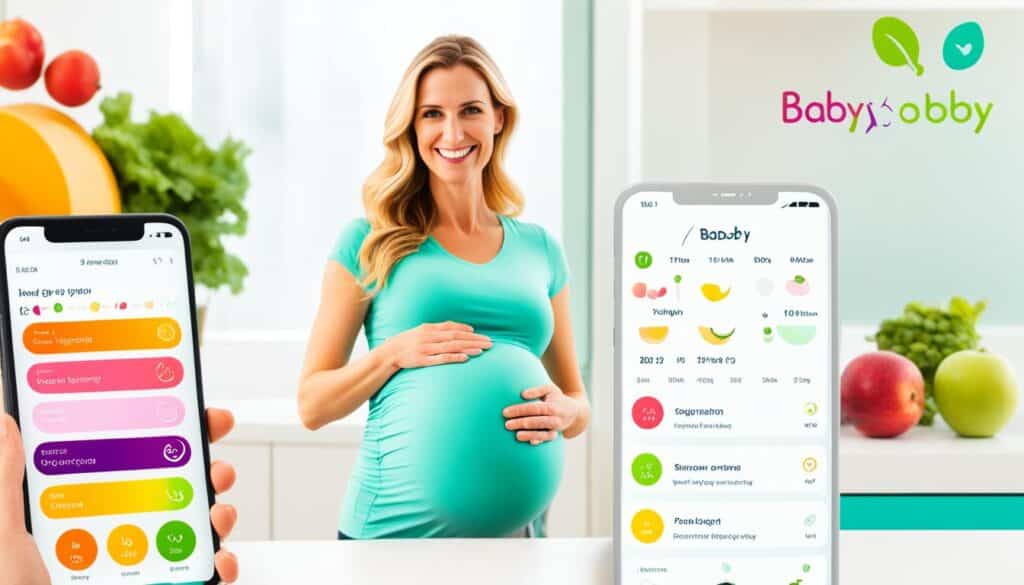
Baby2Body Pregnancy App

The Baby2Body app is a comprehensive pregnancy tracker that offers personalized guidance on fertility, baby development, pregnancy fitness, nutrition, and postpartum recovery. With Baby2Body, you’ll have all the tools you need for a healthy and balanced pregnancy.

The app features Bella, an AI wellness coach, who provides tailored guidance based on your individual needs, stage of pregnancy, and preferences. Bella will be there every step of the way, offering expert advice and support.

Baby2Body pregnancy app

Personalized Pregnancy Tracker

The Baby2Body app offers a personalized pregnancy tracker that provides detailed insights on the development of your baby and guidance for your specific needs. You’ll receive regular updates on your baby’s growth and milestones, allowing you to stay connected and informed throughout your pregnancy journey.

Pregnancy Fitness

Staying active during pregnancy is important for both your physical and mental well-being. The Baby2Body app includes curated workouts and exercise programs designed specifically for pregnancy. These workouts are safe and effective, helping you stay fit and healthy throughout your pregnancy.

Whether you’re a beginner or an experienced fitness enthusiast, the app offers a variety of workouts to suit your needs and fitness level. From prenatal yoga to strength training, you’ll find a range of exercises that you can easily incorporate into your daily routine.

With the Baby2Body app, you can track your progress, set fitness goals, and receive personalized recommendations to help you stay motivated and achieve optimal pregnancy fitness.

Take care of your body and enjoy a healthy and balanced pregnancy with the Baby2Body app.

Conclusion

Pregnancy nutrition apps are essential tools for tracking your health and maintaining a balanced diet during pregnancy. These apps provide personalized tracking, expert guidance, and workout programs to help you make informed choices for a healthy and balanced pregnancy.

Whether you choose the Fittur Pregnancy & Breast Feeding Food Tracker or the Baby2Body Pregnancy App, you can rely on these apps to support and guide you throughout your pregnancy journey. With features such as food and nutrition guidance, personalized tracking, and expert advice, these apps ensure optimal wellness for both you and your baby.

So, start your journey to a healthy pregnancy today by leveraging the power of pregnancy nutrition apps. They will assist you in tracking your health, monitoring your pregnancy diet, and providing the necessary support to ensure a smooth and healthy pregnancy.

FAQ

How can pregnancy nutrition apps help with tracking my health?

Pregnancy nutrition apps offer features such as food tracking, personalized pregnancy trackers, workout programs, and expert advice on nutrition and prenatal care. By using these apps, you can monitor your food intake, set targets, and reach your health goals, ensuring a balanced pregnancy diet and optimal wellness for both you and your baby.

What benefits does the Fittur Pregnancy & Breast Feeding Food Tracker provide?

The Fittur Pregnancy & Breast Feeding Food Tracker is a comprehensive app that guides your nutrition during pregnancy. It provides the right balance of nutrients for both the baby and the mother, helps maintain a healthy weight during pregnancy, and promotes postpartum weight loss. Features include food tracking, calorie counting, macro tracking, personalized meal plans, and the ability to set health goals.

What does the Baby2Body app offer for pregnancy tracking?

The Baby2Body app is a comprehensive pregnancy tracker that offers personalized guidance on fertility, baby development, pregnancy fitness, nutrition, and postpartum recovery. It features Bella, an AI wellness coach, who provides tailored guidance based on your individual needs, stage of pregnancy, and preferences. The app offers a personalized pregnancy tracker with detailed insights on your baby’s development and curated workout programs to help you stay active throughout your pregnancy.

What are the benefits of using pregnancy nutrition apps?

Pregnancy nutrition apps can be valuable tools for tracking your health and maintaining a balanced diet during pregnancy. With features such as personalized tracking, food and nutrition guidance, workout programs, and expert advice, these apps help you make informed choices for a healthy and balanced pregnancy. Whether you choose the Fittur Pregnancy & Breast Feeding Food Tracker or the Baby2Body Pregnancy App, these apps provide the support and guidance you need for optimal wellness for both you and your baby.

Source Links

Unlocking the Benefits of Fertility Massage in Your Journey to Conception

benefits of fertility massage

Imagine this: It’s been months of trying to conceive, and the stress and pressure are starting to take a toll on your mind and body. You’ve tried everything, from tracking ovulation to following a healthy diet, but nothing seems to be working. Feeling overwhelmed and desperate, you decide to explore alternative methods to boost your chances of pregnancy.

That’s when a friend mentions the benefits of fertility massage. Intrigued, you dive into research, reading about how this natural technique can provide pre-pregnancy relaxation and act as a conception aid. As you browse through success stories and positive experiences shared by women who have incorporated fertility massage into their routines, you can’t help but feel hopeful.

These anecdotes speak of more than just potential fertility benefits. They talk about practicing self-care, finding moments of peace amidst the chaos, and developing a deeper connection with their bodies. As you envision yourself experiencing the same, the notion of fertility massage becomes a beacon of hope in your conception journey.

While it’s important to remember that fertility massage is not a guaranteed method of conceiving and that you should consult with a healthcare professional if you’re struggling with infertility, there is no harm in exploring this natural approach. So, let’s unravel the research, safety, and techniques of self-fertility massages in the sections ahead, as we embark on this empowering journey together.

Understanding the Research and Safety of Self-Fertility Massages

While there is limited scientific research specifically on self-fertility massages, research indicates that general massage techniques can help reduce stress and anxiety, which are important factors in fertility. Infertility is often associated with high stress levels, and lifestyle modifications and natural stress relievers like massage may lead to reduced levels of stress, anxiety, and depression.

Self-fertility massages are generally considered safe, especially when focused on overall wellness and fertility. However, it is important to avoid these massages once pregnancy occurs and to consult with a healthcare professional before continuing general relaxation massages during pregnancy.

Research on Self-Fertility Massages Safety of Self-Fertility Massages
– Limited scientific research on self-fertility massages
– General massage techniques can reduce stress and anxiety in fertility
– Generally considered safe
– Avoid during pregnancy
– Consult healthcare professional for guidance

How to Perform a Self-Fertility Massage at Home

If you’re looking to enhance your fertility journey, performing a self-fertility massage at home can be a simple yet powerful practice. There are several techniques you can incorporate, including femoral massage, inguinal massage, and abdominal massage.

Femoral massage: This technique involves gently massaging the inner thighs to stimulate blood and lymph flow to the lower abdomen and reproductive organs. Start by applying light pressure and gradually increase as your comfort allows.

Inguinal massage: Focus on the femoral triangle in the groin area, applying gentle pressure to enhance circulation. This technique can help improve blood flow to the reproductive organs and promote overall pelvic health.

Abdominal massage: Lie on your back with your knees slightly bent. Use your hands to massage the sides and centerline of the waistline, promoting circulation and blood flow to the uterus and ovaries. Remember to apply gentle, rhythmic strokes and listen to your body’s response.

While performing self-fertility massages at home can offer relaxation and self-care, it’s essential to follow proper techniques and seek guidance from a trained therapist for more advanced methods like Maya Abdominal Massage. Additionally, during the menstrual cycle, you can dilute essential oils with a carrier oil and use them to help with mood and cramping, but avoid applying full-strength essential oils directly to the skin.

Remember, self-fertility massages should not be solely relied upon as the sole method for achieving pregnancy. Consulting with a healthcare professional is always recommended, especially if you’re experiencing fertility issues.

FAQ

What is fertility massage?

Fertility massage is a natural method that aims to improve circulation, relax the nervous system, relieve stress, and promote overall health and well-being in order to increase the chances of getting pregnant.

What techniques are involved in fertility massage?

Fertility massage involves various techniques such as relaxation or Swedish massage, reflexology, and acupressure.

Are there any scientific studies on the benefits of self-fertility massages?

While there is limited scientific research specifically on self-fertility massages, research indicates that general massage techniques can help reduce stress and anxiety, which are important factors in fertility.

What are the reported anecdotal benefits of fertility massage?

Many women have reported positive benefits, including a greater chance of success, practicing self-care, developing body awareness, relieving stress and anxiety, strengthening the mind-body connection, and improving circulation and lymph flow to the reproductive organs.

Is fertility massage a guaranteed method for conceiving?

No, fertility massage should not be seen as a guaranteed method of conceiving. Individuals struggling with infertility should consult with a doctor for appropriate medical guidance.

Are self-fertility massages safe?

Self-fertility massages are generally considered safe, especially when focused on overall wellness and fertility. However, it is important to avoid these massages once pregnancy occurs and to consult with a healthcare professional before continuing general relaxation massages during pregnancy.

How can I perform a self-fertility massage at home?

There are various techniques that can be used, including femoral massage, inguinal (groin) massage, and abdominal massage. Seek guidance from a trained therapist for more advanced techniques such as Maya Abdominal Massage.

Is it safe to use essential oils during a self-fertility massage?

Essential oils can be used during the menstrual cycle to help with mood and cramping. However, it is important to dilute them with a carrier oil and avoid using full-strength essential oils on the skin.

Can self-fertility massages guarantee pregnancy?

Self-fertility massages should not be relied upon as the sole method for achieving pregnancy. Consultation with a healthcare professional is recommended for individuals experiencing fertility issues.

Source Links

The Top Natural Fertility Supplements for a Healthy Conception Journey

natural fertility supplements

Imagine you and your partner have decided that now is the perfect time to start a family. Excitement fills the air as you begin envisioning nursery colors, baby names, and the joy of holding your little one in your arms. But as months pass by without a positive pregnancy test, doubts and concerns start to creep in. Is there something you could be doing differently?

When it comes to optimizing your reproductive health and increasing your chances of conceiving, there are several natural fertility supplements that can provide pre-pregnancy support. These supplements can improve your nutritional status, support egg quality, regulate hormones, and enhance overall fertility. Incorporating them into your daily routine may help you on your conception journey.

It’s important to note that the effectiveness of these supplements may vary depending on individual health needs and conditions. Therefore, it is recommended to consult with a healthcare professional to assess your unique needs and determine which supplements are suitable for you. However, we can explore some of the top natural fertility supplements backed by research and recommended by experts in women’s reproductive health.

In the following sections, we will delve into the best pre-pregnancy support supplements, including prenatal multivitamins and omega-3 supplements. These supplements can play a significant role in supporting your reproductive health and increasing your chances of conception. Let’s explore the options available to you and make informed decisions to support your journey towards parenthood.

Best Prenatal Multivitamin: Nature Made Prenatal + DHA

Nature Made Prenatal + DHA is a top pick for a prenatal multivitamin that supports fertility. This supplement provides essential nutrients for fertility and pregnancy, including vitamins A, C, D3, E, K, folate, B12, biotin, and minerals such as calcium, iron, iodine, magnesium, and zinc.

It also contains omega-3s DHA and EPA, which can help regulate hormones and improve fertility outcomes. Nature Made Prenatal + DHA is USP Verified, gluten-free, and does not contain any artificial flavors.

It is recommended to take one soft gel daily with water and a meal for optimal absorption.

Best Omega-3 Supplement: Nordic Naturals Ultimate Omega 2X

Nordic Naturals Ultimate Omega 2X is a recommended omega-3 supplement for fertility support. Omega-3 fatty acids, including EPA and DHA, are essential nutrients with antioxidant and anti-inflammatory properties that can improve sperm health, ovulation, and hormonal production.

This supplement provides 2150 milligrams of omega-3s, including 875 milligrams of DHA, which is crucial for cellular function and hormone production.

Nordic Naturals Ultimate Omega 2X is third-party tested for purity and potency and is non-GMO. It is recommended to take two soft gels daily with food or as directed by your healthcare professional.

It is important to note that omega-3 supplements, especially at high doses, may interact with certain medications and should be used under the guidance of a healthcare provider.

FAQ

Are natural fertility supplements effective in improving reproductive health?

Yes, natural fertility supplements can be beneficial in optimizing reproductive health and increasing the chances of conceiving. These supplements can improve nutritional status, support egg quality, regulate hormones, and enhance overall fertility. However, the effectiveness may vary depending on individual health needs and conditions.

Should I consult a healthcare professional before taking fertility supplements?

It is recommended to consult with a healthcare professional before starting any fertility supplement regimen. They can assess your unique needs and determine which supplements are suitable for you based on your health history and current health condition.

What is Nature Made Prenatal + DHA and why is it recommended for fertility support?

Nature Made Prenatal + DHA is a top pick for a prenatal multivitamin that supports fertility. It provides essential nutrients for fertility and pregnancy, including vitamins A, C, D3, E, K, folate, B12, biotin, and minerals such as calcium, iron, iodine, magnesium, and zinc. It also contains omega-3s DHA and EPA, which can help regulate hormones and improve fertility outcomes.

How should I take Nature Made Prenatal + DHA?

It is recommended to take one soft gel of Nature Made Prenatal + DHA daily with water and a meal for optimal absorption.

What is Nordic Naturals Ultimate Omega 2X and how does it support fertility?

Nordic Naturals Ultimate Omega 2X is a recommended omega-3 supplement for fertility support. It provides omega-3 fatty acids, including EPA and DHA, which have antioxidant and anti-inflammatory properties. These nutrients can improve sperm health, ovulation, and hormonal production, enhancing fertility.

How should I take Nordic Naturals Ultimate Omega 2X?

It is recommended to take two soft gels of Nordic Naturals Ultimate Omega 2X daily with food or as directed by your healthcare professional.

Are there any precautions when taking omega-3 supplements?

Yes, omega-3 supplements, especially at high doses, may interact with certain medications. It is important to use these supplements under the guidance of a healthcare provider.

Source Links

Exploring the Link Between Gluten-Free Diets and Fertility

gluten free diet fertility

Did you know that the food you eat could have an impact on your fertility? It’s true, and one particular dietary factor that has garnered attention is gluten. But what exactly is the relationship between a gluten-free diet and fertility? Let’s delve into the science behind it.

Meet Sarah, a 35-year-old woman who had been trying to conceive for over a year without success. She and her partner were puzzled as to why they couldn’t get pregnant, especially since they were both in good health. Sarah decided to do some research and stumbled upon a discussion about gluten intolerance and its potential effects on fertility.

Curiosity piqued, Sarah began to delve deeper into the topic. She learned that undiagnosed celiac disease, a condition where the body cannot tolerate gluten, could be the culprit behind unexplained infertility. Studies have shown that celiac disease may be the cause of infertility in 3.5% of women and is a contributing factor to unexplained infertility in 5.9% of women.

Understanding the significance of these findings, Sarah decided to undergo testing for celiac disease. To her surprise, the results came back positive. Sarah now had a possible explanation for her fertility struggles.

Unbeknownst to Sarah, she had been living with undiagnosed celiac disease for years, which can often go unnoticed due to its varied and often non-specific symptoms. The condition can lead to an array of health problems, making it crucial to identify and address.

But what does gluten have to do with fertility? Gluten, a protein found in wheat, barley, and rye, can cause inflammation in the digestive system of individuals with celiac disease or gluten intolerance. This chronic inflammation can signal to the body that it’s not an optimal time for pregnancy, affecting fertility.

Additionally, nutritional deficiencies can result from inflammation in the small intestine, leading to inadequate nutrient absorption. Protein, fats, zinc, vitamin D, iron, and selenium are commonly deficient in individuals with celiac disease or gluten intolerance, further impacting fertility.

Through her research, Sarah discovered that many women with infertility had seen improved success rates with fertility treatments after removing gluten from their diets. Intrigued, she wondered if a gluten-free diet might be the key to realizing her dream of becoming a mother.

Little did Sarah know that embarking on a gluten-free journey could potentially transform her fertility prospects. In the next section, we will explore how gluten intolerance affects fertility in more detail and discover the various mechanisms at play.

How Gluten Intolerance Affects Fertility

Chronic inflammation, nutritional deficiencies, gut dysbiosis, and autoimmunity are key factors that highlight how gluten intolerance can impact fertility.

Chronic inflammation, triggered by gluten intolerance and celiac disease, can disrupt the delicate balance necessary for successful conception. This inflammatory response signals to the body that it’s not an optimal time to become pregnant.

The inflammation in the small intestine caused by gluten intolerance can also lead to nutritional deficiencies. Protein, fats, zinc, vitamin D, iron, and selenium are crucial nutrients that may be poorly absorbed, affecting overall reproductive health.

Gut dysbiosis, characterized by an imbalance of gut flora, can contribute to fertility problems. It can disrupt the healthy vaginal flora, creating an environment that is less conducive to conception.

Celiac disease, being an autoimmune condition, can disrupt the body’s tolerance to foreign cells, including sperm and the developing baby. This immune dysregulation can further impact fertility outcomes.

Hypothyroidism, which is associated with celiac disease, can also interfere with fertility. The thyroid plays a crucial role in regulating hormones essential for conception.

Addressing these underlying issues is vital for improving fertility outcomes. Adopting a gluten-free diet can alleviate chronic inflammation, resolve nutritional deficiencies, and promote a healthier gut environment.

Quotes:

“Chronic inflammation caused by gluten intolerance can hinder the body’s readiness for pregnancy. By reducing this inflammation through a gluten-free diet, fertility can be restored.” – Dr. Sarah Thompson, Gastroenterologist

The Impact of a Gluten-Free Diet on Fertility:

Further research is needed to fully understand the impact of a gluten-free diet on fertility. However, anecdotal evidence and limited studies suggest that removing gluten from the diet can lead to improvements in fertility and conception.

A gluten-free diet has been shown to benefit women with undiagnosed celiac disease who experienced fertility issues. By removing gluten from their diets, these women saw significant improvements in their ability to conceive.

While case studies have documented successful pregnancies after adopting a gluten-free diet, more comprehensive studies are required to establish a definitive causal relationship between gluten-free diets and fertility outcomes.

Effects of Gluten Intolerance on Fertility Potential Solutions
Chronic inflammation disrupts fertility signals Adopt a gluten-free diet to reduce inflammation and improve hormonal balance
Nutritional deficiencies impact reproductive health Focus on nutrient-dense, gluten-free foods and consider supplementation if necessary
Gut dysbiosis affects vaginal flora Optimize gut health through probiotics, prebiotics, and a gluten-free diet
Celiac disease compromises immune tolerance Eliminate gluten from the diet and manage autoimmune symptoms
Associated hypothyroidism disrupts hormonal balance Monitor thyroid function and consult with a healthcare professional for optimal management

While a gluten-free diet may not be a guaranteed solution for all fertility challenges, it is a proactive step individuals with gluten intolerance can take to support their reproductive health. Consulting with healthcare professionals who specialize in autoimmune conditions and fertility can provide personalized guidance and support.

The Impact of a Gluten-Free Diet on Fertility

Women with infertility are 3.5 times more likely to have celiac disease, a condition that causes gluten intolerance, and those with unexplained infertility are at an even higher risk. However, there is promising evidence that adopting a gluten-free diet may improve fertility outcomes for these individuals.

Reports have shown that women with undiagnosed celiac disease who start a gluten-free diet experience improvements in fertility and conception. While further research is needed to establish a definitive causal relationship, case studies have documented successful pregnancies among women after adopting a gluten-free diet.

It is important to note that individuals with known celiac disease who are already on a gluten-free diet do not appear to have a higher risk of infertility. However, the specific effects of a gluten-free diet on pregnancy outcomes and the success of fertility treatments require further study.

Despite the limited evidence, many healthcare professionals recommend a gluten-free diet as a potential intervention for fertility issues related to gluten intolerance. Removing gluten from the diet is a relatively easy and affordable step, and it may offer benefits in improving fertility for those struggling with the condition.

FAQ

Can undiagnosed celiac disease cause infertility?

Yes, undiagnosed celiac disease may be the cause of infertility in a significant number of women. It is estimated that it may result in infertility in 3.5% of women and unexplained infertility in 5.9% of women.

How does gluten intolerance affect fertility?

Gluten intolerance, which is more common than celiac disease, can also cause fertility issues. Chronic inflammation caused by gluten intolerance can interfere with fertility by signaling to the body that it’s not a good time to conceive. Additionally, the nutritional deficiencies caused by inflammation in the small intestine can further impact fertility.

Can a gluten-free diet improve fertility?

Yes, a gluten-free diet has been reported to improve fertility outcomes in women with undiagnosed celiac disease. Removing gluten from the diet can help reduce inflammation, address nutritional deficiencies, and optimize gut health, all of which can contribute to improved fertility. However, more research is needed to establish a definitive causal relationship between a gluten-free diet and fertility.

Are individuals with celiac disease at a higher risk of infertility?

Women with celiac disease have a higher risk of infertility compared to the general population. They are 3.5 times more likely to have celiac disease. However, individuals with known celiac disease who are already on a gluten-free diet do not appear to have a higher risk of infertility.

Is there scientific evidence supporting the link between a gluten-free diet and improved fertility?

While there is limited evidence, many healthcare professionals recommend a gluten-free diet as a potential intervention for fertility issues related to gluten intolerance. Case studies have shown successful pregnancies after starting a gluten-free diet. However, further research is needed to establish the specific effects of a gluten-free diet on pregnancy outcomes and the success of fertility treatments.

Enhancing Fertility with Natural Supplements: What Works

Natural Fertility Supplements

You and your partner have been trying to conceive for some time now. You’ve gone through countless ovulation tests, timing your intimacy just right, and you’ve even tried various fertility apps. But so far, no luck.

Feeling frustrated and discouraged, you begin to wonder if there’s anything else you could be doing to boost your chances of conceiving. That’s when you come across the idea of using natural supplements to enhance fertility.

Curiosity piqued, you dive into research and discover that there is indeed a growing body of evidence suggesting that certain natural supplements can support fertility. These supplements, made from natural ingredients, aim to provide your body with the extra nutrients it needs to optimize reproductive function.

But you’re not one to jump blindly into fads or trends. You want to know what works, what’s safe, and what’s backed by science. That’s why we’re here to guide you through the world of natural fertility supplements and explore what really works to enhance your chances of conceiving.

Join us as we delve into the role of micronutrients in fertility, the potential benefits of other fertility supplements, and the importance of maintaining a well-balanced diet. We’ll provide you with the information you need to make informed decisions about whether incorporating natural supplements into your fertility journey is right for you.

The Role of Micronutrients in Fertility

Micronutrients, including vitamins and minerals, play vital roles in conception and pregnancy. Low levels of vitamin B12, vitamin B6, vitamin D, and other micronutrients have been associated with infertility in females. Folic acid, an essential nutrient, is known to prevent birth defects and has been linked to higher pregnancy rates when taken in higher doses. Vitamin B12 and vitamin B6 are important for maintaining safe levels of homocysteine, and deficiency in these vitamins may lead to miscarriage and poor embryo quality in IVF treatments. Vitamin D supplementation has also shown potential in improving fertility in both males and females, especially in women with polycystic ovary syndrome (PCOS).

To emphasize the importance of micronutrients in fertility, here is a table summarizing the key micronutrients and their roles:

Micronutrient Role in Fertility
Vitamin B12 Crucial for maintaining safe levels of homocysteine and preventing miscarriage and poor embryo quality
Vitamin B6 Important for maintaining safe levels of homocysteine and supporting optimal reproductive function
Vitamin D May improve fertility in both males and females, especially in women with PCOS
Folic Acid Prevents birth defects and has been linked to higher pregnancy rates when taken in higher doses

It is important to maintain a well-balanced diet that includes foods rich in these micronutrients. However, in some cases, supplementation may be necessary to address any nutrient deficiencies. Consult with your healthcare provider to determine if supplementation is needed and to ensure the supplements are safe and appropriate for your individual needs.

The Potential Benefits of Other Fertility Supplements

While the use of certain fertility supplements is still being researched, there is some evidence to suggest their potential benefits. Here are some key supplements that have shown promise in supporting fertility:

1. Coenzyme Q10

Coenzyme Q10

Coenzyme Q10, an antioxidant, may help reduce oxidative stress and improve fertility in both males and females. Oxidative stress can damage reproductive cells and potentially impact fertility. Coenzyme Q10 helps neutralize harmful free radicals, protecting reproductive cells from damage and supporting healthy sperm and egg quality. Consult with a healthcare provider to determine the appropriate dosage and formulation.

2. Selenium

Selenium is a trace mineral that plays a role in fertility. It acts as an antioxidant and supports the production of healthy sperm and eggs. Selenium supplementation may have protective effects on female fertility and improve the chances of successful conception. However, it’s important to consume selenium within recommended limits as excessive intake can be harmful. Consult with a healthcare provider to determine the appropriate selenium intake for your specific needs.

3. Prenatal Multivitamins

Prenatal multivitamins are recommended for women trying to conceive to replenish nutrient levels and improve the overall reproductive environment. These multivitamins contain a combination of essential vitamins and minerals, such as folic acid, iron, and calcium, which are crucial for optimal reproductive health. They help ensure that the body has all the necessary nutrients for healthy conception and pregnancy. It’s important to choose a high-quality prenatal multivitamin and consult with a healthcare provider for personalized recommendations.

4. Evening Primrose Oil

Evening primrose oil is often marketed as a fertility supplement, but the evidence for its effectiveness is mixed. While some studies suggest that it may have potential benefits for cervical mucus production and hormone regulation, more research is needed to validate these claims. Before considering evening primrose oil as a fertility supplement, consult with a healthcare provider to assess its suitability for your specific situation.

5. Vitex

Vitex, also known as chaste tree berry, is another supplement commonly used for supporting fertility. It is believed to have hormonal balancing effects and may help regulate menstrual cycles. However, the scientific evidence supporting the use of vitex as a fertility supplement is limited and inconsistent. Consult with a healthcare provider before incorporating vitex into your fertility regimen.

Remember, it’s important to consult with a healthcare provider before starting any fertility supplement to ensure safety and effectiveness. Each individual’s needs and circumstances are unique, and a healthcare professional can provide personalized guidance on which supplements may be beneficial for you.

Conclusion

Enhancing fertility with natural supplements is a topic of great interest for individuals who are trying to conceive. While nutrition and supplementation can play a role in supporting fertility, it’s important to acknowledge that the use of fertility supplements is still an emerging field, requiring further research to determine their effectiveness.

To boost fertility, it is recommended to prioritize a well-balanced diet that includes whole grains, healthy fats, fruits, vegetables, and lean proteins. Addressing any nutrient deficiencies through dietary changes or supplementation, if necessary, is also crucial. However, it is essential to consult with a healthcare provider to ensure that any fertility supplements you consider are safe and suitable for your specific needs.

Keep in mind that fertility supplements should not replace standard care for fertility and should be used in conjunction with medical guidance and support. While the potential benefits of certain supplements like Coenzyme Q10, folic acid, and vitamin D show promise, it is important to approach them with caution and not solely rely on them as the sole means to improve fertility.

By maintaining a healthy lifestyle, seeking medical advice, and staying informed about the latest research in the field of fertility supplements, you can make well-informed decisions in your journey towards improving fertility and increasing your chances of conceiving.

FAQ

Are natural supplements effective in enhancing fertility?

The effectiveness of natural supplements in enhancing fertility is still under investigation. While some supplements show promise, it’s important to consult with a healthcare provider before starting any fertility supplement.

Which micronutrients play a role in fertility?

Micronutrients like vitamin B12, vitamin B6, and vitamin D are important for fertility. Low levels of these micronutrients have been associated with infertility in females.

Can folic acid improve fertility?

Folic acid, an essential nutrient, is known to prevent birth defects and has been linked to higher pregnancy rates when taken in higher doses.

How do vitamin B12 and vitamin B6 affect fertility?

Vitamin B12 and vitamin B6 are important for maintaining safe levels of homocysteine. Deficiency in these vitamins may lead to miscarriage and poor embryo quality in IVF treatments.

Is vitamin D supplementation helpful for fertility?

Vitamin D supplementation has shown potential in improving fertility in both males and females, especially in women with polycystic ovary syndrome (PCOS).

Do fertility supplements like Coenzyme Q10 and selenium have any benefits?

Coenzyme Q10, as an antioxidant, may help reduce oxidative stress and improve fertility in both males and females. Selenium, as a trace mineral, plays a role in fertility and supplementation may have protective effects on female fertility.

Are prenatal multivitamins recommended for fertility?

Yes, prenatal multivitamins are recommended for women trying to conceive to replenish nutrient levels and improve the overall reproductive environment.

Are evening primrose oil and vitex effective as fertility supplements?

Evening primrose oil and vitex have mixed evidence and lack sufficient research to support their use as fertility supplements. It’s important to consult with a healthcare provider before starting any supplement.

Should fertility supplements replace standard care for fertility?

No, fertility supplements should not replace standard care for fertility. They should be used in conjunction with medical guidance and support.

Source Links

Postpartum Hair Care: Tips for Managing Hair Changes After Pregnancy

postpartum hair care

Postpartum hair loss is a common occurrence that many new mothers experience after giving birth. It can be quite alarming to see clumps of hair falling out, but rest assured, it is a temporary phase that usually resolves on its own within a year.

To help you manage the hair changes that come with postpartum, we have compiled a list of tips and strategies to keep your locks healthy and beautiful. But before we dive into that, let me share a relatable story with you.

Meet Sarah. She is a new mom who recently gave birth to a beautiful baby girl. Like many new moms, Sarah was thrilled about motherhood but was not prepared for the changes her body would go through.

One day, while Sarah was taking a shower, she noticed that her hair was falling out more than usual. She panicked and wondered if something was wrong. She immediately called her doctor, who reassured her that postpartum hair loss is a normal part of the journey.

Relieved, Sarah decided to take matters into her own hands and started researching postpartum hair care. She discovered that there are various ways to manage hair changes during this phase and promote hair regrowth.

With a newfound determination, Sarah started incorporating these tips into her daily routine. She focused on nourishing her body with a healthy diet and added prenatal vitamins to her regimen. She was gentle with her hair, shampooing only when necessary and using a wide-toothed comb to prevent unnecessary breakage.

And guess what? Sarah’s efforts paid off. Gradually, she noticed her hair becoming healthier and fuller. She regained her confidence and embraced her postpartum beauty.

Now, it’s your turn to take charge of your postpartum hair. Let’s explore some effective tips and strategies to manage hair changes and promote hair health during this transformative time. And remember, you are not alone in this journey.

Understanding Postpartum Hair Changes: Causes and Effects

During pregnancy, your body goes through significant hormonal changes that can affect the growth and loss of your hair. One of the key hormones involved is estrogen. Elevated levels of estrogen during pregnancy prevent the normal shedding of hair, resulting in thicker and more voluminous locks.

However, after giving birth, your hormone levels start to return to normal, and this is when the delayed shedding of hair occurs. This phenomenon, often referred to as postpartum hair loss, affects approximately 40-50% of women and typically peaks around the 4-month mark postpartum. It is a natural and temporary process, usually resolving on its own within a year.

While you cannot prevent postpartum hair loss entirely, there are treatments and strategies that can support hair health during this time. Here are some tips to consider:

  1. Get regular haircuts: Trimming your hair regularly can help hide thinning areas and create the illusion of more volume.
  2. Gently detangle hair: Before showering, use a wide-toothed comb or your fingers to gently detangle your hair. This can help reduce the amount of hair loss in the drain.
  3. Use hair products with natural DHT blockers: DHT (dihydrotestosterone) is a hormone that contributes to hair loss. Look for hair products that contain natural DHT blockers like saw palmetto or stinging nettle.
  4. Implement a scalp care routine: Nourishing your scalp with oils and natural DHT blockers can help promote hair growth and reduce hair loss.
  5. Protect your hair: Avoid tight hairstyles that can pull on your hair and use hair-friendly accessories like silk scrunchies to minimize breakage.
  6. Maintain a healthy diet: Eating a balanced diet rich in nutrients like vitamins A, C, E, and Biotin can support hair growth.

Remember, postpartum hair loss is a common experience, and while it can be frustrating, it is temporary. By following these tips and giving your hair the care it needs, you can support your postpartum hair journey and maintain healthy hair growth.

Understanding DHT Blockers

DHT blockers are substances that work to inhibit the production or action of dihydrotestosterone (DHT) in the body. DHT is a hormone that can contribute to hair loss, particularly in individuals with a genetic susceptibility to androgenic alopecia. By blocking DHT, these substances help to prevent or slow down hair loss and promote hair growth. Natural DHT blockers, such as saw palmetto and stinging nettle, are often used in haircare products targeted towards managing hair loss and promoting healthier, fuller hair.

Taking Care of Your Postpartum Hair: Tips and Strategies

Taking care of your hair during the postpartum period is essential for managing hair changes and supporting hair health. Establishing a hair care routine can help maintain the appearance of fuller and healthier hair.

One important aspect of your routine is to avoid excessive heat styling. Instead, opt for air-drying methods to minimize damage and preserve hair health. Additionally, using a volumizing shampoo can add body and thickness to your hair, boosting its overall appearance.

Incorporating natural DHT-blocking hair products into your routine can also be beneficial. Ingredients like Saw Palmetto or Stinging Nettle can help prevent hair loss by targeting the hormone DHT, which is often associated with hair thinning.

Practicing good scalp care is another essential component of postpartum hair care. Regular massages and the use of scalp oils can improve blood circulation and nourish the hair follicles, promoting healthier hair growth.

It’s also important to protect your hair from daily damage. Avoid tight hairstyles that can cause tension and breakage, and opt for hair-friendly accessories like silk scrunchies to minimize friction and prevent damage.

Lastly, maintaining a balanced diet is crucial for supporting hair growth. Make sure to include essential nutrients like vitamins A, C, and E, as well as biotin and iron. These nutrients can promote strong and healthy hair from within.

Remember, postpartum hair loss is a common experience, but it is temporary and will resolve on its own. By implementing these tips and strategies into your hair care routine, you can support your postpartum hair and manage the changes that occur after pregnancy. Taking care of your hair is an act of self-care and self-love, allowing you to feel confident and beautiful during this transformative time in your life.

FAQ

What is postpartum hair loss?

Postpartum hair loss, also known as hair loss after pregnancy, is a common phenomenon where women experience a sudden shedding of hair in the six months following childbirth. This occurs as hormone levels return to normal after pregnancy, causing the excess hair that was preserved during pregnancy to shed.

Is postpartum hair loss a cause for concern?

No, postpartum hair loss is a natural and temporary process that resolves on its own within a year. It is not a cause for concern, but rather a normal part of the hair growth cycle.

Are there any strategies to manage postpartum hair loss?

Yes, there are several tips and strategies that can help manage hair changes and loss during the postpartum period. These include maintaining a healthy diet and taking prenatal vitamins, being gentle with your hair by shampooing only when necessary and using a wide-toothed comb, choosing hair accessories that do not cause tension or pull on the hair, avoiding heat styling tools, and postponing chemically based hair treatments.

What should I do if I experience excessive hair loss after pregnancy?

If you experience excessive hair loss accompanied by other symptoms, it is important to consult with your healthcare provider as it could be a sign of postpartum thyroiditis. They can provide further guidance and help determine the cause of your hair loss.

Can regular haircuts help hide thinning hair during postpartum hair loss?

Yes, getting regular haircuts can help hide thinning hair and create the illusion of volume. A professional hairstylist can provide guidance on suitable hairstyles and cuts that are flattering for your hair during this time.

How can I reduce hair loss in the shower during postpartum hair loss?

To reduce hair loss in the shower, it is advisable to gently detangle your hair before washing it. This can be done using a wide-toothed comb or your fingers to remove any tangles or knots. Additionally, using a drain cover can help trap any hair that does shed during the washing process.

Are there any specific hair products that can help prevent postpartum hair loss?

There are hair products available that contain natural DHT blockers, such as Saw Palmetto or Stinging Nettle, which can help prevent hair loss. These products can be incorporated into your hair care routine to support hair health during the postpartum period.

How can I take care of my scalp during postpartum hair loss?

Taking care of your scalp is essential for supporting healthy hair growth. You can incorporate a scalp care routine by massaging nourishing oils into your scalp, such as coconut oil or castor oil, to stimulate blood flow and promote hair growth. Additionally, using scalp-specific products that contain natural DHT blockers can help maintain a healthy scalp environment.

What hairstyles should I avoid during postpartum hair loss?

It is advisable to avoid tight hairstyles that put tension on the hair follicles, as they can contribute to hair breakage and loss. Opt for loose hairstyles and gentle updos or use hair-friendly accessories like silk scrunchies to minimize hair damage.

How does diet affect postpartum hair health?

Maintaining a balanced diet that includes essential nutrients for hair growth can support postpartum hair health. Incorporate foods rich in vitamins and minerals such as biotin, iron, zinc, and vitamins A, C, and E. Foods like eggs, nuts, leafy greens, and fruits can help provide these essential nutrients.