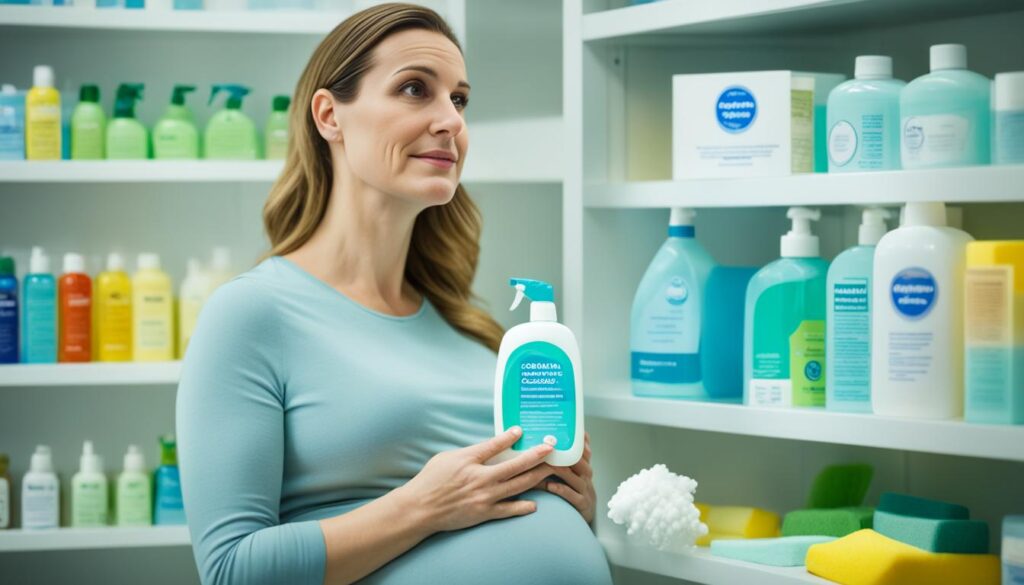
Breathing Easy: Ensuring Healthy Air Quality During Pregnancy

pregnancy and air quality

Imagine this: You’re expecting a baby, and you’re eagerly embarking on the beautiful journey of motherhood. You’ve made all the necessary preparations – the nursery is ready, the baby clothes are neatly folded, and the toys are waiting to be played with. But amidst the excitement, have you considered the quality of the air you and your baby are breathing?

Research has shown that air pollution can have serious consequences for both pregnant women and their unborn babies. The environment we live in plays a significant role in our overall health, and this is especially true during pregnancy. Exposure to air pollution during this critical time can lead to a range of adverse outcomes, including premature birth, low birth weight, gestational diabetes, and even an increased risk of autism and asthma in babies.

That’s why it’s crucial to pay attention to the air you breathe and take steps to ensure a healthy environment for yourself and your baby. In this article, we will explore the link between pregnancy and air quality, understand the risks associated with air pollution during pregnancy, and provide practical tips to protect yourself and your baby from the harmful effects of poor air quality.

The Link Between Air Pollution and Pregnancy Risks

Multiple studies have established a strong connection between air pollution and various pregnancy complications, posing significant health risks for both the mother and the baby.

Exposure to pollutants like nitrogen oxide and sulfur dioxide has been linked to an increased risk of preterm labor. Preterm labor can have severe consequences, including low birth weight, underdeveloped lungs, and even the death of the baby during or shortly after birth.

Poor air quality has also been found to be correlated with stillbirth, especially during the third trimester of pregnancy. This alarming association highlights the critical importance of addressing air pollution to safeguard the well-being of both the mother and the baby.

Furthermore, exposure to air pollution during pregnancy can result in low birth weight, which is associated with an elevated risk of developmental delays and various health issues in the baby. It is crucial to understand that the harmful effects of air pollution can have long-lasting implications for the child’s health and development.

Pregnant women exposed to high levels of airborne particulate matter, particularly during the third trimester, have been found to have a higher risk of giving birth to an autistic child. This connection between air pollution and autism underscores the need for comprehensive measures to reduce exposure to pollutants and protect the health of both the mother and the baby.

Poor air quality during pregnancy also poses health risks for the mother. It has been associated with an increased likelihood of developing pregnancy-related complications such as preeclampsia and high blood pressure. These conditions not only endanger the mother’s health but can also have detrimental effects on the baby.

In light of these findings, it is clear that addressing air pollution is essential to mitigate the risks and promote healthy pregnancies. By understanding the link between air pollution and pregnancy complications, we can take proactive steps to minimize exposure and protect the well-being of both mothers and babies.

Protecting Yourself and Your Baby From Air Pollution

While it may be challenging to control outdoor air pollution, there are measures you can take to maintain excellent indoor air quality and reduce exposure to air pollution.

One effective step is to check the air quality index and stay indoors during periods of low air quality to minimize exposure. Additionally, quitting smoking and banning smoking in your home is crucial, as secondhand smoke can be harmful to both you and your baby’s health.

Being mindful of the products you use in your household is also essential to prevent introducing contaminants into the air. Opt for safer alternatives to reduce chemical exposure. Furthermore, using vent hoods when cooking, regularly checking for mold, and installing carbon monoxide detectors will help improve indoor air quality.

An air purifier with a HEPA 13 filter can be a valuable investment, as it effectively filters harmful substances and provides cleaner air for you and your baby. Additionally, to further reduce the risk, avoid unnecessary exposure to polluted areas and seek out green spaces with low levels of air pollution.

By taking these precautions and prioritizing indoor air quality, you can help ensure a healthier environment for yourself and your baby during pregnancy.

FAQ

What are the risks of air pollution during pregnancy?

Exposure to air pollution during pregnancy can lead to various complications, including premature birth, low birth weight, elevated blood pressure, gestational diabetes, and an increased risk of autism and asthma in babies.

How does air pollution affect pregnancy?

Air pollution during pregnancy has been linked to an increased risk of preterm labor, stillbirth, low birth weight, and developmental delays in babies. It can also contribute to pregnancy-related complications in the mother, such as preeclampsia and high blood pressure.

What can I do to reduce exposure to air pollution during pregnancy?

To minimize your exposure to air pollution, check the air quality index and stay indoors during periods of poor air quality. Quit smoking and avoid secondhand smoke. Use safer household products, cook with vent hoods, check for mold regularly, and install carbon monoxide detectors. Consider investing in an air purifier with a HEPA 13 filter. Also, try to avoid polluted areas and spend time in green spaces with low levels of air pollution.

How does air pollution contribute to preterm labor?

Exposure to pollutants like nitrogen oxide and sulfur dioxide has been found to increase the risk of preterm labor. Preterm labor can result in low birth weight, underdeveloped lungs, and even the death of the baby during or shortly after birth.

Does air pollution during pregnancy increase the risk of stillbirth?

Yes, poor air quality, particularly during the third trimester, has been associated with a higher risk of stillbirth.

Can air pollution affect the development of the baby’s brain?

Yes, pregnant women exposed to high levels of airborne particulate matter, especially during the third trimester, have been found to have a higher risk of having an autistic child. Air pollution can impact the development of the baby’s brain and increase the risk of developmental delays and health issues.

Source Links

Cardio for Expectant Mothers: Safe Prenatal Workouts

Prenatal cardio workouts

When it comes to maintaining a healthy lifestyle during pregnancy, staying active is key. Incorporating safe and effective prenatal workouts into your routine can help you feel great and support your overall well-being. One popular form of exercise for expectant mothers is cardio workouts, which provide numerous benefits for both you and your baby.

Picture this: It’s a beautiful morning, and you lace up your sneakers to head out for a brisk walk. As you step outside, the cool breeze gently brushes against your face, and you can’t help but feel a surge of energy. This is your time to focus on yourself, to connect with your body and your growing baby.

During your walk, you start to notice your heart rate gradually increasing, and your breathing becomes a bit deeper. As you stride along, you can feel the tension in your muscles melting away, and a sense of calm washes over you. You’re not just taking care of yourself; you’re nurturing the life growing within you.

Engaging in prenatal cardio workouts, such as walking, swimming, or low-impact aerobics, can help improve your cardiovascular fitness, maintain a healthy weight, and boost your mood. These exercises are designed to be safe for expectant mothers and can be easily modified to accommodate your changing body.

As with any exercise during pregnancy, it’s essential to consult your healthcare provider before starting a new fitness routine. They can provide personalized guidance based on your unique circumstances and ensure that you are engaging in safe workouts that align with your health and pregnancy goals.

In the upcoming sections, we will explore the safety of exercising during pregnancy, recommended guidelines for prenatal workouts, and some of the best cardio exercises for expectant mothers. So let’s dive in and discover how you can stay fit and healthy throughout your pregnancy journey!

Is it Safe to Exercise During Pregnancy?

Many expectant mothers wonder whether it is safe to exercise during pregnancy. The good news is that, for most healthy pregnant women, exercise does not increase the risk of complications such as miscarriage, premature birth, or low birthweight. In fact, regular exercise during pregnancy can have numerous benefits for both the mother and baby.

It is important to consult with your healthcare provider to determine if exercising during pregnancy is safe for you. They can assess your individual circumstances and provide tailored advice based on your medical history and current pregnancy.

Regular physical activity during pregnancy can help keep your mind and body healthy. Exercise is known to manage stress, improve sleep, and boost overall mood and well-being. Additionally, it may reduce the risk of developing gestational diabetes and preeclampsia, both of which can have serious implications for pregnancy and childbirth.

“Exercise during pregnancy can have numerous benefits for both the mother and baby.”

While it is generally safe to exercise during pregnancy, it is important to listen to your body and make modifications as needed. Pay attention to any discomfort or pain and adjust your activities accordingly. Engaging in low-impact exercises that are gentle on the joints, such as swimming, walking, and prenatal yoga, can be especially beneficial.

Below is a table summarizing the various risks and benefits associated with exercising during pregnancy.

Risks Benefits
Miscarriage No increased risk Improved mood and well-being
Premature birth No increased risk Reduced risk of gestational diabetes
Low birthweight No increased risk Improved sleep quality

How Much Exercise Do You Need During Pregnancy?

Exercise is an important aspect of maintaining a healthy pregnancy. It not only benefits your physical well-being but also contributes to your emotional and mental health. According to exercise guidelines during pregnancy, healthy pregnant women should aim for at least 2½ hours of moderate-intensity aerobic activity per week.

When we talk about moderate-intensity activities, we mean exercises that make you breathe faster, sweat, and increase your heart rate. It’s important to choose activities that are safe and comfortable for you.

In order to meet the recommended exercise guidelines during pregnancy, it’s advisable to break up your exercise into shorter sessions throughout the week. For example, you can aim for 30 minutes of exercise on most or all days. If finding the time or energy to exercise for 30 minutes at once is challenging, you can split it into three 10-minute sessions.

It’s crucial to listen to your body and avoid overexertion. Pregnancy is a time of many changes, and what felt comfortable before may not be suitable now. If an activity feels too strenuous, it’s important to modify or stop. Remember, the goal is to stay active and maintain a level of fitness that feels good for you and your baby.

exercise guidelines during pregnancy

Key Guidelines for Exercise During Pregnancy:

  • Aim for at least 2½ hours of moderate-intensity aerobic activity per week.
  • Choose activities that make you breathe faster, sweat, and increase your heart rate.
  • Break up your exercise into shorter sessions throughout the week.
  • Listen to your body and avoid overexertion.

Recommended Safe Prenatal Cardio Workouts

When it comes to staying active during pregnancy, cardio exercises can provide numerous benefits for both you and your baby. Here are some safe and effective prenatal cardio workouts to consider:

Swimming: Swimming is a fantastic cardiovascular exercise for expectant mothers. The water’s buoyancy supports your weight, reducing strain on your joints. It’s a low-impact activity that provides a full-body workout.

Walking: Walking is a simple and accessible exercise that can be done throughout your entire pregnancy. It doesn’t require any special equipment and can easily be incorporated into your daily routine. Whether you choose to stroll around your neighborhood or opt for a brisk walk at the gym, it’s a great way to get your heart pumping.

Yoga: Prenatal yoga classes can help you improve flexibility, strength, and relaxation techniques. It focuses on gentle movements and modified poses that are safe for expectant mothers. However, it’s important to ensure that the instructor is aware of your pregnancy and can guide you accordingly.

Low-Impact Aerobics: Low-impact aerobics, such as using an elliptical machine or stationary bike, are gentle on the joints while still providing an effective cardio workout. These exercises can help you maintain your fitness level and keep your heart healthy during pregnancy.

Remember, personalized guidance from your healthcare provider is crucial when incorporating any exercise routine during pregnancy. They can provide specific recommendations based on your individual circumstances and help you stay on track for a safe and healthy pregnancy.

FAQ

Is it safe to exercise during pregnancy?

Yes, most pregnant women can safely engage in exercise without increasing the risk of complications or harm to the baby. However, it’s essential for healthy pregnant women to consult their healthcare provider about the safety of exercising during pregnancy.

How much exercise do you need during pregnancy?

It is recommended for healthy pregnant women to aim for at least 2½ hours of moderate-intensity aerobic activity per week. This can be broken up into shorter sessions throughout the week, such as 30 minutes of exercise on most or all days. If necessary, you can divide it into three 10-minute sessions.

What are some safe prenatal cardio workouts?

There are several safe prenatal cardio workouts you can consider. Swimming is an excellent option as it provides cardiovascular exercise while supporting your weight and reducing joint strain. Walking is a low-impact activity that can be done throughout pregnancy without requiring any special equipment. Prenatal yoga and Pilates classes can improve flexibility, strength, and relaxation techniques. Low-impact aerobics, such as using an elliptical machine or stationary bike, are also gentle on the joints and provide a good cardio workout.

Source Links

Cleaning Safely: Choosing Pregnancy-Safe Products for Your Home

safe cleaning products during pregnancy

As a mom-to-be, you want to create a safe and healthy environment for both you and your little one. That means taking extra precautions when it comes to choosing the cleaning products you use in your home during pregnancy. While it may seem like a small detail, the products you use to clean your countertops or freshen up your floors can have a big impact on your health and the development of your baby.

Imagine Sarah, a soon-to-be mom who was excitedly preparing her nursery for the arrival of her bundle of joy. She diligently cleaned every corner, ensuring that everything was immaculate. But little did she know that some of the cleaning products she was using contained harmful chemicals that could potentially harm her baby’s health. Concerned, Sarah started researching safe cleaning products during pregnancy and was astonished to discover the potential risks associated with certain chemicals.

Like Sarah, many expectant mothers are unaware of the potential dangers lurking in their cleaning cabinet. That’s why it’s crucial to educate yourself about pregnancy-safe cleaning products and make informed choices for a healthier home environment. By opting for products that are specifically formulated to be safe during pregnancy, you can rest easy knowing that you’re minimizing any risks to yourself and your baby.

In the following sections, we will explore the importance of using pregnancy-safe cleaning products, the ingredients you should avoid, and essential tips for safe cleaning during pregnancy. With this knowledge, you can confidently maintain a clean and healthy home without compromising the well-being of your growing family. Let’s dive in!

Ingredients to Avoid During Pregnancy

When choosing cleaning products during pregnancy, it’s important to be aware of certain ingredients that may be harmful to you and your baby. These ingredients are commonly found in cleaning products and should be avoided to ensure pregnancy safety:

Ingredient Harmful Effects
1. Bleach Bleach contains chlorine, which can cause respiratory issues and skin irritation.
2. Ammonia Ammonia can irritate the lungs and cause respiratory problems.
3. Formaldehyde Formaldehyde is a known carcinogen and can cause allergic reactions.
4. Phthalates Phthalates have been linked to hormone disruption and developmental issues.
5. Triclosan Triclosan is an antibacterial ingredient that may disrupt hormone function.

By avoiding these harmful ingredients, you can prioritize the safety and well-being of both you and your baby during pregnancy.

Choose Natural Alternatives

If you’re concerned about the safety of store-bought cleaning products, you can opt for natural alternatives. Vinegar and baking soda are excellent options for cleaning various surfaces in your home. They are affordable, effective, and safe to use during pregnancy. Additionally, you can find pregnancy-safe cleaning products in the market that are specifically formulated to avoid harmful ingredients.

Next, in Section 3, we will explore some important tips for safe cleaning practices during pregnancy to ensure optimal safety for you and your baby.

Tips for Safe Cleaning During Pregnancy

During pregnancy, it’s essential to take extra precautions to ensure your safety and the well-being of your baby when it comes to cleaning your home. Follow these tips for safe cleaning practices:

1. Opt for natural alternatives: Consider using homemade cleaning solutions made with natural ingredients like vinegar, lemon juice, and baking soda. These are effective, pregnancy-safe alternatives to commercial cleaning products that may contain harmful chemicals.

2. Ventilate the area: When cleaning, ensure proper ventilation by opening windows or using fans. This helps to minimize exposure to any fumes or odors from cleaning products that might be present.

3. Wear protective gear: Protect yourself by wearing gloves, long-sleeved clothing, and a mask to shield against any potential irritants or chemicals in cleaning agents. This can help prevent skin irritation and inhalation of harmful substances.

4. Take breaks and pace yourself: Avoid overexertion while cleaning. Take regular breaks, especially if you’re experiencing fatigue or discomfort. Listen to your body and adjust your cleaning routine accordingly.

5. Delegate tasks: Don’t hesitate to ask for help or delegate cleaning tasks to others, such as your partner, family members, or hired professionals. This can alleviate stress and reduce the amount of physical exertion you need to perform.

Remember, your health and the health of your baby are the top priorities during pregnancy. By following these safe cleaning practices, you can maintain a clean and healthy home while minimizing any potential risks.

FAQ

Are store-bought home cleaning products safe to use during pregnancy?

Most store-bought home cleaning products are generally safe to use during pregnancy. However, it’s important to be aware of certain chemicals, such as parabens and phthalates, which have been linked to potential health issues for moms and babies.

Are there any harmful ingredients in cleaning products that I should avoid during pregnancy?

Yes, there are certain ingredients commonly found in cleaning products that you should avoid during pregnancy. These include chemicals like ammonia, bleach, and aerosol propellants.

What are some pregnancy-safe cleaning products I can use?

Some top recommendations for pregnancy-safe cleaning products include natural options like vinegar, baking soda, and hydrogen peroxide. You can also look for cleaning products that are specifically labeled as pregnancy-safe or eco-friendly.

Is there any ongoing research about the potential link between toxic cleaning chemicals and childhood developmental disorders?

Yes, there is ongoing research looking into the potential link between toxic cleaning chemicals and childhood developmental disorders. While more research is needed, it’s always a good idea to take precautions and choose safer cleaning options during pregnancy.

Are homemade cleaning products a safe alternative during pregnancy?

Yes, homemade cleaning products can be a safe alternative during pregnancy. Using natural ingredients like vinegar and baking soda, you can create effective cleaning solutions that are free from harmful chemicals. However, it’s important to follow proper mixing and usage instructions to ensure safety.

What are some general tips for safe cleaning during pregnancy?

When it comes to safe cleaning during pregnancy, there are a few precautions and practices to keep in mind. These include wearing gloves to protect your skin, ensuring proper ventilation in the cleaning area, and avoiding heavy lifting or straining.

Source Links

Preparing for Breastfeeding: A Guide for Soon-to-Be Moms

breastfeeding preparation during pregnancy

Preparing for the arrival of your little one involves making countless decisions: from choosing the perfect crib to selecting the most adorable onesies. But one aspect that often gets overlooked is preparing for breastfeeding. While it’s a natural process, it can come with its fair share of challenges. That’s why it’s important to start your breastfeeding preparation during pregnancy, ensuring a smoother lactation journey for both you and your baby.

Imagine this: you’re lying in a hospital bed, cradling your precious bundle of joy in your arms for the first time. Your heart is overflowing with love, but amidst the overwhelming joy, a wave of uncertainty washes over you. Will you be able to breastfeed successfully? Will your baby latch on properly? How will you navigate the world of breastfeeding?

Thankfully, with a little preparation, you can set yourself up for breastfeeding success. By following some simple steps, you can ease into the beautiful experience of nursing your baby.

First things first, purchasing a breast pump can be a game-changer. Not only does it allow you to store breast milk for future feedings, but it can help establish and maintain your milk supply. Plus, did you know that many health insurance plans cover a breast pump? Take the time to research the models covered by your insurance, ensuring you choose one that suits your needs.

Additionally, finding a certified lactation counselor is essential. These professionals undergo extensive training to provide support and guidance during your breastfeeding journey. Check if your chosen counselor is in-network with your insurance to maximize coverage.

Remember, your ob-gyn is a valuable resource when it comes to breastfeeding. Discuss any concerns or health conditions that may impact your ability to breastfeed with your healthcare provider. They can provide personalized advice and recommend any necessary steps to ensure a successful breastfeeding experience.

Lastly, consider preparing your home for the early days of breastfeeding. Stock your freezer with nutritious meals that can be easily reheated, ensuring you have time to rest and bond with your baby. And don’t hesitate to seek help with household tasks to free up more time for breastfeeding and self-care.

It’s important to note that not every mother can breastfeed, and that’s okay. If breastfeeding isn’t an option for you, formula feeding can provide your baby with the necessary nutrition. The most important thing is that your baby is happy, healthy, and loved.

In the following sections, we will explore the benefits of breastfeeding for both mom and baby, as well as provide you with tips for successful breastfeeding. Let’s dive in and embark on this beautiful and rewarding journey together.

The Benefits of Breastfeeding for Mom and Baby

Breastfeeding provides a multitude of benefits for both babies and mothers. Let’s explore the lifelong advantages it offers.

Benefits for Babies

Breast milk is nature’s perfect food for infants, providing essential nutrients and antibodies that protect against infections. Here are some of the lifelong benefits of breastfeeding for babies:

  • Lower risk of infections and diseases
  • Stronger immune system
  • Promotes proper growth and development

Benefits for Mothers

Mothers also reap significant benefits from breastfeeding. Here are some of the advantages breastfeeding can provide:

  • Lower risk of certain cancers, such as breast and ovarian cancer
  • Increased bone density, reducing the risk of osteoporosis
  • Lower cholesterol levels
  • Improved cardiovascular health
  • Lower risk of developing Type 2 diabetes
  • Helps with postpartum weight loss

It’s important to note that having a lactation consultant by your side can greatly enhance your breastfeeding experience. These professionals provide invaluable support and guidance, helping you overcome challenges and ensuring successful breastfeeding.

Benefits for Babies Benefits for Mothers
Lower risk of infections and diseases Lower risk of certain cancers
Stronger immune system Increased bone density
Promotes proper growth and development Lower cholesterol levels
Improved cardiovascular health
Lower risk of developing Type 2 diabetes
Helps with postpartum weight loss

Tips for Successful Breastfeeding

To ensure a successful breastfeeding journey, it’s important to follow these helpful tips:

1. Start breastfeeding within the first hour or two after delivery. This promotes bonding and increases your chances of successful breastfeeding.

2. In the early days, focus on increasing milk production and helping your baby get accustomed to feeding. This can be done through frequent feeding sessions and ensuring proper latching.

3. Newborns have small stomachs and need to be fed frequently, at least every 3 hours. Pay attention to your baby’s hunger cues and offer the breast whenever they show signs of hunger.

4. The duration of each feeding may vary, but remember that for the first six months, your baby should have only breast milk. This ensures they receive the necessary nutrition and antibodies for optimal growth and development.

5. Monitor your baby’s diaper output to ensure they are getting enough milk. Typically, they should have 6-8 wet diapers and up to 6 stools per day.

6. While there are no specific dietary restrictions for breastfeeding moms, it’s important to consult a lactation specialist for guidance on medications. They can provide personalized advice based on your needs.

7. While pumping and using a bottle is acceptable, direct breastfeeding and skin-to-skin contact are preferred. These activities foster bonding and help establish a strong breastfeeding relationship.

8. Know your rights as a breastfeeding mom in the workplace. Familiarize yourself with the laws that protect your right to pump or breastfeed during working hours. Additionally, seek support from lactation consultants and breastfeeding support groups to enhance your breastfeeding experience.

FAQ

What can I do to prepare for breastfeeding during pregnancy?

It’s important to prepare for breastfeeding during pregnancy. Get a breast pump and research the models covered by your health insurance. Choose a lactation counselor and check if they are in-network with your insurance. Discuss any breastfeeding challenges or health conditions with your ob-gyn. Plan for skin-to-skin contact with your baby right after delivery to initiate breastfeeding. Free up time for breastfeeding by stocking your freezer with meals and getting help with household tasks.

Is breastfeeding the only option for feeding my baby?

Not everyone is able to breastfeed, and that’s okay. Formula feeding can provide the necessary nutrition for your baby. However, breastfeeding offers lifelong benefits for babies, such as a lower risk for infections and diseases and a stronger immune system.

What are the benefits of breastfeeding for mothers?

Breastfeeding offers numerous benefits for mothers as well. It can lower the risk of certain cancers, increase bone density, lower cholesterol, and improve cardiovascular health. Breastfeeding can also lower the risk of developing Type 2 diabetes and help with postpartum weight loss.

How can a lactation consultant help with breastfeeding?

Having a lactation consultant can be invaluable in providing support and guidance during the breastfeeding journey. They can help with any breastfeeding challenges, provide tips for increasing milk production, and address any concerns or questions you may have.

When should I start breastfeeding after delivery?

It’s best to start breastfeeding in the first hour or two after delivery to increase the chances of success. This early initiation helps establish a strong breastfeeding relationship between you and your baby.

How often should I feed my newborn baby?

Newborns have small stomachs and need to be fed frequently, at least every 3 hours. It’s important to feed your baby on demand and pay attention to hunger cues.

How can I tell if my baby is getting enough milk?

One way to ensure your baby is getting enough milk is to monitor their diaper output. A healthy baby should have at least 6-8 wet diapers and up to 6 stools per day. If you have any concerns, consult a lactation specialist.

Are there any dietary restrictions for breastfeeding moms?

There are no specific dietary restrictions for breastfeeding moms, but it’s always a good idea to consult a lactation specialist for guidance on medications and to ensure you are getting a balanced diet.

Is it okay to pump and use a bottle for feeding?

Pumping and using a bottle is acceptable, but direct breastfeeding and skin-to-skin contact are preferred. These practices help strengthen the bonding experience between you and your baby.

What support is available for breastfeeding moms in the workplace?

As a breastfeeding mom, you have rights in the workplace. It’s important to know your rights and advocate for them. Seek support from lactation consultants and breastfeeding support groups for guidance on how to navigate the workplace while breastfeeding.

Source Links

Mastering the Fertility Awareness Method: A Comprehensive Guide

Fertility Awareness Method

Imagine this: you and your partner have decided that the time is right to start a family. Excitement fills the air as you both eagerly anticipate the joy of bringing a new life into the world. But as months pass by, and each pregnancy test comes back negative, doubts start to creep in. Are you missing something? Is there a way to increase your chances of conceiving?

That’s where the Fertility Awareness Method comes in. This comprehensive guide will empower you with the knowledge and tools to take control of your fertility journey. By tracking your menstrual cycle and understanding the signs of fertility, you can pinpoint the optimal time to conceive.

So, what exactly is the Fertility Awareness Method? It involves monitoring key fertility indicators, such as cervical mucus, basal body temperature, and cervical position, to determine your most fertile days. Armed with this information, you can make informed decisions about when to try to conceive and when to use natural contraception.

Whether you’re just starting your fertility journey or seeking a natural approach to family planning, this guide will equip you with the knowledge and tools to make your dreams of parenthood a reality. From understanding the impact of stress on your menstrual cycle to maximizing the effectiveness of the Fertility Awareness Method, we’ll explore it all.

Get ready to take charge of your fertility and embark on an empowering journey towards parenthood. Let’s dive in!

Does the Fertility Awareness Method work effectively as birth control?

Studies and evaluations of the Fertility Awareness Method as a form of birth control have yielded varying results. While some research suggests that it can be an effective method when practiced correctly and consistently, other studies have found higher failure rates.

Factors that can influence the effectiveness of fertility awareness as a method of birth control include the reliability of the chosen fertility signs, the level of adherence to the method’s guidelines, and individual variations in menstrual cycles.

It has been observed that certain methods of fertility awareness may be more effective for certain women based on their specific circumstances and fertility patterns.

Additionally, the use of fertility monitors, along with other signs of fertility, can enhance the effectiveness of the method.

It is important for women to receive proper education and training in fertility awareness before relying on it solely for contraception. While fertility tracking apps can be useful tools for charting cycles and tracking fertility, their accuracy and effectiveness in predicting the fertile window may vary.

Overall, the effectiveness of the Fertility Awareness Method as birth control depends on the individual’s commitment to following the method’s guidelines and their understanding of their own fertility patterns.

Maximizing the effectiveness of the Fertility Awareness Method

To derive the highest effectiveness from the Fertility Awareness Method, it is essential to have a thorough understanding of the method and to follow its guidelines diligently. This includes learning and accurately interpreting the various fertility signs, such as cervical mucus, basal body temperature, and cervical position.

Consistency and regularity in tracking these signs throughout the menstrual cycle are crucial for accurate predictions of fertility. By staying committed to daily tracking, you can better identify patterns and determine your most fertile days.

It is also important to be aware of the impact of stress on the menstrual cycle and how it may affect the reliability of fertility signs. Stress can disrupt hormonal balance, influencing the accuracy of fertility predictions. Therefore, managing stress through relaxation techniques like yoga, meditation, or exercise can help enhance the method’s efficacy.

Seeking guidance from fertility awareness educators and healthcare professionals can provide valuable insights and support in mastering the method. They can help you understand the nuances of fertility signs, answer any questions you may have, and offer personalized advice to optimize your fertility awareness practice.

Additionally, using fertility tracking apps can assist in charting cycles and maintaining a record of fertility indicators. These apps offer a user-friendly interface to record and track your fertility signs conveniently. They can also provide reminders and notifications to ensure timely fertility tracking.

It is important to remember that the Fertility Awareness Method is not foolproof and may not be suitable for everyone as a standalone method of contraception. However, when used correctly and in combination with other methods, such as barrier methods or fertility monitors, it can be an effective tool for understanding and managing fertility.

By taking an active role in tracking and understanding your fertility, you can make informed decisions regarding contraception and family planning. Utilize the tips and guidance from healthcare professionals and fertility educators to maximize the effectiveness of the Fertility Awareness Method and take control of your reproductive health.

FAQ

What is the Fertility Awareness Method?

The Fertility Awareness Method is a comprehensive approach to understanding and monitoring your fertility. It involves tracking various fertility indicators, such as cervical mucus, basal body temperature, and cervical position, to determine the most fertile days of your menstrual cycle.

How can the Fertility Awareness Method be used?

The Fertility Awareness Method can be used both for natural contraception and for maximizing your chances of conceiving. By learning to interpret the signs of fertility, women can make informed decisions about when to avoid or pursue pregnancy.

What are the benefits of using the Fertility Awareness Method?

The Fertility Awareness Method offers women a natural and empowering way to understand and manage their fertility. It allows them to take charge of their own fertility and make informed decisions about contraception and family planning.

How effective is the Fertility Awareness Method as birth control?

Studies and evaluations of the Fertility Awareness Method as a form of birth control have yielded varying results. Factors that can influence its effectiveness include the reliability of the chosen fertility signs, adherence to the method’s guidelines, and individual variations in menstrual cycles.

Can fertility tracking apps help with the Fertility Awareness Method?

Fertility tracking apps can assist in charting cycles and tracking fertility indicators. However, their accuracy and effectiveness in predicting the fertile window may vary. It is important to receive proper education and training in fertility awareness before relying solely on apps for contraception.

How can I maximize the effectiveness of the Fertility Awareness Method?

To derive the highest effectiveness from the Fertility Awareness Method, it is essential to have a thorough understanding of the method, accurately interpret fertility signs, and track them consistently throughout the menstrual cycle. Seeking guidance from fertility awareness educators and healthcare professionals can provide valuable support in mastering the method.

How Alcohol Affects Fertility: What You Need to Know

Alcohol and Fertility

Imagine this: you and your partner have made the decision to start a family. Excitement fills the air as you dream about the future and picture a bundle of joy in your arms. You begin discussing baby names and nursery themes, eagerly preparing for the adventure ahead.

But did you know that something as seemingly innocent as a glass of wine or a pint of beer could impact your fertility? It’s something that many couples are unaware of when embarking on their conception journey.

Research has shown that alcohol consumption can have a negative impact on fertility for both men and women. The effects can be particularly significant when it comes to heavy drinking, which can reduce sperm count and quality in men while disrupting hormones and ovulation in women.

If you’re trying to conceive, it’s crucial to understand how alcohol can affect your chances of getting pregnant and having a healthy baby. In this article, we will delve into the research on alcohol’s impact on fertility and provide pre-pregnancy advice to help you make informed decisions.

How Alcohol Affects Sperm Quality and Male Fertility

When it comes to male fertility, alcohol consumption can have a significant impact on sperm quality. Research has shown that heavy drinking can lead to a decrease in testosterone production, a reduction in libido, and a decline in sperm quality. In fact, consuming two to four standard drinks a day on average is considered heavy drinking and can result in a significant reduction in sperm concentration.

Even drinking as little as three standard drinks per week can have a negative effect on sperm count. Daily alcohol consumption has also been associated with reduced semen volume and abnormal sperm morphology. This indicates that alcohol not only affects the quantity of sperm but also its quality.

Therefore, it is crucial for men to reduce their alcohol consumption when trying to conceive in order to optimize sperm quality and improve fertility. By cutting back on alcohol and making healthier lifestyle choices, men can increase their chances of successful conception and improve the overall health of their sperm.

How Alcohol Affects Female Fertility

Alcohol consumption can disrupt hormone functioning in women, leading to imbalances in reproductive hormone levels. This hormonal disruption can have a negative impact on female fertility, affecting ovulation and the menstrual cycle.

Research has shown that moderate alcohol consumption, defined as 3-6 drinks per week, during the luteal phase of the menstrual cycle can reduce the chance of conceiving by 44% compared to non-drinkers. This highlights the significant impact that alcohol can have on female fertility.

One of the main hormonal effects of alcohol on female fertility is the increase in estrogen levels. High estrogen levels associated with alcohol consumption can lower the chance of successful implantation, further reducing the likelihood of achieving pregnancy.

Given these effects, it is recommended for women who are trying to conceive to avoid alcohol altogether in order to optimize their fertility. By eliminating alcohol from their lifestyle, women can potentially improve their chances of conceiving and having a healthy pregnancy.

alcohol impact on female fertility

Alcohol Consumption Effect on Fertility
No alcohol consumption Optimal chance of conception
Moderate alcohol consumption (3-6 drinks per week) 44% reduced chance of conceiving compared to non-drinkers
Heavy alcohol consumption Further reduction in fertility and increased risk of complications

H3: The Importance of Avoiding Alcohol for Female Fertility

“Avoiding alcohol when trying to conceive is crucial for female fertility. By eliminating alcohol, women can minimize the hormonal disruption and increase their chances of conception and a healthy pregnancy.”

Conclusion

In conclusion, alcohol has a significant impact on fertility for both men and women. Heavy drinking can lead to decreased sperm quality in men and disruption of hormone levels in women, making it more difficult to conceive. Even moderate alcohol consumption can reduce the chances of conception, particularly during certain phases of the menstrual cycle.

To improve fertility and increase the likelihood of a healthy pregnancy and child, it is best to avoid alcohol altogether when trying to conceive. Additionally, reducing alcohol intake and maintaining a healthy weight are crucial factors in optimizing fertility and preconception health.

By prioritizing a lifestyle that minimizes alcohol consumption, you can enhance your fertility potential and take proactive steps towards achieving your desired pregnancy. The decision to abstain from alcohol while trying to conceive not only supports overall reproductive health but also improves your chances of a successful conception and a healthy start to parenthood.

FAQ

How does alcohol consumption affect fertility?

Alcohol consumption can have a negative impact on fertility for both men and women. Heavy drinking can reduce sperm count and quality in men and disrupt hormones and ovulation in women. Drinking alcohol while pregnant increases the risk of miscarriage, stillbirth, and health problems for the baby. It is recommended to avoid alcohol when trying to conceive to improve chances of a healthy pregnancy and child.

How does alcohol affect sperm quality and male fertility?

Heavy drinking can lower testosterone production, reduce libido, and decrease sperm quality in men. Consuming two to four standard drinks a day on average is considered heavy drinking and can lead to a significant reduction in sperm concentration. Even drinking three standard drinks per week can reduce sperm count. Daily drinking is associated with reduced semen volume and abnormal sperm morphology. It is important for men to reduce alcohol consumption when trying to conceive to improve sperm quality and fertility.

How does alcohol affect female fertility?

Alcohol consumption can disrupt hormone functioning in women, leading to imbalances in reproductive hormone levels. This can affect ovulation and the menstrual cycle, making it harder to conceive. Moderate alcohol consumption of 3-6 drinks per week during the luteal phase of the menstrual cycle can reduce the chance of conceiving by 44% compared to non-drinkers. High estrogen levels associated with alcohol consumption can also lower the chance of successful implantation. It is recommended for women to avoid alcohol when trying to conceive to optimize their fertility.

Can even moderate alcohol consumption affect fertility?

Yes, even moderate alcohol consumption can reduce chances of conception, especially during certain phases of the menstrual cycle. It is best to avoid alcohol when trying to conceive to improve fertility and increase the chances of a healthy pregnancy and child. Reducing alcohol intake and maintaining a healthy weight are important factors in optimizing fertility and preconception health.

Healing Your Heart: Emotional Recovery After Miscarriage for Mothers

emotional recovery after miscarriage

Experiencing a miscarriage can shatter your world, leaving you with a profound sense of loss and emotional turmoil. The pain seeps into every aspect of your being, affecting your relationships with your baby, partner, family, friends, and most importantly, yourself. It’s a journey that requires strength, understanding, and support.

Imagine the joy and anticipation you felt when you discovered you were going to be a mother. You immersed yourself in dreams and plans, imagining the life growing inside you. But then, that joy turned into heartbreak, as your dreams were shattered by the reality of a miscarriage.

Each day becomes a battle as you navigate through a storm of emotions. Anger, guilt, disappointment, and frustration consume you, casting a shadow over your self-image and body. The pain runs deep, leaving you feeling empty and lost.

But you are not alone in this journey. Countless mothers have faced similar challenges and have come out the other side stronger than ever. With understanding and support, you can heal your heart and embark on the path to emotional recovery.

Through this series of articles, we aim to provide guidance and resources to help you navigate the emotional aftermath of a miscarriage. We will explore the impact on partners, family, and friends and uncover coping strategies to help you move forward.

Remember, healing takes time, but you have the strength within you to rebuild and find hope again. You are not defined by the loss you have experienced but by the resilience and love that lies within your heart. Let us walk this journey together and support you in your postpartum healing.

Understanding the Emotional Impact on Partners, Family, and Friends

Miscarriage is a deeply emotional experience that not only affects the mother but also has a significant impact on her partner, family, and friends. It is important to recognize and understand the varied grieving processes that partners go through after a miscarriage. While both partners may feel the loss deeply, the level of attachment to the baby may differ, leading to unique emotional journeys.

Partners often have different ways of grieving. Women may seek emotional support, talking about their feelings and seeking comfort in shared experiences. On the other hand, men may engage in activities or work as a way to process their emotions. It is crucial for both partners to acknowledge and respect each other’s grieving processes, providing the necessary space and support.

One helpful approach to healing is to find ways to memorialize the baby. This can include creating a memory box, writing letters to the baby, or planting a tree in their honor. These acts of remembrance can provide solace and a sense of closure, allowing both partners to navigate the grieving process and find comfort in cherishing the memory of their child.

“Grief knits two hearts in closer bonds than happiness ever can.” – Anonymous

Unfortunately, friends and family may find it challenging to provide support to those who have experienced a miscarriage due to the cultural taboo surrounding this topic. Miscarriage is often not openly discussed, leading to feelings of isolation and loneliness for those who have suffered a pregnancy loss. It is crucial to create a supportive environment where open conversations about miscarriage can take place.

For family and friends, offering a listening ear, empathy, and validation of emotions can go a long way in providing meaningful support. Being present and available without judgment can provide immense comfort to those grieving. Additionally, directing them to professional resources, such as support groups or therapists specializing in pregnancy loss, can offer valuable guidance.

Supportive Quotes for Partners, Family, and Friends:

“Grief shared is grief halved.” – Unknown

“In the midst of our overwhelming pain, it can feel like the world has forgotten us, but true friends will stand by us and make their presence known.” – Rachel McGrath

Creating a supportive network for those affected by miscarriage is crucial in helping them feel less alone in their grief. Encouraging open conversations, dispelling the shame and stigma associated with miscarriage, can provide a safe space for healing and emotional recovery.

Coping Strategies and Moving Forward After Miscarriage

Coping with pregnancy loss can be a challenging and painful journey. It’s important to give yourself time to heal both physically and emotionally. Allow yourself to grieve the loss and acknowledge the range of emotions you may experience. Remember, it is a natural part of the healing process.

While mourning the loss, taking care of your physical well-being is essential. Prioritize sleep, nutrition, exercise, and self-care activities to support your overall healing. These simple steps can have a positive impact on your emotional well-being as well.

Seeking support from your partner, family, friends, or professionals such as therapists, online communities, or religious leaders is crucial in navigating the grieving process. Sharing your emotions and seeking guidance can provide the comfort and understanding you need to heal.

Commemorating your baby can also bring closure and facilitate emotional healing. Consider creating a personal memorial or participating in activities that honor your lost pregnancy. Remember, healing takes time, and the decision to try for another pregnancy should be made when both you and your partner are ready.

To move forward after pregnancy loss, it’s important to stay positive and focus on the future. This journey can be challenging, but remember that you are not alone. With time, support, and self-care, you can find healing and gradually embrace the hope for a brighter future.

FAQ

How does miscarriage affect a woman emotionally?

Miscarriage can have profound emotional effects on a woman, leading to negative emotions such as anger, guilt, disappointment, and frustration. Depression and anxiety are common after pregnancy loss, particularly if the pregnancy was long-awaited.

What can women do to support their emotional healing after a miscarriage?

Seeking support from a mental health professional can be beneficial. Engaging in self-care activities such as staying hydrated, eating nutritious food, exercising, and getting enough sleep can aid in physical and emotional healing. It is also important to remember that most women can get pregnant again and have healthy pregnancies in the future.

How does miscarriage affect partners and their grieving process?

Partners may experience a different level of attachment to the baby, leading to varied grieving processes. Women often seek emotional support, while men may cope by engaging in activities. Acknowledging the loss and finding ways to memorialize the baby can help with the healing process for both partners.

How can family and friends provide support after a miscarriage?

Family and friends may find it challenging to provide support due to the cultural taboo surrounding miscarriage. Creating a supportive environment and facilitating open conversations can help those affected by miscarriage feel less alone.

What coping strategies can individuals use after a pregnancy loss?

Grieving the loss and allowing oneself to experience a range of emotions is crucial. Taking care of physical health through sleep, nutrition, exercise, and self-care activities can aid in the healing process. Seeking support from partners, family, friends, online communities, religious leaders, or therapists is important for processing the grief. Commemorating the baby can bring closure and facilitate emotional healing.

When is the right time to try for another pregnancy after a miscarriage?

The decision to try for another pregnancy should be made when both partners feel ready. Healing takes time, and it is essential to give oneself time to grieve and emotionally recover before making this decision.

How can individuals stay positive and focus on the future after a miscarriage?

Staying positive and focusing on the future can help individuals navigate the emotional recovery journey after a miscarriage. It is important to remember that healing takes time, and with the right support and mindset, individuals can move forward and find hope for the future.

Cultivating Emotional Health During Pregnancy: Strategies for Well-being

emotional health in pregnancy

Pregnancy is a transformative journey that brings both joy and challenges. As you prepare to welcome your little one into the world, it’s essential to prioritize your emotional well-being alongside your physical health. After all, taking care of your mental and emotional needs is just as important as caring for your growing bump.

Let me tell you a story about Lily, a soon-to-be mom who experienced the ups and downs of emotional health during her pregnancy.

Lily eagerly awaited the arrival of her first baby. She was overjoyed, filled with anticipation and excitement. But as the weeks went by, she noticed a significant shift in her emotions. One moment, she would be on cloud nine, dreaming about holding her baby in her arms. The next, she would feel overwhelmed and anxious, worrying about whether she would be a good mother.

These emotional rollercoasters became more frequent, and Lily started to feel like she couldn’t control her own feelings. It began to take a toll on her overall well-being, and she knew she needed to seek help.

Lily reached out to her healthcare provider, who assured her that what she was experiencing was normal. They explained that hormonal changes during pregnancy can contribute to mood swings, irritability, and even depression. They emphasized the importance of prioritizing emotional health and offered various strategies and resources to support Lily throughout her pregnancy journey.

In the upcoming sections, we will explore different strategies for maintaining emotional well-being during pregnancy and managing the hormonal changes that can impact your emotions. Remember, you don’t have to navigate these challenges alone. Seeking support and implementing self-care practices can make all the difference on your journey to a healthy and emotionally balanced pregnancy.

Strategies for Maintaining Emotional Well-being in Pregnancy

Taking care of your emotional and mental health during pregnancy is essential. Pregnancy brings about significant changes, both physically and emotionally, and prioritizing your emotional well-being can positively impact your overall pregnancy experience. Here are some effective strategies to help you maintain emotional well-being during this special time:

  1. Seek emotional support: Surround yourself with a supportive network of family, friends, and professionals who can provide emotional support and guidance throughout your pregnancy journey. Openly communicate your feelings and concerns, as sharing your experiences can alleviate stress and foster a sense of connection.
  2. Practice self-care: Allocate time for self-care activities that promote relaxation and reduce stress. Engage in activities that bring you joy and help you unwind, such as taking walks, practicing yoga or meditation, reading, listening to calming music, or indulging in a warm bath. Prioritizing self-care allows you to recharge and nurture your emotional well-being.
  3. Stay active: Engaging in regular physical activity can help release endorphins, which are natural mood boosters. Consult with your healthcare provider to determine appropriate exercises for your stage of pregnancy, such as prenatal yoga, swimming, or gentle aerobics. Physical activity not only supports your emotional well-being but also contributes to maintaining a healthy pregnancy.
  4. Practice mindfulness: Incorporate mindfulness practices into your daily routine to promote emotional well-being. Mindfulness techniques, such as deep breathing exercises, guided imagery, or mindful meditation, can help reduce anxiety, increase self-awareness, and promote a sense of calmness and stability during pregnancy.
  5. Connect with other expectant parents: Joining support groups or attending prenatal classes can provide you with opportunities to connect with other expectant parents who are going through similar experiences. Sharing your journey with others can create a sense of community and provide valuable insights and support.

“Prioritizing your emotional well-being during pregnancy not only enhances your own mental health but also benefits the overall health and development of your baby. Remember, taking care of yourself is an important part of nurturing a healthy and fulfilling pregnancy journey.”

By adopting these strategies, you can proactively manage your emotional health in pregnancy, paving the way for a more enjoyable and meaningful experience. Remember, reaching out for professional help is crucial if you’re experiencing persistent feelings of sadness, anxiety, or depression, as healthcare providers can provide appropriate guidance and treatment options tailored to your needs.

Well-being Strategy Benefits
Seek emotional support Reduces stress, fosters connection, and provides guidance
Practice self-care Promotes relaxation, reduces stress, and nurtures emotional well-being
Stay active Boosts mood, supports emotional well-being, and maintains a healthy pregnancy
Practice mindfulness Reduces anxiety, increases self-awareness, and promotes calmness
Connect with other expectant parents Creates a sense of community, provides support, and offers valuable insights

Managing Hormonal Changes and Emotions in Pregnancy

Pregnancy is a time of significant hormonal changes, which can impact your emotions and overall well-being. As your body prepares to nurture and grow a new life, you may experience fluctuations in hormone levels, such as estrogen and progesterone. These hormonal shifts can lead to mood swings, tearfulness, and irritability, particularly during the first trimester.

In addition to hormonal changes, the anticipation and excitement of becoming a parent can bring about a mix of emotions. From joy and happiness to anxiety and vulnerability, it’s normal to experience a wide range of feelings during pregnancy. It’s essential to acknowledge and manage these emotions effectively to ensure your emotional well-being.

To cope with the impact of hormonal changes and emotions during pregnancy, consider the following strategies:

  • Connect with your support system: Share your feelings with your partner, family, and friends who can provide understanding and support.
  • Practice self-care: Engage in activities that help you relax and unwind, such as meditation, gentle exercise, or enjoying a warm bath.
  • Seek professional help: If you find it challenging to cope with your emotions, don’t hesitate to consult a healthcare professional specializing in maternal mental health. They can offer guidance and support tailored to your specific needs.

Remember, managing hormonal changes and emotions during pregnancy is crucial for your overall well-being. By implementing effective coping strategies and seeking support when needed, you can navigate this transformative journey with greater ease and emotional resilience.

FAQ

What emotional changes can occur during pregnancy?

Pregnancy and childbirth can trigger changes in both your body and mental well-being. Fluctuating hormones during pregnancy can lead to various emotions and mood swings.

What mental health issues can develop during pregnancy?

While the majority of new parents experience mild mood changes, such as the baby blues, a significant number develop more serious mental health issues. Untreated depression or anxiety can have negative effects on both the mother and the baby.

Do certain groups of women experience higher rates of depression during pregnancy?

Yes, minority women, especially Latinas and Black women, experience higher rates of depression during pregnancy. Lack of access to culturally appropriate mental health care and other barriers contribute to these disparities.

Are there treatments available for pregnant women experiencing mental health issues?

Yes, there are treatments available for pregnant women experiencing mental health issues, such as prescription medicine, therapy, alternative treatments, and support groups.

What strategies can help maintain emotional well-being during pregnancy?

Taking care of your emotional and mental health during pregnancy is essential. Some strategies to help maintain emotional well-being include managing emotions, seeking help, and not suffering in silence.

How do hormonal changes in pregnancy affect emotions?

Hormonal changes are an inherent part of pregnancy and can impact your emotions. Rising levels of hormones like estrogen and progesterone can lead to mood swings, tearfulness, and irritability, especially in the first trimester.

How can I cope with emotions during pregnancy?

To cope with emotions during pregnancy, you can try strategies such as practicing self-care, engaging in stress-relieving activities, maintaining a support system, and seeking professional help if needed.

Source Links

The Best Foods to Increase Fertility Naturally

Best Foods for Increasing Fertility

Conceiving a baby is an exciting and hopeful journey that many couples embark on. But did you know that only about 30% of couples get pregnant in the first month of trying? It’s important to remember that fertility is a complex issue influenced by many factors. While no diet can fix medical conditions that affect fertility, there are certain foods that can support and optimize your reproductive system.

Imagine this: Sarah and Mike have been trying to conceive for several months, eagerly anticipating the news of a positive pregnancy test. As time goes on, Sarah starts to feel frustrated and worried about their chances of getting pregnant. Determined to take control of their fertility journey, Sarah and Mike turn to their diet.

They discover that incorporating the best foods for increasing fertility into their daily meals can be a natural way to boost their chances of conceiving. These foods are rich in antioxidants and nutrients that enhance ovulation or improve sperm quality and quantity. Sarah and Mike are excited to give their fertility a helping hand by making simple changes to their diet.

They start by including walnuts in their breakfasts. Walnuts are packed with omega-3 fatty acids and vitamin E, which have been found to boost ovulation and increase sperm count and motility. Sarah also adds more tomatoes to their salads as they contain lycopene, a nutrient that improves sperm count and movement. They make sure to have citrus fruits like grapefruits and oranges as a refreshing snack, knowing that they are full of vitamin C and polyamines, which are critical for the reproductive process.

As Sarah and Mike continue their fertility journey, they also include other fertility-boosting foods into their diet. They start enjoying full-fat dairy products like Parmigiano-Reggiano cheese, camembert, and asiago, which are linked to a lower risk of ovulatory infertility. They discover the benefits of beans and lentils, which provide spermidine and folate, associated with higher implantation rates and better sperm count and quality.

Not only do they focus on foods that increase female fertility, but they also learn about the best foods for increasing male fertility. They make sure to include walnuts, sunflower seeds, and fruits like raspberries, blueberries, and strawberries, which are rich in antioxidants and nutrients that improve fertility in both men and women. They incorporate avocados, quinoa, Greek yogurt, and cheeses into their meals, all of which offer essential vitamins and minerals for reproductive health.

By making these small changes to their diet, Sarah and Mike feel empowered and hopeful. They understand that while there are no magic foods that guarantee pregnancy, the nutrients and compounds found in these foods have been shown to have positive effects on fertility. Combined with a balanced overall diet and other lifestyle factors, these foods contribute to creating a healthy environment for conception.

In conclusion, if you’re on a fertility journey, consider incorporating the best foods for increasing fertility into your diet. While it’s important to keep in mind that fertility is influenced by many factors, maintaining a healthy weight and eating a balanced diet can improve your chances of conceiving. Your diet plays a crucial role in supporting your reproductive system, and focusing on these specific foods can give your fertility a natural boost.

Best Foods for Increasing Female Fertility

Certain foods have been found to enhance female fertility. Including these foods in your diet can support your reproductive system and increase your chances of conceiving naturally. Here are some of the best foods for increasing female fertility:

1. Walnuts

Walnuts are rich in omega-3 fatty acids and vitamin E, which have been shown to boost ovulation and improve sperm count and motility. Incorporate walnuts into your diet as a healthy snack or add them to salads and baked goods.

2. Tomatoes

Tomatoes contain lycopene, a powerful antioxidant that has been linked to improved sperm count and movement. Enjoy tomatoes in salads, sauces, or as a topping for sandwiches to reap their fertility-boosting benefits.

3. Citrus Fruits

Citrus fruits like grapefruit, lemons, oranges, and tangerines are packed with vitamin C and polyamines, which play crucial roles in the reproductive process for both males and females. Include citrus fruits in your diet as fresh juices or as a refreshing snack.

4. Full-Fat Dairy Products

Full-fat dairy products, especially cheeses like Parmigiano-Reggiano, camembert, and asiago, have been linked to a lower risk of ovulatory infertility. Enjoy these cheeses in moderation as part of a well-balanced diet.

5. Beans and Lentils

Beans and lentils are excellent sources of spermidine and folate, which have been associated with higher implantation rates and better sperm count and quality. Incorporate beans and lentils into your meals as a source of protein and additional nutrients.

6. Sardines and Salmon

Sardines and salmon are rich in omega-3 fatty acids, which can support overall reproductive health. Opt for low-mercury options and include these fish in your diet for their fertility-boosting benefits.

Best Foods for Increasing Male Fertility

Certain foods have been found to enhance male fertility. Including these foods in your diet can help improve semen health, increase sperm motility and quantity, and support reproductive health. Here are some of the best foods for increasing male fertility:

  1. Walnuts: Walnuts are rich in omega-3 and omega-6 fatty acids, which are beneficial for semen health. They improve sperm motility, quantity, and morphology.
  2. Sunflower Seeds: Sunflower seeds are packed with vitamin E, zinc, folic acid, and selenium. These nutrients have been shown to improve sperm health and promote fertility.
  3. Fruits: Raspberries, blueberries, and strawberries are excellent sources of antioxidants and anti-inflammatory phytonutrients. These compounds help improve fertility in both men and women.
  4. Avocados: Avocados are not only delicious but also provide essential nutrients for early pregnancy. They are rich in vitamins K, potassium, and folate, which are important for reproductive health.
  5. Quinoa: Quinoa is a carb-free whole grain that is a great source of protein, zinc, and folic acid. These nutrients are essential for sperm production and overall reproductive health.
  6. Greek Yogurt and Cheeses: Greek yogurt and certain cheeses offer calcium, probiotics, and vitamin D, which can improve ovulation and support fertility.
  7. Salmon: Salmon is a rich source of omega-3 fatty acids, which are beneficial for both semen health and fetal development. Choose low-mercury options to minimize risks.
  8. Asparagus: Asparagus contains folic acid, zinc, and selenium, all of which strengthen reproductive health and contribute to optimal fertility.
  9. Egg Yolks: Egg yolks are packed with vitamin B and essential omega-3s. These nutrients support red blood cell creation and embryo development.

By incorporating these foods into your diet, you can naturally increase male fertility and support reproductive health. Remember to maintain a balanced overall diet and consult a healthcare professional for personalized advice.

Increase Male Fertility

Conclusion

Incorporating a healthy diet that includes the best foods for increasing fertility can be an effective and natural approach to enhance your chances of conception. While there are no magical foods that guarantee pregnancy, certain nutrients and compounds found in these foods have been scientifically proven to positively impact fertility.

It is important to understand that fertility is a complex issue influenced by various factors, and a healthy diet is just one piece of the puzzle. Maintaining overall balance in your diet and considering other lifestyle factors that may affect fertility are equally significant.

Remember, consulting with a healthcare professional is always recommended for personalized guidance. They can provide you with expert advice tailored to your specific needs and help you navigate the complexities of fertility. By taking proactive steps towards a healthy lifestyle and incorporating the best foods for fertility into your diet, you can increase your chances of conceiving naturally.

FAQ

Can diet improve fertility?

While no diet can fix medical issues affecting fertility, certain foods support the reproductive system better than others. These foods contain antioxidants and nutrients that enhance ovulation or improve sperm quality and quantity.

Are there foods that can enhance female fertility?

Yes, certain foods have been found to enhance female fertility. These include walnuts, tomatoes, citrus fruits, full-fat dairy products, beans, lentils, sardines, and salmon.

Are there foods that can enhance male fertility?

Yes, certain foods have been found to enhance male fertility. These include walnuts, sunflower seeds, raspberries, blueberries, strawberries, avocados, quinoa, Greek yogurt, cheeses, salmon, asparagus, and egg yolks.

Are these foods a guarantee of pregnancy?

While there are no magic foods that guarantee pregnancy, certain nutrients and compounds found in these foods have been shown to have positive effects on fertility. It’s important to maintain a balanced overall diet and consider other lifestyle factors that may impact fertility.

Should I consult a healthcare professional for personalized guidance?

Yes, fertility is a complex issue influenced by many factors, and consulting with a healthcare professional is always recommended for personalized guidance.

Source Links

Planning for Pregnancy After a Miscarriage: A Guide to Emotional and Physical Health

Planning Pregnancy After Miscarriage

When it comes to planning for pregnancy after a miscarriage, there’s no denying that it can be an emotional and physically challenging journey. The loss of a pregnancy can leave a lasting impact on your mind, body, and spirit. That’s why it’s essential to take the time to prioritize your emotional support and physical health before embarking on another pregnancy.

Imagine this: You and your partner had been overjoyed when you found out you were expecting. You began envisioning a future with your little bundle of joy, making plans and sharing the news with loved ones. However, your excitement turned to heartbreak when you experienced the devastating loss of a miscarriage. The grief weighed heavy on your heart, and you found yourself navigating a sea of emotions, uncertainty, and questions about the future.

During this difficult time, it’s crucial to surround yourself with emotional support. Lean on your partner, friends, and family members who can provide a comforting ear, a shoulder to cry on, or words of encouragement. Opening up and sharing your feelings with those you trust can help ease the burden and begin the healing process.

But emotional healing is just one piece of the puzzle. Taking care of your physical health is equally important. Your body may need time to rest and recover after a miscarriage. Engaging in self-care activities like eating a balanced diet, staying hydrated, and getting enough rest can help support your body’s healing process. Consider incorporating light exercise into your routine to boost your mood and overall well-being.

Remember, planning for pregnancy after a miscarriage requires time and patience. Take the space you need to grieve and heal, both emotionally and physically. Prioritize self-care, seek support, and be gentle with yourself throughout this journey. It’s important to remember that you are not alone and that there is light at the end of the tunnel. Together, we can navigate this challenging chapter and look forward to a future filled with hope and new beginnings.

Understanding the Impact of Miscarriage on Women and Their Relationships

A miscarriage is a deeply emotional experience that can have a profound impact on a woman’s body, mind, and spirit. The effects of miscarriage extend beyond the woman herself, influencing her relationships with her partner, family, and close friends. To provide adequate support for grief and promote holistic healing, it is crucial to understand how miscarriage affects women and their relationships.

After a miscarriage, women may experience a range of negative emotions towards their bodies. Feelings of anger, guilt, disappointment, or frustration with themselves are common. For some women, the site of their miscarriage can be a traumatic reminder, adding to the complexity of their grief and healing process.

Depression and anxiety frequently accompany pregnancy loss, and the grief experienced can be especially intense if the pregnancy was long-awaited. The emotional impact of miscarriage lingers, affecting women’s feelings of self-worth, body image, and perception of their future reproductive capabilities.

Furthermore, women and their partners may grieve the loss differently, leading to communication challenges and differing needs. As couples navigate the healing process, it is essential to support and validate each other’s emotions and experiences.

To help address the emotional and relational repercussions of miscarriage, mental health support is crucial. Counseling or therapy can provide a safe space for women and their partners to process their grief, explore coping strategies, and find ways to strengthen their bond. Seeking professional help is an instrumental step in achieving healing and moving forward in a healthy way.

Grief and Healing:

Grieving after a miscarriage is a necessary part of the healing process. Each woman’s experience of grief is unique, and it is important to offer empathy, reassurance, and patience. Connecting with support groups or online communities, where women share their stories and emotions, can provide a sense of validation, understanding, and comfort.

“Miscarriage is a profound loss that can leave a lasting impact on a woman’s life and relationships. It is important to recognize the emotional and relational complexities and provide the necessary support to heal.” – Dr. Emily Parker, Psychologist

Through grief and healing, women can begin to find solace and regain a sense of control over their lives. It is essential to prioritize self-care during this time, engaging in activities that promote physical and emotional well-being. Nurturing oneself with healthy habits, such as regular exercise, adequate sleep, and a balanced diet, can aid in the healing process.

Supporting Relationships:

During the healing journey, it is vital for couples to actively communicate and support each other. Understanding that grief may manifest differently for each partner is crucial in maintaining a healthy relationship. Open and compassionate conversations about feelings, fears, and expectations can foster connection and facilitate the healing process.

Friends and family can also play a significant role in providing support after a miscarriage. They can offer a listening ear, provide practical assistance, and create a safe environment where the woman feels supported and understood. It is essential to respect the woman’s boundaries and give her the space she needs to process her emotions.

Effects of Miscarriage on Women Effects of Miscarriage on Relationships
Emotional impact: Anger, guilt, disappointment, feelings of self-worth Communication challenges
Body image and self-perception Differing grief processes
Mental health: Depression, anxiety Supporting each other’s emotions and needs

Understanding the impact of miscarriage on women and their relationships is essential for providing the necessary support for healing. By acknowledging the emotional journey and offering empathy and validation, we can help women navigate this sensitive period. With time, support, and self-care, women can emerge from the depths of grief and move forward towards a brighter future.

Recommending Self-Care and Personal Healing After a Miscarriage

After a miscarriage, it is crucial for women to prioritize self-care and personal healing. Dealing with the emotional and physical aftermath of pregnancy loss can be challenging, but taking proactive steps towards self-care can aid in the healing process.

One important aspect of self-care after a miscarriage is seeking mental health support. Processing the complex emotions and grief that accompany a pregnancy loss can be overwhelming, especially for women with a history of depression or anxiety. By seeking assistance from a mental health provider, you can receive guidance and support to navigate through these difficult emotions and find healing.

In addition to seeking professional support, engaging in self-care activities is vital for your overall well-being. Maintaining hydration, nutrition, light exercise, and adequate sleep can help your body heal and recover from the physical strain of pregnancy loss. Taking care of yourself in these fundamental ways can have a positive impact on your mental and emotional well-being as well.

Furthermore, engaging in activities that bring you joy or provide emotional release can be incredibly beneficial during the healing process. Whether it’s trying a new physical activity, exploring a creative outlet, or receiving a postnatal massage, finding moments of joy and emotional release can help you reconnect with yourself and promote personal healing.

Quotes:

“Self-care is not selfish. It is essential for your healing journey after a miscarriage.” – Dr. Emily Johnson, Psychologist

“Prioritizing your well-being and engaging in self-care activities can help you rebuild your strength after a miscarriage.” – Sarah Thompson, Wellness Coach

self-care after miscarriage

Recommended Self-Care Activities After a Miscarriage

Activity Description
Journaling Writing down your thoughts and feelings can provide a sense of release and help you process your emotions.
Yoga or Meditation Practicing yoga or meditation can promote relaxation, calmness, and inner peace during this challenging time.
Taking Nature Walks Spending time in nature can have a soothing effect on your mind and help you find solace and tranquility.
Joining a Support Group Connecting with others who have experienced pregnancy loss can provide a sense of community and understanding.
Engaging in Creative Activities Exploring creative outlets such as painting, playing music, or crafting can be cathartic and help you express your emotions.

It is important to remember that every individual’s healing journey is unique, and what works for one person may not work for another. Take the time to explore self-care activities that resonate with you and prioritize your personal healing in a way that feels right for you.

Conclusion

Planning for pregnancy after a miscarriage requires careful attention to both your emotional and physical health. Understanding the impact that a miscarriage can have on women, their relationships, and their bodies is crucial in navigating the healing journey. By seeking support, prioritizing mental well-being, and practicing self-care, you can prepare yourself for the next chapter of your fertility journey.

It is important to remember that the majority of women can conceive again after a miscarriage, and by working closely with healthcare providers, you can ensure a healthy pregnancy. Seeking assistance and advice from professionals can help you address any concerns, prevent future miscarriages, and mitigate potential risks.

As you move forward, prioritize the well-being of your mind and body. Continue to seek emotional and physical support, whether through therapy, support groups, or engaging in activities that bring you joy. Remember to be patient with yourself and your healing process, as grief and recovery take time. Ultimately, by focusing on your emotional and physical well-being, you are setting the stage for a positive and hopeful future as you plan for pregnancy after a miscarriage.

FAQ

How long should I wait before trying to get pregnant again after a miscarriage?

It is recommended to wait for at least one normal menstrual cycle before attempting to get pregnant again. This allows your body to heal and ensures that your uterine lining is fully prepared for another pregnancy.

Will I be able to get pregnant again after a miscarriage?

Yes, in most cases, women are able to get pregnant again after a miscarriage. The majority of women who have experienced a miscarriage go on to have healthy pregnancies.

How can I support my emotional well-being after a miscarriage?

Seeking support from a mental health provider can be beneficial in processing the grief and complex emotions that accompany a miscarriage. Joining a support group or talking to loved ones can also provide emotional support.

What physical activities are recommended after a miscarriage?

Engaging in light exercise, such as walking or gentle yoga, can be beneficial for physical and emotional healing after a miscarriage. It is important to listen to your body and avoid strenuous activities until you feel ready.

How can I take care of myself during the recovery process?

Prioritize self-care by maintaining healthy habits, including proper hydration, nutrition, and adequate sleep. Engage in activities that bring you joy or provide emotional release, such as trying a new physical activity or receiving a postnatal massage.

Source Links