The Top Nutritional Supplements for Optimal Pregnancy Health

Nutritional supplements for pregnancy

Picture this: You are excitedly expecting a new addition to your family. Your days are filled with dreams of nursery decorations, baby names, and imagining the first time you’ll hold your little one in your arms. As you embark on this incredible journey of motherhood, it’s important to prioritize your health and the health of your baby. One way to do that is by ensuring you’re getting the right nutritional supplements for pregnancy.

Pregnancy is a time when your body requires extra nutrients to support the growth and development of your baby. It’s not always easy to get all the necessary vitamins and minerals from your diet alone, especially with food aversions and cravings. That’s where pregnancy vitamins and supplements can give you a much-needed health boost.

These supplements provide essential vitamins and minerals that support the development of your fetus, help prevent deficiencies, and reduce the risk of complications such as anemia, birth defects, gestational diabetes, high blood pressure, neural tube defects, macrosomia, preeclampsia, and preterm birth.

So, what are the top nutritional supplements you should consider during your pregnancy? Let’s explore some key ones that can help you and your baby thrive.

The Importance of Folic Acid in Pregnancy

Pregnancy is an incredible journey filled with new experiences and changes in your body. One of the most important aspects of a healthy pregnancy is ensuring proper nutrition for both you and your growing baby. One nutrient that plays a crucial role in preventing birth defects, particularly neural tube defects, is folic acid.

Folic acid, also known as folate, is a B-vitamin that is essential for the development of your baby’s neural tube, which eventually becomes the brain and spinal cord. By taking a supplement with 400 mcg of folic acid daily before and during early pregnancy, you can significantly reduce the risk of neural tube defects and other birth defects.

https://www.youtube.com/watch?v=NQffB6RcXjs

Prenatal vitamins are a convenient and reliable source of the recommended amount of folic acid. These supplements are specifically formulated to provide the necessary nutrients for a healthy pregnancy, including folic acid. However, it is essential to consult with your healthcare provider to determine the right dosage and ensure that you are taking a prenatal vitamin that meets your specific needs.

In addition to supplements, folic acid can also be obtained from natural food sources. Citrus fruits, green leafy vegetables like spinach and kale, beans, nuts, and fortified cereals are excellent sources of this important nutrient. Including these foods in your diet can help ensure you are getting adequate amounts of folic acid to support your baby’s development.

Remember, the early stages of pregnancy are crucial for the baby’s development, and folic acid plays a key role in preventing birth defects. By taking recommended supplements and incorporating folic acid-rich foods into your diet, you are taking proactive steps to support a healthy pregnancy and give your baby the best start in life.

The Role of Iron and Calcium in Pregnancy

Iron and calcium are two essential minerals that play a crucial role in supporting a healthy pregnancy. Let’s explore how these minerals contribute to the well-being of both the mother and the baby.

The Importance of Iron

Iron is a vital mineral that helps prevent anemia, fatigue, and low birthweight during pregnancy. It plays a key role in the production of hemoglobin, a protein that carries oxygen to the body’s cells and tissues. Adequate iron intake is necessary to ensure proper oxygen transport for both the mother and the developing baby.

Pregnant women are recommended to consume 27 milligrams of iron daily to meet the increased demands of pregnancy. Iron can be obtained from various sources, including:

  • Lean meats, such as beef, pork, and poultry
  • Leafy green vegetables, such as spinach and kale
  • Fortified foods, such as cereals and bread

Ensuring sufficient iron intake is crucial to prevent anemia and support the production of red blood cells, ultimately contributing to a healthy pregnancy outcome.

The Role of Calcium

Calcium is another vital mineral that is essential for the development of the baby’s bones, teeth, heart, muscles, and nerves. It plays a critical role in ensuring proper skeletal growth and development during pregnancy.

Pregnant women are recommended to consume 1,000 milligrams of calcium daily. This can be achieved through various sources, including:

  • Milk and dairy products, such as cheese and yogurt
  • Calcium-fortified foods, such as orange juice and tofu

Meeting the recommended calcium intake is crucial to support the baby’s optimal bone and tooth development, as well as the proper functioning of their heart, muscles, and nerves.

The Impact on Preterm Birth

Consuming adequate amounts of both iron and calcium during pregnancy is important for preventing complications like preterm birth. Preterm birth, which occurs before 37 weeks of gestation, can pose several risks to the baby’s health and development.

Studies have shown that iron deficiency anemia during pregnancy is associated with an increased risk of preterm birth. Similarly, inadequate calcium intake has also been linked to an elevated risk of preterm delivery.

By ensuring sufficient iron and calcium intake, pregnant women can help reduce the risk of preterm birth and contribute to a healthier pregnancy.
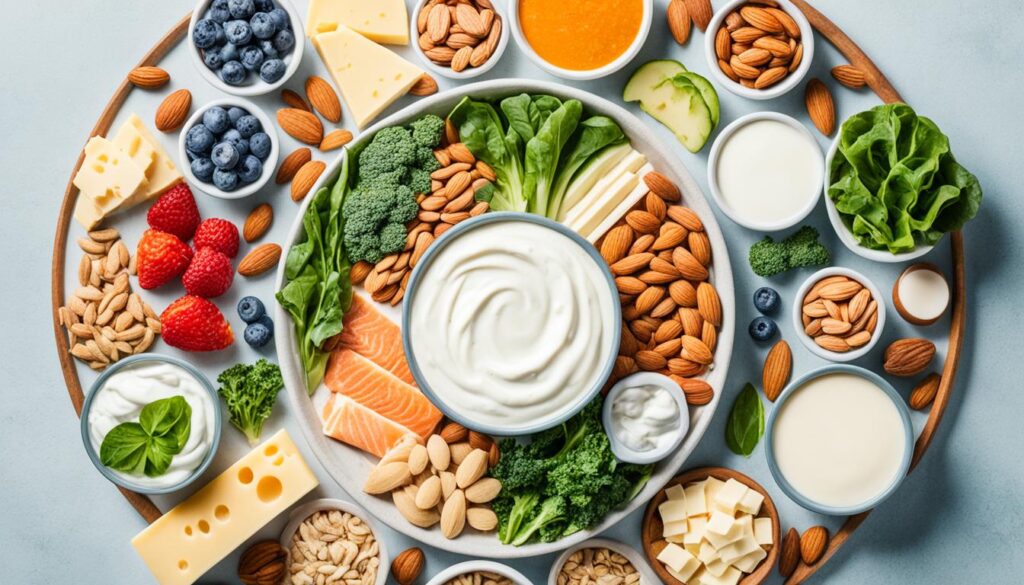
Calcium-rich foods

Conclusion

Taking the right nutritional supplements during pregnancy is crucial for ensuring the health and optimal development of both you and your baby. With the help of essential nutrients like folic acid, iron, and calcium, you can support your baby’s growth and reduce the risk of complications.

Folic acid plays a key role in preventing birth defects, especially neural tube defects. It is recommended to take a supplement with 400 mcg of folic acid daily before and during early pregnancy. Additionally, you can find folic acid in citrus fruits, green leafy vegetables, and enriched foods.

Iron is essential for preventing anemia and supporting red blood cell production. It also plays a crucial role in oxygen transport. Make sure to consume 27 milligrams of iron daily through sources like lean meat, leafy green vegetables, and fortified foods.

Calcium is vital for the development of your baby’s bones and teeth, as well as their heart, muscles, and nerves. Aim to consume 1,000 milligrams of calcium daily through prenatal vitamins or calcium-rich foods such as milk, cheese, and yogurt.

Remember, it is important to consult with a healthcare provider to ensure you are taking the right supplements for your specific needs. By prioritizing your prenatal health and incorporating suitable nutritional supplements, you can help optimize your pregnancy journey and give your baby the best start in life.

FAQ

Are nutritional supplements necessary during pregnancy?

Yes, taking suitable nutritional supplements during pregnancy is important to ensure the health and optimal development of both the mother and the baby. These supplements provide essential vitamins and minerals that support fetal development and help prevent deficiencies and complications.

What is the role of folic acid in pregnancy?

Folic acid is a crucial nutrient for pregnant women as it helps prevent birth defects, particularly neural tube defects. It is recommended that women take a supplement with 400 mcg of folic acid daily before and during early pregnancy. Prenatal vitamins typically contain the right amount of folic acid. Additionally, folic acid can be obtained from food sources such as citrus fruits, green leafy vegetables, and enriched foods.

Why are iron and calcium important during pregnancy?

Iron and calcium are important minerals that play a vital role in supporting a healthy pregnancy. Iron helps prevent anemia, fatigue, and low birthweight, and it is essential for the production of hemoglobin and oxygen transport. Pregnant women require 27 milligrams of iron daily, which can be obtained from sources like lean meat, leafy green vegetables, and fortified foods. Calcium, on the other hand, is crucial for the development of the baby’s bones, teeth, heart, muscles, and nerves. It is recommended for pregnant women to consume 1,000 milligrams of calcium daily, either through prenatal vitamins or calcium-rich foods such as milk, cheese, and yogurt. Both iron and calcium should be consumed in adequate amounts to prevent complications like preterm birth.

What other nutrients are important during pregnancy?

In addition to folic acid, iron, and calcium, other important nutrients during pregnancy include vitamin D, DHA, and iodine. Vitamin D helps maintain bone health and supports the immune system, while DHA is essential for the development of the baby’s brain and eyes. Iodine plays a critical role in the production of thyroid hormones, which are necessary for the baby’s brain development. It is important to consult with a healthcare provider to ensure that the right supplements are being taken and that any specific dietary needs are met.

How can I ensure a healthy pregnancy?

By prioritizing prenatal health and taking suitable nutritional supplements, women can help optimize their pregnancy journey and give their baby the best start in life. It is important to eat a balanced diet, exercise regularly, get enough rest, and manage stress. Regular prenatal check-ups and consultations with a healthcare provider are also essential to monitor the progress of the pregnancy and address any concerns or complications that may arise.

Source Links

Vitamin E During Pregnancy: Benefits and Recommended Intake

Pregnancy and vitamin E

Imagine this: you’re a soon-to-be mom, eagerly anticipating the arrival of your little one. You’ve done your research, attended childbirth classes, and even decorated the nursery in preparation for the big day. As you navigate through this special journey, it’s crucial to prioritize your health and the well-being of your growing baby.

One essential nutrient that plays a vital role during pregnancy is vitamin E. It’s known for its antioxidant properties and potential benefits in reducing the risk of certain pregnancy complications related to oxidative stress, such as pre-eclampsia. However, the impact of vitamin E supplementation during pregnancy is still being explored.

Before exploring the effects and optimal intake of vitamin E, let’s delve into the potential benefits and recommended intake of this essential nutrient for a healthy and fulfilling pregnancy journey.

Effects of Vitamin E Supplementation in Pregnancy

Several studies have assessed the effects of vitamin E supplementation in pregnant women. In a review of 21 trials involving over 22,000 women, it was found that vitamin E supplementation in combination with other supplements did not significantly improve pregnancy outcomes in terms of stillbirth, neonatal death, preterm birth, pre-eclampsia, or intrauterine growth restriction.

However, women supplemented with vitamin E in combination with other supplements had a decreased risk of placental abruption. On the other hand, supplementation with vitamin E was associated with an increased risk of self-reported abdominal pain and term prelabour rupture of membranes.

Overall, the data does not support routine vitamin E supplementation in pregnancy for the prevention of adverse pregnancy outcomes.

Risks and Side Effects

Supplementation with vitamin E has been associated with an increased risk of self-reported abdominal pain and term prelabour rupture of membranes.

While vitamin E supplementation has been generally deemed safe for pregnant women, it is essential to consult with healthcare professionals before starting any new supplements, as individual circumstances may vary.

Importance of Health Services

It is crucial for pregnant women to discuss any supplementation decisions with their healthcare providers to ensure comprehensive prenatal care and optimal health outcomes for mother and baby.

Health services, including regular prenatal check-ups and consultations with healthcare providers, play a critical role in monitoring maternal health during pregnancy and providing appropriate guidance on nutrition and supplementation.

Optimal Intake of Vitamin E During Pregnancy

The optimal intake of vitamin E during pregnancy is an important consideration for the health of both the mother and the baby. According to the Institute of Medicine (US), the recommended daily intake of vitamin E for adult women, including pregnant women, is 15 mg of alpha-tocopherol equivalents, which is approximately 22 IU.

To ensure an adequate intake of vitamin E, it is crucial for pregnant women to maintain a balanced diet that includes foods rich in this essential nutrient. Good sources of vitamin E include vegetable oils, nuts, cereals, and leafy green vegetables.

However, it is always advisable to consult with a healthcare professional to determine the appropriate intake of vitamin E for your individual pregnancy health needs. They can assess your specific dietary requirements and recommend any necessary supplements or adjustments to your diet.

FAQ

Is vitamin E supplementation beneficial during pregnancy?

Vitamin E supplementation during pregnancy has been studied to evaluate its potential benefits. Research suggests that it may help reduce the risk of pregnancy complications involving oxidative stress, such as pre-eclampsia. However, the efficacy and safety of vitamin E supplementation during pregnancy are still under investigation.

What are the effects of vitamin E supplementation in pregnancy?

Several studies have assessed the effects of vitamin E supplementation in pregnant women. In a review of 21 trials, it was found that vitamin E supplementation in combination with other supplements did not significantly improve pregnancy outcomes in terms of stillbirth, neonatal death, preterm birth, pre-eclampsia, or intrauterine growth restriction. However, women supplemented with vitamin E in combination with other supplements had a decreased risk of placental abruption. On the other hand, supplementation with vitamin E was associated with an increased risk of self-reported abdominal pain and term prelabour rupture of membranes. Overall, the data does not support routine vitamin E supplementation in pregnancy for the prevention of adverse pregnancy outcomes.

What is the recommended intake of vitamin E during pregnancy?

The Institute of Medicine (US) recommends a daily intake of 15 mg of alpha-tocopherol equivalents (approximately 22 IU) for adult women, including pregnant women. It is important for pregnant women to consume a balanced diet that includes foods rich in vitamin E, such as vegetable oils, nuts, cereals, and leafy green vegetables, to ensure adequate intake. However, it is always best to consult with a healthcare professional to determine the appropriate intake of vitamin E for individual pregnancy health needs.

Source Links

Sleep Well: Resting Tips for Better Sleep During Pregnancy

sleep and rest during pregnancy

Imagine this: It’s the middle of the night, and you’re heavily pregnant, struggling to find a comfortable position in bed.
You toss and turn, desperately trying to get some rest, but every movement feels cumbersome and exhausting.
Sleep has become increasingly elusive, leaving you feeling tired and drained throughout the day, affecting both your physical and emotional well-being.

Unfortunately, this scenario is all too common for many pregnant women. Sleep disturbances during pregnancy can be attributed to hormonal changes, physical discomfort, and heightened stress levels. The consequences of inadequate sleep can be far-reaching, impacting not only the mother but also the developing baby’s health.

That’s why it’s crucial to prioritize rest and take proactive steps to improve your sleep during pregnancy. In this article, we will provide you with valuable advice and tips to help you sleep better and wake up refreshed. From finding a comfortable sleeping position to managing digestive discomfort and breathing issues, we’ve got you covered.

So, if you’re ready to reclaim your much-needed sleep and enhance your overall well-being during pregnancy, read on for expert advice and practical tips that can make a significant difference in your sleep quality.

Finding a Comfortable Position for Sleep During Pregnancy

As your baby grows larger, finding a comfortable sleeping position can become a challenge. To ensure a restful night’s sleep, it’s important to find a position that provides both comfort and safety for you and your baby.

Sleeping on Your Back

While it may be tempting to sleep on your back, especially if you’re used to this position, it is generally advised to avoid it during pregnancy. Sleeping flat on your back can compress the inferior vena cava, a major blood vessel, and decrease the oxygen flow to the placenta. This can potentially lead to dizziness, shortness of breath, and a decrease in nutrient supply to your baby.

Sleeping on Your Side

The most comfortable sleeping position for pregnant women is usually on the side, particularly the left side. This position helps protect the liver and increases blood flow to the heart, fetus, uterus, and kidneys. It is also believed to aid in reducing the risk of stillbirth.

To enhance your comfort while sleeping on your side, consider the following tips:

  • Place a pillow under your baby bump to support its weight and relieve pressure on your back.
  • Use a rolled-up blanket or towel for additional lumbar support.
  • Try using a foam or egg crate mattress pad to alleviate hip discomfort.
  • Use extra pillows or a body pillow to support your body and maintain a comfortable position.

If you accidentally roll onto your back during sleep, don’t worry. Simply use a wedge pillow or prop yourself up slightly with pillows to maintain a slight incline and minimize the impact of sleeping on your back.

Strategies for Managing Digestive Discomfort and Breathing Issues During Sleep

Hormonal changes and an expanding uterus can cause digestive issues, such as constipation, indigestion, and heartburn, which can worsen at night. To minimize sleep disruptions, it is recommended to avoid carbonated drinks, citrus, peppermint, tomatoes, spicy or fatty foods, and refrain from eating within three to four hours of bedtime.

Eating small meals throughout the day instead of three large meals and avoiding liquid intake close to bedtime can also help. It is crucial to cut out caffeine as it is a stimulant that can keep you awake and potentially harm the developing baby.

Good sleep hygiene practices, such as sticking to a consistent sleep schedule, using the bed only for sleeping and sex, avoiding exercise within three hours of bedtime, keeping electronics out of the bedroom, and practicing relaxing activities before bed, can significantly improve sleep quality.

Additionally, managing sleep disordered breathing is important to prevent adverse maternal and fetal outcomes. Measures to mitigate sleep disordered breathing include managing pregnancy weight gain, using a humidifier to keep nasal passageways open, elevating the head of the bed, and under the guidance of a doctor, considering the use of a CPAP machine.

If experiencing leg cramping, gentle leg stretches, regular exercise, and a calcium-rich diet may help alleviate symptoms. Lastly, incorporating calming practices, such as yoga, journaling, breathing exercises, and seeking professional support if needed, can help manage new parent worries and nighttime anxiety.

FAQ

Why is sleep important during pregnancy?

Adequate sleep is crucial for the health of both the mother and the developing baby. Lack of sleep during pregnancy has been associated with various risks and complications.

What is the best sleeping position during pregnancy?

The most comfortable sleeping position for pregnant women is usually on the side, with bent knees. Specifically, sleeping on the left side is recommended.

How can I improve sleep quality during pregnancy?

Some tips to improve sleep quality during pregnancy include finding a comfortable sleeping position, practicing good sleep hygiene, managing digestive discomfort, and addressing breathing issues.

What can I do to relieve leg cramps during sleep?

Gentle leg stretches, regular exercise, and a calcium-rich diet may help alleviate leg cramps during sleep.

How can I manage new parent worries and nighttime anxiety?

Incorporating calming practices like yoga, journaling, and breathing exercises, as well as seeking professional support if needed, can help manage new parent worries and nighttime anxiety.

Source Links

Navigating Caffeine During Pregnancy: How Much is Safe?

Pregnancy and caffeine consumption

Picture this: you’re sitting in your favorite coffee shop, sipping on a warm cup of joe, enjoying the comforting aroma and the familiar taste. But now, you’re pregnant, and suddenly you find yourself questioning whether that caffeine fix is still safe for you and your baby. It’s a dilemma faced by many expectant mothers.

When it comes to pregnancy and caffeine consumption, there’s a lot of information out there, and it can be overwhelming to know what’s true and what’s just speculation. That’s why it’s essential to rely on reputable sources like the American College of Obstetricians and Gynecologists (ACOG) for guidance.

A recent study conducted by the Perelman School of Medicine at the University of Pennsylvania and the National Institutes of Health has shed some light on the subject. The study found that consuming a low amount of caffeine during pregnancy does not increase the risk of gestational diabetes, preeclampsia, or hypertension for expecting mothers. This is reassuring news for women who already consume low to moderate levels of caffeine. However, it’s important to understand the recommended guidelines to ensure the optimal health of both you and your baby.

The ACOG advises that pregnant women limit their caffeine consumption to less than 200 mg per day. This intake can equate to one or two cups of coffee, depending on the brand and size. But remember, caffeine is not only found in coffee; it’s also present in other common foods and drinks like chocolate, tea, soda, and energy bars.

So, next time you find yourself craving a cup of coffee or reaching for a chocolate bar, it’s essential to be aware of the amount of caffeine you’re consuming and ensure it falls within the recommended guidelines. By staying informed and making informed choices, you can navigate caffeine consumption during pregnancy with confidence and peace of mind.

Recommended Caffeine Intake During Pregnancy

When it comes to caffeine consumption during pregnancy, experts from UNM Health suggest that it’s best for pregnant women to limit their intake to less than 200 mg per day. This recommended safe caffeine intake can be equivalent to one or two cups of coffee, depending on the brand and size. However, it’s important to note that not all caffeinated drinks are safe for pregnant women, and caution should be exercised.

Energy drinks, in particular, should be avoided due to their high caffeine content and potentially unsafe ingredients. While caffeine is naturally found in common foods and drinks such as chocolate, coffee, tea, soda, and energy bars, it’s necessary to check food and drink labels for their caffeine content. This is because caffeine can cross the placenta and affect the pregnancy.

Consuming too much caffeine during pregnancy can potentially increase the risk of negative outcomes, including miscarriage, gestational diabetes, low birth weight, and high blood pressure. It’s also crucial to consider any underlying health conditions and medications that may interact with caffeine consumption during pregnancy.

It’s important for expectant mothers to be mindful of their caffeine intake and make informed choices for the well-being of both themselves and their unborn child. By following the recommended guidelines and being aware of the potential effects of caffeine on pregnancy, women can navigate this aspect of their journey with confidence and prioritize the health of their baby.

Is There a Safe Level of Caffeine Consumption During Pregnancy?

An analysis of observational studies published in BMJ Evidence Based Medicine suggests that there is no safe level of caffeine consumption during pregnancy. The study reviewed evidence on caffeine-related pregnancy outcomes and found that maternal caffeine consumption is associated with negative pregnancy outcomes such as miscarriage, stillbirth, low birth weight and/or small for gestational age, childhood acute leukemia, and childhood overweight and obesity.

While the current recommendations set the safe level of caffeine consumption at 200 mg per day, this study argues for a radical revision of these health recommendations. It suggests that pregnant women and those contemplating pregnancy should be advised to avoid caffeine altogether. However, it is important to note that this is an observational study and cannot establish causation. Other factors such as recall of caffeine consumption and pregnancy symptoms may impact the results.

Nonetheless, the study’s findings highlight the need for further research and reconsideration of current caffeine consumption advice for pregnant women.

FAQ

How much caffeine can I safely consume during pregnancy?

According to the American College of Obstetricians and Gynecologists (ACOG), it is recommended that pregnant women limit their caffeine consumption to less than 200 mg per day.

What drinks and foods contain caffeine?

Caffeine is found in common foods and drinks such as coffee, tea, chocolate, soda, and energy bars. It is important to check food and drink labels for caffeine content.

Can I consume energy drinks during pregnancy?

No, it is recommended to avoid energy drinks during pregnancy due to their high caffeine content and potentially unsafe ingredients.

What are the potential risks of consuming too much caffeine during pregnancy?

Consuming excessive amounts of caffeine during pregnancy can potentially increase the risk of miscarriage, gestational diabetes, low birth weight, high blood pressure, and other negative outcomes.

Is there a safe level of caffeine consumption during pregnancy?

While current recommendations suggest a safe level of caffeine consumption at 200 mg per day, an analysis of observational studies argues for a radical revision of these health recommendations. It suggests pregnant women should be advised to avoid caffeine altogether.

Source Links

Staying Active: Safe Exercise Guidelines for Pregnant Women

pregnancy exercise guidelines

Picture this: it’s a beautiful sunny day, and you’re feeling the gentle breeze as you walk in the park. You’re not alone though – you have a beautiful baby bump to keep you company. As you take each step, you’re not just enjoying the fresh air, but you’re also doing something incredible for yourself and your growing baby: staying active during pregnancy.

Exercise plays a vital role in promoting a healthy pregnancy, but it’s important to understand that not all exercises are suitable for expectant mothers. That’s why we’ve put together this comprehensive guide to help you navigate the world of fitness during pregnancy and provide you with safe exercise guidelines.

Benefits of Exercise During Pregnancy

Exercise during pregnancy offers a range of health benefits for both the mother and the baby. Regular physical activity can help reduce the risk of various pregnancy-related complications and discomforts, while also improving overall well-being.

One of the key benefits of pregnancy exercise is the reduction in the risk of excessive gestational weight gain, gestational diabetes, preeclampsia, preterm birth, varicose veins, and deep vein thrombosis.

Physical activity can also help manage common pregnancy discomforts such as constipation, back pain, and swelling, making the experience more comfortable for expectant mothers.

In addition to physical benefits, exercise during pregnancy is associated with reduced fatigue, stress, anxiety, and depression. This can significantly improve the mental well-being of pregnant women, leading to a happier and healthier pregnancy journey.

Engaging in regular exercise throughout pregnancy can also prepare the body for labor and potentially reduce the likelihood of having a cesarean birth. Strengthening the muscles and improving cardiovascular health through exercise can promote a smoother labor process.

Furthermore, exercise during pregnancy can help maintain a healthy weight, which is important for both maternal and fetal health. It also contributes to better overall cardiovascular fitness, benefiting both the mother and the baby.

Guidelines for Safe Exercise During Pregnancy

When it comes to exercise during pregnancy, it’s important to follow the recommended guidelines to ensure the safety and well-being of both you and your baby. Most guidelines suggest engaging in moderate-intensity physical activity for at least 2.5 hours per week if you are a healthy pregnant woman.

But what exactly does moderate-intensity mean? It means being active enough to break a sweat and increase your heart rate, while still being able to carry on a conversation comfortably. Activities like brisk walking, swimming, riding a stationary bike, and prenatal yoga are all considered safe and recommended exercises during pregnancy.

However, there are certain activities that should be avoided during pregnancy. Contact sports, high-impact aerobics, and exercises that involve lying flat on your back are examples of activities that may pose risks or discomfort to you and your baby.

It’s worth noting that exercise is generally safe during pregnancy unless there are specific contraindications. These contraindications may include preterm labor, multiple pregnancies with risk factors for preterm labor, cervical insufficiency, gestational hypertension, placenta previa, severe anemia, or certain heart or lung conditions. If you have any of these conditions, it is important to consult with your healthcare provider before starting or continuing an exercise program to ensure its safety and appropriateness for you.

FAQ

Is it safe to exercise during pregnancy?

Yes, exercise is generally safe during pregnancy unless there are specific contraindications. It is important to consult with your healthcare provider before starting or continuing an exercise program to ensure its safety and appropriateness.

What are the benefits of exercise during pregnancy?

Regular exercise during pregnancy has several benefits. It can reduce the risk of excessive gestational weight gain, gestational diabetes, preeclampsia, preterm birth, varicose veins, and deep vein thrombosis. Physical activity can also help manage pregnancy discomforts such as constipation, back pain, and swelling. Additionally, exercise is associated with reduced fatigue, stress, anxiety, and depression during pregnancy, leading to improved well-being. Engaging in physical activity throughout pregnancy can prepare the body for labor and reduce the chances of having a cesarean birth. Exercise can also improve cardiovascular health and maintain a healthy weight during pregnancy.

What are the guidelines for safe exercise during pregnancy?

Most guidelines recommend moderate-intensity physical activity for at least 2.5 hours per week for healthy pregnant women. Moderate-intensity means being active enough to sweat and increase heart rate while still being able to carry on a conversation. Walking, swimming, riding a stationary bike, and prenatal yoga are safe and recommended exercises during pregnancy. However, certain activities like contact sports, high-impact aerobics, and exercises that involve lying flat on the back should be avoided. It is important to listen to your body and make modifications as needed. If you experience any pain, dizziness, or shortness of breath, stop exercising and consult with your healthcare provider.

Source Links

Decoding Your Body: Understanding Fertility Signs and Symptoms

fertility signs and symptoms

Embarking on the journey towards parenthood is a thrilling chapter in life. As you and your partner eagerly anticipate the prospect of starting a family, it’s important to be aware of the signs and symptoms that may impact your conception journey. Understanding the fundamentals of fertility can provide invaluable insights and empower you to make informed decisions during this pre-pregnancy phase.

Imagine this: Sarah and David had been trying to conceive for several months without success. They couldn’t help but feel disheartened and wondered if there was something they were missing. Determined to find answers, they decided to educate themselves about fertility signs and symptoms.

Sarah diligently tracked her menstrual cycles, paying close attention to the length and regularity of her periods. She discovered that irregular cycles could indicate potential fertility issues and knew she needed to consult a fertility specialist for further evaluation.

Meanwhile, David learned that certain health conditions, like his history of undescended testicles during childhood, could contribute to male factor infertility. Armed with this knowledge, he encouraged Sarah to seek professional advice and explore all available options.

Together, they visited a fertility specialist who compassionately listened to their concerns and discussed their medical histories in detail. Diagnostic tests were conducted to assess their reproductive health and identify any underlying factors that might be affecting their ability to conceive.

The experience was enlightening for Sarah and David, as they realized that their journey towards parenthood could be supported by expert guidance and personalized treatment plans. They discovered that fertility specialists specialize in decoding the body’s signals, providing hope and clarity to individuals like them.

By embracing the knowledge and insights provided by fertility specialists, Sarah and David were able to navigate the complexities of fertility with confidence. They discovered that understanding their bodies and being proactive in seeking professional advice not only eased their anxieties but also increased their chances of conceiving.

Are you ready to decode your body’s fertility signs and symptoms? Let’s dive deeper into the world of fertility health and explore the remarkable insights that can pave the way to your parenthood dreams.

Recognizing Signs of Good Fertility Health

Good fertility health is crucial for individuals planning to start a family. By understanding the signs of good fertility health, individuals can gain valuable insights into their reproductive well-being and increase their chances of conception. Some key indicators of good fertility health include:

  1. Regular Menstrual Cycles: A normal menstrual cycle typically occurs every 21-35 days and is a sign of healthy hormone production.
  2. Normal Blood Flow During Periods: A healthy flow during menstruation is an indication of a well-functioning reproductive system.
  3. Breast Tenderness: Breast tenderness and swelling after ovulation can suggest that hormonal changes necessary for fertility are occurring.
  4. Increased Sexual Desire: A heightened sexual desire during the fertility window indicates the body’s readiness for conception.
  5. Clear Vaginal Discharge: A clear, slippery discharge is a sign of fertile cervical mucus, which aids sperm in reaching the egg.
  6. Change in Cervical Mucus: During ovulation, cervical mucus typically becomes thin, stretchy, and clear, resembling raw egg whites, signaling the most fertile time of the cycle.

To support good fertility health, it is important to maintain a healthy lifestyle. This includes:

  • Eating a Balanced Diet: Nourishing your body with essential nutrients, vitamins, and minerals can optimize fertility.
  • Engaging in Regular Exercise: Staying physically active helps maintain a healthy weight and promotes overall reproductive health.
  • Managing Stress: Chronic stress can negatively impact fertility, so it’s important to find healthy coping mechanisms and stress management techniques.
  • Avoiding Unhealthy Habits: Smoking, excessive alcohol consumption, and drug use can impair fertility and should be avoided.

Understanding the signs of good fertility health empowers individuals to take control of their reproductive journey and make informed decisions. By recognizing these positive indicators and adopting healthy habits, individuals can create a favorable environment for conception.

Exploring Signs of Infertility

When trying to conceive, it is crucial to be aware of the signs of infertility. These signs can help individuals recognize potential underlying causes and seek professional help in their fertility journey. Here are some common signs to look out for:

1. Irregular Menstrual Cycles

One of the indicators of infertility is irregular menstrual cycles. This can include cycles that are consistently shorter or longer than usual, or cycles that vary in length from month to month.

2. Painful or Heavy Periods

Experiencing intense pelvic pain or heavy menstrual bleeding could be a sign of fertility issues. These symptoms may suggest conditions like endometriosis or uterine fibroids, which can impact fertility.

3. Age-Related Factors

As women age, fertility declines. Women over 35 are more likely to experience difficulties conceiving due to a decrease in egg quantity and quality.

4. Male Factor Issues

Infertility is not solely a female concern. Males can also contribute to fertility challenges. Low sperm count or poor sperm quality can affect the ability to conceive.

5. Unexplained Infertility

There are cases where no apparent cause for infertility can be found. This is known as unexplained infertility and can be frustrating for individuals seeking answers.

6. Pain During Intercourse

If intercourse is consistently painful, it may be a sign of an underlying problem such as endometriosis or pelvic inflammatory disease, both of which can impact fertility.

7. Previous Miscarriages

Experiencing recurrent miscarriages can be an indication of an underlying fertility issue. If you’ve had multiple miscarriages, it’s important to discuss this with a fertility specialist.

8. Lifestyle Factors

Lifestyle choices can also play a role in fertility. Factors such as smoking, excessive alcohol consumption, obesity, and poor nutrition can all affect reproductive health.

Recognizing these signs and seeking professional guidance from a fertility specialist can help individuals navigate the challenges of infertility and explore appropriate treatment options.

Conclusion

Embarking on the journey of parenthood can be both exciting and challenging. For couples facing infertility, recognizing the signs and seeking help from a fertility specialist is crucial. By understanding their fertility signs and symptoms, individuals can take control of their fertility journey and work towards realizing their dream of parenthood.

Fortunately, there are various fertility treatments and assisted reproductive technologies available today that can help individuals overcome infertility. With the guidance and expertise of a fertility specialist, couples can explore the options that best suit their needs and increase their chances of successful conception.

Remember, you are not alone in your fertility journey. Many couples face infertility and with the right assistance, go on to achieve their dreams of becoming parents. By reaching out to a fertility specialist, you can receive the support and guidance needed to navigate the complexities of infertility and improve your chances of starting a family.

FAQ

What are the signs and symptoms of good fertility health?

Signs of good fertility health include regular menstrual cycles (every 21-35 days), normal blood flow during periods, breast tenderness after ovulation, increased sexual desire during the fertility window, clear vaginal discharge, and a change in cervical mucus during ovulation.

What are the signs of infertility?

Signs of infertility may include irregular menstrual cycles, painful or heavy periods, age-related factors (especially for women over 35), male factor issues such as low sperm count or poor sperm quality, unexplained infertility, pain during intercourse, previous miscarriages, and lifestyle factors such as smoking, excessive alcohol consumption, obesity, and poor nutrition.

Why is it important to seek professional help from a fertility specialist?

Seeking professional help from a fertility specialist is essential in finding solutions and realizing the dream of parenthood. Fertility specialists can assess your individual situation, diagnose any underlying causes of infertility, and recommend appropriate fertility treatments and assisted reproductive technologies.

How can understanding fertility signs and symptoms benefit me?

Understanding your fertility signs and symptoms can help you take control of your fertility journey. By recognizing these signs, you can gain insights into your reproductive health and make informed decisions about when to try to conceive and when to seek professional help if needed.

What can I expect during my first visit to a fertility specialist?

During your first visit to a fertility specialist, a thorough medical history will be collected, diagnostic tests may be conducted to assess your reproductive health, and a customized treatment plan will be created based on your individual needs and goals.

How can I improve my fertility health?

Maintaining a healthy lifestyle is crucial for good fertility health. This includes maintaining a balanced diet, engaging in regular exercise, managing stress levels, and avoiding unhealthy habits such as smoking and excessive alcohol consumption. Additionally, it may be beneficial to consult with a fertility specialist to explore any underlying health conditions or lifestyle factors that may be impacting your fertility.

Source Links

Important Vaccinations to Consider Before Pregnancy

vaccinations before pregnancy

Once upon a time, there was a young couple named Sarah and Mark who were excitedly planning to start a family. They had been dreaming about the perfect nursery, shopping for adorable baby clothes, and envisioning the joy of becoming parents. But before embarking on this new chapter of their lives, they decided to prioritize their pre-pregnancy health.

They knew that taking care of their physical well-being was crucial for a healthy pregnancy, so they made an appointment with their healthcare provider to discuss their immunization status. As they sat in the waiting room, Sarah couldn’t help but feel a mix of nerves and anticipation.

When their names were finally called, they entered the doctor’s office filled with questions. They wanted to ensure they were taking all the necessary steps to protect themselves and their future baby. The doctor listened attentively and explained the importance of vaccinations before and during pregnancy.

Soon, the conversation turned to the MMR vaccine. The doctor informed them that the MMR vaccine was vital for protecting against measles, mumps, and rubella, with rubella being especially dangerous during pregnancy. Sarah and Mark were relieved to know that getting vaccinated against rubella before pregnancy could help prevent miscarriage or serious birth defects.

After discussing the MMR vaccine, the doctor also recommended considering other vaccinations such as the flu, HPV, and varicella vaccines before pregnancy. Sarah and Mark realized that these vaccines could help safeguard their health and the health of their future baby.

Filled with gratitude for modern medicine and armed with knowledge, Sarah and Mark left the doctor’s office feeling empowered. They understood that by prioritizing their pre-pregnancy health and ensuring they were up to date on their vaccinations, they were giving their future child the best possible start in life.

As you plan for your own journey to parenthood, remember Sarah and Mark’s story. Take the time to discuss vaccinations with your healthcare provider to determine the right immunizations for you. By taking proactive steps and prioritizing your health, you can embark on your pregnancy journey with confidence and peace of mind.

Vaccinations Recommended Before Pregnancy

In preparation for pregnancy, it is important to discuss with your healthcare provider the need for certain vaccinations. The CDC recommends several vaccinations before pregnancy to ensure the health and safety of both the mother and the baby. These vaccinations are crucial in preventing potential complications and protecting against harmful infections.

Recommended Vaccinations:

  • Flu vaccine: Getting the flu during pregnancy can increase the risk of preterm labor and other complications. It is recommended to receive the flu vaccine before getting pregnant to protect against seasonal influenza.
  • MMR vaccine: The MMR vaccine protects against measles, mumps, and rubella. Rubella can be particularly dangerous during pregnancy and can cause severe birth defects. It is important to be up to date on this vaccination before getting pregnant.
  • Varicella vaccine: If a woman has never had chickenpox, the varicella vaccine should be considered before pregnancy. This vaccine protects against chickenpox and its potential complications.
  • HPV vaccine: Human papillomavirus (HPV) infection can lead to cervical cancer. The HPV vaccine is recommended for both boys and girls before becoming sexually active, including before pregnancy.

In addition to these recommended vaccinations, other vaccines such as pneumonia, meningitis, hepatitis A and B, Hib, and Tdap may be recommended based on individual risk factors. It is crucial to consult with your healthcare provider to determine the specific vaccinations needed before pregnancy and ensure preconception health.

Discussing vaccinations with your healthcare provider is essential for creating a comprehensive preconception health plan. By staying up to date on recommended vaccinations, you can protect both yourself and your future baby from potential harm.

Vaccinations Recommended During Pregnancy

Immunizations during pregnancy play a vital role in protecting both the mother and the baby. The Centers for Disease Control and Prevention (CDC) recommends two primary vaccinations during pregnancy: the flu shot and the Tdap vaccine.

The flu shot is essential for pregnant women as it helps protect them from flu-related complications. Moreover, it provides passive immunity to the newborn during the first few months of life, safeguarding their health during this critical period.

The Tdap vaccine is another crucial immunization recommended during each pregnancy. It protects against tetanus, diphtheria, and pertussis (whooping cough). By receiving the Tdap vaccine, mothers can provide immunity to their babies against pertussis, a severe respiratory infection that can be life-threatening for infants.

In addition to the flu shot and the Tdap vaccine, other vaccines may be recommended during pregnancy based on individual risk factors and potential exposure. These may include vaccines against hepatitis A and B, meningitis, pneumonia, and certain travel-related vaccines. Consultation with a healthcare provider is crucial to determine the specific vaccinations needed to ensure the best protection for both the mother and the baby’s health.

FAQ

Why is it important to be up to date on vaccinations before pregnancy?

Being up to date on vaccinations before pregnancy ensures that you and your baby are protected from preventable diseases. It helps reduce the risk of complications during pregnancy and provides immunity to your baby during the early months of life.

Which vaccinations should I consider before getting pregnant?

Some essential vaccinations to consider before pregnancy include the MMR (measles-mumps-rubella) vaccine, flu vaccine, HPV vaccine, and varicella (chickenpox) vaccine. These vaccines protect against diseases that can be harmful to both you and your baby during pregnancy.

When should I get the MMR vaccine before pregnancy?

It is best to receive the MMR vaccine before getting pregnant and wait for at least one month after vaccination before attempting to conceive. This timeframe allows your body to develop immunity and ensures the vaccine’s effectiveness.

What vaccinations are recommended by the CDC before pregnancy?

The CDC recommends several vaccinations before pregnancy, including the flu vaccine, HPV vaccine, MMR vaccine, and varicella vaccine. These vaccines protect against illnesses that can cause complications during pregnancy and harm the baby.

Which vaccines are recommended during pregnancy?

The CDC recommends two vaccinations during pregnancy: the flu shot and the Tdap vaccine. The flu shot protects pregnant women from flu-related complications and provides immunity to the newborn. The Tdap vaccine protects against tetanus, diphtheria, and pertussis (whooping cough) and ensures immunity for the baby against pertussis.

Are there any other vaccines that may be recommended during pregnancy?

In addition to the flu shot and Tdap vaccine, other vaccines such as hepatitis A and B, meningitis, pneumonia, and certain travel-related vaccines may be recommended during pregnancy based on individual risk factors and potential exposure. Consult with your healthcare provider to determine the specific vaccinations needed.

The Critical Role of Folic Acid in Pre-Pregnancy: Building Blocks for a Healthy Baby

importance of folic acid

Imagine this: Sarah and Mark have been trying to conceive for several months. They’ve been diligently tracking Sarah’s ovulation cycle, making lifestyle changes, and preparing for their future baby. They’ve read about the importance of pre-pregnancy nutrition and have been focusing on eating a balanced diet.

One evening, while browsing the internet, Sarah comes across an article that highlights the critical role of folic acid in pre-pregnancy. Intrigued, she delves deeper into the topic and realizes just how vital this nutrient is for the healthy development of her baby.

Folic acid, also known as folate, is an essential B vitamin that plays a crucial role in preventing certain birth defects, known as neural tube defects (NTDs). These defects occur during the early weeks of pregnancy, often before a woman even knows she is pregnant. Without sufficient folic acid, the cells in the neural tube cannot function or grow properly, resulting in abnormalities in the spine, skull, and brain.

Sarah’s heart sinks as she reads about the potential risks associated with inadequate folic acid intake. She realizes that taking folic acid supplements before getting pregnant and during the first trimester can significantly reduce the risk of NTDs.

Curious to learn more, Sarah continues her research. She discovers that while folate is found naturally in leafy green vegetables, legumes, and fruits, it is often not enough to meet the demands of pregnancy. That’s why the FDA requires folic acid to be added to certain foods like breads, cereals, and pastas. Sarah makes a note to incorporate these fortified foods into her diet.

With a growing sense of urgency, Sarah shares her findings with Mark. They decide to include a folic acid supplement in their daily routine since it contains 400 mcg of this essential nutrient recommended for women planning to conceive. Sarah feels relieved knowing that she is taking a proactive step towards ensuring a healthy pregnancy.

If you’re planning to start a family or know someone who is, understanding the importance of folic acid in pre-pregnancy nutrition is crucial. Building a strong foundation now can set the stage for a healthy baby and a brighter future. In the following sections, we’ll explore the link between folic acid and neural tube defects, dietary sources of folic acid, and the recommended intake to support a healthy pregnancy.

The Link Between Folic Acid and Neural Tube Defects

The neural tube is one of the earliest structures to form during fetal development. It eventually becomes the brain and spinal cord. Without sufficient folic acid, the neural tube may not close properly, leading to defects in the spine, skull, and brain. Spina bifida is a condition where a part of the spinal cord develops outside the body, while anencephaly is a condition where the brain and skull bones do not form correctly, resulting in a partially or completely absent brain.

Studies have shown that the risk for these defects is significantly reduced when women take extra folic acid before and during early pregnancy. Folic acid is crucial for the development of healthy cells, DNA, and red blood cells during this rapid growth period. While folate is found in certain foods, it is often not enough, which is why supplementation is recommended.

Neural Tube Defect Description
Spina Bifida A condition where a part of the spinal cord develops outside the body.
Anencephaly A condition where the brain and skull bones do not form correctly, resulting in a partially or completely absent brain.

Dietary Sources of Folic Acid and Recommended Intake

Folate, a naturally occurring form of vitamin B9, can be found in various foods such as leafy green vegetables, legumes, and fruits. These dietary sources provide a foundation for meeting the body’s folic acid needs. However, it is important to note that relying solely on these sources may not be enough, especially for pregnant women.

In order to ensure an adequate intake of folic acid, which is the synthetic form of vitamin B9, it is recommended for women who may become pregnant to take a folic acid supplement. This supplement typically contains 400 mcg of folic acid, which is in line with the recommended intake for women of childbearing age.

The developing baby relies on folate to support the creation of healthy new cells, DNA, and red blood cells. By incorporating a folic acid supplement into their routine, women can help provide the necessary nutrients for their own health and the optimal development of their baby.

It is essential to consult with a healthcare provider to determine the appropriate amount of folic acid supplementation for individual needs. Some women may require additional supplementation based on their specific circumstances.

Folic acid supplement

Ensuring an adequate intake of folic acid is crucial for maintaining optimal health during pre-pregnancy and supporting the development of a healthy baby. Alongside a balanced diet rich in folate-containing foods, incorporating a folic acid supplement can help meet the increased demands of pregnancy and nourish both mother and baby.

Conclusion

Folic acid plays a critical role in pre-pregnancy nutrition, supporting the healthy development of your baby. By taking a folic acid supplement before conceiving and during the early stages of pregnancy, you can significantly reduce the risk of neural tube defects. While folate can be found naturally in leafy green vegetables, legumes, and fruits, supplementation is often necessary to meet the increased demand during pregnancy.

It is recommended that women of childbearing age aim to take a supplement containing 400 mcg of folic acid, in addition to maintaining a balanced diet. This ensures that their bodies have enough folic acid to support the growth of healthy cells, DNA, and red blood cells during this crucial period of development.

By prioritizing folic acid intake, you are laying a strong foundation for a healthy pregnancy and a healthier future for your baby. So make sure to discuss the appropriate amount of folic acid supplementation with your healthcare provider and take proactive steps to ensure your pre-pregnancy nutrition includes this vital nutrient.

FAQ

What is the importance of folic acid in pre-pregnancy nutrition?

Folic acid plays a critical role in pre-pregnancy nutrition as it helps prevent certain birth defects and supports the healthy development of the baby.

How does folic acid relate to neural tube defects?

Folic acid is essential in preventing neural tube defects, such as spina bifida and anencephaly, which can occur during early pregnancy when the neural tube is forming.

What are some common sources of folic acid?

Folate, the natural form of folic acid, can be found in foods like leafy green vegetables, legumes, and fruits. However, supplementation is often necessary to meet the increased demand during pregnancy.

How much folic acid should women take?

Women of childbearing age should aim to take a supplement containing 400 mcg of folic acid, in addition to consuming a balanced diet rich in folate.

Why is folic acid important for a healthy baby?

Folic acid is crucial for the development of healthy cells, DNA, and red blood cells during the rapid growth period that occurs before and during early pregnancy.

Source Links

Recovering from an Episiotomy: Care Tips for Faster Healing

recovering from episiotomy

Recovering from an episiotomy can be an uncomfortable and challenging process. Whether you just had your first baby or have been through childbirth before, the road to healing requires patience and proper care. Picture this:

You’re a new mom, cradling your precious bundle of joy in your arms. The exhaustion of labor still lingers, but you can’t help but marvel at the miracle you’ve brought into the world. However, as you settle into the postpartum phase, you start to feel the discomfort of the episiotomy you had during delivery. It becomes a constant reminder of the physical toll your body went through.

But fret not, for there is hope. With the right care and guidance, you can recover from an episiotomy more quickly and comfortably. In this article, we’ll explore essential tips for postpartum care to help you heal and regain your strength.

From soothing pain to preventing infection, we’ll cover everything you need to know. Discover how to manage discomfort and alleviate pain effectively, what activities and diet to follow, and how to ensure proper perineal care. Armed with this knowledge, you’ll be well on your way to a smooth recovery.

Tips for Managing Pain and Discomfort

Managing pain and discomfort is an important aspect of your episiotomy recovery. By following these tips, you can find relief and promote faster healing:

  1. Apply Ice Packs: Using ice packs on the perineal area can help reduce swelling and numb the pain. Wrap the ice pack in a clean cloth and apply it to the affected area for 10-15 minutes at a time.
  2. Try Warm Baths: Taking warm baths, also known as sitz baths, can provide soothing relief and promote healing. Fill a clean tub with warm water and sit in it for about 10-15 minutes. Make sure the water level is high enough to cover your perineal area.
  3. Consult Your Healthcare Provider: Before taking any pain medication, consult with your healthcare provider. They can recommend suitable painkillers like paracetamol or ibuprofen based on your individual needs.
  4. Maintain Good Perineal Hygiene: Keeping the perineal area clean and dry is crucial for preventing infection and promoting healing. Use gentle cleansing wipes or warm water and pat dry with a clean towel after using the toilet.
  5. Change Pads Regularly: Using sanitary pads after an episiotomy is important for absorbing any discharge or bleeding. Change pads frequently to maintain hygiene and prevent infections.

Remember, each woman’s recovery is unique, and the level of pain and discomfort experienced may vary. It’s essential to listen to your body and give yourself time to heal. If you have concerns or experience worsening pain, don’t hesitate to reach out to your healthcare provider for further guidance and support.

Other Tips for a Smooth Recovery

In addition to managing pain, there are other tips you can follow for a smoother recovery from an episiotomy. Resting when needed and avoiding strenuous activities can greatly help your body heal. While it’s important to stay active, engaging in gentle exercises like walking can promote blood circulation and aid in the healing process without putting excessive strain on your perineal area.

Diet plays a crucial role in your recovery as well. Consuming a balanced and fiber-rich diet can help prevent constipation, which can be particularly uncomfortable during the healing process. Incorporate foods such as fruits, vegetables, whole grains, and legumes into your meals. Additionally, staying hydrated by drinking plenty of water can also assist in maintaining regular bowel movements.

Practicing Kegel exercises can provide additional benefits for your recovery. These exercises help strengthen the pelvic floor muscles, which can aid in healing and improve bladder control. Be consistent with your Kegel exercises and follow any guidance provided by your healthcare provider.

Proper perineal care is essential for promoting faster healing and preventing infections. Use sitz baths to keep the area clean and provide relief from discomfort. Remember to dry the area gently afterward and avoid using harsh soaps or wipes that can irritate your skin. Opt for fragrance-free and hypoallergenic products specifically designed for perineal care.

Lastly, make sure to attend all follow-up appointments scheduled with your healthcare provider and communicate any concerns or issues you may have. They will monitor your recovery progress and provide further guidance or treatment if necessary. Your healthcare provider is your ally in ensuring a smooth and successful recovery from an episiotomy.

FAQ

How long does it take for an episiotomy to heal?

It typically takes around 3 weeks for an episiotomy to heal, although it may take longer for some women.

What can I do to promote faster healing?

Resting when tired, engaging in gentle activities like walking, and following any specific instructions from your doctor or midwife can help promote faster healing.

How can I manage pain and discomfort after an episiotomy?

Strategies such as applying ice packs, using a warm bath, and taking painkillers like paracetamol or ibuprofen (consult with your healthcare provider first) may help alleviate pain and discomfort.

How should I take care of my perineal area?

Keeping the area clean and dry, using sitz baths, changing pads regularly, and practicing good hygiene after using the toilet can help prevent infection and promote healing.

What activities should I avoid during recovery?

It’s important to avoid strenuous activities and rest when needed to allow your body to heal.

How can I prevent constipation?

Eating a balanced, fiber-rich diet, staying hydrated, and practicing Kegel exercises can help prevent constipation during recovery.

What should I do if I have concerns or worsening pain?

Don’t hesitate to reach out to your healthcare provider if you have concerns or experience worsening pain.

How important are follow-up appointments?

Attending all follow-up appointments is important to ensure proper healing and to communicate any concerns or issues with your healthcare provider.

Creating a Fitness Plan to Prepare Your Body for Pregnancy

Pre Pregnancy Fitness Plan

Picture this: You and your partner discussing the exciting journey of starting a family. As the dream of parenthood takes shape, you can’t help but wonder how you can best prepare your body for the incredible miracle of pregnancy.

Enter the pre-pregnancy fitness plan. A strategic approach to exercise that can help you optimize your health and well-being before conceiving. With a clear fitness plan in place, you can lay the foundation for a healthy pregnancy, reduce potential complications, and enhance your overall experience.

By focusing on proper nutrition, regular exercise, and overall self-care, you can create an environment that supports fertility while building the physical strength and stamina necessary for the journey ahead.

But let’s face it, starting a fitness regimen can feel overwhelming. The good news is, you don’t have to embark on this journey alone. With the right guidance and personalized recommendations from your doctor or a qualified professional, you can tailor a exercise plan that suits your unique needs and circumstances.

Whether you’re a fitness enthusiast or a self-proclaimed couch-surfing extraordinaire, it’s never too late to start preparing your body for pregnancy. So, lace up your sneakers, embrace the power of movement, and let’s dive into the incredible benefits of a pre-pregnancy fitness plan.

Best Pre-Pregnancy Workouts

Before getting pregnant, it is beneficial to engage in certain exercises that can help prepare your body for the physical demands of pregnancy. These exercises include:

  • Kegels: Strengthening the pelvic floor muscles through kegel exercises can help prevent urinary incontinence and support the weight of the growing uterus.
  • Squats: Squats target the lower body, strengthening the muscles in the legs, hips, and buttocks. They can help improve stability and prepare your body for the increased weight during pregnancy.
  • Hinging: Hinging exercises, such as deadlifts or hip hinges, focus on strengthening the back, glutes, and hamstrings. These exercises can help improve posture and reduce the risk of back pain during pregnancy.
  • Push-ups: Push-ups are a great way to strengthen the upper body, including the chest, shoulders, and arms. Building upper body strength can be beneficial when carrying and lifting the baby.
  • Plank: Plank exercises engage the core muscles, including the abdominals and back muscles. A strong core can help support the growing belly and improve stability during pregnancy.

By incorporating these exercises into your pre-pregnancy fitness routine, you can help strengthen key muscle groups and improve overall physical fitness, making it easier to adapt to the changes that occur during pregnancy.

Conclusion

Taking the time to prepare your body for pregnancy through a pre-pregnancy fitness plan can have numerous benefits. It can improve your overall health and wellness, reduce the risk of pregnancy complications, alleviate common pregnancy symptoms, and contribute to a smoother delivery.

To optimize your preparation, it’s important to address any lingering injuries and engage in regular cardio exercises. Strengthening your pelvic floor and core muscles is also crucial, as this can help support your growing baby and aid in labor. Moreover, focusing on strengthening your legs will enhance your body’s ability to carry the additional weight during pregnancy.

Incorporating restorative and aerobic activities like walking, swimming, yoga, and pilates can further support your body’s readiness for pregnancy. These exercises not only help you stay fit but also promote relaxation and flexibility, allowing you to maintain a healthy mind-body balance.

Always consult with your healthcare provider to determine the best exercise plan for your individual needs and to ensure a safe and healthy pregnancy journey. Their guidance will help tailor the pre-pregnancy fitness plan to your unique circumstances, taking into account any medical considerations.

Start prioritizing your physical well-being today to optimize your health and increase your chances of conceiving and carrying a healthy baby. By committing to a pre-pregnancy fitness plan, you are taking proactive steps towards staying healthy during pregnancy and setting the foundation for a positive and nurturing experience. Your body is capable of amazing things, and by giving it the care and attention it deserves, you are empowering yourself to embark on the incredible journey of motherhood.

FAQ

Why is exercise important when trying to conceive?

Exercise plays a crucial role in overall health and wellness, especially when trying to conceive. It can help prepare your body for conception and pregnancy, reduce stress, improve sleep, maintain a healthy weight, and reduce the risk of complications like gestational diabetes and preeclampsia.

How much exercise should I aim for when trying to conceive?

Experts recommend aiming for a moderate exercise routine of 150 minutes or more per week, including activities like aerobic exercise, strength training, yoga, and even household chores. However, it is important to consult with your doctor to determine the right amount of exercise for your individual circumstances and to address any concerns.

Is it too late to start exercising if I haven’t been active before trying to conceive?

It’s never too late to start exercising, and even couch-surfers can gradually ease into a new workout routine before and during pregnancy with proper guidance.

What exercises should I do to prepare my body for pregnancy?

Before getting pregnant, it is beneficial to engage in certain exercises that can help prepare your body for the physical demands of pregnancy. These exercises include addressing any lingering injuries, engaging in regular cardio exercises, strengthening the pelvic floor and core muscles, and focusing on strengthening the legs. Restorative and aerobic activities like walking, swimming, yoga, and pilates can also support your body’s readiness for pregnancy.

How can a pre-pregnancy fitness plan benefit me?

Taking the time to prepare your body for pregnancy through a pre-pregnancy fitness plan can have numerous benefits. It can improve your overall health and wellness, reduce the risk of pregnancy complications, alleviate common pregnancy symptoms, and contribute to smoother delivery.

Is it important to consult with a healthcare provider before starting a pre-pregnancy exercise plan?

Yes, it is essential to consult with your healthcare provider to determine the best exercise plan for your individual needs and to ensure a safe and healthy pregnancy journey.

How can I increase my chances of conceiving and carrying a healthy baby?

By prioritizing your physical well-being and starting a pre-pregnancy fitness plan, you can optimize your health and increase your chances of conceiving and carrying a healthy baby.

Source Links