
Picture this: You are excitedly expecting a new addition to your family. Your days are filled with dreams of nursery decorations, baby names, and imagining the first time you’ll hold your little one in your arms. As you embark on this incredible journey of motherhood, it’s important to prioritize your health and the health of your baby. One way to do that is by ensuring you’re getting the right nutritional supplements for pregnancy.
Pregnancy is a time when your body requires extra nutrients to support the growth and development of your baby. It’s not always easy to get all the necessary vitamins and minerals from your diet alone, especially with food aversions and cravings. That’s where pregnancy vitamins and supplements can give you a much-needed health boost.
These supplements provide essential vitamins and minerals that support the development of your fetus, help prevent deficiencies, and reduce the risk of complications such as anemia, birth defects, gestational diabetes, high blood pressure, neural tube defects, macrosomia, preeclampsia, and preterm birth.
So, what are the top nutritional supplements you should consider during your pregnancy? Let’s explore some key ones that can help you and your baby thrive.
The Importance of Folic Acid in Pregnancy
Pregnancy is an incredible journey filled with new experiences and changes in your body. One of the most important aspects of a healthy pregnancy is ensuring proper nutrition for both you and your growing baby. One nutrient that plays a crucial role in preventing birth defects, particularly neural tube defects, is folic acid.
Folic acid, also known as folate, is a B-vitamin that is essential for the development of your baby’s neural tube, which eventually becomes the brain and spinal cord. By taking a supplement with 400 mcg of folic acid daily before and during early pregnancy, you can significantly reduce the risk of neural tube defects and other birth defects.
https://www.youtube.com/watch?v=NQffB6RcXjs
Prenatal vitamins are a convenient and reliable source of the recommended amount of folic acid. These supplements are specifically formulated to provide the necessary nutrients for a healthy pregnancy, including folic acid. However, it is essential to consult with your healthcare provider to determine the right dosage and ensure that you are taking a prenatal vitamin that meets your specific needs.
In addition to supplements, folic acid can also be obtained from natural food sources. Citrus fruits, green leafy vegetables like spinach and kale, beans, nuts, and fortified cereals are excellent sources of this important nutrient. Including these foods in your diet can help ensure you are getting adequate amounts of folic acid to support your baby’s development.
Remember, the early stages of pregnancy are crucial for the baby’s development, and folic acid plays a key role in preventing birth defects. By taking recommended supplements and incorporating folic acid-rich foods into your diet, you are taking proactive steps to support a healthy pregnancy and give your baby the best start in life.
The Role of Iron and Calcium in Pregnancy
Iron and calcium are two essential minerals that play a crucial role in supporting a healthy pregnancy. Let’s explore how these minerals contribute to the well-being of both the mother and the baby.
The Importance of Iron
Iron is a vital mineral that helps prevent anemia, fatigue, and low birthweight during pregnancy. It plays a key role in the production of hemoglobin, a protein that carries oxygen to the body’s cells and tissues. Adequate iron intake is necessary to ensure proper oxygen transport for both the mother and the developing baby.
Pregnant women are recommended to consume 27 milligrams of iron daily to meet the increased demands of pregnancy. Iron can be obtained from various sources, including:
- Lean meats, such as beef, pork, and poultry
- Leafy green vegetables, such as spinach and kale
- Fortified foods, such as cereals and bread
Ensuring sufficient iron intake is crucial to prevent anemia and support the production of red blood cells, ultimately contributing to a healthy pregnancy outcome.
The Role of Calcium
Calcium is another vital mineral that is essential for the development of the baby’s bones, teeth, heart, muscles, and nerves. It plays a critical role in ensuring proper skeletal growth and development during pregnancy.
Pregnant women are recommended to consume 1,000 milligrams of calcium daily. This can be achieved through various sources, including:
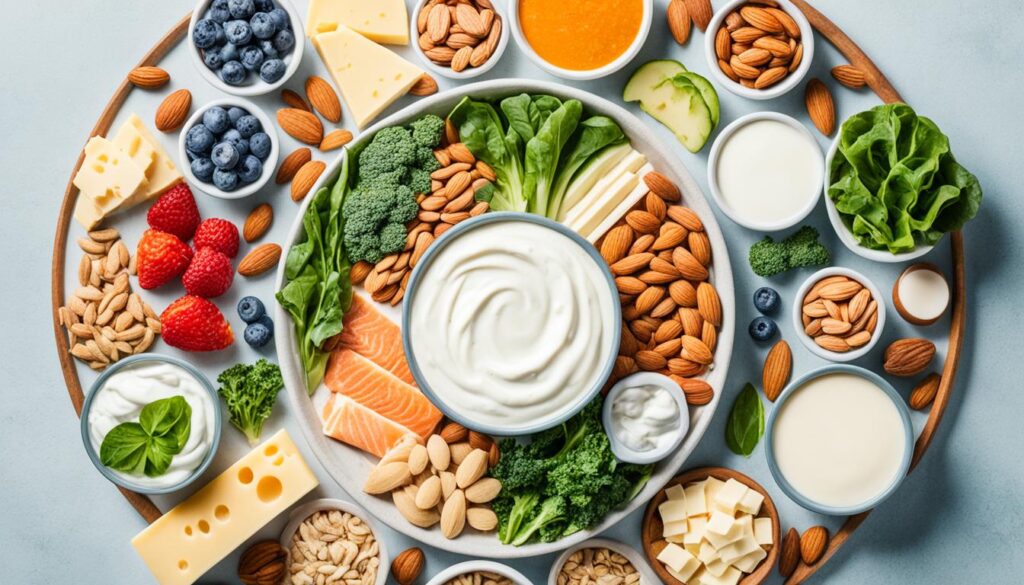
- Milk and dairy products, such as cheese and yogurt
- Calcium-fortified foods, such as orange juice and tofu
Meeting the recommended calcium intake is crucial to support the baby’s optimal bone and tooth development, as well as the proper functioning of their heart, muscles, and nerves.
The Impact on Preterm Birth
Consuming adequate amounts of both iron and calcium during pregnancy is important for preventing complications like preterm birth. Preterm birth, which occurs before 37 weeks of gestation, can pose several risks to the baby’s health and development.
Studies have shown that iron deficiency anemia during pregnancy is associated with an increased risk of preterm birth. Similarly, inadequate calcium intake has also been linked to an elevated risk of preterm delivery.
By ensuring sufficient iron and calcium intake, pregnant women can help reduce the risk of preterm birth and contribute to a healthier pregnancy.
Conclusion
Taking the right nutritional supplements during pregnancy is crucial for ensuring the health and optimal development of both you and your baby. With the help of essential nutrients like folic acid, iron, and calcium, you can support your baby’s growth and reduce the risk of complications.
Folic acid plays a key role in preventing birth defects, especially neural tube defects. It is recommended to take a supplement with 400 mcg of folic acid daily before and during early pregnancy. Additionally, you can find folic acid in citrus fruits, green leafy vegetables, and enriched foods.
Iron is essential for preventing anemia and supporting red blood cell production. It also plays a crucial role in oxygen transport. Make sure to consume 27 milligrams of iron daily through sources like lean meat, leafy green vegetables, and fortified foods.
Calcium is vital for the development of your baby’s bones and teeth, as well as their heart, muscles, and nerves. Aim to consume 1,000 milligrams of calcium daily through prenatal vitamins or calcium-rich foods such as milk, cheese, and yogurt.
Remember, it is important to consult with a healthcare provider to ensure you are taking the right supplements for your specific needs. By prioritizing your prenatal health and incorporating suitable nutritional supplements, you can help optimize your pregnancy journey and give your baby the best start in life.
No Comments yet!