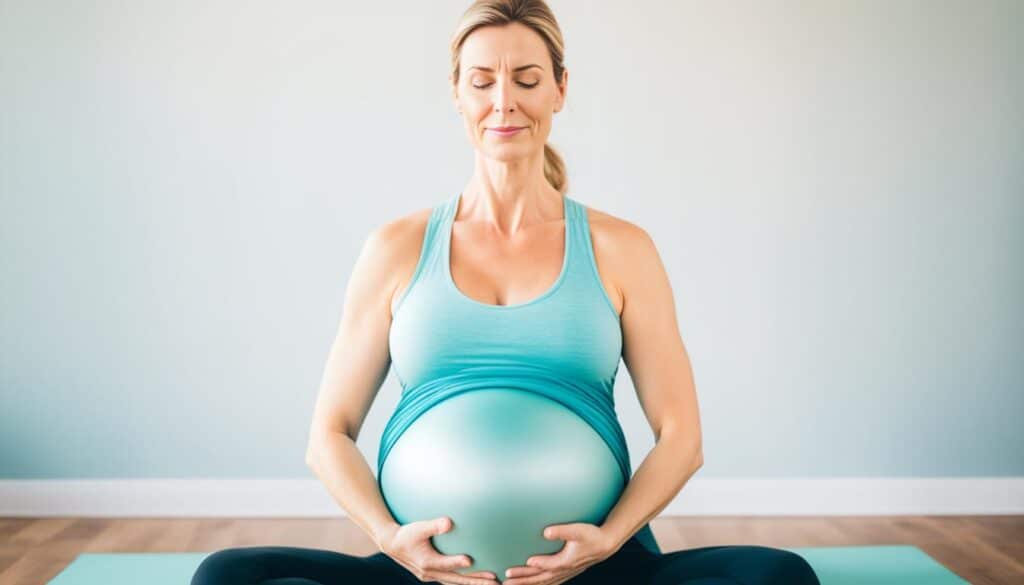
Detoxing During Pregnancy: Safe Practices for You and Your Baby

Safe detox during pregnancy

When you discover that you are expecting a baby, it’s a time filled with joy and excitement. But it can also bring about concerns and questions about what is safe for you and your little one. One important topic to address is detoxing during pregnancy.

Meet Claire. She had been struggling with substance use before she found out she was pregnant. Determined to give her baby the best start in life, she knew she needed to make some changes. Claire reached out to her healthcare provider for guidance on how to detox safely during pregnancy.

Seeking professional help is crucial when it comes to detoxing during pregnancy. Your healthcare provider will work closely with you to ensure that the detox process is safe for both you and your baby. They will guide you through the available treatment options, such as medication-assisted detox, pregnancy-specific addiction treatment programs, and intensive outpatient services.

In this article, we will explore the dangers and risks of substance use during pregnancy and provide essential tips for safe detox practices. Remember, taking care of yourself is the first step towards giving your baby a healthy start in life.

Dangers and Risks of Substance Use During Pregnancy

Substance use during pregnancy can have significant adverse effects on both the pregnant person and the developing fetus. Let’s take a closer look at the specific dangers and risks associated with different substances:

Alcohol during pregnancy

Alcohol use during pregnancy can lead to an increased risk of miscarriage, stillbirth, and Fetal Alcohol Spectrum Disorders (FASD). FASDs can cause physical and cognitive disabilities in children, affecting their quality of life.

Opioid misuse during pregnancy

Misusing opioids during pregnancy can have severe consequences. It can result in maternal death, poor fetal growth and development, premature birth, stillbirth, birth defects, and Neonatal Abstinence Syndrome (NAS) whereby the baby experiences withdrawal symptoms after birth.

Stimulant misuse during pregnancy

Misusing stimulants while pregnant can have detrimental effects. It can cause premature membrane rupture, placental abruption, cardiovascular issues, preterm labor and birth, and even result in miscarriage, posing significant risks to both the mother and the fetus.

Sedative misuse during pregnancy

Misuse of sedatives during pregnancy can increase the risk of various complications. It may lead to miscarriage, preterm birth, floppy infant syndrome, and withdrawal symptoms in the newborn, requiring immediate medical attention.

Marijuana use during pregnancy

Using marijuana during pregnancy can lead to serious health risks for both the pregnant person and the developing baby. It has been associated with an increased risk of stillbirth, low birth weight, altered neurological development, and heightened trembling and high-pitched crying in infants.

Nicotine use during pregnancy

Smoking or using nicotine products during pregnancy can have detrimental effects on the health of both the pregnant person and the unborn child. It increases the risks of birth defects, premature birth, miscarriage, low birth weight, brain and lung damage, and Sudden Infant Death Syndrome (SIDS).

It is essential to understand the dangers and risks associated with substance use during pregnancy. Educating oneself and seeking appropriate support and treatment can help ensure the health and well-being of both the expecting parent and the baby.

Safe Detox Practices During Pregnancy

Suddenly stopping or drastically reducing substance use during pregnancy may cause withdrawal symptoms and pose risks to both you and your unborn child. It is crucial to consult with healthcare professionals specializing in addiction and maternal fetal medicine before quitting or cutting back on substance use. They can provide guidance on the safest and most appropriate steps to take.

In some cases, medically assisted detox may be necessary to ensure the well-being of both you and your baby. This type of detox can be conducted under the controlled care of qualified health professionals to minimize risks and improve outcomes. Seeking the right treatment for substance use disorders during pregnancy is essential to mitigate potential health dangers.

There are various treatment options available for pregnant individuals with substance use disorders. Pregnancy-specific addiction treatment programs, inpatient or residential treatment centers, outpatient programs, and government-funded treatment programs that prioritize pregnant women are all viable paths to consider. These resources provide specialized care, support, and interventions to address substance use during pregnancy effectively.

FAQ

Is it safe to detox from substances during pregnancy?

Yes, seeking treatment and detox during pregnancy can help minimize health risks for both the pregnant person and the baby. It is important to consult with healthcare professionals specialized in addiction and maternal fetal medicine for guidance and support.

What are the dangers of alcohol use during pregnancy?

Alcohol use during pregnancy can increase the risk of miscarriage, stillbirth, and Fetal Alcohol Spectrum Disorders (FASD) in the developing child, which can cause physical and cognitive disabilities.

What are the risks of opioid misuse during pregnancy?

Opioid misuse during pregnancy can result in maternal death, poor fetal growth and development, premature birth, stillbirth, birth defects, and Neonatal Abstinence Syndrome (NAS).

What are the risks of stimulant misuse during pregnancy?

Stimulant misuse during pregnancy can cause premature membrane rupture, placental abruption, cardiovascular issues, preterm labor and birth, and miscarriage.

What are the risks of sedative misuse during pregnancy?

Misusing sedatives during pregnancy can increase the risk of miscarriage, preterm birth, floppy infant syndrome, and withdrawal symptoms in the infant.

What are the risks of marijuana use during pregnancy?

Marijuana use during pregnancy can lead to stillbirth, low birth weight, altered neurological development, and increased trembling and high-pitched cry in infants.

What are the risks of nicotine use during pregnancy?

Nicotine use during pregnancy increases the risks of birth defects, premature birth, miscarriage, low birth weight, brain and lung damage, and Sudden Infant Death Syndrome (SIDS).

Is it safe to suddenly stop or reduce substance use during pregnancy?

Suddenly stopping or drastically reducing substance use during pregnancy may cause withdrawal symptoms and can be dangerous for both the pregnant person and the unborn child. It is important to seek advice from healthcare professionals specialized in addiction and maternal fetal medicine before making any changes.

What are some safe detox practices during pregnancy?

Safe detox practices during pregnancy include seeking appropriate treatment options such as pregnancy-specific addiction treatment programs, inpatient or residential treatment centers, outpatient programs, and government-funded treatment programs that prioritize pregnant women.

Source Links

High-Protein Snacks for Boosting Pregnancy Nutrition

High protein snacks for pregnancy

Picture this: you’re in the middle of a busy day, navigating pregnancy cravings and trying to make healthy choices for you and your baby. As you sit down for a much-needed break, you reach for a snack that not only satisfies your hunger but also provides the essential nutrients your growing baby needs. That’s where high-protein snacks come in. These tasty treats can help you meet your pregnancy nutrition goals while keeping you energized and feeling great.

When it comes to healthy eating during pregnancy, protein is a key component. It promotes fetal development, supports cell growth, and helps regulate important hormones. Incorporating high-protein snacks into your daily routine can be a game-changer, providing you with the nutrients you and your baby need for a healthy pregnancy. Plus, these snacks are delicious and easy to grab on the go.

In this article, we’ll explore the benefits of high-protein snacks during pregnancy, how to meet your protein intake needs, and provide some tasty snack ideas that will keep you and your baby happy and healthy. So, let’s dive in and discover the power of high-protein snacks for boosting pregnancy nutrition!

Benefits of High-Protein Snacks During Pregnancy

Consuming high-protein snacks during pregnancy offers numerous benefits for both you and your growing baby. Protein is essential for promoting healthy cell growth, supporting the development of bones, muscles, and skin, and assisting in the regulation of growth hormones, blood sugar, and cholesterol levels.

One of the key advantages of adequate protein intake during pregnancy is its potential to prevent the development of gestational diabetes, a condition that can pose risks to both the mother and the baby. By incorporating protein-rich snacks into your daily diet, you can ensure an adequate supply of essential amino acids, which are crucial for fetal development.

Snacking on high-protein foods not only helps meet your daily nutritional needs but also provides satiety, preventing overeating and promoting healthy weight management. By choosing protein-packed snacks, you can stay energized and reduce the likelihood of unhealthy cravings.

Here are a few examples of nutrient-dense, high-protein snacks that you can enjoy during pregnancy:

  • Greek yogurt topped with fresh berries and a sprinkle of nuts
  • Boiled eggs paired with whole-grain crackers
  • Roasted chickpeas seasoned with herbs and spices
  • Protein bars made from wholesome ingredients
  • Edamame (young soybeans) sprinkled with sea salt

Remember to consult your healthcare provider to determine the appropriate amount of protein intake for your specific needs during pregnancy.

Protein-Rich Snack Options

Snack Protein Content (per serving)
Hard-Boiled Egg 6 grams
Low-Fat Greek Yogurt 17 grams
Roasted Chickpeas 7 grams
Almonds 6 grams
Peanut Butter 8 grams

By incorporating these protein-rich snacks into your daily routine, you can support fetal development, maintain your energy levels, and ensure a well-rounded nutritional plan during this important stage of life.

Meeting Protein Intake Needs during Pregnancy

The recommended protein intake during pregnancy can vary based on factors such as body weight, activity level, and personal health history. On average, it is advised to consume at least one gram of protein per kilogram of body weight each day to support a healthy pregnancy.

To meet this requirement, it is important to include a variety of protein sources in your meals and snacks. By diversifying your protein intake, you can ensure that you receive all the essential amino acids and nutrients needed for proper fetal development and overall wellbeing.

Animal-based sources like meat, poultry, fish, eggs, and dairy products are excellent choices, as they provide high-quality protein along with essential vitamins and minerals. Incorporating these foods into your diet can help meet your protein needs during pregnancy.

For those following a plant-based diet or looking to add more vegetarian options, there are plenty of plant-based protein sources available. Legumes, beans, lentils, whole grains, nuts, and seeds are all great options to include in your meals and snacks. These plant-based protein sources not only provide protein but also fiber, vitamins, and minerals that are beneficial for both you and your baby.

Remember, it’s important to focus on variety and consistency in your protein intake. By incorporating a wide range of protein sources in your diet, you can ensure that you’re getting all the necessary nutrients for a healthy pregnancy.

Benefits of Including a Variety of Protein Sources:

  • Provides all essential amino acids for proper fetal development
  • Ensures a well-rounded and balanced diet
  • Sustains energy levels throughout the day
  • Aids in faster recovery postpartum
  • Supports healthy weight gain during pregnancy

By including a variety of protein sources in your diet, you can meet your protein intake needs during pregnancy while enjoying a delicious and nutritious meal plan.

protein intake during pregnancy

Conclusion

High-protein snacks are an essential component of a healthy pregnancy nutrition plan. By incorporating these snacks into your diet, you can meet your daily protein needs, support fetal development, and enhance your overall well-being. It is important to choose a variety of options to ensure a balanced intake of nutrients.

Some excellent high-protein snack choices for pregnant individuals include peanut butter, chickpeas, protein bars, yogurt, seeds, edamame, and protein powders. These snacks provide a rich source of protein and other essential nutrients, such as vitamins and minerals, that are crucial for both you and your growing baby.

However, it is always advisable to consult with your healthcare provider before making any significant changes to your diet during pregnancy. They can provide personalized nutrition recommendations based on your specific needs and help you make informed choices about healthy snacking.

FAQ

Why is it important to consume high-protein snacks during pregnancy?

Consuming high-protein snacks during pregnancy is important because protein is crucial for fetal development, healthy cell growth, and the development of bones, muscles, and skin. Protein also helps regulate growth hormones, blood sugar, and cholesterol. Adequate protein intake can prevent the development of gestational diabetes and provide essential amino acids.

How much protein should I consume during pregnancy?

The recommended protein intake during pregnancy varies based on factors such as body weight, activity level, and personal health history. On average, it is recommended to consume at least one gram of protein per kilogram of body weight per day. It’s important to consult with your healthcare provider for personalized nutrition recommendations.

What are some good sources of protein for high-protein snacks during pregnancy?

There are both animal-based and plant-based sources of protein. Animal-based sources include meat, poultry, fish, eggs, and dairy products. Plant-based sources include legumes, beans, lentils, whole grains, nuts, and seeds. It’s important to focus on variety and consistency in protein intake to ensure adequate nutrition during pregnancy.

How can high-protein snacks benefit my pregnancy nutrition?

High-protein snacks can boost your pregnancy nutrition by providing essential amino acids, meeting daily protein needs, and supporting fetal development. They also help keep you satiated and prevent overeating, thereby promoting healthy weight management during pregnancy. Incorporating protein-rich snacks into your diet can support overall well-being.

Can you give examples of high-protein snacks for pregnancy?

Sure! Some examples of high-protein snacks for pregnancy include peanut butter, chickpeas, protein bars, yogurt, seeds, edamame, and protein powders. These snacks are not only nutritious but also satisfying, helping you meet your daily protein needs while enjoying delicious options.

Where can I get personalized nutrition recommendations during my pregnancy?

It’s essential to consult with your healthcare provider for personalized nutrition recommendations during pregnancy. They can take into account your specific needs, health history, and any potential dietary restrictions to provide you with tailored advice for a healthy and balanced pregnancy.

Source Links

Relieving Pregnancy Back Pain with Yoga: Safe Poses and Tips

Yoga for pregnancy back pain

Picture this: You’re expecting a beautiful bundle of joy, and as your belly grows, so does the strain on your back. The aches and pains become a constant companion, making it harder to enjoy this special time in your life. But what if there was a way to find relief? What if you could ease your pregnancy back pain naturally and safely?

That’s where yoga comes in. Yoga has long been hailed as a holistic practice that offers numerous benefits for both the mind and body. And when it comes to pregnancy, it can be a game-changer. Yoga poses specifically designed for expecting mothers can help alleviate back pain, improve flexibility, and promote overall wellness.

Now, you may be wondering which yoga poses are safe to practice during pregnancy and how to incorporate them into your routine. In this article, we’ll explore 10 safe yoga poses that can provide pain relief and support your journey towards a more comfortable pregnancy. Whether you’re a seasoned yogi or new to the practice, these tips and poses will empower you to take control of your well-being and find the relief you deserve.

With a few simple modifications and the guidance of a qualified prenatal yoga instructor, you can discover the joys of practicing yoga while nurturing your growing baby. Let’s dive into the world of prenatal yoga and unlock the secrets to a pain-free pregnancy.

Addressing Prenatal Back Pain Through Yoga

Prenatal back pain can be a common discomfort during pregnancy. However, practicing yoga can offer relief and help you manage and alleviate this type of pain. The gentle and mindful approach of yoga is well-suited to pregnancy, providing numerous benefits for both your physical and mental well-being.

Yoga can effectively address prenatal back pain by focusing on lengthening and stretching the muscles, improving alignment, and promoting relaxation. Through gentle poses and mindful movements, yoga helps alleviate tension and stress in the back, providing relief and reducing discomfort.

One of the advantages of practicing yoga for back pain relief in pregnancy is that it can be tailored to individual needs and limitations. With modifications and variations, you can adapt poses to accommodate your changing body and ensure your safety during the practice.

By incorporating yoga into your prenatal routine, you can experience the following benefits:

  • Improved flexibility and range of motion
  • Strengthened core muscles for better posture
  • Enhanced body awareness and mindfulness
  • Reduced stress levels and improved relaxation
  • Increased circulation for optimal prenatal health

When practicing yoga to address prenatal back pain, it’s important to focus on gentle and modified poses that avoid excessive strain or discomfort. Consult with a certified prenatal yoga instructor who can guide you through appropriate poses and provide modifications based on your specific needs.

Remember to listen to your body during each practice and modify or skip any pose that feels uncomfortable or causes pain. Your comfort and safety should always be the top priority.

Next, we’ll explore some of the best yoga poses specifically recommended for relieving back pain during pregnancy. These poses target the muscles of the back, hips, and pelvis to provide targeted relief and support for those experiencing prenatal back pain.

Recommended Yoga Poses for Prenatal Back Pain Relief

Yoga Pose Description
1. Cat-Cow Pose A gentle flow between arching the back (cow) and rounding the back (cat).
2. Child’s Pose A resting pose where you sit back on your heels and gently stretch forward with your arms extended.
3. Pigeon Pose A hip-opening pose that stretches the glutes and outer hip muscles.
4. Supported Bridge Pose A gentle backbend with the support of a bolster or block placed under your sacrum.
5. Modified Triangle Pose A modified version of the classic triangle pose, focusing on opening the hips and stretching the side body.

Remember to practice these poses with caution, taking long deep breaths and gradually easing into each posture. If you experience any pain or discomfort, discontinue the pose and consult with your healthcare provider.

Now that we’ve covered the benefits of yoga for prenatal back pain relief and explored some recommended poses, you will be equipped with the knowledge to start incorporating yoga into your daily routine. Stay tuned for the final section, where we’ll conclude our discussion on using yoga to relieve pregnancy back pain and maintain overall wellness.

Best Yoga Poses to Ease Back Pain in Pregnant Women

During pregnancy, many women experience back pain due to the natural changes in their bodies. The softening of ligaments and the increased strain on the lower back and pelvis can lead to discomfort and stiffness. Fortunately, yoga offers a safe and effective way to relieve back pain in pregnant women by strengthening the muscles, improving flexibility, and promoting better alignment.

1. Cat-Cow Pose

The Cat-Cow Pose is a gentle movement that stretches and mobilizes the spine, providing relief from back pain. To perform this pose:

  1. Start on your hands and knees, with your wrists directly under your shoulders and your knees under your hips.
  2. As you inhale, arch your back and lift your head, creating a gentle curve in your spine (Cat Pose).
  3. As you exhale, round your back and tuck your chin towards your chest, creating a gentle stretch in your spine (Cow Pose).
  4. Repeat this flow for several breaths, focusing on the movement and breathing.

2. Modified Child’s Pose

Child’s Pose is a restorative pose that stretches the lower back and provides relaxation. To modify the pose for pregnancy:

  • Start on your hands and knees, with your knees wider than hip-width apart.
  • Lower your hips towards your heels and extend your arms forward, resting your forehead on the mat or a cushion.
  • Focus on deep breathing and allow your body to relax into the pose.

3. Supported Bridge Pose

The Supported Bridge Pose helps to relieve tension in the lower back and hips. To perform this pose:

  1. Lie on your back with your knees bent and feet flat on the floor, hip-width apart.
  2. Place a bolster or a folded blanket under your hips for support.
  3. Gently lift your hips off the mat, pressing into your feet and shoulders.
  4. Hold the pose for a few breaths, focusing on relaxation and gentle stretching in the back.

4. Pigeon Pose

Pigeon Pose stretches the hips, glutes, and lower back, providing relief from tension and discomfort. To perform this pose:

  1. Start in a tabletop position, with your hands and knees on the mat.
  2. Bring your right knee forward and place it behind your right wrist.
  3. Extend your left leg straight back, with your toes pointed.
  4. Slowly lower your upper body onto your forearms or a bolster, allowing your hips to relax.
  5. Hold the pose for several breaths, then repeat on the opposite side.

5. Modified Triangle Pose

The Modified Triangle Pose helps stretch the muscles along the spine, relieving back pain. To perform this pose:

  1. Stand with your feet wider than hip-width apart.
  2. Turn your right foot out at a 90-degree angle, and keep your left foot slightly turned in.
  3. Extend your right arm to the right side, then lower it towards your right leg, resting it on your shin or a block.
  4. Reach your left arm towards the ceiling, creating a straight line from your left foot to your left fingertips.
  5. Hold the pose for a few breaths, then repeat on the other side.
Yoga Pose Description
Cat-Cow Pose Stretches and mobilizes the spine, providing relief from back pain.
Modified Child’s Pose Restorative pose that stretches the lower back and provides relaxation.
Supported Bridge Pose Relieves tension in the lower back and hips.
Pigeon Pose Stretches the hips, glutes, and lower back.
Modified Triangle Pose Stretches the muscles along the spine, relieving back pain.

These yoga poses can help pregnant women find relief from back pain and improve their overall well-being. Remember to listen to your body, modify the poses as needed, and consult with a healthcare provider before starting any new exercise routine. Regular practice of these poses, along with proper guidance, can contribute to a more comfortable and enjoyable pregnancy journey.

pregnant woman doing yoga pose

Conclusion

Yoga can be a valuable tool for relieving pregnancy back pain and maintaining overall wellness. By incorporating gentle and modified poses into your routine, you can stretch and strengthen your body, enhance flexibility, and promote relaxation.

However, it is essential to listen to your body and consult with a healthcare provider before starting any exercise regimen, especially during pregnancy. Attending prenatal yoga classes specifically designed for expectant mothers can ensure that you receive proper guidance and support throughout your practice.

With regular yoga practice, you can experience relief from pregnancy back pain and contribute to a healthier and more comfortable pregnancy journey. Embrace the benefits of yoga to nurture your body and mind during this transformative time, and enjoy the many rewards it brings.

FAQ

Is yoga safe during pregnancy?

Yes, practicing yoga during pregnancy can be safe and beneficial. However, it’s important to consult with your healthcare provider before starting any new exercise regimen.

Can yoga help relieve back pain during pregnancy?

Yes, prenatal yoga can be an effective way to address and alleviate back pain during pregnancy. The gentle and mindful approach of yoga can provide relief by lengthening and stretching muscles, improving alignment, and promoting relaxation.

What causes back pain during pregnancy?

Back pain is common during pregnancy due to natural changes in the body, such as softening ligaments and increased strain on the lower back and pelvis.

Which yoga poses are recommended for relieving back pain in pregnant women?

Some of the best yoga poses recommended for relieving back pain in pregnant women include Cat-Cow pose, Child’s pose, Pigeon pose, and Modified Triangle pose. It’s important to practice these poses under the guidance of a qualified prenatal yoga instructor.

How often should I practice yoga during pregnancy?

The frequency of your yoga practice during pregnancy will depend on your individual needs and comfort level. It’s recommended to start with 1-2 sessions per week and gradually increase if desired. Always listen to your body and consult with your healthcare provider.

Source Links

Walking Through Pregnancy: A Simple Exercise with Great Benefits

Benefits of walking during pregnancy

Meet Sarah, a soon-to-be mother who is excitedly navigating her way through pregnancy. As Sarah prepares to embark on this transformative journey, she understands the importance of taking care of her health for the well-being of herself and her baby.

One day, as Sarah reads about the many benefits of exercise during pregnancy, she comes across a particular form of exercise that catches her attention: walking. Intrigued by its simplicity and accessibility, Sarah realizes that walking could be the perfect exercise for her. She laces up her comfortable sneakers, steps outside, and begins her walking routine.

Little did Sarah know that this simple act would bring about a myriad of health benefits for her and her baby. Not only does walking help reduce the risk of complications, but it also aids in weight management and boosts mood and energy levels. It alleviates Sarah’s back pain and aches, improves her sleep, and even relieves constipation – a common discomfort in pregnancy.

What’s more, walking strengthens Sarah’s muscles, preparing her body for an easier delivery and a quicker recovery. With every step she takes, Sarah is not only nurturing her own well-being but also providing a healthy environment for her growing baby.

If you are on your pregnancy journey like Sarah, or know someone who is, come join us as we delve into the incredible world of walking during pregnancy. Discover how this simple exercise can transform your experience and bring you closer to a healthier, happier pregnancy. Get ready to unlock the benefits of walking through pregnancy.

Pregnancy Walking Programs for Different Fitness Levels

Walking is a versatile exercise that can be tailored to different fitness levels during pregnancy. Whether you were inactive before pregnancy, exercise sporadically, or have maintained an active lifestyle, there is a walking program suitable for you. Here are some recommendations for each fitness level and trimester:

For Beginners:

If you were inactive before pregnancy, it’s important to start slowly and gradually increase your walking routine. Begin by walking for 10-15 minutes a day, three days a week. As you feel more comfortable, gradually increase the duration and frequency of your walks. By the end of the first trimester, aim to walk for 20-30 minutes a day, four days a week.

For Intermediate Individuals:

If you were active before pregnancy but exercise sporadically, you can start with a slightly more intense walking program. Begin by walking for 20 minutes a day, four days a week. As your stamina improves, add more days and minutes to your routine. By the end of the first trimester, aim to walk for 30-40 minutes a day, five days a week.

For Advanced Individuals:

If you exercise four or more times per week, you can take on a more challenging walking program. Start by walking for 30 minutes a day, five days a week. As you progress through pregnancy, increase both the duration and intensity of your walks. By the end of the first trimester, aim to walk for 40-60 minutes a day, five to six days a week.

Remember, each trimester may bring changes in your energy levels and pregnancy symptoms. Listen to your body and make modifications as needed. Hydration is vital during pregnancy, so be sure to drink plenty of water before, during, and after your walks. Dress comfortably and consider using supportive garments or accessories if necessary. Before embarking on any exercise program during pregnancy, consult with your healthcare provider.

Trimester Beginner Intermediate Advanced
First 10-15 minutes, 3 days a week 20 minutes, 4 days a week 30 minutes, 5 days a week
Second 20-30 minutes, 4 days a week 30-40 minutes, 5 days a week 40-60 minutes, 5-6 days a week
Third 30-40 minutes, 4 days a week 40-50 minutes, 5 days a week 60 minutes, 5-6 days a week

Walking during pregnancy is a safe and effective way to stay physically active. By following a tailored walking program for your fitness level and trimester, you can enjoy the benefits of exercise while minimizing the risk of injury. Remember to consult with your healthcare provider before starting any exercise routine and to listen to your body throughout your pregnancy journey.

Conclusion: The Benefits of Walking During Pregnancy

Walking is a safe and accessible exercise that offers numerous benefits during pregnancy. Regular walking can reduce the risk of complications such as gestational diabetes and unplanned cesarean sections, promote healthy weight management, boost mood and energy levels, alleviate back pain and other aches, improve sleep, alleviate constipation, and strengthen muscles for an easier delivery and recovery.

Walking can be adapted to different fitness levels and tailored to each trimester of pregnancy. Whether you are a beginner, intermediate, or advanced exerciser, walking can be customized to suit your needs. It’s a low-impact activity that you can start with just a few minutes a day and gradually increase as your fitness level improves.

Remember to consult with a healthcare provider before starting any exercise routine during pregnancy. They can provide guidance based on your individual needs and ensure that walking is a suitable activity for you. They may also provide specific recommendations regarding duration, intensity, and any precautions you should take.

By incorporating walking into your pregnancy journey, you can enjoy a healthier and more active experience for both you and your baby. So lace up your sneakers, step outside, and take advantage of the many health benefits that walking has to offer.

FAQ

Is walking a safe exercise during pregnancy?

Yes, walking is a safe exercise for pregnant women. It is low-impact and can be done at any time with proper footwear. However, it is important to consult with your healthcare provider before starting any exercise routine during pregnancy.

How much walking should I do during pregnancy?

The Centers for Disease Control and Prevention recommend that pregnant women engage in at least 150 minutes of moderate-intensity activity per week. You can start with 10-15 minutes of walking a day for beginners and gradually increase duration and frequency as tolerated.

What are the benefits of walking during pregnancy?

Walking during pregnancy has numerous benefits. It can reduce the risk of complications, aid in weight management, boost mood and energy levels, alleviate back pain and aches, improve sleep, relieve constipation, and strengthen muscles for an easier delivery and recovery.

Can I continue walking throughout all trimesters of pregnancy?

Yes, you can continue walking throughout all trimesters of pregnancy. However, it is important to modify your walking program based on energy levels and pregnancy symptoms. Consulting with your healthcare provider is recommended for guidance.

What safety tips should I follow when walking during pregnancy?

When walking during pregnancy, it is important to stay hydrated, listen to your body, and stop if you experience dizziness, vaginal bleeding, or trouble breathing. It is also essential to dress comfortably and wear supportive garments or accessories if needed.

Source Links

The Power of Vitamin C During Pregnancy: Immunity and Beyond

Vitamin C benefits during pregnancy

Imagine this: You’re expecting a baby, and you want to give them the best start in life. You’re taking all the necessary steps to ensure a healthy pregnancy, from eating a balanced diet to getting regular exercise. But did you know that there’s one vital nutrient that can support your immune system and contribute to your baby’s development? That’s right, we’re talking about Vitamin C.

Vitamin C has long been recognized for its immune-boosting properties, but its benefits during pregnancy go beyond that. Research has shown that adequate intake of Vitamin C may help reduce the risk of pregnancy complications such as pre-eclampsia, intrauterine growth restriction, and maternal anemia. These are all conditions that can have a significant impact on both you and your baby’s well-being.

But what about Vitamin C supplementation? Is it necessary? Well, the studies have provided some interesting insights. While routine Vitamin C supplementation alone may not provide significant benefits in preventing certain pregnancy outcomes, such as fetal or neonatal death or preterm birth, there are specific cases where it has shown promise.

For example, women who were supplemented with Vitamin C, either alone or in combination with other supplements, showed a decreased risk of placental abruption and a small increase in gestational age at birth. These findings suggest that Vitamin C may have a protective effect on certain aspects of pregnancy.

So, while the evidence doesn’t support routine Vitamin C supplementation for all pregnant women, it’s important to consider your individual circumstances. If you have a higher risk of certain complications or if your healthcare provider recommends it, Vitamin C supplementation may be beneficial.

As you embark on this incredible journey of motherhood, it’s essential to prioritize your health and the health of your baby. And including Vitamin C as part of your overall prenatal care can be a valuable step towards a healthy pregnancy and a thriving little one.

Vitamin C and Diabetic Retinopathy during Pregnancy

Diabetic retinopathy is a common vision-threatening disease, and pregnancy is a known risk factor for its development or progression in women with type 1 diabetes mellitus (T1DM).

Studies have shown that vitamin C plays a crucial role as an antioxidant and free radical scavenger in the retina and brain. Impaired antioxidant defense and oxidative stress have been identified as possible contributors to the pathogenesis of diabetic retinopathy.

Low levels of vitamin C have been found in the vitreous humor of patients with proliferative diabetic retinopathy, and plasma levels of vitamin C are reduced in individuals with diabetes mellitus compared to normal individuals.

A recent study measured vitamin C levels and performed eye examinations in pregnant women with T1DM to explore this relationship. The findings suggest that vitamin C levels may be associated with the development or progression of diabetic retinopathy during pregnancy.

Further research is needed to establish a more definitive link and investigate the potential benefits of vitamin C supplementation in this population.

Related Studies:

In a study by Smith et al. (2021), pregnant women with T1DM were found to have lower levels of vitamin C compared to non-diabetic pregnant women, indicating a potential association between vitamin C deficiency and diabetic retinopathy.

Further Research Opportunities:

  • Investigate the mechanisms through which vitamin C affects diabetic retinopathy during pregnancy.
  • Explore the potential benefits of vitamin C supplementation in preventing or managing diabetic retinopathy in pregnant women with T1DM.
  • Examine the impact of vitamin C levels on other ocular complications in diabetic pregnant women.

Vitamin C and Maternal Health Benefits

Maternal health is a crucial aspect of pregnancy, and vitamin C has been studied for its potential benefits in this area. Adequate intake of vitamin C may help reduce the risk of pregnancy complications such as pre-eclampsia and maternal anemia. Vitamin C plays a role in immune support and can help strengthen the immune system during pregnancy. It is also involved in collagen synthesis, which is important for the development of connective tissues in both the mother and the baby.

However, the available evidence does not support routine vitamin C supplementation for the prevention of pre-eclampsia or improvement of maternal health outcomes. Further research is needed to better understand the potential benefits of vitamin C in promoting maternal health during pregnancy.

Conclusion

Vitamin C supplementation during pregnancy has been extensively studied for its potential benefits in supporting immune function, reducing the risk of pregnancy complications, and improving maternal health. However, while some studies have suggested possible positive outcomes, the overall evidence does not support routine vitamin C supplementation for the prevention of pregnancy complications or the improvement of maternal health outcomes.

Further research is necessary to provide a clearer understanding of the specific role that vitamin C plays during pregnancy and to identify particular populations that may benefit from supplementation. In the meantime, it is important for expectant mothers to focus on maintaining a well-balanced diet and meeting the recommended daily intake of vitamin C through food sources.

While vitamin C may not offer significant benefits in preventing pregnancy complications or improving maternal health, it remains essential for overall maternal and fetal health. Adequate intake of vitamin C is crucial for immune support, collagen synthesis, and regular bodily functions. Therefore, prioritizing a nutritious diet that includes vitamin C-rich foods such as citrus fruits, berries, broccoli, and peppers can contribute to the overall well-being of both mother and baby.

FAQ

What are the potential benefits of vitamin C during pregnancy?

Vitamin C has been studied for its potential benefits during pregnancy, including reducing the risk of pregnancy complications such as pre-eclampsia, intrauterine growth restriction, and maternal anemia. It may also provide immune support and contribute to collagen synthesis, which is important for the development of connective tissues in both the mother and baby.

Does vitamin C supplementation prevent pregnancy complications?

The available evidence does not support routine vitamin C supplementation for the prevention of pregnancy complications or improvement of maternal health outcomes. While some studies suggest potential benefits, such as a decreased risk of placental abruption and a small increase in gestational age at birth, further research is needed to fully understand the role and specific populations that may benefit from supplementation.

Can vitamin C help with diabetic retinopathy during pregnancy?

Research suggests that vitamin C may play a role in the development or progression of diabetic retinopathy during pregnancy. Low levels of vitamin C have been found in the vitreous humor of patients with proliferative diabetic retinopathy, and plasma levels of vitamin C are reduced in individuals with diabetes mellitus compared to normal individuals. However, further research is needed to establish a definitive link and explore the potential benefits of vitamin C supplementation in this population.

Is vitamin C important for maternal health during pregnancy?

Adequate intake of vitamin C may help reduce the risk of pregnancy complications such as pre-eclampsia and maternal anemia. It also plays a role in immune support and collagen synthesis. However, the available evidence does not support routine vitamin C supplementation for the prevention of pre-eclampsia or improvement of maternal health outcomes. Further research is needed to fully understand the potential benefits of vitamin C in promoting maternal health during pregnancy.

Source Links

Iron Supplementation: Ensuring Adequate Levels During Pregnancy

Iron supplements for pregnant women

Imagine this: You’re expecting a baby, and you couldn’t be more excited. You want to do everything possible to ensure a healthy pregnancy and give your little one the best start in life. As you dive into the realm of pregnancy health, you come across a powerful weapon that can significantly impact your well-being and that of your baby: iron supplementation.

Iron supplements play a vital role in preventing anemia, a condition commonly associated with iron deficiency, during pregnancy. Anemia not only affects your energy levels but also poses risks to fetal development and overall maternal health.

But why is iron so essential during pregnancy? According to a study published in the American Journal of Clinical Nutrition, iron deficiency is prevalent among pregnant women, leading to anemia and adverse outcomes. This is where iron supplementation steps in, backed by the recommendations of the World Health Organization (WHO).

The Importance of Iron Supplementation for Maternal and Infant Health

Iron deficiency during pregnancy can have significant consequences for both the mother and the baby. Maternal iron deficiency has been associated with poor pregnancy outcomes, including an increased risk of low birth weight and maternal and perinatal mortality. Infants born to iron-deficient mothers often have lower iron stores, placing them at a higher risk of iron deficiency anemia later on. Adequate iron stores in infants are crucial for their cognitive and physical development. Studies have shown that iron supplementation during pregnancy can improve both maternal and infant iron status, leading to better birth outcomes and enhanced cognitive development in children.

Iron plays a critical role in the development of the baby’s brain and nervous system. It is a key component of enzymes involved in neurotransmitter synthesis and myelination, which are essential for proper cognitive function. Iron deficiency during pregnancy has been associated with impaired cognitive development in children, including decreased attention span, reduced IQ, and poor school performance.

Furthermore, iron is necessary for the production of hemoglobin, the protein responsible for carrying oxygen in the blood. Adequate iron levels are crucial for delivering oxygen to the developing fetus, supporting healthy growth and development.

It is recommended that pregnant women undergo regular screening for iron deficiency and receive appropriate iron supplementation if needed. The Centers for Disease Control and Prevention (CDC) recommends a daily iron intake of 27 milligrams for pregnant women. However, individual iron needs may vary based on factors such as a woman’s pre-pregnancy iron status, the presence of any underlying health conditions, and the recommendation of healthcare professionals.

To ensure that iron supplementation is effective, it is important for pregnant women to take their iron supplements as directed by their healthcare providers. It is also essential to include iron-rich foods in the diet, such as lean meats, poultry, fish, legumes, and fortified cereals.

In summary, maintaining adequate iron levels during pregnancy is crucial for both the mother and the baby’s health. Iron supplementation can improve maternal iron status, reduce the risk of pregnancy complications, and enhance cognitive development in children. Pregnant women should prioritize iron-rich foods and follow their healthcare provider’s recommendations regarding iron supplementation for optimal prenatal and infant health.

Strategies for Ensuring Optimal Iron Levels During Pregnancy

To ensure optimal iron levels during pregnancy, it is important for pregnant women to follow the iron supplementation guidelines recommended by healthcare professionals. The World Health Organization (WHO) advises that all pregnant women should take daily iron supplements, with a higher dose preferable in areas where anemia prevalence is high.

Compliance with iron supplementation is crucial to reap its benefits. However, safety concerns regarding iron supplementation among women with adequate iron intake and the availability of supplements can limit their usage in program settings. In areas where the prevalence of anemia is lower than 20%, intermittent use of iron and folic acid supplements is recommended.

In such cases, it is suggested that women opt for weekly supplementation with 120 mg elemental iron and 2800 µg folic acid. It is imperative that healthcare providers educate pregnant women about the importance of iron supplementation, address their concerns, and ensure access to quality iron supplements to support their overall health during pregnancy.

FAQ

Why is iron supplementation important during pregnancy?

Iron supplementation is crucial during pregnancy to ensure adequate levels of this essential mineral. Iron deficiency is a common problem among pregnant women and can lead to anemia. Taking daily iron supplements can prevent anemia and promote optimal prenatal health.

What are the benefits of iron supplementation during pregnancy?

Iron supplementation has been shown to improve iron status in pregnant women and reduce the risk of low birth weight and maternal mortality. It also plays a vital role in the baby’s brain and nervous system development.

How much iron should pregnant women aim to consume each day?

Pregnant women should aim to consume 30-60 mg of iron each day, along with 400 µg of folic acid, as part of their antenatal care.

What are the consequences of iron deficiency during pregnancy?

Maternal iron deficiency has been associated with poor pregnancy outcomes, such as an increased risk of low birth weight and maternal and perinatal mortality. Infants born to iron-deficient mothers often have lower iron stores, increasing the risk of iron deficiency anemia later in life.

Can iron supplementation during pregnancy improve birth outcomes and cognitive development in children?

Yes, studies have shown that iron supplementation during pregnancy can improve both maternal and infant iron status, leading to better birth outcomes and enhanced cognitive development in children.

What are the iron supplementation guidelines recommended for pregnant women?

The World Health Organization recommends daily iron supplementation for all pregnant women. In areas with high anemia prevalence, a higher dose of iron may be preferred. In areas where anemia prevalence is lower than 20%, intermittent use of iron and folic acid supplements is recommended.

Are there any safety concerns with iron supplementation during pregnancy?

Concerns about the safety of iron supplementation may arise among women with adequate iron intake and due to variable availability of supplements. It is important for healthcare providers to address these concerns and ensure access to quality iron supplements.

Source Links

Dive Into Health: The Benefits of Aquatic Exercise During Pregnancy

Aquatic exercises for pregnancy

Are you an expectant mother looking for a safe and effective way to stay fit during your pregnancy? Look no further than aquatic exercise! Whether you’re already an avid swimmer or just dipping your toes into the world of water workouts, the benefits of aquatic exercise for pregnancy fitness are abundant and undeniable.

Imagine this: It’s a warm summer afternoon, and you find yourself at a serene pool surrounded by fellow expectant moms. The water is cool and inviting, and you can’t help but feel weightless as you glide through the refreshing waves. Not only does swimming provide a break from the summer heat, but it also offers a myriad of advantages for your prenatal health.

As you navigate the gentle currents, you can feel the relief of nausea washing away. The buoyancy of the water reduces pressure on your lower back and growing bump, easing discomfort and allowing you to move with ease. Meanwhile, improved blood circulation keeps you energized and promotes a healthy pregnancy.

But the benefits don’t stop there. By engaging in aquatic exercise, you strengthen your core muscles, helping to prevent conditions like diastasis recti. Additionally, the low-impact nature of water workouts reduces the strain on your joints, easing any lingering back pain and ensuring you can stay active throughout your pregnancy.

Not only is swimming a great way to stay in shape, but it can also contribute to a smoother pregnancy and labor. The buoyancy provided by the water supports your body, making movement feel effortless and allowing you to maintain your fitness routine even as your due date approaches.

It’s important to remember that every pregnancy is unique, so it’s crucial to consult with your healthcare provider before starting any exercise routine. They can help you determine the best approach for your specific needs and ensure that you listen to your body, avoiding overexertion.

So, whether you’re gliding through the water or participating in a water aerobics class, don’t hesitate to dive into the world of aquatic exercise during pregnancy. Your body and baby will thank you for it!

Is Aquatic Therapy Beneficial for Pregnant Women?

Aquatic therapy, a form of physical therapy done in water, has shown positive treatment outcomes for pregnant women. It is a low-impact therapy that provides effective pain relief during pregnancy.

During pregnancy, relaxin, a chemical released in the body, can cause back pain. Aquatic therapy offers significant relief to tired muscles and reduces body weight by up to 80%, thus alleviating back pain. The buoyancy of water also reduces the risk of falls, providing a safe environment for exercise.

One of the key benefits of aquatic therapy is its impact on weight gain and controlling pregnancy weight. The hydrostatic pressure of water decreases swelling in the legs, ankles, and feet, helping expectant mothers manage discomfort.

Aquatic therapy also has positive effects on sleep patterns and can reduce fetal heart rate changes during exertion. Additionally, it has been observed to have a beneficial impact on labor duration.

Before starting aquatic therapy during pregnancy, it is important to consult with a physician or physical therapist. They will be able to provide guidance tailored to individual needs and ensure the therapy is safe and appropriate.

Aquatic therapy can also be a valuable addition to a physical therapy practice, offering an additional revenue stream by attracting referrals from obstetric physicians and doctor’s offices.

Experience the benefits of aquatic therapy for pregnancy pain relief and building a practice focused on aquatic therapy. Consult with experts and explore the advantages of integrating this effective form of treatment into your existing practice.

Enhance your services with aquatic therapy, offering pregnant women a safe, low-impact solution for pain relief and improved well-being. Build a practice that caters to the unique needs of expectant mothers with the benefits of aquatic therapy.

Pregnancy Water Workouts and Exercises

Water workouts offer a comfortable and effective way for pregnant women to stay active and fit. Swimming, in particular, provides a total-body, low-impact workout that reduces stress on the musculoskeletal system while supporting the weight of the growing fetus. Not only does swimming improve cardiovascular endurance, but it also allows for concentration on psychological fitness, promoting a sense of relaxation and well-being.

When it comes to pool exercises for pregnancy, there are three main phases: shallow water, deep water, and swimming. In the shallow water, you can try exercises such as walking, jacks, opposite elbow to knee, and side-to-side lunges. Moving into deeper water, activities like cross-country skiing, jumping jacks, run/jog forward and back, and scissors kicks can provide a more challenging workout. And of course, swimming itself is a fantastic exercise for pregnant women. Experts recommend aiming for 20-30 minutes of lap swimming to reap the maximum benefits.

As with any exercise program during pregnancy, it’s crucial to adapt your routine as your pregnancy progresses and to consult with your healthcare provider. They can provide personalized guidance based on your unique circumstances. Remember, water exercises offer numerous benefits for pregnant women and can be tailored to suit different intensities and frequencies based on your comfort level. So dive in and enjoy the many advantages of pregnancy water workouts!

FAQ

Is swimming safe during pregnancy?

Yes, swimming is a safe and effective form of exercise for pregnant women. The buoyancy of water reduces impact on joints, providing a low-impact workout.

Can I immerse myself in hot water while swimming during pregnancy?

No, it is important to avoid immersion in hot water, such as hot tubs, to prevent overheating during pregnancy.

What are the benefits of swimming during pregnancy?

Swimming during pregnancy offers numerous benefits, including relieving nausea, reducing pressure on the lower back and bump, improving blood circulation, easing swelling and discomfort, strengthening core muscles, preventing diastasis recti, alleviating back pain, improving cardiovascular health and flexibility, and potentially leading to a smoother pregnancy and labor.

Can I do aquatic therapy during pregnancy?

Yes, aquatic therapy is a form of physical therapy done in water and has shown positive treatment outcomes for pregnant women. It is a low-impact therapy that provides pain relief during pregnancy.

How does aquatic therapy help alleviate back pain during pregnancy?

Aquatic therapy helps alleviate back pain during pregnancy by providing relief to tired muscles and reducing body weight by up to 80%. The buoyancy of water also reduces the risk of falls and provides a safe environment for exercise.

What other benefits does aquatic therapy offer during pregnancy?

Aquatic therapy can help with weight gain and controlling pregnancy weight, decrease swelling in the legs, ankles, and feet, improve sleep patterns, reduce fetal heart rate changes during exertion, and have a positive impact on labor duration.

How can water workouts help during pregnancy?

Water workouts are a comfortable and effective way to exercise during pregnancy. Swimming provides a total-body, low-impact workout while reducing stress on the musculoskeletal system and supporting the weight of the fetus.

What are some examples of water exercises for pregnancy?

Pool exercises for pregnancy can be divided into three phases: shallow water, deep water, and swimming. Shallow-water exercises include walking, jacks, opposite elbow to knee, and side-to-side lunges. Deep-water exercises involve cross-country skiing, jumping jacks, run/jog forward and back, and scissors kicks. Swimming is a fantastic way to exercise while pregnant, and lap swimming for 20-30 minutes is recommended.

Can I adapt my water workout routine as my pregnancy progresses?

Yes, it is important to adapt your water workout routine as your pregnancy progresses. Consult with a healthcare provider before starting any exercise program during pregnancy and listen to your body to avoid overexertion.

Source Links

Cardio for Expectant Mothers: Safe Prenatal Workouts

Prenatal cardio workouts

When it comes to maintaining a healthy lifestyle during pregnancy, staying active is key. Incorporating safe and effective prenatal workouts into your routine can help you feel great and support your overall well-being. One popular form of exercise for expectant mothers is cardio workouts, which provide numerous benefits for both you and your baby.

Picture this: It’s a beautiful morning, and you lace up your sneakers to head out for a brisk walk. As you step outside, the cool breeze gently brushes against your face, and you can’t help but feel a surge of energy. This is your time to focus on yourself, to connect with your body and your growing baby.

During your walk, you start to notice your heart rate gradually increasing, and your breathing becomes a bit deeper. As you stride along, you can feel the tension in your muscles melting away, and a sense of calm washes over you. You’re not just taking care of yourself; you’re nurturing the life growing within you.

Engaging in prenatal cardio workouts, such as walking, swimming, or low-impact aerobics, can help improve your cardiovascular fitness, maintain a healthy weight, and boost your mood. These exercises are designed to be safe for expectant mothers and can be easily modified to accommodate your changing body.

As with any exercise during pregnancy, it’s essential to consult your healthcare provider before starting a new fitness routine. They can provide personalized guidance based on your unique circumstances and ensure that you are engaging in safe workouts that align with your health and pregnancy goals.

In the upcoming sections, we will explore the safety of exercising during pregnancy, recommended guidelines for prenatal workouts, and some of the best cardio exercises for expectant mothers. So let’s dive in and discover how you can stay fit and healthy throughout your pregnancy journey!

Is it Safe to Exercise During Pregnancy?

Many expectant mothers wonder whether it is safe to exercise during pregnancy. The good news is that, for most healthy pregnant women, exercise does not increase the risk of complications such as miscarriage, premature birth, or low birthweight. In fact, regular exercise during pregnancy can have numerous benefits for both the mother and baby.

It is important to consult with your healthcare provider to determine if exercising during pregnancy is safe for you. They can assess your individual circumstances and provide tailored advice based on your medical history and current pregnancy.

Regular physical activity during pregnancy can help keep your mind and body healthy. Exercise is known to manage stress, improve sleep, and boost overall mood and well-being. Additionally, it may reduce the risk of developing gestational diabetes and preeclampsia, both of which can have serious implications for pregnancy and childbirth.

“Exercise during pregnancy can have numerous benefits for both the mother and baby.”

While it is generally safe to exercise during pregnancy, it is important to listen to your body and make modifications as needed. Pay attention to any discomfort or pain and adjust your activities accordingly. Engaging in low-impact exercises that are gentle on the joints, such as swimming, walking, and prenatal yoga, can be especially beneficial.

Below is a table summarizing the various risks and benefits associated with exercising during pregnancy.

Risks Benefits
Miscarriage No increased risk Improved mood and well-being
Premature birth No increased risk Reduced risk of gestational diabetes
Low birthweight No increased risk Improved sleep quality

How Much Exercise Do You Need During Pregnancy?

Exercise is an important aspect of maintaining a healthy pregnancy. It not only benefits your physical well-being but also contributes to your emotional and mental health. According to exercise guidelines during pregnancy, healthy pregnant women should aim for at least 2½ hours of moderate-intensity aerobic activity per week.

When we talk about moderate-intensity activities, we mean exercises that make you breathe faster, sweat, and increase your heart rate. It’s important to choose activities that are safe and comfortable for you.

In order to meet the recommended exercise guidelines during pregnancy, it’s advisable to break up your exercise into shorter sessions throughout the week. For example, you can aim for 30 minutes of exercise on most or all days. If finding the time or energy to exercise for 30 minutes at once is challenging, you can split it into three 10-minute sessions.

It’s crucial to listen to your body and avoid overexertion. Pregnancy is a time of many changes, and what felt comfortable before may not be suitable now. If an activity feels too strenuous, it’s important to modify or stop. Remember, the goal is to stay active and maintain a level of fitness that feels good for you and your baby.

exercise guidelines during pregnancy

Key Guidelines for Exercise During Pregnancy:

  • Aim for at least 2½ hours of moderate-intensity aerobic activity per week.
  • Choose activities that make you breathe faster, sweat, and increase your heart rate.
  • Break up your exercise into shorter sessions throughout the week.
  • Listen to your body and avoid overexertion.

Recommended Safe Prenatal Cardio Workouts

When it comes to staying active during pregnancy, cardio exercises can provide numerous benefits for both you and your baby. Here are some safe and effective prenatal cardio workouts to consider:

Swimming: Swimming is a fantastic cardiovascular exercise for expectant mothers. The water’s buoyancy supports your weight, reducing strain on your joints. It’s a low-impact activity that provides a full-body workout.

Walking: Walking is a simple and accessible exercise that can be done throughout your entire pregnancy. It doesn’t require any special equipment and can easily be incorporated into your daily routine. Whether you choose to stroll around your neighborhood or opt for a brisk walk at the gym, it’s a great way to get your heart pumping.

Yoga: Prenatal yoga classes can help you improve flexibility, strength, and relaxation techniques. It focuses on gentle movements and modified poses that are safe for expectant mothers. However, it’s important to ensure that the instructor is aware of your pregnancy and can guide you accordingly.

Low-Impact Aerobics: Low-impact aerobics, such as using an elliptical machine or stationary bike, are gentle on the joints while still providing an effective cardio workout. These exercises can help you maintain your fitness level and keep your heart healthy during pregnancy.

Remember, personalized guidance from your healthcare provider is crucial when incorporating any exercise routine during pregnancy. They can provide specific recommendations based on your individual circumstances and help you stay on track for a safe and healthy pregnancy.

FAQ

Is it safe to exercise during pregnancy?

Yes, most pregnant women can safely engage in exercise without increasing the risk of complications or harm to the baby. However, it’s essential for healthy pregnant women to consult their healthcare provider about the safety of exercising during pregnancy.

How much exercise do you need during pregnancy?

It is recommended for healthy pregnant women to aim for at least 2½ hours of moderate-intensity aerobic activity per week. This can be broken up into shorter sessions throughout the week, such as 30 minutes of exercise on most or all days. If necessary, you can divide it into three 10-minute sessions.

What are some safe prenatal cardio workouts?

There are several safe prenatal cardio workouts you can consider. Swimming is an excellent option as it provides cardiovascular exercise while supporting your weight and reducing joint strain. Walking is a low-impact activity that can be done throughout pregnancy without requiring any special equipment. Prenatal yoga and Pilates classes can improve flexibility, strength, and relaxation techniques. Low-impact aerobics, such as using an elliptical machine or stationary bike, are also gentle on the joints and provide a good cardio workout.

Source Links

Herbal Teas for Pregnancy: Which Are Safe and Beneficial?

Safe herbal teas during pregnancy

During pregnancy, many women seek natural remedies to alleviate common discomforts. One popular option is herbal teas, known for their soothing and calming properties. However, when it comes to pregnancy, not all herbal teas are safe to consume. It’s vital for expectant mothers to be aware of which herbal teas are safe and beneficial for both themselves and their baby.

Imagine this: You’re a soon-to-be mother, navigating the beautiful yet sometimes challenging journey of pregnancy. You find yourself in need of some relief from the morning sickness that seems to linger throughout the day. Seeking a natural remedy, you come across articles mentioning the benefits of herbal teas during pregnancy.

Excited, you head to the kitchen and open your cupboard to find an array of herbal teas. You remember hearing about the importance of herbal tea safety during pregnancy, so you pause and wonder which ones are safe for you to enjoy.

This is a common concern among expectant mothers. The American College of Obstetricians and Gynecologists (ACOG) advises limiting caffeine intake during pregnancy, which means teas containing caffeine should be consumed in moderation. It’s essential to be cautious when choosing herbal teas to ensure they don’t contain any harmful ingredients or pose risks to your pregnancy.

In the following sections, we’ll explore the herbal teas that are safe for consumption during pregnancy, as well as those that should be avoided, so you can make informed choices that promote both your well-being and that of your baby.

Herbal Teas to Avoid During Pregnancy

While there are herbal teas that are safe for consumption during pregnancy, it’s important to be aware of the herbal teas that should be avoided due to potential risks. Certain herbal teas have been linked to an increased risk of miscarriage, preterm labor, and birth defects. Additionally, some herbal teas may cause side effects or interact with medications, posing further risks to pregnant women.

The safety of herbal teas during pregnancy has not been extensively studied, so it’s best to err on the side of caution and avoid consuming any herbal teas that have not been deemed safe for pregnancy. Here are some herbal teas that should be avoided:

  • Chamomile tea
  • Parsley tea
  • Sage tea
  • Eucalyptus tea

These teas have been associated with potential pregnancy risks and should be avoided to ensure the well-being of both the mother and the baby. It’s important to prioritize the health and safety of both during this crucial time.

The Importance of Avoiding Unsafe Herbal Teas

“The safety of herbal teas during pregnancy has not been extensively studied, so it’s best to err on the side of caution and avoid consuming any herbal teas that have not been deemed safe for pregnancy.”

Unsafe herbal teas during pregnancy pose various risks, including:

  1. Risk of miscarriage
  2. Potential preterm labor
  3. Possibility of birth defects
  4. Possible side effects, such as nausea, vomiting, or diarrhea
  5. Interactions with medications

It’s worth noting that contaminants may also be present in certain herbal teas, which can further compromise the health and safety of pregnant women. Due to the lack of extensive research in this area, it’s crucial to prioritize caution and consult with healthcare providers for guidance on safe herbal tea choices during pregnancy.

Unsafe Herbal Teas to Avoid During Pregnancy Risks
Chamomile tea Increased risk of miscarriage, preterm labor, and birth defects
Parsley tea Associated with potential pregnancy risks
Sage tea Increase in pregnancy risks
Eucalyptus tea Possible side effects and interactions with medications

Safe Herbal Teas for Pregnancy

During pregnancy, many women experience discomforts that can be alleviated with safe herbal teas. Incorporating herbal remedies into your pregnancy regimen can provide natural relief for common pregnancy discomforts. While it’s important to consult with your healthcare provider before adding any herbal teas to your routine, there are several safe options to consider.

Raspberry leaf tea is commonly used to aid in labor preparation and is generally considered safe after the first trimester. This herbal tea has been used for centuries and is believed to help tone the uterus, potentially leading to a smoother labor. Peppermint tea is another popular choice, known for its ability to alleviate nausea and gas. When consumed in moderate amounts, peppermint tea is generally considered safe during pregnancy.

Ginger tea has long been studied for its effectiveness in reducing nausea and vomiting during pregnancy. This herbal tea is a popular choice for expectant mothers experiencing morning sickness. Lemon balm tea is another option that can provide relaxation and help ease pregnancy discomforts. Certain types of green and black teas, such as chamomile-free blends, can also be enjoyed safely during pregnancy.

It’s important to note that even safe herbal teas should be consumed in moderation, as excessive amounts may have unwanted effects. Additionally, individual reactions to herbal teas can vary, so it’s crucial to consult your healthcare provider before incorporating any new herbal remedies into your pregnancy routine. By taking the necessary precautions and seeking professional guidance, you can safely enjoy the benefits of herbal teas during pregnancy.

FAQ

Are all herbal teas safe for consumption during pregnancy?

No, not all herbal teas are safe for pregnancy. It’s important to know which ones are safe and beneficial for you and your baby.

Which herbal teas should be avoided during pregnancy?

Some herbal teas, such as chamomile, parsley, and sage teas, should be avoided during pregnancy due to potential risks.

What are the risks associated with consuming unsafe herbal teas during pregnancy?

Consuming unsafe herbal teas during pregnancy may increase the risk of miscarriage, preterm labor, or birth defects.

Are there any side effects of consuming herbal teas during pregnancy?

Some herbal teas, like eucalyptus tea, may cause side effects such as nausea, vomiting, or diarrhea.

Can herbal teas contain contaminants that are harmful during pregnancy?

Yes, certain herbal teas may contain contaminants or interact with medications, posing additional risks to pregnant women.

Which herbal teas are considered safe for consumption during pregnancy?

Safe herbal teas for pregnancy include ginger tea, peppermint tea, raspberry leaf tea (after the first trimester), lemon balm tea, and certain types of green and black teas.

How should safe herbal teas be consumed during pregnancy?

Even safe herbal teas should be consumed in moderation during pregnancy. It’s always best to consult with your healthcare provider before adding any herbal teas to your pregnancy regimen.

Source Links

Pilates During Pregnancy: Strengthening Your Body and Mind

Prenatal pilates exercises

Imagine this: you’re pregnant, embracing the beautiful journey of motherhood, and eagerly awaiting the arrival of your little one. As your belly grows and your body undergoes incredible changes, you want to stay active and maintain your physical well-being. That’s where prenatal Pilates comes in.

Prenatal Pilates exercises are specifically designed to support the changing needs of your body during pregnancy. They focus on strengthening your core, improving flexibility, and enhancing posture – all while keeping the safety of you and your baby a top priority.

Whether you’re new to Pilates or already a fan, incorporating prenatal Pilates into your fitness routine can offer numerous benefits. Not only does it help you stay active during pregnancy, but it also prepares your mind and body for the journey of labor and delivery.

Are you curious to know more about how prenatal Pilates can strengthen your body and mind during pregnancy? Let’s dive in!

The Benefits of Prenatal Pilates

Prenatal Pilates offers a holistic approach to fitness during pregnancy. It helps expectant mothers maintain their physical well-being while preparing their bodies for the birthing process. These exercises focus on strengthening the core muscles, enhancing flexibility, and improving posture without imposing undue stress on the body.

Addressing common discomforts experienced during pregnancy, such as back pain and muscle tension, is another key benefit of prenatal Pilates. By targeting these areas, expectant mothers can alleviate pain and improve their overall comfort levels, allowing them to fully enjoy their pregnancy journey.

Moreover, prenatal Pilates promotes better body awareness, enabling expectant mothers to develop a deeper understanding of their changing bodies. This increased awareness helps women adapt to the physical changes of pregnancy, fostering a greater sense of connection and empowerment.

“Practicing prenatal Pilates helped me feel more confident and in tune with my body during my pregnancy. It guided me to move with intention and ease, making the whole experience more enjoyable and empowering.” – Emily Smith, Expectant Mother

Additionally, prenatal Pilates equips expectant mothers with valuable tools for a smoother delivery. The exercises enhance strength, particularly in the core and pelvic floor muscles, which play a crucial role in labor and childbirth. This increased strength supports a more efficient delivery process, helping women to navigate the challenges of childbirth with greater ease and confidence.

Prenatal Pilates offers expectant mothers a myriad of benefits, from a holistic approach to fitness and addressing common discomforts, to better body awareness and preparation for a smoother delivery. Embracing the practice can contribute to a more enjoyable and empowered pregnancy journey.

Benefits of Prenatal Pilates Description
Holistic Approach to Fitness Focuses on overall well-being and prepares the body for childbirth
Addressing Common Discomforts Relieves back pain, muscle tension, and other pregnancy-related discomforts
Better Body Awareness Enhances understanding of the body’s changes during pregnancy
Smoother Delivery Strengthens core and pelvic floor muscles, facilitating a more efficient delivery process

The Importance of Breathing and Alignment in Prenatal Pilates

One of the key aspects of prenatal Pilates is the focus on proper breathing and alignment. In particular, Pilates breathing, also known as posterior lateral rib cage breathing, plays a crucial role in supporting the physical changes that occur during pregnancy.

Pilates breathing involves expanding the rib cage and stretching the tight intercostal muscles, creating space for the growing baby. This deep, controlled breathing technique helps improve oxygen flow, relax the mind, and reduce tension throughout the body.

Proper alignment is also essential during pregnancy, especially as the center of gravity shifts due to the expanding belly. Maintaining good alignment helps alleviate strain on the spine, hips, and pelvis, promoting better posture and reducing the risk of discomfort and pain.

Prenatal Pilates not only teaches participants how to breathe properly but also emphasizes the importance of maintaining proper alignment throughout the exercises. By practicing Pilates breathing and focusing on alignment, expectant mothers can effectively support their bodies as they undergo the physical changes associated with pregnancy.

The Benefits of Pilates Breathing During Pregnancy:

  • Improves oxygen flow to the baby
  • Reduces tension and stress in the body
  • Enhances relaxation and promotes better sleep
  • Increases core strength and stability
  • Improves overall body awareness and mindfulness

In addition to proper breathing, prenatal Pilates also helps improve overall body awareness. By focusing on alignment and engaging the core muscles, women can better understand how their bodies move and function during pregnancy.

The emphasis on stability and core connection in prenatal Pilates ensures that exercises are safe and effective for pregnant women. The controlled movements and mindful engagement of the muscles help maintain strength and stability, supporting the body as it undergoes changes.

By incorporating Pilates breathing and alignment techniques into their practice, expectant mothers can experience a more comfortable and enjoyable pregnancy journey. These techniques not only benefit the body during pregnancy but can also be invaluable in preparing for the physical demands of labor and delivery.

Prenatal Pilates Breathing

Benefits of Pilates Breathing and Alignment Description
Improved oxygen flow Pilates breathing techniques enhance oxygen flow to the baby, promoting optimal fetal development.
Reduced discomfort Proper alignment during prenatal Pilates helps alleviate back, hip, and shoulder pain often experienced during pregnancy.
Enhanced stability Engaging the core muscles and focusing on alignment improves stability, reducing the risk of falls or injuries.
Improved body awareness Prenatal Pilates enhances overall body awareness, helping expectant mothers connect with their changing bodies and make conscious movements.
Preparation for labor Pilates breathing techniques and proper alignment provide valuable tools for managing pain and facilitating labor progress.

Conclusion

Prenatal Pilates offers a wonderful opportunity for expectant mothers to embark on a beautiful journey of empowerment, both during and after pregnancy. By incorporating this safe and effective form of exercise into their routine, women can strengthen their bodies and thrive throughout the different stages of motherhood.

During pregnancy, prenatal Pilates provides tailored exercises that specifically address the unique needs of expectant mothers. Through gentle movements and targeted breathing techniques, common discomforts such as back pain and muscle tension can be alleviated, allowing for a more comfortable and enjoyable pregnancy experience.

Not only does prenatal Pilates prepare women physically for labor and delivery, but it also equips them with valuable tools for postpartum recovery. By focusing on core strength, flexibility, and alignment, expectant mothers can bounce back more easily after giving birth, restoring their bodies and embracing the challenges and joys of motherhood.

Embracing the journey of pregnancy with prenatal Pilates empowers expectant mothers to nourish their bodies and minds, creating a deeper connection with themselves and their growing babies. By tapping into the physical and mental benefits of this beautiful practice, women can truly thrive during this transformative time in their lives.

FAQ

What is prenatal Pilates?

Prenatal Pilates is a form of exercise specifically designed for pregnant women. It focuses on strengthening the core muscles, improving flexibility, and enhancing posture without putting excessive strain on the body.

What are the benefits of prenatal Pilates?

Engaging in prenatal Pilates offers numerous benefits for expectant mothers. It helps address common discomforts experienced during pregnancy, such as back pain and muscle tension. Additionally, it promotes better body awareness, strength, and relaxation techniques essential during childbirth, resulting in a smoother delivery.

How does breathing and alignment play a role in prenatal Pilates?

Prenatal Pilates emphasizes proper breathing and alignment to accommodate the changes in a pregnant woman’s body. Pilates breathing, also known as posterior lateral rib cage breathing, helps expand the rib cage and stretch tight intercostal muscles, providing space for the growing baby. Maintaining proper alignment becomes crucial as the center of gravity shifts due to the growing belly.

Can prenatal Pilates be practiced after pregnancy?

Yes, prenatal Pilates can be practiced after pregnancy. In fact, it also helps with postpartum recovery. The practice of prenatal Pilates empowers expectant mothers to stay active and strengthen their bodies during pregnancy, and the benefits extend beyond pregnancy.

Source Links