
The Top Nutritional Supplements for Optimal Pregnancy Health

Nutritional supplements for pregnancy

Picture this: You are excitedly expecting a new addition to your family. Your days are filled with dreams of nursery decorations, baby names, and imagining the first time you’ll hold your little one in your arms. As you embark on this incredible journey of motherhood, it’s important to prioritize your health and the health of your baby. One way to do that is by ensuring you’re getting the right nutritional supplements for pregnancy.

Pregnancy is a time when your body requires extra nutrients to support the growth and development of your baby. It’s not always easy to get all the necessary vitamins and minerals from your diet alone, especially with food aversions and cravings. That’s where pregnancy vitamins and supplements can give you a much-needed health boost.

These supplements provide essential vitamins and minerals that support the development of your fetus, help prevent deficiencies, and reduce the risk of complications such as anemia, birth defects, gestational diabetes, high blood pressure, neural tube defects, macrosomia, preeclampsia, and preterm birth.

So, what are the top nutritional supplements you should consider during your pregnancy? Let’s explore some key ones that can help you and your baby thrive.

The Importance of Folic Acid in Pregnancy

Pregnancy is an incredible journey filled with new experiences and changes in your body. One of the most important aspects of a healthy pregnancy is ensuring proper nutrition for both you and your growing baby. One nutrient that plays a crucial role in preventing birth defects, particularly neural tube defects, is folic acid.

Folic acid, also known as folate, is a B-vitamin that is essential for the development of your baby’s neural tube, which eventually becomes the brain and spinal cord. By taking a supplement with 400 mcg of folic acid daily before and during early pregnancy, you can significantly reduce the risk of neural tube defects and other birth defects.

https://www.youtube.com/watch?v=NQffB6RcXjs

Prenatal vitamins are a convenient and reliable source of the recommended amount of folic acid. These supplements are specifically formulated to provide the necessary nutrients for a healthy pregnancy, including folic acid. However, it is essential to consult with your healthcare provider to determine the right dosage and ensure that you are taking a prenatal vitamin that meets your specific needs.

In addition to supplements, folic acid can also be obtained from natural food sources. Citrus fruits, green leafy vegetables like spinach and kale, beans, nuts, and fortified cereals are excellent sources of this important nutrient. Including these foods in your diet can help ensure you are getting adequate amounts of folic acid to support your baby’s development.

Remember, the early stages of pregnancy are crucial for the baby’s development, and folic acid plays a key role in preventing birth defects. By taking recommended supplements and incorporating folic acid-rich foods into your diet, you are taking proactive steps to support a healthy pregnancy and give your baby the best start in life.

The Role of Iron and Calcium in Pregnancy

Iron and calcium are two essential minerals that play a crucial role in supporting a healthy pregnancy. Let’s explore how these minerals contribute to the well-being of both the mother and the baby.

The Importance of Iron

Iron is a vital mineral that helps prevent anemia, fatigue, and low birthweight during pregnancy. It plays a key role in the production of hemoglobin, a protein that carries oxygen to the body’s cells and tissues. Adequate iron intake is necessary to ensure proper oxygen transport for both the mother and the developing baby.

Pregnant women are recommended to consume 27 milligrams of iron daily to meet the increased demands of pregnancy. Iron can be obtained from various sources, including:

  • Lean meats, such as beef, pork, and poultry
  • Leafy green vegetables, such as spinach and kale
  • Fortified foods, such as cereals and bread

Ensuring sufficient iron intake is crucial to prevent anemia and support the production of red blood cells, ultimately contributing to a healthy pregnancy outcome.

The Role of Calcium

Calcium is another vital mineral that is essential for the development of the baby’s bones, teeth, heart, muscles, and nerves. It plays a critical role in ensuring proper skeletal growth and development during pregnancy.

Pregnant women are recommended to consume 1,000 milligrams of calcium daily. This can be achieved through various sources, including:

  • Milk and dairy products, such as cheese and yogurt
  • Calcium-fortified foods, such as orange juice and tofu

Meeting the recommended calcium intake is crucial to support the baby’s optimal bone and tooth development, as well as the proper functioning of their heart, muscles, and nerves.

The Impact on Preterm Birth

Consuming adequate amounts of both iron and calcium during pregnancy is important for preventing complications like preterm birth. Preterm birth, which occurs before 37 weeks of gestation, can pose several risks to the baby’s health and development.

Studies have shown that iron deficiency anemia during pregnancy is associated with an increased risk of preterm birth. Similarly, inadequate calcium intake has also been linked to an elevated risk of preterm delivery.

By ensuring sufficient iron and calcium intake, pregnant women can help reduce the risk of preterm birth and contribute to a healthier pregnancy.
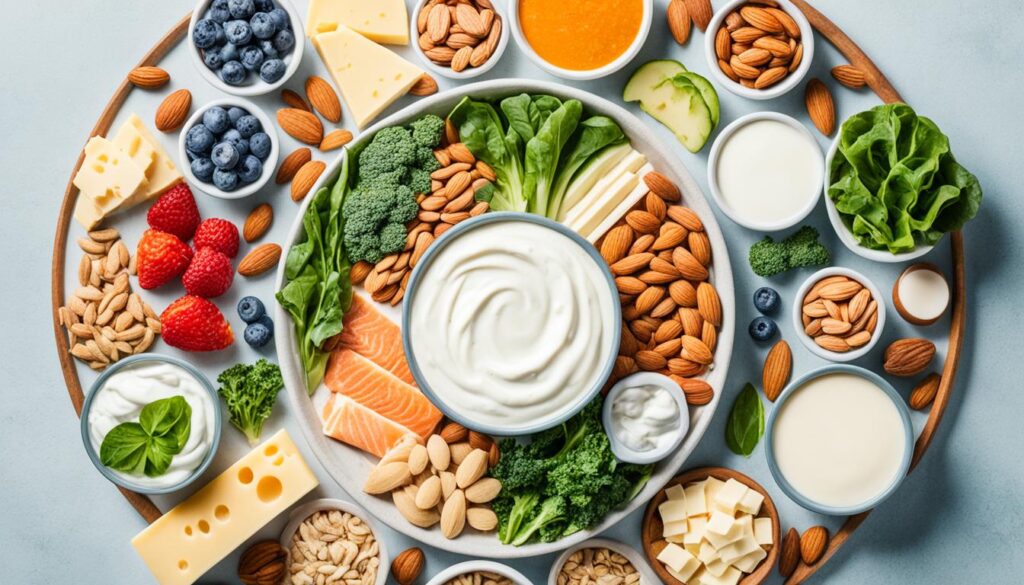
Calcium-rich foods

Conclusion

Taking the right nutritional supplements during pregnancy is crucial for ensuring the health and optimal development of both you and your baby. With the help of essential nutrients like folic acid, iron, and calcium, you can support your baby’s growth and reduce the risk of complications.

Folic acid plays a key role in preventing birth defects, especially neural tube defects. It is recommended to take a supplement with 400 mcg of folic acid daily before and during early pregnancy. Additionally, you can find folic acid in citrus fruits, green leafy vegetables, and enriched foods.

Iron is essential for preventing anemia and supporting red blood cell production. It also plays a crucial role in oxygen transport. Make sure to consume 27 milligrams of iron daily through sources like lean meat, leafy green vegetables, and fortified foods.

Calcium is vital for the development of your baby’s bones and teeth, as well as their heart, muscles, and nerves. Aim to consume 1,000 milligrams of calcium daily through prenatal vitamins or calcium-rich foods such as milk, cheese, and yogurt.

Remember, it is important to consult with a healthcare provider to ensure you are taking the right supplements for your specific needs. By prioritizing your prenatal health and incorporating suitable nutritional supplements, you can help optimize your pregnancy journey and give your baby the best start in life.

FAQ

Are nutritional supplements necessary during pregnancy?

Yes, taking suitable nutritional supplements during pregnancy is important to ensure the health and optimal development of both the mother and the baby. These supplements provide essential vitamins and minerals that support fetal development and help prevent deficiencies and complications.

What is the role of folic acid in pregnancy?

Folic acid is a crucial nutrient for pregnant women as it helps prevent birth defects, particularly neural tube defects. It is recommended that women take a supplement with 400 mcg of folic acid daily before and during early pregnancy. Prenatal vitamins typically contain the right amount of folic acid. Additionally, folic acid can be obtained from food sources such as citrus fruits, green leafy vegetables, and enriched foods.

Why are iron and calcium important during pregnancy?

Iron and calcium are important minerals that play a vital role in supporting a healthy pregnancy. Iron helps prevent anemia, fatigue, and low birthweight, and it is essential for the production of hemoglobin and oxygen transport. Pregnant women require 27 milligrams of iron daily, which can be obtained from sources like lean meat, leafy green vegetables, and fortified foods. Calcium, on the other hand, is crucial for the development of the baby’s bones, teeth, heart, muscles, and nerves. It is recommended for pregnant women to consume 1,000 milligrams of calcium daily, either through prenatal vitamins or calcium-rich foods such as milk, cheese, and yogurt. Both iron and calcium should be consumed in adequate amounts to prevent complications like preterm birth.

What other nutrients are important during pregnancy?

In addition to folic acid, iron, and calcium, other important nutrients during pregnancy include vitamin D, DHA, and iodine. Vitamin D helps maintain bone health and supports the immune system, while DHA is essential for the development of the baby’s brain and eyes. Iodine plays a critical role in the production of thyroid hormones, which are necessary for the baby’s brain development. It is important to consult with a healthcare provider to ensure that the right supplements are being taken and that any specific dietary needs are met.

How can I ensure a healthy pregnancy?

By prioritizing prenatal health and taking suitable nutritional supplements, women can help optimize their pregnancy journey and give their baby the best start in life. It is important to eat a balanced diet, exercise regularly, get enough rest, and manage stress. Regular prenatal check-ups and consultations with a healthcare provider are also essential to monitor the progress of the pregnancy and address any concerns or complications that may arise.

Source Links

Vitamin E During Pregnancy: Benefits and Recommended Intake

Pregnancy and vitamin E

Imagine this: you’re a soon-to-be mom, eagerly anticipating the arrival of your little one. You’ve done your research, attended childbirth classes, and even decorated the nursery in preparation for the big day. As you navigate through this special journey, it’s crucial to prioritize your health and the well-being of your growing baby.

One essential nutrient that plays a vital role during pregnancy is vitamin E. It’s known for its antioxidant properties and potential benefits in reducing the risk of certain pregnancy complications related to oxidative stress, such as pre-eclampsia. However, the impact of vitamin E supplementation during pregnancy is still being explored.

Before exploring the effects and optimal intake of vitamin E, let’s delve into the potential benefits and recommended intake of this essential nutrient for a healthy and fulfilling pregnancy journey.

Effects of Vitamin E Supplementation in Pregnancy

Several studies have assessed the effects of vitamin E supplementation in pregnant women. In a review of 21 trials involving over 22,000 women, it was found that vitamin E supplementation in combination with other supplements did not significantly improve pregnancy outcomes in terms of stillbirth, neonatal death, preterm birth, pre-eclampsia, or intrauterine growth restriction.

However, women supplemented with vitamin E in combination with other supplements had a decreased risk of placental abruption. On the other hand, supplementation with vitamin E was associated with an increased risk of self-reported abdominal pain and term prelabour rupture of membranes.

Overall, the data does not support routine vitamin E supplementation in pregnancy for the prevention of adverse pregnancy outcomes.

Risks and Side Effects

Supplementation with vitamin E has been associated with an increased risk of self-reported abdominal pain and term prelabour rupture of membranes.

While vitamin E supplementation has been generally deemed safe for pregnant women, it is essential to consult with healthcare professionals before starting any new supplements, as individual circumstances may vary.

Importance of Health Services

It is crucial for pregnant women to discuss any supplementation decisions with their healthcare providers to ensure comprehensive prenatal care and optimal health outcomes for mother and baby.

Health services, including regular prenatal check-ups and consultations with healthcare providers, play a critical role in monitoring maternal health during pregnancy and providing appropriate guidance on nutrition and supplementation.

Optimal Intake of Vitamin E During Pregnancy

The optimal intake of vitamin E during pregnancy is an important consideration for the health of both the mother and the baby. According to the Institute of Medicine (US), the recommended daily intake of vitamin E for adult women, including pregnant women, is 15 mg of alpha-tocopherol equivalents, which is approximately 22 IU.

To ensure an adequate intake of vitamin E, it is crucial for pregnant women to maintain a balanced diet that includes foods rich in this essential nutrient. Good sources of vitamin E include vegetable oils, nuts, cereals, and leafy green vegetables.

However, it is always advisable to consult with a healthcare professional to determine the appropriate intake of vitamin E for your individual pregnancy health needs. They can assess your specific dietary requirements and recommend any necessary supplements or adjustments to your diet.

FAQ

Is vitamin E supplementation beneficial during pregnancy?

Vitamin E supplementation during pregnancy has been studied to evaluate its potential benefits. Research suggests that it may help reduce the risk of pregnancy complications involving oxidative stress, such as pre-eclampsia. However, the efficacy and safety of vitamin E supplementation during pregnancy are still under investigation.

What are the effects of vitamin E supplementation in pregnancy?

Several studies have assessed the effects of vitamin E supplementation in pregnant women. In a review of 21 trials, it was found that vitamin E supplementation in combination with other supplements did not significantly improve pregnancy outcomes in terms of stillbirth, neonatal death, preterm birth, pre-eclampsia, or intrauterine growth restriction. However, women supplemented with vitamin E in combination with other supplements had a decreased risk of placental abruption. On the other hand, supplementation with vitamin E was associated with an increased risk of self-reported abdominal pain and term prelabour rupture of membranes. Overall, the data does not support routine vitamin E supplementation in pregnancy for the prevention of adverse pregnancy outcomes.

What is the recommended intake of vitamin E during pregnancy?

The Institute of Medicine (US) recommends a daily intake of 15 mg of alpha-tocopherol equivalents (approximately 22 IU) for adult women, including pregnant women. It is important for pregnant women to consume a balanced diet that includes foods rich in vitamin E, such as vegetable oils, nuts, cereals, and leafy green vegetables, to ensure adequate intake. However, it is always best to consult with a healthcare professional to determine the appropriate intake of vitamin E for individual pregnancy health needs.

Source Links

Navigating Caffeine During Pregnancy: How Much is Safe?

Pregnancy and caffeine consumption

Picture this: you’re sitting in your favorite coffee shop, sipping on a warm cup of joe, enjoying the comforting aroma and the familiar taste. But now, you’re pregnant, and suddenly you find yourself questioning whether that caffeine fix is still safe for you and your baby. It’s a dilemma faced by many expectant mothers.

When it comes to pregnancy and caffeine consumption, there’s a lot of information out there, and it can be overwhelming to know what’s true and what’s just speculation. That’s why it’s essential to rely on reputable sources like the American College of Obstetricians and Gynecologists (ACOG) for guidance.

A recent study conducted by the Perelman School of Medicine at the University of Pennsylvania and the National Institutes of Health has shed some light on the subject. The study found that consuming a low amount of caffeine during pregnancy does not increase the risk of gestational diabetes, preeclampsia, or hypertension for expecting mothers. This is reassuring news for women who already consume low to moderate levels of caffeine. However, it’s important to understand the recommended guidelines to ensure the optimal health of both you and your baby.

The ACOG advises that pregnant women limit their caffeine consumption to less than 200 mg per day. This intake can equate to one or two cups of coffee, depending on the brand and size. But remember, caffeine is not only found in coffee; it’s also present in other common foods and drinks like chocolate, tea, soda, and energy bars.

So, next time you find yourself craving a cup of coffee or reaching for a chocolate bar, it’s essential to be aware of the amount of caffeine you’re consuming and ensure it falls within the recommended guidelines. By staying informed and making informed choices, you can navigate caffeine consumption during pregnancy with confidence and peace of mind.

Recommended Caffeine Intake During Pregnancy

When it comes to caffeine consumption during pregnancy, experts from UNM Health suggest that it’s best for pregnant women to limit their intake to less than 200 mg per day. This recommended safe caffeine intake can be equivalent to one or two cups of coffee, depending on the brand and size. However, it’s important to note that not all caffeinated drinks are safe for pregnant women, and caution should be exercised.

Energy drinks, in particular, should be avoided due to their high caffeine content and potentially unsafe ingredients. While caffeine is naturally found in common foods and drinks such as chocolate, coffee, tea, soda, and energy bars, it’s necessary to check food and drink labels for their caffeine content. This is because caffeine can cross the placenta and affect the pregnancy.

Consuming too much caffeine during pregnancy can potentially increase the risk of negative outcomes, including miscarriage, gestational diabetes, low birth weight, and high blood pressure. It’s also crucial to consider any underlying health conditions and medications that may interact with caffeine consumption during pregnancy.

It’s important for expectant mothers to be mindful of their caffeine intake and make informed choices for the well-being of both themselves and their unborn child. By following the recommended guidelines and being aware of the potential effects of caffeine on pregnancy, women can navigate this aspect of their journey with confidence and prioritize the health of their baby.

Is There a Safe Level of Caffeine Consumption During Pregnancy?

An analysis of observational studies published in BMJ Evidence Based Medicine suggests that there is no safe level of caffeine consumption during pregnancy. The study reviewed evidence on caffeine-related pregnancy outcomes and found that maternal caffeine consumption is associated with negative pregnancy outcomes such as miscarriage, stillbirth, low birth weight and/or small for gestational age, childhood acute leukemia, and childhood overweight and obesity.

While the current recommendations set the safe level of caffeine consumption at 200 mg per day, this study argues for a radical revision of these health recommendations. It suggests that pregnant women and those contemplating pregnancy should be advised to avoid caffeine altogether. However, it is important to note that this is an observational study and cannot establish causation. Other factors such as recall of caffeine consumption and pregnancy symptoms may impact the results.

Nonetheless, the study’s findings highlight the need for further research and reconsideration of current caffeine consumption advice for pregnant women.

FAQ

How much caffeine can I safely consume during pregnancy?

According to the American College of Obstetricians and Gynecologists (ACOG), it is recommended that pregnant women limit their caffeine consumption to less than 200 mg per day.

What drinks and foods contain caffeine?

Caffeine is found in common foods and drinks such as coffee, tea, chocolate, soda, and energy bars. It is important to check food and drink labels for caffeine content.

Can I consume energy drinks during pregnancy?

No, it is recommended to avoid energy drinks during pregnancy due to their high caffeine content and potentially unsafe ingredients.

What are the potential risks of consuming too much caffeine during pregnancy?

Consuming excessive amounts of caffeine during pregnancy can potentially increase the risk of miscarriage, gestational diabetes, low birth weight, high blood pressure, and other negative outcomes.

Is there a safe level of caffeine consumption during pregnancy?

While current recommendations suggest a safe level of caffeine consumption at 200 mg per day, an analysis of observational studies argues for a radical revision of these health recommendations. It suggests pregnant women should be advised to avoid caffeine altogether.

Source Links

Superfoods for Super Moms: The Best Pregnancy Power Foods

Pregnancy superfoods

Are you an expectant mom looking for ways to ensure a healthy and nourishing pregnancy journey? Look no further! Incorporating the right superfoods into your diet can provide a much-needed nutritional boost for both you and your baby. These pregnancy superfoods are packed with vitamins, minerals, and other essential nutrients, offering numerous health benefits along the way.

Imagine this: You’re sitting in your doctor’s office, eagerly waiting for the results of your latest prenatal check-up. As you flip through a magazine, you come across an article highlighting the power of pregnancy superfoods. Your curiosity is piqued, and you start reading, hoping to find some valuable information.

As you delve into the article, you learn about the incredible benefits of incorporating superfoods into your daily meals. You’re amazed to discover that these nutrient-rich foods can support the healthy development of your baby, while also ensuring you stay nourished and balanced throughout your pregnancy journey.

One by one, the article introduces you to a range of superfoods that can make a significant difference in your pregnancy diet. From folate-rich asparagus and black-eyed peas to high-protein beans and lentils that combat constipation, these foods offer a world of flavors and health benefits.

The power of calcium in nonfat milk and the quick energy boost from potassium-rich bananas leave you eager to make these superfoods a staple in your grocery list. And let’s not forget the importance of heme iron-rich meats like beef, which can help prevent fatigue and ensure healthy blood flow.

As you finish reading the article, you realize that a well-balanced pregnancy diet is within reach. By simply incorporating these superfoods into your meals and snacks, you can provide optimal nutrition for both you and your growing baby. You feel inspired and motivated, ready to embrace this new chapter of your life with confidence and a heightened sense of well-being.

So, whether you’re just starting your pregnancy journey or you’re a seasoned mom looking for nutritional guidance, these superfoods are here to support you every step of the way. Stay tuned for our next section, where we’ll dive deeper into the top superfoods for pregnancy and reveal even more ways to nourish yourself and your baby.

Top Superfoods for Pregnancy

During pregnancy, it’s essential to nourish your body with nutrient-rich foods that support both your health and the development of your baby. Incorporating these superfoods into your diet not only provides vital nutrients but also offers numerous health benefits. From folate-rich vegetables to high-protein sources and calcium-packed options, here are some top superfoods to include in your pregnancy meal plan:

Folate-Rich Foods

Folate plays a crucial role in neural tube development during early pregnancy. Include these folate-rich foods to meet the recommended daily intake of 600 micrograms:

  • Asparagus
  • Black-eyed peas

High-Protein Foods

High-protein foods are essential for muscle development and combating constipation. They also provide a good source of folate. Consider adding these options to your meals:

  • Beans
  • Lentils

Calcium-Rich Options

Calcium is crucial for the development of your baby’s bones. Incorporate these calcium-rich foods into your diet:

  • Nonfat milk
  • Hard cheeses (cheddar, mozzarella)

Iron-Rich Choices

Iron is essential for preventing fatigue and ensuring healthy blood flow during pregnancy. Include these iron-rich options in your meals:

  • Meat, especially heme iron-rich options like beef

Potassium-Packed Foods

Potassium helps fight pregnancy fatigue and offers quick energy. Consider adding these potassium-packed foods to your diet:

  • Bananas

Other Superfoods to Include

Incorporate these additional superfoods to further enhance your pregnancy diet and ensure optimal nutrition:

  • Broccoli
  • Eggs
  • Oatmeal
  • Leafy greens (spinach, kale, turnip greens)

By including these superfoods in your pregnancy meal plan, you can provide your body with the essential nutrients it needs for a healthy and nourishing pregnancy. Remember to consult with your healthcare provider for personalized dietary guidance during this special time.

Superfood Key Nutrients
Asparagus Folate
Black-eyed peas Folate
Beans Protein, Folate
Lentils Protein, Folate
Nonfat milk Calcium
Hard cheeses (cheddar, mozzarella) Calcium, Protein
Beef Iron, Protein
Bananas Potassium
Broccoli Calcium, Folate, Fiber, Antioxidants
Eggs Protein
Oatmeal Complex Carbohydrate, Fiber
Leafy greens (spinach, kale, turnip greens) Folate, Iron, Calcium, Fiber, Antioxidants

Superfoods for Healthy Pregnancy Conclusion

A well-balanced pregnancy diet that includes these superfoods can provide optimal nutrition for both mother and baby. These nutrient-rich foods support healthy development, prevent nutrient deficiencies, and contribute to the overall well-being during pregnancy.

By incorporating a variety of these superfoods into your daily meals and snacks, you can ensure you are meeting your nutritional needs and supporting a healthy and nourishing pregnancy journey. Whether it’s adding folate-rich foods like asparagus and black-eyed peas for neural tube development or including high-protein options like lentils and beans for muscle development, these superfoods offer a range of benefits.

Remember, a healthy pregnancy diet is essential for your well-being and the optimal development of your baby. However, it’s always a good idea to consult with a healthcare professional or dietitian for personalized dietary guidance during pregnancy. They can help tailor a pregnancy diet plan that suits your specific nutritional needs, ensuring the best possible outcomes for both you and your baby.

FAQ

Why are pregnancy superfoods important?

Pregnancy superfoods are important because they provide a nutritional boost for both mom and baby. These nutrient-rich foods support healthy development, prevent nutrient deficiencies, and contribute to overall well-being during pregnancy.

What are some folate-rich foods for pregnancy?

Some folate-rich foods for pregnancy include asparagus and black-eyed peas. Folate is important for neural tube development in early pregnancy, and experts recommend getting 600 micrograms of folate daily.

Why are high-protein foods recommended during pregnancy?

High-protein foods, such as beans and lentils, are recommended during pregnancy because they provide essential amino acids for muscle development and fiber to combat constipation. They are also rich in folate, which is important for a healthy pregnancy.

What are the health benefits of broccoli during pregnancy?

Broccoli is packed with nutrients like calcium, folate, fiber, and antioxidants. Its vitamin C content also helps with iron absorption, making it a beneficial food during pregnancy.

Why is calcium important during pregnancy?

Calcium is essential during pregnancy for healthy development. Nonfat milk is a good source of calcium, with each 8-ounce glass supplying about 30% of the recommended dietary allowance (RDA) of 1,000 milligrams.

How can bananas benefit pregnant women?

Bananas are rich in potassium and offer quick energy to fight pregnancy fatigue. They are easy on the stomach and can be added to cereal or breakfast smoothies for added nutritional value.

What role does meat play in a pregnancy diet?

Meat, especially heme iron-rich options like beef, helps meet the increased iron needs during pregnancy. Iron is important for preventing fatigue and ensuring healthy blood flow.

Why are hard cheeses recommended during pregnancy?

Hard cheeses like cheddar and mozzarella provide both calcium and protein, making them great choices for meeting nutritional requirements during pregnancy.

What makes eggs a good choice for pregnant women?

Eggs are an excellent source of protein and contain essential amino acids. They are a versatile option that can be cooked in various ways and provide important nutrients for both mom and baby during pregnancy.

How can oatmeal benefit pregnant women?

Oatmeal is a complex carbohydrate that helps maintain energy levels and provides fiber for healthy digestion. It is a nutritious option for pregnant women, and plain oatmeal can be customized with natural sweeteners like maple syrup or jelly.

Why are leafy greens important during pregnancy?

Leafy greens like spinach, kale, and turnip greens are rich in folate, iron, calcium, fiber, and antioxidants. They are important for overall health and support the development of baby’s bones, eyes, and brain during pregnancy.

How can a well-balanced pregnancy diet provide optimal nutrition?

A well-balanced pregnancy diet that includes superfoods can provide optimal nutrition for both mother and baby. These nutrient-rich foods support healthy development, prevent nutrient deficiencies, and contribute to overall well-being during pregnancy.

Should I consult with a healthcare professional or dietitian for dietary guidance during pregnancy?

Yes, it is recommended to consult with a healthcare professional or dietitian for personalized dietary guidance during pregnancy. They can provide specific recommendations based on individual needs and ensure a healthy and nourishing pregnancy journey.

Source Links

Nutrient-Packed Smoothies for Pregnancy: Delicious and Healthy Recipes

Pregnancy smoothie recipes

As an expecting mother, you want to ensure that you and your growing baby receive all the necessary nutrients for a healthy pregnancy. But let’s face it, finding the time and energy to prepare nutritious meals can be challenging, especially when pregnancy symptoms like fatigue and nausea kick in.

That’s where nutrient-packed smoothies come to the rescue! They are not only delicious but also provide you with a convenient and refreshing way to fuel your body with essential vitamins, minerals, and antioxidants. Whether you’re craving something fruity, creamy, or green, there’s a pregnancy smoothie recipe that will satisfy your taste buds and keep you nourished.

Imagine starting your day with a refreshing Peachy Green Smoothie that combines the sweetness of peaches with the goodness of spinach and almond milk. Not only does it provide a boost of energy, but it also helps support your baby’s healthy growth.

Or how about indulging in a Chocolate Banana Bliss Smoothie during those afternoon cravings? This decadent blend of bananas, cocoa powder, Greek yogurt, and almond butter will not only satisfy your sweet tooth but also provide you with a dose of protein and calcium for strong bones and muscles.

If you’re looking for a comforting and filling option, try the Blueberry Oatmeal Smoothie. Packed with antioxidant-rich blueberries, fiber-rich oats, and creamy Greek yogurt, it will keep you satisfied and help regulate your digestion, easing common pregnancy discomforts.

With these pregnancy smoothie recipes and more, you can enjoy a variety of flavors while fueling your body with the nutrients it needs. Whip up these delicious concoctions as a snack, breakfast, or even a light meal – the choice is yours!

So, say goodbye to the struggle of preparing elaborate meals and say hello to easy, nutritious, and tasty smoothies. Get ready to embark on a journey of deliciousness and good health throughout your pregnancy. Let’s dive into these nutrient-packed smoothie recipes that will make your taste buds sing!

The Best Healthy Pregnancy Smoothie Recipe for All Stages

Incorporating nutrient-rich smoothies into your pregnancy diet can be a delicious and convenient way to nourish both you and your growing baby. This ultimate pregnancy smoothie recipe is packed with healthy superfoods, fruits and vegetables, flax seeds, and almond milk, making it the perfect choice for all stages of pregnancy and even postpartum.

To create this nutrient-packed smoothie, gather the following ingredients:

  • 1 cup of organic frozen berries
  • 1 ripe banana
  • 1 tablespoon of flax hemp blend
  • A handful of organic greens (such as spinach or kale)
  • 1 tablespoon of organic virgin coconut oil
  • 1 cup of unsweetened vanilla almond milk

These ingredients are rich in antioxidants, vitamins, minerals, and healthy fats, which are vital for the development of your baby and supporting your overall health during pregnancy. The organic frozen berries provide a burst of antioxidants, while the banana adds natural sweetness and essential potassium. The flax hemp blend offers a great source of omega-3 fatty acids, which promote optimal brain development for your little one.

Blend all the ingredients together until smooth, adjusting the consistency with additional almond milk if desired. You can also add some ice cubes to make it more refreshing.

This pregnancy smoothie is not only nourishing but also easy to digest, making it suitable for all stages of pregnancy, including the sensitive first trimester. It provides a quick and convenient way to meet your nutritional needs while combating common pregnancy symptoms like morning sickness.

This smoothie can also be enjoyed during the second and third trimesters, providing essential nutrients that support your baby’s growth and development. Additionally, it is a great option for postpartum mothers who are breastfeeding and need extra nutritional support.

Remember, always consult with your healthcare provider before making any significant changes to your diet during pregnancy.

Enjoy this delicious and nutritious smoothie as part of your daily routine to stay healthy and nourished throughout your pregnancy journey and beyond.

Three Healthy Smoothie Recipes for Pregnancy

These three smoothie recipes are specifically designed for pregnant women to provide a range of nutrients. Incorporating nutrient-packed ingredients such as leafy green vegetables, fruits, grains, dairy, and plant-based milks, these smoothies are not only delicious but also support a healthy pregnancy.

The Recipes:

  1. Orange Creamsicle Smoothie

    This refreshing smoothie combines the sweet tang of oranges with creamy Greek yogurt for a taste reminiscent of a creamsicle. The recipe includes:

    • 1 ripe banana
    • 1 orange, peeled
    • 1/2 cup mango chunks
    • 1/2 cup Greek yogurt
    • 1/2 cup water
  2. Mixed Berries with Greens Smoothie

    This vibrant smoothie is packed with antioxidant-rich berries and leafy greens for a nutritional boost. The recipe includes:

    • 1 cup frozen mixed berries
    • 1/2 ripe avocado
    • 1 cup kale leaves
    • 1 cup spinach leaves
    • 1 cup almond milk
  3. Cinnamon Roll Smoothie

    Indulge your taste buds with this flavorful smoothie that tastes like a cinnamon roll. The recipe includes:

    • 1/2 cup rolled oats
    • 1 tablespoon honey
    • 1 tablespoon ground flaxseed
    • 1/2 teaspoon cinnamon
    • 1 cup soy milk
    • 1 cup ice cubes

These recipes are not only delicious but also packed with essential vitamins, minerals, fiber, and protein to support a healthy pregnancy. Incorporate these nutrient-rich smoothies into your daily routine for a convenient and enjoyable way to nourish yourself and your growing baby.

pregnancy smoothie recipes

Conclusion

Smoothies offer a convenient and easy way for you, as a pregnant woman, to incorporate nutrient-rich foods into your diet. These delicious and satisfying beverages provide a wide range of essential vitamins, minerals, fiber, and protein that are crucial for a healthy pregnancy.

Not only do smoothies help you meet your nutritional needs, but they can also alleviate common pregnancy symptoms like nausea and heartburn. The refreshing and easy-to-digest nature of smoothies makes them a soothing choice when you’re experiencing discomfort.

With a multitude of flavors and a variety of ingredient options, you can customize your smoothie to suit your taste preferences and specific dietary requirements. From leafy green vegetables to fruits, grains, dairy, and plant-based milks, the possibilities are endless. You have the freedom to experiment with different combinations and discover the ones that bring you the most satisfaction.

So, why not embrace the goodness of nutrient-rich smoothies during your pregnancy journey? Enjoy the convenience, alleviate your pregnancy symptoms, and savor the deliciousness that these nutrient-packed beverages have to offer. Cheers to a healthy and nourishing pregnancy!

FAQ

What are the benefits of drinking pregnancy smoothies?

Pregnancy smoothies are a convenient and delicious way to fuel your body with essential nutrients. They provide vitamins, minerals, fiber, and protein that are crucial for a healthy pregnancy. Smoothies can also help alleviate common pregnancy symptoms like nausea and heartburn.

Are these smoothie recipes suitable for all stages of pregnancy?

Yes, the smoothie recipes provided are suitable for all stages of pregnancy, including the first trimester, second trimester, and third trimester. They can also be enjoyed postpartum as a nutritious snack.

What ingredients are included in the ultimate pregnancy smoothie recipe?

The ultimate pregnancy smoothie recipe includes organic frozen berries, bananas, flax hemp blend, organic greens, organic virgin coconut oil, and unsweetened vanilla almond milk. These ingredients provide essential nutrients like antioxidants, vitamins, minerals, and healthy fats.

What are some other nutrient-packed ingredients used in the smoothie recipes?

The smoothie recipes include a variety of nutrient-packed ingredients such as oranges, mangoes, Greek yogurt, avocado, kale, spinach, rolled oats, honey, ground flaxseed, cinnamon, soy milk, and ice cubes. These ingredients provide vitamins, minerals, fiber, and protein to support a healthy pregnancy.

How can smoothies help alleviate pregnancy symptoms?

Smoothies can help alleviate common pregnancy symptoms like nausea and heartburn. They are easy to digest, and the combination of nutrients can soothe the digestive system. Additionally, smoothies provide hydration, which is important for maintaining overall well-being during pregnancy.

Source Links

Safely Building Strength: How to Incorporate Strength Training in Pregnancy

Strength training during pregnancy

Are you a soon-to-be mom looking to stay fit and healthy throughout your pregnancy? Incorporating strength training into your pregnancy workout routine can be a game-changer. Not only does it help you maintain your muscle tone, but it can also make a significant difference in how you feel during pregnancy and in your postpartum recovery. Let me tell you a story to illustrate the benefits of strength training during pregnancy.

Meet Sarah, a first-time mom-to-be who was determined to have a smooth and comfortable pregnancy. Like most expectant mothers, she experienced the usual aches and pains that come with carrying a growing baby. However, Sarah was determined to find a way to alleviate her discomfort and stay active.

After consulting with her healthcare professional, Sarah learned that incorporating strength training into her pregnancy workout routine could be the solution she was looking for. By strengthening her muscles and joints, she could better support the added weight and relieve some of the pressure on her body.

With renewed motivation, Sarah started incorporating resistance bands and bodyweight movements into her exercise routine. These safe and effective strength training exercises helped her maintain her muscle tone, increase her stamina, and prepare her body for the upcoming challenges of labor and life with a newborn.

In addition to the physical benefits, Sarah found that strength training during pregnancy had a positive impact on her overall well-being. It empowered her, both mentally and emotionally, knowing that she was taking care of herself and her baby.

Now, Sarah is nearing the end of her pregnancy, and she feels better than ever. Thanks to her consistent strength training routine, she has experienced fewer aches and pains, has gained confidence in her body’s capabilities, and looks forward to a smoother postpartum recovery.

Are you inspired by Sarah’s story? If you’re considering incorporating strength training into your pregnancy workout routine, stay tuned for the upcoming sections, where we’ll explore the benefits of strength training during pregnancy and provide guidance on how to safely incorporate it into your exercise regimen.

Benefits of Strength Training During Pregnancy

Strength training during pregnancy offers several benefits. It can help alleviate pregnancy-related aches and pains by strengthening muscles and joints, making your body better equipped to carry the added weight of pregnancy and reducing discomfort.

Not only does strength training help with physical discomfort, but it also provides support during labor. By improving muscle tone and stamina, strength training can make the labor process more manageable and help you endure the physical demands of childbirth.

Furthermore, strength training prepares your body for life with a newborn. As a new parent, you’ll find yourself lifting, carrying, and pushing a stroller frequently. The enhanced strength and endurance gained through strength training can make these tasks easier and less physically taxing.

It’s important to note that the benefits of strength training extend beyond pregnancy. Building overall muscle tone during this time can have long-term advantages for your body’s strength and fitness.

How to Safely Incorporate Strength Training During Pregnancy

When starting strength training during pregnancy, it is important to consult with a healthcare professional. They can provide guidance and ensure that the exercise regimen is appropriate for your specific needs and stage of pregnancy. As an expectant mother, you may choose to incorporate resistance training using resistance bands or bodyweight movements, which can be safe and effective.

If you feel ready to start using weights, it’s crucial to be mindful of the load and not lift excessively heavy objects. Opt for lighter weights that challenge your muscles without straining your body. It’s always better to prioritize proper form and technique over lifting heavy things.

There are specific strength exercises that are beneficial during pregnancy. Deadlifts can help strengthen your back and lower body, providing stability as your belly grows. Squats are excellent for building leg and glute strength, which can be particularly useful during labor and caring for a newborn. Rows can strengthen your upper back and chest, helping you maintain good posture and reducing the risk of muscle imbalances.

While it’s essential to focus on exercises that support your strength and well-being during pregnancy, it’s equally important to avoid any exercises that cause pain or discomfort. Listen to your body throughout your workout and make modifications as needed. As for the frequency of strength training, it is generally recommended to follow national guidelines, which suggest at least 150 minutes of moderate physical activity per week, including muscle-strengthening exercises twice a week. However, it’s crucial to adapt your program as your pregnancy progresses and listen to how you feel each day. Prioritize your safety and always listen to your body during strength training sessions.

FAQ

Is it safe to do strength training during pregnancy?

Yes, strength training during pregnancy can be safe and beneficial. However, it is important to consult with a healthcare professional before starting or continuing any exercise program.

What are the benefits of strength training during pregnancy?

Strength training during pregnancy can help alleviate aches and pains, provide support during labor, and prepare the body for life with a newborn. It can also improve overall muscle tone and make postpartum recovery easier.

How can I safely incorporate strength training during pregnancy?

When starting strength training during pregnancy, it is important to consult with a healthcare professional. Resistance bands or bodyweight movements can be a safe way to incorporate resistance training. It is also important to be mindful of the load and not lift excessively heavy objects. Some recommended strength exercises during pregnancy include deadlifts, squats, and rows. It is crucial to avoid any exercises that cause pain or discomfort and to listen to your body throughout the workout.

How often should I do strength training during pregnancy?

It is recommended to follow national guidelines, which suggest at least 150 minutes of moderate physical activity per week, including muscle-strengthening exercises twice a week. However, it is essential to modify the program as the pregnancy progresses and to be guided by how you feel. Always prioritize safety and listen to your body during strength training sessions.

Source Links

Why Folic Acid is Crucial for Pregnancy: Understanding its Importance

Folic acid importance

Imagine this: You and your partner have just found out that you’re expecting a baby. Excitement fills the air as you start envisioning all the wonderful moments that lie ahead. But amidst the joy, a sense of responsibility washes over you. You want to do everything you can to ensure a healthy pregnancy and give your little one the best start in life.

One of the most important factors in a healthy pregnancy is folic acid. Yes, that little B vitamin that plays a big role in the development of your baby’s brain and spine. You may have heard about it before, but do you truly understand its importance?

Let’s dive deeper into why folic acid is crucial for pregnancy and how it can help prevent neural tube defects, such as anencephaly and spina bifida. These birth defects occur very early in pregnancy, often before many women even know they are pregnant.

The Centers for Disease Control and Prevention (CDC) recommends that all women of reproductive age take 400 micrograms (mcg) of folic acid daily to reduce the risk of these major birth defects. It’s especially important because about half of U.S. pregnancies are unplanned, meaning that many women may not be taking folic acid before they conceive.

So, let’s learn more about the connection between folic acid and neural tube defects, where to find this essential nutrient, and how much you should be taking to ensure a healthy pregnancy. Your baby’s future depends on it!

Folic Acid and Neural Tube Defects

Folic acid is a vital nutrient that plays a crucial role in preventing neural tube defects (NTDs) in developing babies. During the early weeks of pregnancy, the neural tube, which eventually becomes the baby’s brain and spinal cord, forms and closes. However, without sufficient folic acid, this closure may not happen properly, leading to the development of NTDs like anencephaly and spina bifida.

Anencephaly is a condition where parts of the baby’s brain and skull do not form correctly, while spina bifida is a condition where the spinal cord and surrounding structures develop outside the body instead of inside. Both conditions can have severe consequences on the baby’s health and quality of life.

Research has shown that the risk of these neural tube defects can be significantly reduced with the intake of extra folic acid, in addition to maintaining a healthy diet. By ensuring an adequate supply of folic acid, you can provide the necessary nutrients for proper neural tube development and decrease the likelihood of these devastating birth defects.

Quote: An Expert Opinion

“Folic acid plays a critical role in preventing neural tube defects, ensuring the healthy development of the baby’s brain and spine. It is essential for all women of reproductive age to consume sufficient folic acid to reduce the risk of these serious birth defects.”Dr. Emily Thompson, Obstetrician

Sources and Recommended Intake of Folic Acid

Folate, the natural form of folic acid, can be found in a variety of foods, including:

  • Dark, leafy green vegetables such as spinach, kale, and broccoli
  • Legumes like chickpeas, lentils, and black beans
  • Fruits such as oranges, strawberries, and avocados

While these foods are excellent sources of folate, it can often be challenging to obtain enough through diet alone. To ensure an adequate intake of folic acid, the U.S. Food and Drug Administration (FDA) mandates the addition of folic acid to enriched grain products. These include:

  • Bread
  • Cereal
  • Pasta
  • Rice

Alongside consuming folate-rich foods and fortified products, women who may become pregnant are advised to take a daily supplement containing 400 mcg of folic acid. This recommendation helps to meet the increased needs during pregnancy and reduce the risk of neural tube defects.

It is crucial to consult with a healthcare provider to determine the appropriate amount of folic acid based on individual needs. They can provide personalized guidance and help ensure you are meeting the recommended intake to support a healthy pregnancy.

Incorporating a combination of folate-rich foods and folic acid supplements is the most effective approach to ensure adequate folic acid levels throughout pregnancy and minimize the risk of birth defects.

Recommended Intake of Folic Acid

The recommended intake of folic acid for women who may become pregnant is 400 mcg per day. This amount should be obtained from a combination of folate-rich foods and folic acid supplements.

Folic Acid Sources Amount of Folic Acid (mcg)
Spinach (1 cup, cooked) 262
Black Beans (1 cup, cooked) 256
Avocado (1 medium) 81
Bread (1 slice, enriched) 40–75 (varies by brand)
Rice (1 cup, enriched) 80–100 (varies by brand)
Folic Acid Supplement 400

Remember, every pregnancy is unique, and it is essential to consult with your healthcare provider to determine the appropriate intake of folic acid that suits your individual needs.

Sources of Folic Acid

Conclusion

Folic acid is an essential nutrient for women of reproductive age, as it plays a critical role in preventing birth defects and supporting the healthy development of the baby’s brain and spine during pregnancy. By incorporating a daily intake of 400 mcg of folic acid into your routine, you can significantly increase the likelihood of having a healthy pregnancy and reduce the risk of birth defects.

Starting folic acid supplementation before conception and continuing throughout the first trimester is crucial, as many birth defects occur during the early stages of pregnancy when many women may not even be aware that they are pregnant. It is important to consult with your healthcare provider to determine the appropriate dosage of folic acid based on your individual needs.

While folate can be found in foods such as dark, leafy green vegetables, legumes, and fruits, it can be challenging to obtain adequate amounts solely through diet. That’s why the U.S. Food and Drug Administration requires folic acid to be added to enriched grain products like bread, cereal, pasta, and rice. This helps to ensure that women who may become pregnant receive the necessary amount of folic acid for a healthy pregnancy.

In summary, by prioritizing folic acid supplementation and following recommended guidelines, you can take proactive steps towards a healthier pregnancy and reduce the risk of birth defects. Remember, every pregnancy is unique, so it is essential to consult with your healthcare provider for personalized advice and recommendations.

FAQ

Why is folic acid important during pregnancy?

Folic acid is essential for the development of the baby’s brain and spine. It helps prevent major birth defects like anencephaly and spina bifida.

What are neural tube defects?

Neural tube defects are abnormalities in the development of the baby’s brain and spine. They can result in conditions such as anencephaly or spina bifida. Anencephaly is when parts of the brain and skull do not form correctly, while spina bifida is when the spinal cord develops outside the body instead of inside.

How can I ensure adequate intake of folic acid?

Folate, the natural form of folic acid, can be found in foods like dark, leafy green vegetables, legumes, and fruits. However, it is often difficult to obtain enough folate through diet alone. Taking a supplement containing 400 mcg of folic acid daily is recommended, in addition to consuming folate-rich foods and fortified products.

When should I start taking folic acid?

It is important to start taking folic acid before conception and continue throughout the first trimester of pregnancy.

How can folic acid help prevent birth defects?

By taking 400 mcg of folic acid daily, women can reduce the risk of neural tube defects and promote the healthy development of the baby’s brain and spine.

Source Links

Staying Fit and Strong: Creating Your Ideal Pregnancy Fitness Plan

Pregnancy fitness plan

Imagine this: You wake up one beautiful morning, feeling a sense of excitement and anticipation. The sun is shining, and there’s a gentle breeze in the air. You’re pregnant, and with each passing day, you feel more connected to the life growing inside you. As you go about your day, you can’t help but wonder how you can stay fit and strong during this incredible journey.

Pregnancy is a transformative experience, both physically and emotionally. It’s a time of joy, wonder, and perhaps a few challenges. One of the best ways to navigate these changes and embrace the beauty of pregnancy is by incorporating a pregnancy fitness plan into your routine.

A pregnancy fitness plan is more than just a workout routine. It’s a tailored approach that takes into consideration your unique needs and goals, as well as the safety guidelines for prenatal exercise. By creating a plan that works for you, you can enjoy the benefits of staying active while ensuring the well-being of both you and your baby.

In this article, we will explore the benefits of exercising during pregnancy, safe and recommended exercises, and tips for creating your ideal pregnancy fitness plan. Whether you’re a fitness enthusiast or just starting your fitness journey, this information will empower you to maintain your physical and mental well-being throughout your pregnancy.

Benefits of Exercising During Pregnancy

Regular exercise during pregnancy offers a multitude of benefits for both the expectant mother and her growing baby. Engaging in safe and appropriate pregnancy exercises can lead to a lower incidence of preterm birth, cesarean birth, excessive weight gain, gestational diabetes, and hypertensive disorders like preeclampsia.

Exercise during pregnancy not only helps maintain physical fitness but also reduces low back pain and discomfort commonly experienced during pregnancy. It can also alleviate symptoms of depression and anxiety, promoting overall mental well-being.

Furthermore, pregnancy exercise plays a crucial role in postpartum recovery. By staying active throughout your pregnancy, you can improve your body’s ability to bounce back after giving birth. This not only helps you regain your pre-pregnancy shape but also boosts your energy levels, enhances mood, and promotes a quicker and smoother recovery.

Reduced Pregnancy Complications

Regular physical activity during pregnancy is associated with a lower risk of experiencing complications. Studies have shown that pregnant women who engage in exercise have a decreased likelihood of developing gestational diabetes, a condition characterized by high blood sugar levels during pregnancy. By managing blood sugar levels, exercise reduces the risk of adverse health outcomes for both mother and baby.

Furthermore, exercise during pregnancy has been linked to a lower incidence of hypertensive disorders such as preeclampsia. Preeclampsia is a serious condition characterized by high blood pressure and damage to organs, often leading to premature birth and other complications. By incorporating pregnancy exercise into your routine, you can reduce the risk of developing this condition, ensuring a healthier pregnancy.

Improved Postpartum Recovery

One of the significant benefits of exercising during pregnancy is its positive impact on postpartum recovery. By maintaining a regular exercise routine throughout pregnancy, you can prepare your body for labor and birth. Physical fitness gained through exercise can aid in managing the demands of labor, potentially reducing the need for interventions such as cesarean birth.

Additionally, exercises that focus on core and pelvic floor awareness can help build a stronger connection to these muscles before the physical changes of pregnancy occur. This preparation can improve the recovery of these muscles postpartum, reducing the risk of issues such as urinary incontinence and pelvic organ prolapse.

Exercise also plays a crucial role in managing stress during pregnancy, which can have a significant impact on overall well-being. By incorporating regular physical activity into your routine, you can reduce stress levels and promote a more balanced mental state, contributing to an improved postpartum experience.

Safe and Recommended Exercises During Pregnancy

During pregnancy, it’s important to stay active and maintain a healthy fitness routine. For most healthy pregnant women, there are several safe and recommended exercise options available. These exercises not only provide cardiovascular benefits but also help you maintain physical fitness, improve flexibility, and strengthen muscles.

Aerobic activities such as walking, swimming, and stationary cycling are excellent choices for maintaining cardiovascular health during pregnancy. Aim for at least 150 minutes of moderate-intensity aerobic activity per week. These exercises are low-impact, meaning they are gentle on your joints and reduce the risk of injury.

In addition to aerobic activity, incorporating strength training exercises into your routine is beneficial. It helps target major muscle groups and improves overall strength and stability. Yoga and Pilates classes tailored for pregnant women can also be great options, as they focus on flexibility and core strength.

When engaging in prenatal exercises, it’s important to listen to your body. Stay hydrated, wear supportive clothing, and avoid activities that involve jerky or bouncing movements. It’s also crucial to avoid contact sports and lying flat on your back for extended periods. Always consult with your healthcare provider before starting or modifying an exercise routine to ensure it is safe for you and your baby.

FAQ

What are the benefits of exercising during pregnancy?

Regular exercise during pregnancy can lead to a lower incidence of preterm birth, cesarean birth, excessive weight gain, gestational diabetes, and hypertensive disorders like preeclampsia. It can also help maintain physical fitness, reduce low back pain and pregnancy discomforts, manage symptoms of depression and anxiety, and improve postpartum recovery.

What exercises are safe and recommended during pregnancy?

For most healthy pregnant women, exercises such as walking, swimming, jogging, stationary cycling, prenatal yoga, and Pilates classes are safe and recommended. These activities provide cardiovascular benefits, help maintain physical fitness, improve flexibility, and strengthen muscles. Moderate-intensity aerobic activity for at least 150 minutes per week is recommended, along with 2 to 3 days of strength training exercises that target major muscle groups.

How should I start an exercise routine during pregnancy?

It’s important to start slow and gradually increase repetitions. Additionally, consult with your healthcare provider before starting or modifying an exercise routine, especially if you have high-risk pregnancies or pregnancy complications.

What exercises should I avoid during pregnancy?

It is recommended to avoid activities that involve jerky or bouncing movements, contact sports, lying flat on your back for extended periods of time, and high-impact exercises. These activities may pose a higher risk of injury or discomfort during pregnancy.

Can exercising during pregnancy help with labor and delivery?

Yes, incorporating exercises that focus on core muscles can help you cope with labor and delivery and improve your postpartum fitness. These exercises include wall pushups, squats with a fitness ball, leg raises, step-ups, modified side plank, supported v-sits, v-sits on top of a balance trainer, one-leg v-sits, seated rowing with resistance tubing, and seated deadlifts with resistance tubing.

Source Links

Nourishing Your Body and Baby: A Guide to Healthy Eating During Pregnancy

Healthy eating during pregnancy

Pregnancy is a remarkable journey filled with anticipation, excitement, and sometimes, a few nutritional challenges. As your body undergoes a transformation to support your growing baby, it’s crucial to make informed choices about the foods you consume. A well-balanced diet during pregnancy ensures that both you and your baby receive the essential nutrients for optimal health and development.

Imagine this: you wake up one morning, feeling a fluttering sensation in your belly. You excitedly place your hand on your growing belly, knowing that your little one is moving and grooving inside. It’s a beautiful reminder of the new life blossoming within you. As you go about your day, you start thinking about what you can do to nourish your body and provide the best possible environment for your baby’s growth.

You understand that healthy eating during pregnancy plays a vital role in ensuring the well-being of both you and your baby. The food you eat directly impacts your baby’s development, so making the right choices is essential. But with all the information out there, it can be overwhelming to figure out what to eat and what to avoid.

That’s where this guide comes in. We’re here to provide you with valuable information on pregnancy nutrition, including essential nutrients, sample diet charts, tips for healthy eating, and the importance of prenatal supplements. We want to empower you to make informed decisions about your diet, allowing you to enjoy your pregnancy journey while giving your baby the best possible start in life.

The path to a healthy pregnancy starts with nourishing your body and your baby through proper nutrition. Let’s explore how you can create a balanced diet that will support you and your baby’s well-being.

Essential Nutrients for a Healthy Pregnancy

During pregnancy, your nutritional needs increase to support the growth and development of your baby. To ensure a healthy pregnancy, it’s important to focus on essential nutrients. These include folic acid, which plays a critical role in preventing neural tube defects; iron, which helps transport oxygen to your baby and prevents anemia; calcium, which is crucial for your baby’s bone development; and vitamin D, which helps your body absorb calcium.

Good food sources for these nutrients include:

  • Leafy green vegetables
  • Legumes
  • Fortified cereals
  • Lean meats
  • Poultry
  • Fish
  • Dairy products

Ensuring you consume adequate amounts of these nutrients will promote the healthy growth and development of your baby. Consult with your healthcare provider to determine your specific dietary needs during pregnancy.

Importance of Folic Acid

Folic acid is a B vitamin that is essential for the development of your baby’s brain and spinal cord. It is particularly important during the early stages of pregnancy, as it helps prevent neural tube defects, such as spina bifida. To ensure you are getting enough folic acid, include foods such as leafy green vegetables, citrus fruits, and fortified cereals in your diet.

The Role of Iron

Iron is crucial during pregnancy, as it helps transport oxygen to your baby and prevents anemia, a condition characterized by a lack of healthy red blood cells. Good sources of iron include lean meats, poultry, fish, beans, and fortified cereals. Pairing iron-rich foods with vitamin C-rich foods, such as citrus fruits, can enhance iron absorption.

Benefits of Calcium

Calcium is vital for your baby’s bone development, as well as maintaining your own bone health. Dairy products, such as milk, yogurt, and cheese, are excellent sources of calcium. Other sources include leafy green vegetables, tofu, almonds, and fortified plant-based milk alternatives.

The Power of Vitamin D

Vitamin D is essential for the absorption of calcium in your body. You can obtain vitamin D through sun exposure, but during pregnancy, it is recommended to include dietary sources as well. Good food sources of vitamin D include fatty fish, fortified milk, fortified cereals, and egg yolks.

Nutrient Food Sources
Folic Acid Leafy green vegetables, citrus fruits, fortified cereals
Iron Lean meats, poultry, fish, beans, fortified cereals
Calcium Dairy products, leafy green vegetables, tofu, almonds, fortified plant-based milk alternatives
Vitamin D Fatty fish, fortified milk, fortified cereals, egg yolks

Sample Diet Chart for a Healthy Pregnancy

Following a sample diet chart can ensure a balanced intake of essential nutrients during pregnancy. A well-rounded diet is crucial for the healthy development of your baby and maintaining your own well-being. Here’s a sample meal plan for a day, incorporating a variety of foods that provide the necessary nutrients:

  • Breakfast: Start your day with a bowl of oatmeal topped with fresh berries and a sprinkle of nuts. Oatmeal is a great source of fiber, while the berries provide essential vitamins and antioxidants.
  • Mid-Morning Snack: Enjoy a serving of Greek yogurt with your choice of fruit and a sprinkling of granola for added crunch and energy.
  • Lunch: Opt for a nutritious salad with a protein source like grilled chicken or fish. Load up on fresh vegetables and use a light dressing to keep the calorie count in check.
  • Afternoon Snack: Satisfy your cravings with a snack of carrot sticks and hummus. Carrots are packed with vitamins, and hummus provides protein and healthy fats.
  • Dinner: Include a serving of salmon, roasted vegetables, and quinoa for a well-rounded dinner. Salmon is an excellent source of omega-3 fatty acids, while the vegetables and quinoa provide a range of essential nutrients.
  • Evening Snack: End your day with a serving of cottage cheese topped with your favorite fruits. Cottage cheese is high in protein and calcium, which is important for your baby’s bone development.

Remember, this is just a sample diet chart, and individual dietary needs may vary. It’s essential to consult your healthcare provider for personalized recommendations based on your specific needs and any pregnancy-related conditions or restrictions you may have.

sample diet chart for a healthy pregnancy

Proper nutrition plays a vital role in supporting both your health and your baby’s well-being during pregnancy. By following a balanced diet and incorporating a variety of nutrient-rich foods, you can ensure that you and your baby receive the essential nutrients you need for a healthy pregnancy and optimal development.

Conclusion

Pregnancy is a transformative time in your life, where taking care of your health and nourishing your baby become top priorities. By adopting a healthy eating plan, you can ensure that both you and your baby receive the optimal nutrition needed for a balanced diet.

Focus on consuming essential nutrients, such as folic acid, iron, calcium, and vitamin D, which play key roles in supporting your baby’s growth and development. Include a variety of foods in your diet, like leafy green vegetables, legumes, lean meats, fish, and dairy products, to ensure a well-rounded intake of these nutrients.

Following a sample diet chart can help you maintain a balanced approach to your food choices. However, remember that everyone’s nutritional needs may differ, so consult with your healthcare provider to create a personalized plan that suits you best.

Lastly, stay hydrated, consider taking prenatal supplements as recommended by your healthcare provider, and make informed choices about the food you consume. By nourishing your body and baby with healthy foods, you are setting the stage for a healthy pregnancy and a happy, thriving baby.

FAQ

What are the essential nutrients needed during pregnancy?

Essential nutrients during pregnancy include folic acid, iron, calcium, and vitamin D.

What foods are good sources of these essential nutrients?

Good food sources for these essential nutrients include leafy green vegetables, legumes, fortified cereals, lean meats, poultry, fish, and dairy products.

Can you provide a sample diet chart for a healthy pregnancy?

A sample diet chart may include oatmeal with berries and nuts for breakfast, Greek yogurt with fruit and granola for a mid-morning snack, a salad with grilled chicken or fish for lunch, carrot sticks with hummus for an afternoon snack, salmon with roasted vegetables and quinoa for dinner, and cottage cheese with fruit for an evening snack.

Do individual dietary needs vary during pregnancy?

Yes, individual dietary needs may vary during pregnancy. It is recommended to consult your healthcare provider for personalized recommendations.

What is the importance of prenatal supplements during pregnancy?

Prenatal supplements can help ensure that you and your baby receive all the necessary nutrients for a healthy pregnancy. Consult your healthcare provider for appropriate prenatal supplements.

How can I prioritize my health and my baby’s health during pregnancy?

By adopting a healthy eating plan, consuming essential nutrients, following a sample diet chart, practicing food safety, staying hydrated, considering prenatal supplements, and making informed choices about your diet, you can prioritize your health and the health of your baby during pregnancy.

Source Links

Sunshine and Supplements: The Importance of Vitamin D During Pregnancy

Vitamin D and pregnancy

Picture this: it’s a beautiful sunny day, and you’re enjoying a leisurely stroll in the park. The warmth of the sun on your skin feels invigorating, but little do you know that it’s also providing you with a crucial nutrient for your pregnancy health – vitamin D.

Vitamin D is often referred to as the “sunshine vitamin” because our bodies naturally produce it when our skin is exposed to sunlight. However, despite the abundance of sunny days, research shows that an estimated 33% of pregnant women in the U.S. are deficient in this essential nutrient.

Why is vitamin D so important during pregnancy? Well, not only does it play a critical role in the development of your baby’s bones, but it also has a profound impact on their overall health. In fact, studies have shown that maternal vitamin D levels during pregnancy can have long-term effects on your child’s bone health and respiratory function.

So, if you’re wondering whether you should soak up more sun or reach for vitamin D supplements, the answer may lie in a combination of both. While sunlight is a great natural source of vitamin D, factors such as limited sun exposure and dietary choices can increase the risk of deficiency. That’s why supplementation with vitamin D is recommended, especially for pregnant women who are at risk.

In the following sections, we’ll explore the benefits of vitamin D during pregnancy for both mothers and infants. From reducing the risk of complications like preeclampsia and gestational diabetes to supporting healthy fetal development and reducing the likelihood of preterm birth, vitamin D is a powerhouse nutrient that shouldn’t be overlooked.

So, let’s dive deeper into the world of vitamin D and discover how this humble nutrient can positively impact your pregnancy journey and the health of your baby.

The Benefits of Vitamin D During Pregnancy for Mothers

Vitamin D plays a crucial role in supporting the health of both the mother and the developing baby during pregnancy. Research has shown that adequate vitamin D levels during pregnancy can have several benefits for mothers.

Vitamin D and Preeclampsia

Preeclampsia is a dangerous condition characterized by high blood pressure during pregnancy. Studies have found that vitamin D supplementation may help reduce the risk of developing preeclampsia. Ensuring sufficient vitamin D levels can contribute to a healthier pregnancy for mothers.

Vitamin D and Gestational Diabetes

Gestational diabetes is a condition that affects blood sugar balance during pregnancy. Research suggests that vitamin D deficiency may increase the risk of developing gestational diabetes. Adequate vitamin D levels can help improve blood sugar regulation and lower the risk of gestational diabetes.

Vitamin D and C-Section

Pregnant women with low vitamin D levels are more likely to deliver their babies via a c-section. Supplementing with vitamin D during pregnancy may help improve overall health and reduce the likelihood of needing a c-section during delivery.

To take advantage of the benefits of vitamin D during pregnancy, it is important for expectant mothers to consult with their healthcare provider. They can determine the appropriate vitamin D intake based on individual needs and identify any factors that may increase the risk of deficiency, such as limited sun exposure or dietary choices.

By ensuring optimal vitamin D levels, expectant mothers can support their own health and promote the well-being of their developing baby.

The Benefits of Vitamin D During Pregnancy for Infants

Vitamin D plays a crucial role in promoting healthy fetal development and reducing the risk of complications related to infant size at birth.

  1. Vitamin D deficiency has been linked to an increased risk of preterm birth, a leading cause of infant mortality. Adequate vitamin D levels during pregnancy can help reduce this risk.
  2. Higher vitamin D levels in pregnant women have been associated with higher infant birthweight, indicating the importance of vitamin D in supporting optimal growth.
  3. Research suggests that vitamin D deficiency may be associated with low birthweight, smaller head circumference, and decreased birth length in infants.

Ensuring sufficient vitamin D during pregnancy is essential for the overall health and well-being of both the mother and the baby. By supporting healthy fetal development, vitamin D helps to mitigate the risk of complications related to preterm birth and infant size at birth.

Vitamin D and Size at Birth

The image above illustrates the correlation between vitamin D levels and size at birth in infants.

The Impact of Vitamin D on Infant Size at Birth
Effect Description
Higher Birthweight Pregnant women with adequate vitamin D levels tend to have infants with higher birthweight, indicating healthier growth and development.
Larger Head Circumference Vitamin D plays a role in promoting proper bone development, leading to larger head circumference in infants.
Low Birthweight Vitamin D deficiency has been associated with low birthweight, which may contribute to increased health risks for infants.
Smaller Birth Length Inadequate vitamin D levels during pregnancy may result in decreased birth length in infants.

Conclusion

Vitamin D plays a crucial role in maintaining the health of both you and your developing baby during pregnancy. Adequate vitamin D levels are essential for bone development and overall pregnancy health.

Deficiency in vitamin D can lead to complications such as preeclampsia, gestational diabetes, and preterm birth. To reduce the risk of these complications, it is important to ensure that you have sufficient vitamin D levels.

Supplementation with vitamin D is particularly important for pregnant women, especially those who are at risk of deficiency. Consult with a healthcare professional to determine the appropriate vitamin D intake during pregnancy, taking into consideration factors such as limited sun exposure and dietary choices.

By ensuring adequate vitamin D levels, you can support healthy bone development in your baby and reduce the risk of low birthweight. Prioritize your vitamin D intake and take proactive steps to maintain pregnancy health for both you and your baby.

FAQ

How common is vitamin D deficiency during pregnancy?

Research shows that an estimated 33% of pregnant women in the U.S. are deficient in vitamin D.

What complications can arise from vitamin D deficiency in pregnant women?

Vitamin D deficiency in pregnant women has been linked to complications such as preeclampsia, gestational diabetes, and the need for a c-section.

Why is vitamin D important during pregnancy?

Vitamin D plays a critical role in the development of the baby’s bones and overall health.

Do maternal vitamin D levels during pregnancy have long-term effects on the child?

Yes, maternal vitamin D levels during pregnancy can have long-term effects on the child’s bone health and respiratory function.

Is vitamin D supplementation important for pregnant women?

Yes, supplementation of vitamin D is important for pregnant women, especially those who are at risk of deficiency.

Can vitamin D reduce the risk of preeclampsia?

Yes, vitamin D has been shown to reduce the risk of preeclampsia, a dangerous condition characterized by high blood pressure during pregnancy.

Does vitamin D deficiency increase the risk of gestational diabetes?

Research suggests that vitamin D deficiency may increase the risk of gestational diabetes, a condition that affects blood sugar balance during pregnancy.

Are pregnant women with low vitamin D levels more likely to have a c-section?

Yes, pregnant women with low vitamin D levels are more likely to deliver their babies via a c-section.

How can vitamin D supplementation help during pregnancy?

Supplementing with vitamin D may help improve blood sugar balance, reduce the risk of preeclampsia, and lower the likelihood of needing a c-section during delivery.

Does vitamin D deficiency increase the risk of preterm birth?

Yes, vitamin D deficiency has been linked to an increased risk of preterm birth, one of the leading causes of infant mortality.

Are higher vitamin D levels in pregnant women associated with healthier infants?

Yes, higher vitamin D levels in pregnant women have been associated with higher infant birthweight and larger head circumference.

Can vitamin D deficiency affect the size of an infant at birth?

Yes, vitamin D deficiency may be associated with low birthweight, smaller head circumference, and decreased birth length in infants.

How can adequate vitamin D levels during pregnancy support healthy fetal development?

Adequate vitamin D levels during pregnancy can help support healthy fetal development and reduce the risk of complications related to infant size at birth.

Why is vitamin D crucial for pregnancy?

Vitamin D plays a crucial role in maintaining the health of both the mother and the developing baby during pregnancy.

What complications can arise from vitamin D deficiency during pregnancy?

Deficiency in vitamin D can lead to complications such as preeclampsia, gestational diabetes, and preterm birth.

How can adequate vitamin D levels during pregnancy benefit the infant?

Adequate vitamin D levels during pregnancy have been shown to support healthy bone development in infants and reduce the risk of low birthweight.

Is vitamin D supplementation important for pregnant women?

Yes, supplementation with vitamin D is important for pregnant women, especially those at risk of deficiency.

How can one determine the appropriate vitamin D intake during pregnancy?

It is important to consult with a healthcare professional to determine the appropriate vitamin D intake during pregnancy and to consider factors that may increase the risk of deficiency, such as limited sun exposure and dietary choices.

Source Links