Choosing Safe Beauty Products During Pregnancy: What You Need to Know

safe pregnancy beauty products

During pregnancy, taking care of your body becomes a top priority. From eating right to staying active, you want to ensure the health and well-being of both you and your baby. But what about the beauty products you use every day? Are they safe for use during pregnancy?

The truth is, not all beauty products are created equal, and some ingredients can pose potential risks to you and your growing baby. The good news is that the majority of beauty products are safe for use during pregnancy. However, there are certain ingredients that you need to be aware of and avoid.

Imagine this: you’re standing in front of the beauty aisle, staring at shelves filled with colorful bottles and tubes. Thoughts of which products are safe for your pregnancy skincare routine start racing through your mind. You pick up a bottle of your favorite moisturizer and search for the ingredients list.

As you scan the list, you notice words like retinoids, hydroquinone, and salicylic acid. The names sound like they belong in a science textbook, not on your favorite beauty products. But what do these ingredients mean for your pregnancy?

Loading…

Skin Care Ingredients to Avoid During Pregnancy

During pregnancy, it is important to be cautious about the skincare products you use. Some ingredients commonly found in skincare products have the potential to harm both you and your baby. It is crucial to avoid certain ingredients to ensure a safe pregnancy journey. Here are the ingredients you should steer clear of:

1. Retinoids

Retinoids, which include both oral and topical forms, should be avoided during pregnancy due to their potential to cause birth defects. These ingredients are commonly found in acne and anti-aging treatments. It’s best to choose alternative skincare options while expecting.

2. Hydroquinone

Hydroquinone is a skin-lightening agent commonly used in skincare products. However, there is limited research on its safety during pregnancy. It is advisable to avoid products containing hydroquinone to minimize potential risks.

3. Salicylic Acid

In high doses, salicylic acid, such as oral medications or peels, can be dangerous for your baby. While lower doses of salicylic acid found in over-the-counter skincare products are generally considered safe, consulting with your doctor is recommended to ensure the well-being of both you and your baby.

4. Benzoyl Peroxide, Botox, Fillers, and Chemical Sunscreen Ingredients

The safety of benzoyl peroxide, botox, fillers, and certain chemical sunscreen ingredients during pregnancy has not been extensively studied. It is advisable to err on the side of caution and avoid these ingredients until further research is available.

5. Parabens and Phthalates

The safety of parabens and phthalates during pregnancy is inconclusive. While some studies suggest potential risks, it is important to note that the research is ongoing. If you prefer to avoid these ingredients, opt for products labeled as paraben-free and fragrance-free.

It’s essential to remember that every pregnancy is unique, and what works for one person may not necessarily work for another. If you have any concerns or questions about specific skincare ingredients, it is always best to consult with your healthcare provider for personalized advice.

Safer Alternatives for Pregnancy Skin Care

While some of your favorite products may be off-limits during pregnancy, there are plenty of safer alternatives that can help you maintain your skincare routine. For anti-aging, look for products with gentle chemical exfoliants like lactic or glycolic acid, as well as those containing vitamin C. These ingredients promote collagen production and can brighten hyperpigmentation. However, be cautious of peels or treatments with retinoids or high doses of salicylic acid.

For acne, topical over-the-counter treatments containing niacinamide, azelaic acid, and glycolic acid are generally considered safe. Severe acne may require prescription treatments, but consult with your doctor before using anything. Hydrating your skin is key during pregnancy, so opt for mild, soap-free cleansers and moisturizers with ingredients like hyaluronic acid or coconut oil.

When it comes to sunscreen, choose mineral-based formulas with ingredients like zinc oxide and titanium dioxide. These physical blockers are hypoallergenic and not absorbed by the skin like chemical sunscreens. Overall, it’s important to keep your skincare routine simple and consult with your doctor if you have any concerns or questions.

FAQ

Are there any ingredients in beauty products that I should avoid during pregnancy?

Yes, there are certain ingredients that should be avoided during pregnancy, such as retinoids, hydroquinone, salicylic acid in high doses, benzoyl peroxide, botox and fillers, and certain chemical sunscreen ingredients. It’s also important to be cautious of ingredients like parabens and phthalates, although the research on their safety during pregnancy is inconclusive.

Why should retinoids be avoided during pregnancy?

Retinoids, including oral and topical forms, should be avoided during pregnancy due to their potential to cause birth defects.

Is it safe to use hydroquinone during pregnancy?

It is best to avoid hydroquinone during pregnancy due to limited research on its safety.

Can I use products with salicylic acid during pregnancy?

While lower doses of salicylic acid found in over-the-counter skincare products are generally considered safe, high doses of salicylic acid, such as oral medications or peels, can be dangerous for your baby. It’s always best to consult with your doctor.

What about benzoyl peroxide, botox, fillers, and chemical sunscreen ingredients?

These ingredients have not been extensively studied in pregnancy, so it’s best to err on the side of caution and consult with your doctor before using them.

What is the current research on the safety of parabens and phthalates during pregnancy?

The safety of parabens and phthalates during pregnancy is inconclusive. If you prefer to avoid them, look for paraben-free and fragrance-free formulas.

What are some safer alternatives for pregnancy skincare?

There are plenty of safer alternatives for pregnancy skincare. For anti-aging, look for products with gentle chemical exfoliants like lactic or glycolic acid and those containing vitamin C. For acne, topical over-the-counter treatments containing niacinamide, azelaic acid, and glycolic acid are generally considered safe. Hydrating your skin is important during pregnancy, so opt for mild, soap-free cleansers and moisturizers with ingredients like hyaluronic acid or coconut oil. When it comes to sunscreen, choose mineral-based formulas with ingredients like zinc oxide and titanium dioxide.

Should I consult with my doctor before using any skincare products during pregnancy?

Yes, if you have any concerns or questions about specific ingredients, it’s always best to consult with your doctor before using any skincare products during pregnancy.

Source Links

The Ultimate Guide to Preparing for the Postpartum Period: Mind, Body, and Soul

preparing for postpartum

Imagine this: you’ve just given birth to your beautiful baby after nine months of anticipation and excitement. The joy and love you feel are indescribable, but at the same time, your body is tired and your emotions are a whirlwind. As you navigate the early days of motherhood, it’s important to remember that taking care of yourself is just as essential as taking care of your newborn.

That’s why we’ve created the ultimate guide to preparing for the postpartum period. We want to ensure that you have the knowledge, resources, and support to care for your mind, body, and soul during this transformative time.

From preparing your body for the postpartum journey to taking care of your mental and emotional well-being, this guide is your roadmap to postpartum care and recovery. With expert tips, Ayurvedic practices, self-care strategies, and advice on building a support network, you’ll have everything you need to navigate this phase with confidence and grace.

Whether you’re a first-time mom or you’ve been through the postpartum period before, this guide will provide you with invaluable insights and actionable steps to ensure a smooth and nurturing transition into motherhood.

So, get ready to embark on this incredible journey with us. Let’s dive into the ultimate guide to preparing for the postpartum period and discover the power of self-care, nourishment, and support.

Preparing Your Body for the Postpartum Journey

Before embarking on the postpartum journey, it is crucial to prepare your body for the incredible changes it will undergo. Ayurveda Mama, a comprehensive guide to pregnancy, birth, and postpartum, offers invaluable insights and traditional Ayurvedic rituals for conscious conception. By incorporating Ayurvedic practices into your daily routine, such as following a balanced diet, engaging in herbal remedies, and embracing Ayurvedic rituals, you can enhance your vitality and ensure optimal nourishment for both you and your baby throughout the entire postpartum period.

Ayurveda Mama presents over 50 supportive practices, including pregnancy-specific recipes and remedies, that focus on nurturing your mind, body, and soul. These practices are designed to support your overall well-being during the postpartum period, facilitating a profound, restorative, and memorable experience. With the guidance of Ayurveda Mama, you can approach your postpartum journey feeling empowered and equipped with the tools to navigate this transformative phase of motherhood.

Ayurvedic Rituals for Conscious Conception

Ayurvedic rituals play a vital role in laying the foundation for a healthy and harmonious postpartum journey. These ancient practices are centered around balancing your doshas, or energetic forces, and promoting overall well-being. Incorporating rituals such as self-massage with warm herbal oils, meditation, and gentle yoga can help create a nurturing and supportive environment for conception.

By embracing Ayurvedic rituals for conscious conception, you can cultivate a deep connection with your body, promote hormonal balance, and prepare your physical, mental, and emotional state for the postpartum period. These rituals serve as a sacred and intentional way to honor your body and the new life growing within you.

Following a Balanced Diet

The food we consume has a profound impact on our overall well-being, especially during the postpartum period. Ayurveda Mama emphasizes the importance of a balanced diet tailored to support the unique needs of expectant mothers. By incorporating nourishing and sattvic foods, such as fresh fruits, vegetables, whole grains, and lean proteins, you can provide your body with the essential nutrients it requires for optimal postpartum recovery.

Ayurveda Mama also offers a variety of recipes that embrace the principles of Ayurveda, ensuring that each meal is not only nutritious but also delicious. These recipes are thoughtfully crafted to promote digestion, strengthen the immune system, and support lactation, allowing you to nourish yourself and your baby with every bite.

Herbal Remedies and Natural Therapies

In addition to following a balanced diet, Ayurveda Mama explores the healing power of herbal remedies and natural therapies during the postpartum period. From herbal teas and tonics that support lactation to soothing oils for postpartum massage, these remedies can provide immense comfort and nourishment.

The book delves into ancient Ayurvedic wisdom, guiding you in selecting the most appropriate herbs, oils, and therapies to address common postpartum concerns. Whether you are seeking relief from fatigue, promoting healing after childbirth, or easing anxiety, Ayurveda Mama offers effective solutions rooted in the principles of Ayurveda.

Embrace the Postpartum Journey with Ayurveda Mama

With Ayurveda Mama as your companion, you can embark on the postpartum journey with confidence and serenity. By integrating Ayurvedic rituals, following a balanced diet, and utilizing herbal remedies, you can enhance your well-being throughout the entire postpartum period. Ayurveda Mama provides a comprehensive resource that empowers you to create a nurturing and fulfilling postpartum experience for both you and your baby.

Ayurvedic Rituals for Conscious Conception Benefits of Following a Balanced Diet Herbal Remedies and Natural Therapies
– Self-massage with warm herbal oils
– Meditation and gentle yoga
– Provides essential nutrients for recovery
– Supports hormone balance
– Promotes optimal postpartum healing
– Herbal teas and tonics for lactation support
– Soothing oils for postpartum massage
– Alleviates fatigue and anxiety
– Cultivates a deep connection with your body
– Prepares physical, mental, and emotional state for the postpartum period
– Nourishes your body and baby
– Strengthens the immune system
– Supports lactation
– Offers comfort and healing
– Addresses common postpartum concerns
– Eases anxiety and promotes relaxation

Taking Care of Your Mind, Body, and Soul

The postpartum period can be a time of immense joy and fulfillment, but it can also bring a range of emotional and mental challenges. It’s important to prioritize your mental health and well-being during this transformative phase of motherhood.

Postpartum Mental Health

Your mental health during the postpartum period is just as important as your physical health. Many new mothers experience postpartum depression and anxiety, which can be overwhelming and debilitating. If you find yourself struggling with your emotions or experiencing symptoms like persistent sadness, irritability, or difficulty bonding with your baby, it’s crucial to seek help.

Reach out to your healthcare provider or a mental health professional specializing in postpartum mental health to get the support you need. They can provide guidance, therapy, or medication if necessary to help you navigate this challenging time.

Self-Care and Emotional Support

Taking care of yourself is vital for your overall well-being during the postpartum period. Remember, you cannot pour from an empty cup, so make self-care a priority. Find moments for relaxation, indulge in activities that bring you joy, and practice self-compassion.

Building a strong support network is also crucial. Reach out to friends, family, or other new moms who can provide emotional support, understanding, and guidance. Joining support groups or seeking therapy can help you connect with others who are going through similar experiences, providing a safe space to share your thoughts and emotions.

Relaxation Techniques and Bonding with Baby

Relaxation techniques can play a significant role in managing stress and promoting emotional well-being. Consider incorporating practices such as meditation, deep breathing exercises, or gentle yoga into your daily routine. These techniques can help calm your mind, reduce anxiety, and promote a sense of inner peace.

Bonding with your baby is a precious and rewarding experience. Take time to establish a strong bond by engaging in skin-to-skin contact, breastfeeding, and spending quality time together. These activities not only strengthen the connection between you and your baby but also release hormones that promote feelings of love, joy, and well-being.

postpartum mental health

Relaxation Techniques Benefits
Meditation Reduces stress and anxiety, improves focus and emotional well-being
Deep Breathing Exercises Calms the nervous system, promotes relaxation and mental clarity
Gentle Yoga Increases flexibility, reduces stress, and promotes relaxation

Incorporating these relaxation techniques into your daily routine can provide much-needed moments of calm and rejuvenation. Remember, taking care of your mind, body, and soul is essential for your overall well-being and the well-being of your baby.

Conclusion

The postpartum period is a transformative time in a woman’s life that requires careful preparation and self-care. By following the tips and guidance provided in this ultimate guide to preparing for the postpartum period, you can navigate this phase with confidence and create a nurturing environment for yourself and your baby.

During postpartum recovery, prioritize your well-being by implementing self-care practices. This may include gentle exercises, proper nutrition, and sufficient rest to aid in your physical healing and emotional stability. Remember that taking care of yourself is not selfish but essential for your overall well-being as a new mother.

Seeking support is crucial during this period of adjustment. Build a strong support network of family, friends, or professionals who can provide emotional and practical assistance when needed. Sharing your feelings and experiences with trusted individuals can alleviate the challenges and provide validation and encouragement during this transformative journey.

Embrace the journey of motherhood with love, gratitude, and patience. Each woman’s postpartum experience is unique, and it is important to approach it with grace and understanding. With adequate preparation, self-care, and support, you can navigate the postpartum period and emerge stronger, ready to embrace the joys and challenges of motherhood.

FAQ

How can I prepare my body for the postpartum journey?

Prior to conception, it is important to prepare your body for the postpartum period. Ayurveda Mama offers traditional Ayurvedic rituals and practices, including a balanced diet, lifestyle adjustments, and the use of herbs and oils to enhance vitality and nourish both the mother and baby. These practices can help create a profound, restorative, and memorable postpartum experience.

What are some emotional and mental challenges that can arise during the postpartum period?

The postpartum period can bring about a range of emotional and mental challenges, including postpartum depression and anxiety. It is important to prioritize self-care during this time and seek emotional support. Practices such as journaling, meditation, and engaging in activities that bring joy can help nurture your mental and emotional well-being.

How can I take care of my mind, body, and soul during the postpartum period?

Taking care of your mind, body, and soul during the postpartum period is crucial. Building a support network, seeking therapy if needed, and taking time for relaxation and bonding with your baby are essential components of postpartum care. Ayurvedic practices, self-care routines, and prioritizing your emotional well-being can also contribute to a nurturing environment for yourself and your baby.

Source Links

The Critical Role of DHA During Pregnancy for Brain Development

importance of dha during pregnancy

Imagine this – you’re expecting a baby, and with every passing day, you’re filled with anticipation and excitement. As you prepare for this new chapter in your life, you want to ensure that you provide the best possible care for your little one’s development. That’s where DHA comes in.

DHA, short for docosahexaenoic acid, is an omega-3 fatty acid that plays a critical role in the development of your baby’s brain during pregnancy. It is an essential nutrient for neuronal membrane structure and function, making it vital for optimal brain health.

Research has shown that DHA supplementation during pregnancy has significant benefits, both for you and your baby. Not only does it contribute to the proper development of the fetal brain, but it also supports cognitive function and neurodevelopment.

Furthermore, DHA helps maintain a healthy nitroso-redox balance, reduces inflammation, and enhances angiogenic signaling in microvascular endothelial cells. These benefits extend beyond brain development, supporting overall pregnancy nutrition and the well-being of both mother and child.

However, inadequate DHA levels during pregnancy can have negative consequences. Studies have linked DHA deficiency to metabolic and epigenetic phenotypes in the developing fetus. That’s why ensuring you have sufficient DHA in your diet is crucial for the optimal brain development of your little one.

In the following sections, we will delve deeper into the relationship between DHA intake and pregnancy complications, as well as the impact of DHA on offspring neurodevelopment. By the end of this article, you’ll have a clearer understanding of why DHA is essential for both you and your baby’s well-being.

The Relationship Between DHA Intake and Pregnancy Complications

Exploring the impact of DHA intake during pregnancy on various pregnancy complications has been the focus of numerous studies. While some research suggests that DHA supplementation may have protective effects against certain complications, such as preterm birth and gestational diabetes mellitus, the evidence remains limited and controversial for other complications, including preeclampsia, intrauterine growth restriction, and postpartum depression.

In women with preeclampsia, studies have shown significantly lower levels of maternal plasma DHA and decreased cord blood DHA levels in affected patients. These lower DHA levels may be attributed to increased oxidative stress and placental dysfunction in these cases.

Although the exact mechanisms underlying the relationship between DHA intake and pregnancy complications are still not fully understood, further studies are necessary to gain a comprehensive understanding of the impact of DHA intake on the prediction, prevention, and treatment of these complications.

Maternal plasma DHA levels have been found to be significantly lower in women with preeclampsia, and cord blood DHA levels have also been shown to be decreased in PE patients. Increased oxidative stress and placental dysfunction may contribute to the lower DHA levels in these cases.

To anticipate and address these complications effectively, more research is needed to determine optimal DHA intake levels and supplementation strategies during pregnancy. Understanding the relationship between DHA intake and pregnancy complications can provide valuable insights for healthcare professionals and expectant mothers in ensuring healthy outcomes for both mother and baby.

Evidence for DHA’s Protective Effects

While the evidence regarding DHA’s protective effects against pregnancy complications is still emerging, several studies suggest promising results. Here are some key findings:

  • DHA supplementation may help reduce the risk of preterm birth, a significant concern in maternal and infant health.
  • Some evidence suggests potential benefits of DHA intake in preventing gestational diabetes mellitus, a condition associated with adverse outcomes for both mother and baby.

While the evidence is limited, these findings highlight the potential benefits of DHA intake during pregnancy in reducing the risk of specific complications. However, more research is needed to confirm these associations and establish clear recommendations for DHA supplementation during pregnancy.

The Role of DHA in Offspring Neurodevelopment

DHA supplementation during pregnancy is known to play a crucial role in the neurodevelopment of offspring, leading to improved long-term outcomes. Studies have found that maintaining adequate DHA levels during pregnancy is associated with enhanced cognitive function and a reduced risk of neurodevelopmental disorders like attention deficit and hyperactivity disorder (ADHD).

However, the effects of prenatal DHA supplementation on child behavior are still subject to debate. Some studies suggest positive impacts on behavioral functioning, while others report no significant benefits or even adverse effects. It is important to consider factors such as timing, dosage, and individual differences that may contribute to these discrepancies.

Further research is needed to determine the optimal timing and dosage of DHA supplementation to maximize the neurodevelopmental benefits in offspring. By better understanding the nuances surrounding DHA supplementation, we can unlock its full potential in promoting healthy cognitive and behavioral development in children.

FAQ

What is the role of DHA during pregnancy?

DHA, or docosahexaenoic acid, plays a crucial role in the development of the fetal brain during pregnancy. It is an omega-3 fatty acid that is essential for neuronal membrane structure and function.

What are the benefits of DHA supplementation during pregnancy?

Research has shown that DHA supplementation during pregnancy can have significant benefits for both the mother and the baby. It can improve cognitive function, reduce inflammation, and enhance angiogenic signaling in microvascular endothelial cells.

Can DHA intake during pregnancy prevent pregnancy complications?

While some studies suggest that DHA supplementation may have a protective effect against certain complications such as preterm birth and gestational diabetes mellitus, further research is needed to fully understand the impact of DHA intake on the prediction, prevention, and treatment of pregnancy complications.

How does DHA intake during pregnancy affect child neurodevelopment?

Adequate DHA levels during pregnancy have been linked to enhanced cognitive function and reduced risk of neurodevelopmental disorders such as attention deficit and hyperactivity disorder. However, there are contradictory findings in the literature regarding the effects of prenatal DHA supplementation on child behavior.

Source Links

Toxoplasmosis and Pregnancy: How to Stay Safe

avoiding toxoplasmosis in pregnancy

Pregnancy is an exciting time filled with anticipation and joy. As an expectant mother, you want to do everything possible to ensure the health and well-being of your baby. That’s why it’s important to be aware of potential risks, such as toxoplasmosis, and take the necessary precautions to protect yourself and your growing child.

Toxoplasmosis is a parasitic disease that can be harmful to both pregnant women and their unborn babies. If you become infected during pregnancy, it can lead to miscarriage or cause birth defects in your baby. The good news is that by taking simple steps to prevent toxoplasmosis, you can significantly reduce the risk of infection.

So, let me share a relatable story. Meet Sarah, a first-time mom-to-be who loves gardening and has a pet cat named Whiskers. Sarah had always enjoyed spending time in her garden, surrounded by beautiful flowers and fresh vegetables. However, when she learned about the potential dangers of toxoplasmosis during pregnancy, she became concerned.

How Toxoplasmosis Affects Pregnancy and Baby

If a woman becomes infected with toxoplasmosis during pregnancy, the parasite can be passed on to the baby. This poses significant risks and can lead to various complications and birth defects.

Effects on Pregnancy

Toxoplasmosis can have adverse effects on the mother’s health and increase the risk of complications during pregnancy. Some potential effects include:

  • Miscarriage
  • Preterm birth
  • Fetal growth restriction
  • Stillbirth

It is crucial for pregnant women to take precautions to prevent toxoplasmosis and protect their health and the well-being of their unborn babies.

Effects on the Baby

If a baby is infected with toxoplasmosis in the womb, it can result in severe birth defects and long-term complications. These may not be apparent at birth but can manifest later in life. Common effects of toxoplasmosis on babies include:

  • Blindness
  • Mental disability
  • Seizures
  • Developmental delays

Additionally, toxoplasmosis can cause serious eye or brain damage in newborns, significantly impacting their quality of life.

Toxoplasmosis Transmission

Cats play a role in the transmission of toxoplasmosis as they can become infected by consuming infected rodents or birds and shed the parasite in their feces. However, direct transmission of toxoplasmosis from cats to humans is rare.

“It is rare for cats to directly transmit toxoplasmosis to humans.”

Most cases of toxoplasmosis in humans occur through:

  • Consuming contaminated food, particularly undercooked meat
  • Ingesting contaminated water
  • Exposure to contaminated soil

Therefore, it is crucial for pregnant women to take preventive measures to reduce the risk of toxoplasmosis transmission during pregnancy.

Toxoplasmosis Transmission Preventive Measures
Consuming contaminated food Avoid undercooked meat
Contaminated water Drink treated water
Exposure to contaminated soil Practice good hygiene, such as washing hands after gardening or handling soil

Preventing Toxoplasmosis During Pregnancy

To ensure a safe and healthy pregnancy, it is crucial for expectant mothers to take preventive measures against toxoplasmosis. By following these simple tips, you can protect yourself and your baby from the risks associated with this parasitic infection.

Avoid Changing Cat Litter: If possible, ask someone else to change the litter box. If you need to do it yourself, wear disposable gloves and wash your hands thoroughly afterward.

Keep the Cat’s Environment Clean: Make sure to change the cat litter daily, as the parasite becomes infectious only after 1 to 5 days. Feeding your cat commercial dry or canned food instead of raw or undercooked meat can also reduce the risk of infection.

Minimize Contact with Stray Cats: It is advisable to keep your cats indoors and avoid contact with stray cats, especially kittens. This will help reduce the chances of exposure to the parasite.

Promote Good Hygiene: When gardening or handling soil, wearing gloves is essential. Afterward, remember to wash your hands thoroughly with soap and water to eliminate any potential contamination.

Cook Food Properly: Ensure that your food is cooked to safe internal temperatures to eliminate any potential risk of toxoplasmosis contamination. Additionally, drink only treated water to minimize the chances of infection.

Consult with Healthcare Professionals: If you suspect or have confirmed toxoplasmosis infection during pregnancy, it is crucial to seek medical advice promptly. Healthcare professionals can provide proper diagnosis, monitoring, and treatment options tailored to your individual situation.

By following these preventive measures, pregnant women can significantly reduce the risk of contracting toxoplasmosis and ensure the health and safety of both themselves and their precious babies.

FAQ

What is toxoplasmosis and how does it affect pregnancy?

Toxoplasmosis is a parasitic disease that can be harmful to both pregnant women and their unborn babies. If a woman becomes infected during pregnancy, it can lead to miscarriage or cause birth defects in the baby, such as blindness or mental disability.

How is toxoplasmosis transmitted?

Toxoplasmosis can be transmitted through contact with cat feces, consuming contaminated food or water, or exposure to contaminated soil.

What are the ways to prevent toxoplasmosis during pregnancy?

To prevent toxoplasmosis during pregnancy, it is important to take precautions such as avoiding raw or undercooked meat, washing fruits and vegetables thoroughly, practicing good hygiene, and keeping cats indoors. It is also recommended to consult with healthcare professionals for proper diagnosis, monitoring, and treatment.

Can cats directly transmit toxoplasmosis to humans?

Cats can become infected by eating infected rodents or birds and shed the parasite in their feces. While it is rare for cats to directly transmit toxoplasmosis to humans, most cases of infection in humans occur through consuming contaminated food or water or exposure to contaminated soil.

What should pregnant women do to reduce the risk of toxoplasmosis transmission from cats?

Pregnant women should avoid changing cat litter if possible. If it is necessary, wearing disposable gloves and washing hands thoroughly afterward is important. The litter box should be changed daily, as the parasite does not become infectious until 1 to 5 days after being shed in the cat’s feces. It is also advised to feed cats commercial dry or canned food instead of raw or undercooked meat, keep cats indoors, and avoid contact with stray cats, especially kittens.

Are there any other preventive measures for toxoplasmosis during pregnancy?

Yes, practicing good hygiene, such as wearing gloves while gardening or handling soil, and washing hands with soap and water afterward is important. Cooking foods to safe internal temperatures and avoiding untreated water can also help reduce the risk of toxoplasmosis. Breastfeeding is generally safe even if the mother has contracted toxoplasmosis during pregnancy.

Is breast milk transmission of toxoplasmosis possible?

Transmission of toxoplasmosis through breast milk is unlikely. Breastfeeding is generally safe, even if the mother has contracted the infection during pregnancy.

Why is it important to prevent toxoplasmosis during pregnancy?

Preventing toxoplasmosis during pregnancy is important to ensure the health and safety of both the mother and the baby. Infection during pregnancy can lead to miscarriage or cause birth defects in the baby, and infected newborns may develop serious complications later in life.

Source Links

Glowing Safely: Pregnancy Skincare Routines for Radiant Health

pregnancy skincare routine

Picture this: you’re expecting a baby, and your pregnancy glow is in full swing. Your skin looks radiant, and you couldn’t be happier. But as your body changes, so do the needs of your skin.

During pregnancy, hormonal fluctuations and increased blood flow can lead to various skin concerns such as sensitivity, dryness, and acne. Taking care of your skin becomes crucial, not just for your own well-being but also for the safety and health of your growing baby.

That’s where a pregnancy skincare routine comes in. By adapting your skincare regimen to meet the unique needs of your changing body, you can maintain that coveted pregnancy glow while ensuring the safety of both you and your baby.

With the help of expert advice and the latest research, this article will guide you through the essential do’s and don’ts of pregnancy skincare. We’ll explore safe and effective routines, discuss sensitive skin management, hydration, sun protection, and address common skin concerns such as aging and acne.

So, let’s dive in and discover how you can glow safely with a pregnancy skincare routine that promotes radiant health for both you and your baby.

Essential Tips for Pregnancy Skincare

During pregnancy, your skin undergoes various changes such as increased sensitivity, dryness, and the emergence of stretch marks and acne. To combat these issues, it’s important to keep your skin well-hydrated and protected from the sun.

Hydration is key in maintaining healthy skin during pregnancy. Make sure to drink plenty of water throughout the day to keep your skin moisturized from within. Additionally, using gentle cleansers and moisturizers without harsh ingredients can help manage sensitivity and ensure the safety of your baby. Look for products specifically formulated for sensitive skin to avoid any potential irritations.

Protecting Your Skin from the Sun

During pregnancy, your skin is more prone to the harmful effects of the sun’s rays. It’s essential to apply sunscreen daily to protect your skin from UV damage. Opt for a broad-spectrum sunscreen with an SPF of 30 or higher, and make sure to reapply every two hours. Remember to cover all exposed areas, including your face, neck, and hands.

Gentle Skincare Routine for Various Concerns

While some skincare ingredients should be avoided during pregnancy, there are safe options for addressing common skin concerns such as aging and acne. For anti-aging skincare, incorporate products with gentle yet effective ingredients like peptides and vitamin C. These ingredients can help boost collagen production and promote a youthful complexion.

When managing acne during pregnancy, it’s crucial to avoid harsh treatments and potentially harmful ingredients. Instead, opt for safe alternatives like azelaic acid, which has been deemed safe for use during pregnancy and can help reduce inflammation and clear acne.

Incorporating these essential tips into your pregnancy skincare routine can help you maintain healthy, glowing skin while ensuring the safety and well-being of both you and your baby.

Recommended Skincare Products for Pregnancy

Choosing the right skincare products during pregnancy is essential for the health and safety of both you and your baby. Opt for pregnancy-safe skincare products that are effective and gentle on your skin.

When it comes to sun protection, make sure to include a pregnancy-safe sunscreen in your daily skincare routine. Look for products like Extreme Protect SPF 30 that offer broad-spectrum protection while nourishing your skin.

For antioxidant protection and skin healing, consider using Pro-Heal Serum Advance+. This pregnancy-safe serum contains powerful ingredients that help fight free radicals and promote skin health without posing any risks to your baby.

If you’re looking for a natural and nourishing skincare option, Eminence Arctic Berry Cream is a great choice. It provides hydration and essential nutrients to your skin, keeping it healthy and glowing throughout your pregnancy.

While selecting skincare products, remember to avoid certain ingredients that may be harmful during pregnancy. Stay away from retinoids, hydroquinone, and high concentrations of AHAs and BHAs, as they can potentially harm your baby’s development. Always read the labels carefully and opt for products that are specifically formulated for pregnancy.

FAQ

Can I continue using my regular skincare routine during pregnancy?

It’s important to adapt your skincare routine to meet the unique needs of your changing body during pregnancy. Some ingredients commonly found in skincare products may pose risks to your baby. It’s best to consult with your healthcare provider or a dermatologist to ensure the safety of your skincare products.

What changes can I expect in my skin during pregnancy?

Pregnancy can lead to increased skin sensitivity, dryness, and the emergence of stretch marks and acne. Hormonal changes can affect your skin’s balance and make it more prone to certain conditions. Adapting your skincare routine and using gentle, hydrating products can help manage these changes effectively.

What should I look for in skincare products during pregnancy?

When selecting skincare products, look for ones that are safe and effective for use during pregnancy. Opt for gentle cleansers and moisturizers without harsh ingredients. It’s also important to choose products with pregnancy-safe antioxidants and natural nourishing ingredients. Pay attention to product labels and avoid ingredients like retinoids, hydroquinone, and high concentrations of AHAs and BHAs.

Can I use anti-aging skincare products during pregnancy?

Yes, there are safe options for addressing skin concerns like aging during pregnancy. Look for skincare products with pregnancy-safe ingredients like peptides and vitamin C, which help improve skin texture and promote collagen production. Consult with your healthcare provider or a dermatologist for personalized recommendations.

How can I manage acne during pregnancy?

Acne can be a common concern during pregnancy due to hormonal changes. It’s important to avoid acne-fighting ingredients like retinoids and high concentrations of AHAs and BHAs. Instead, consider using pregnancy-safe alternatives like azelaic acid, which helps manage acne and promote clearer skin. Again, consulting with a healthcare provider or dermatologist is recommended to determine the best course of action for your specific needs.

What are some recommended pregnancy-safe sunscreen options?

It’s essential to protect your skin from the sun during pregnancy. Look for sunscreen options that offer broad-spectrum protection and have a minimum SPF of 30. Recommended pregnancy-safe sunscreen products include Extreme Protect SPF 30, which provides sun protection and supports skin health. Remember to reapply sunscreen throughout the day and seek shade when possible.

Source Links

The Top Nutritional Supplements for Optimal Pregnancy Health

Nutritional supplements for pregnancy

Picture this: You are excitedly expecting a new addition to your family. Your days are filled with dreams of nursery decorations, baby names, and imagining the first time you’ll hold your little one in your arms. As you embark on this incredible journey of motherhood, it’s important to prioritize your health and the health of your baby. One way to do that is by ensuring you’re getting the right nutritional supplements for pregnancy.

Pregnancy is a time when your body requires extra nutrients to support the growth and development of your baby. It’s not always easy to get all the necessary vitamins and minerals from your diet alone, especially with food aversions and cravings. That’s where pregnancy vitamins and supplements can give you a much-needed health boost.

These supplements provide essential vitamins and minerals that support the development of your fetus, help prevent deficiencies, and reduce the risk of complications such as anemia, birth defects, gestational diabetes, high blood pressure, neural tube defects, macrosomia, preeclampsia, and preterm birth.

So, what are the top nutritional supplements you should consider during your pregnancy? Let’s explore some key ones that can help you and your baby thrive.

The Importance of Folic Acid in Pregnancy

Pregnancy is an incredible journey filled with new experiences and changes in your body. One of the most important aspects of a healthy pregnancy is ensuring proper nutrition for both you and your growing baby. One nutrient that plays a crucial role in preventing birth defects, particularly neural tube defects, is folic acid.

Folic acid, also known as folate, is a B-vitamin that is essential for the development of your baby’s neural tube, which eventually becomes the brain and spinal cord. By taking a supplement with 400 mcg of folic acid daily before and during early pregnancy, you can significantly reduce the risk of neural tube defects and other birth defects.

https://www.youtube.com/watch?v=NQffB6RcXjs

Prenatal vitamins are a convenient and reliable source of the recommended amount of folic acid. These supplements are specifically formulated to provide the necessary nutrients for a healthy pregnancy, including folic acid. However, it is essential to consult with your healthcare provider to determine the right dosage and ensure that you are taking a prenatal vitamin that meets your specific needs.

In addition to supplements, folic acid can also be obtained from natural food sources. Citrus fruits, green leafy vegetables like spinach and kale, beans, nuts, and fortified cereals are excellent sources of this important nutrient. Including these foods in your diet can help ensure you are getting adequate amounts of folic acid to support your baby’s development.

Remember, the early stages of pregnancy are crucial for the baby’s development, and folic acid plays a key role in preventing birth defects. By taking recommended supplements and incorporating folic acid-rich foods into your diet, you are taking proactive steps to support a healthy pregnancy and give your baby the best start in life.

The Role of Iron and Calcium in Pregnancy

Iron and calcium are two essential minerals that play a crucial role in supporting a healthy pregnancy. Let’s explore how these minerals contribute to the well-being of both the mother and the baby.

The Importance of Iron

Iron is a vital mineral that helps prevent anemia, fatigue, and low birthweight during pregnancy. It plays a key role in the production of hemoglobin, a protein that carries oxygen to the body’s cells and tissues. Adequate iron intake is necessary to ensure proper oxygen transport for both the mother and the developing baby.

Pregnant women are recommended to consume 27 milligrams of iron daily to meet the increased demands of pregnancy. Iron can be obtained from various sources, including:

  • Lean meats, such as beef, pork, and poultry
  • Leafy green vegetables, such as spinach and kale
  • Fortified foods, such as cereals and bread

Ensuring sufficient iron intake is crucial to prevent anemia and support the production of red blood cells, ultimately contributing to a healthy pregnancy outcome.

The Role of Calcium

Calcium is another vital mineral that is essential for the development of the baby’s bones, teeth, heart, muscles, and nerves. It plays a critical role in ensuring proper skeletal growth and development during pregnancy.

Pregnant women are recommended to consume 1,000 milligrams of calcium daily. This can be achieved through various sources, including:

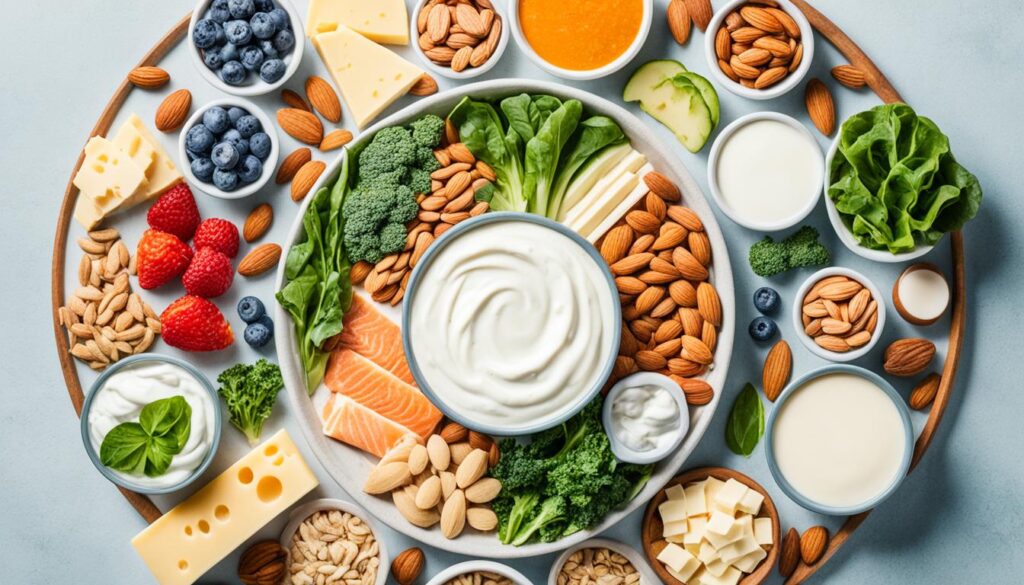
  • Milk and dairy products, such as cheese and yogurt
  • Calcium-fortified foods, such as orange juice and tofu

Meeting the recommended calcium intake is crucial to support the baby’s optimal bone and tooth development, as well as the proper functioning of their heart, muscles, and nerves.

The Impact on Preterm Birth

Consuming adequate amounts of both iron and calcium during pregnancy is important for preventing complications like preterm birth. Preterm birth, which occurs before 37 weeks of gestation, can pose several risks to the baby’s health and development.

Studies have shown that iron deficiency anemia during pregnancy is associated with an increased risk of preterm birth. Similarly, inadequate calcium intake has also been linked to an elevated risk of preterm delivery.

By ensuring sufficient iron and calcium intake, pregnant women can help reduce the risk of preterm birth and contribute to a healthier pregnancy.

Calcium-rich foods

Conclusion

Taking the right nutritional supplements during pregnancy is crucial for ensuring the health and optimal development of both you and your baby. With the help of essential nutrients like folic acid, iron, and calcium, you can support your baby’s growth and reduce the risk of complications.

Folic acid plays a key role in preventing birth defects, especially neural tube defects. It is recommended to take a supplement with 400 mcg of folic acid daily before and during early pregnancy. Additionally, you can find folic acid in citrus fruits, green leafy vegetables, and enriched foods.

Iron is essential for preventing anemia and supporting red blood cell production. It also plays a crucial role in oxygen transport. Make sure to consume 27 milligrams of iron daily through sources like lean meat, leafy green vegetables, and fortified foods.

Calcium is vital for the development of your baby’s bones and teeth, as well as their heart, muscles, and nerves. Aim to consume 1,000 milligrams of calcium daily through prenatal vitamins or calcium-rich foods such as milk, cheese, and yogurt.

Remember, it is important to consult with a healthcare provider to ensure you are taking the right supplements for your specific needs. By prioritizing your prenatal health and incorporating suitable nutritional supplements, you can help optimize your pregnancy journey and give your baby the best start in life.

FAQ

Are nutritional supplements necessary during pregnancy?

Yes, taking suitable nutritional supplements during pregnancy is important to ensure the health and optimal development of both the mother and the baby. These supplements provide essential vitamins and minerals that support fetal development and help prevent deficiencies and complications.

What is the role of folic acid in pregnancy?

Folic acid is a crucial nutrient for pregnant women as it helps prevent birth defects, particularly neural tube defects. It is recommended that women take a supplement with 400 mcg of folic acid daily before and during early pregnancy. Prenatal vitamins typically contain the right amount of folic acid. Additionally, folic acid can be obtained from food sources such as citrus fruits, green leafy vegetables, and enriched foods.

Why are iron and calcium important during pregnancy?

Iron and calcium are important minerals that play a vital role in supporting a healthy pregnancy. Iron helps prevent anemia, fatigue, and low birthweight, and it is essential for the production of hemoglobin and oxygen transport. Pregnant women require 27 milligrams of iron daily, which can be obtained from sources like lean meat, leafy green vegetables, and fortified foods. Calcium, on the other hand, is crucial for the development of the baby’s bones, teeth, heart, muscles, and nerves. It is recommended for pregnant women to consume 1,000 milligrams of calcium daily, either through prenatal vitamins or calcium-rich foods such as milk, cheese, and yogurt. Both iron and calcium should be consumed in adequate amounts to prevent complications like preterm birth.

What other nutrients are important during pregnancy?

In addition to folic acid, iron, and calcium, other important nutrients during pregnancy include vitamin D, DHA, and iodine. Vitamin D helps maintain bone health and supports the immune system, while DHA is essential for the development of the baby’s brain and eyes. Iodine plays a critical role in the production of thyroid hormones, which are necessary for the baby’s brain development. It is important to consult with a healthcare provider to ensure that the right supplements are being taken and that any specific dietary needs are met.

How can I ensure a healthy pregnancy?

By prioritizing prenatal health and taking suitable nutritional supplements, women can help optimize their pregnancy journey and give their baby the best start in life. It is important to eat a balanced diet, exercise regularly, get enough rest, and manage stress. Regular prenatal check-ups and consultations with a healthcare provider are also essential to monitor the progress of the pregnancy and address any concerns or complications that may arise.

Source Links

Vitamin E During Pregnancy: Benefits and Recommended Intake

Pregnancy and vitamin E

Imagine this: you’re a soon-to-be mom, eagerly anticipating the arrival of your little one. You’ve done your research, attended childbirth classes, and even decorated the nursery in preparation for the big day. As you navigate through this special journey, it’s crucial to prioritize your health and the well-being of your growing baby.

One essential nutrient that plays a vital role during pregnancy is vitamin E. It’s known for its antioxidant properties and potential benefits in reducing the risk of certain pregnancy complications related to oxidative stress, such as pre-eclampsia. However, the impact of vitamin E supplementation during pregnancy is still being explored.

Before exploring the effects and optimal intake of vitamin E, let’s delve into the potential benefits and recommended intake of this essential nutrient for a healthy and fulfilling pregnancy journey.

Effects of Vitamin E Supplementation in Pregnancy

Several studies have assessed the effects of vitamin E supplementation in pregnant women. In a review of 21 trials involving over 22,000 women, it was found that vitamin E supplementation in combination with other supplements did not significantly improve pregnancy outcomes in terms of stillbirth, neonatal death, preterm birth, pre-eclampsia, or intrauterine growth restriction.

However, women supplemented with vitamin E in combination with other supplements had a decreased risk of placental abruption. On the other hand, supplementation with vitamin E was associated with an increased risk of self-reported abdominal pain and term prelabour rupture of membranes.

Overall, the data does not support routine vitamin E supplementation in pregnancy for the prevention of adverse pregnancy outcomes.

Risks and Side Effects

Supplementation with vitamin E has been associated with an increased risk of self-reported abdominal pain and term prelabour rupture of membranes.

While vitamin E supplementation has been generally deemed safe for pregnant women, it is essential to consult with healthcare professionals before starting any new supplements, as individual circumstances may vary.

Importance of Health Services

It is crucial for pregnant women to discuss any supplementation decisions with their healthcare providers to ensure comprehensive prenatal care and optimal health outcomes for mother and baby.

Health services, including regular prenatal check-ups and consultations with healthcare providers, play a critical role in monitoring maternal health during pregnancy and providing appropriate guidance on nutrition and supplementation.

Optimal Intake of Vitamin E During Pregnancy

The optimal intake of vitamin E during pregnancy is an important consideration for the health of both the mother and the baby. According to the Institute of Medicine (US), the recommended daily intake of vitamin E for adult women, including pregnant women, is 15 mg of alpha-tocopherol equivalents, which is approximately 22 IU.

To ensure an adequate intake of vitamin E, it is crucial for pregnant women to maintain a balanced diet that includes foods rich in this essential nutrient. Good sources of vitamin E include vegetable oils, nuts, cereals, and leafy green vegetables.

However, it is always advisable to consult with a healthcare professional to determine the appropriate intake of vitamin E for your individual pregnancy health needs. They can assess your specific dietary requirements and recommend any necessary supplements or adjustments to your diet.

FAQ

Is vitamin E supplementation beneficial during pregnancy?

Vitamin E supplementation during pregnancy has been studied to evaluate its potential benefits. Research suggests that it may help reduce the risk of pregnancy complications involving oxidative stress, such as pre-eclampsia. However, the efficacy and safety of vitamin E supplementation during pregnancy are still under investigation.

What are the effects of vitamin E supplementation in pregnancy?

Several studies have assessed the effects of vitamin E supplementation in pregnant women. In a review of 21 trials, it was found that vitamin E supplementation in combination with other supplements did not significantly improve pregnancy outcomes in terms of stillbirth, neonatal death, preterm birth, pre-eclampsia, or intrauterine growth restriction. However, women supplemented with vitamin E in combination with other supplements had a decreased risk of placental abruption. On the other hand, supplementation with vitamin E was associated with an increased risk of self-reported abdominal pain and term prelabour rupture of membranes. Overall, the data does not support routine vitamin E supplementation in pregnancy for the prevention of adverse pregnancy outcomes.

What is the recommended intake of vitamin E during pregnancy?

The Institute of Medicine (US) recommends a daily intake of 15 mg of alpha-tocopherol equivalents (approximately 22 IU) for adult women, including pregnant women. It is important for pregnant women to consume a balanced diet that includes foods rich in vitamin E, such as vegetable oils, nuts, cereals, and leafy green vegetables, to ensure adequate intake. However, it is always best to consult with a healthcare professional to determine the appropriate intake of vitamin E for individual pregnancy health needs.

Source Links

Sleep Well: Resting Tips for Better Sleep During Pregnancy

sleep and rest during pregnancy

Imagine this: It’s the middle of the night, and you’re heavily pregnant, struggling to find a comfortable position in bed.
You toss and turn, desperately trying to get some rest, but every movement feels cumbersome and exhausting.
Sleep has become increasingly elusive, leaving you feeling tired and drained throughout the day, affecting both your physical and emotional well-being.

Unfortunately, this scenario is all too common for many pregnant women. Sleep disturbances during pregnancy can be attributed to hormonal changes, physical discomfort, and heightened stress levels. The consequences of inadequate sleep can be far-reaching, impacting not only the mother but also the developing baby’s health.

That’s why it’s crucial to prioritize rest and take proactive steps to improve your sleep during pregnancy. In this article, we will provide you with valuable advice and tips to help you sleep better and wake up refreshed. From finding a comfortable sleeping position to managing digestive discomfort and breathing issues, we’ve got you covered.

So, if you’re ready to reclaim your much-needed sleep and enhance your overall well-being during pregnancy, read on for expert advice and practical tips that can make a significant difference in your sleep quality.

Finding a Comfortable Position for Sleep During Pregnancy

As your baby grows larger, finding a comfortable sleeping position can become a challenge. To ensure a restful night’s sleep, it’s important to find a position that provides both comfort and safety for you and your baby.

Sleeping on Your Back

While it may be tempting to sleep on your back, especially if you’re used to this position, it is generally advised to avoid it during pregnancy. Sleeping flat on your back can compress the inferior vena cava, a major blood vessel, and decrease the oxygen flow to the placenta. This can potentially lead to dizziness, shortness of breath, and a decrease in nutrient supply to your baby.

Sleeping on Your Side

The most comfortable sleeping position for pregnant women is usually on the side, particularly the left side. This position helps protect the liver and increases blood flow to the heart, fetus, uterus, and kidneys. It is also believed to aid in reducing the risk of stillbirth.

To enhance your comfort while sleeping on your side, consider the following tips:

  • Place a pillow under your baby bump to support its weight and relieve pressure on your back.
  • Use a rolled-up blanket or towel for additional lumbar support.
  • Try using a foam or egg crate mattress pad to alleviate hip discomfort.
  • Use extra pillows or a body pillow to support your body and maintain a comfortable position.

If you accidentally roll onto your back during sleep, don’t worry. Simply use a wedge pillow or prop yourself up slightly with pillows to maintain a slight incline and minimize the impact of sleeping on your back.

Strategies for Managing Digestive Discomfort and Breathing Issues During Sleep

Hormonal changes and an expanding uterus can cause digestive issues, such as constipation, indigestion, and heartburn, which can worsen at night. To minimize sleep disruptions, it is recommended to avoid carbonated drinks, citrus, peppermint, tomatoes, spicy or fatty foods, and refrain from eating within three to four hours of bedtime.

Eating small meals throughout the day instead of three large meals and avoiding liquid intake close to bedtime can also help. It is crucial to cut out caffeine as it is a stimulant that can keep you awake and potentially harm the developing baby.

Good sleep hygiene practices, such as sticking to a consistent sleep schedule, using the bed only for sleeping and sex, avoiding exercise within three hours of bedtime, keeping electronics out of the bedroom, and practicing relaxing activities before bed, can significantly improve sleep quality.

Additionally, managing sleep disordered breathing is important to prevent adverse maternal and fetal outcomes. Measures to mitigate sleep disordered breathing include managing pregnancy weight gain, using a humidifier to keep nasal passageways open, elevating the head of the bed, and under the guidance of a doctor, considering the use of a CPAP machine.

If experiencing leg cramping, gentle leg stretches, regular exercise, and a calcium-rich diet may help alleviate symptoms. Lastly, incorporating calming practices, such as yoga, journaling, breathing exercises, and seeking professional support if needed, can help manage new parent worries and nighttime anxiety.

FAQ

Why is sleep important during pregnancy?

Adequate sleep is crucial for the health of both the mother and the developing baby. Lack of sleep during pregnancy has been associated with various risks and complications.

What is the best sleeping position during pregnancy?

The most comfortable sleeping position for pregnant women is usually on the side, with bent knees. Specifically, sleeping on the left side is recommended.

How can I improve sleep quality during pregnancy?

Some tips to improve sleep quality during pregnancy include finding a comfortable sleeping position, practicing good sleep hygiene, managing digestive discomfort, and addressing breathing issues.

What can I do to relieve leg cramps during sleep?

Gentle leg stretches, regular exercise, and a calcium-rich diet may help alleviate leg cramps during sleep.

How can I manage new parent worries and nighttime anxiety?

Incorporating calming practices like yoga, journaling, and breathing exercises, as well as seeking professional support if needed, can help manage new parent worries and nighttime anxiety.

Source Links

Navigating Caffeine During Pregnancy: How Much is Safe?

Pregnancy and caffeine consumption

Picture this: you’re sitting in your favorite coffee shop, sipping on a warm cup of joe, enjoying the comforting aroma and the familiar taste. But now, you’re pregnant, and suddenly you find yourself questioning whether that caffeine fix is still safe for you and your baby. It’s a dilemma faced by many expectant mothers.

When it comes to pregnancy and caffeine consumption, there’s a lot of information out there, and it can be overwhelming to know what’s true and what’s just speculation. That’s why it’s essential to rely on reputable sources like the American College of Obstetricians and Gynecologists (ACOG) for guidance.

A recent study conducted by the Perelman School of Medicine at the University of Pennsylvania and the National Institutes of Health has shed some light on the subject. The study found that consuming a low amount of caffeine during pregnancy does not increase the risk of gestational diabetes, preeclampsia, or hypertension for expecting mothers. This is reassuring news for women who already consume low to moderate levels of caffeine. However, it’s important to understand the recommended guidelines to ensure the optimal health of both you and your baby.

The ACOG advises that pregnant women limit their caffeine consumption to less than 200 mg per day. This intake can equate to one or two cups of coffee, depending on the brand and size. But remember, caffeine is not only found in coffee; it’s also present in other common foods and drinks like chocolate, tea, soda, and energy bars.

So, next time you find yourself craving a cup of coffee or reaching for a chocolate bar, it’s essential to be aware of the amount of caffeine you’re consuming and ensure it falls within the recommended guidelines. By staying informed and making informed choices, you can navigate caffeine consumption during pregnancy with confidence and peace of mind.

Recommended Caffeine Intake During Pregnancy

When it comes to caffeine consumption during pregnancy, experts from UNM Health suggest that it’s best for pregnant women to limit their intake to less than 200 mg per day. This recommended safe caffeine intake can be equivalent to one or two cups of coffee, depending on the brand and size. However, it’s important to note that not all caffeinated drinks are safe for pregnant women, and caution should be exercised.

Energy drinks, in particular, should be avoided due to their high caffeine content and potentially unsafe ingredients. While caffeine is naturally found in common foods and drinks such as chocolate, coffee, tea, soda, and energy bars, it’s necessary to check food and drink labels for their caffeine content. This is because caffeine can cross the placenta and affect the pregnancy.

Consuming too much caffeine during pregnancy can potentially increase the risk of negative outcomes, including miscarriage, gestational diabetes, low birth weight, and high blood pressure. It’s also crucial to consider any underlying health conditions and medications that may interact with caffeine consumption during pregnancy.

It’s important for expectant mothers to be mindful of their caffeine intake and make informed choices for the well-being of both themselves and their unborn child. By following the recommended guidelines and being aware of the potential effects of caffeine on pregnancy, women can navigate this aspect of their journey with confidence and prioritize the health of their baby.

Is There a Safe Level of Caffeine Consumption During Pregnancy?

An analysis of observational studies published in BMJ Evidence Based Medicine suggests that there is no safe level of caffeine consumption during pregnancy. The study reviewed evidence on caffeine-related pregnancy outcomes and found that maternal caffeine consumption is associated with negative pregnancy outcomes such as miscarriage, stillbirth, low birth weight and/or small for gestational age, childhood acute leukemia, and childhood overweight and obesity.

While the current recommendations set the safe level of caffeine consumption at 200 mg per day, this study argues for a radical revision of these health recommendations. It suggests that pregnant women and those contemplating pregnancy should be advised to avoid caffeine altogether. However, it is important to note that this is an observational study and cannot establish causation. Other factors such as recall of caffeine consumption and pregnancy symptoms may impact the results.

Nonetheless, the study’s findings highlight the need for further research and reconsideration of current caffeine consumption advice for pregnant women.

FAQ

How much caffeine can I safely consume during pregnancy?

According to the American College of Obstetricians and Gynecologists (ACOG), it is recommended that pregnant women limit their caffeine consumption to less than 200 mg per day.

What drinks and foods contain caffeine?

Caffeine is found in common foods and drinks such as coffee, tea, chocolate, soda, and energy bars. It is important to check food and drink labels for caffeine content.

Can I consume energy drinks during pregnancy?

No, it is recommended to avoid energy drinks during pregnancy due to their high caffeine content and potentially unsafe ingredients.

What are the potential risks of consuming too much caffeine during pregnancy?

Consuming excessive amounts of caffeine during pregnancy can potentially increase the risk of miscarriage, gestational diabetes, low birth weight, high blood pressure, and other negative outcomes.

Is there a safe level of caffeine consumption during pregnancy?

While current recommendations suggest a safe level of caffeine consumption at 200 mg per day, an analysis of observational studies argues for a radical revision of these health recommendations. It suggests pregnant women should be advised to avoid caffeine altogether.

Source Links

Staying Active: Safe Exercise Guidelines for Pregnant Women

pregnancy exercise guidelines

Picture this: it’s a beautiful sunny day, and you’re feeling the gentle breeze as you walk in the park. You’re not alone though – you have a beautiful baby bump to keep you company. As you take each step, you’re not just enjoying the fresh air, but you’re also doing something incredible for yourself and your growing baby: staying active during pregnancy.

Exercise plays a vital role in promoting a healthy pregnancy, but it’s important to understand that not all exercises are suitable for expectant mothers. That’s why we’ve put together this comprehensive guide to help you navigate the world of fitness during pregnancy and provide you with safe exercise guidelines.

Benefits of Exercise During Pregnancy

Exercise during pregnancy offers a range of health benefits for both the mother and the baby. Regular physical activity can help reduce the risk of various pregnancy-related complications and discomforts, while also improving overall well-being.

One of the key benefits of pregnancy exercise is the reduction in the risk of excessive gestational weight gain, gestational diabetes, preeclampsia, preterm birth, varicose veins, and deep vein thrombosis.

Physical activity can also help manage common pregnancy discomforts such as constipation, back pain, and swelling, making the experience more comfortable for expectant mothers.

In addition to physical benefits, exercise during pregnancy is associated with reduced fatigue, stress, anxiety, and depression. This can significantly improve the mental well-being of pregnant women, leading to a happier and healthier pregnancy journey.

Engaging in regular exercise throughout pregnancy can also prepare the body for labor and potentially reduce the likelihood of having a cesarean birth. Strengthening the muscles and improving cardiovascular health through exercise can promote a smoother labor process.

Furthermore, exercise during pregnancy can help maintain a healthy weight, which is important for both maternal and fetal health. It also contributes to better overall cardiovascular fitness, benefiting both the mother and the baby.

Guidelines for Safe Exercise During Pregnancy

When it comes to exercise during pregnancy, it’s important to follow the recommended guidelines to ensure the safety and well-being of both you and your baby. Most guidelines suggest engaging in moderate-intensity physical activity for at least 2.5 hours per week if you are a healthy pregnant woman.

But what exactly does moderate-intensity mean? It means being active enough to break a sweat and increase your heart rate, while still being able to carry on a conversation comfortably. Activities like brisk walking, swimming, riding a stationary bike, and prenatal yoga are all considered safe and recommended exercises during pregnancy.

However, there are certain activities that should be avoided during pregnancy. Contact sports, high-impact aerobics, and exercises that involve lying flat on your back are examples of activities that may pose risks or discomfort to you and your baby.

It’s worth noting that exercise is generally safe during pregnancy unless there are specific contraindications. These contraindications may include preterm labor, multiple pregnancies with risk factors for preterm labor, cervical insufficiency, gestational hypertension, placenta previa, severe anemia, or certain heart or lung conditions. If you have any of these conditions, it is important to consult with your healthcare provider before starting or continuing an exercise program to ensure its safety and appropriateness for you.

FAQ

Is it safe to exercise during pregnancy?

Yes, exercise is generally safe during pregnancy unless there are specific contraindications. It is important to consult with your healthcare provider before starting or continuing an exercise program to ensure its safety and appropriateness.

What are the benefits of exercise during pregnancy?

Regular exercise during pregnancy has several benefits. It can reduce the risk of excessive gestational weight gain, gestational diabetes, preeclampsia, preterm birth, varicose veins, and deep vein thrombosis. Physical activity can also help manage pregnancy discomforts such as constipation, back pain, and swelling. Additionally, exercise is associated with reduced fatigue, stress, anxiety, and depression during pregnancy, leading to improved well-being. Engaging in physical activity throughout pregnancy can prepare the body for labor and reduce the chances of having a cesarean birth. Exercise can also improve cardiovascular health and maintain a healthy weight during pregnancy.

What are the guidelines for safe exercise during pregnancy?

Most guidelines recommend moderate-intensity physical activity for at least 2.5 hours per week for healthy pregnant women. Moderate-intensity means being active enough to sweat and increase heart rate while still being able to carry on a conversation. Walking, swimming, riding a stationary bike, and prenatal yoga are safe and recommended exercises during pregnancy. However, certain activities like contact sports, high-impact aerobics, and exercises that involve lying flat on the back should be avoided. It is important to listen to your body and make modifications as needed. If you experience any pain, dizziness, or shortness of breath, stop exercising and consult with your healthcare provider.

Source Links