
The Role of Vitamin E in Fertility: What Prospective Parents Should Know

role of vitamin E in fertility

Are you and your partner considering starting a family? As prospective parents, you may already be aware of the importance of pre-conception nutrition in optimizing fertility. Micronutrients, such as vitamins and minerals, play a crucial role in the reproductive process, and one key nutrient that deserves attention is vitamin E.

Vitamin E is well-known for its antioxidant properties, which help protect our cells from damage caused by harmful free radicals. But did you know that vitamin E may also have a positive impact on fertility? Studies have suggested that vitamin E supplementation could improve fertility outcomes, particularly when combined with other antioxidants.

Now, let me share a relatable story with you. Meet Sarah and Mark, a couple who had been trying to conceive for over a year without success. They were both in their thirties and had always dreamt of having a family together. Sarah started researching ways to enhance their fertility naturally and came across the role of vitamin E.

After consulting with their healthcare provider, Sarah and Mark decided to incorporate more vitamin E-rich foods into their diet, such as nuts, seeds, spinach, and avocados. They also opted for a comprehensive prenatal vitamin that included vitamin E among other essential nutrients.

Several months later, Sarah and Mark were thrilled to discover they were expecting their first child. While it is impossible to attribute their success solely to vitamin E, they believe that optimizing their pre-conception nutrition played a significant role in their journey towards parenthood.

As prospective parents, it’s crucial to focus on a holistic approach to fertility. While vitamin E may be a valuable addition to your pre-conception journey, it’s important to remember that it is just one piece of the puzzle. Consulting with a healthcare provider is key to understanding your nutritional needs and determining the appropriate supplements for your individual circumstances.

So, whether you are just starting your fertility journey or have been trying for some time, make sure to prioritize pre-conception nutrition and consider the potential role of vitamin E. Your path to parenthood may be closer than you think.

How Diet and Lifestyle Impact Male Fertility

Male fertility plays a significant role in the overall chances of pregnancy for couples trying to conceive. It is estimated that male infertility contributes to 40% of cases where couples face difficulties in conceiving.

Several lifestyle factors can have a negative impact on sperm health, reducing the chances of successful fertilization. Smoking, excessive alcohol consumption, and drug use are common culprits that can impair sperm production and quality.

Timing intercourse during the woman’s fertile window is crucial for increasing the likelihood of conception. Understanding the woman’s menstrual cycle and identifying the most fertile days can optimize the chances of fertilization.

Creating an environment conducive to healthy sperm production is essential. Men should avoid exposing their testicles to excessive heat, as high temperatures can impair sperm production. Wearing loose-fitting underwear can help keep the testicles cool and improve sperm health.

A nutritious diet can positively influence male fertility. Consuming a diet rich in fruits, vegetables, and whole grains provides essential vitamins, minerals, and antioxidants that promote sperm function. Adequate intake of nutrients like zinc, vitamin C, and vitamin E are particularly beneficial for sperm health.

Maintaining a healthy weight and engaging in moderate exercise are essential for optimizing fertility. Regular physical activity helps improve overall circulation and promotes hormonal balance. Staying hydrated also supports optimal sperm production.

Limiting caffeine intake is recommended for men aiming to improve their fertility. Studies have shown that excessive caffeine consumption may have a detrimental effect on sperm quality. Additionally, it is crucial to avoid exposure to environmental hazards such as toxins and pollutants, as they can harm sperm health.

Supplementing the diet with certain nutrients may also have a positive impact on male fertility. Vitamins C, E, and D, as well as selenium, lycopene, and L-carnitine, have been shown to improve sperm health and increase the chances of conception. Consultation with a healthcare provider can help determine the appropriate supplements and dosages.

In summary, adopting a healthy diet and lifestyle is crucial for improving male fertility. Making positive lifestyle changes, such as quitting smoking, reducing alcohol consumption, and maintaining a nutritious diet, can significantly enhance sperm health. By taking these steps, men can increase their chances of successful conception and support their partner’s journey towards parenthood.

Conclusion

Micronutrients, such as vitamin E, play a vital role in promoting fertility and pre-conception health. Research suggests that vitamin E supplements may enhance fertility outcomes, particularly when combined with other antioxidants. Therefore, prospective parents should recognize the importance of incorporating a healthy diet and lifestyle to optimize fertility.

Consulting with a healthcare provider is crucial in determining the specific supplements needed based on individual nutritional requirements. It is essential to seek professional advice to ensure the correct dosage and to understand any potential interactions with other medications or health conditions.

Further research is needed to fully comprehend the impact of vitamin E on fertility and establish appropriate dosage guidelines. Nonetheless, prospective parents should prioritize pre-conception nutrition and acknowledge the potential benefits of vitamin E on their fertility journey. By focusing on pre-conception health and considering the role of vitamin E, couples can take proactive steps towards improving their chances of conception.

FAQ

What is the role of vitamin E in fertility?

Vitamin E has antioxidant properties and may improve IVF success rates. It plays a vital role in fertility and pre-conception health, particularly when combined with other antioxidants.

Why is pre-conception nutrition important for prospective parents?

Pre-conception nutrition is crucial for optimizing fertility. Micronutrients, including vitamin E, play a vital role in fertility and pre-conception health. Focusing on a healthy diet and lifestyle can help support fertility outcomes.

How do diet and lifestyle impact male fertility?

Diet and lifestyle factors can significantly affect male fertility. Certain nutritional deficiencies, such as vitamin deficiencies, can cause fertility problems. Lifestyle habits like smoking, excessive alcohol consumption, and drug use can negatively impact sperm health.

What can prospective parents do to improve male fertility?

Prospective parents can make several lifestyle changes to improve male fertility. This includes maintaining a healthy diet rich in fruits, vegetables, and whole grains. Avoiding heat exposure to the testicles and wearing loose-fitting underwear can also help improve sperm production.

Are there any supplements that can improve male fertility?

Certain nutritional supplements, including vitamins C, E, and D, selenium, lycopene, and L-carnitine, may improve male fertility. However, it is important to consult with a healthcare provider to determine the need for specific supplements based on individual nutritional needs.

How can timing intercourse increase the chances of conception?

Timing intercourse during the woman’s fertile window can significantly increase the chances of conception. Knowing when a woman ovulates and having intercourse during this time maximizes the likelihood of fertilization.

What can prospective parents do to optimize fertility?

Prospective parents should prioritize a healthy diet and lifestyle to optimize fertility. This includes maintaining a nutritious diet, engaging in moderate exercise, staying hydrated, and avoiding harmful substances.

Does vitamin E alone improve fertility outcomes?

While vitamin E has been shown to have positive effects on fertility, further research is needed to understand its full impact and determine appropriate dosage guidelines. It is best to combine vitamin E with other antioxidants for improved fertility outcomes.

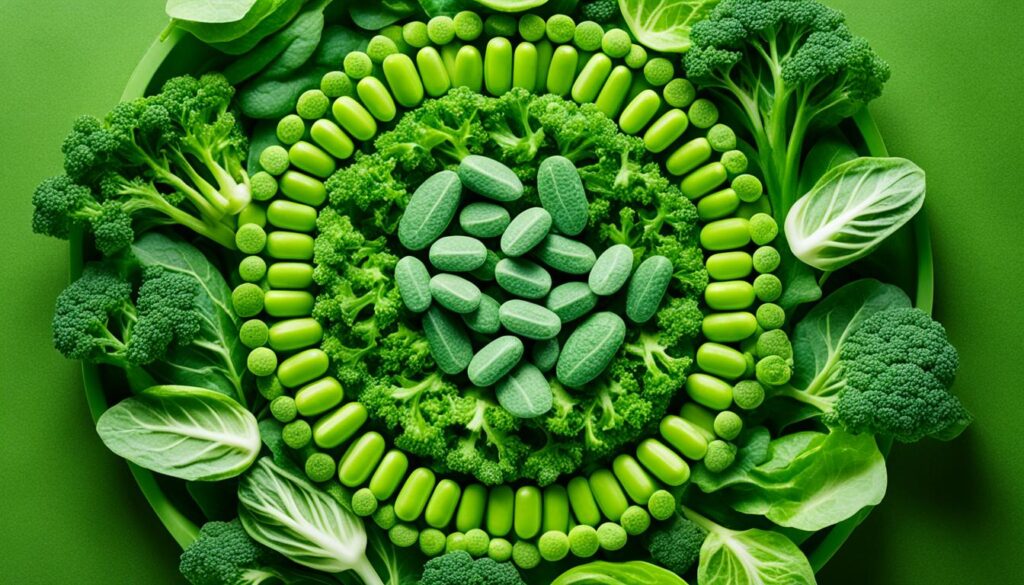
Strategic Planning for a Healthy Pregnancy: Steps to Take Before Conception

planning for a healthy pregnancy

Planning for a healthy pregnancy is an exciting journey that requires careful consideration and preparation. Before embarking on this life-changing adventure, it is essential to lay a strong foundation for the well-being of both the mother and the baby. Taking the time to prioritize pre-conception health and follow a few simple steps can significantly increase the chances of a successful pregnancy.

Let me share the story of Sarah, a woman who understood the importance of planning for a healthy pregnancy. Sarah and her husband had decided that they were ready to start a family. Excitement filled the air as they began their journey towards parenthood.

However, Sarah knew that ensuring she was in the best possible health before conception was crucial. She wanted to give her future child the best start in life and reduce the risk of complications during pregnancy. So, she embarked on a mission to prioritize her pre-conception health by following expert advice and incorporating fertility tips into her lifestyle.

One of the first steps Sarah took was to schedule a preconception checkup with her healthcare provider. This comprehensive assessment allowed her healthcare provider to evaluate her overall health and identify and address any underlying conditions or concerns that could affect her ability to conceive or have a healthy pregnancy.

With the guidance of her healthcare provider, Sarah also sought to maintain a healthy weight. She understood that being either underweight or overweight could impact her fertility and increase the chances of complications during pregnancy. By adopting a balanced and nutritious diet and engaging in regular exercise, Sarah took proactive steps to achieve a healthy weight and optimize her chances of conceiving.

Furthermore, Sarah made a conscious effort to avoid harmful substances such as tobacco, alcohol, and recreational drugs. She understood that these substances could not only compromise her fertility but also pose significant risks to the developing baby in case of conception. By eliminating these substances from her life, Sarah created a safer and healthier environment for her future child.

Additionally, Sarah learned about the importance of folic acid in pre-conception health. She diligently started taking a daily folic acid supplement, as recommended by her healthcare provider. She knew that folic acid played a vital role in preventing birth defects, particularly neural tube defects, and wanted to ensure that her future baby would have the best possible protection.

As Sarah embarked on her journey towards parenthood, she found solace in the knowledge that she was taking strategic steps to promote a healthy pregnancy. By implementing pre-conception health measures such as getting a checkup, maintaining a healthy weight, avoiding harmful substances, and taking folic acid supplements, she was empowering herself to optimize her chances of conception and reduce the risk of potential complications.

Now, let’s dive deeper into the importance of preconception health and the steps you can take to set the foundation for a healthy pregnancy.

Preconception Health: Setting the Foundation for a Healthy Pregnancy

Preconception health plays a vital role in ensuring a healthy pregnancy. The state of a woman’s health before she becomes pregnant can significantly impact her chances of conceiving and the overall well-being of the pregnancy. One of the key steps in preconception health is getting a preconception checkup.

During a preconception checkup, a healthcare provider assesses the woman’s overall health and identifies any potential issues or conditions that may affect the pregnancy. This checkup allows for necessary treatments or interventions to be provided, optimizing the chances of a successful pregnancy.

Furthermore, sharing the family health history is crucial in preconception health. By understanding the family health history, healthcare providers can identify any potential genetic conditions or complications that may affect the pregnancy. This information allows for appropriate screenings, monitoring, or preventive measures to be taken to ensure the health and well-being of both the mother and the baby.

Creating a strong foundation of preconception health through a preconception checkup and understanding the family health history sets the stage for a healthy pregnancy. By addressing any existing health concerns and taking necessary precautions, women can enhance their chances of conceiving and experience a smoother pregnancy journey.

The Importance of Folic Acid in Preconception Health

Folic acid is a vital nutrient that plays a significant role in preventing birth defects, specifically neural tube defects. Taking a daily supplement with 400 micrograms of folic acid before conception and during the early stages of pregnancy can reduce the risk of these defects.

It is recommended to start taking folic acid at least one month before pregnancy and continue until the first 12 weeks of pregnancy. Folic acid can be obtained through supplements or foods rich in folate, such as leafy green vegetables, beans, and fortified cereals.

By ensuring an adequate intake of folic acid, women can significantly reduce the risk of neural tube defects, which affect the development of the baby’s brain and spinal cord. These defects can lead to serious health issues, including physical disabilities and developmental delays.

folic acid

Folic acid works by supporting the production and maintenance of new cells in the body. During pregnancy, it is crucial for the proper formation of the neural tube, which develops into the brain and spinal cord. By taking folic acid supplements or consuming folate-rich foods, women can ensure that their bodies have an adequate supply of this essential nutrient during the critical early stages of fetal development.

Although folic acid is important for all women of childbearing age, it is particularly crucial for those who are planning to get pregnant. Since neural tube defects occur in the early weeks of pregnancy, often before a woman even knows she is pregnant, it is important to start taking folic acid in advance to ensure its protective benefits.

In addition to taking folic acid, it is also recommended to maintain a balanced diet and lead a healthy lifestyle to optimize preconception health. By taking these proactive steps, women can increase their chances of having a healthy pregnancy and giving birth to a healthy baby.

Healthy Lifestyle Choices for a Successful Pregnancy

Maintaining a healthy lifestyle is not only beneficial for your own well-being but also plays a crucial role in ensuring a successful pregnancy. As you prepare for the journey of motherhood, there are several key lifestyle choices you can make to optimize your chances of having a healthy baby.

One important aspect is achieving a healthy weight before getting pregnant. Being either overweight or underweight during pregnancy can increase the risk of complications such as premature birth and birth defects. Focus on nourishing your body with a balanced diet, rich in fruits, vegetables, lean proteins, and whole grains. Consult with a healthcare professional for personalized guidance on appropriate weight gain and dietary needs.

Regular physical activity is another essential component of a healthy pregnancy. Engaging in moderate exercise, such as walking, swimming, or prenatal yoga, can help reduce the risk of gestational diabetes, high blood pressure, and heart conditions. Aim for at least 150 minutes of exercise per week, as recommended by healthcare experts.

During this crucial period, it is vital to avoid smoking and alcohol consumption. Smoking during pregnancy increases the risk of various complications, including miscarriage, premature birth, and low birth weight. Similarly, alcohol consumption can lead to serious developmental issues and birth defects. It’s important to remember that there is no safe level of alcohol intake during pregnancy.

FAQ

What steps should I take before conception to ensure a healthy pregnancy?

Before conception, it is important to get a preconception checkup, maintain a healthy weight, avoid harmful substances, and take folic acid supplements. These steps can improve your chances of getting pregnant and reduce the risk of pregnancy complications.

What is preconception health and why is it important?

Preconception health refers to the health of a woman before she becomes pregnant. It is important because it can impact the chances of conceiving and the overall health of the pregnancy. By focusing on preconception health, you can identify and address any potential health issues or genetic conditions that may affect your pregnancy.

How does folic acid play a role in preconception health?

Folic acid is a vital nutrient that helps prevent birth defects, specifically neural tube defects. Taking a daily supplement with 400 micrograms of folic acid before conception and during the early stages of pregnancy can reduce the risk of these defects. It is recommended to start taking folic acid at least one month before pregnancy and continue until the first 12 weeks of pregnancy.

What lifestyle choices should I make for a successful pregnancy?

To have a successful pregnancy, it is important to achieve a healthy weight before conception, engage in regular physical activity, quit smoking, avoid alcohol consumption, and manage any chronic health conditions. Being overweight or underweight during pregnancy can increase the risk of complications, and engaging in physical activity can help reduce the risk of gestational diabetes and other health issues.

Source Links

Your Pre-Pregnancy Health Checklist: Ensuring Optimal Fertility and Wellness

pre pregnancy health checklist

Before embarking on the beautiful journey of parenthood, it’s essential to prioritize your pre-pregnancy health. Taking the time to prepare your body for pregnancy can greatly optimize your fertility and overall wellness. So let’s dive into a brief story that highlights the importance of this pre-pregnancy health checklist.

Meet Sarah, a vibrant and ambitious woman who has always dreamed of becoming a mother. She and her partner, Michael, decided that the time was right to start trying for a baby. However, as they began their journey, they realized there were certain steps they needed to take to ensure the best possible outcome.

After doing some research, Sarah stumbled upon a comprehensive pre-pregnancy health checklist. Intrigued, she shared it with Michael, and together, they embarked on a journey towards optimal fertility and wellness.

They started by incorporating regular exercise into their routine, going for walks together in the evenings and exploring new activities like prenatal yoga. They also made a conscious effort to overhaul their diet, focusing on eating nourishing foods rich in protein, iron, calcium, and folic acid.

Realizing the importance of vitamins, Sarah and Michael added a daily prenatal multivitamin to their regimen, ensuring they were getting the recommended 400 micrograms of folic acid. They also scheduled a preconception checkup with their doctor, discussing necessary tests, vaccinations, and prenatal vitamins.

Genetic testing became a priority for Sarah and Michael due to their family history, allowing them to understand any potential risks and make informed decisions for their future child’s health. They even took the time to help their pets adjust to the upcoming changes, introducing them to baby supplies and setting new rules.

Throughout this journey, Sarah and Michael focused on lifestyle changes to minimize the risk factors associated with pregnancy. They reduced their caffeine intake, quit smoking, and limited their alcohol consumption, knowing that these small choices could maximize their chances of conceiving and having a healthy pregnancy.

As Sarah and Michael continued on this path of pre-pregnancy health, they also took time for themselves, enjoying a relaxing getaway to recharge and prepare for the exciting journey ahead.

By following this pre-pregnancy health checklist, Sarah and Michael were not only prioritizing their own well-being but also setting the stage for the future well-being of their child. They were laying a strong foundation for a healthy and fulfilling pregnancy, filled with joy, love, and wonderful memories.

Now, let’s dive deeper into the importance of preconception health and how it can impact your pregnancy journey.

The Importance of Preconception Health

A preconception checkup plays a vital role in ensuring your body is ready for pregnancy. During this checkup, your healthcare provider assesses your overall health and looks for any health conditions that may impact your pregnancy or the health of your baby.

It is recommended to have a preconception checkup even if you have already had a child, as your health may have changed since your last pregnancy. This checkup is especially important if you have a history of premature birth, birth defects, miscarriage, or stillbirth.

Genetic counseling may be recommended if certain health conditions run in your family. Preconception care aims to manage existing health conditions, optimize your fertility, and make necessary lifestyle changes for a healthy pregnancy.

By addressing any health concerns and making adjustments where necessary, you can increase your chances of having a healthy pregnancy and baby.

Preparing Your Body for Pregnancy

Taking care of your body is crucial when it comes to preparing for pregnancy. Here are some essential steps to ensure a healthy and successful pregnancy:

1. Folic Acid

Taking folic acid is essential for healthy fetal development, especially in preventing neural tube defects. It is recommended to start taking a prenatal multivitamin with at least 400 micrograms of folic acid at least three months before trying to conceive.

2. General Health Checkup and Blood Tests

Scheduling a general health checkup and blood tests with your doctor allows you to assess your overall health and manage any existing conditions that may affect your pregnancy. It’s important to discuss any medications you are taking with your doctor to ensure they are safe for pregnancy.

3. Immunizations

Immunizations are crucial to protect both you and your baby during pregnancy. Make sure you are up to date with all the recommended vaccinations to prevent infections that can harm your pregnancy. Consult with your healthcare provider to ensure you are receiving the necessary immunizations.

4. Lifestyle Changes

Prioritize preconception health by making essential lifestyle changes. Quitting smoking, limiting alcohol intake, and avoiding the use of drugs are crucial steps to ensure a healthy pregnancy. Additionally, taking steps to minimize exposure to harmful chemicals at home or work is advisable.

By following these guidelines and making the necessary preparations, you can optimize your chances of a successful pregnancy and the health of your future child.

prenatal multivitamin

Conclusion

Taking care of your preconception health is essential for a successful pregnancy and the well-being of your future child. By following the pre-pregnancy health checklist, you can optimize your fertility and create a healthy foundation for your pregnancy journey.

One key aspect is maintaining a healthy weight and diet. Eating a nutritious diet rich in protein, iron, calcium, and folic acid, while avoiding empty calories from junk foods, sets the stage for a healthy pregnancy.

Equally important is taking the necessary supplements and vaccinations. Starting a daily prenatal multivitamin with at least 400 micrograms of folic acid helps prevent birth defects. Additionally, scheduling a preconception checkup with your doctor ensures you receive the necessary tests, vaccinations, and prenatal vitamins.

Lastly, making lifestyle changes such as quitting smoking, limiting alcohol intake, and avoiding drug use is crucial. Taking these steps, along with minimizing exposure to harmful chemicals, helps create an environment conducive to preconception health.

Prioritizing your health and well-being before conception greatly enhances your chances of having a healthy pregnancy and a healthy baby. By following the pre-pregnancy health checklist, you are taking a proactive approach to fertility planning and giving your future child the best possible start in life.

FAQ

Why is preconception health important?

Preconception health is important because it helps ensure that your body is ready for pregnancy and can support the healthy development of your baby. It allows you to identify and manage any health conditions that may impact your pregnancy and make necessary lifestyle changes for a healthy pregnancy.

When should I start taking folic acid?

It is recommended to start taking a prenatal multivitamin with at least 400 micrograms of folic acid at least three months before trying to conceive. Folic acid is crucial for healthy fetal development, especially in preventing neural tube defects.

What tests should I have during a preconception checkup?

During a preconception checkup, your healthcare provider may conduct various tests such as blood tests to assess your overall health, genetic testing if necessary, and discuss immunizations to protect against infections that can harm you and your baby during pregnancy.

What lifestyle changes should I make for preconception health?

It is important to quit smoking, limit alcohol intake, and avoid the use of drugs when planning for pregnancy. Additionally, taking steps to minimize exposure to harmful chemicals at home or work is advisable for preconception health.

How can I optimize my fertility before trying to conceive?

To optimize your fertility, it is essential to maintain a healthy weight, engage in regular exercise, and eat a nutritious diet rich in protein, iron, calcium, and folic acid. Taking a daily prenatal multivitamin and scheduling a preconception checkup with your doctor can also help identify any potential fertility issues.

Source Links

Why Iron is Essential Before Pregnancy: A Guide

Iron Supplements Before Pregnancy

Imagine this scenario: You and your partner have made the exciting decision to start trying for a baby. You’re filled with anticipation and dreams of what your future family will look like. As you embark on this journey towards parenthood, it’s important to prioritize your pre-pregnancy health and nutrition, and one key element to focus on is iron.

Iron is an essential mineral that plays a crucial role in overall health and well-being, particularly for women who are planning to conceive. It is necessary for the production of hemoglobin, the protein in red blood cells that carries oxygen throughout the body, including to the developing fetus. Without sufficient iron, the body’s ability to transport oxygen is compromised, which can have serious implications for both you and your future baby.

Research has shown that iron deficiency is common among pregnant women, especially in industrialized countries. This deficiency can lead to lower hemoglobin concentrations, a condition known as anemia. Anemia during pregnancy can increase the risk of complications such as low birth weight and preterm birth, putting both you and your baby’s health at risk.

But fear not! By taking iron supplements before pregnancy, you can ensure that your body has adequate iron stores to support a healthy pregnancy. Iron supplements are readily available over-the-counter and are recommended for women planning to conceive. Additionally, it’s important to incorporate iron-rich foods into your diet, such as lean meats, legumes, leafy greens, and fortified cereals, to further boost your iron levels.

So, before you embark on this incredible journey of motherhood, take the time to prioritize your pre-pregnancy health. Be proactive and start incorporating iron supplements into your routine to ensure that you and your baby have the best possible start. Your future family will thank you!

The Importance of Iron Supplements

Iron supplementation plays a crucial role in preventing iron deficiency and anemia during pregnancy. Studies have shown that iron deficiency is a common issue among pregnant women in industrialized countries, leading to lower hemoglobin concentrations.

Iron supplements not only increase the oxygen-carrying capacity of the blood but also provide a buffer against blood loss during delivery. Adequate iron intake during pregnancy is essential for the development of the placenta and fetus, as well as for preventing anemia, where there is a low number of healthy red blood cells.

Infants born to iron-deficient mothers may also be at higher risk of iron deficiency and low birth weight.

The recommended daily dose of iron supplementation during pregnancy is generally 30-60 mg, depending on the individual’s iron status.

It is important for women to start taking iron supplements before conception to ensure sufficient iron stores and avoid complications during pregnancy.

Additional nutrients, such as folic acid, calcium, vitamin D, vitamin C, vitamin A, vitamin E, B vitamins, zinc, and iodine, are also important for the healthy development of the baby. Women should consult with their healthcare providers to determine the best prenatal vitamin that meets their specific needs.

Tips for Taking Iron Supplements Before Pregnancy

When considering iron supplements before pregnancy, it is essential to choose the right prenatal vitamin that provides adequate iron along with other necessary nutrients. Prenatal vitamins are available over-the-counter and usually contain folic acid, iron, calcium, vitamin D, vitamin C, vitamin A, vitamin E, B vitamins, zinc, and iodine.

It is recommended to look for a prenatal vitamin that contains at least 40-50 mg of iron, as per the Danish Health Authorities’ recommendation. Additionally, women should ensure they have a healthy diet that includes foods rich in iron, such as lean meats, legumes, leafy greens, and fortified cereals.

It is important to start taking prenatal vitamins before conception, preferably at least three months before pregnancy. This allows the body to build up sufficient iron stores for a healthy pregnancy. While iron supplements are crucial, they can sometimes cause constipation. To prevent constipation, women should drink plenty of fluids, include more fiber in their diet, engage in physical activity with their healthcare provider’s approval, and consider using a stool softener if necessary.

It is important to follow the recommended dosage of prenatal vitamins and avoid excessive intake of certain vitamins, such as vitamin A, which can be harmful to the baby. Overall, taking iron supplements before pregnancy and maintaining a healthy diet provide the necessary nutrients for pre-pregnancy health and a successful journey into motherhood.

FAQ

Why is iron crucial before pregnancy?

Iron is crucial before pregnancy because it is needed to provide for the growing fetus, increase the maternal red cell mass, and supply oxygen to the body tissues. Additionally, iron deficiency can lead to lower hemoglobin concentrations, which can have potential risks for the fetus, including low birth weight and preterm birth.

How does iron supplementation help during pregnancy?

Iron supplementation helps prevent and treat iron deficiency, ensuring a healthy pregnancy outcome. It increases the oxygen-carrying capacity of the blood and provides a buffer against blood loss during delivery. Adequate iron intake during pregnancy is essential for the development of the placenta and fetus, as well as for preventing anemia.

What nutrients should be included in prenatal vitamins?

Prenatal vitamins should include folic acid, iron, calcium, vitamin D, vitamin C, vitamin A, vitamin E, B vitamins, zinc, and iodine. These nutrients are important for the healthy development of the baby and should be taken before conception to ensure sufficient iron stores.

How much iron should be in prenatal vitamins?

It is recommended to look for prenatal vitamins that contain at least 40-50 mg of iron, as per the Danish Health Authorities’ recommendation. This dosage provides the necessary iron intake for pre-pregnancy health and a successful pregnancy.

How can I prevent constipation caused by iron supplements?

To prevent constipation caused by iron supplements, it is important to drink plenty of fluids, include more fiber in your diet, engage in physical activity with your healthcare provider’s approval, and consider using a stool softener if necessary.

When should I start taking prenatal vitamins?

It is recommended to start taking prenatal vitamins at least three months before pregnancy. This allows the body to build up sufficient iron stores and other necessary nutrients for a healthy pregnancy.

Managing Pregnancy-Induced Hypertension: A Guide for Expectant Mothers

pregnancy induced hypertension management

Imagine this: You’re expecting a beautiful bundle of joy, eagerly preparing for the arrival of your little one. As you navigate the joys and challenges of pregnancy, you find yourself facing an unexpected obstacle – pregnancy-induced hypertension.

Managing pregnancy-induced hypertension is crucial for the health and well-being of both you and your baby. With proper management, you can minimize the risks and ensure a safe pregnancy journey.

In this guide, we will explore effective strategies and recommendations for managing pregnancy-induced hypertension. From understanding the importance of blood pressure control to safe antihypertensive medications and long-term implications, we will provide you with the knowledge and tools you need to navigate this condition with confidence.

Whether you’re a first-time mother or have experienced pregnancy before, our guide aims to empower you with the information necessary to make informed decisions and prioritize your health and the health of your baby.

So let’s dive in and discover the essential steps in managing pregnancy-induced hypertension for a healthy and thriving pregnancy.

Safe Antihypertensive Medications for Pregnancy-Induced Hypertension

It is crucial to choose antihypertensive medications that are safe for use during pregnancy. Recommended antihypertensive drugs for pregnancy-induced hypertension include labetalol, nifedipine (controlled release), methyldopa, and hydralazine. These drugs have been found to have limited adverse effects and are considered safer options.

Other antihypertensive drugs, such as ACE inhibitors, angiotensin receptor blockers, diuretics, and beta blockers (excluding labetalol), should be avoided due to potential harm to the fetus.

Blood pressure control is essential in managing pregnancy-induced hypertension, and regular monitoring and assessment for the development of pre-eclampsia and fetal growth should be conducted throughout the pregnancy.

Choose antihypertensive medications for pregnancy-induced hypertension wisely. Labetalol, nifedipine (controlled release), methyldopa, and hydralazine are recommended due to their limited adverse effects. However, it is important to avoid other antihypertensive drugs, such as ACE inhibitors, angiotensin receptor blockers, diuretics, and beta blockers (excluding labetalol), as they may pose potential harm to the fetus. Regular monitoring and assessment of blood pressure, as well as the development of pre-eclampsia and fetal growth, are crucial for effective management of pregnancy-induced hypertension.

Long-Term Implications and Risks of Pregnancy-Induced Hypertension

Pregnancy-induced hypertension, including gestational hypertension and pre-eclampsia, carries significant long-term risks and implications for both you and your baby. Research has shown that women who experience pregnancy-induced hypertension are at a higher risk of developing cardiovascular disease later in life. These long-term risks highlight the importance of proper management and monitoring of your blood pressure during pregnancy.

Furthermore, studies have indicated that there is an association between gestational hypertension and pre-eclampsia, and an increased risk of hypertension and stroke in the future. This means that your risk of developing these conditions remains elevated even after pregnancy. It is critical that you undergo ongoing cardiovascular and metabolic risk surveillance beyond pregnancy to ensure the health and well-being of both you and your baby.

To mitigate these long-term risks, it is essential to prioritize the management of pregnancy-induced hypertension. This includes regular prenatal check-ups, monitoring of your blood pressure, and following any prescribed treatment plans. By closely managing your blood pressure levels during pregnancy, you can reduce the potential long-term implications and ensure better cardiovascular health for you and your baby in the years ahead.

FAQ

What is pregnancy-induced hypertension?

Pregnancy-induced hypertension, also known as gestational hypertension, is high blood pressure that occurs during pregnancy. It can pose risks to both the mother and the baby, making proper management crucial.

How is chronic hypertension before 20 weeks’ gestation treated?

Chronic hypertension before 20 weeks’ gestation should be treated at a blood pressure of 160 mm Hg systolic or 110 mm Hg diastolic. Medications like labetalol or extended-release nifedipine are commonly used.

When is low-dose aspirin recommended for women with chronic hypertension?

Low-dose aspirin is recommended for women with chronic hypertension between 12 and 28 weeks’ gestation. It can help reduce the risk of complications.

Is it safe to induce labor before 37 weeks’ gestation for women with chronic hypertension?

It is important for pregnant women with chronic hypertension to avoid induction before 37 weeks’ gestation, unless there are other indications for early delivery.

Which antihypertensive medications are safe to use during pregnancy?

Recommended antihypertensive drugs for pregnancy-induced hypertension include labetalol, nifedipine (controlled release), methyldopa, and hydralazine. These drugs have been found to have limited adverse effects and are considered safer options.

Which antihypertensive drugs should be avoided during pregnancy?

ACE inhibitors, angiotensin receptor blockers, diuretics, and beta blockers (excluding labetalol) should be avoided during pregnancy due to potential harm to the fetus.

How important is blood pressure control in managing pregnancy-induced hypertension?

Blood pressure control is essential in managing pregnancy-induced hypertension. Regular monitoring and assessment for the development of pre-eclampsia and fetal growth should be conducted throughout the pregnancy.

What are the long-term implications and risks of pregnancy-induced hypertension?

Pregnancy-induced hypertension, including gestational hypertension and pre-eclampsia, is associated with long-term risks for both the mother and the baby. Women who experience pregnancy-induced hypertension have an increased risk of cardiovascular disease later in life. Studies have also shown an association with an elevated risk of hypertension and stroke in the future.

Source Links

Omega 3’s Role in Boosting Fertility: What to Know

Omega 3 Fatty Acids and Fertility

When you and your partner are ready to start a family, ensuring that your bodies are in optimal condition is crucial. One essential aspect of pre-pregnancy nutrition is incorporating omega-3 fatty acids into your diet. These fatty acids offer various fertility benefits and can increase your chances of conceiving naturally. So, let me share a short story to set the stage for the importance of omega-3s in your fertility journey.

Meet Sarah and Mark, a couple who had been trying to conceive for over a year with no success. They followed a healthy lifestyle, exercised regularly, and maintained a balanced diet. However, Sarah’s doctor suggested they look into their pre-pregnancy nutrition more closely.

After researching, Sarah discovered the incredible role that omega-3 fatty acids play in boosting fertility. Omega-3s are not only beneficial for overall health but have a specific impact on reproductive health as well. Excited by this new knowledge, Sarah shared her findings with Mark.

The couple decided to focus on incorporating omega-3-rich foods into their daily meals. They increased their consumption of fatty fish like salmon and added walnuts and flaxseeds to their breakfast routine. However, they sometimes struggled to meet the recommended intake of omega-3 fatty acids.

Determined to boost their fertility, Sarah suggested they explore omega-3 supplements. They consulted with their doctor, who recommended a purified fish oil supplement that provided the best form of DHA, an essential omega-3 fatty acid for fertility. Sarah and Mark started taking the omega-3 supplements alongside their balanced diet.

Several months later, Sarah and Mark received the joyful news they had been eagerly waiting for – Sarah was pregnant! They truly believed that incorporating omega-3 fatty acids into their routine had played a significant role in their successful conception.

This heartwarming story emphasizes the importance of omega-3 fatty acids in enhancing fertility. While each couple’s journey is unique, adding omega-3s to your pre-pregnancy nutrition plan can potentially increase your chances of conceiving naturally. In the next sections, we will delve deeper into the fertility benefits of omega-3 fatty acids and how you can incorporate them into your routine to support your fertility journey.

The Fertility Benefits of Omega-3 Fatty Acids

Omega-3 fatty acids offer numerous benefits for fertility and reproductive health. These essential nutrients play a crucial role in regulating hormones, which is vital for successful ovulation. By maintaining balanced hormone levels, omega-3s help optimize the menstrual cycle and increase the chances of conception.

In addition to hormone regulation, omega-3 fatty acids contribute to the overall health of the reproductive system. They promote increased uterine blood flow, ensuring a nutrient-rich environment for implantation and supporting a healthy pregnancy. This increased blood flow is essential for supplying oxygen and nutrients to the developing embryo.

Furthermore, omega-3s possess powerful anti-inflammatory properties that can reduce inflammation in the body. Inflammation in the reproductive organs can hinder fertility and implantation. By reducing inflammation, these fatty acids create a more favorable environment for conception and embryo development.

Another significant benefit of omega-3 fatty acids is their ability to improve embryo implantation. By enhancing the receptivity of the uterine lining, omega-3s increase the chances of successful embryo implantation, leading to a higher likelihood of pregnancy.

Omega-3 fatty acids are not only beneficial for women but also play a role in male fertility. These essential fats aid in sperm function by supporting the formation of the acrosome, a structure necessary for fertilization. By optimizing sperm health, omega-3s contribute to the overall success of conception.

Taken during pregnancy, omega-3 supplements continue to provide benefits to both the mother and the developing baby. They support the healthy development of the baby’s brain and nervous system, laying the foundation for optimal growth and cognitive function.

Incorporating omega-3 fatty acids into your pre-pregnancy nutrition plan can have significant positive effects on fertility and reproductive health. These essential fats regulate hormones, increase uterine blood flow, reduce inflammation, and improve embryo implantation. Whether consumed through omega-3 rich foods or supplements, these nutrients are vital for maximizing your chances of conception and achieving a healthy pregnancy.

How to Incorporate Omega-3 Fatty Acids into Your Routine

If you’re looking to improve your fertility health and increase the chances of conception, incorporating omega-3 fatty acids into your routine is recommended. Both you and your partner can consider taking 1,000mg of omega-3 fatty acids daily. Purified fish oil is the preferred source of omega-3s, as it provides the best form of DHA. However, it’s crucial to consult with your doctor or fertility specialist before starting omega-3 supplements to ensure it is suitable for you. They can provide personalized recommendations based on your specific needs and medical history.

Purified Fish Oil Supplement

Omega-3 Daily Dosage Guidelines

When it comes to omega-3 supplementation, it’s essential to follow the recommended daily dosage to optimize its benefits for fertility. Most experts suggest a daily intake of 1,000mg of omega-3 fatty acids.

Choosing Purified Fish Oil Supplements

Purified fish oil supplements are an excellent choice for obtaining omega-3 fatty acids. They are derived from high-quality fish sources and undergo extensive purification processes to remove any contaminants, such as heavy metals and toxins. Look for supplements that contain a high concentration of DHA, as it is a vital component for fertility health.

Consulting with Your Doctor

Before starting any supplementation regimen, it is crucial to consult with your doctor or fertility specialist. They can assess your individual needs and provide personalized recommendations based on your specific health and medical history. Additionally, they can help monitor your progress and make any necessary adjustments to ensure the supplements are effectively supporting your fertility goals.

Maintaining Consistency

Consistency is key when incorporating omega-3 fatty acids into your routine. Set a daily reminder to take your supplement and make it a part of your daily routine. By consistently taking the recommended dosage of purified fish oil, you can optimize the benefits and support your fertility journey.

Summary

Incorporating omega-3 fatty acids, particularly through purified fish oil supplements, into your daily routine can enhance your fertility health and increase the chances of conception. Remember to follow the recommended daily dosage and consult with your healthcare provider for personalized recommendations. Through consistent supplementation, you can support your fertility goals and improve your overall well-being.

Omega-3 Supplementation Tips
Take 1,000mg of omega-3 fatty acids daily
Choose purified fish oil supplements for the best form of DHA
Consult with your doctor before starting any supplements
Maintain consistency in taking your supplements

Conclusion

Omega-3 fatty acids play a crucial role in improving natural fertility and can be considered a modifiable factor in the quest to conceive. Although the available evidence on the impact of omega-3 supplementation on natural fertility is still limited, studies conducted on infertile populations undergoing assisted reproductive technology (ART) have shown positive associations between intake of omega-3 fatty acids and reproductive outcomes.

Research suggests that taking omega-3 supplements can increase the probability of conceiving naturally, especially among women without a history of infertility. However, further randomized controlled trials are needed to explore the precise benefits and optimal dosages of omega-3 supplementation for women trying to conceive.

Incorporating omega-3 fatty acids into your pre-pregnancy nutrition plan is a potential strategy to enhance fertility and support a healthy pregnancy. While the focus mainly lies on women, it’s important to note that omega-3 fatty acids also play a role in sperm function, which is crucial for successful fertilization.

Overall, it is advisable to consult with your doctor or fertility specialist before starting any supplementation to ensure it is appropriate for your individual needs. By considering omega-3 fatty acids as part of your pre-pregnancy routine, you can potentially improve your natural fertility and increase your chances of conceiving.

FAQ

Are omega-3 fatty acids essential for fertility health?

Yes, omega-3 fatty acids, such as DHA, play a crucial role in fertility health. They regulate hormones, promote increased blood flow to the uterus, reduce inflammation, and enhance embryo implantation.

What foods are rich in omega-3 fatty acids?

Omega-3 fatty acids can be found in fatty fish, shellfish, nuts, seeds, and green leafy vegetables.

How often should I consume omega-3 rich foods?

It is recommended to consume omega-3 rich foods at least twice a week.

What if I don’t meet the omega-3 requirements through my diet?

In such cases, omega-3 supplements can be taken to meet the necessary omega-3 levels.

Are omega-3 supplements suitable for vegetarians and vegans?

Yes, omega-3 supplements derived from microalgae are available for vegetarians and vegans.

Can omega-3 fatty acid supplements increase the chances of conceiving spontaneously?

Yes, taking omega-3 fatty acid supplements has been found to increase the chances of conceiving naturally.

How much omega-3 fatty acids should I take daily for improved fertility?

It is recommended to take 1,000mg of omega-3 fatty acids daily.

What is the preferred source of omega-3 fatty acids?

Purified fish oil is the preferred source of omega-3 fatty acids as it provides the best form of DHA.

Is it important to consult a doctor or fertility specialist before starting omega-3 supplements?

Yes, it is crucial to consult with your doctor or fertility specialist before starting omega-3 supplements to ensure it is suitable for you and to receive personalized recommendations.

Can omega-3 supplements improve natural fertility?

While the evidence is limited, studies have shown positive associations between omega-3 intake and reproductive outcomes, increasing the probability of conceiving naturally in women without a history of infertility.

Are there any ongoing studies on the benefits of omega-3 supplementation?

Yes, more randomized controlled trials are needed to further investigate the benefits and optimal dosages of omega-3 supplementation for women trying to conceive.

Embracing Change: Nurturing Your Body Image During Pregnancy

Pregnancy and body image

Picture this: You’re standing in front of the mirror, admiring the changes that your body has undergone during pregnancy. The soft curve of your baby bump, the radiant glow on your face, and the strength that resides within you. These physical transformations are a testament to the incredible journey of motherhood that you are embarking on.

However, it’s not uncommon to struggle with your body image during pregnancy. As your body changes and grows, you may find yourself experiencing mixed emotions and moments of self-consciousness. But rest assured, you are not alone. Many expectant mothers face these challenges, and there are ways to navigate them with grace and self-care.

In this article, we will explore the importance of fostering a positive body image during pregnancy and how self-care and wellness play a vital role in nurturing your mental well-being. By understanding and embracing the changes that come with pregnancy, you can embrace this transformative phase of life with confidence and love for yourself.

Understanding Body Image and Pregnancy

Pregnancy is a time of profound physical and emotional changes, and it’s natural for expectant mothers to experience shifts in their perception of their bodies. The perception of body changes during pregnancy can vary from woman to woman, and it’s common to have moments of doubt and self-consciousness about your changing physique.

It’s important to remember that these feelings are normal and that you are not alone. Many women go through similar experiences and struggle with self-image during pregnancy. Embracing body changes and navigating the journey with compassion and acceptance can help foster a positive body image.

During pregnancy, your body goes through incredible transformations to nurture and grow your baby. It’s important to celebrate and appreciate these changes as signs of the miracle taking place within you. By embracing your body changes and shifting your focus towards the incredible journey of motherhood, you can develop a deeper sense of self-love and acceptance.

“Pregnancy is a beautiful journey that brings new life into the world. Embracing the changes and honoring what your body is capable of is an empowering experience.” – Jane Smith, expecting mother

Self-consciousness during pregnancy can be alleviated by seeking support and connecting with other expectant mothers who may be going through similar feelings. Joining online forums, attending prenatal classes, or even sharing your experiences with friends and family can help create a sense of belonging and understanding.

Remember, every body is different, and there is no one-size-fits-all when it comes to pregnancy. Embracing your own unique journey and focusing on self-care and self-love can greatly contribute to a positive body image during this transformative time.

https://www.youtube.com/watch?v=5RBrDEIefyw

Nurturing Self-Care and Wellness

Taking care of your physical and mental well-being is crucial during pregnancy. Engaging in gentle exercise, following a nutritious diet, and prioritizing rest and relaxation can all contribute to a positive body image. Additionally, focusing on activities that bring joy and surrounding yourself with positive influences are essential for promoting self-care and wellness during pregnancy.

Exercise During Pregnancy

Regular exercise during pregnancy has numerous benefits for both your physical and mental health. It helps improve circulation, boosts energy levels, and strengthens muscles, which can help support your growing belly and reduce discomfort. Exercise also releases endorphins, which are natural mood-boosters, helping to alleviate stress and anxiety. However, it’s important to consult with your healthcare provider before starting any exercise routine and to choose activities that are safe and suitable for pregnant women.

Healthy Diet During Pregnancy

A well-balanced and nutritious diet is key to supporting a healthy pregnancy and maintaining a positive body image. Focus on incorporating a variety of fruits, vegetables, whole grains, lean proteins, and healthy fats into your meals. Stay hydrated by drinking plenty of water and limit your intake of processed foods, sugary snacks, and caffeine. Eating well can provide you and your baby with the essential nutrients needed for growth and development, ensuring a healthy pregnancy.

Remember, pregnancy is not a time for strict dieting or calorie counting. Instead, it’s about nourishing your body and giving yourself permission to enjoy balanced meals and occasional treats.

Rest and Relaxation

Rest and relaxation are vital components of self-care during pregnancy. Your body is working hard to nurture and grow a new life, so it’s important to listen to its needs. Make sleep a priority by establishing a regular bedtime routine and creating a comfortable sleep environment. Incorporate relaxation techniques such as deep breathing, meditation, gentle yoga, or prenatal massages to help reduce stress and promote a sense of calmness. Remember, taking time to rest and recharge is not selfish but necessary for your well-being and the well-being of your baby.

Finding Joy and Positive Influences

Engaging in activities that bring you joy and surrounding yourself with positive influences can significantly impact your overall well-being during pregnancy. Whether it’s pursuing a hobby, spending time with loved ones, or exploring mindfulness practices, prioritize activities that uplift your spirits and nourish your soul. Seek support from friends, family, or joining community groups where you can connect with other expectant mothers. Sharing experiences, concerns, and triumphs can provide valuable emotional support and a sense of belonging.

Wellness during pregnancy

Benefits of Self-Care and Wellness During Pregnancy How to Incorporate Self-Care and Wellness
1. Improved physical and mental well-being 1. Prioritize exercise tailored for pregnancy
2. Reduced stress and anxiety levels 2. Follow a nutritious and balanced diet
3. Increased energy and vitality 3. Get enough rest and practice relaxation techniques
4. Enhanced mood and positive body image 4. Engage in activities that bring joy and surround yourself with positive influences

Celebrating Your Body’s Triumphs

Each stage of pregnancy is a triumph in itself, marking the incredible journey your body is embarking on. From the moment you feel that first gentle flutter of your baby’s movements to the radiant glow that accompanies pregnancy, there are countless moments to celebrate and be grateful for.

Throughout this transformative time, it’s essential to shift your focus to the positive aspects of your pregnancy and fully embrace the changes happening to your body. Rather than fixating on any temporary discomforts or perceived flaws, take time to appreciate the miracles unfolding within you and the progress you have made.

As your body changes to accommodate new life, remember to practice self-compassion and nurture a deep sense of love and acceptance. Use every milestone as an opportunity to acknowledge the beauty of this journey. Whether it’s documenting your growing bump, commemorating the first kicks, or simply recognizing the strength and resilience your body possesses, find ways to celebrate and express gratitude for the amazing feat you are accomplishing.

FAQ

How does pregnancy affect body image?

Pregnancy brings about profound physical and emotional changes, which can impact how a woman perceives her body. It is normal for expectant mothers to have moments of doubt and self-consciousness about their changing physique.

Is it normal to feel self-conscious during pregnancy?

Yes, it is normal to feel self-conscious during pregnancy. The significant changes that occur can lead to mixed feelings and struggles with body image. It is important to remember that these feelings are normal and that support is available.

What can I do to nurture my body image during pregnancy?

There are several things you can do to nurture your body image during pregnancy. Engaging in gentle exercise, following a nutritious diet, prioritizing rest and relaxation, and focusing on activities that bring joy are all essential for promoting self-care and wellness during pregnancy.

How can I embrace the changes in my body during pregnancy?

Embracing the changes in your body during pregnancy can be challenging but important. By focusing on the positive aspects of your pregnancy, celebrating and appreciating your body’s incredible journey, you can foster a deep sense of love and acceptance for your changing body.

Source Links

Mastering Work-Life Balance: Tips for Working Moms Postpartum

finding balance as a working mom

When you become a mother, your life changes in countless ways. Suddenly, you have a tiny human relying on you for everything, and your priorities shift overnight. As a working mom, finding balance between your professional responsibilities and your role as a mother can feel like an uphill battle. The demands of your job and the needs of your family can leave you feeling stretched thin and overwhelmed.

But here’s the good news: it is possible to manage your postpartum life with grace and confidence. With the right strategies and mindset, you can find a sense of balance that allows you to excel both at work and at home.

Imagine this. It’s Monday morning, and you’re getting ready to start another hectic week at the office. As you sip your coffee, your mind races with all the tasks that lie ahead: meetings, deadlines, presentations. But amidst the chaos, there’s a sense of calm. You know that no matter how demanding your workday may be, you have the tools to handle it all while still being present for your little one.

Across the room, you catch a glimpse of a photo on your desk—a snapshot of your beautiful baby. The image brings a smile to your face and reminds you of the reason you work so hard—to provide a bright future for your child. You are determined to find the delicate balance between your career and your newfound role as a mother.

Creating a Schedule that Works

One of the key strategies for finding balance as a working mom is time management and creating a schedule that works for you and your family. By effectively managing your time, you can ensure that you have enough dedicated time for both your professional and personal obligations, allowing you to find harmony and avoid feeling overwhelmed. Here are some tips to help you create a schedule that promotes balance and postpartum well-being:

Prioritize Your Priorities

  • Identify your most important tasks and responsibilities as a working mom. This can include work deadlines, family commitments, and personal self-care activities.
  • Allocate dedicated time slots for each priority in your schedule, ensuring that you prioritize essential tasks and allow flexibility for unexpected situations.
  • Consider using time-blocking techniques where you allocate specific blocks of time for different activities. This helps you stay focused and prevents tasks from overlapping or being neglected.

Delegate and Seek Support

Recognize that you don’t have to do everything alone. Don’t be afraid to delegate tasks to your partner, family members, or trusted childcare providers. By sharing the load, you can free up more time for yourself and maintain a healthy work-life balance.

Additionally, consider seeking support from your employer or colleagues. Discuss flexible work arrangements such as remote work or adjusted hours that can better accommodate your postpartum needs.

Establish Boundaries

Setting boundaries is necessary to prevent work from intruding on your personal life and vice versa. Clearly communicate your availability and non-negotiable personal time to your colleagues and family members.

“Finding balance as a working mom requires setting boundaries and sticking to them. Remember, it’s okay to say ‘no’ when necessary to protect your well-being and maintain a healthy work-life integration.”

Use Technology to Your Advantage

Take advantage of technology and productivity tools to streamline your tasks and enhance your time management skills. Utilize calendar apps, project management software, and task organizers to keep track of your commitments and deadlines.

However, it’s important to strike a balance and not become overwhelmed by technology. Set intentional boundaries for screen time and create designated tech-free zones to disconnect and recharge.

By implementing these strategies, you can create a schedule that works for you as a working mom, promoting postpartum balance and enabling you to thrive both personally and professionally.

Prioritizing Self-Care and Wellbeing

As a working mom, it’s easy to put your own needs on the back burner. However, prioritizing self-care and wellbeing is essential for finding balance in your life. When you take care of yourself, you not only improve your own physical and mental health but also set a positive example for your family.

One of the ways you can prioritize self-care is by carving out time for activities that bring you joy and relaxation. Whether it’s reading a book, taking a bubble bath, or going for a walk in nature, find moments throughout the day to do something just for yourself. It may seem counterintuitive to take time away from your responsibilities, but it’s necessary for recharging and maintaining your overall wellbeing.

Another important aspect of self-care is ensuring you are nourishing your body with healthy food and regular exercise. Eating nutritious meals and engaging in physical activity not only boosts your energy levels but also helps reduce stress. Prioritize self-care by planning and preparing balanced meals and incorporating exercise into your daily routine.

Lastly, don’t underestimate the power of asking for help when you need it. Reach out to your support network, whether it’s your partner, family members, or close friends, to share the load and give yourself some breathing space. Delegate tasks, seek assistance with childcare, or consider hiring help if it’s feasible. Remember, you don’t have to do it all on your own.

FAQ

How can I find balance as a working mom?

Finding balance as a working mom can be challenging, but it is possible with the right strategies and mindset. Prioritizing self-care, creating a schedule that works for you and your family, and seeking support are all key factors in finding balance.

How can I manage my time effectively as a working mom?

Managing time effectively as a working mom involves creating a schedule that works for you and your family. Some tips include prioritizing tasks, delegating responsibilities, setting boundaries, and utilizing time-management techniques such as time blocking and prioritization strategies.

Why is self-care important for working moms?

Self-care is crucial for maintaining balance as a working mom. Taking care of yourself not only benefits you but also enables you to better care for your family and excel in your career. Some self-care tips for working moms include prioritizing sleep, practicing mindfulness and relaxation techniques, engaging in hobbies or activities you enjoy, and seeking support from friends and family.

Source Links

The Importance of Vitamin K During Pregnancy and for Newborns

pregnancy and vitamin k

When you’re pregnant, you strive to provide the best possible care for your growing baby. From eating a balanced diet to maintaining a healthy lifestyle, you want to ensure that your little one has the best start in life. And one essential nutrient that plays a crucial role in pregnancy and newborn health is vitamin K.

Let me tell you a story. Meet Sarah, an expectant mother eagerly awaiting the arrival of her first child. Throughout her pregnancy, Sarah was diligent about her nutrition, making sure she ate plenty of leafy greens and other vitamin-rich foods. Little did she know that by prioritizing vitamin K in her diet, she was providing vital support for her baby’s future.

After a safe and healthy delivery, Sarah’s newborn baby was checked by the doctor. During the examination, the doctor explained to Sarah the importance of vitamin K supplementation for newborns. Sarah listened attentively as the doctor informed her that newborns have low levels of vitamin K at birth, putting them at risk of a serious condition called vitamin K deficiency bleeding (VKDB).

VKDB can lead to excessive bleeding, including bleeding in the brain, and is potentially life-threatening. The doctor reassured Sarah that this condition is preventable with a vitamin K injection given shortly after birth. Sarah breathed a sigh of relief, grateful that she had chosen to prioritize her baby’s health by understanding the importance of vitamin K.

Ensuring an adequate intake of vitamin K during pregnancy and for newborns is vital for maternal and neonatal well-being. In the following sections, we will explore the role of vitamin K in pregnancy, the importance of vitamin K for newborns, and the recommendations for supplementation. So, let’s dive in and discover how vitamin K can contribute to a healthy pregnancy and newborn health.

The Role of Vitamin K in Pregnancy

Vitamin K plays a crucial role in pregnancy, affecting both maternal and neonatal outcomes. Deficiency of vitamin K during pregnancy can pose serious risks, leading to hemorrhaging in both mothers and newborns. This deficiency occurs when there is a reduced level of prothrombin, a blood clotting factor that depends on vitamin K for its production. The decrease in prothrombin levels slows down the blood clotting process, increasing the risk of excessive bleeding.

Pregnant women with poor nutritional status or underlying conditions that impair vitamin absorption are at a higher risk of vitamin K deficiency. It is essential for these women to pay extra attention to their diet and ensure an adequate intake of vitamin K through food or supplementation.

Additionally, certain medications can interfere with vitamin K metabolism, further increasing the risk of deficiency. Drugs such as anticonvulsants may affect the body’s ability to utilize vitamin K, putting pregnant women at an even greater risk. However, it is important to note that there is currently insufficient evidence to support a direct link between vitamin K deficiency and miscarriage.

Impact of Vitamin K Deficiency

The consequences of vitamin K deficiency during pregnancy can have significant implications for both mothers and newborns. Maternal hemorrhage can occur during childbirth or even in the postpartum period, leading to complications and long-term health issues. For newborns, vitamin K deficiency puts them at risk of bleeding disorders, including a condition called vitamin K deficiency bleeding (VKDB). VKDB can result in serious complications, such as bleeding in the brain, which can be life-threatening.

To ensure the optimal health and well-being of both mothers and newborns, it is crucial to address vitamin K deficiency during pregnancy. Implementing strategies to prevent and manage deficiency can significantly improve outcomes and reduce the risks associated with inadequate levels of vitamin K.

Stay tuned for the next section, where we will explore the importance of vitamin K for newborns and the preventive measures that can be taken to ensure their well-being.

Importance of Vitamin K for Newborns

Newborns are born with low levels of vitamin K, and breastfeeding alone may not provide sufficient amounts to meet their needs. Vitamin K plays a crucial role in blood clotting, and a deficiency in this nutrient can lead to a serious condition called vitamin K deficiency bleeding (VKDB). VKDB can have severe complications, including bleeding in the brain and even death.

To prevent VKDB and ensure the health and well-being of newborns, it is recommended that all infants receive a vitamin K injection soon after birth. This injection provides an immediate boost of vitamin K, supporting healthy blood clotting until the baby’s own vitamin K production kicks in. An oral option is also available for vitamin K administration, but it may not be suitable for all babies.

vitamin K deficiency bleeding (VKDB)

“Vitamin K deficiency bleeding can result in serious complications, including bleeding in the brain and even death.”

The incidence of VKDB is low, but the potential risks it carries make vitamin K supplementation crucial for newborns. The vitamin K injection or oral supplementation can effectively prevent VKDB and ensure that babies have sufficient vitamin K levels for healthy blood clotting.

Comparison of Vitamin K Administration Options for Newborns

Administration Option Advantages Disadvantages
Vitamin K injection
  • Immediate boost in vitamin K levels
  • Effective in preventing VKDB
  • Involves a needle injection
  • May cause minor discomfort for the baby
Oral vitamin K supplementation
  • Non-invasive
  • Fewer side effects
  • Takes time to achieve adequate vitamin K levels
  • May not be suitable for all babies, especially those with malabsorption issues

Conclusion

Adequate vitamin K intake is crucial for maintaining optimal maternal and newborn health. During pregnancy, it is essential for women to prioritize a well-rounded diet that includes foods high in vitamin K, such as leafy green vegetables.

In certain cases, prenatal nutrition alone may not suffice, and vitamin K supplementation may be necessary. This is especially important for pregnant women who have poor nutritional status or underlying conditions that affect the absorption of vitamin K.

For newborns, vitamin K supplementation is vital to prevent the risk of Vitamin K Deficiency Bleeding (VKDB). The administration of vitamin K soon after birth is crucial to support healthy blood clotting and prevent serious complications. While an oral option is available, it may not be suitable for all babies, so the vitamin K injection is the recommended method for newborns.

In conclusion, both maternal vitamin K supplementation and adequate neonatal vitamin K intake are essential for ensuring the well-being and health of both mothers and newborns. Pregnant women should prioritize prenatal nutrition and, if necessary, consult their healthcare provider regarding vitamin K supplementation options. By taking these important steps, you can help support a healthy pregnancy and give your newborn the best start in life.

FAQ

What is the role of vitamin K during pregnancy?

Vitamin K is essential for maintaining normal blood clotting and bone health. During pregnancy, vitamin K deficiency can increase the risk of hemorrhage in both mothers and newborns.

How can vitamin K deficiency affect pregnant women?

Reduced levels of vitamin K can slow down the blood clotting process and increase the risk of excessive bleeding. Pregnant women with poor nutritional status or underlying conditions that impair vitamin absorption are at a higher risk of deficiency.

Are there any medications that can affect vitamin K levels during pregnancy?

Yes, certain medications, such as anticonvulsants, can interfere with vitamin K metabolism and increase the risk of deficiency.

Can vitamin K deficiency cause miscarriage?

There is insufficient evidence to support a direct link between vitamin K deficiency and miscarriage.

Why do newborns need vitamin K supplementation?

Newborns are born with low levels of vitamin K, and breastfeeding alone may not provide sufficient amounts. Vitamin K deficiency in newborns can lead to a bleeding disorder called VKDB, posing serious complications and even death.

How is vitamin K administered to newborns?

It is recommended that all newborns receive a vitamin K injection soon after birth. This injection provides enough vitamin K to support healthy blood clotting until the baby can produce its own.

Are there alternative ways to administer vitamin K to newborns?

Yes, an oral option is also available, but it may not be suitable for all babies.

What are the risks of not administering vitamin K to newborns?

The potential risks of not administering vitamin K to newborns include bleeding in the brain and other serious complications.

How can pregnant women ensure an adequate intake of vitamin K?

Pregnant women should focus on maintaining a healthy and balanced diet that includes foods rich in vitamin K, such as leafy green vegetables. In some cases, vitamin K supplements may be necessary.

Why is vitamin K important for newborn health?

Vitamin K supplementation is crucial for newborns to prevent the risk of VKDB. The administration of vitamin K soon after birth is essential for their health and well-being.

Source Links

The Complete Pre-Pregnancy Checklist for Men

Pre Pregnancy Checklist for Men

Preparing for a baby is an exciting time, filled with anticipation and joy. But as a man, did you know that there are important steps you can take to optimize your fertility and ensure a healthy pregnancy for your partner? That’s right – your preconception health matters too! Before embarking on this incredible journey of parenthood, it’s essential to have a complete pre-pregnancy checklist for men.

Let me share a story with you. Meet David, a 35-year-old man who dreams of becoming a father. He and his partner, Sarah, have just decided that it’s the perfect time to start trying for a baby. But David wants to make sure he does everything he can to maximize his chances of conception and promote a healthy pregnancy.

After researching fertility tips for men, David discovers the importance of his preconception health. He realizes that factors like age, weight, and lifestyle choices can significantly impact his fertility. Determined to take action, David starts by scheduling a general medical check-up to assess his overall health and address any underlying issues that could affect his fertility.

Improving Fertility through Lifestyle Changes

Making lifestyle changes can significantly improve a man’s fertility. Several factors like maintaining a healthy weight, quitting smoking, and practicing other healthy habits can positively impact fertility.

Healthy Weight for Fertility

Maintaining a healthy weight is crucial for optimal fertility. Being overweight or obese can negatively impact sperm count and quality, making it harder to conceive. It’s essential to strive for a healthy weight range, as recommended by healthcare professionals.

Regular exercise and a balanced diet can contribute to achieving a healthy weight. Engaging in moderate physical activity for at least 30 minutes per day can improve overall health and enhance fertility. Incorporating a variety of nutrient-rich foods, including fruits, vegetables, whole grains, lean proteins, and healthy fats, can provide essential nutrients for sperm health.

Quitting Smoking for Fertility

Smoking is detrimental to fertility and can have a profound impact on a man’s reproductive health. It decreases sperm count, semen volume, and sperm movement, making it more challenging to conceive. Quitting smoking is crucial for improving fertility outcomes.

There are various resources available for those looking to quit smoking, including support groups, counseling services, and medications. Quitting smoking not only benefits fertility but also enhances overall health and reduces the risk of many chronic diseases.

Other Lifestyle Changes for Fertility

Aside from maintaining a healthy weight and quitting smoking, there are additional lifestyle changes that can further enhance fertility:

  • Limit alcohol consumption: Excessive alcohol intake can impair sperm production and motility. It’s advisable to limit alcohol consumption or abstain entirely when trying to conceive.
  • Avoid recreational drugs: Illicit drug use can negatively affect fertility. It’s crucial to abstain from recreational drugs to optimize fertility.
  • Reduce exposure to harmful chemicals: Some chemicals found in certain pesticides, plastics, and workplace environments can affect sperm quality. Minimizing exposure to these substances can help improve fertility.

Preparing for a Healthy Pregnancy

In preparation for a healthy pregnancy, it’s essential for men to support their partners in taking prenatal vitamins containing folic acid. These vitamins play a crucial role in preventing serious birth defects and promoting the baby’s overall development. Encourage your partner to discuss prenatal vitamin options with her healthcare provider to ensure she is taking the right supplement.

An often overlooked aspect of a healthy pregnancy is dental health. During pregnancy, hormonal changes can increase the risk of gum disease and tooth decay. To maintain good dental health, encourage your partner to visit the dentist regularly for check-ups and cleanings. Remind her to brush and floss daily and maintain a balanced diet to support oral health.

It’s important to schedule a preconception health check-up with a doctor for both you and your partner. This check-up will address any existing health conditions or medications that may affect fertility or pregnancy. During this appointment, genetic testing may also be recommended if there is a family history of genetic disorders. Genetic testing can provide valuable information to help you make informed decisions about your pregnancy.

Lastly, as you prepare for parenthood, it’s crucial to consider the financial and work-related aspects. Research your health plan coverage to understand what prenatal and maternity services are included. Additionally, plan for parental leave and discuss with your employer the available options and benefits. Taking these steps will not only ensure a healthy pregnancy but also help you and your partner feel prepared to embark on this exciting journey of parenthood.

FAQ

Why is it important for men to prioritize their health and fertility before trying to conceive?

Several factors can affect male fertility, such as older age, unhealthy weight, smoking, and exposure to certain chemicals. Prioritizing health and fertility can increase the chances of successful conception and a healthy pregnancy.

What are some lifestyle changes that can improve a man’s fertility?

Maintaining a healthy weight, regular exercise, a nutritious diet, quitting smoking, limiting alcohol consumption, avoiding recreational drugs, and reducing exposure to harmful chemicals can significantly improve a man’s fertility.

What should men do to prepare for a healthy pregnancy?

Men should ensure their partners are taking prenatal vitamins containing folic acid, maintain good dental health, schedule a preconception health check-up, consider genetic testing if there is a family history of genetic disorders, and plan for the financial and work-related aspects of starting a family.