
Planning for a healthy pregnancy is an exciting journey that requires careful consideration and preparation. Before embarking on this life-changing adventure, it is essential to lay a strong foundation for the well-being of both the mother and the baby. Taking the time to prioritize pre-conception health and follow a few simple steps can significantly increase the chances of a successful pregnancy.
Let me share the story of Sarah, a woman who understood the importance of planning for a healthy pregnancy. Sarah and her husband had decided that they were ready to start a family. Excitement filled the air as they began their journey towards parenthood.
However, Sarah knew that ensuring she was in the best possible health before conception was crucial. She wanted to give her future child the best start in life and reduce the risk of complications during pregnancy. So, she embarked on a mission to prioritize her pre-conception health by following expert advice and incorporating fertility tips into her lifestyle.
One of the first steps Sarah took was to schedule a preconception checkup with her healthcare provider. This comprehensive assessment allowed her healthcare provider to evaluate her overall health and identify and address any underlying conditions or concerns that could affect her ability to conceive or have a healthy pregnancy.
With the guidance of her healthcare provider, Sarah also sought to maintain a healthy weight. She understood that being either underweight or overweight could impact her fertility and increase the chances of complications during pregnancy. By adopting a balanced and nutritious diet and engaging in regular exercise, Sarah took proactive steps to achieve a healthy weight and optimize her chances of conceiving.
Furthermore, Sarah made a conscious effort to avoid harmful substances such as tobacco, alcohol, and recreational drugs. She understood that these substances could not only compromise her fertility but also pose significant risks to the developing baby in case of conception. By eliminating these substances from her life, Sarah created a safer and healthier environment for her future child.
Additionally, Sarah learned about the importance of folic acid in pre-conception health. She diligently started taking a daily folic acid supplement, as recommended by her healthcare provider. She knew that folic acid played a vital role in preventing birth defects, particularly neural tube defects, and wanted to ensure that her future baby would have the best possible protection.
As Sarah embarked on her journey towards parenthood, she found solace in the knowledge that she was taking strategic steps to promote a healthy pregnancy. By implementing pre-conception health measures such as getting a checkup, maintaining a healthy weight, avoiding harmful substances, and taking folic acid supplements, she was empowering herself to optimize her chances of conception and reduce the risk of potential complications.
Now, let’s dive deeper into the importance of preconception health and the steps you can take to set the foundation for a healthy pregnancy.
Preconception Health: Setting the Foundation for a Healthy Pregnancy
Preconception health plays a vital role in ensuring a healthy pregnancy. The state of a woman’s health before she becomes pregnant can significantly impact her chances of conceiving and the overall well-being of the pregnancy. One of the key steps in preconception health is getting a preconception checkup.
During a preconception checkup, a healthcare provider assesses the woman’s overall health and identifies any potential issues or conditions that may affect the pregnancy. This checkup allows for necessary treatments or interventions to be provided, optimizing the chances of a successful pregnancy.
Furthermore, sharing the family health history is crucial in preconception health. By understanding the family health history, healthcare providers can identify any potential genetic conditions or complications that may affect the pregnancy. This information allows for appropriate screenings, monitoring, or preventive measures to be taken to ensure the health and well-being of both the mother and the baby.
Creating a strong foundation of preconception health through a preconception checkup and understanding the family health history sets the stage for a healthy pregnancy. By addressing any existing health concerns and taking necessary precautions, women can enhance their chances of conceiving and experience a smoother pregnancy journey.
The Importance of Folic Acid in Preconception Health
Folic acid is a vital nutrient that plays a significant role in preventing birth defects, specifically neural tube defects. Taking a daily supplement with 400 micrograms of folic acid before conception and during the early stages of pregnancy can reduce the risk of these defects.
It is recommended to start taking folic acid at least one month before pregnancy and continue until the first 12 weeks of pregnancy. Folic acid can be obtained through supplements or foods rich in folate, such as leafy green vegetables, beans, and fortified cereals.
By ensuring an adequate intake of folic acid, women can significantly reduce the risk of neural tube defects, which affect the development of the baby’s brain and spinal cord. These defects can lead to serious health issues, including physical disabilities and developmental delays.
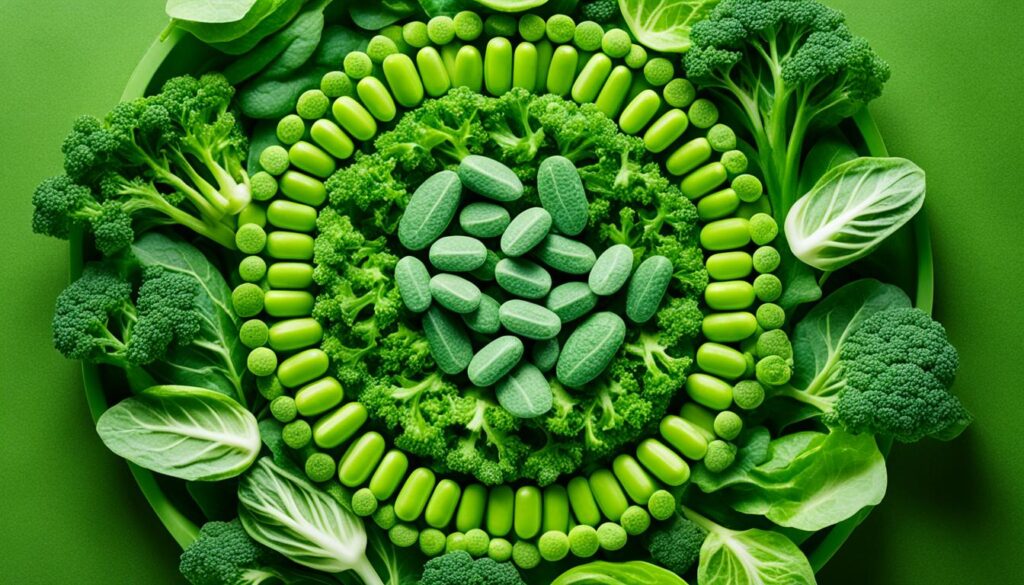
Folic acid works by supporting the production and maintenance of new cells in the body. During pregnancy, it is crucial for the proper formation of the neural tube, which develops into the brain and spinal cord. By taking folic acid supplements or consuming folate-rich foods, women can ensure that their bodies have an adequate supply of this essential nutrient during the critical early stages of fetal development.
Although folic acid is important for all women of childbearing age, it is particularly crucial for those who are planning to get pregnant. Since neural tube defects occur in the early weeks of pregnancy, often before a woman even knows she is pregnant, it is important to start taking folic acid in advance to ensure its protective benefits.
In addition to taking folic acid, it is also recommended to maintain a balanced diet and lead a healthy lifestyle to optimize preconception health. By taking these proactive steps, women can increase their chances of having a healthy pregnancy and giving birth to a healthy baby.
Healthy Lifestyle Choices for a Successful Pregnancy
Maintaining a healthy lifestyle is not only beneficial for your own well-being but also plays a crucial role in ensuring a successful pregnancy. As you prepare for the journey of motherhood, there are several key lifestyle choices you can make to optimize your chances of having a healthy baby.
One important aspect is achieving a healthy weight before getting pregnant. Being either overweight or underweight during pregnancy can increase the risk of complications such as premature birth and birth defects. Focus on nourishing your body with a balanced diet, rich in fruits, vegetables, lean proteins, and whole grains. Consult with a healthcare professional for personalized guidance on appropriate weight gain and dietary needs.
Regular physical activity is another essential component of a healthy pregnancy. Engaging in moderate exercise, such as walking, swimming, or prenatal yoga, can help reduce the risk of gestational diabetes, high blood pressure, and heart conditions. Aim for at least 150 minutes of exercise per week, as recommended by healthcare experts.
During this crucial period, it is vital to avoid smoking and alcohol consumption. Smoking during pregnancy increases the risk of various complications, including miscarriage, premature birth, and low birth weight. Similarly, alcohol consumption can lead to serious developmental issues and birth defects. It’s important to remember that there is no safe level of alcohol intake during pregnancy.
No Comments yet!