The Impact of Alcohol on Male Fertility: Understanding the Risks

impact of alcohol on male fertility

Meet Mark, a 35-year-old man who has always enjoyed a social drink with his friends. Little did he know that his alcohol consumption could have a significant impact on his fertility when he and his wife decided to start a family.

Mark was aware that alcohol could affect his overall health, but he never realized the specific risks it posed to male fertility. As he delved into research on pre-pregnancy health, he discovered alarming studies that revealed the detrimental effects of alcohol on sperm count, size, shape, and motility.

Reading about these findings, Mark’s concern grew. He learned that heavy and consistent drinking, as well as binge drinking, could alter hormone levels, such as testosterone, follicle-stimulating hormone, luteinizing hormone, and estrogen, leading to reduced sperm production.

What shocked Mark even more was the discovery that excessive alcohol consumption could cause the testes to shrink, potentially resulting in impotence or infertility. Additionally, alcohol can cause problems with ejaculation, such as early ejaculation or decreased ejaculation, and can change the shape, size, and movement of healthy sperm.

Mark also learned that combining alcohol with drugs like marijuana or opioids could further lower fertility. Furthermore, liver disease caused by excessive drinking can impact sperm quality.

However, there was a glimmer of hope amidst this disheartening information. Mark discovered that the effects of alcohol on sperm count were reversible. If he made the decision to stop consuming alcohol, studies showed that healthy sperm production could usually return within three months.

Mark realized that his pre-pregnancy health and lifestyle choices were crucial in ensuring a healthy reproductive journey. Taking a sip of his beer, he made a commitment to himself and his wife to reduce his alcohol intake and prioritize their shared goal of starting a family.

If you can relate to Mark’s story, it’s important to be aware of the impact of alcohol on male fertility. Making informed choices about alcohol consumption, alongside maintaining a balanced diet, regular exercise, and stress management, can contribute to better fertility outcomes.

The Effects of Alcohol on Female Fertility

Alcohol can have significant negative effects on female fertility. Regular heavy drinking can disrupt the menstrual cycle and ovulation, leading to changes in ovarian function. This interruption of the menstrual cycle is known as amenorrhea, while the absence of ovulation is referred to as anovulation.

Furthermore, alcohol consumption can alter hormone levels that are crucial for reproductive health. It can affect testosterone, estradiol, and luteinizing hormone, which are all involved in the regulation of the menstrual cycle and ovulation. Additionally, alcohol can cause elevated levels of prolactin in the blood, a hormone that is typically associated with lactation rather than fertility.

These effects of alcohol on the female reproductive system can significantly reduce the chances of becoming pregnant. It is important for women to be aware of the impact of alcohol on their fertility and overall reproductive health. Making informed choices about alcohol consumption can greatly improve the chances of conception and a healthy pregnancy.

Effects of Alcohol on Female Fertility Impact
Disruption of the menstrual cycle Can lead to amenorrhea and anovulation
Alteration of hormone levels Affects testosterone, estradiol, luteinizing hormone, and prolactin
Potential harm during pregnancy Can result in fetal alcohol spectrum disorders

Conclusion

The impact of alcohol on male and female fertility is significant and should not be overlooked. Heavy and binge drinking can have negative effects on sperm count, size, shape, and motility in men, as well as disrupt the menstrual cycle and ovulation in women. Additionally, alcohol consumption can lower testosterone levels in men and alter hormone levels in women, affecting overall reproductive health.

For couples trying to conceive, it is important to consider the potential risks of alcohol consumption. Making healthy lifestyle choices, such as avoiding excessive drinking, maintaining a balanced diet, exercising regularly, and managing stress, can all contribute to better fertility outcomes. It is crucial to prioritize pre-pregnancy health considerations and consult with a healthcare professional for personalized guidance.

By taking these steps, individuals can optimize their chances of conceiving and ensure a healthy start to their journey into parenthood. Remember, when it comes to alcohol and fertility, being informed and making proactive choices are key.

FAQ

Can alcohol consumption affect male fertility?

Yes, studies have shown that heavy and consistent drinking, as well as binge drinking, can alter sperm count, size, shape, and motility. It can also lower testosterone levels and disrupt hormone balance, leading to reduced sperm production and fertility issues.

Can alcohol consumption impact female fertility?

Regular heavy drinking can interrupt the menstrual cycle and ovulation, leading to changes in ovarian function and reduced fertility. Alcohol can also alter hormone levels and interfere with reproductive processes, making it harder to conceive.

How long does it take for fertility to improve after stopping alcohol consumption?

The effects of alcohol on sperm count are reversible, with healthy sperm production usually returning within three months after stopping alcohol consumption. However, individual results may vary, and it is advisable to consult a healthcare professional for personalized guidance.

Can combining alcohol with other substances further lower fertility?

Yes, combining alcohol with drugs like marijuana or opioids can further lower fertility and have negative effects on reproductive health. It is important to avoid the use of these substances when trying to conceive.

Can alcohol exposure during pregnancy affect fertility?

Yes, alcohol exposure during pregnancy is known to be harmful and can result in fetal alcohol spectrum disorders. It is crucial for women to abstain from alcohol during pregnancy to ensure the health and well-being of the baby.

What can I do to improve fertility and pre-pregnancy health?

Making healthy lifestyle choices, such as avoiding excessive drinking, maintaining a balanced diet, exercising regularly, and managing stress, can all contribute to better fertility outcomes. It is always advisable to consult with a healthcare professional for personalized guidance on pre-pregnancy health considerations.

Source Links

Boosting Fertility with Increased Cervical Mucus: Tips and Tricks

tips for increasing cervical mucus

Getting ready to start a family can be an exciting and joyous time in one’s life. The anticipation of bringing a new life into the world is filled with hope and dreams. However, for some couples, conceiving may not happen as easily as they had imagined. This is where understanding the importance of cervical mucus and learning tips and tricks for increasing its production can make all the difference.

Cervical mucus, a fluid secreted by the cervix, plays a vital role in fertility. It acts as a protective barrier, nourishing and supporting sperm as they make their way to the egg for fertilization. Additionally, cervical mucus helps filter out any abnormalities in sperm and guides them towards the egg, increasing the chances of successful conception.

Unfortunately, some individuals may experience a lower quantity or poor quality of cervical mucus, compromising their fertility. This can be due to various factors such as hormonal imbalances, certain medications, or lifestyle choices. But fear not, there are effective strategies to naturally boost cervical mucus production and improve your chances of getting pregnant.

In this article, we will explore lifestyle enhancements and dietary changes that can increase cervical mucus production. We will also provide pre-pregnancy advice and fertility tips based on expert recommendations and scientific research. Taking small steps towards optimizing your reproductive health can make a significant difference on your journey to parenthood.

Whether you’re just starting to plan your family or have been trying to conceive for some time, understanding the role of cervical mucus and learning strategies to boost its production can be empowering. By implementing the tips and tricks shared in this article, you can take proactive steps towards optimizing your fertility and increasing your chances of getting pregnant. Let’s dive in!

Lifestyle Enhancements for Increased Cervical Mucus

In addition to making dietary changes, certain lifestyle enhancements can also play a significant role in increasing cervical mucus production and improving fertility.

Vaginal Steaming

Vaginal steaming is an ancient practice that involves exposing the vagina to steam infused with healing herbs. This practice is believed to help nourish and cleanse the uterus, promote blood flow to the pelvic area, and enhance cervical mucus production. It is important to note that while vaginal steaming may provide temporary improvements in cervical mucus, its long-term effects on fertility have not been scientifically proven.

Abdominal Massage

Abdominal massage is another technique that may help increase cervical mucus production. By gently massaging the abdomen using circular motions, you can improve blood circulation to the reproductive organs and promote hormonal balance, which can contribute to healthier cervical mucus. This technique can be easily performed at home or with the guidance of a professional massage therapist.

Temporary Fixes

In addition to lifestyle changes, there are temporary fixes that can be used to enhance cervical mucus for a short period. These include using over-the-counter lubricants specifically designed to mimic the qualities of cervical mucus, such as Pre-Seed. It’s important to consult with a healthcare provider before using any products to ensure they are safe and suitable for your individual situation.

To naturally enhance cervical mucus production, a combination of these lifestyle enhancements can be incorporated into your pre-pregnancy routine. However, it is essential to remember that while these methods may provide temporary improvements, they may not address the underlying causes of low cervical mucus production. It is always recommended to consult with a healthcare professional for personalized advice and guidance.

Conclusion

Boosting cervical mucus is an integral part of enhancing fertility and increasing the chances of getting pregnant. By following the tips and tricks provided, individuals can improve cervical mucus production naturally.

It’s important to remember that everyone’s body is different, and what works for one person may not work for another. Consulting with a healthcare provider and taking proper care of oneself is always the best course of action when trying to conceive.

In conclusion, implementing lifestyle enhancements such as dietary changes, vaginal steaming, and abdominal massage can support and promote the production of cervical mucus. These techniques, along with proper self-care and medical guidance, can help couples on their journey towards parenthood. Remember, patience and persistence are key, and with the right strategies in place, increasing cervical mucus and improving fertility is within reach.

FAQ

Can dietary changes help increase cervical mucus?

Yes, certain foods and supplements can help increase cervical mucus production. Foods rich in omega-3 fatty acids, such as salmon and flaxseed, and those high in vitamin C, like citrus fruits and bell peppers, are known to promote production. Additionally, staying well-hydrated by drinking plenty of water can also help.

Are there any lifestyle enhancements that can improve cervical mucus?

Yes, there are lifestyle changes that can help boost cervical mucus production. Some individuals find that vaginal steaming, a practice in which steam is directed towards the vagina, can help increase moisture and promote mucus production. Another technique is abdominal massage, which can increase blood flow to the reproductive organs. However, it’s important to note that these methods may not work for everyone and individual results may vary.

Are there any temporary fixes for increasing cervical mucus?

Yes, some individuals may consider using over-the-counter products such as fertility-friendly lubricants. These lubricants are designed to mimic the qualities of natural cervical mucus and help sperm reach the egg more easily. However, it’s important to choose a lubricant that is specifically labeled as fertility-friendly to ensure it doesn’t negatively impact sperm motility.

Can I rely solely on these tips to increase my chances of getting pregnant?

While these tips and tricks can help promote cervical mucus production and enhance fertility, it’s important to remember that everyone’s body is different. It’s always best to consult with a healthcare provider for personalized advice and to ensure that all aspects of reproductive health are being addressed. Taking a holistic approach to pre-pregnancy care, including maintaining a healthy lifestyle, managing stress, and understanding ovulation patterns, is crucial for maximizing the chances of getting pregnant.

Source Links

The Importance of Good Sleep Habits on Fertility: Enhancing Your Chances

importance of good sleep habits

Imagine this: It’s a beautiful sunny morning, birds are chirping, and a light breeze is gently rustling the leaves. You wake up feeling refreshed and full of energy, ready to take on the day. As you make your way to the kitchen for a cup of coffee, you can’t help but smile, knowing that you’ve been prioritizing your sleep lately and it’s finally paying off.

Meet Emily and James, a couple who had been trying to conceive for over a year without any success. They were frustrated and beginning to lose hope. One night, while browsing the internet for fertility advice, Emily stumbled upon an article about the importance of good sleep habits on fertility.

Curious, she delved deeper into the topic. The article explained that adopting healthy sleep habits could have a significant impact on fertility and improve the chances of conceiving. It cited several studies that showed how irregular sleep patterns, insomnia, and working night shifts can disrupt hormone balance and immune function, leading to lower chances of ovulation, embryo implantation, and increased risk of miscarriage.

Emily was intrigued. She shared her findings with James, and they both decided to give it a try. They committed to establishing a consistent sleep schedule, creating a calm and relaxing bedroom environment, and practicing good sleep hygiene.

Fast forward a few months, Emily and James were ecstatic to discover that they were going to be parents. They attributed their success to their newfound dedication to good sleep habits and their improved overall well-being. They had not only prioritized their fertility but also their own self-care.

This story is a testament to the importance of good sleep habits on fertility. Research has shown that by making sleep a priority, you can enhance your chances of conceiving and having a healthy pregnancy. In the sections that follow, we will delve deeper into the role of sleep in hormone balance and immune function, and provide practical tips for improving your sleep habits as part of your pre-conception care plan.

The Role of Sleep in Hormone Balance and Fertility

Sleep plays a crucial role in maintaining hormone balance, which is essential for fertility. Research shows that disrupted or irregular sleep patterns can lead to hormonal imbalances that affect ovulation and menstrual cycles.

Irregular sleep patterns, such as working night shifts or experiencing insomnia, can disrupt the production of hormones involved in the reproductive process, including estrogen, progesterone, follicle-stimulating hormone (FSH), and luteinizing hormone (LH). These hormonal disruptions can lead to irregular or missed menstrual cycles, ovulation problems, and impaired fertility. Therefore, maintaining regular and quality sleep habits is important for supporting hormone balance and optimizing fertility.

Hormones Function Role in Fertility
Estrogen Regulates menstrual cycle and prepares the uterus for pregnancy Facilitates ovulation and embryo implantation
Progesterone Supports healthy pregnancy and prepares the uterus for embryo implantation Maintains a healthy uterine lining for successful implantation
Follicle-Stimulating Hormone (FSH) Stimulates the development of ovarian follicles and egg maturation Essential for releasing a mature egg during ovulation
Luteinizing Hormone (LH) Triggers ovulation and stimulates the production of progesterone Induces the release of a mature egg for fertilization

By prioritizing healthy sleep patterns, individuals can improve hormone balance and optimize their fertility. Implementing strategies such as maintaining a consistent sleep schedule, creating a relaxing sleep environment, practicing good sleep hygiene, and managing stress levels can contribute to better quality sleep and reproductive health.

The Impact of Sleep on Immune Function and Fertility

Adequate sleep is crucial for maintaining a well-functioning immune system, which plays a critical role in fertility and the successful outcome of pregnancy. Research studies have revealed that disrupted or insufficient sleep can weaken the immune system, increasing the vulnerability to infections and inflammation that can have detrimental effects on fertility.

Insufficient sleep weakens the immune system, making it harder for the body to fight off infections and inflammation that can hinder fertility.

Irregular sleep patterns and chronic sleep deprivation have been linked to an elevated risk of miscarriage and lower rates of embryo implantation, particularly for couples undergoing fertility treatments. This highlights the profound impact that sleep has on the reproductive process.

The Relationship Between Sleep and Immune Function

Our immune system acts as a defense mechanism, protecting the body from disease-causing pathogens and maintaining overall health. Sleep plays a vital role in supporting the optimal functioning of the immune system. During sleep, the body performs essential immune functions, including the production of immune cells, the release of cytokines (proteins that aid in immune responses), and the elimination of harmful substances.

Chronic sleep deprivation and irregular sleep patterns disrupt the intricate balance of these immune functions, compromising the body’s ability to mount an effective immune response. This can lead to an increased susceptibility to infections, inflammation, and other immune-related disorders that can negatively impact fertility.

The Impact of Sleep on Fertility

The intricate relationship between sleep and fertility has been extensively studied. Women who prioritize and maintain consistent, high-quality sleep have been found to have improved fertility outcomes. On the other hand, inadequate sleep has been associated with disrupted hormonal balance, irregular menstrual cycles, and ovulation problems.

For couples undergoing fertility treatments, such as in vitro fertilization (IVF), a sufficient amount of sleep is crucial for successful embryo implantation. Research has shown that chronic sleep deprivation and irregular sleep patterns may contribute to lower embryo implantation rates, emphasizing the importance of optimizing sleep habits during fertility treatment journeys.

Supporting the Immune System through Good Sleep Habits

Prioritizing good sleep hygiene and establishing consistent sleep habits can significantly support the optimal functioning of the immune system and enhance fertility outcomes. Consider implementing the following practices:

  • Create a comfortable sleep environment that is conducive to restful sleep, including a cool temperature and minimal noise and light disruptions.
  • Follow a consistent sleep schedule, aiming for 7-8 hours of uninterrupted sleep each night.
  • Avoid stimulating activities and electronic devices before bedtime, as they can interfere with the body’s natural sleep-wake cycle.
  • Engage in relaxation techniques, such as deep breathing exercises or meditation, to promote relaxation and reduce stress levels.

By prioritizing good sleep habits, individuals can optimize their immune system function and increase their chances of achieving a healthy pregnancy.

Sleep and Its Impact on Immune Function and Fertility

Sleep Factors Impact on the Immune System Effect on Fertility
Disrupted sleep patterns Weakens the immune system Compromises hormonal balance and menstrual cycles
Chronic sleep deprivation Increases susceptibility to infections and inflammation Higher risk of miscarriage, lower embryo implantation rates
Inadequate sleep duration Compromises immune function Disrupted ovulation and menstrual cycles

It is clear that prioritizing sleep is crucial for maintaining a healthy immune system and optimizing fertility. By adopting good sleep habits, individuals can bolster their overall reproductive wellness and increase their chances of successful conception and a healthy pregnancy.

immune system

Conclusion

In conclusion, the impact of sleep habits on fertility and pre-conception care cannot be ignored. It is crucial to prioritize good sleep habits to enhance your chances of conceiving and experiencing a healthy pregnancy. Adequate and quality sleep plays a vital role in maintaining hormone balance, supporting immune system functioning, and optimizing overall reproductive health.

To improve your fertility, consider adopting a consistent sleep schedule and creating a restful bedroom environment. Avoid consuming stimulants before bedtime and establish a relaxing bedtime routine. It is also important not to oversleep, as excessive sleep can disrupt your body’s natural sleep-wake cycle.

By incorporating these good sleep habits into your pre-conception care plan and fertility improvement strategies, you can empower yourself to maximize your chances of successful conception and ensure a healthier reproductive journey.

FAQ

How can sleep habits impact fertility?

Research has shown that adopting good sleep habits can have a significant impact on fertility. Irregular sleep patterns, insomnia, and working night shifts can disrupt hormone balance and immune function, increasing the risk of skipped ovulation, lower embryo implantation rates, and higher miscarriage rates.

How does sleep affect hormone balance and fertility?

Disrupted or irregular sleep patterns can lead to hormonal imbalances that affect ovulation and menstrual cycles. This can result in irregular or missed menstrual cycles, ovulation problems, and impaired fertility. Prioritizing regular and quality sleep habits is important for supporting hormone balance and optimizing fertility.

What is the connection between sleep and immune function in fertility?

Adequate sleep is essential for a well-functioning immune system, which plays a critical role in fertility. Disrupted or insufficient sleep weakens the immune system, increasing susceptibility to infections and inflammation that can negatively affect fertility. Improving sleep habits can support the optimal functioning of the immune system and improve chances of achieving a healthy pregnancy.

How can sleep habits impact miscarriage and embryo implantation?

Irregular sleep patterns and chronic sleep deprivation have been associated with an increased risk of miscarriage and lower embryo implantation rates. By prioritizing good sleep habits, you can reduce these risks and increase your chances of a successful pregnancy.

How can I improve my sleep habits for fertility improvement?

To prioritize good sleep habits, create a consistent sleep schedule, create a restful bedroom environment, avoid stimulants before bedtime, establish a bedtime routine, and avoid oversleeping. These steps can enhance your chances of conceiving and having a healthy pregnancy.

Source Links

Emotional Readiness for Pregnancy: Preparing Your Mind for the Journey Ahead

emotional preparation for pregnancy

Before embarking on the beautiful and transformative journey of pregnancy, it is essential to prepare yourself emotionally. Pregnancy is not just about physical changes, but also about nurturing your mental well-being. By taking the time to emotionally prepare, you can create a solid foundation for a healthy and mindful fertility journey.

Let me share a story that captures the essence of emotional preparation for pregnancy:

Amanda and David had been trying to conceive for over a year. They both longed to experience the joy of becoming parents, but Amanda couldn’t shake off her worries and anxieties. She found herself consumed by questions like, “Am I ready to be a mom? Can I handle the responsibilities? What if I’m not a good parent?”

One evening, as they sat together in their cozy living room, they decided to open up about their deepest fears and concerns. Amanda expressed her fear of not being able to balance her career and motherhood effectively, while David shared his worries about financial stability.

As they delved into these concerns, they realized they were not alone. Many expectant parents have these same fears and uncertainties. This realization allowed Amanda and David to support and reassure each other.

They started attending pre-pregnancy counseling sessions where they learned about emotional preparation and how to manage their expectations. Amanda discovered the importance of self-compassion and the need to embrace change. David learned how to be present and supportive as a partner during the pregnancy journey.

With each passing session, Amanda and David felt themselves growing stronger as individuals and as a couple. They connected with other expectant parents, building a support network that would be there for them throughout their pregnancy and beyond.

When the day finally arrived for Amanda to take a pregnancy test, she felt a mixture of excitement and nervousness. But because of their emotional preparation, both Amanda and David were ready to embrace whatever the result may be.

The test came out positive! In that moment, they realized that their emotional readiness had made a significant difference. They were prepared to face the ups and downs of pregnancy, the challenges of early parenthood, and all the beautiful moments that lay ahead.

Emotional preparation is an ongoing process; it doesn’t happen overnight. By focusing on your mental and emotional well-being before pregnancy, you can reduce the risk of mood disorders and create a healthier environment for your growing family.

In the following sections, we will explore practical strategies to help you manage expectations, strengthen your relationship with your partner, and embrace the journey with an open mind. Let’s embark on this emotional preparation for pregnancy together!

Managing Expectations and Facing Fears

When it comes to embarking on the journey of early parenthood, it’s vital to manage expectations and acknowledge that this phase may not be as idyllic as one imagines. By lowering standards and expectations, expectant parents can alleviate ambivalence and reduce the feeling of being overwhelmed. Understanding that a baby changes everything and embracing the temporary nature of early parenthood can help ease anxiety and make the transition smoother.

It is also crucial to face fears and address any concerns before the baby arrives. By acknowledging and addressing these fears, parents-to-be can better prepare themselves mentally and emotionally for the journey ahead. Whether it’s the fear of childbirth, the challenges of raising a child, or the impact on personal freedom, facing these fears head-on allows individuals to develop strategies, seek support, and gain a sense of empowerment.

Remember, each person’s experience with parenthood is unique, and it’s okay to have fears and doubts along the way. The key is to recognize and confront those fears, ensuring that they don’t hinder the joy and excitement that comes with becoming a parent.

Parent’s Quote:

“Once I acknowledged my fears and actively addressed them, I felt more confident and emotionally prepared for the journey of parenthood. It allowed me to embrace the challenges with a positive mindset and focus on the joy of raising my child.”

Benefits of Managing Expectations and Facing Fears:

  • Reduces feelings of overwhelm and ambivalence
  • Alleviates anxiety about the unknown
  • Promotes mental and emotional preparedness
  • Empowers expectant parents
  • Facilitates open communication and support-seeking
Expectations Reality
Pinterest-worthy nursery A functional and safe space for the baby
Sleeping through the night Irregular sleep patterns and frequent waking
Effortless breastfeeding Potential challenges and need for support
Immediate bond with the baby Bonding takes time and may vary for each parent

Strengthening the Relationship with Your Partner

The transition to parenthood can be a time of immense joy and excitement, but it can also put strain on a couple’s relationship. To ensure a smooth and harmonious journey into parenthood, it is important to focus on strengthening the bond with your partner before the baby arrives.

One of the first steps in strengthening your relationship is to reflect on the strengths and challenges within your union. Take the time to appreciate each other’s qualities and acknowledge the areas that may need improvement. By understanding and appreciating each other better, you can build a solid foundation for co-parenting.

Discussions about parenting values are also crucial during this period. Talk openly with your partner about your expectations, beliefs, and priorities when it comes to raising a child. Aligning your parenting values will not only help you make important decisions together but also provide a sense of unity and shared purpose.

Building strong communication strategies is another vital aspect of maintaining a healthy relationship. Make it a priority to have open and honest conversations about the changes that will occur during pregnancy and after the baby’s arrival. Effective communication will help you navigate challenges together, resolve conflicts with compassion, and strengthen your emotional connection.

Remember, the journey into parenthood is a significant life transition, and emotional preparation is just as important as the physical aspects of pregnancy. By taking the time to strengthen your relationship, align your parenting values, and communicate effectively, you can create a foundation of love, support, and understanding that will benefit both you and your child in the years to come.

Quote:

“Two hearts, one journey. By nurturing our relationship, we create a loving and secure environment for our child to flourish.”

strengthening relationship

Embracing the Journey and Being Open to Change

When it comes to preparing for birth, it’s important to remember that there is no “right” way to give birth. Every birth experience is unique, and things may not always go as planned. It’s crucial to embrace the journey and be open to change.

While antenatal classes and resources can provide guidance, it’s essential to stay present in the moment and follow the guidance of healthcare professionals. They have the expertise to help navigate unexpected situations and ensure the best outcome for you and your baby.

Keeping an open mind and accepting that unexpected situations can arise will help you stay flexible throughout the birthing process. Instead of focusing on a rigid plan, prioritize the safety and well-being of both you and your baby. Embracing the journey and going with the flow will not only help manage expectations but also reduce stress during this transformative experience.

FAQ

How important is emotional preparation during pregnancy?

Emotional preparation is crucial for a healthy and mindful fertility journey. By focusing on mental and emotional well-being, expectant parents can reduce the risk of mood disorders and ease the transition to parenthood.

How can I manage my expectations during early parenthood?

Lowering standards and expectations can help reduce ambivalence and feeling overwhelmed. Understanding that a baby changes everything and embracing the temporary nature of early parenthood can alleviate anxiety.

What should I do to strengthen my relationship with my partner before the baby arrives?

Reflecting on the strengths and challenges within the union and discussing parenting values can help align expectations and create a solid foundation for co-parenting.

How can I prepare myself mentally for the birthing process?

It is important to remember that there is no “right” way to give birth. Being open to change, going with the flow, and following the guidance of healthcare professionals can lead to the best outcome.

Source Links

Strategic Planning for a Healthy Pregnancy: Steps to Take Before Conception

planning for a healthy pregnancy

Planning for a healthy pregnancy is an exciting journey that requires careful consideration and preparation. Before embarking on this life-changing adventure, it is essential to lay a strong foundation for the well-being of both the mother and the baby. Taking the time to prioritize pre-conception health and follow a few simple steps can significantly increase the chances of a successful pregnancy.

Let me share the story of Sarah, a woman who understood the importance of planning for a healthy pregnancy. Sarah and her husband had decided that they were ready to start a family. Excitement filled the air as they began their journey towards parenthood.

However, Sarah knew that ensuring she was in the best possible health before conception was crucial. She wanted to give her future child the best start in life and reduce the risk of complications during pregnancy. So, she embarked on a mission to prioritize her pre-conception health by following expert advice and incorporating fertility tips into her lifestyle.

One of the first steps Sarah took was to schedule a preconception checkup with her healthcare provider. This comprehensive assessment allowed her healthcare provider to evaluate her overall health and identify and address any underlying conditions or concerns that could affect her ability to conceive or have a healthy pregnancy.

With the guidance of her healthcare provider, Sarah also sought to maintain a healthy weight. She understood that being either underweight or overweight could impact her fertility and increase the chances of complications during pregnancy. By adopting a balanced and nutritious diet and engaging in regular exercise, Sarah took proactive steps to achieve a healthy weight and optimize her chances of conceiving.

Furthermore, Sarah made a conscious effort to avoid harmful substances such as tobacco, alcohol, and recreational drugs. She understood that these substances could not only compromise her fertility but also pose significant risks to the developing baby in case of conception. By eliminating these substances from her life, Sarah created a safer and healthier environment for her future child.

Additionally, Sarah learned about the importance of folic acid in pre-conception health. She diligently started taking a daily folic acid supplement, as recommended by her healthcare provider. She knew that folic acid played a vital role in preventing birth defects, particularly neural tube defects, and wanted to ensure that her future baby would have the best possible protection.

As Sarah embarked on her journey towards parenthood, she found solace in the knowledge that she was taking strategic steps to promote a healthy pregnancy. By implementing pre-conception health measures such as getting a checkup, maintaining a healthy weight, avoiding harmful substances, and taking folic acid supplements, she was empowering herself to optimize her chances of conception and reduce the risk of potential complications.

Now, let’s dive deeper into the importance of preconception health and the steps you can take to set the foundation for a healthy pregnancy.

Preconception Health: Setting the Foundation for a Healthy Pregnancy

Preconception health plays a vital role in ensuring a healthy pregnancy. The state of a woman’s health before she becomes pregnant can significantly impact her chances of conceiving and the overall well-being of the pregnancy. One of the key steps in preconception health is getting a preconception checkup.

During a preconception checkup, a healthcare provider assesses the woman’s overall health and identifies any potential issues or conditions that may affect the pregnancy. This checkup allows for necessary treatments or interventions to be provided, optimizing the chances of a successful pregnancy.

Furthermore, sharing the family health history is crucial in preconception health. By understanding the family health history, healthcare providers can identify any potential genetic conditions or complications that may affect the pregnancy. This information allows for appropriate screenings, monitoring, or preventive measures to be taken to ensure the health and well-being of both the mother and the baby.

Creating a strong foundation of preconception health through a preconception checkup and understanding the family health history sets the stage for a healthy pregnancy. By addressing any existing health concerns and taking necessary precautions, women can enhance their chances of conceiving and experience a smoother pregnancy journey.

The Importance of Folic Acid in Preconception Health

Folic acid is a vital nutrient that plays a significant role in preventing birth defects, specifically neural tube defects. Taking a daily supplement with 400 micrograms of folic acid before conception and during the early stages of pregnancy can reduce the risk of these defects.

It is recommended to start taking folic acid at least one month before pregnancy and continue until the first 12 weeks of pregnancy. Folic acid can be obtained through supplements or foods rich in folate, such as leafy green vegetables, beans, and fortified cereals.

By ensuring an adequate intake of folic acid, women can significantly reduce the risk of neural tube defects, which affect the development of the baby’s brain and spinal cord. These defects can lead to serious health issues, including physical disabilities and developmental delays.

folic acid

Folic acid works by supporting the production and maintenance of new cells in the body. During pregnancy, it is crucial for the proper formation of the neural tube, which develops into the brain and spinal cord. By taking folic acid supplements or consuming folate-rich foods, women can ensure that their bodies have an adequate supply of this essential nutrient during the critical early stages of fetal development.

Although folic acid is important for all women of childbearing age, it is particularly crucial for those who are planning to get pregnant. Since neural tube defects occur in the early weeks of pregnancy, often before a woman even knows she is pregnant, it is important to start taking folic acid in advance to ensure its protective benefits.

In addition to taking folic acid, it is also recommended to maintain a balanced diet and lead a healthy lifestyle to optimize preconception health. By taking these proactive steps, women can increase their chances of having a healthy pregnancy and giving birth to a healthy baby.

Healthy Lifestyle Choices for a Successful Pregnancy

Maintaining a healthy lifestyle is not only beneficial for your own well-being but also plays a crucial role in ensuring a successful pregnancy. As you prepare for the journey of motherhood, there are several key lifestyle choices you can make to optimize your chances of having a healthy baby.

One important aspect is achieving a healthy weight before getting pregnant. Being either overweight or underweight during pregnancy can increase the risk of complications such as premature birth and birth defects. Focus on nourishing your body with a balanced diet, rich in fruits, vegetables, lean proteins, and whole grains. Consult with a healthcare professional for personalized guidance on appropriate weight gain and dietary needs.

Regular physical activity is another essential component of a healthy pregnancy. Engaging in moderate exercise, such as walking, swimming, or prenatal yoga, can help reduce the risk of gestational diabetes, high blood pressure, and heart conditions. Aim for at least 150 minutes of exercise per week, as recommended by healthcare experts.

During this crucial period, it is vital to avoid smoking and alcohol consumption. Smoking during pregnancy increases the risk of various complications, including miscarriage, premature birth, and low birth weight. Similarly, alcohol consumption can lead to serious developmental issues and birth defects. It’s important to remember that there is no safe level of alcohol intake during pregnancy.

FAQ

What steps should I take before conception to ensure a healthy pregnancy?

Before conception, it is important to get a preconception checkup, maintain a healthy weight, avoid harmful substances, and take folic acid supplements. These steps can improve your chances of getting pregnant and reduce the risk of pregnancy complications.

What is preconception health and why is it important?

Preconception health refers to the health of a woman before she becomes pregnant. It is important because it can impact the chances of conceiving and the overall health of the pregnancy. By focusing on preconception health, you can identify and address any potential health issues or genetic conditions that may affect your pregnancy.

How does folic acid play a role in preconception health?

Folic acid is a vital nutrient that helps prevent birth defects, specifically neural tube defects. Taking a daily supplement with 400 micrograms of folic acid before conception and during the early stages of pregnancy can reduce the risk of these defects. It is recommended to start taking folic acid at least one month before pregnancy and continue until the first 12 weeks of pregnancy.

What lifestyle choices should I make for a successful pregnancy?

To have a successful pregnancy, it is important to achieve a healthy weight before conception, engage in regular physical activity, quit smoking, avoid alcohol consumption, and manage any chronic health conditions. Being overweight or underweight during pregnancy can increase the risk of complications, and engaging in physical activity can help reduce the risk of gestational diabetes and other health issues.

Source Links

Navigating Environmental Factors for Fertility: What to Avoid

environmental factors affecting fertility

Imagine this – a young couple eagerly embarking on their journey to parenthood. They have dreamt of starting a family for years and are excitedly planning for their future. They have meticulously researched the best pre-pregnancy advice and are ready to follow it religiously.

However, as they delve deeper into their preparations, they stumble upon a wealth of information about environmental factors affecting fertility. They learn that their everyday choices and the world they live in can have a significant impact on their ability to conceive.

Confused and concerned, they begin to evaluate every aspect of their lives, from the food they eat to the exercise they engage in. They realize that there are potential fertility risks lurking in various facets of their environment – from their workplace to the air they breathe.

As they continue their research, the couple discovers that nutrition, weight, exercise, stress levels, occupational exposures, substance use, and medications all play a role in fertility. They come to understand that the choices they make on a daily basis could be hindering their chances of conception.

With this newfound knowledge, they are determined to make changes. They embark on a journey to navigate the environmental factors affecting fertility, pledging to make informed decisions and prioritize their reproductive health.

This story is not uncommon. Many couples find themselves in similar situations, unaware of the powerful influence their environment can have on their fertility. As we explore the impact of environmental factors on fertility and provide valuable pre-pregnancy advice, let us navigate the complexities together and empower ourselves to make the best choices for our fertility and future.

The Link Between Environmental Pollutants and Fertility

Environmental pollutants, such as endocrine disruptors found in pesticides, plastics, and air pollution, can interfere with hormonal balance and reproductive health. These substances can disrupt ovulation in women, impair sperm quality in men, and have an overall negative impact on fertility. Studies have shown that exposure to these pollutants can result in a higher risk of infertility.

It is important to be aware of common sources of environmental pollutants and take proactive steps to minimize exposure in order to protect fertility.

The Impact of Environmental Pollutants

“The presence of environmental pollutants can disrupt the intricate hormonal balance necessary for successful reproduction. These substances have been linked to alterations in ovulation and sperm quality, leading to fertility challenges.”

Endocrine disruptors, such as phthalates commonly found in plastics, are known to mimic or interfere with hormones in the body, disrupting normal reproductive processes. Pesticides, commonly used in agriculture, can also have a detrimental impact on fertility. Air pollution, particularly from industrial emissions and automobile exhaust, exposes individuals to harmful particles and toxins that can negatively affect reproductive health.

Ongoing research on environmental pollutants and their effects on fertility highlights the need for greater awareness and action to address this issue. By understanding the potential risks and taking steps to minimize exposure, individuals can protect their reproductive health and increase their chances of successful conception.

The Influence of Lifestyle Choices on Fertility

Lifestyle choices play a crucial role in fertility. Adopting a healthy lifestyle can optimize reproductive wellness. A nutrient-rich diet, regular exercise, stress management, and avoiding harmful habits like smoking and excessive alcohol intake can enhance fertility.

Research has shown that dietary factors and exercise can influence fertility outcomes. A well-balanced diet that includes plenty of fruits, vegetables, whole grains, lean proteins, and healthy fats provides essential nutrients for reproductive health. These nutrients support hormone production, egg quality, and sperm development.

Regular physical activity is also important for fertility. Exercise improves blood flow to the reproductive organs and helps regulate hormone levels. However, it’s crucial to strike a balance, as excessive exercise can actually decrease fertility. Moderate-intensity activities like brisk walking, swimming, or cycling for 30 minutes a day, five times a week, are recommended.

Managing stress is another important aspect of promoting fertility. High levels of stress can disrupt hormonal balance and interfere with ovulation and sperm production. Engaging in stress reduction techniques such as meditation, yoga, or mindfulness can be beneficial for reproductive health.

Avoiding harmful habits is equally important. Smoking is known to decrease fertility in both men and women. It can affect egg quality, disrupt hormone levels, and damage sperm DNA. Excessive alcohol consumption has also been linked to reduced fertility in both sexes. It’s recommended to limit alcohol intake and avoid smoking altogether for optimal fertility.

The Impact of Lifestyle Choices on Fertility:

Lifestyle Choice Impact on Fertility
Nutrient-rich diet Enhances reproductive health, supports hormone production, and improves egg and sperm quality.
Regular exercise Improves blood flow to reproductive organs, regulates hormone levels, and increases fertility.
Stress management Reduces the negative impact of stress on hormonal balance and reproductive function.
Avoiding smoking Protects against decreased fertility, improves egg and sperm quality, and maintains hormonal balance.
Avoiding excessive alcohol intake Preserves fertility, enhances reproductive health, and supports hormonal balance.

Incorporating these lifestyle choices into daily routines can significantly increase the chances of successful conception. Taking proactive steps towards embracing a healthy lifestyle is essential for individuals and couples who are trying to conceive.

diet and fertility

Conclusion

Navigating the complexities of the fertility journey can feel overwhelming, but individuals and couples don’t have to face it alone. Fertility clinics, like Reproductive Partners Fertility Clinic San Diego, provide specialized guidance and solutions tailored to each person’s unique circumstances.

These clinics offer personalized lifestyle recommendations and advanced fertility treatments to support individuals on their path to parenthood. By understanding the impact of environmental factors on fertility and making informed choices, the chances of successful conception can be significantly increased. With the right resources and support, individuals can confidently navigate these challenges and work towards building their families.

When embarking on the fertility journey, it’s crucial to seek the expertise of fertility specialists who can provide personalized solutions and compassionate care. Whether it’s addressing concerns related to lifestyle, environmental factors, or medical conditions, fertility specialists have the knowledge and experience to guide individuals towards the best possible outcomes.

FAQ

How do lifestyle factors affect fertility?

Lifestyle factors such as nutrition, weight, exercise, stress, and environmental exposures can have a significant impact on fertility. Poor nutrition, obesity, excessive exercise, and substance use can all diminish fertility in both men and women.

Can environmental pollutants affect fertility?

Yes, exposure to environmental pollutants, such as endocrine disruptors found in pesticides, plastics, and air pollution, can interfere with hormonal balance and reproductive health. These substances can disrupt ovulation in women and impair sperm quality in men, increasing the risk of infertility.

What role do diet and exercise play in fertility?

Research has shown that adopting a nutrient-rich diet and engaging in regular exercise can positively influence fertility outcomes. A healthy diet and exercise routine can optimize reproductive wellness and increase the chances of successful conception.

How can fertility clinics help with navigating environmental factors?

Fertility clinics, like Reproductive Partners Fertility Clinic San Diego, offer specialized guidance and solutions tailored to each individual’s unique circumstances. They provide personalized lifestyle recommendations and advanced fertility treatments to help individuals on their fertility journey.

Source Links

Unlocking the Role of Vitamin E in Fertility Enhancement

role of vitamin E in fertility

Imagine this scenario: You and your partner have been trying to conceive for months, eagerly awaiting the news of a positive pregnancy test. Yet, month after month, you find yourselves disappointed and wonder if there’s something more you could be doing to enhance your fertility.

Well, the answer may lie in the power of vitamin E. This potent antioxidant has been found to play a significant role in fertility health, offering essential support for both men and women on their journey towards parenthood.

Research has shown that vitamin E is crucial for optimal sperm health and activity in men, contributing to improved semen quality and increased chances of conception. For women, vitamin E has been associated with enhanced sexual desire and overall reproductive well-being.

Oxidative stress, caused by an imbalance between harmful free radicals and antioxidants in the body, can have a detrimental effect on fertility. Vitamin E’s antioxidant properties help combat this oxidative stress, protecting reproductive cells and promoting a healthier environment for conception.

So, if you’re looking for a natural way to enhance your fertility and improve your chances of conception, incorporating vitamin E into your daily routine may be the key. Whether it’s through a balanced diet or utilizing vitamin E supplements, giving your body the antioxidant support it needs can make a significant difference in your fertility journey.

In the following sections, we’ll delve deeper into the impact of nutrition on fertility, the influence of weight and lifestyle factors, and how you can optimize your reproductive health. By understanding the role of vitamin E and other key nutrients, you’ll be equipped with the knowledge to take proactive steps towards realizing your dream of starting a family.

The Impact of Nutrition on Fertility

Nutrition plays a crucial role in fertility, with certain nutrients having a direct impact on reproductive health. Adequate intake of vitamins, minerals, and antioxidants is essential for maintaining fertility health and optimizing chances of conception.

One key group of nutrients that support fertility are vitamins. Vitamin A is important for the development of healthy eggs and uterine lining, while vitamin E acts as a powerful antioxidant, protecting reproductive cells from damage. Vitamin D is known to promote hormonal balance and support overall reproductive function.

Antioxidants, such as CoQ10, selenium, and zinc, are also vital for fertility. They protect eggs and sperm from oxidative stress, a process that can lead to infertility and pregnancy complications. Additionally, omega-3 fatty acids have been shown to improve sperm quality and mobility.

A well-rounded diet that includes these nutrients can significantly enhance fertility outcomes. Consuming foods rich in vitamin A, such as carrots, sweet potatoes, and leafy greens, can support reproductive health. Including sources of vitamin E like almonds, sunflower seeds, and spinach can provide antioxidant support. Fatty fish, such as salmon and sardines, are excellent sources of omega-3 fatty acids. Additionally, incorporating foods like brazil nuts, oysters, and lean meats can ensure adequate intake of selenium and zinc.

Key Nutrients for Fertility

Here are some key nutrients and their roles in fertility:

Nutrient Role in Fertility Food Sources
Vitamin A Supports development of healthy eggs and uterine lining Carrots, sweet potatoes, spinach
Vitamin E Acts as an antioxidant, protects reproductive cells Almonds, sunflower seeds, spinach
Vitamin D Promotes hormonal balance and reproductive function Fatty fish, fortified dairy products, sunlight exposure
CoQ10 Protects eggs and sperm from oxidative stress Organ meats, sardines, peanuts
Selenium Ensures normal sperm production and motility Brazil nuts, seafood, eggs
Zinc Supports hormone regulation and healthy sperm production Oysters, lean meats, legumes
Omega-3 Fatty Acids Improves sperm quality and mobility Fatty fish, walnuts, chia seeds

By prioritizing nutrition and incorporating these fertility-boosting nutrients into your diet, you can enhance your fertility health and increase your chances of conception.

The Influence of Weight and Lifestyle Factors on Fertility

When it comes to fertility, maintaining a healthy weight and adopting a balanced lifestyle are crucial factors. Both obesity and being underweight can disrupt hormone levels and ovulation, leading to challenges in fertility. Let’s explore how weight and lifestyle choices impact reproductive health and what steps you can take to optimize your fertility potential.

The Impact of Weight on Fertility

Weight plays a significant role in fertility. Being either overweight or underweight can have adverse effects on reproductive health.

Obesity: Excess weight can disrupt hormone production and ovulation in women, leading to irregular menstrual cycles, reduced chances of conception, and increased risk of pregnancy complications. Research indicates that weight loss in overweight and obese women can improve fertility outcomes by restoring hormonal balance and promoting regular ovulation.

Underweight: On the other hand, being underweight can also negatively affect fertility. Women who are underweight may experience irregular or absent menstrual cycles, which can make it more challenging to conceive. It is essential to speak with a healthcare provider who specializes in fertility to address any concerns related to weight and its impact on reproductive health.

Lifestyle Factors and Fertility

Aside from weight, various lifestyle factors can influence fertility. Making positive changes in these areas can enhance your chances of conception:

  • Smoking: Smoking has been linked to decreased fertility in both men and women. It can impair sperm quality, reduce egg reserve, and increase the risk of pregnancy complications. Quitting smoking is one of the most impactful steps you can take to improve reproductive health.
  • Alcohol and Coffee Consumption: Excessive alcohol and coffee intake have been associated with fertility challenges. It is advisable to limit alcohol consumption and moderate your coffee intake to support optimal reproductive health.
  • Exercise: Regular physical activity is beneficial for overall health and fertility. Engaging in moderate exercise can help regulate hormone levels, improve circulation, and support reproductive function. However, excessive high-intensity workouts may have adverse effects, so it’s important to find a balance and consult a healthcare professional if needed.

Taking Charge of Your Fertility

To optimize your reproductive health, consider the following steps:

  1. Consult with a healthcare provider who specializes in fertility to evaluate your weight, lifestyle factors, and overall reproductive health.
  2. Follow a well-balanced diet that includes a variety of nutrients, such as fruits, vegetables, whole grains, lean proteins, and healthy fats. Consider incorporating fertility-boosting foods rich in vitamins and antioxidants.
  3. Stay hydrated and limit the intake of sugary beverages.
  4. Get regular exercise, aiming for at least 150 minutes of moderate-intensity activity per week. Consult with a healthcare professional for personalized exercise recommendations.
  5. Avoid smoking, excessive alcohol consumption, and high caffeine intake.
  6. Manage stress levels through relaxation techniques, mindfulness, or seeking professional support.

By maintaining a healthy weight, prioritizing a balanced lifestyle, and seeking appropriate medical guidance, you can increase your chances of conceiving and improve your overall reproductive well-being. Remember, every individual’s fertility journey is unique, and it is important to approach it with patience, self-care, and knowledgeable support.

weight and fertility

Conclusion

In conclusion, the role of vitamin E in fertility enhancement is significant. Studies have shown that this powerful antioxidant plays a crucial part in supporting sperm health and improving semen quality. Vitamin E also contributes to overall reproductive well-being by reducing oxidative stress in the body, which can have a detrimental effect on fertility.

Nutrition is another crucial factor in fertility health. Various vitamins and antioxidants, including vitamin A, vitamin D, and vitamin E, promote the production of sex hormones, support sperm synthesis, and aid in ovulation. Other essential nutrients like CoQ10, selenium, zinc, and omega-3 fatty acids act as antioxidants, protecting eggs and sperm from oxidative damage.

Maintaining a healthy weight and adopting a healthy lifestyle are also key in optimizing fertility outcomes. Both obesity and being underweight can disrupt hormone levels and ovulation, leading to fertility challenges. By following a balanced diet, engaging in regular exercise, and avoiding harmful habits such as smoking, excessive alcohol consumption, and excessive caffeine intake, couples can increase their chances of conceiving and achieving a healthy pregnancy.

To enhance fertility, individuals and couples can consider incorporating vitamin E and other essential nutrients into their diet, while also prioritizing a healthy weight and lifestyle. By taking these proactive steps and ensuring proper antioxidant support, they can significantly improve their chances of fertility success and achieve their dream of starting or expanding their family.

FAQ

How does vitamin E impact fertility?

Vitamin E plays a significant role in fertility by supporting sperm health, improving semen quality, and contributing to overall reproductive well-being.

Which vitamins are important for fertility?

Vitamins such as vitamin A, vitamin E, and vitamin D promote the production of sex hormones, support sperm synthesis, and aid in ovulation. These vitamins are essential for maintaining optimal fertility.

What role do antioxidants play in fertility?

Antioxidants, such as CoQ10, selenium, zinc, and omega-3 fatty acids, protect eggs and sperm from oxidative damage. Including these antioxidants in your diet can enhance your fertility and improve reproductive health.

How does weight affect fertility?

Maintaining a healthy weight is crucial for optimal fertility. Both obesity and being underweight can disrupt hormone levels and ovulation, leading to fertility challenges.

Can lifestyle factors impact fertility?

Yes, lifestyle factors such as smoking, excessive alcohol consumption, and coffee consumption can hinder fertility. Adopting a healthy lifestyle that includes regular exercise, a balanced diet, and avoiding harmful habits can positively impact fertility and reproductive health.

Source Links

Exploring Natural Fertility Treatments: Alternatives to Conventional Methods

natural fertility treatment options

Many couples dream of starting a family and experiencing the joy of parenthood. However, when faced with fertility challenges, the journey to parenthood can become a daunting road. Fortunately, there are alternative therapies and natural fertility treatment options available that offer hope and possibilities for enhancing fertility and promoting reproductive health.

Meet Sarah and David. They have been trying to conceive for over a year without success. Feeling frustrated and disheartened, they began exploring alternative therapies in their quest to expand their family.

One day, Sarah stumbled upon an article discussing natural fertility treatment options. Intrigued, she shared it with David, who immediately resonated with the idea of a more holistic approach. After all, conventional methods had only left them feeling overwhelmed and disappointed.

Curiosity sparked, they delved deeper into the world of alternative therapies, discovering herbal remedies, acupuncture, yoga and meditation, diet changes, and chiropractic care. These options not only offered potential physiological benefits but also focused on emotional well-being, creating a comprehensive approach to fertility enhancement.

Driven by a newfound sense of hope, Sarah and David decided to explore these natural fertility treatments further. They educated themselves about the benefits and precautions associated with each therapy and sought professional guidance to ensure their path to conception was safe and effective.

Join us as we embark on a journey through the world of alternative therapies for fertility enhancement. In the following sections, we will explore the power of herbal remedies, the magic of acupuncture, yoga, and meditation, as well as the influential role of diet and lifestyle choices in optimizing reproductive health.

Herbal Remedies for Fertility Enhancement

Herbal remedies have been used for centuries to support reproductive health and address fertility concerns. These natural fertility boosters offer a holistic and integrative approach to enhance fertility and promote overall reproductive well-being. However, it’s crucial to consult with a qualified herbalist and healthcare provider before incorporating herbs into your routine, especially if you have any existing health conditions or are taking medications.

Each herb has unique properties and effects on the body, and it’s important to understand their potential interactions with medications and any possible side effects. Qualified herbalists can provide personalized guidance based on your specific needs and health history.

Popular Herbal Remedies for Fertility Enhancement

When used correctly and under proper guidance, certain herbs have shown potential in promoting hormone balance and reproductive health. Here are some popular herbal remedies for fertility enhancement:

  • Vitex: Also known as Chaste Berry, Vitex is commonly used to regulate the menstrual cycle and promote hormonal balance, especially in cases of irregular periods and luteal phase defects.
  • Maca: This adaptogenic herb is believed to enhance fertility by balancing hormones and improving egg quality. It has also been associated with increased sexual desire and energy levels.
  • Dong Quai: Known as the “female ginseng,” Dong Quai is often used to support reproductive health and regulate menstrual cycles. It is believed to enhance blood flow to the pelvic area and tone the uterus.
  • Red Raspberry Leaf: Rich in nutrients, this herb is commonly used to support uterine health and prepare the body for conception. It is believed to strengthen the uterine lining and improve chances of implantation.

Remember that these herbal remedies should be used judiciously and with the guidance of a qualified herbalist or healthcare provider. Seeking professional advice ensures the safe and effective use of herbal remedies for fertility enhancement.

Herb Main Benefits Precautions
Vitex Regulates menstrual cycle and promotes hormonal balance Not recommended during pregnancy or while using hormonal contraceptives
Maca Enhances hormone balance and improves egg quality Avoid if you have high blood pressure or thyroid disorders
Dong Quai Supports reproductive health and regulates menstrual cycles Not recommended during pregnancy or heavy menstrual bleeding
Red Raspberry Leaf Strengthens the uterine lining and prepares the body for conception Avoid during pregnancy’s first trimester or if you have a history of miscarriage

Acupuncture, Yoga, and Meditation for Fertility

Acupuncture, an ancient Chinese practice, has gained popularity as an alternative therapy for fertility enhancement. By regulating energy flow or “qi” in the body, acupuncture can improve blood flow to the reproductive organs, reduce stress, and increase the chances of successful conception. Many couples find comfort in the relaxing and balancing effects of acupuncture, which can positively impact hormonal balance and overall reproductive function.

Similarly, yoga and meditation offer powerful tools for reducing stress, promoting emotional well-being, and creating a supportive environment for conception. These mind-body practices can enhance flexibility, strength, and blood circulation to the pelvic area. By incorporating gentle poses, controlled breathing, and mindful meditation, individuals can reduce the negative effects of stress on their reproductive system and improve their overall well-being.

Studies have shown that stress can affect fertility by disrupting hormonal balance and interfering with the release of reproductive hormones. By engaging in yoga and meditation, individuals can reduce stress levels, allowing the body to function optimally and increasing the chances of conceiving naturally. These practices also provide an opportunity for individuals to connect with their bodies and emotions, fostering a healthy mind-body connection that is essential for fertility enhancement.

For couples struggling with infertility, acupuncture, yoga, and meditation can complement conventional treatments and offer a holistic approach to fertility enhancement. By addressing both the physical and emotional aspects of fertility, these practices create a supportive and nurturing environment for conception.

acupuncture for fertility

Benefits of Acupuncture, Yoga, and Meditation for Fertility:

  • Regulation of energy flow and blood circulation to reproductive organs.
  • Reduction of stress levels, promoting hormonal balance.
  • Enhancement of emotional well-being and mind-body connection.
  • Improvement of flexibility, strength, and blood circulation to the pelvic area.
  • Creation of a supportive environment for conception.

By incorporating these mind-body practices into their fertility journey, individuals can not only increase their chances of conceiving but also experience improved overall well-being. It’s important to consult with qualified professionals who specialize in acupuncture, yoga, and meditation to ensure safe and effective practices tailored to individual needs.

The Role of Diet and Lifestyle in Enhancing Fertility

When it comes to fertility, what we eat and how we live can have a significant impact on our chances of conceiving. A well-balanced diet that is rich in nutrients can optimize hormonal balance and support fertility. Including leafy greens, whole grains, and foods high in antioxidants in your diet is often recommended as they have the potential to promote egg quality and sperm health.

On the other hand, it’s important to reduce the consumption of processed foods, caffeine, and alcohol, as they can negatively affect fertility. These substances may disrupt hormonal balance and impair reproductive function. Making lifestyle changes such as engaging in regular exercise, reducing stress levels, and ensuring adequate sleep can also contribute to overall reproductive health.

For those looking to maximize their fertility potential, it is advisable to consult a nutritionist who specializes in fertility and adopt a lifestyle that focuses on improving fertility goals. By making conscious choices in our diet and lifestyle, we can create an optimal environment for conception and increase our chances of conceiving naturally.

FAQ

What are some alternative therapies for enhancing fertility?

Alternative therapies for fertility enhancement include herbal remedies, acupuncture, yoga, meditation, diet changes, and chiropractic care. These holistic approaches offer natural and integrative options for addressing fertility issues and increasing the chances of conception.

Are herbal remedies effective for fertility enhancement?

Herbal remedies have been used for centuries to support reproductive health and address fertility concerns. Popular herbal remedies such as Vitex, Maca, Dong Quai, and Red Raspberry Leaf have properties that can potentially promote hormone balance and reproductive health. It’s important to consult a qualified herbalist and healthcare provider before incorporating herbs into your routine.

Can acupuncture improve fertility?

Acupuncture, an ancient Chinese practice, has gained popularity as an alternative therapy for fertility enhancement. By regulating energy flow or “qi” in the body, acupuncture can improve blood flow to the reproductive organs, reduce stress, and increase the chances of successful conception.

What are the benefits of yoga and meditation for fertility?

Yoga and meditation offer powerful tools for reducing stress, promoting emotional well-being, and creating a supportive environment for conception. These mind-body practices can enhance flexibility, strength, and blood circulation to the pelvic area, positively impacting hormonal balance and reproductive function.

How does diet and lifestyle affect fertility?

What we eat and how we live can significantly impact our fertility. A balanced diet rich in nutrients can optimize hormonal balance and support fertility, while processed foods, caffeine, and alcohol should be reduced. Lifestyle changes such as regular exercise, stress reduction, and adequate sleep can also contribute to reproductive health.

Source Links

Fertility Focus: How Men Can Prepare for Pregnancy

pregnancy planning for men

Planning for pregnancy is a journey that involves both partners. While much emphasis is often placed on women’s preconception health, it’s essential to remember that men also play a significant role in fertility and the overall health of their future child.

Meet Ben, a 32-year-old man who has been married to his wife, Emma, for five years. They’ve always dreamt of starting a family, and now the time feels right. Ben wants to ensure that he’s doing everything he can to support Emma’s pregnancy and create the best environment for their future child.

One day, while browsing the internet, Ben stumbled upon an article about men’s pre-pregnancy care. He was intrigued by the idea that his health and lifestyle choices could impact their chances of conceiving and having a healthy pregnancy. The article highlighted various factors that can affect men’s fertility, including Type 1 diabetes, heavy alcohol use, age, being overweight, exposure to harmful substances, health issues, medications, radiation treatment, chemotherapy, and certain drugs.

Ben realized that there were steps he could take to optimize his fertility and prepare for fatherhood. He wanted to be proactive and create a solid foundation for their future family. So, he started by researching ways to maintain a healthy weight, reduce exposure to toxic substances, and take care of his mental well-being.

As he delved deeper into the subject, Ben discovered the importance of a family health history in pregnancy planning. He and Emma decided to sit down and discuss their respective family backgrounds, including any chronic health conditions that might be hereditary. This conversation allowed them to make informed decisions and consider seeking genetic counseling, if necessary.

Through his journey of self-education, Ben realized that taking simple steps like maintaining a healthy weight, learning about family health history, and making positive lifestyle choices could significantly impact their chances of a healthy pregnancy.

Join Ben on his quest to optimize his fertility and prepare for the miracle of new life. In the following sections of this article, we will explore tips for achieving a healthy weight, the importance of family health history, and the overall significance of pre-pregnancy care for men.

Tips for Achieving a Healthy Weight

Obesity is linked to increased male infertility. To optimize fertility and increase the chances of a healthy pregnancy, men should aim to achieve and maintain a healthy weight. Consuming a balanced diet and engaging in regular physical activity are key factors in achieving a healthy weight.

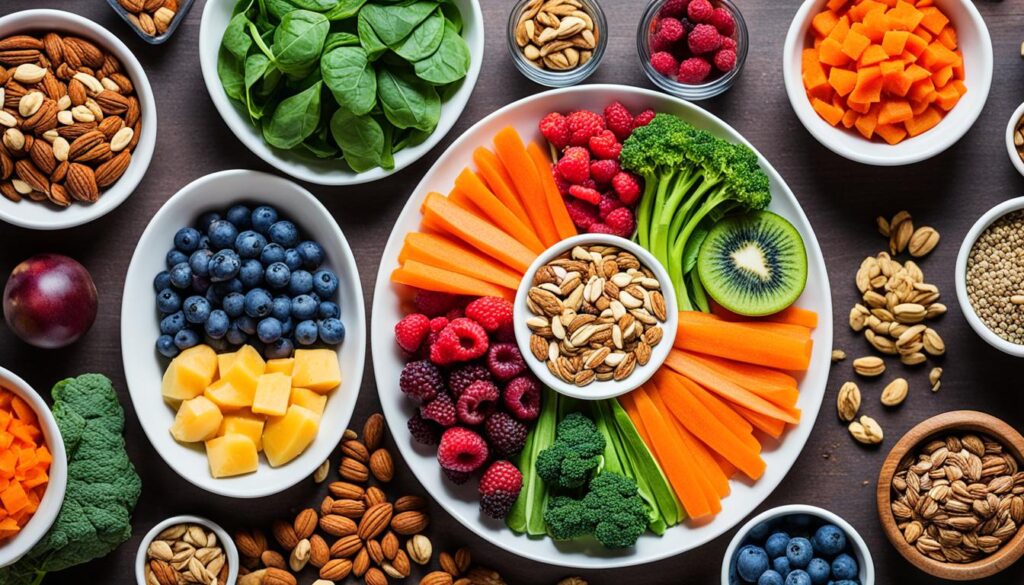
Eating an antioxidant-rich diet, including plenty of fruits and vegetables, can also help improve sperm health. Antioxidants help protect sperm from damage caused by oxidative stress, thereby promoting better sperm quality and motility.

One way to incorporate healthy eating habits into daily life is for men to cook nourishing meals themselves. By taking charge of meal preparation, men can have control over the ingredients and ensure they are consuming a variety of nutritious foods.

Image: Antioxidant-rich diet

Physical activity plays a crucial role in achieving and maintaining a healthy weight. Going on daily walks with their partner can not only help men stay physically active but also make it a fun and bonding activity to do together. Supporting each other’s goals and making healthy lifestyle changes as a team can contribute to long-term success.

By adopting a healthy weight and following an antioxidant-rich diet, men can take proactive steps to improve their fertility and increase the likelihood of a successful pregnancy.

Sample Table: Antioxidant-Rich Foods

Category Foods
Fruits
  • Blueberries
  • Strawberries
  • Raspberries
  • Oranges
Vegetables
  • Spinach
  • Kale
  • Broccoli
  • Red bell peppers
Nuts and Seeds
  • Almonds
  • Walnuts
  • Chia seeds
  • Flaxseeds

Importance of Family Health History

Learning about the family health history is crucial for both partners. Understanding potential genetic risks and predispositions can help couples make informed decisions regarding their pregnancy and seek appropriate medical guidance, such as genetic counseling, if necessary.

Certain chronic health conditions can have a hereditary component and may increase the risk of birth defects in offspring. By researching and discussing any health conditions that run in both partners’ families, couples can take precautionary measures to ensure a healthy pregnancy.

An accurate family health history can provide valuable insights into potential risk factors, allowing couples to proactively manage their reproductive health. Armed with this knowledge, individuals can consult healthcare professionals for genetic counseling to assess the potential impact these conditions may have on their pregnancy.

Genetic counseling offers couples the opportunity to understand their specific risk factors and make informed decisions about family planning, pregnancy, and potential interventions. This specialized guidance, coupled with comprehensive knowledge of family health history, empowers individuals to take control of their reproductive journey.

Benefiting from Family Health History

By understanding their family health history, couples can:

  • Identify potential genetic risks and birth defects
  • Seek timely medical advice and genetic counseling
  • Make informed decisions regarding family planning and pregnancy
  • Implement appropriate preventive measures and interventions

Implementing these measures not only enhances the chances of having a healthy pregnancy but also contributes to the overall wellbeing of future generations.

Capturing the essence of family health history emphasizes the importance of holistic care and proactive measures in ensuring a healthy pregnancy journey. By recognizing potential risks through genetic counseling and leveraging the insights gathered from family health history, couples can navigate their reproductive path with greater confidence and peace of mind.

Conclusion

Preconception health and pregnancy preparation are crucial for couples who are planning to conceive or considering parenthood in the future. By making positive lifestyle changes and prioritizing their well-being, couples can increase the likelihood of having a healthy pregnancy and contribute to the creation of a healthier future generation.

One of the key aspects of preconception health is maintaining a healthy diet. Eating nutritious foods and avoiding processed and unhealthy options can provide the body with the essential nutrients needed for fertility and a healthy pregnancy. Regular exercise is also important, as it not only helps with weight management but also boosts overall physical and mental well-being.

Additionally, couples should be mindful of avoiding alcohol and nicotine, as they can negatively impact fertility and increase the risk of complications during pregnancy. It is also essential to reduce exposure to toxic substances in the environment, such as chemicals and pollutants, which can have detrimental effects on reproductive health.

Learning about the family health history is another crucial step in preconception health. Understanding any genetic conditions that may run in both partners’ families can help in making informed decisions and seeking appropriate medical advice if necessary. Genetic counseling can provide valuable insights and guidance for couples concerned about the risk of certain birth defects or inherited conditions.

By taking proactive steps towards preconception health and pregnancy preparation, couples can ensure they are in the best possible physical and mental state to conceive and nurture healthy future generations. Prioritizing preconception health is not only beneficial for the couple but also lays a strong foundation for the well-being of their future children.

FAQ

Why is preconception health important for men?

Preconception health is not only important for women but also for men. Several factors can affect a man’s sperm health, including diabetes, heavy alcohol use, age, being overweight, exposure to harmful substances, health issues, medications, radiation treatment, chemotherapy, and certain drugs. Taking care of preconception health can optimize fertility and ensure a healthy pregnancy.

How can men achieve a healthy weight to improve fertility?

Obesity is linked to increased male infertility. To achieve and maintain a healthy weight, men can consume a balanced diet and engage in regular physical activity. Eating antioxidant-rich fruits and vegetables is beneficial for sperm health. Men can cook healthy meals and go on daily walks with their partner to make it a fun activity.

Why is understanding family health history important for both partners?

Learning about the family health history is crucial for both partners. Certain chronic health conditions can lead to birth defects, so it’s important to research and discuss any health conditions that run in both the partner’s family. This information can help in making informed decisions and seeking genetic counseling if necessary.

What are the essential steps in preconception health and pregnancy planning?

Preconception health and pregnancy planning involve maintaining a healthy diet, engaging in regular exercise, avoiding alcohol and nicotine, reducing exposure to toxic substances, reaching and maintaining a healthy weight, learning about family health history, and prioritizing mental health. These steps significantly increase the chances of having a healthy pregnancy and a brighter future for the next generation.

Source Links

Pregnancy After 35: Preparing for a Healthy and Successful Conception

preparing for pregnancy after 35

Are you in your mid-30s or beyond, contemplating pregnancy, and feeling a mix of excitement and uncertainty? You’re not alone. More and more women are choosing to have children later in life, pursuing their careers or waiting for the right time.

However, it’s important to understand that getting pregnant after 35 may present some unique challenges. As we age, our fertility naturally declines, making conception a bit more complex. But fear not; there’s plenty you can do to increase your chances of a healthy and successful pregnancy.

Let me introduce you to Lisa, an inspiring woman who decided to start her family after turning 35. Despite the initial worries and doubts, Lisa took charge of her reproductive health, sought pre-conception care, and made positive lifestyle changes to optimize her chances of conceiving.

Lisa understood the importance of preconception care and paid a visit to her healthcare provider. Together, they discussed her overall health, evaluated any possible risk factors, and created a plan tailored to Lisa’s specific needs. They discussed the impact of age on fertility and explored various fertility options available to her.

She also learned that maintaining a healthy weight, eating a balanced diet, and taking prenatal vitamins are crucial steps in preparing the body for pregnancy. Lisa committed to making these changes and incorporating regular exercise into her daily routine to support her overall well-being.

In addition to lifestyle adjustments, Lisa educated herself on the potential risks associated with pregnancy after 35. She discovered the importance of regular prenatal check-ups and the significance of prenatal testing to identify any chromosomal conditions or complications early on.

With her newfound knowledge and dedication to her health, Lisa embarked on her conception journey with confidence. She understood that age didn’t have to be a deterrent, but rather a motivation to be proactive and make informed choices.

In the upcoming sections, we’ll delve deeper into the impact of age on fertility, managing risks, and ensuring a healthy pregnancy after 35. We’ll equip you with essential tips, expert advice, and actionable steps to make your dream of becoming a mother a reality.

Stay tuned and let’s navigate this beautiful journey together!

Age and Fertility: Understanding the Impact of Aging on Conception

As women and men age, their fertility gradually declines, making it important to understand the impact of age on conception. For women, the quantity and quality of eggs decrease over time, which can affect the chances of getting pregnant. After the age of 35, the likelihood of conceiving each month significantly decreases.

Maternal age also plays a role in the risk of chromosomal abnormalities in embryos. As women get older, the likelihood of certain genetic conditions, such as Down syndrome, increases. This highlights the importance of preconception care, where women over 35 should discuss fertility options with healthcare providers to optimize the chances of a successful pregnancy.

Age-related factors like endometriosis can further complicate fertility. Endometriosis is a condition where the tissue lining the uterus grows outside of it. This can impact fertility and increase the difficulty of conception. Seeking medical advice and exploring assisted reproductive technologies, such as IVF, can help overcome these age-related fertility challenges.

Age Fertility Risk of Chromosomal Abnormalities
Under 35 Optimal Low
35-37 Decreased Increased
38-40 Significantly decreased High
Over 40 Very low Very high

Understanding the impact of age on fertility is crucial for individuals trying to conceive after the age of 35. By discussing fertility options, considering assisted reproductive technologies, and seeking appropriate medical care, individuals can take steps to improve their chances of a successful conception and healthy pregnancy.

Managing Risks and Ensuring a Healthy Pregnancy After 35

Pregnant individuals over 35 face increased risks and challenges during their pregnancy journey. Older age can contribute to a higher likelihood of developing complications that require careful management. Some potential risks associated with pregnancy after 35 include:

  • Gestational diabetes
  • Preeclampsia
  • High blood pressure
  • Increased risk of cesarean delivery
  • Preterm labor with low birth weight
  • Higher risk of chromosomal conditions in babies, such as Down syndrome

Regular prenatal checkups and tests play a vital role in detecting and managing these risks. Healthcare providers will monitor your health closely to ensure any potential complications are addressed promptly. Genetic screening and diagnostic tests can also provide valuable information about the risk of chromosomal conditions, giving you a better understanding of your baby’s health.

risks of pregnancy after 35

After childbirth, postpartum care is crucial for your well-being. It’s essential to prioritize your health and attend early follow-up visits to address any concerns or complications that may arise. By taking these steps, you can ensure a healthier pregnancy and a smoother transition into motherhood.

Here are some healthy pregnancy tips for individuals over 35:

  1. Attend regular prenatal visits to monitor your health and your baby’s development.
  2. Take prenatal vitamins as advised by your healthcare provider to ensure proper nutrient intake.
  3. Stay up to date with vaccinations to protect yourself and your baby from preventable diseases.
  4. Eat a well-balanced diet that includes plenty of fruits, vegetables, whole grains, and lean protein.
  5. Engage in regular exercise suitable for your stage of pregnancy to stay physically active.
  6. Place a strong emphasis on your mental health, seeking support and practicing stress management techniques.
  7. Attend postpartum checkups to ensure a smooth recovery and address any postpartum concerns.

Conclusion

While pregnancy after 35 may come with certain risks, it is important to note that many women have healthy pregnancies during this stage of life. Age does have an impact on fertility, which can increase the time and challenges associated with conceiving. Additionally, the risk of complications such as gestational diabetes and preeclampsia is higher in older age.

Fortunately, there are steps individuals can take to manage these risks and promote a healthy pregnancy. Regular prenatal care, making healthy lifestyle choices, and considering genetic testing can help in identifying and addressing potential issues. It is worth noting that age may also influence labor patterns, potentially increasing the chances of induction or cesarean delivery.

Preparing for a healthy pregnancy after 35 involves seeking preconception care and following a comprehensive prenatal care plan. With proper care and monitoring, the majority of women in this age range go on to have healthy pregnancies and give birth to healthy babies. It is crucial not to let age discourage individuals from pursuing pregnancy, as knowledge and medical care can support a successful conception journey.

FAQ

What are some risks associated with pregnancy after 35?

Pregnancy after 35 carries an increased risk of gestational diabetes, high blood pressure, premature birth, and the need for a cesarean delivery. Babies born to older mothers also have a higher risk of chromosomal conditions and pregnancy loss.

How can I prepare for a healthy pregnancy after 35?

To prepare for a healthy pregnancy after 35, it is important to engage in preconception care, discussing overall health and lifestyle changes with a healthcare provider. Regular prenatal care, a healthy diet, prenatal vitamins, maintaining a healthy weight, staying active, and avoiding risky substances are essential steps.

Does age affect fertility?

Yes, age affects fertility for both men and women. Women are born with a fixed number of eggs, which decrease in quality and quantity over time. The chance of conceiving each month decreases significantly after age 35, and the risk of chromosomal abnormalities in embryos increases with maternal age.

Are there options for overcoming age-related fertility challenges?

Yes, for women over 35 facing age-related fertility challenges, assisted reproductive technologies such as in vitro fertilization (IVF) can help increase the chances of conception.

What are some common complications in older age pregnancies?

Pregnant individuals over 35 have a higher risk of developing complications such as gestational diabetes, preeclampsia (high blood pressure), cesarean delivery, and preterm labor with low birth weight. There is also an increased risk of babies having chromosomal conditions.

How can I manage the risks and ensure a healthy pregnancy after 35?

Managing the risks of pregnancy after 35 involves regular prenatal checkups and tests to detect and manage potential complications. Genetic screening and diagnostic tests can provide information about the risk of chromosomal conditions. It is important to follow a comprehensive prenatal care plan and maintain a healthy lifestyle.

Can women still have a healthy pregnancy after 35?

Yes, with proper care and monitoring, most women over 35 go on to have healthy pregnancies and babies. Age should not discourage individuals from pursuing pregnancy, as knowledge and medical care can support a successful conception journey.

Source Links