
Imagine this: A couple, Sarah and David, had been trying to conceive for over a year with no success. They had always enjoyed the occasional glass of wine or cocktail during their evenings together, not thinking much about the potential impact on their fertility. However, as time went on, frustration started to set in. They began to question if there was something they were missing.
One afternoon, Sarah came across an article discussing the impact of alcohol on fertility. Curiosity piqued, she delved deeper, and what she discovered surprised her. Excessive alcohol consumption can actually have a negative effect on fertility for both men and women. Intrigued, she shared this information with David, and they decided to dig deeper into the topic.
Their research revealed that for women, alcohol can disrupt the menstrual cycle and interfere with ovulation, making it more difficult to conceive. It can also increase the risk of infertility and the likelihood of miscarriage. In men, alcohol can affect sperm production, motility, and morphology, reducing the chances of successful fertilization. The impact of alcohol on fertility was something they hadn’t fully considered before.
Armed with this knowledge, Sarah and David made a conscious decision to reduce their alcohol consumption in their pre-pregnancy journey. They understood the importance of making informed choices and optimizing their chances of successful conception.
If you and your partner are planning to start a family, it’s crucial to understand the connection between alcohol and fertility. Join us as we dive deeper into the impact of alcohol on both female and male fertility. Discover how alcohol can affect female hormones and the delicate balance necessary for ovulation and reproductive health. Additionally, explore the effects of alcohol on male hormones and sperm quality. By gaining a comprehensive understanding of the role of alcohol in fertility, you can make informed choices for your pre-pregnancy journey.
Alcohol and Female Hormones: The Impact on Fertility
When it comes to fertility, female hormones play a crucial role in the delicate balance of the menstrual cycle and ovulation. However, excessive alcohol consumption can disrupt this delicate balance, affecting a woman’s chances of conception.
One of the key hormones affected by alcohol is estrogen. Estrogen is responsible for regulating the menstrual cycle and triggering ovulation. When alcohol is consumed in excess, it can lead to irregular menstrual cycles and anovulatory cycles, where ovulation does not occur at all.
Furthermore, excessive alcohol consumption can create a less favorable uterine environment for pregnancy. This can make it more challenging for a fertilized egg to implant and develop properly.
Alcohol can also interfere with luteinizing hormone (LH) levels, which are essential for triggering ovulation. When LH levels are disrupted, ovulation can be delayed or prevented, reducing the chances of successful conception.
Chronic alcohol consumption can further complicate matters by impairing the regulation of other fertility-related hormones, such as estradiol and testosterone. This disruption can hinder the normal physiological processes necessary for conception.
It is essential for women who are trying to conceive to be aware of the impact of alcohol on their reproductive health and make informed choices regarding their alcohol consumption. By reducing or eliminating alcohol intake, women can optimize their chances of successful conception and increase their overall fertility.
Key Points:
- Excessive alcohol consumption can disrupt the delicate balance of female hormones.
- Alcohol can lead to irregular menstrual cycles and anovulatory cycles.
- It can create a less favorable uterine environment for pregnancy.
- Alcohol can interfere with luteinizing hormone (LH) levels, reducing the chances of ovulation.
- Chronic alcohol consumption can impair the regulation of other fertility-related hormones.
Alcohol and Male Hormones: The Impact on Sperm Quality
Excessive alcohol consumption can have a negative effect on male hormones and sperm quality, which are crucial factors in fertility. When men consume alcohol in large quantities, it can disrupt the delicate hormonal balance in their bodies, leading to various issues with sperm production and function.
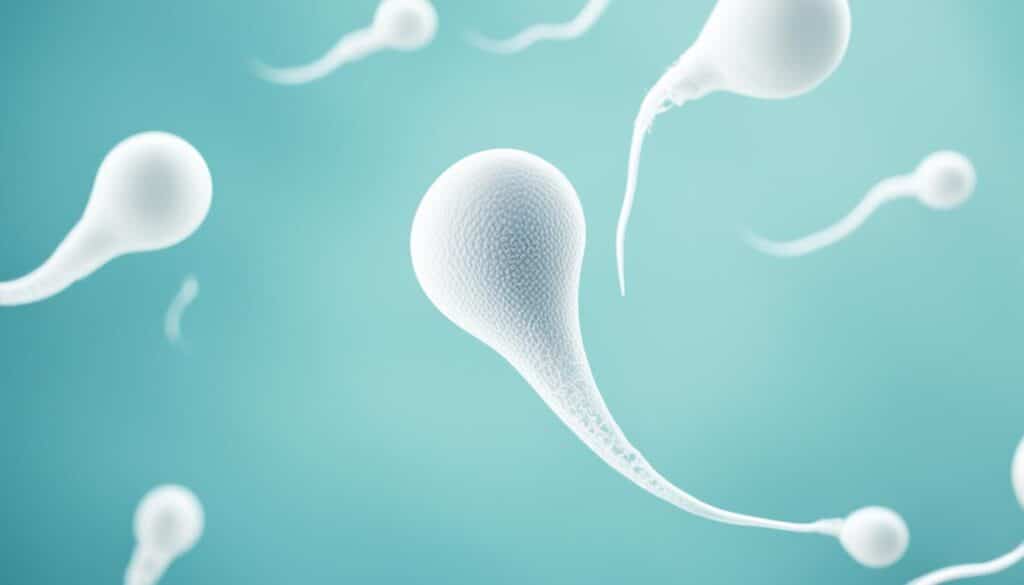
One important hormone affected by alcohol is follicle-stimulating hormone (FSH), which plays a vital role in the growth and development of normal sperm cells. Excessive alcohol intake can reduce FSH levels, leading to impaired sperm production and decreased sperm count.
In addition to sperm count, alcohol can also affect sperm morphology and motility. Studies have shown that chronic alcohol consumption can result in abnormal sperm morphology, where the shape and structure of the sperm are not ideal for successful fertilization. Furthermore, alcohol can decrease sperm motility, making it more difficult for sperm to reach and penetrate the egg during fertilization.
Decreased sperm quality can significantly reduce the chances of conception and successful fertilization. Couples trying to conceive should be aware of the impact of alcohol on male fertility and take steps to reduce alcohol consumption.
| Sperm Parameter | Effect of Alcohol |
|---|---|
| Sperm Count | Reduced |
| Sperm Morphology | Abnormal |
| Sperm Motility | Decreased |
It’s important for men to be mindful of their alcohol consumption when trying to conceive. By reducing alcohol intake and adopting healthier habits, men can improve their sperm quality and increase their chances of successful fertilization.
Conclusion
Excessive alcohol consumption can have detrimental effects on fertility for both men and women. Research has shown that alcohol can disrupt the delicate balance of hormones in the female body, leading to irregular menstrual cycles, anovulatory cycles, and a less favorable environment for pregnancy. In men, alcohol can impact sperm quality, reducing sperm count, morphology, and motility. These factors can significantly decrease the chances of successful fertilization and conception.
For couples planning to start a family, it is essential to be aware of the impact of alcohol on their reproductive health. While moderate alcohol consumption may not have a significant effect on fertility, excess drinking can pose risks to conception, increase the likelihood of miscarriage, and harm fetal development. To optimize their chances of successful conception and parenthood, couples should consider reducing or eliminating alcohol intake when trying to conceive and follow the guidelines for safe alcohol consumption.
It’s also crucial for individuals dealing with fertility concerns to seek professional help and support. Consulting with healthcare providers who specialize in reproductive health can provide valuable insight and personalized guidance on preconception planning. By making informed choices, adopting healthier habits, and avoiding excessive alcohol consumption, couples can stack the odds in their favor and increase their chances of realizing their dream of starting a family.
No Comments yet!