
Picture this: You and your partner have been trying to conceive for months, eagerly awaiting that positive pregnancy test. But despite your best efforts, nothing seems to be happening. You start wondering if there’s something you’re missing, something that could be affecting your fertility.
One day, while sipping your favorite cup of coffee, an article catches your eye. It’s about the effects of caffeine on fertility. You’re intrigued and dive into the research, hoping to find some answers.
As you read through the studies, you learn that caffeine intake can indeed have an impact on fertility, both for men and women. It turns out that your daily caffeine habit might be playing a role in your journey towards parenthood.
Curiosity piqued, you continue reading to uncover the truth behind caffeine and its effects on fertility. How much caffeine is too much? Can it really affect your chances of conception? Are there any other factors you should consider?
In this article, we’ll explore the relationship between caffeine and fertility, shedding light on the latest research findings. We’ll delve into how caffeine affects both men and women, and provide valuable tips for prospective parents looking to maximize their chances of conception.
So grab a cup of your favorite beverage (decaf, perhaps?) and join us on this journey to discover the truth about caffeine and fertility.
Does Caffeine Affect Fertility in Women?
When it comes to caffeine and female fertility, there are important considerations to keep in mind. High caffeine intake may have an impact on the time it takes for women to conceive. To optimize your chances of getting pregnant, it is recommended to limit your daily caffeine intake to 200 mg per day, which is approximately two cups of coffee.
Research indicates that excessive caffeine consumption may also increase the risk of miscarriage. However, it is important to note that the exact effects of caffeine on female fertility and the health of the baby are still uncertain. While some studies suggest a correlation between high caffeine intake and an increased risk of miscarriage, more research is needed to establish a definitive link.
To make informed decisions about caffeine consumption, it is advised to consult with your healthcare provider. They can provide personalized guidance based on your specific circumstances and medical history.
| Caffeine Intake | Time to Conceive | Miscarriage Risk |
|---|---|---|
| Below 200 mg per day | No significant impact | Uncertain, further research needed |
| Above 200 mg per day | Potentially longer time to conceive | Potentially increased risk |
Remember, every person’s fertility journey is unique, and various factors can contribute to successful conception. It is essential to maintain a healthy lifestyle and prioritize overall well-being when planning for pregnancy. If you have concerns about caffeine intake and its potential effects on fertility, reach out to your healthcare provider for personalized advice.
How Does Caffeine Affect Male Fertility?
When it comes to male fertility, caffeine intake can have both positive and negative effects. Moderate consumption of caffeine, typically two to three cups of coffee per day, has been shown to improve sperm motility in men. This means that the sperm cells are better able to swim and reach the egg for fertilization. Improved sperm motility can increase the chances of successful conception.
However, it’s important to note that high doses of caffeine may have adverse effects on the quality of sperm. Studies have suggested that excessive caffeine intake can lead to DNA damage in sperm cells, which can negatively impact fertility. The exact mechanism by which caffeine affects male fertility is still not fully understood, and further research is needed to determine the exact effects.
To ensure optimal fertility, it is recommended to moderate caffeine intake and stay within the range of two to three cups of coffee per day. It’s also essential to maintain a healthy lifestyle, including a balanced diet, regular exercise, and adequate hydration. These lifestyle factors, in combination with moderate caffeine consumption, can contribute to improved male fertility.
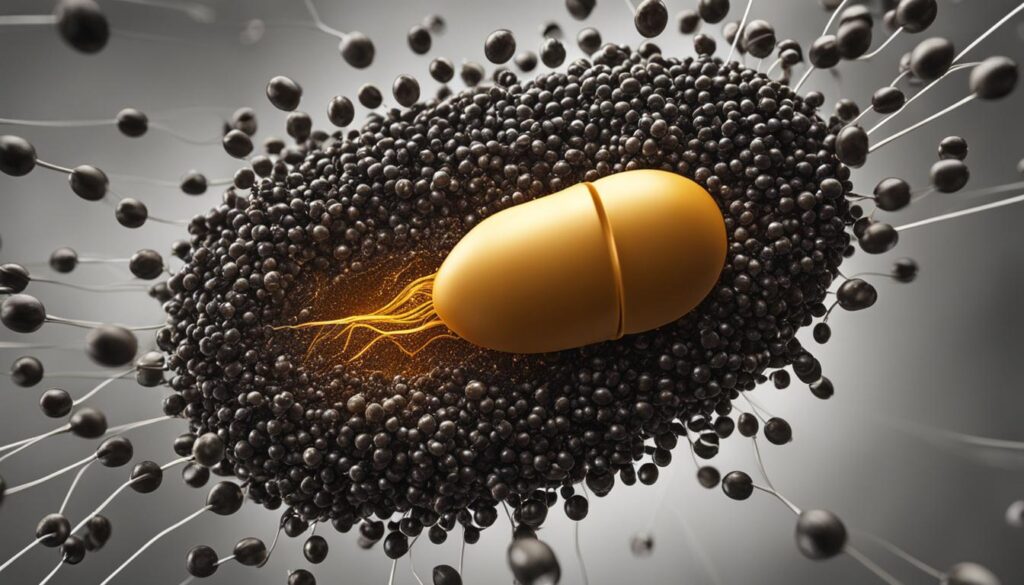
Overall, understanding how caffeine affects male fertility is an ongoing area of research. While moderate caffeine intake can have positive effects on sperm motility, it’s crucial to consume it in moderation to minimize potential risks. Consulting with a healthcare professional can provide further guidance and personalized recommendations based on individual circumstances.
Conclusion
Based on current research, it appears that caffeine consumption below 200 milligrams per day does not have a significant impact on female fertility. However, it is important for prospective parents to be mindful of their caffeine intake and make informed choices.
In men, moderate coffee consumption of two to three cups per day may enhance sperm motility, which could improve fertility. However, excessive caffeine intake should be avoided to minimize potential risks.
To maximize your chances of conception and ensure a healthy pregnancy, it is recommended that you limit your caffeine intake, maintain a nutritious diet, stay hydrated, and engage in regular physical activity. These lifestyle factors, along with managing your caffeine consumption, can contribute to better overall fertility outcomes.
Ultimately, while further research is needed to fully understand the effects of caffeine on fertility, being mindful of your caffeine intake and adopting a healthy lifestyle can positively impact your chances of successful conception and a healthy pregnancy.
No Comments yet!