
Imagine this: you’re experiencing the transformative journey of pregnancy, eagerly anticipating the arrival of your little one. Your body is changing, and you’re faced with new physical and emotional challenges. In the midst of it all, you discover the incredible benefits of pregnancy yoga.
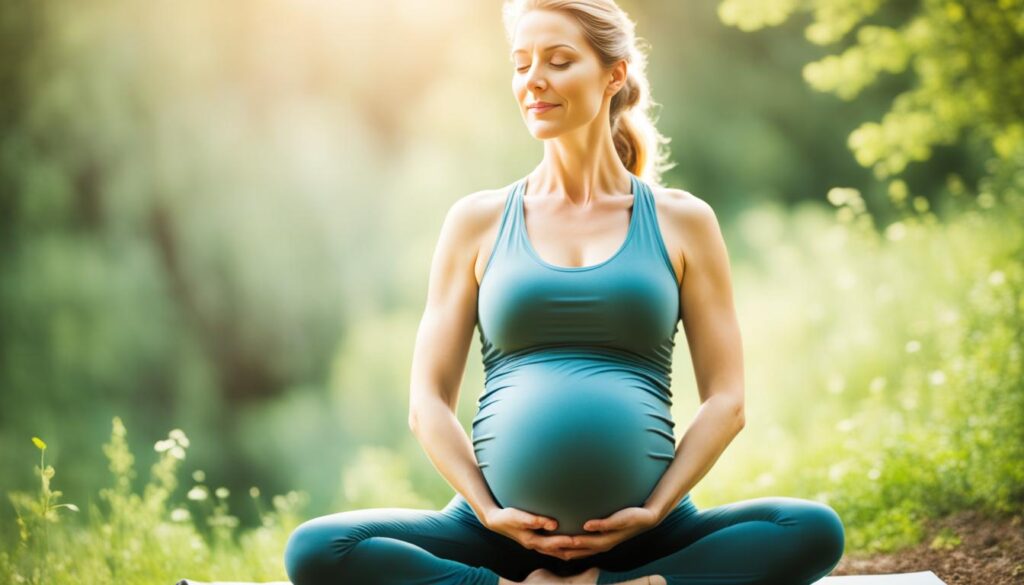
Pregnancy yoga, also known as prenatal yoga, is a gentle and nurturing practice that offers a multitude of advantages for expectant mothers. It not only supports your physical well-being but also promotes mental health and overall wellness during this critical time.
Research has shown that pregnancy yoga can have a positive impact on your neuropsychology, quality of life, and personality as a pregnant woman. It is a powerful tool for managing common issues such as stress, anxiety, and depression, allowing you to navigate the emotional demands of pregnancy with ease.
By incorporating gentle movements, breathing exercises, and meditation, pregnancy yoga provides a holistic approach to mind and body wellness. It helps you develop a sense of calm, balance, and connection with your growing baby. Furthermore, pregnancy yoga enhances your physical health, maintaining pelvic strength, alleviating back pain, and strengthening your core.
Embracing the practice of pregnancy yoga can lead to a healthier and more positive pregnancy journey, benefiting both you and your baby. In the upcoming sections, we will explore in detail the impact of pregnancy yoga on mental health, stress reduction, physical health, and overall well-being.
The Impact on Mental Health and Stress Reduction
Pregnancy can be emotionally demanding, and many expectant mothers experience increased levels of stress and anxiety. Pregnancy yoga offers a powerful tool for managing these mental health challenges. Research has shown that regular practice of pregnancy yoga can lead to a decrease in perceived stress, depression, and anxiety, as well as an improvement in overall psychological well-being (First source). The focus on breath work and mindfulness in pregnancy yoga helps women develop a sense of inner calm and relaxation, reducing stress levels and promoting a positive mindset (Second source). By incorporating meditation and deep breathing techniques, pregnancy yoga provides a space for expectant mothers to connect with their bodies and their growing baby, fostering a sense of peace and serenity (Third source).
When it comes to managing stress during pregnancy, pregnancy yoga offers a unique combination of physical movement, breath awareness, and mindfulness that can have profound effects on mental well-being. The gentle stretches and poses not only help release physical tension but also allow mothers to create a deeper connection with their bodies and the miracle of life growing within them.
Practicing pregnancy yoga provides expectant mothers with an opportunity to slow down, tune in, and cultivate a sense of mindfulness. By focusing on the breath and being present in the moment, stress and anxiety can be reduced, allowing for a more peaceful and relaxed state of mind. Mindfulness practices in pregnancy yoga empower women to embrace the changes happening in their bodies and approach their pregnancy journey with a sense of acceptance and gratitude.
Moreover, pregnancy yoga offers a supportive community where women can connect with others going through a similar experience. This sense of belonging and shared struggle can lessen feelings of isolation and provide emotional support, further contributing to overall mental health and well-being.
The Benefits for Physical Health and Well-being
In addition to the mental health benefits, pregnancy yoga also offers significant advantages for physical health and well-being during pregnancy. The gentle movements and stretches involved in pregnancy yoga help strengthen the pelvic area, promoting pelvic strength and alleviating discomfort (First source). This is particularly beneficial as the pelvic area plays a crucial role in labor and delivery. By specifically targeting the muscles in this region, pregnancy yoga prepares the body for childbirth.
Furthermore, pregnancy yoga is highly effective in providing relief from common issues experienced by pregnant women, such as back pain. The changing body and the shift in gravity during pregnancy often lead to back pain. Regular practice of pregnancy yoga helps alleviate this pain and discomfort (Second source). Through targeted movements and stretches, pregnancy yoga improves flexibility, posture, and spinal alignment, reducing the strain on the back.
Another key benefit of pregnancy yoga is its impact on core strength. Maintaining core strength during pregnancy is important for overall stability and supporting the body’s changing needs. Pregnancy yoga emphasizes gentle movements that engage and strengthen the core muscles (Third source). By focusing on proper alignment and controlled movements, pregnancy yoga helps expectant mothers maintain core strength, supporting their physical well-being throughout the pregnancy journey.
By incorporating pregnancy yoga into your routine, you can experience improved physical health and well-being during pregnancy. Strengthening the pelvic area, alleviating back pain, and maintaining core strength are just a few of the many benefits that pregnancy yoga offers.
The Benefits of Pregnancy Yoga for Physical Health
| Benefits | Description |
|---|---|
| Promotes Pelvic Strength | Pregnancy yoga targets the pelvic area, strengthening the muscles needed for labor and delivery. |
| Relieves Back Pain | Gentle movements and stretches in pregnancy yoga help alleviate back pain caused by the changing body and gravity. |
| Maintains Core Strength | Pregnancy yoga focuses on core engagement, supporting overall stability and postpartum recovery. |
Conclusion
Conclusion
Pregnancy yoga, with its holistic approach to mind-body wellness, offers a multitude of benefits for expectant mothers. Through gentle movements, breath work, and meditation, it provides a pathway to a healthier and more positive pregnancy journey.
Research has shown that pregnancy yoga can reduce stress, anxiety, and depression, leading to an overall improvement in quality of life for pregnant women. By incorporating these practices, expectant mothers can actively manage their mental well-being, fostering a sense of balance and calm throughout their pregnancy.
In addition to its mental health benefits, pregnancy yoga also supports physical health and well-being. It helps maintain pelvic strength, alleviates back pain often experienced during pregnancy, and strengthens the core, enhancing overall stability. By staying active and engaging in prenatal fitness, expectant mothers can prepare their bodies for labor and delivery.
Embracing the practice of pregnancy yoga empowers expectant mothers to nurture both their body and mind, fostering a deeper connection with their growing baby. With its many benefits, pregnancy yoga offers a transformative and enriching experience, promoting a sense of well-being and preparing women for the beautiful journey of motherhood.
No Comments yet!