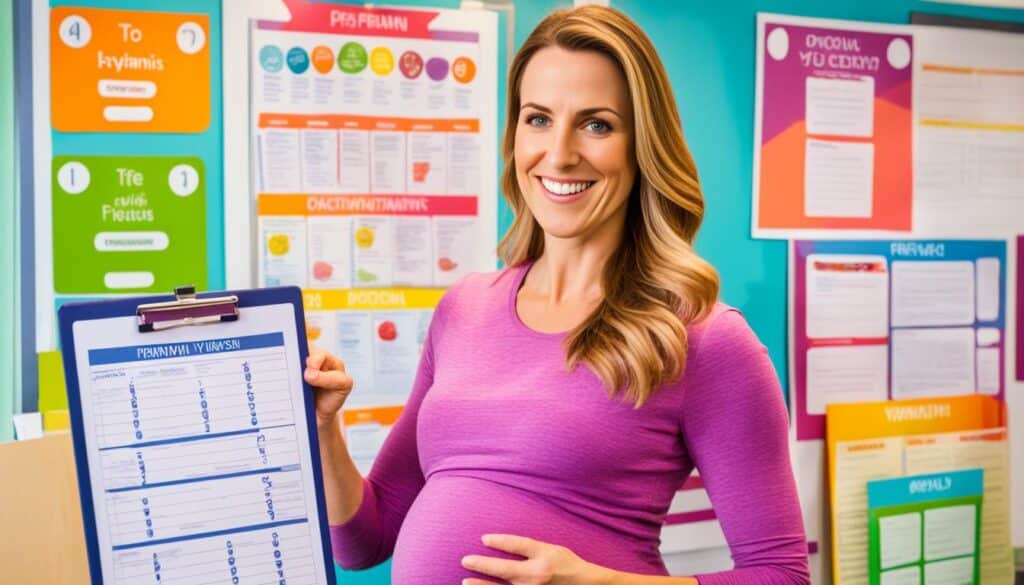
Before the excitement of picking out nursery colors and baby names, it’s important to focus on preparing your body and your life for the journey of pregnancy. Taking the time to prioritize your pre-pregnancy health will set a strong foundation for the health of both you and your baby. Follow this comprehensive checklist to ensure you’re ready for this incredible chapter of your life.
Meet Rachel, a 32-year-old woman who has always dreamed of becoming a mother. She’s been researching and reading countless articles, looking for guidance on how to best prepare for pregnancy. Rachel is well aware that pre-pregnancy planning can make a significant impact on the health and well-being of her future child. She’s determined to do everything she can to have a smooth and healthy pregnancy.
As Rachel delves into her pre-pregnancy journey, she discovers that there are several steps she can take to optimize her health and increase her chances of a healthy pregnancy and delivery. From getting in shape and eating well to taking prenatal vitamins and quitting smoking, each task on the checklist plays a vital role in her overall well-being.
In the following sections, we will explore Rachel’s pre-pregnancy health checklist in detail, covering essential topics such as exercise and nutrition, medical care and genetic testing, and other considerations and planning. By the end of this article, you’ll have a comprehensive understanding of what it takes to prepare your body and life for the miracle of pregnancy.
Exercise and Nutrition
Exercise and nutrition are vital aspects to consider when preparing your body for pregnancy. By incorporating regular physical activity and maintaining a healthy diet, you can optimize your chances of having a healthy pregnancy and delivering a healthy baby. Here are some key guidelines to follow:
Exercise During Pregnancy
Engaging in regular exercise during pregnancy is not only safe, but highly beneficial for both you and your baby. Aim for at least 30 minutes of moderate-intensity exercise on most days of the week. Activities such as walking, biking, swimming, and prenatal exercise classes are excellent options to consider. Always consult with your healthcare provider before starting any new exercise routine to ensure that it aligns with your individual needs and medical history.
Healthy Eating
A well-balanced diet is crucial for preconception health. Focus on consuming a variety of nutrient-dense foods that provide essential vitamins and minerals. Here are some key nutrients to prioritize:
- Protein: Include lean sources of protein such as poultry, seafood, beans, nuts, and seeds.
- Iron: Incorporate iron-rich foods like lean meats, dark leafy greens, fortified cereals, and legumes to support healthy blood production.
- Calcium: Consume dairy products, fortified plant-based milk, and leafy greens to meet your calcium needs for bone health.
- Folic Acid: Ensure you’re getting enough folic acid by including foods like leafy greens, citrus fruits, legumes, and fortified grains in your diet. Taking a daily prenatal vitamin that contains 400 micrograms of folic acid is also crucial in preventing birth defects.
Avoid excessive consumption of sugary and processed foods, as they provide empty calories and can lead to weight gain and nutrient deficiencies. Choose whole, unprocessed foods whenever possible.
Prenatal Vitamins
Taking prenatal vitamins is essential for meeting the increased nutrient demands during pregnancy. These supplements provide key vitamins and minerals that support fetal development. Look for a prenatal vitamin that contains folic acid, iron, calcium, and other essential nutrients. Consult with your healthcare provider to determine the appropriate prenatal vitamin for your specific needs.
Remember, maintaining a healthy weight is important for fertility and overall pregnancy health. Being underweight or overweight can impact hormone levels and increase the risk of complications. Aim to achieve a healthy weight through a balance of regular exercise and nutritious eating habits.
Key Takeaways
To optimize your pre-pregnancy health, prioritize regular exercise, healthy eating, and prenatal vitamins. By engaging in appropriate physical activity, consuming a nutrient-rich diet, and taking necessary supplements, you can enhance your fertility and set the stage for a healthy pregnancy.
Medical Care and Genetic Testing
Seeking medical care and discussing genetic testing are crucial steps in preparing for a healthy pregnancy. Schedule a pre-pregnancy visit with your doctor a few months before you start trying to conceive. During this visit, you can discuss any necessary tests or vaccines, prenatal vitamins, and management of existing health conditions.
Your doctor may recommend preconception tests if you have a family history or ethnicity that puts you at high risk of genetic disorders. These tests can identify if you carry genes for conditions such as cystic fibrosis, fragile X syndrome, Tay-Sachs disease, or sickle cell disease.
It’s also important to address any dental health issues, as pregnancy increases the risk of gum disease. Limit caffeine intake and quit smoking and drinking alcohol as these habits can have detrimental effects on fertility and the development of your baby.
Benefits of Preconception Counseling
Preconception counseling involves meeting with a healthcare professional to discuss your plans for pregnancy and receive guidance on optimizing your health. Here are a few benefits:
- Identifying and managing any existing health conditions that could affect your pregnancy, such as diabetes or high blood pressure.
- Addressing any medications you are currently taking and determining if they are safe during pregnancy.
- Reviewing your family history to assess the risk of genetic disorders and discussing any recommended genetic testing.
- Understanding the importance of a healthy lifestyle, including exercise, nutrition, and weight management.
- Receiving support and advice on emotional well-being and stress management during the preconception period.
Genetic Testing Options
Genetic testing can provide valuable information about the likelihood of passing on genetic disorders to your baby. Here are some common types of genetic tests:
- Carrier screening: This test determines if you carry genetic mutations for certain conditions. It is typically recommended for individuals with a family history of genetic disorders or belonging to certain ethnic groups with a higher risk.
- Prenatal screening: These tests assess the risk of chromosomal abnormalities, such as Down syndrome, trisomy 18, and open neural tube defects. They are usually performed during the first and second trimesters of pregnancy.
- Prenatal diagnostic testing: When indicated by abnormal screening results or other risk factors, these tests can provide a definitive diagnosis of certain genetic conditions. Examples include chorionic villus sampling (CVS) and amniocentesis.
Genetic testing can help you make informed decisions about your pregnancy and enable early intervention or treatment if necessary. Discussing these options with your doctor can ensure the best possible outcome for you and your baby.
| Genetic Disorder | Carrier Frequency | Recommended Genetic Testing |
|---|---|---|
| Cystic fibrosis | 1 in 25 Caucasians | Carrier screening |
| Fragile X syndrome | 1 in 250 women and 1 in 800 men | Carrier screening |
| Tay-Sachs disease | 1 in 27 Ashkenazi Jewish individuals | Carrier screening |
| Sickle cell disease | 1 in 13 African Americans | Carrier screening |
Other Considerations and Planning
Besides focusing on your physical health, there are other important considerations and planning involved in preparing for pregnancy. Start by making a list of baby supplies and gathering all the necessary items, such as clothes, a car seat, and a stroller. To save some money, you can consider buying gently used baby clothes or shopping in bulk.
It’s crucial to discuss with your employer about maternity leave policies and plan accordingly. Knowing your rights and understanding the options available to you will help alleviate stress and ensure a smooth transition from work to motherhood. Take the time now to have these conversations and make any necessary arrangements.
It’s also essential to prepare your pets for the arrival of your baby. Introduce them to baby supplies gradually and set new rules to establish boundaries and ensure a safe and peaceful environment for everyone. Familiarizing your furry friends with the changes will help them adjust to the new family dynamic more smoothly.
Finally, don’t forget to take some time for self-care and enjoy a grown-up getaway before your focus shifts to parenting. Whether it’s a relaxing spa day or a weekend trip, indulge in activities that recharge your mind and body. Taking care of yourself is just as important as preparing for your little one’s arrival.
No Comments yet!